High Guard Defence for Straight Punches and Hooks
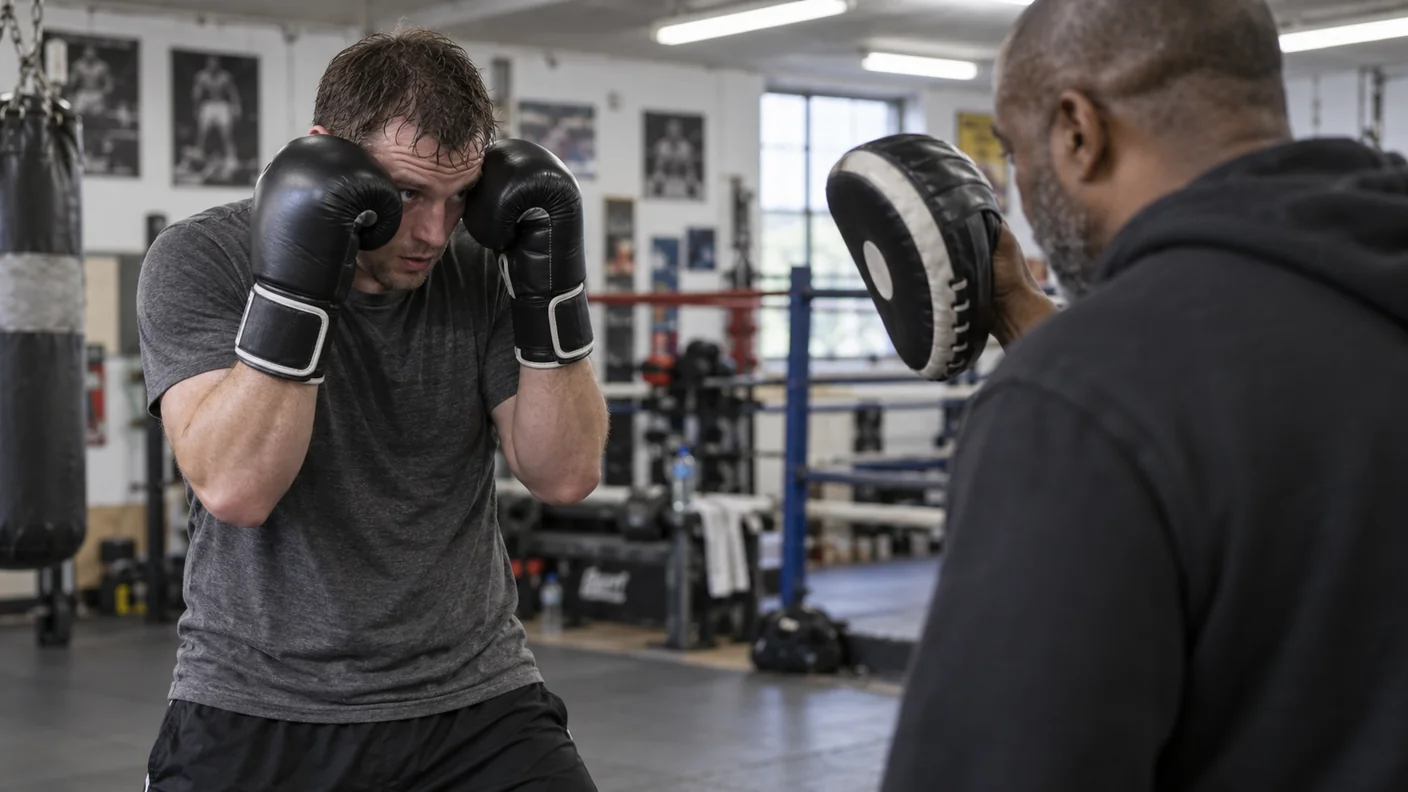
A high guard is not one frozen shape. It has to change slightly as the line of attack changes.
That is the part beginners often miss. They bring both gloves up, feel protected for a second, then take every shot on the same patch of forearm. A straight punch squeezes through the middle. A hook travels around the side. The answer is not a dramatic movement or a desperate swing back. It is a small adjustment that keeps your head covered while your eyes, feet and next decision still work.
The video below is useful for seeing the contrast between a guard that closes through the middle and one that opens towards the side. Watch it as a reference, then keep the training version simple: protect the line, recover the guard, and do not give away your stance trying to block everything.
A high guard needs to follow the line of the punch
At its most useful, a high guard puts both gloves near the temples and cheeks, with the elbows close enough to protect the ribs. The chin is tucked behind the gloves, but there is still a narrow sight line between them. You are covered without wearing a blindfold.
The guard has a different job against different shots. A jab or cross comes through the centre. Your forearms and gloves can come a little closer together to make that central lane less inviting. A hook comes around the outside. The elbow and glove on that side need to lift and turn enough to cover the side of the head, while the other hand stays home.
The adjustment should be measured. If your gloves fly above the forehead, the body opens and you lose sight of what comes next. If you spread the arms too far to catch a hook, you create the opening that the next straight punch is looking for.
England Boxing places sound guard, balance and controlled technical progression at the centre of its coaching handbook. That is a useful test here. A block has done its job only if it leaves you able to see, move or defend again.
Close the middle for straight punches
A straight-punch block is compact. Bring the gloves and forearms a little closer through the centre line, with the elbows still pointing down rather than flaring away from the body. Think of making a small door in front of the face, not pressing the gloves together so hard that you cannot see.
You do not need to wait until the punch has landed on your guard. In a controlled drill, a coach can show a mitt on the centre line and give you time to settle into the position. The important part is recovering to a useful guard after the cue. If the hands stay welded together, the next hook or body shot becomes harder to read.
Keep the stance underneath you. Some boxers lean backwards while they close the guard, which turns a simple block into a balance problem. Bend gently through the knees, keep the head between the feet and take a small step only if the range calls for it.
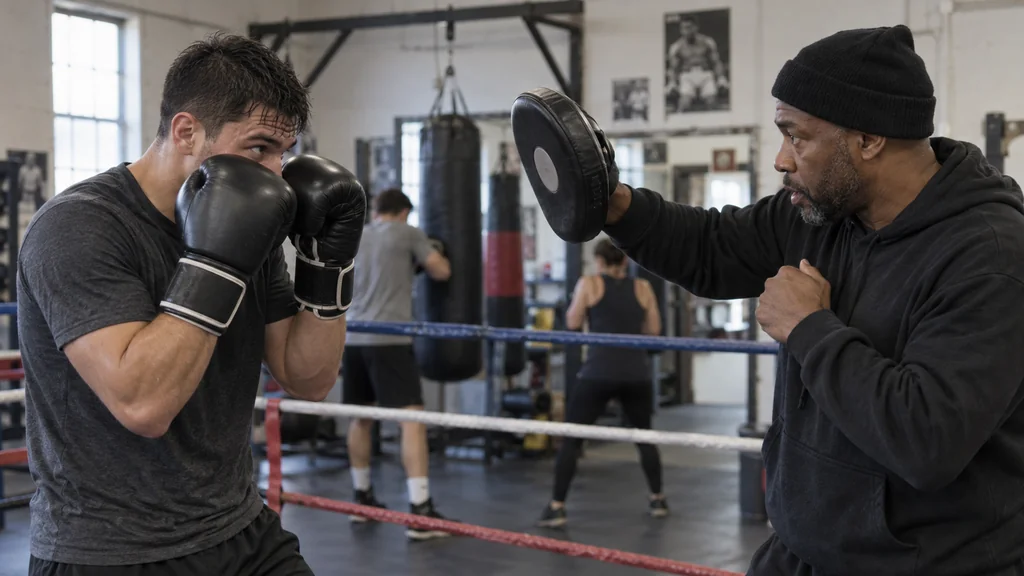
A systematic review of anticipation in combat sports found that more skilled athletes make better use of early movement information. In plain gym terms, do not wait for the glove to cover your view. Keep looking at the chest and shoulders, recognise the line early, and make the smallest answer that works.
Open the side for hooks without throwing the elbow away
A hook asks a different question. The punch is trying to travel around the side of the guard, so the glove and elbow on that side have to meet its path.
For a lead hook coming towards your left side in an orthodox stance, lift the left glove close to the temple and let the left elbow rise enough to protect the side of the head. The right hand stays near the cheek and the right elbow stays useful for the body. Reverse that picture for a rear hook, and reverse the sides for a southpaw.
This is not a windscreen-wiper motion. You are not sweeping an arm across the head, and you are not lifting the elbow high over it. Both errors make the guard slow to recover and expose the ribs. The glove stays close, the elbow is bent, and the chin stays behind the shoulder line.
If the hook is very close, a high guard may only buy you a moment. Do not assume a block has made the exchange safe. Cover the line, take a small step or turn if there is space, then decide whether a simple jab, a reset or another cover is the sensible answer.
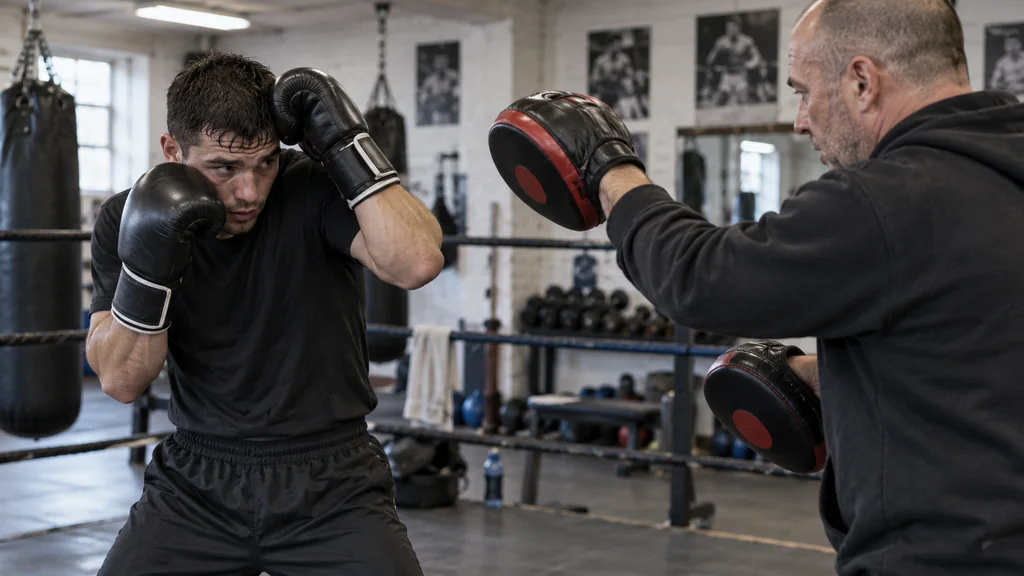
Our guide to blocking hooks in boxing goes deeper into the range and body position for that one punch. The larger point is that a hook block must not make you helpless for the straight shot that may follow it.
The two-cue high-guard drill
Use gloves and a coach or a trusted partner who can keep the drill slow. This is not a shortcut to hard sparring. You are building a shape that stays calm when the line changes.
Round one: see the line
Stand at a comfortable mitt distance. The coach shows either a centre mitt or a mitt just outside one side of your head. Do not punch back yet.
For the centre mitt, close the guard slightly through the middle. For the side mitt, open the guard on that side with a small glove-and-elbow adjustment. Freeze for one count after each response. Check that the eyes are up, the chin is protected and both feet are still staggered.
Round two: add a second cue
The coach now shows two cues in sequence, such as centre then side, or side then centre. Your task is to return to a working guard between them rather than staying stuck in the first block.
Keep the pace low enough that you can recognise the change. If the elbows start flying, slow down. A clean two-cue round teaches more than a fast round spent guessing.
Round three: cover, move, choose
After the second cue, the coach either presents a mitt at honest jab range or removes it. If the mitt is there, give one controlled jab and bring the hand home. If the mitt is gone, take a small step out or reset without reaching.
This last decision matters. A high guard is defence first. You do not earn a compulsory counter because you blocked a mitt. The range, your balance and the picture in front of you decide whether a punch is available.
Four mistakes that turn a high guard into a target
The first is covering the head and forgetting the body. When both elbows flare out, a straight body shot has a clear route. Keep the elbows connected to the job even while one side adjusts for a hook.
The second is looking at the floor. A guard without vision quickly becomes passive. Your eyes should still see the chest, shoulders and the next movement.
The third is making every block identical. Straight shots and hooks do not take the same route. Train the small difference so that you do not try to solve a hook with a narrow centre cover or a jab with a wide open guard.
The fourth is staying covered after the danger has passed. A high guard is a useful temporary shelter, not somewhere to live. Return to a working position where you can jab, catch, parry or step when the space changes.
For the wider skill of using a guard without freezing, read how to stay covered while moving in boxing. It explains how the feet and eyes keep the guard from becoming a stationary target.
For adults in Kidbrooke, Greenwich and nearby, our Recreational Adults boxing classes use controlled mitt and partner drills to build a guard that can deal with different lines without requiring hard sparring.
The coaching cue is simple: close the middle for straight shots, cover the side for hooks, then get back to boxing.
H&G Team
Writer at Honour & Glory Boxing Club, a community boxing gym in Kidbrooke, South East London.
KEEP READING
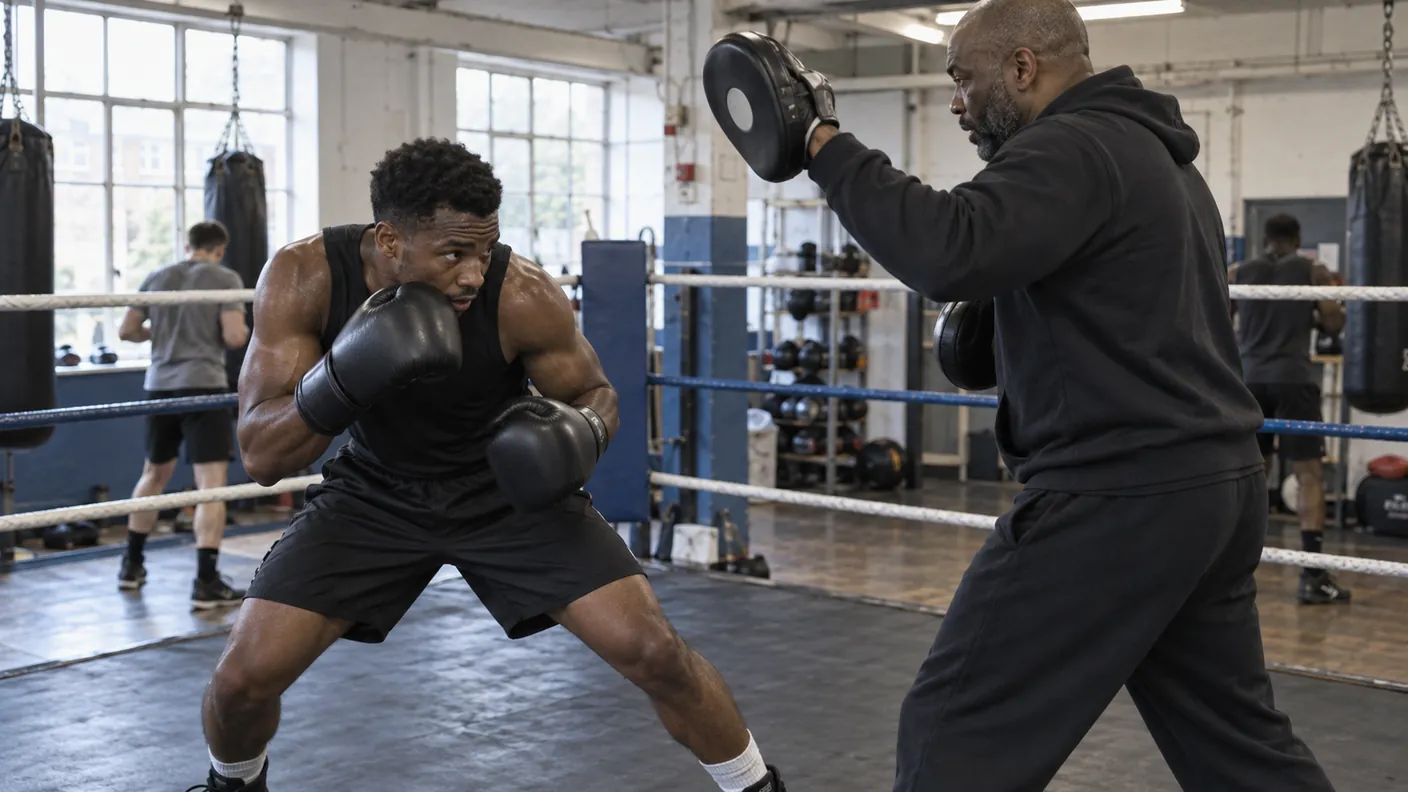
High Guard Boxing: Stay Covered Without Freezing
Use a high guard that protects your head while your feet, eyes and next decision stay active under pressure.
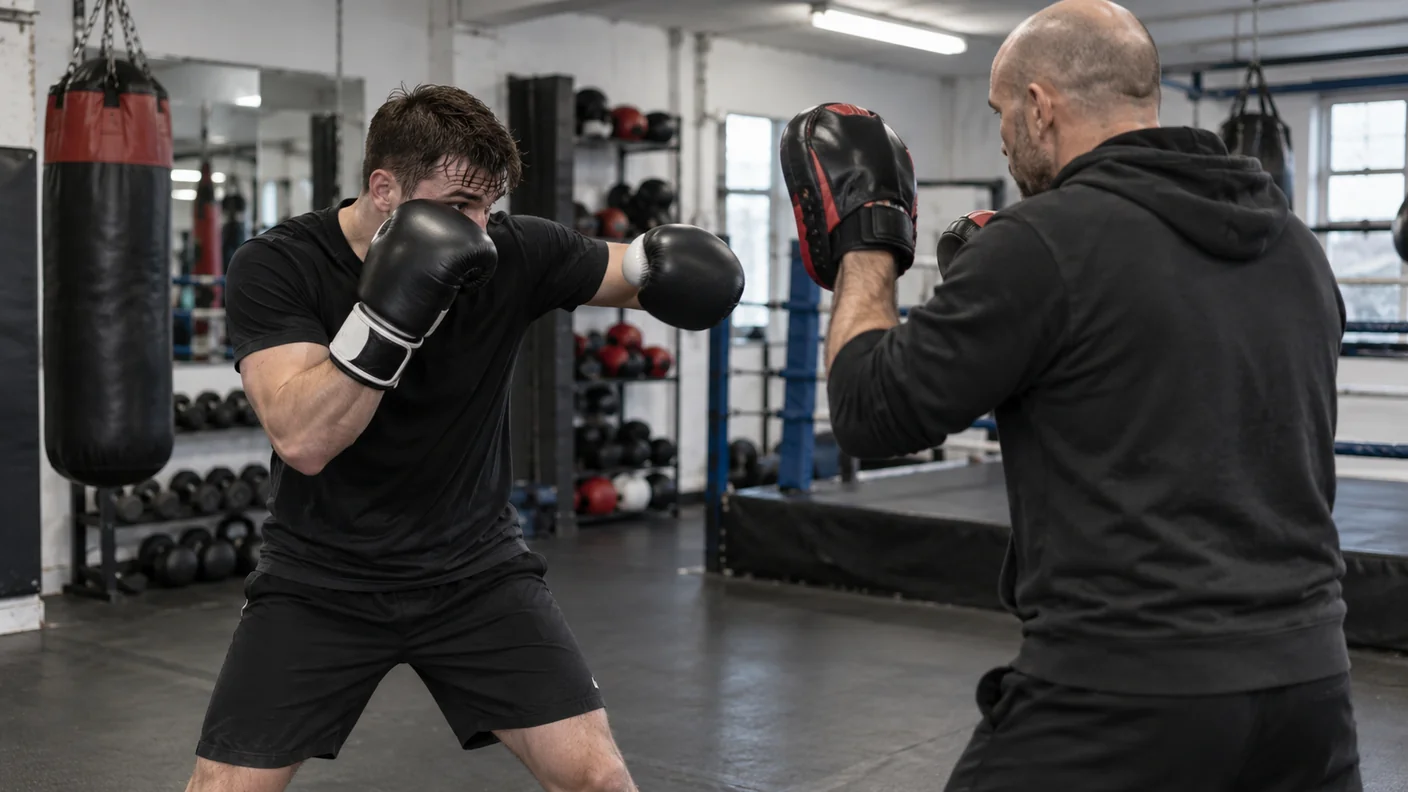
High Guard Block to Lead Hook: Boxing Counter
Use a compact high guard to block a straight line, then return with a short lead hook only when your stance and range are ready.
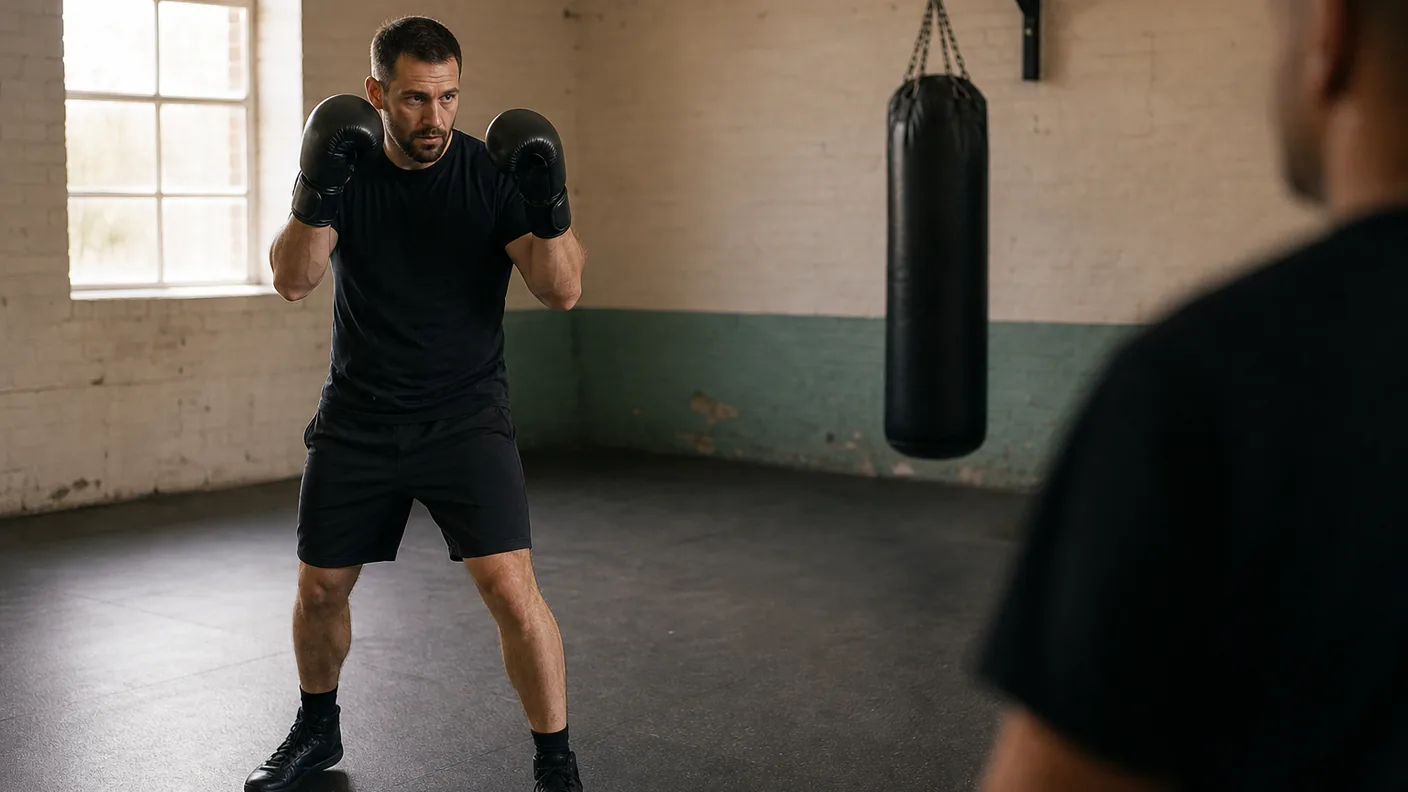
Why a Narrow Boxing Guard Spoils Straight Punches
A cramped boxing guard can turn the shoulders away from clean straight punches. Use this simple check to keep your stance useful.
Was this page helpful?
It takes one tap, and it genuinely helps.
Choose your next step
Turn this article into the right action
Some readers are ready to book. Some need the class route first. Pick the route that matches what you actually want.