Chop Chop Gonzalez's body-shot stoppage: why it worked
Chop Chop Gonzalez’s body-shot stoppage: why it worked
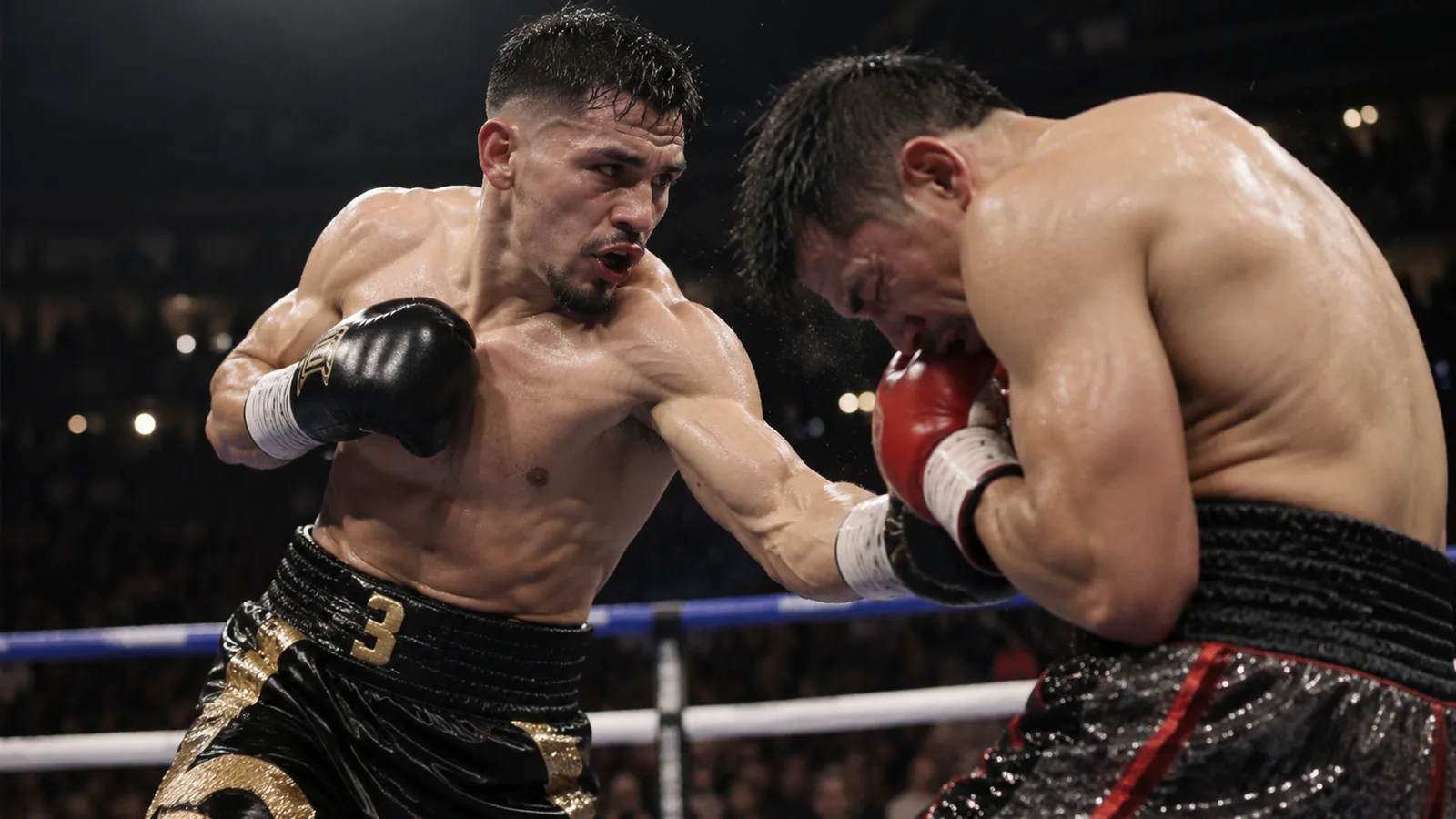
Albert “Chop Chop” Gonzalez did not need a wild shoot-out to stop Edward Vazquez. He needed four minutes, a patient first round and a clear read on a man who was just a fraction too slow getting his punches home.
The second-round finish in San Antonio was brutal because it was built properly. Gonzalez stayed close enough to make Vazquez work, made him show his preferred responses, then attacked the gaps between them. The final body punches were not a lucky find. They were the conclusion of a pressure job.
The result moved Gonzalez to 19-0 with 12 stoppages and retained his NABF featherweight title. As The Ring reported, CompuBox credited him with 31 landed punches in just over four minutes, with 16 of those landing downstairs. That is not a fighter simply throwing plenty. That is a fighter selecting the target that is available.
The quiet first round mattered
A first round without fireworks can fool people into thinking a boxer is struggling to get going. Gonzalez was doing something more useful: watching Vazquez take his turns.
Boxing News 24’s report described Gonzalez allowing Vazquez to be the busier man early while he found his distance. That is an important distinction. Gonzalez was not conceding the ring. He was gathering information while keeping himself in a range where he could answer immediately.
The footage shows the value of that choice. Gonzalez did not spend the opening round chasing Vazquez from too far out with long, predictable shots. He edged into range behind a measured guard and a settled stance. Vazquez had room to punch, but not much room to leave after he had punched.
For young boxers, that is a lesson worth taking seriously. Pressure is not racing after someone. Good pressure is taking away time and exits. If an opponent feels able to throw but cannot get away cleanly after throwing, they are already under pressure.
Gonzalez said afterwards that he wanted to stay in the pocket and see Vazquez’s choice of punches. He then spotted that Vazquez was “a little slow” and caught him between shots. That is the whole finish in one honest assessment. Gonzalez identified the rhythm, then attacked the return journey.
Positioning: close enough to punish, balanced enough to punch
The best body attacks happen from the right distance. Too close and a fighter smothers their own work. Too far away and the opponent sees the shot coming and steps off. Gonzalez worked in the uncomfortable middle ground, where Vazquez had to commit to earn room.
Gonzalez’s stance gave him the platform to throw short. He did not overreach with the left hook or fall over his front foot. His feet stayed under him, which meant he could move his head, reset and throw again without donating his balance.
That matters particularly against an experienced opponent. Vazquez had been in with Joe Cordina and Rafael Espinoza. He was not likely to crumble because a young contender threw a single ambitious punch from miles out. Gonzalez had to make the exchanges compact, ugly and difficult to read.
The pressure was also physical without being reckless. Gonzalez kept edging Vazquez towards positions where a retreat would be straight back or along the ropes, rather than allowing him a wide, clean angle to his right. He did not need to trap him in a corner for the whole fight. He only needed Vazquez to feel that escaping an exchange took longer than usual.
That split-second is where body work lives.
Shot selection: head threat opens the ribs
A body-shot stoppage is often described as though one punch has appeared from nowhere. In reality, the body shot becomes available because the opponent is preoccupied with what is coming upstairs.
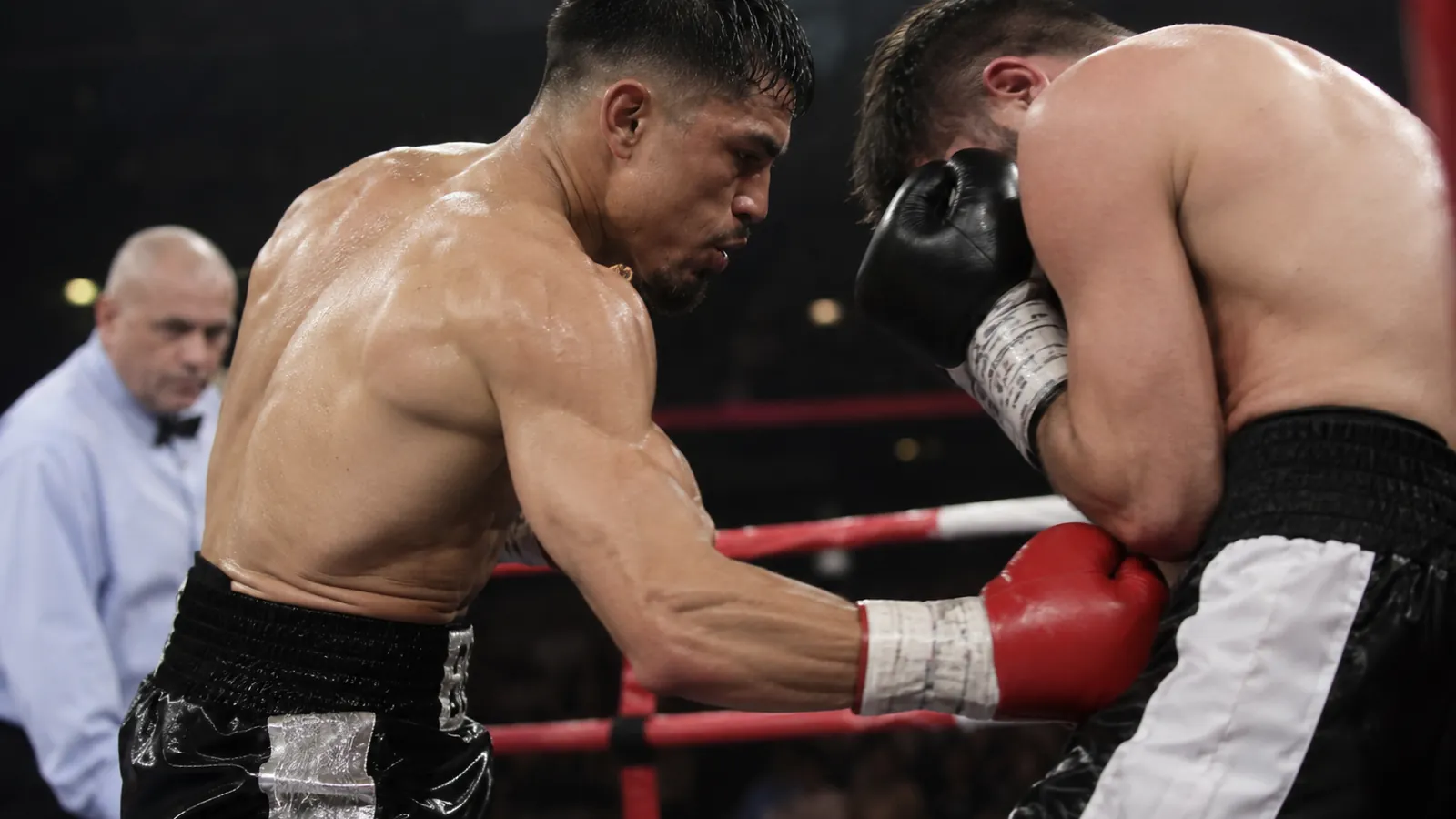
Gonzalez made Vazquez respect his presence at head height. He was not throwing meaningless punches to tick a tactical box. The head attacks and feints kept Vazquez’s guard occupied, making it harder for him to lower both elbows early and safely.
Once Vazquez opened up, Gonzalez shortened his work. The reported finishing sequence was a left and right to the body, with the left hook among the punches that sent Vazquez down. The key was the combination. A single shot can be blocked, rolled with or simply endured. A left-right body sequence makes the defender choose which side to protect while tired, hurt and under pressure.
It is also worth resisting the temptation to label every damaging body punch a liver shot. The footage and reports establish a decisive assault downstairs, not a medical diagnosis of the exact point of impact. What is clear is that Vazquez could not recover within the count after the final attack. Gonzalez had drained him with repeated work before the last combination made the damage impossible to hide.
There is a sharp contrast between throwing at the body and landing properly at the body. Gonzalez turned his punches over with compact rotation, rather than swinging his arms wide. The power came from his feet, hips and positioning. That is why the punches travelled a short distance but still had heavy effect.
The finish was pressure, not panic
When Gonzalez hurt Vazquez, he did not rush in squared-up and hand the challenger a desperate countering chance. He increased his output with short combinations, exactly as the contemporary fight report noted, but stayed composed enough to keep finding the body.
That composure is the difference between a good attack and a stoppage. Many fighters hurt an opponent then forget what created the opening. They headhunt, load up and give the other boxer a route back into the contest. Gonzalez stayed with the target that was breaking Vazquez down.
It was also the second consecutive second-round body-shot knockout for Gonzalez after his win over Aaron Alameda in July. Watch the official Alameda highlights and the pattern is obvious: compact punching, strong balance and a willingness to work downstairs before chasing a dramatic ending.
Robert Garcia-trained fighters are often comfortable in close-range exchanges, but Gonzalez deserves credit for making this his own. He is not just busy. He looks increasingly able to identify a defensive habit and punish it quickly.
A NewsBeep report on the bout focused on the work Gonzalez put in before the result. That is the right emphasis. The knockout was spectacular, but its value lies in the craft that came first.
What club boxers should take from it
Nobody in a gym should attempt to copy the violence of a professional stoppage without first learning the basics that made it possible. The useful lessons are technical.
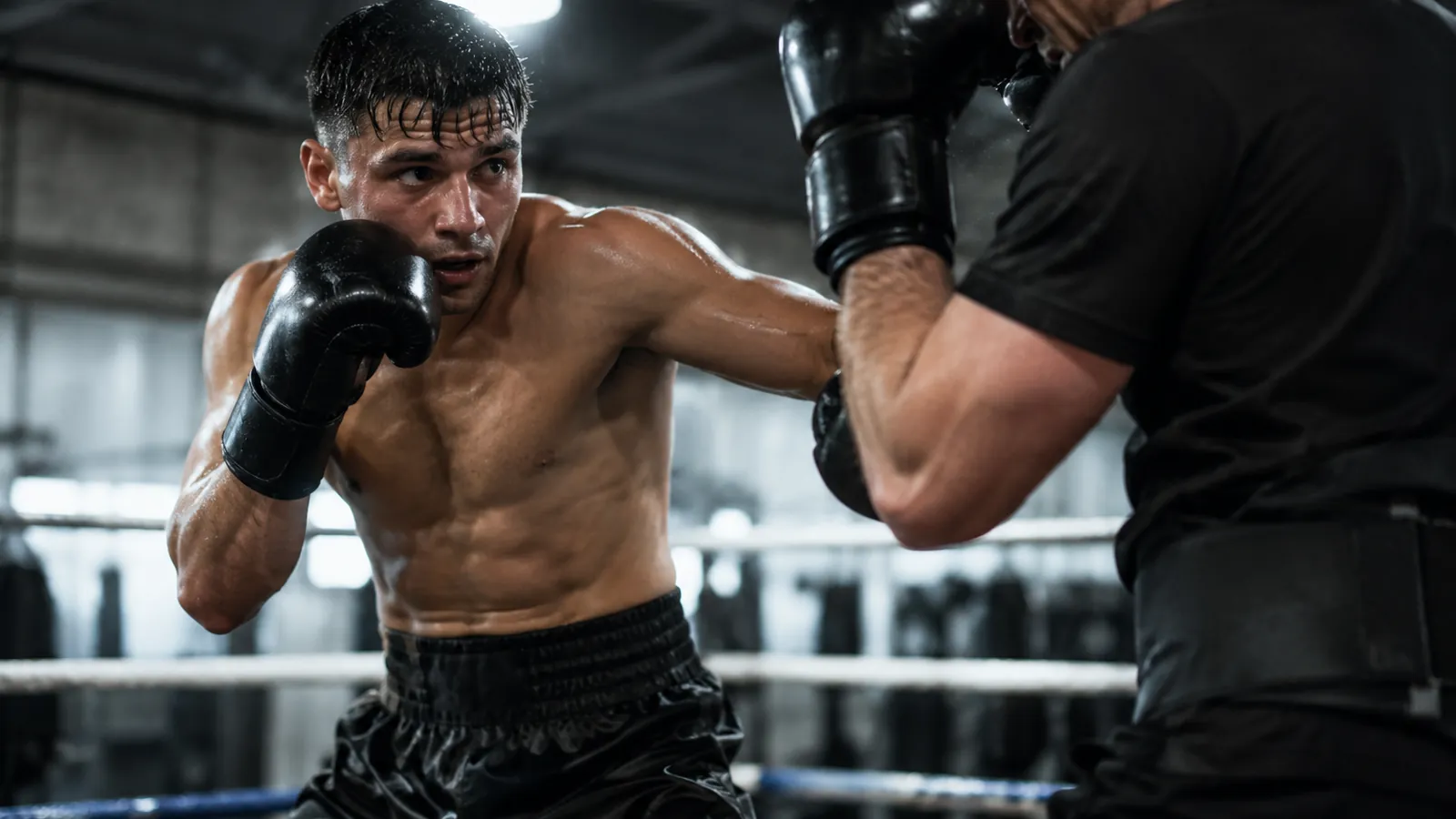
Keep your feet under you when you attack. Do not reach for body shots. Make an opponent defend high before you drop downstairs. Throw combinations rather than relying on one huge punch. Most importantly, do not confuse pressure with charging forward.
Gonzalez’s finish was created by intelligent patience, then decisive commitment. He did not need ten rounds because he made the right reads early and acted on them.
For anyone learning how to punch with sound balance, work safely at close range and understand why body shots matter, H&G’s boxing classes are open to new joiners aged 7+ in Kidbrooke.
The wider boxing conversation can be useful, but it needs filtering. There is a Reddit introduction to Gonzalez, a broader discussion on body-shot knockouts and a fight-night thread, but none replaces the evidence in the footage or the official reporting. General professional boxing guides can offer background too, although specific fight analysis needs specific evidence.
Unrelated posts about an Invincible “chop” move or an early UFC stoppage debate underline a simple point: online reaction is not technical analysis. Gonzalez versus Vazquez was not complicated. It was a well-positioned, well-timed body attack from a fighter who saw the opening before everyone else did.
H&G Team
Writer at Honour & Glory Boxing Club, a community boxing gym in Kidbrooke, South East London.
KEEP READING
Body Shots in Boxing: How They Work and Why They Matter
What is a body shot in boxing and why do they win fights? Liver shots, solar plexus, floating ribs - how to throw body punches and set them up like the best boxers.
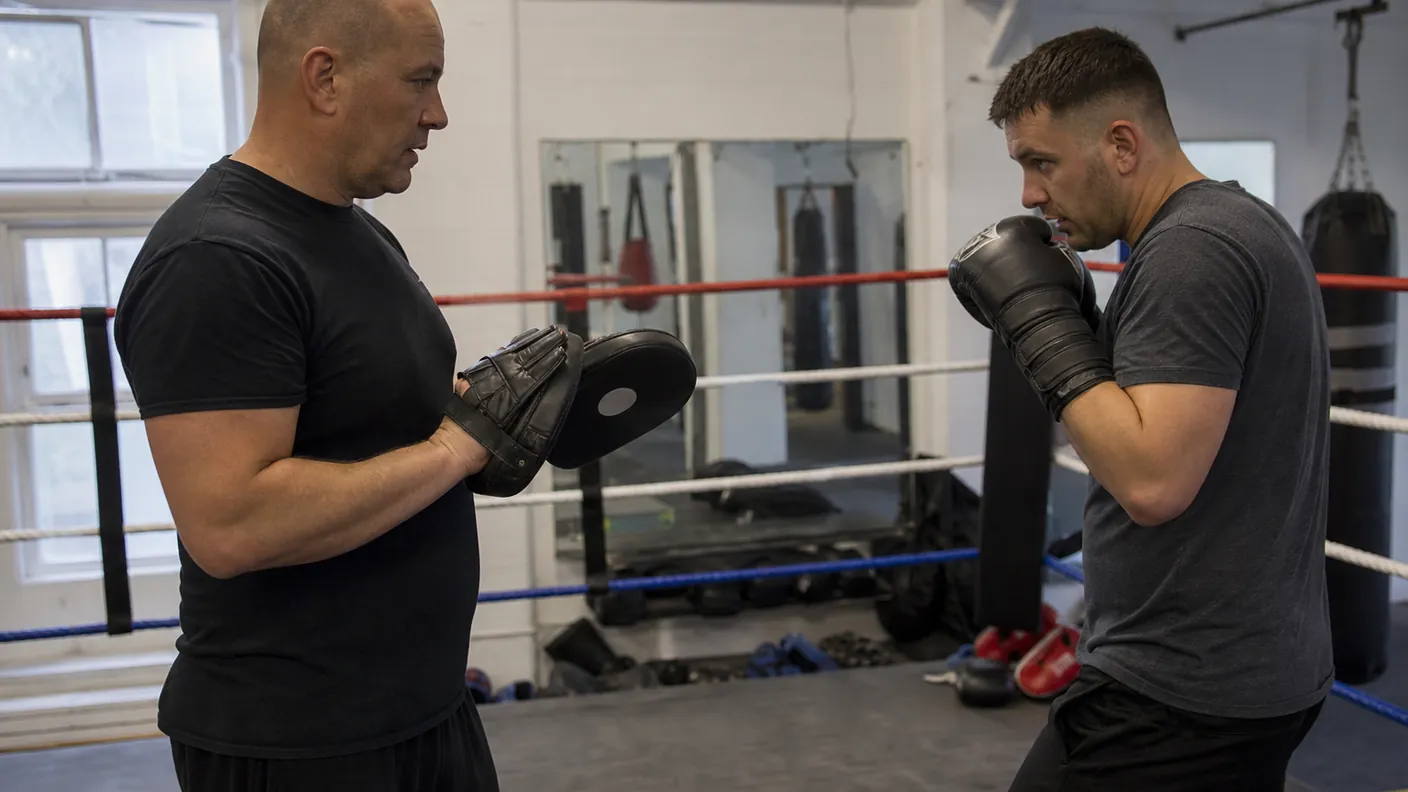
Boxing Belt Line: Body Shot Targets Explained
Learn where body shots should land, why the belt line matters, and how elbow position keeps target practice controlled.
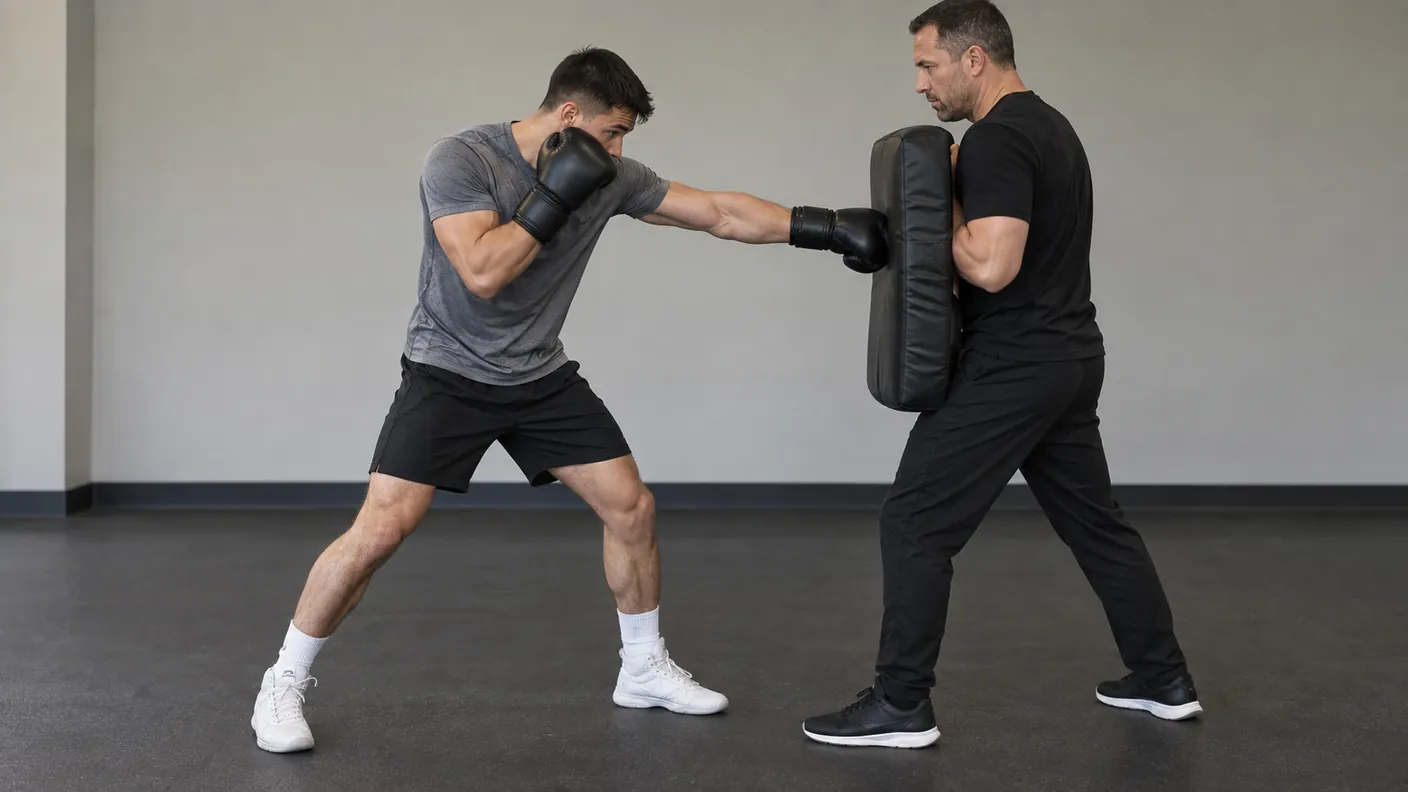
Long-Range Rear Body Cross: Boxing Drill
Use a small step, level change and guarded exit to land a rear body cross without reaching or getting stuck at close range.
Was this page helpful?
It takes one tap, and it genuinely helps.
Choose your next step
Turn this article into the right action
Some readers are ready to book. Some need the class route first. Pick the route that matches what you actually want.