Brad Rea's knockout of Ezra Taylor: what made it work
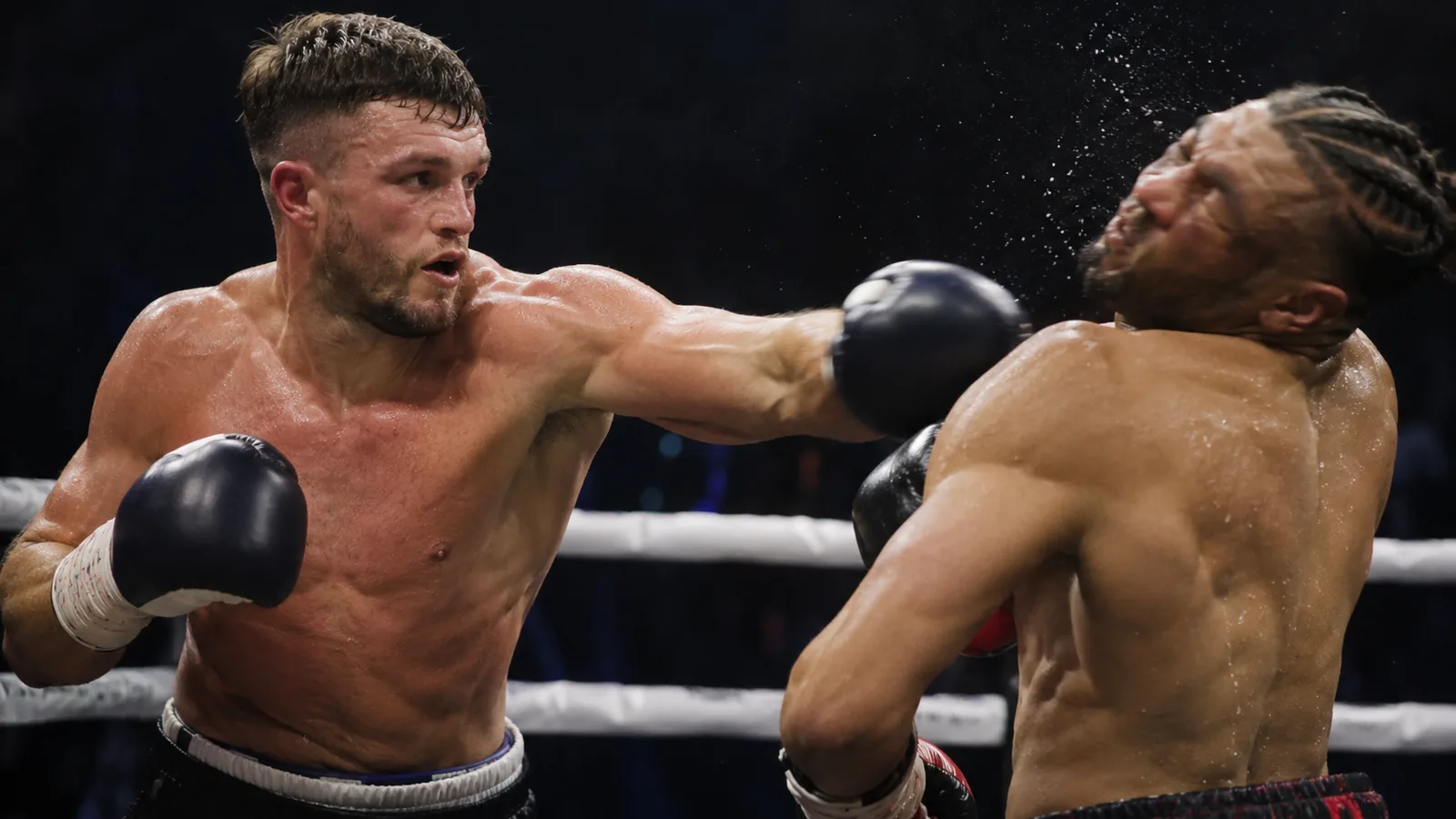
Brad Rea’s Knockout of Ezra Taylor: What Made It Work
A knockout can look simple once it is over. One fighter falls short, the other lands clean, and a referee steps in. That is the headline version of Bradley Rea’s second-round stoppage of Ezra Taylor. The useful version is in the decisions made before the finish.
Rea did not beat Taylor by throwing a lucky bomb from the car park. He established a range where Taylor had to make awkward choices, used his feet to keep that range uncomfortable, and then finished with urgency once the opening arrived. The footage does not tell us every tactical instruction from either corner, and highlights never show the whole fight. It does, however, show enough to identify a few clear club-boxing lessons.
The first point is worth stating plainly: Rea was not trying to win a technical exhibition. He was trying to make a tall, dangerous opponent pay whenever he crossed the line without being properly set.
Taylor, a Nottingham light-heavyweight known as “The Cannon”, came into the contest with a reputation for power and a strong amateur background. His published profile) lists nine stoppage wins from his first 13 professional victories. That matters. A boxer with that sort of authority can make opponents too cautious, too eager to get out of range, or too concerned with looking busy from a safe distance.
Rea did not appear overawed by the threat. That was the foundation of the finish.
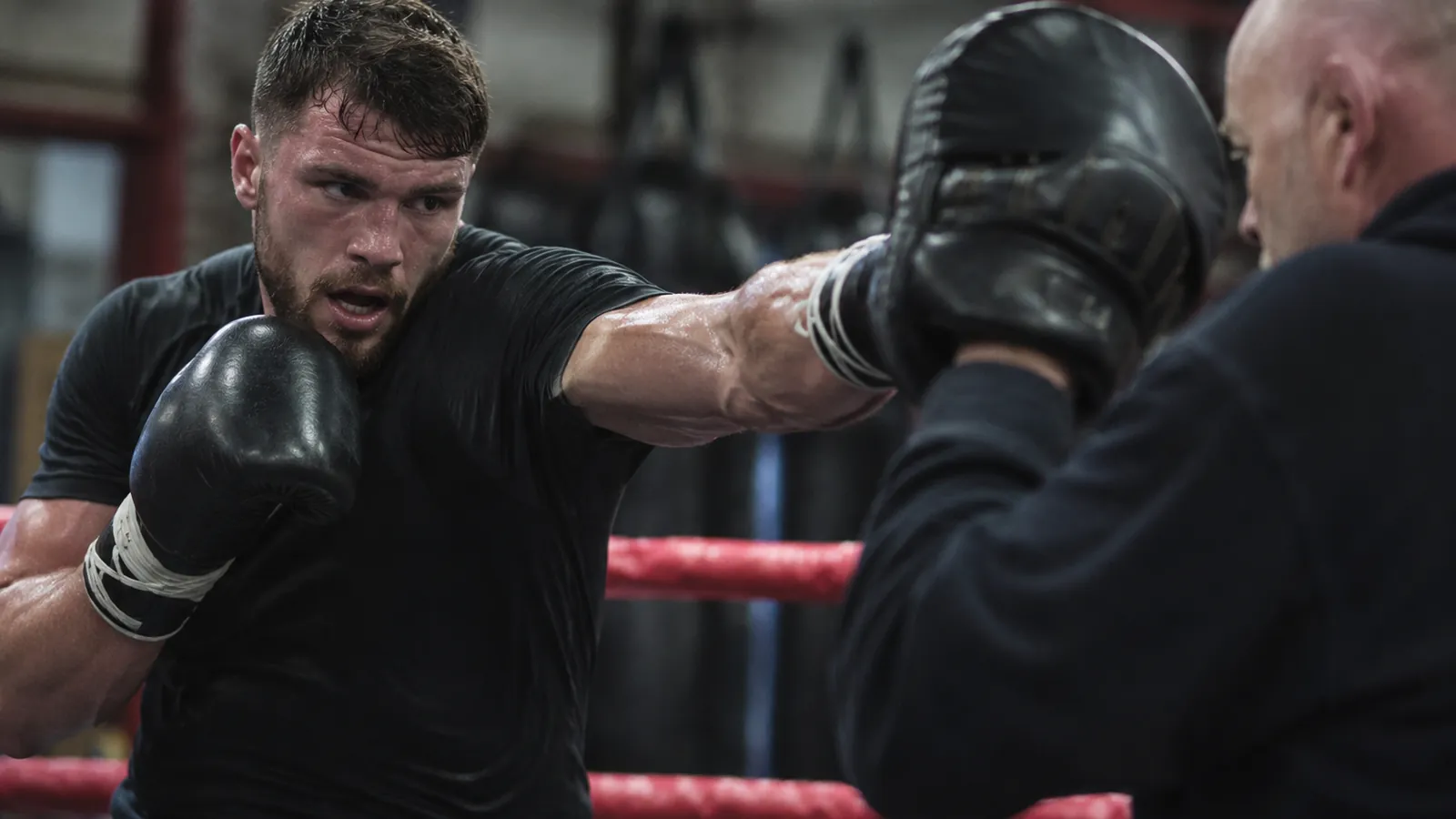
The setup: make the opponent reset
The knockout sequence was built on Rea being composed enough to let Taylor move first. This does not mean Rea was passive. There is a major difference between waiting and inviting.
Waiting is standing still with your hands low, hoping the other person makes a mistake. Inviting means holding a position where the opponent sees a route in, but where you are balanced and ready to answer. Rea repeatedly looked prepared to meet Taylor as Taylor came through the middle.
That is a sound principle for every level of boxing: do not rush to fill every second with punches. If an opponent is giving you a predictable entry, make them prove they can enter safely before you volunteer your own attack.
Rea’s posture is important here. He stays close enough to threaten, but not so close that Taylor can settle and unload freely. His feet are under him when he throws. He does not reach in with his chin hanging over his lead knee. It sounds basic because it is basic, but those details decide whether a counter becomes a scoring shot or an invitation to be countered back.
The FightMag report and video describe Rea dropping and stopping Taylor in the second. That short time frame should not be mistaken for a random finish. Early stoppages are often the result of fast reading. Rea appeared to pick up Taylor’s timing and choose his moments before the fight could settle into a long-range contest.
For young and new boxers at a club, the equivalent is not trying to copy a professional knockout. It is learning to spot repeated habits. Does your sparring partner step in square? Do they throw the same jab before a right hand? Do they pull straight back with their hands down after punching? You do not need to punish every habit with a huge shot. First, recognise it. Then use a safe, controlled response.
Range control was the real punch
People often speak about range control as though it means being tall, having a long jab, or permanently boxing on the back foot. None of that is quite right.
Range control means deciding where exchanges happen and what shape they take. Rea did that well against Taylor.
At long range, Taylor had the physical room to extend his shots and use his height. At too close a range, there was a risk of Rea being crowded and smothered. The productive distance was the edge of Taylor’s attack: close enough that Taylor felt he could land, far enough that Rea could see the punch coming and answer without losing his base.
That is the counter-puncher’s working space. It is not comfortable by accident. It is built with small steps, feints, hand position and the confidence to remain calm when an opponent is threatening.
Rea’s movement was economical. Rather than making dramatic retreats, he was able to make Taylor reach or step before Taylor was fully ready to punch. A reaching opponent is briefly less balanced, less able to defend and less able to change direction. That is when a clean counter has more effect than a punch thrown in a messy exchange.
The Ring’s report from the card called it a destructive performance, and the word fits the outcome. But “destructive” should not distract from the structure behind it. Rea was not merely stronger in the moment. He was better placed.
Club boxers can practise this without turning sparring into a tear-up. Try a simple partner drill: Boxer A steps into range behind a jab. Boxer B takes a controlled half-step back or to the side, maintains guard and returns one clean shot to the body or gloves. No loading up. No trying to win the round in one exchange. The aim is to learn where your feet need to be before you throw.
A coach can then add a second punch, but only when the first response is balanced. Beginners often rush the second shot and lose the very position that made the first one work.
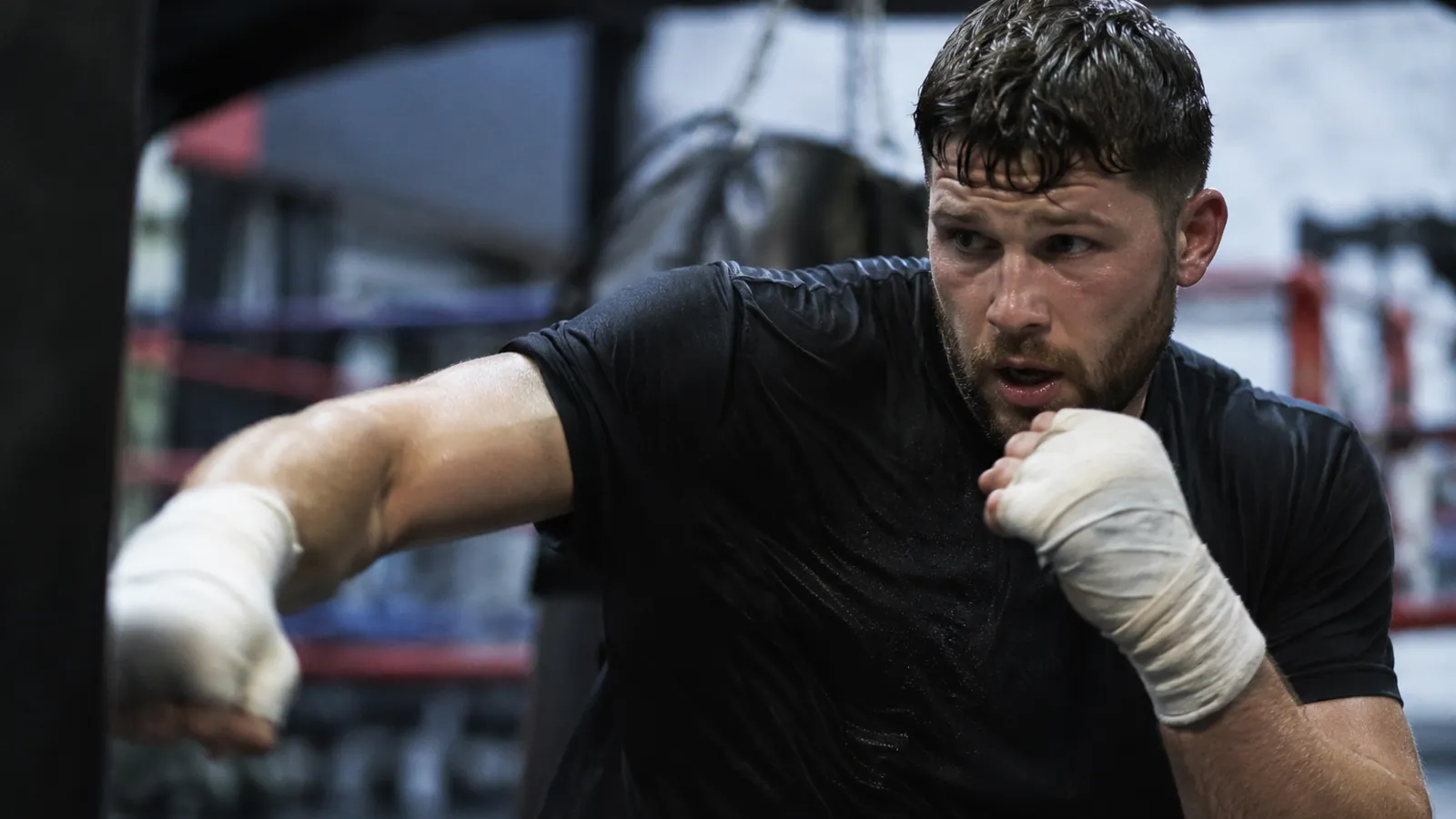
The finish: do not admire the first clean punch
The most impressive part of Rea’s stoppage was his choice after Taylor was hurt. He did not land a telling shot, stand back to admire it, and hope the referee took over. He recognised the change immediately.
There is a visible difference between an opponent who is merely caught and one who is genuinely compromised. Their feet may cross, their guard may come apart, their eyes may lose focus, or their replies may disappear. Rea saw enough to press his advantage.
That said, good finishing is not blind aggression. Once a boxer is hurt, many fighters make their own job harder by swinging wide, chasing the head and falling into clinches. Rea’s follow-up carried intent, but it was still directed. He put Taylor under sustained pressure and forced the referee to make a decision as Taylor absorbed unanswered punches.
That distinction matters in a boxing club. The goal in sparring is never to imitate a professional stoppage. It is to make decisions safely. If your partner is tired, off-balance or taking too many clean shots, reduce the force, give space and listen to the coach. Technical sparring is where judgement is built, not where someone proves they can throw hard.
In competition, the same judgement becomes sharper: land clean, stay balanced, and do not throw yourself out of position chasing a finish that may no longer be there.
Rea’s calmness was the statement
Rea, an orthodox fighter from Greater Manchester, has built a professional career around being willing to take difficult assignments. His career record and background show a fighter who had already experienced defeat, rebuilt, and competed at a high domestic and European level. That experience does not guarantee a knockout, but it can show in the way a boxer handles pressure.
Against Taylor, Rea looked like a fighter who trusted what he was seeing. He did not need to force the first minute. He did not need to turn every feint into a full commitment. When the opening came, he was ready to take it.
That is the lesson worth taking to Kidbrooke: boxing rewards composure before it rewards bravado.
A good jab is useful. Fast hands are useful. Power is useful. But if you cannot manage distance, stay balanced after punching and remain calm when an opponent comes forward, those tools become much harder to use.
Rea’s finish was spectacular because it was decisive. It was effective because the work before it gave him the chance to be decisive.
For boxers learning those habits from the ground up, Honour & Glory’s boxing classes focus on the fundamentals that make clean work possible: stance, footwork, defence, controlled partner drills and respect in the gym. Classes are open to new joiners aged seven and over.
H&G Team
Writer at Honour & Glory Boxing Club, a community boxing gym in Kidbrooke, South East London.
KEEP READING
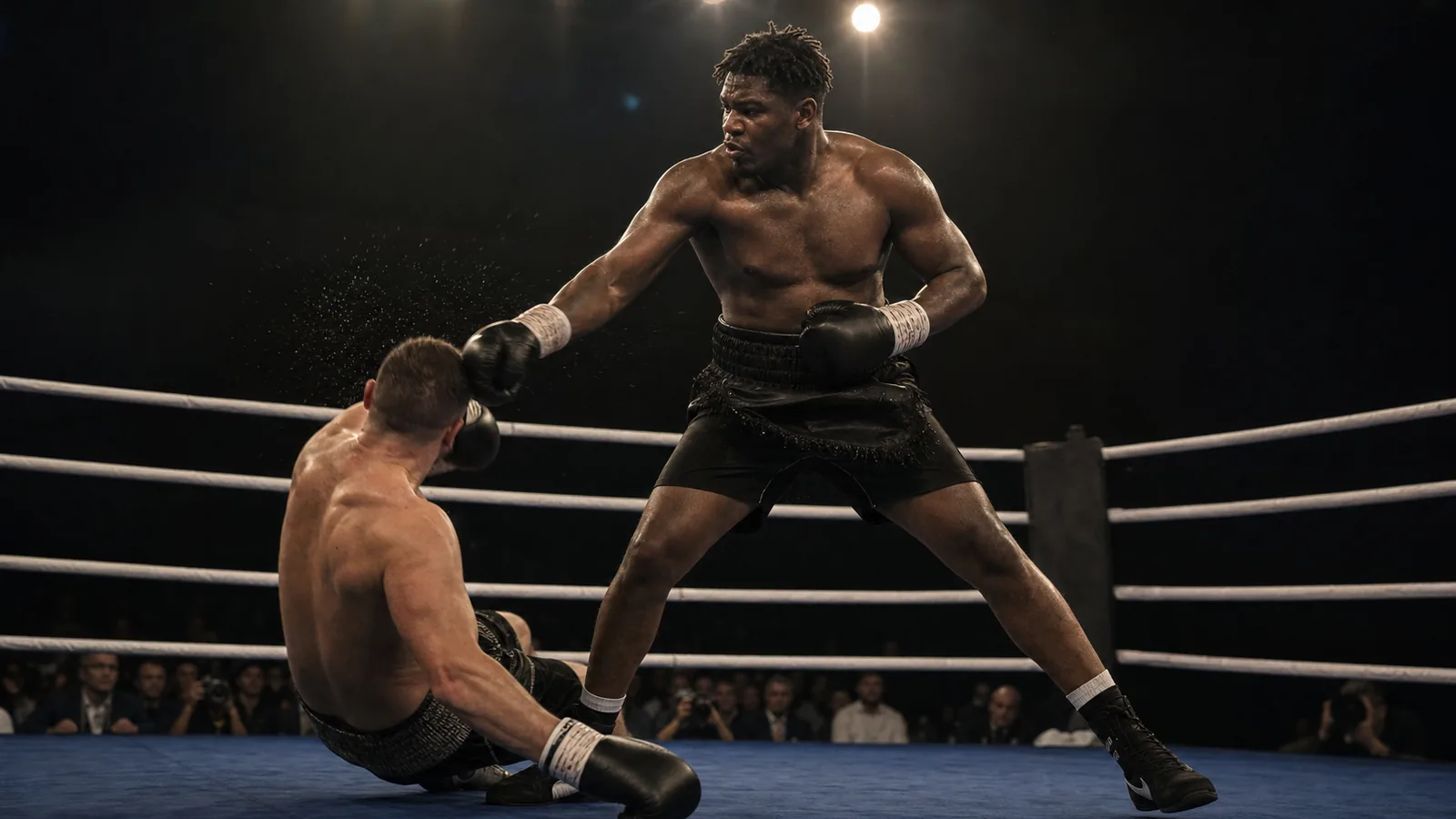
Leo Atang’s latest knockout and the heavyweight basics behind it
What Leo Atang's knockout footage shows about balance, patience and shot selection, and why one highlight cannot settle a prospect's potential.
Chop Chop Gonzalez's body-shot stoppage: why it worked
How positioning, shot selection and sustained pressure shaped Chop Chop Gonzalez's body-shot finish against Vasquez.
Simon Ibekwe knockout: why heavyweight prospects need patience
What Simon Ibekwe's knockout shows about a young heavyweight's finishing instincts, balance and defensive discipline.
Was this page helpful?
It takes one tap, and it genuinely helps.
Choose your next step
Turn this article into the right action
Some readers are ready to book. Some need the class route first. Pick the route that matches what you actually want.