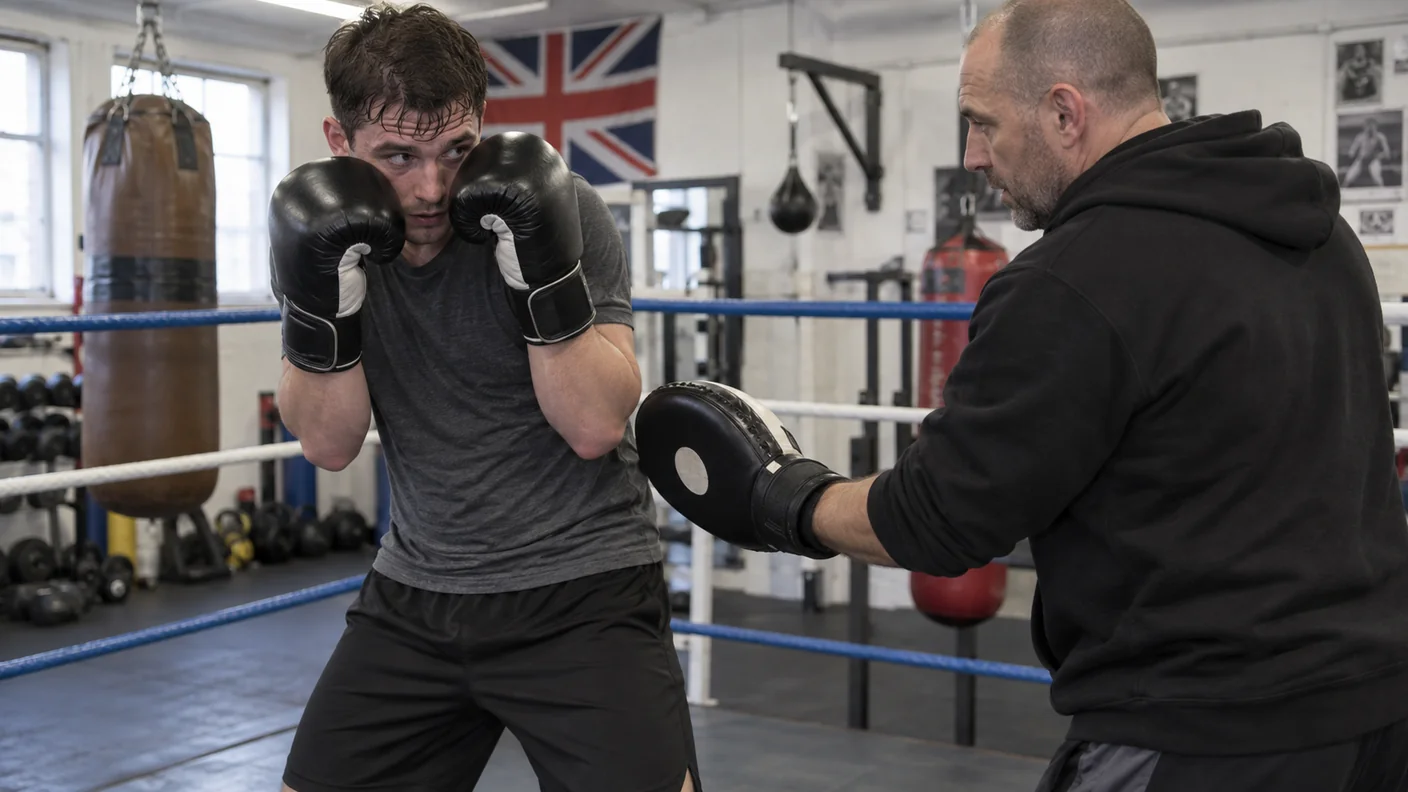
A body hook is hard to block when you panic and try to solve it with your hands alone. The glove drops, the elbow floats away from the ribs and the head becomes available just as the other boxer changes level again.
The useful answer is smaller. Keep the glove near the cheek, bring the same-side elbow closer to the body line and turn just enough to meet the shot with a stable side of the guard. You are not trying to absorb a hard punch in training. You are learning a shape that keeps your eyes, feet and next decision available.
Watch the short demonstration below as a moving reference. Notice how the guard changes by a few inches rather than collapsing into a deep bend.
A body-hook block starts before the punch arrives
The best time to build a body-hook cover is before you are under pressure. Start in an ordinary guard: gloves close enough to protect the head, elbows near the lower ribs, chin quiet and feet far enough apart that you can move.
A looping shot to the body travels around the centre rather than straight down it. If the elbow is already drifting away from the ribs, that route is open. If the glove has dropped to chase a jab, the hook can be followed by a shot upstairs before you have recovered.
England Boxing places stance, balance and a usable guard at the centre of technical development in its coaching handbook. That is a good test here. A body-hook block is not successful merely because the first mitt touched an elbow. It is successful when you can still see, cover and move afterwards.
Put the elbow on the line without dropping the hand
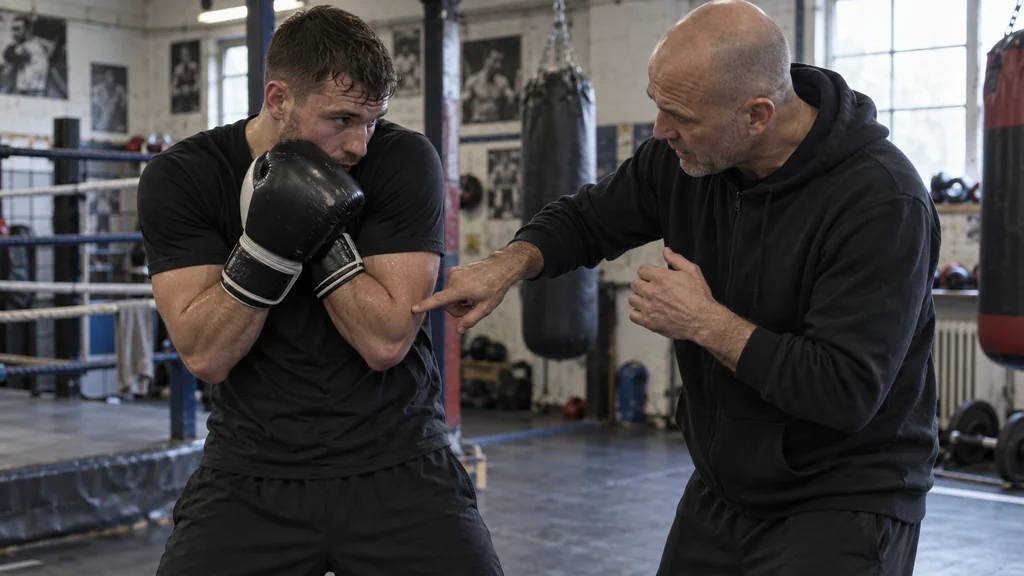
For an orthodox boxer defending a left hook to the body, the left elbow is the part that needs to close the lower line. The left glove stays close to the left cheek or temple. The elbow draws a little inward and down, with the forearm still connected to the glove.
That connection matters. If the hand falls to the hip, the head has been traded for the ribs. If the elbow stays wide while the glove remains high, the hook has a gap underneath. The cover works when one side of the guard stays joined together from glove to elbow.
Southpaws reverse the picture. The rule stays the same: use the arm on the threatened side to protect the body while the other glove remains responsible for the head.
Do not try to ram the elbow into the incoming shot. On pads or a body shield, the coach should feed a controlled cue and the defender should make a quiet adjustment. Hard contact teaches people to brace, blink and stop seeing. That is the opposite of the habit you want.
A review of boxing performance and biomechanics describes defence, movement and punching as linked actions rather than separate tricks. In gym terms, the block must leave enough shape to make the next sensible choice. If it locks the shoulders, narrows the feet or turns your eyes to the floor, make it smaller.
Turn slightly, but do not fold forward
A small turn towards the incoming body hook can help the elbow and forearm meet the line more securely. Think of bringing the side of the guard towards the shot, not bowing at the waist to hide from it.
The knees can soften a little. The back stays long. The head remains between the feet, with the chin behind the gloves. If your chest falls over the front knee, you may feel covered for one moment but you have made it easier for the other boxer to find your head with an uppercut or hook.
This is different from trying to slip a jab. A body hook is close-range work. You are using a compact cover because the range is already tight. If the other boxer is at long range, use your feet and distance instead of waiting for a hook to arrive at the ribs.
Do not book the counter before you have covered
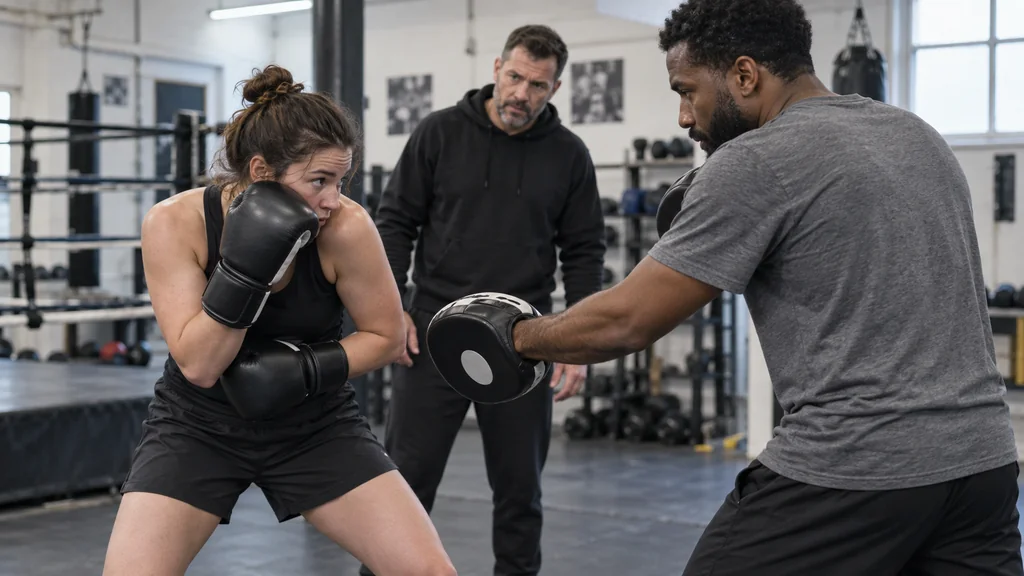
A body-hook block does not automatically earn a return hook, uppercut or straight right. The other boxer may be too close. They may have stepped away. They may have changed the level again. They may have shown the first shot only to make you chase a counter.
Start with a simpler order: cover, see, decide.
If the partner has moved out of range, bring both gloves back to the usual guard and reset. If they have crowded you, cover the centre, turn or take a small step out with the feet still under you. If a coach presents a clear mitt after the block and the stance is settled, a short straight jab can be enough to reclaim space.
This is where the body-hook block differs from rehearsing a long combination on a bag. The bag never changes its mind. A partner does. Good defensive work leaves you able to respond, but it does not force a response that is no longer there.
Our guide to blocking hooks without opening your guard covers the head-height version of the same problem. The body-hook cover needs the same discipline, but the elbow has a more direct job because the head glove cannot simply travel down to solve the line.
A three-round body-hook cover drill
Use gloves, a body shield or a curved focus mitt. Keep the feed slow and agreed. This is a drill for position, not a way to test who can take a body shot.
Round one: find the side of the guard
Stand at a comfortable close range. The coach presents a mitt beside the lower ribs without throwing into it. Bring the same-side elbow in and down a few inches while keeping the glove by the cheek. Freeze for one count.
Check the finish. Can you still see the coach's chest and shoulders? Is the opposite glove still high? Are the feet staggered rather than pulled together? If not, reset the guard before the next repetition.
Round two: cover, then recover the guard
The coach gives a light body-hook mitt cue from one side. The boxer closes that side of the guard, then returns both elbows and gloves to the normal starting position. Do not add a punch yet.
The return matters because a cover that stays stuck low becomes the next opening. Work one side at a time before the coach calls either side. Slow, clean repetitions are more useful than a fast scramble.
Round three: cover and make one decision
The coach now chooses one of three second cues after the body-hook cover: a high mitt, a forward step or no follow-up. The boxer covers first, then responds to what is actually present.
A high mitt can allow a light jab after the guard has recovered. A forward step can call for both gloves home and a short exit. No follow-up means reset. The point is not to look busy. The point is to keep the first cover from becoming a frozen position.
Four mistakes that make the body line easier to hit
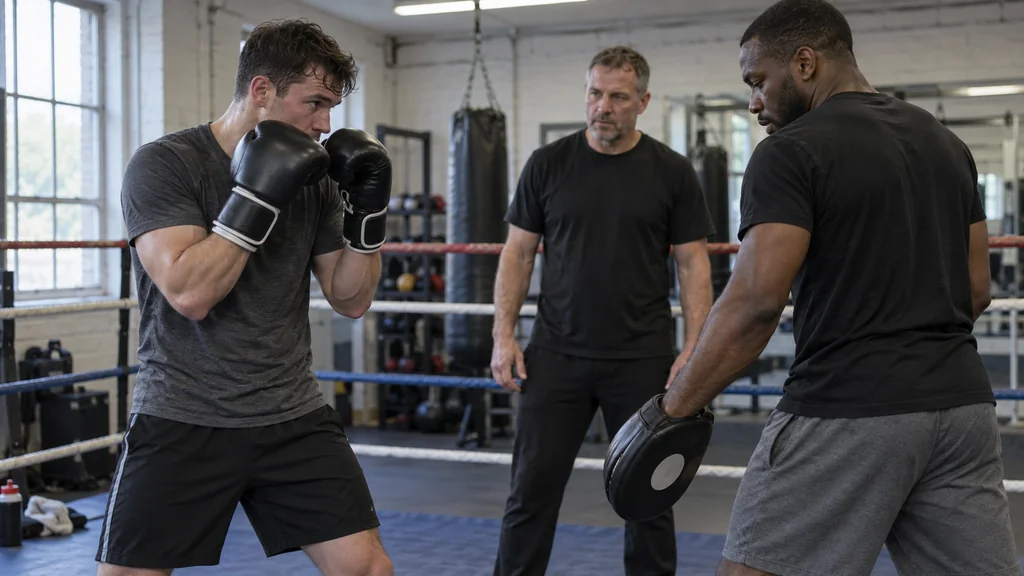
The first is dropping the glove with the elbow. The elbow can protect the ribs without asking the hand to abandon the cheek.
The second is flaring the elbow out. The elbow needs to be close enough to close the lower line, not pointed towards the far wall. A wide elbow makes a visible hole for the hook.
The third is bending forward. Use a small turn and soft knees. If you cannot look through the chest and shoulders of the other boxer, the cover has taken away your information.
The fourth is standing still after the block. A body hook often arrives as part of a sequence. Bring the guard back together, read the range and make the next decision with your feet underneath you.
For a related lower-line defence, read how to defend a body jab in boxing. A body jab and a body hook do not arrive on the same route, but both punish a guard that lets the hands chase low while the elbows lose their job.
For adults in Kidbrooke, our Recreational Adults boxing classes use coach-led pad work and controlled partner drills to make defensive habits useful before the pace rises. You can learn the cover and the exit without hard sparring.
The coaching cue is simple: glove high, elbow home, eyes forward.
H&G Team
Writer at Honour & Glory Boxing Club, a community boxing gym in Kidbrooke, South East London.
KEEP READING
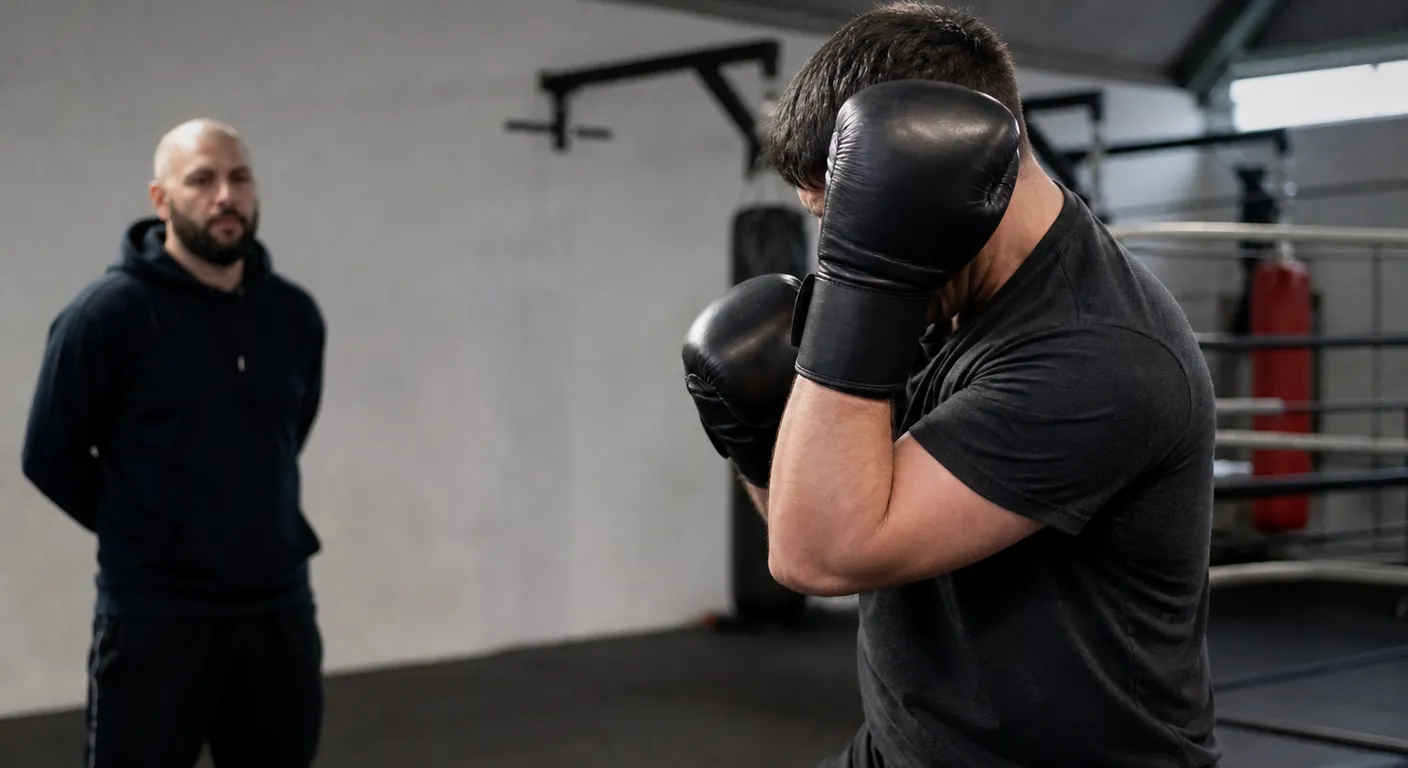
How to Block Hooks in Boxing Without Opening Up
Learn a compact hook block that protects your head, keeps your eyes up and leaves you ready to answer at close range.
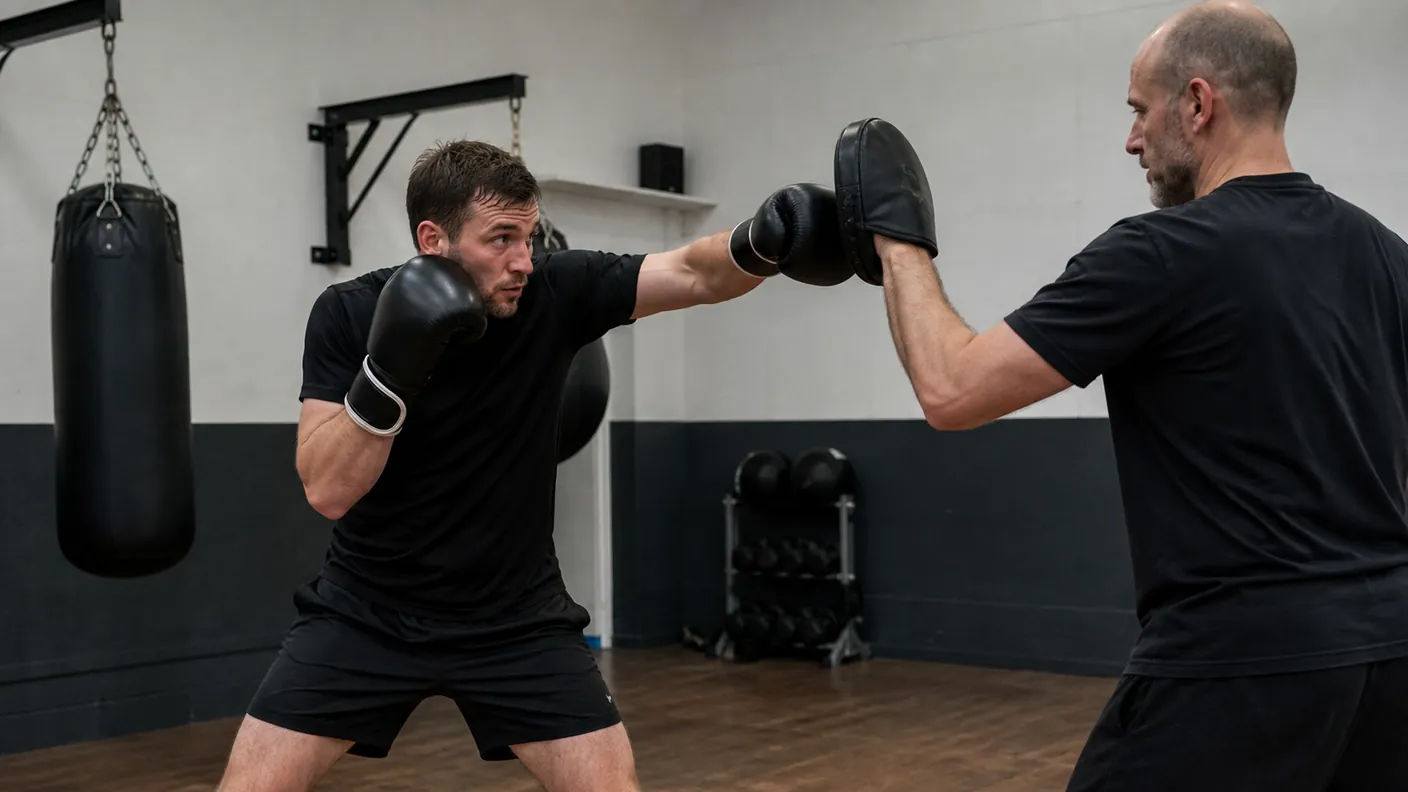
Hook-Slip-Hook: A Calm Close-Range Boxing Drill
Use a compact hook, small defensive slip and second hook to practise close-range boxing without standing still after your first punch.
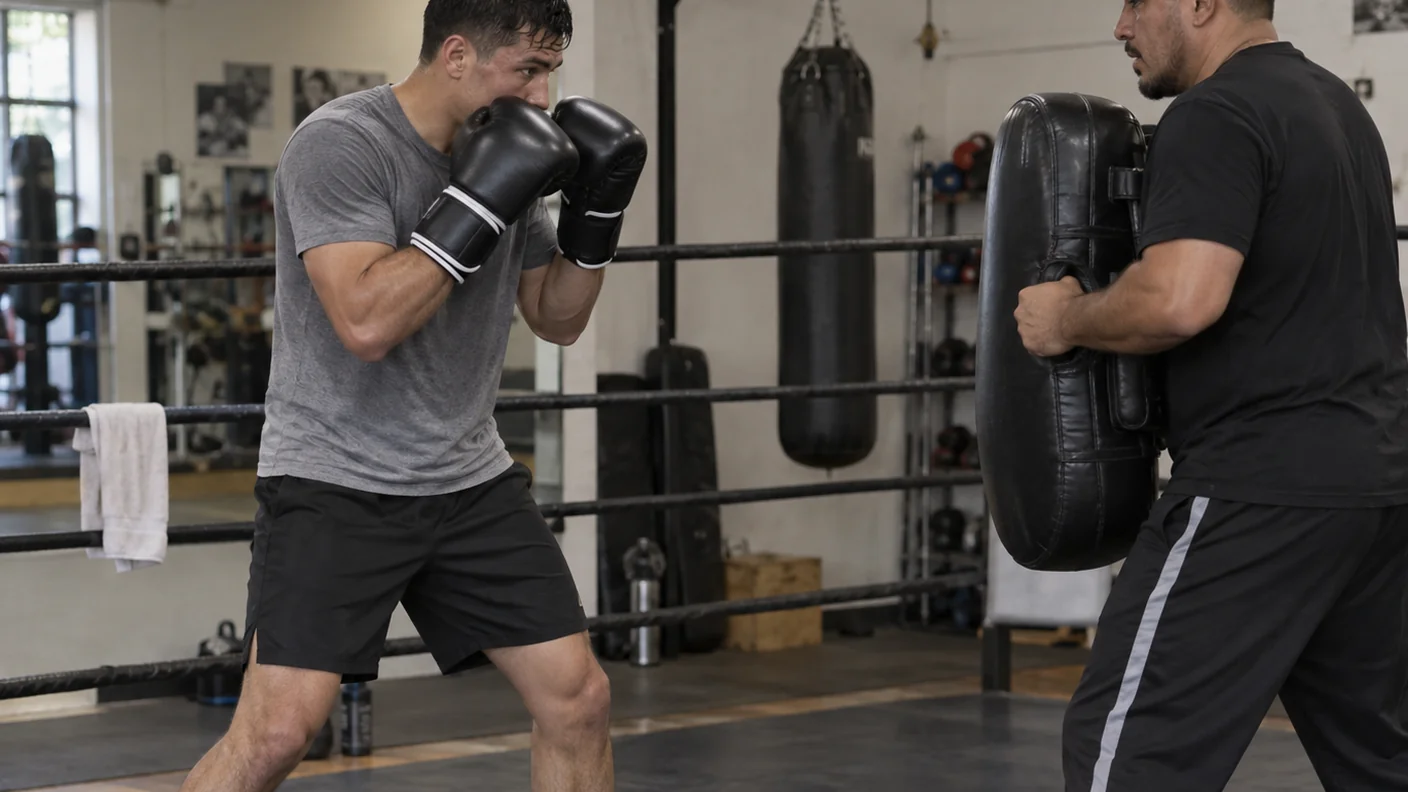
How to Defend a Body Jab in Boxing
Use a compact elbow line, steady eyes and a balanced reset to defend body jabs without dropping your hands or folding forward.
Was this page helpful?
It takes one tap, and it genuinely helps.
Choose your next step
Turn this article into the right action
Some readers are ready to book. Some need the class route first. Pick the route that matches what you actually want.