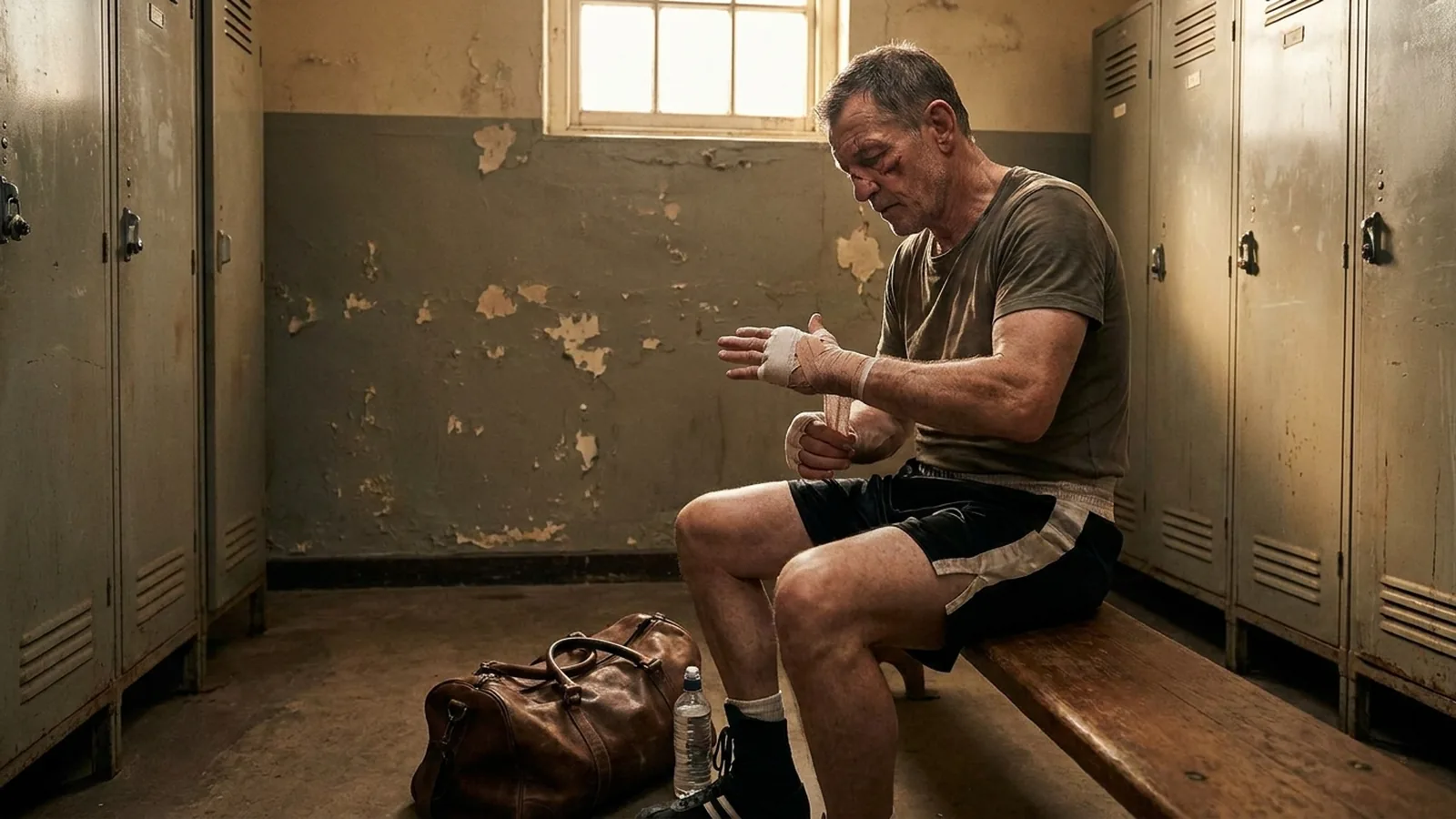
The best boxing journeymen are not the men with the prettiest records. They are the ones who know how to survive, extend, test and occasionally embarrass a prospect without turning the whole thing into farce.
That also means the search phrase itself is a bit wrong. You do not really want the best boxing journeyman in the singular, like you are choosing a pound-for-pound king of losing away fights. What you want is to understand the trade, why it exists, and which journeymen came to represent it properly.
Lewis van Poetsch explained the role more clearly than most. Speaking to the Guardian, he described his job as putting on a good show and introducing a new prospect to professional boxing, while knowing when to push and when to go the distance (The Guardian). That is the clean version of the trade. It is skilled, controlled and useful.
The dirty version is different. It is poor matchmaking, bad short-notice economics and people pretending that a durable opponent exists only to lose. That is where this conversation needs some honesty.
What a boxing journeyman actually is
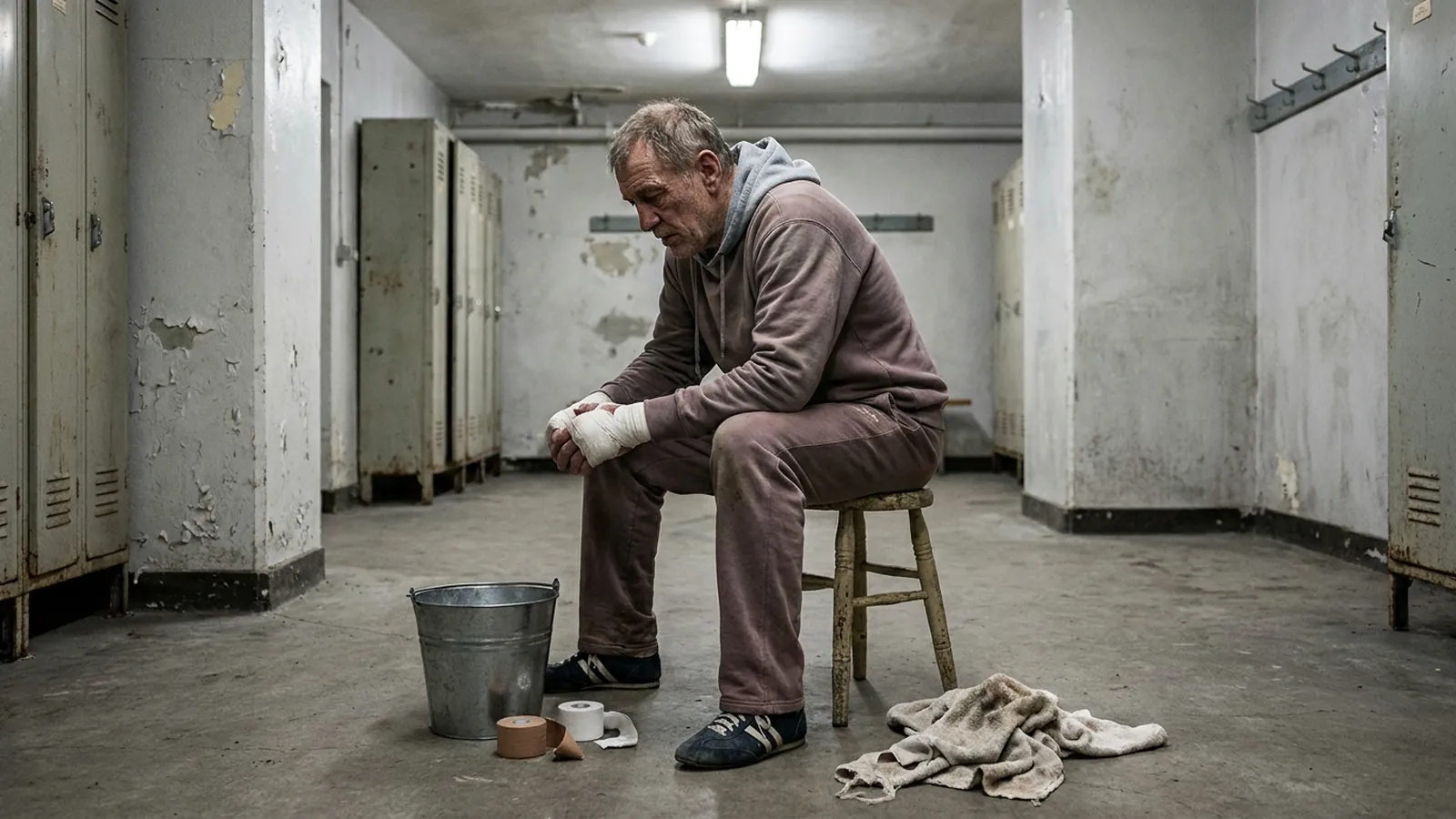
A journeyman is usually an experienced professional brought in to give rounds, composure and a genuine problem to a developing fighter.
Not a gatekeeper. Not an unbeaten contender. Not a random body with gloves on. A proper journeyman knows how to defend, how to nick momentum, how to stay calm in hostile rooms and how to make a prospect answer real questions.
The journeyman's value is that he keeps the prospect honest. If the prospect cannot cut the ring, handle a jab, keep shape after missing, or stay patient when the knockout does not appear, the journeyman exposes it.
That is why good promoters still need them. You do not learn professional boxing by flattening men who are there only to fold.
The best journeymen do not flatter prospects
This is the point casual fans miss.
A weak opponent makes a prospect look polished. A proper journeyman makes him work. The prospect has to solve distance, tempo and nerves with somebody who has seen all of it before.
That is why the best journeymen are valuable even when they lose. They force a fight to become educational.
The distinction matters for safety as well as credibility. Under BBBofC rules, opponents in a contest must be engaged at the same weight, and licensed boxers are subject to regular medical examination and annual brain-scan requirements (BBBofC boxing rules, BBBofC Rules and Regulations 2025 PDF). The sport is dangerous enough without pretending mismatches are development.
The Association of Boxing Commissions also sets mandatory post-bout rest and suspension guidance after knockouts and stoppages, which tells you how seriously regulators are supposed to treat cumulative damage (ABC Regulatory Guidelines). So when people romanticise the journeyman role as endless noble punishment, they are talking rubbish. A properly run trade depends on controls.
Four journeymen who tell you something real about the job
Lewis van Poetsch
Probably the clearest modern British example because he talked openly about the life rather than hiding behind macho nonsense. The Guardian profile on him is worth reading because it shows the trade as work: travel, short notice, preserving yourself, understanding your role and still taking pride in performing it well (The Guardian).
Van Poetsch matters because he strips away the cartoon version. He is not some broken extra from a gangster film. He is a professional making a living inside a hard business.
Kristian Laight
Mention Kristian Laight to anyone who followed British small-hall boxing in the 2010s and they know the archetype. He retired after exactly 300 professional fights, with The Independent describing him as a boxer who met around 100 genuine contenders and future title fighters (The Independent). Durable, reliable and rarely easy to look good against unless the prospect was actually good.
He represents the journeyman as measuring stick. Not glamorous, but useful.
Peter Buckley
Peter Buckley also finished on 300 professional fights. Sky Sports called him the "King of the Journeymen" and recorded 256 defeats, but his real value was the long list of British and world-level names who learned something against him (Sky Sports).
He was not there to collapse. He was there to make you do your job for every round. That is the kind of opponent a serious prospect needs before people start using words like contender.
Michael Sprott, in the late-career version of the role
Sprott had a much richer career than the usual journeyman label suggests, which is exactly why he is instructive. He held British and Commonwealth honours and won Prizefighter twice before the late-career version of his work made him a difficult test for younger heavyweights (Boxing News). Late-career boxers who have seen better days can become the most awkward tests of all because they still understand the game deeply.
That is another reminder that the word journeyman can blur very different kinds of boxer. Some were always hired tests. Some were former threats reduced by time into difficult nights for younger men.
Where the journeyman role becomes unhealthy
We should be careful here.
The journeyman role is useful. The economics around it can still be grim. Short notice, travel, low pay and the pressure to stay available can create exactly the kind of environment where bad decisions get normalised. That is not romance. That is labour risk in a dangerous sport.
There is also a boxing habit of praising toughness when what we really mean is exposure. Not every boxer should be taking every away job. Not every prospect should be learning on somebody whose main advantage is that he can absorb punishment.
The best use of journeymen is developmental, not exploitative. If the matchmaking is honest, the prospect learns and the away fighter gets home safely enough to work again. If the matchmaking is dishonest, the whole thing curdles.
Why journeymen still matter to boxing people
Because they reveal truth quickly.
A padded 8-0 record can fool fans. It usually does not fool experienced trainers. Show that same prospect a composed journeyman who will jab, clinch correctly, keep a guard, survive the early rush and make him box at an adult pace, and you get information.
That is why coaches respect the trade more than social-media fans do. Good journeymen stop boxing from becoming fake too early.
If you are trying to understand how prospects are built, read this alongside our guide to the best boxing prospects in 2026 and the existing breakdown of what a performance like Moses Itauma's win over Jermaine Franklin does and does not prove. If you want a film version of a boxer stuck between promise and hard reality, our piece on The Cinematic Life of Boxing at the BFI Southbank explains why that story keeps pulling filmmakers back.
And if you train in London, there is a practical lesson here too. Real progress comes from being tested by somebody who gives you proper looks, not from beating up air. That is true in the gym long before it is true under lights. You can start learning that in our Adult Recreational class and, when your level suits it, see the sharper end of the pathway in Competitive Boxing.
H&G Team
Writer at Honour & Glory Boxing Club, a community boxing gym in Kidbrooke, South East London.
KEEP READING
What Boxing Taught Me About Discipline
Discipline is discussed constantly in fitness culture and almost always described incorrectly. Boxing teaches it in a specific way that transfers to every other area of life.
Athletification: Is Everyday Athlete Culture Good for Us?
Athletification is the rise of everyday people training, dressing and recovering like athletes. Some of it is good. Some of it is expensive distraction.

Can You Teach Yourself to Box?
Can you teach yourself boxing at home? Technically yes. Should you? Here is why self-taught boxing usually creates problems.
Was this page helpful?
It takes one tap, and it genuinely helps.
Choose your next step
Turn this article into the right action
Some readers are ready to book. Some need the class route first. Pick the route that matches what you actually want.