Athletification: Is Everyday Athlete Culture Good for Us?
Athletification is not an official sports-science term. Not yet, anyway.
But it names something most of us can see.
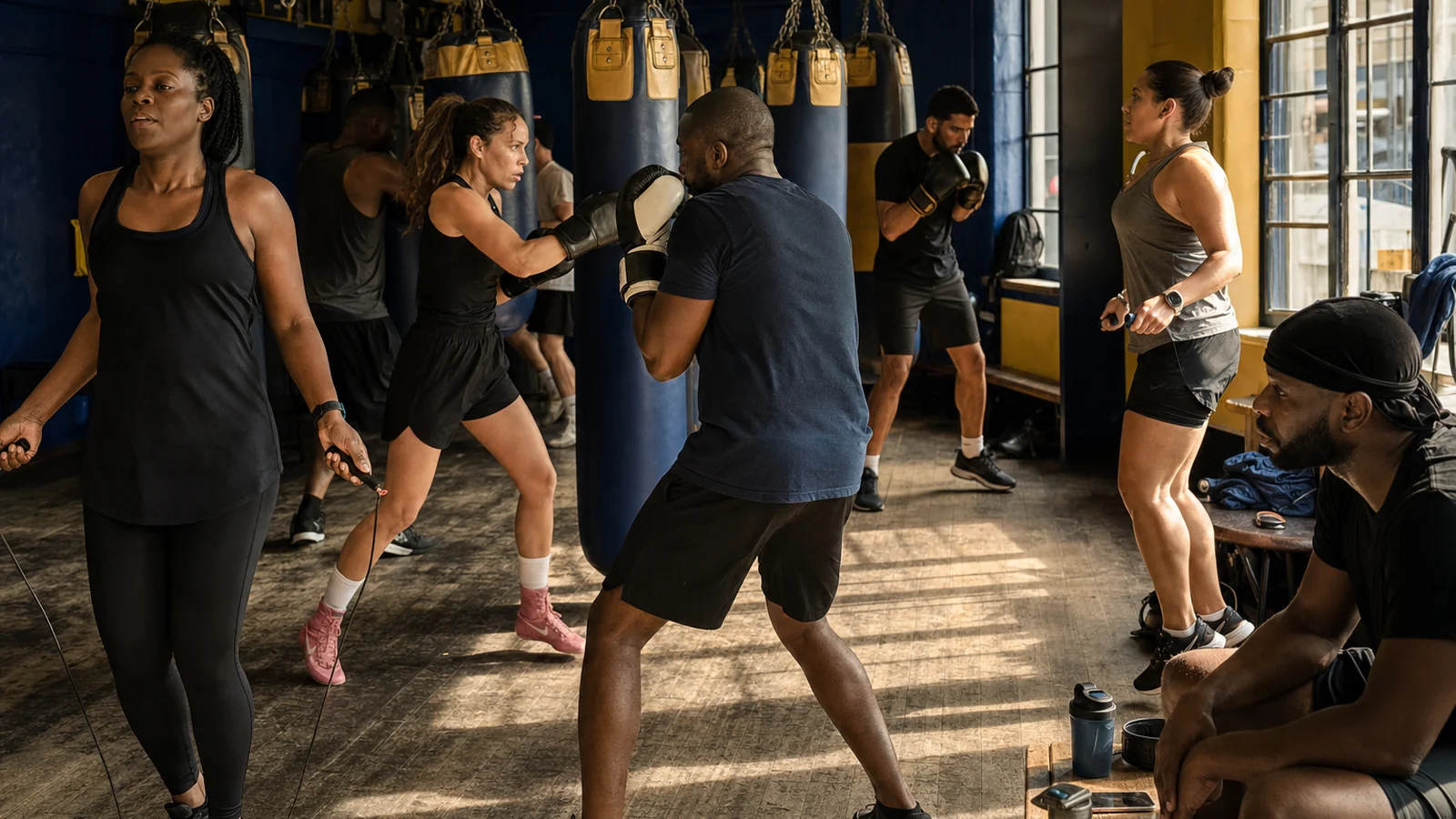
Ordinary people are starting to live more like athletes. They wear technical kit to do normal things. They track sleep, heart rate, steps, zones and recovery scores. They talk about fuelling instead of eating. They buy supplements, book cryotherapy, use red light panels, wear recovery boots, train for Hyrox, join run clubs, compare personal bests, and post proof that they are the sort of person who takes training seriously.
Some people call this athleticisation. Some call it performance culture. Some do not call it anything because it is simply the air modern fitness now lives in.
At its best, it is a good thing. People are moving away from purely looking fit and toward being capable. They want to run, lift, punch, climb, recover and feel useful in their body. That is better than treating fitness as punishment or mirror work.
At its worst, it turns health into another status game. The danger is not that normal people want to train like athletes. The danger is that they buy the lifestyle of an athlete while avoiding the work that makes athletes better.
That is the bit worth talking about.
What athletification actually means
Athletification is the spread of athlete habits, athlete language and athlete aesthetics into everyday life.
It shows up in three ways.
First, training has changed. A lot of adults no longer want to just "tone up" or lose weight. They want performance. They want to move better, hit harder, run further, lift stronger and feel less fragile. That part is healthy. It gives training a job.
Second, fitness has become identity. The smartwatch, the running vest, the gym bag, the Whoop-style recovery score, the Strava post and the protein snack all say something. They tell the world, and sometimes the person themselves, "I am disciplined. I am active. I am not drifting."
Third, elite-sport recovery has moved into the high street. Cryochambers, red light therapy, supplement stacks, glucose monitors, cold plunges and biometric apps are now sold to people who might train three times a week after work.
There is nothing automatically wrong with that. But there is a hierarchy. Athletes use recovery tools because they are already training hard enough, often enough and specifically enough for small gains to matter. Many normal adults are using the small-gain tools before they have built the main habit.
The good version: people are training for capability
The best thing about athletification is that it has moved the conversation away from pure aesthetics.
For years, adult fitness was sold through before-and-after pictures. Smaller waist. Bigger arms. Visible abs. Wedding body. Holiday body. Revenge body. All the usual nonsense.
A more athletic mindset can be better than that. It asks a different question: what can your body do?
Can you hold your shape when tired? Can you get off the floor easily? Can you sprint for a bus without feeling wrecked? Can you hit pads for three rounds? Can you carry your shopping, play with your kids, climb stairs, join a five-a-side game, hike on holiday, or train without feeling like your joints are made of glass?
That is a healthier frame than obsessing over how the body looks under perfect lighting.
The public-health need is obvious. The World Health Organization reported in 2024 that nearly 1.8 billion adults, about 31 percent globally, did not meet recommended physical activity levels in 2022. If the trend continues, inactivity could rise to 35 percent by 2030.
So if athletification gets people moving, joining clubs, walking, lifting, boxing, running and taking their bodies seriously, good. We should not sneer at people for buying the shoes, downloading the app or wanting to feel more athletic.
The better question is whether the culture points them toward work or away from it.
The strange part: everyone wants the athlete lifestyle, fewer want athlete repetition
Athletes are not made by special equipment first. They are made by repetition.
The boring list matters more than the shiny list:
- train consistently
- recover enough to repeat it
- learn technique
- eat enough proper food
- sleep
- listen to coaching
- do the unglamorous work when nobody is impressed
- keep going after the novelty fades
That is what most performance culture underplays.
A boxer does not become better because he owns a massage gun. He becomes better because he learns to jab properly, repeats his footwork, gets corrected, builds conditioning, spars when ready, rests when needed, and returns to the gym again and again.
A runner does not become better because her watch says "productive". She becomes better because she runs sensible mileage, stays uninjured, builds aerobic base, does the occasional hard session, and does not panic every time the data moves.
The tool can help. The tool cannot replace the practice.
This is where modern fitness gets upside down. People will spend £40 on a tub of powder before they spend four weeks turning up on time. They will book a cryochamber before they learn how to warm up. They will buy a recovery tracker and then sleep five hours. They will copy an athlete's extras without copying the athlete's foundation.
That is not high performance. It is high-performance cosplay.
Cryochambers, red light therapy and supplements: useful, but not magic
The recovery industry has become very good at selling the feeling of seriousness.
A cryochamber feels serious. Red light therapy looks serious. A supplement cupboard feels like a plan. A sleep score feels scientific. None of that means the thing is useless. It means the thing needs to be kept in proportion.
Take supplements. The International Olympic Committee consensus statement on dietary supplements is clear that only a few performance supplements have good evidence for specific uses, including caffeine, creatine, nitrate and buffering agents. It also warns that many supplements are ineffective, unnecessary, contaminated or risky for tested athletes.
That is a long way from "everyone needs a stack".
Creatine can be useful. Protein powder can be useful if it helps you hit a target. Caffeine can help performance in the right context. But none of them fix poor training, poor food, poor sleep, poor coaching or poor consistency. We have written more on that in our guide to legal recovery supplements for boxing.
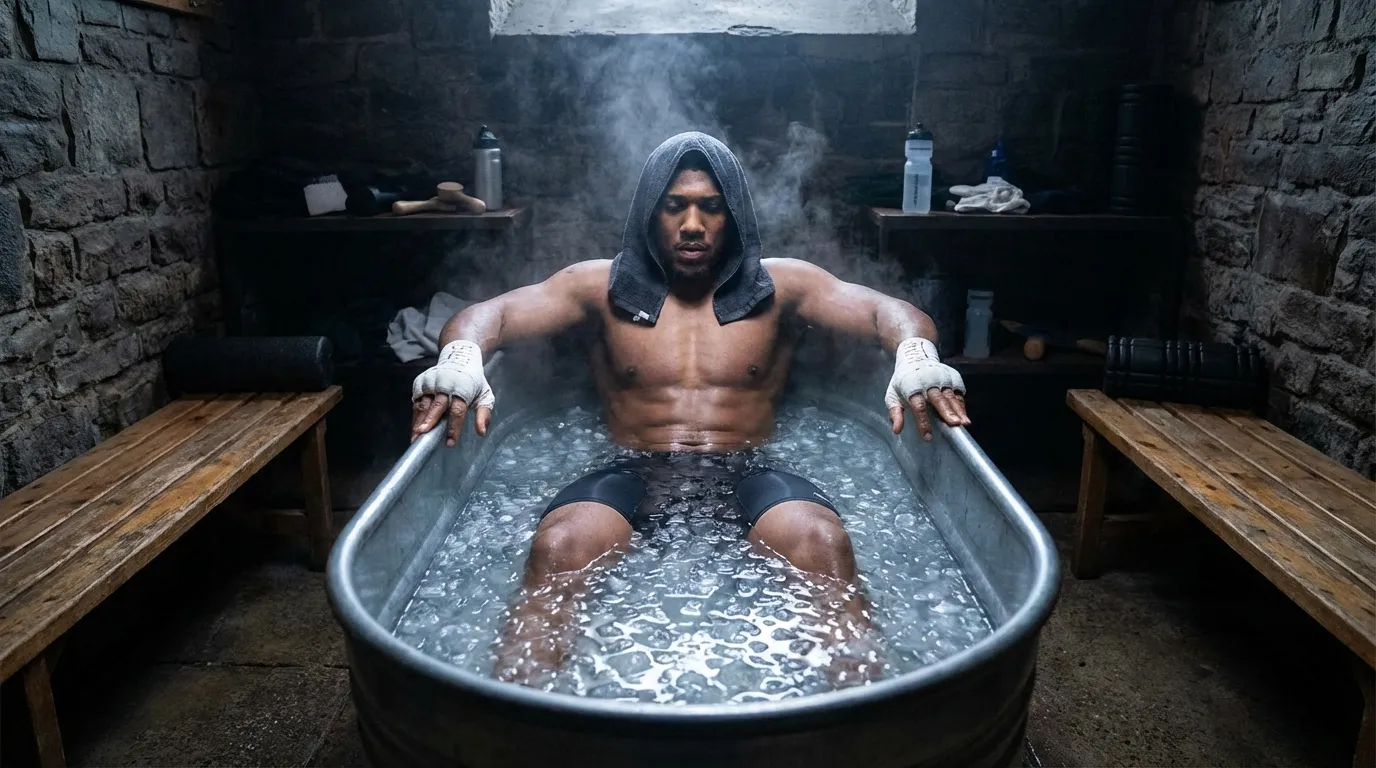
Cryotherapy is similar. There is evidence that cold-water immersion and body cryotherapy can help with soreness and short-term recovery in some settings, but the effects are not the same as building fitness. A 2026 systematic review comparing cold-water immersion and body cryotherapy found cold-water immersion was more effective for short-term muscle soreness within 24 hours, while body cryotherapy showed only a small and fragile short-term effect on jump performance.
That is not nothing. It is also not a substitute for training.
Red light therapy, more formally photobiomodulation, has some interesting evidence around muscle performance and recovery. It may have a place. But it is still an add-on. It does not teach footwork. It does not build your engine. It does not make you brave under fatigue. It does not do your rounds for you.
The honest position is simple: these tools may help at the margins. But if the margin is all you train, there is nothing to add to.
The social media problem
Athletification is not only about training. It is about being seen as the kind of person who trains.
That is why it travels so well online.
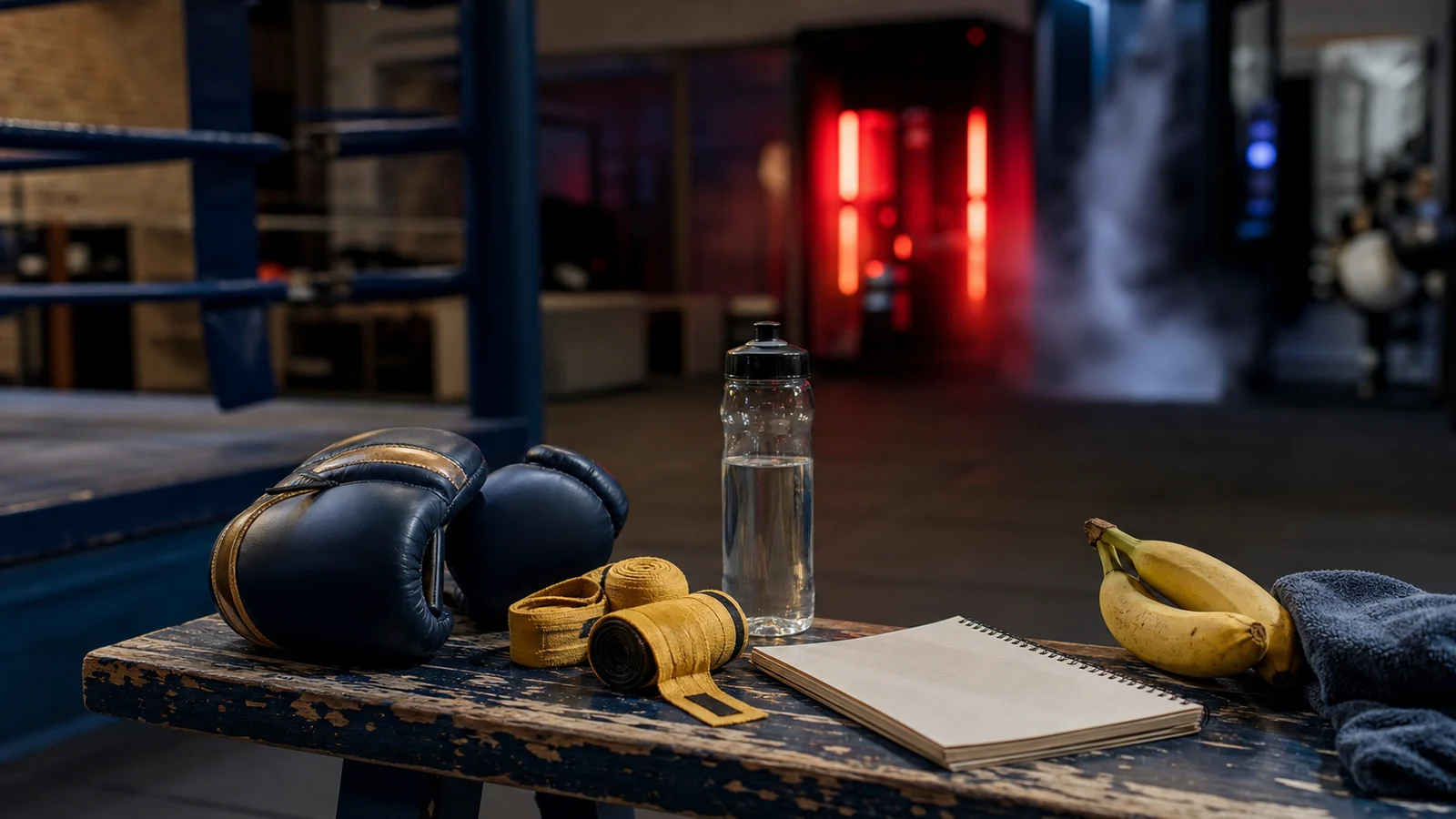
A hard session becomes content. A watch screenshot becomes proof. A recovery day becomes a lifestyle post. A run club becomes a social identity. A gym mirror becomes a stage. A supplement becomes a signal that you know the code.
Some of this is harmless. Some of it is even helpful. Strava's 2025 Year in Sport messaging described a shift among younger users toward movement, real-world connection and community. That is not a bad thing. If a run club gets someone away from doomscrolling and into a real friendship group, that is a win.
But social media also confuses evidence with aesthetics. The body that photographs well is not always the body that trains well. The most expensive recovery routine is not always the most disciplined one. The person with the cleanest supplement shelf might still be skipping sessions.
There is a quiet pressure in all this. If every hobby becomes optimised, tracked and displayed, the beginner can feel late before they have even started.
That is a shame, because the beginner does not need a brand identity. They need a first session.
Why boxing is a useful antidote
Boxing is not immune to athletification. Boxing has its own kit, its own status signals, its own nutrition rabbit holes and its own influencer nonsense.
But a proper boxing gym has one advantage: the work is hard to fake.
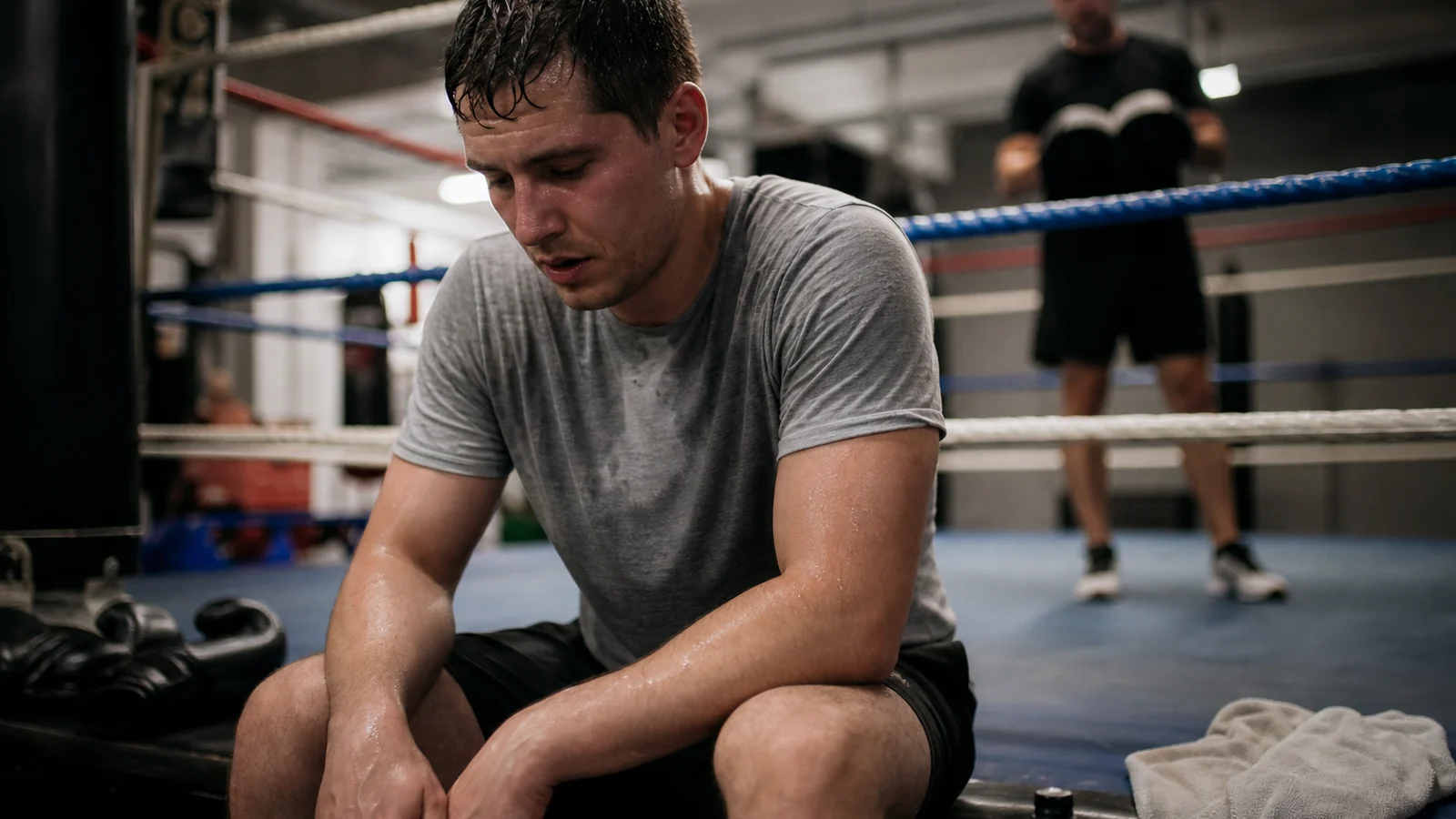
You can look athletic in the changing room. The bag does not care. The pads do not care. Your footwork does not care. Three rounds will tell you more about your fitness than a recovery score ever will.
That can be uncomfortable, but it is also freeing. The session brings you back to reality. Can you move? Can you breathe? Can you listen? Can you keep your hands up when tired? Can you reset after making a mistake?
Those questions are better than "do I look like an athlete?"
At Honour and Glory, most adults start with the basics: stance, guard, footwork, straight punches, bag work, pads and conditioning. You do not need to arrive looking like a fighter. You do not need elite kit. You do not need perfect fitness. You need enough willingness to be coached.
That is the good version of athletification. Not pretending to be elite. Training in a way that makes normal life feel stronger.
The middle-class trap: buying seriousness
There is a class angle here that deserves more attention.
A lot of modern wellness allows people to buy the appearance of seriousness. The clothes, the memberships, the recovery treatments, the supplements, the wearable tech, the retreats, the test panels, the biohacking language. It can all become a way to feel disciplined without entering the plain, repetitive, slightly boring apprenticeship that real improvement asks for.
This is not about mocking anyone with money. If you enjoy a recovery treatment and can afford it, fine. If a tracker helps you sleep better, use it. If a supplement solves a specific problem, take it sensibly.
The trap is thinking the purchase is the practice.
A £70 recovery session cannot compensate for a chaotic week. A £200 wearable cannot make you consistent. A £50 pre-workout cannot fix fear of hard rounds. A red light panel cannot replace a coach telling you your rear hand is dropping.
Hard work has become unfashionable language in some fitness spaces because it sounds old-fashioned, harsh or macho. But the truth is not harsh. It is grounding. Bodies adapt to repeated demand. Skills improve through practice. Confidence comes from evidence. Evidence comes from doing the work.
So is athletification good or bad?
It is good when it gets people to train for capability rather than just appearance.
It is good when it gives adults permission to take movement seriously, even if they are not professional athletes.
It is good when it builds community: run clubs, boxing gyms, walking groups, football sessions, lifting clubs, classes and training partners.
It is good when it makes recovery part of the conversation, because adults do need to sleep, eat, hydrate and manage stress if they want to train well.
It is bad when it turns fitness into performance for an audience.
It is bad when beginners think they need elite tools before they can start.
It is bad when marginal gains become the main event.
That phrase, marginal gains, was popularised through elite sport for a reason. The margin matters when the base is already strong. If you are an Olympic cyclist, a small improvement in equipment, sleep, aerodynamics or recovery might matter. If you are an adult who has not trained properly for six months, the margin is not your problem. The middle is your problem.
The centre of the work is still simple.
Show up. Learn. Sweat. Recover. Repeat.
The H&G view
We like the idea of everyday people becoming more athletic. That is part of what a boxing club is for.
But we do not think the athlete identity should be sold backwards. You do not become athletic by collecting the accessories of athletic people. You become athletic by doing athletic things often enough for your body and brain to change.
Cryochambers, red light therapy, supplements, wearables and recovery tools can all have a place. Some have better evidence than others. Some are useful for the right person at the right time. Some are probably just expensive theatre.
Either way, they are not the work.
The work is the class you attend when you are tired. The correction you accept. The round you finish. The meal you sort out instead of improvising. The sleep you protect. The session you repeat next week.
That is less glamorous than the modern athlete aesthetic. It is also the part that still changes people.
If you want the non-glamorous version of becoming more athletic, start with a coached boxing session. Try Adult Recreational Boxing, or if you want a session built around your level, book boxing personal training.
H&G Team
Writer at Honour & Glory Boxing Club, a community boxing gym in Kidbrooke, South East London.
KEEP READING
Boxing Recovery Tips After Training
Recovery tips for boxers after training. Learn what to eat, how to stretch, when to rest, and how to bounce back faster between sessions.
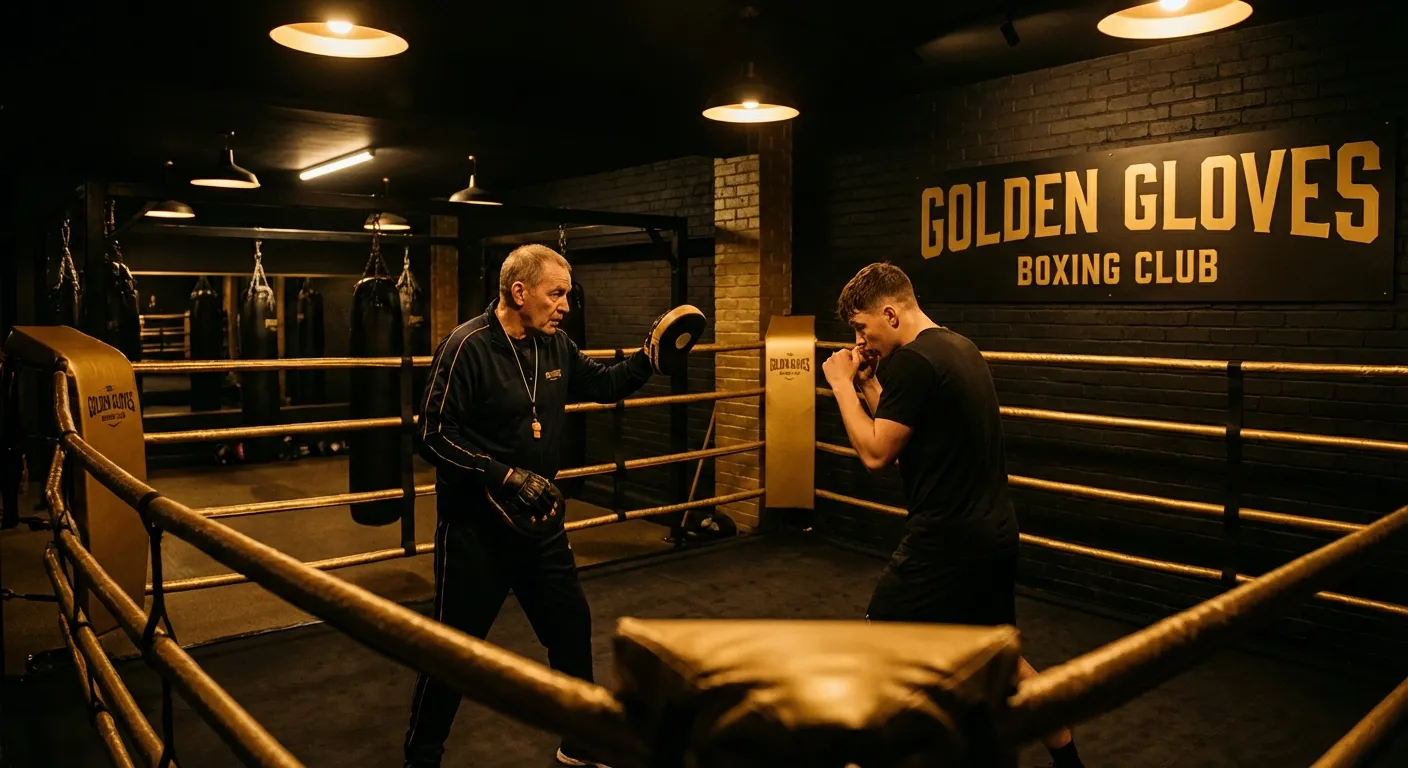
The Boxing Quotes You Have Never Heard From Coaches
Everyone knows what Muhammad Ali said. Fewer people know what his trainer said. The coaches are where the real wisdom lives. Here are some of their best lines.
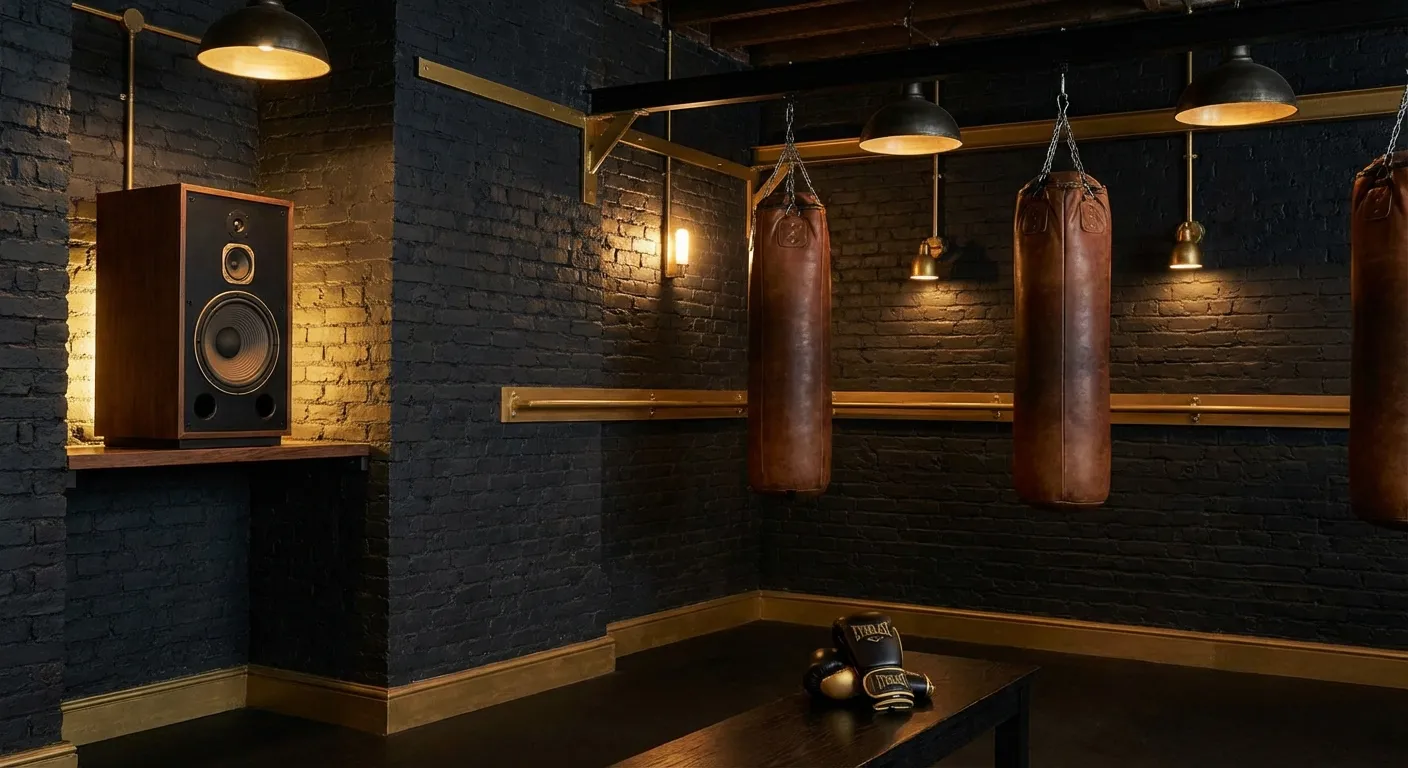
Boxing and Music: Why Every Gym Has a Playlist
Every boxing gym has a playlist. The connection between boxing and music is not accidental - there is a specific neurological explanation for why they reinforce each other.
Was this page helpful?
It takes one tap, and it genuinely helps.
Choose your next step
Turn this article into the right action
Some readers are ready to book. Some need the class route first. Pick the route that matches what you actually want.