Legal Recovery Supplements for Boxing: What Actually Helps
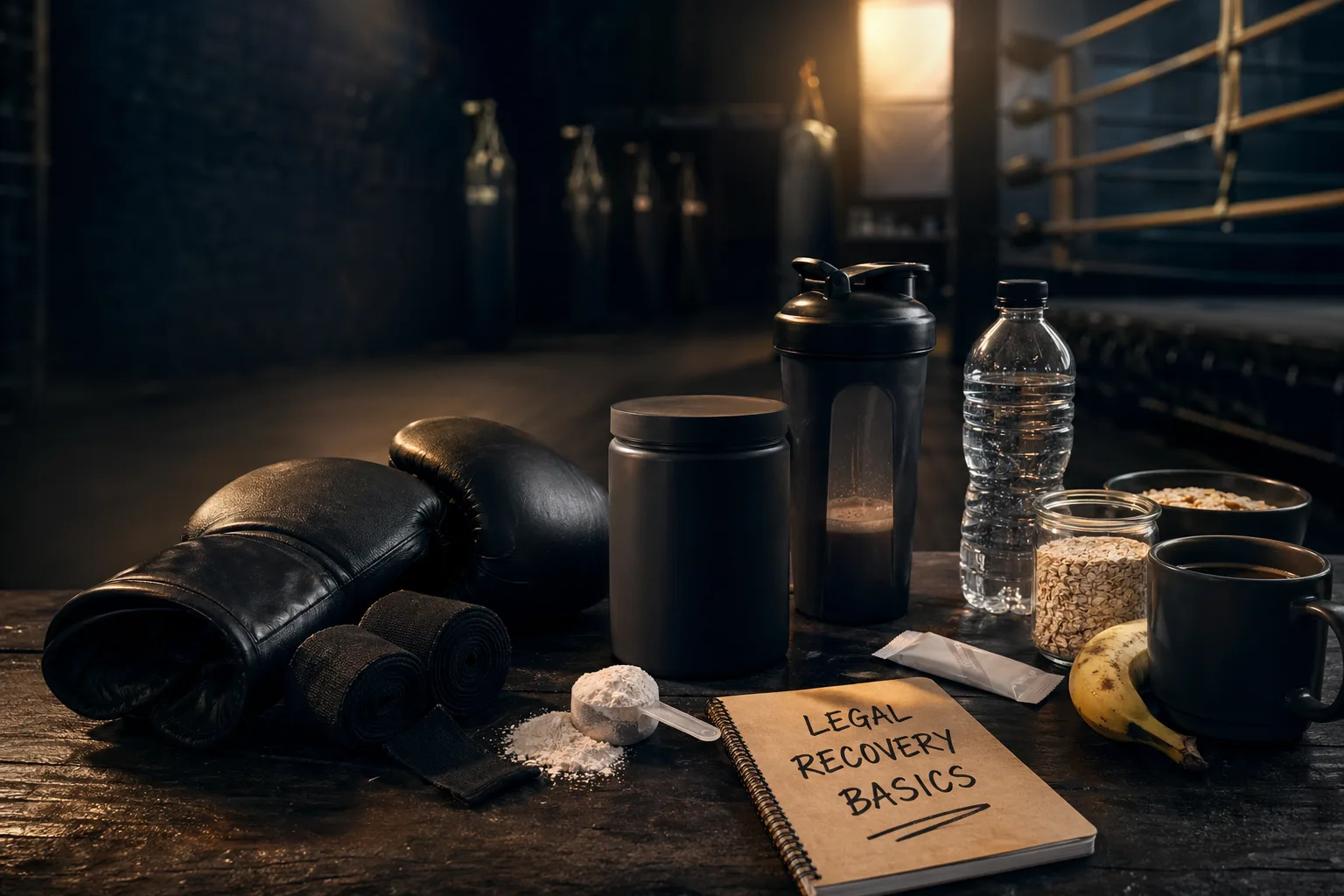
Most boxers do not need a complicated supplement stack. They need regular training, enough food, enough sleep, sensible hydration, and a programme that lets them adapt instead of constantly breaking down.
That is not a very exciting answer, which is why supplement marketing rarely starts there. It is easier to sell a powder, capsule or pre-workout than to sell eight hours of sleep and a consistent training week.
Still, some legal supplements can help. The key is knowing which ones sit on solid ground, which ones are situational, and which ones mainly exist to separate tired athletes from their money.
This is the practical version. Not medical advice. Not a shopping list. Not a promise that a supplement will change your boxing. Just a clear guide to what is worth considering, what to be careful with, and how competitive boxers should think about anti-doping risk.
If you are looking at more experimental compounds, read our separate guide to peptides for gym recovery and WADA risk. This article is about the safer, legal, better-understood end of the recovery conversation.
The order matters
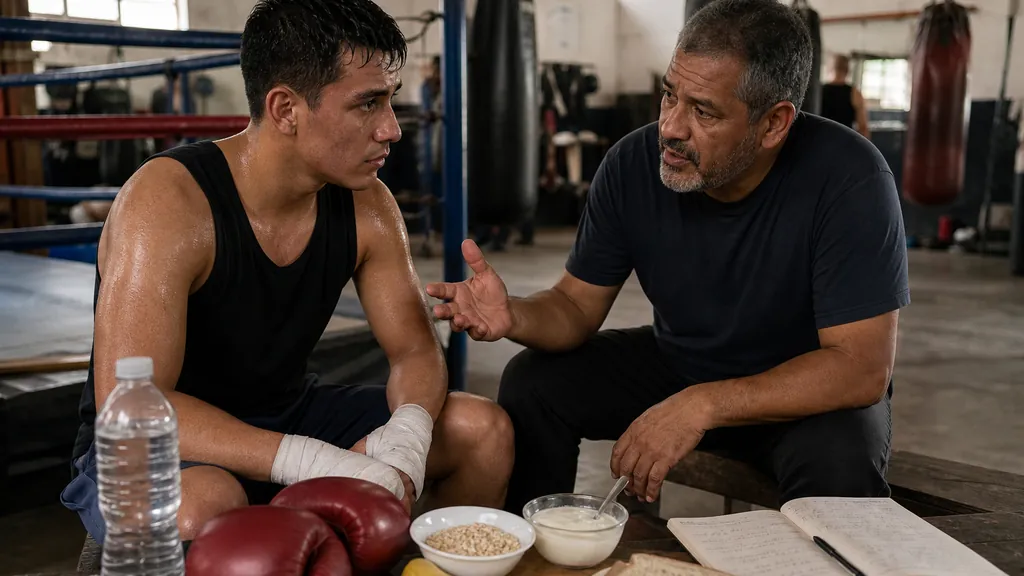
Before supplements, fix the hierarchy:
- Training load you can recover from.
- Enough total calories for your goal.
- Enough protein across the day.
- Carbohydrates around hard sessions.
- Hydration and electrolytes when needed.
- Sleep.
- Supplements only where they solve a real problem.
If the first six are a mess, the seventh will not save you.
For boxing, recovery is not only muscle repair. You are recovering your nervous system, joints, tendons, hands, shoulders, hips, calves, and concentration. A supplement may help one small part of that. It will not fix a programme that is too hard, too chaotic, or too under-fuelled.
Protein: useful if it helps you hit the target
Protein powder is not magic. It is powdered food.
That sounds dismissive, but it is actually the point. If a shake helps you hit your daily protein target without relying on another cooked meal, it can be useful. If you already eat enough protein from normal food, it becomes a convenience rather than a performance supplement.
For boxers, protein matters because training creates muscle damage and connective-tissue stress. You need amino acids to repair and adapt. A practical target for many active adults is usually easier to hit by spreading protein across the day rather than trying to rescue everything with one huge post-training meal.
Good options include chicken, fish, eggs, Greek yoghurt, milk, lean beef, tofu, beans, lentils and whey or plant protein powder. The brand matters less than the basics: enough total protein, digestibility, and a product that is properly tested if you compete.
Where people go wrong is treating protein powder as a physique shortcut. It is not. A shake after training is useful if the rest of the day supports it. It is almost pointless if breakfast is skipped, lunch is random, dinner is tiny, and sleep is poor.
For meal-level detail, use our guide to post-workout nutrition for boxing.
Creatine: the most defensible performance supplement
Creatine monohydrate is the supplement with the strongest case for boxing performance.
Boxing is full of repeated high-intensity efforts: combinations, sprints, pad rounds, bag rounds, explosive footwork, clinch strength, and hard conditioning. Creatine supports the energy system behind short, repeated bursts. That does not make it a miracle. It makes it relevant.
The International Society of Sports Nutrition position stand describes creatine monohydrate as one of the most effective ergogenic supplements for increasing high-intensity exercise capacity and lean mass during training. For a boxer who already trains consistently, that can matter.
The caveat is bodyweight. Boxing is a weight-class sport, and creatine can increase scale weight through water held in muscle. For recreational boxers, that is rarely a problem. For competitors close to a limit, it needs planning.
If you want the full boxing-specific version, read creatine for boxing. The short version is this: creatine can help the work you already do. It cannot replace the work.
Caffeine: useful, but easy to misuse
Caffeine is one of the few legal performance aids with a real evidence base. It can improve alertness, perceived effort, endurance and repeated high-intensity work. That makes it relevant to boxing.
But caffeine is also where many recreational athletes get silly.
A strong coffee before training is one thing. A huge pre-workout late in the evening, followed by poor sleep, followed by more caffeine the next day, is not recovery. It is borrowing energy from tomorrow.
Use caffeine when it solves a real problem: early session, hard conditioning day, competition setting, or a session where sharpness really matters. Do not use it to mask exhaustion every time you train. If you need caffeine to survive normal sessions, the issue is probably sleep, food, workload or stress.
For evening classes, be especially careful. A stimulant that improves the session but ruins sleep can leave you worse off across the week.
Collagen peptides: not muscle-building magic, but interesting for joints
Collagen peptides are different from the injectable or grey-market peptides discussed online. They are a food supplement made from hydrolysed collagen.
The evidence is not perfect, but it is more grounded than most recovery-hype products. A 2021 systematic review in Amino Acids found that collagen peptide supplementation, especially alongside exercise, appeared most useful for joint pain and joint function. It also made the limitation clear: collagen is not a high-quality muscle-building protein compared with whey or other complete proteins.
That distinction matters.
If your goal is muscle repair and general protein intake, whey, milk, eggs, meat, fish, soy or a good plant blend is usually more useful. If your issue is tendon or joint niggles and you are doing a proper loading or rehab programme, collagen may be worth discussing with a qualified professional.
Do not treat collagen as a magic injury fix. Tendons adapt to load, time and consistency. Collagen may support that process. It does not replace it.
Electrolytes: boring, practical, sometimes important
Most people do not need an electrolyte product for every session. Water and normal meals are enough.
But boxing is sweaty. Hard pad rounds, bag work, skipping and conditioning in a warm gym can leave people losing a lot of fluid. If you finish training with a headache, cramps, dizziness, heavy legs, or intense salt cravings, hydration may be part of the problem.
Electrolytes are most useful when:
- sessions are long or very sweaty
- the gym is hot
- you train twice in a day
- you are returning after illness
- you struggle to rehydrate with water alone
They are not fat burners. They are not energy drinks. They are a simple way to replace sodium and other minerals when sweat losses are high.
For most adults, the first step is still simpler: bring a bottle, drink during training, eat proper meals, and do not use alcohol as your post-session recovery plan.
Vitamin D, iron and magnesium: test, do not guess
Some supplements are useful when there is a deficiency. That does not mean everyone should take them blindly.
Vitamin D matters for bone health, immune function and general health. In the UK, low vitamin D is common, especially during darker months. Iron matters for oxygen transport and fatigue, but unnecessary iron supplementation can be harmful. Magnesium is popular for sleep and cramps, but claims often run ahead of evidence.
The adult answer is simple: if you suspect a deficiency, get proper medical advice or testing. Do not build a supplement plan from symptoms alone. Tiredness, poor recovery and low mood can come from many causes: sleep debt, stress, under-eating, illness, overtraining, low iron, low vitamin D, and more.
A blood test beats a TikTok diagnosis.

What to avoid
The supplement aisle becomes risky when products promise extreme results.
Be wary of:
- proprietary blends with unclear amounts
- stimulant-heavy pre-workouts
- fat burners
- testosterone boosters
- SARMs or anything SARM-adjacent
- research chemicals
- injectable recovery compounds
- products using steroid-like marketing
- anything claiming to be WADA or UKAD approved
UK Anti-Doping is clear: no supplement can be guaranteed free from banned substances. WADA, UKAD and other anti-doping bodies do not approve supplements. Competitive athletes are responsible for what is found in their body, even if contamination was accidental.
That is strict liability. It is harsh, but it is the rule.
The clean-sport checklist for competitive boxers
If you compete, or plan to compete, use this before taking anything:
- Do I actually need this supplement?
- Is the ingredient permitted in sport?
- Have I checked an anti-doping source rather than the seller's page?
- Is the product batch-tested by a reputable third-party programme?
- Have I kept the batch number, receipt and product details?
- Am I using one simple ingredient, or a blend full of unknowns?
- Would I be comfortable explaining this to a coach, doctor or anti-doping officer?
If the answer is uncomfortable, do not take it.
For most amateur and recreational boxers, the safest supplement strategy is boring: simple products, clear ingredients, no mystery blends, no grey-market compounds, and no shortcuts that create eligibility risk.
The Honour and Glory view
We are not anti-supplement. We are anti-nonsense.
Creatine can be useful. Protein powder can be convenient. Caffeine can help. Collagen may have a place around joint and tendon support. Electrolytes can help heavy sweaters. But none of them replace coaching, consistency, sensible training load, food, sleep and patience.
The question is not "what can I take?" The better question is "what problem am I trying to solve?"
If the problem is low energy, look at sleep and food first. If the problem is soreness, look at training load and recovery habits. If the problem is repeated injury, get assessed and fix the underlying pattern. If the problem is impatience, no legal supplement will solve it.
The best recovery plan is the one that keeps you training consistently for months, not the one that sounds most advanced online.
Try a boxing class at Honour & Glory or start with Adult Recreational boxing if you want structured training without the supplement noise.
Sources and further reading
H&G Team
Writer at Honour & Glory Boxing Club, a community boxing gym in Kidbrooke, South East London.
Was this page helpful?
It takes one tap, and it genuinely helps.
Choose your next step
Turn this article into the right action
Some readers are ready to book. Some need the class route first. Pick the route that matches what you actually want.