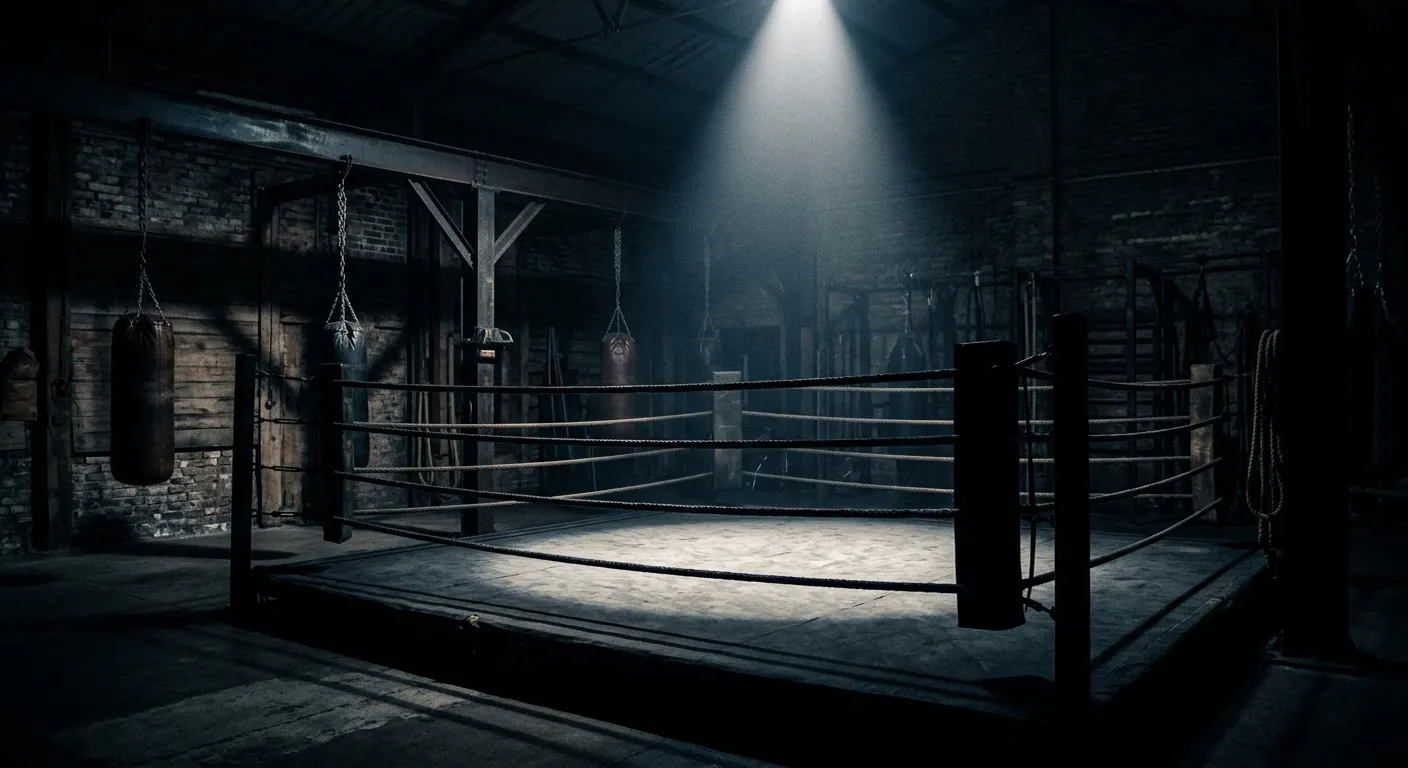
The BFI Southbank is running a month-long boxing film season through April 2026. Titled The Cinematic Life of Boxing, it is a serious curatorial effort: Rocky, Raging Bull, Million Dollar Baby, When We Were Kings, Creed, The Hurricane, Ali, and a handful of lesser-known films that deserve a wider audience.
It is also a good excuse to think about why boxing keeps producing the best sports films in cinema. Not the most films - football has more. But the best.
Why Boxing and Cinema Keep Finding Each Other
There is an obvious structural reason. Boxing is one-on-one, which means film can follow one person's inner life from beginning to end. No team dynamics to manage, no passing the dramatic focus from character to character. The sport concentrates everything onto a single body under pressure.
But the deeper reason is what boxing does to class and identity. The sport is unusual in that it is genuinely classless while being intensely political. Champions have come from every background, every country, every circumstance. The ring is a leveller in a way that most of sport is not. That makes it unusually rich material for storytellers.
Raging Bull is not really about boxing. It is about a man who cannot stop destroying everything around him. Million Dollar Baby is not really about boxing either - it is about a relationship between two people who cannot talk about what they need from each other. The sport just provides the container. The weight of the gloves, the ritual of the training, the loneliness of camp - these details give directors something to work with that football and cricket cannot match.
What Is Actually Showing
The season opened on 31 March with the world premiere of Learning the Ropes, a documentary about Tony Burns, the former head coach at Repton Boxing Club in Bethnal Green. Repton is one of the most famous amateur clubs in the country - it has produced over twenty ABA champions and a string of Olympians. The film is directed by Ryan Pickard and narrated by Ray Winstone, himself a Repton alumnus. Darren Barker, former IBF middleweight world champion and another Repton product, appeared at the Q&A.
That is a strong opening. A film about a community amateur boxing club, narrated by someone who came through that club, premiered at a national arts institution. The fact that the BFI chose to lead the season with a documentary about an East End gym rather than with one of the canonical Hollywood titles says something worth paying attention to.
The rest of the season includes:
- Rocky (1976) - screened 3 April, its 50th anniversary year
- Fat City (John Huston, 1972) - the honest, unglamorous one that people who love boxing tend to cite more than Rocky
- Body and Soul (Robert Rossen, 1947) - a film noir in boxing gloves, largely forgotten outside serious cinema circles
- Raging Bull (Martin Scorsese, 1980) - screening 20 April with an introduction from curator Dr. Clive Chijioke Nwonka
- When We Were Kings (Leon Gast, 1996)
- The Hurricane, Ali, The Fighter, Creed
- Journeyman (Paddy Considine, 2017) - one of the more underrated entries in the genre
- The Featherweight (Robert Kolodny, 2023) - UK premiere
The season was programmed by Dr. Clive Chijioke Nwonka, a film academic whose work focuses on race, identity, and urban cinema in Britain. His involvement explains why the programme includes films like The Hurricane (about Rubin Carter, wrongly imprisoned for murder) alongside the obvious crowd-pleasers. The BFI is not just running a greatest hits package. They are making an argument about what boxing films have actually been about.
Fat City and the Films People Do Not Watch
If you go to one film in the season that you have not seen, make it Fat City.
John Huston's 1972 film is set in Stockton, California. It follows two boxers - an ageing journeyman trying to restart his career, and a young prospect at the start of his. Neither of them is going to become champion. Neither of them is going to have a transformative moment that changes their life. They are just people caught inside circumstances that are mostly beyond their control.
The film is based on a novel by Leonard Gardner, who grew up in Stockton and spent time as an amateur boxer. Critics consistently rate it among the finest sports films ever made, precisely because it refuses to offer the catharsis that audiences expect. It is uncomfortable and honest and does not look away.
Most boxing films are about exceptional people. Champions, contenders, people on the edge of glory. Fat City is about everybody else - the vast majority of boxers who train for years and never get anywhere near a world title, who fight in small venues for small purses, who keep coming to the gym because the gym is the one place that makes sense to them.
If you have ever trained seriously, it will ring true in a way that Rocky does not.
What *Learning the Ropes* Is Really About
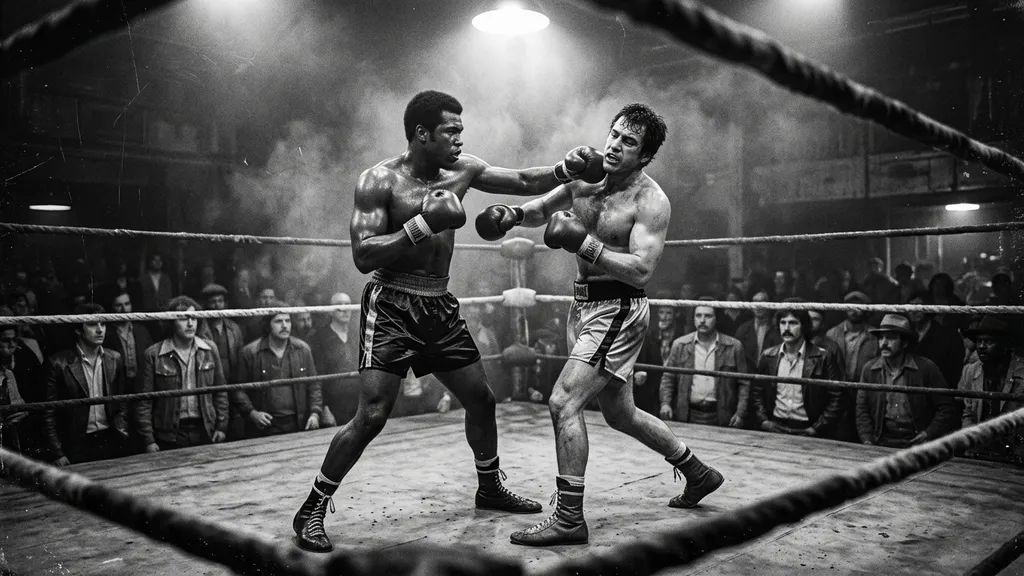
The Repton documentary is interesting for a specific reason. Repton is a youth boxing club in the East End that has operated continuously since 1884. It is not a professional gym. It is not commercially minded. It is a community institution that has managed to survive more than a century in a city that has changed dramatically around it.
The film is about Tony Burns, who coached there for decades. But what it is really about - based on what emerged from the premiere and Q&A - is the question of what amateur boxing clubs actually do for communities. Not what they claim to do. What they actually do.
The answer, from the evidence of Repton and clubs like it, is more complicated and more interesting than "they teach discipline". They provide a space where young men (and increasingly young women) can test themselves physically in a controlled environment, under the guidance of someone who knows what they are doing and who takes them seriously as people. That is rarer than it should be.
It is also, frankly, what every good boxing club in London tries to do. We think about that a lot at H&G.
The Season as an Argument
There is something slightly unusual about a major arts institution dedicating a month to boxing cinema right now. Sport England's Active Lives data shows boxing participation has grown consistently over the past decade, with the sport now attracting participants well beyond its traditional working-class male base. Women's boxing in particular has changed significantly since Nicola Adams won Olympic gold in 2012.
The BFI season feels like a response to that shift - an acknowledgement that boxing has a cultural life that extends well beyond sports pages. The films in the programme have been made in America, Italy, Britain, Ireland, and Finland. They are about race, class, gender, disability, ageing, immigration. Boxing is the common thread, but the subjects are the whole of human experience.
That is exactly why the sport keeps producing films worth watching. And it is exactly why, when you walk into a boxing gym for the first time, it tends to feel different from other places.
Coming to Train
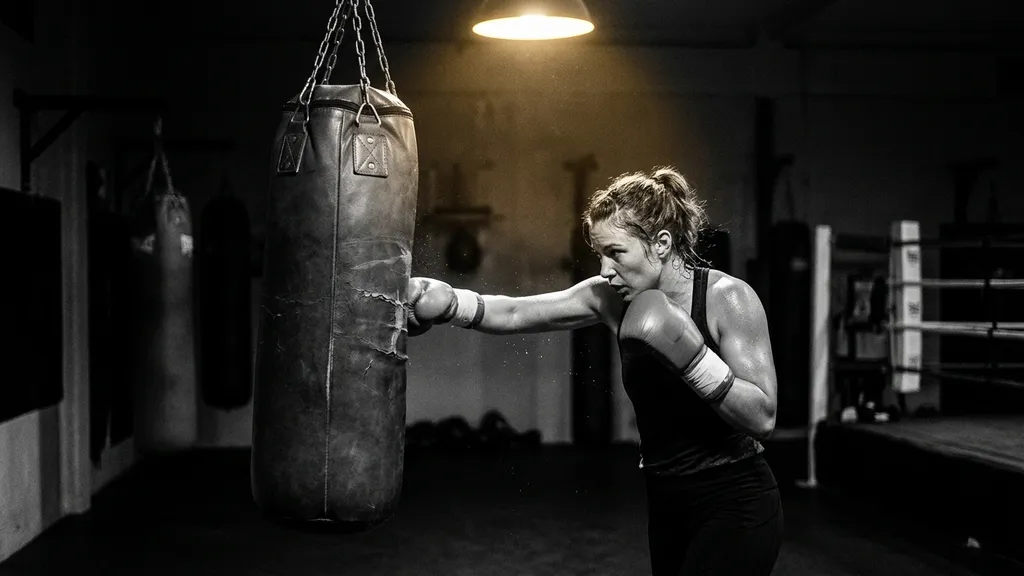
If the season has you curious about what boxing actually feels like rather than what it looks like on screen, book a free trial session at Honour and Glory Boxing Club. We are based in Kidbrooke, SE London - about twelve minutes from Deptford and easy from Greenwich and Blackheath.
Our Recreational Adults class is the right starting point for most people. No experience needed, no expectations.
The films are on at BFI Southbank through the end of April. The gym is on every week.
H&G Team
Writer at Honour & Glory Boxing Club, a community boxing gym in Kidbrooke, South East London.
KEEP READING
Social Prescribing and Boxing: What It Means
Social prescribing allows GPs to refer patients to non-clinical community activities. Boxing clubs are increasingly part of this network. Here is what it means and how to access it.
Best Ways to Get Fit in South East London in 2026
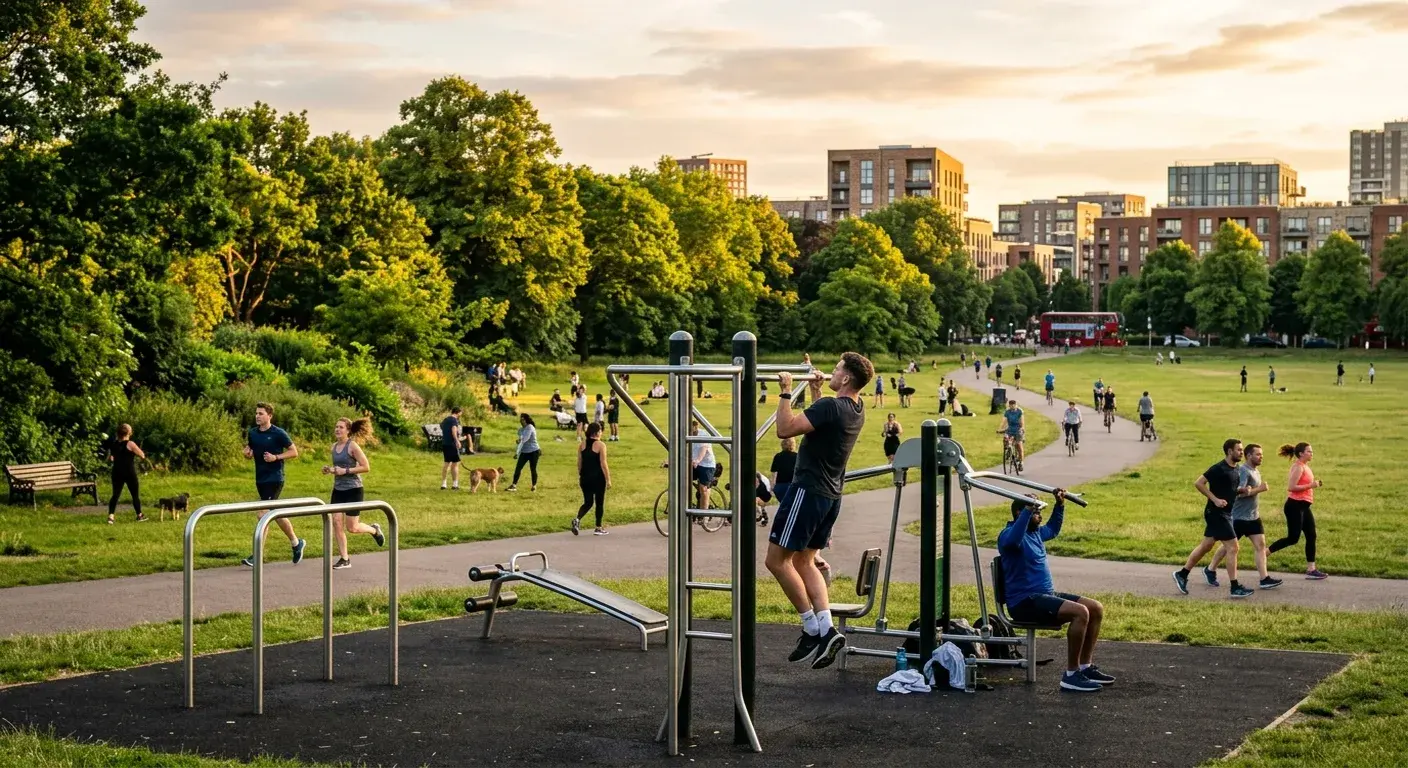
From free outdoor sessions to £10 boxing classes to budget gym chains - the honest options for getting fit in SE London this year.

Best Gyms Near Greenwich: Honest Guide for 2026
PureGym, Snap Fitness, The Gym Group, Novo Armory, CrossFit GMT - here is what is actually worth your money near Greenwich in 2026.
Was this page helpful?
It takes one tap, and it genuinely helps.
Choose your next step
Turn this article into the right action
Some readers are ready to book. Some need the class route first. Pick the route that matches what you actually want.