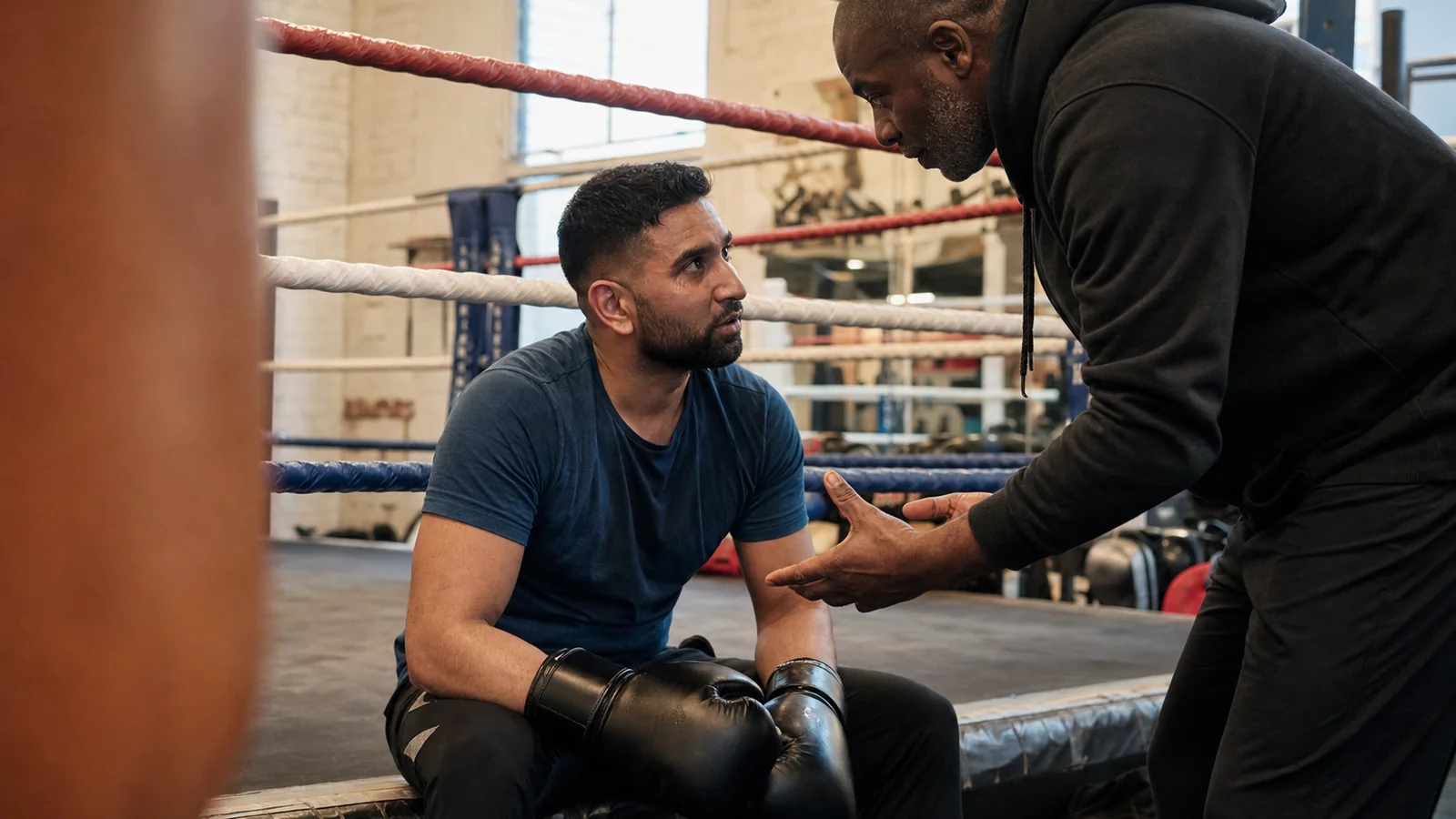
Most beginners arrive with the wrong idea of what makes someone good at boxing.
They think it is power. Or aggression. Or how many punches they can throw in a combination. Or whether they can look sharp on the bag for three minutes without stopping.
Those things matter eventually. But they are not the lessons that usually change a beginner fastest.
The hard lessons are quieter. They are about staying calm when someone is in front of you. Keeping your feet under you when you want to rush. Using the jab properly instead of treating it like a tap before the real punch. Listening to one useful coaching cue rather than carrying ten instructions into the round.
That is where boxing starts to make sense. Research on technical and tactical boxing profiles describes performance as a mix of punching, movement, defence and tactical behaviour. In normal gym language: you are not just learning how to hit. You are learning how to make decisions under pressure.
Here are the lessons beginners usually learn the hard way.
1. Calm is a skill, not a personality trait
Some boxers look naturally calm. That can make beginners think composure is something you either have or do not have.
It is not that simple.
Calmness in boxing is trained. It comes from repetition, controlled pressure, better breathing and knowing what you are trying to do. The more familiar the situation becomes, the less your brain treats every movement as an emergency.
When beginners panic, their boxing shrinks. Vision narrows. Breathing gets high. Shoulders rise. Hands tighten. The feet get heavy. Every punch feels like it has to solve the whole round.
A calmer boxer sees more.
That does not mean they feel nothing. It means they can feel pressure without letting pressure drive the next decision.
A useful beginner cue is simple: breathe before you answer.
If you get hit, breathe. If you miss, breathe. If the other person steps forward, breathe. One clean breath can stop the round becoming a scramble.
This is why controlled sparring matters. You need enough pressure to test the habit, but not so much that technique disappears. Good coaching gives you that middle ground.
2. Trying harder is not the same as boxing better
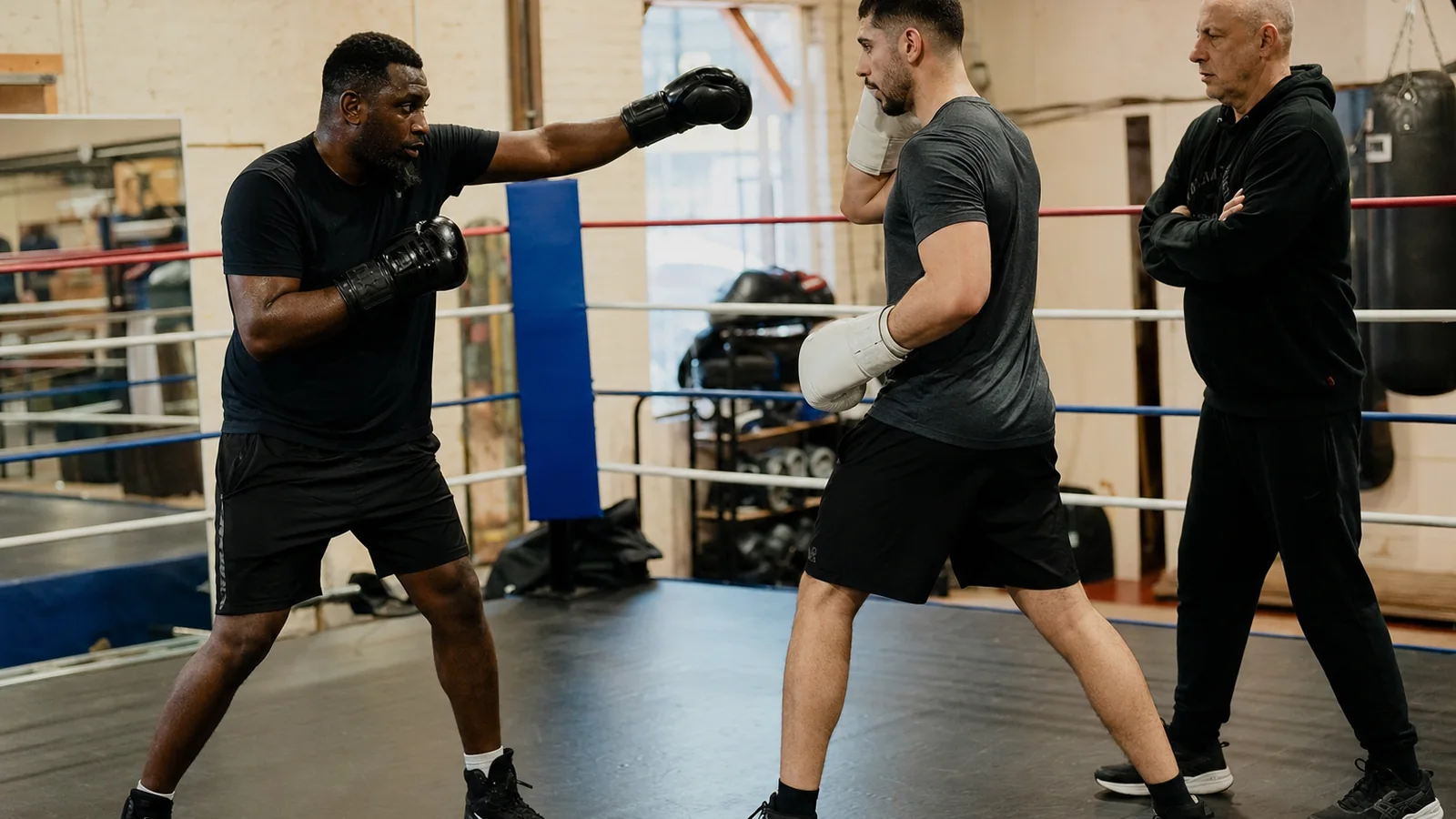
Beginners often respond to difficulty by adding effort.
They miss, so they punch harder. They get tired, so they tense up. They get backed up, so they rush forward. They feel embarrassed, so they trade when they should reset.
That effort feels honest. It is not always useful.
Boxing rewards useful effort, not blind effort. A tight three-punch combination thrown from bad feet is still bad boxing. A hard right hand that pulls your chin over your front knee is still a mistake. A wild finish after you land one good shot can turn your own success into their counter.
Better boxing often looks less dramatic:
- one jab brought back properly
- one small step after punching
- one body shot instead of three head shots
- one reset instead of forcing the exchange
- one clear instruction followed for the whole round
That is hard for beginners because it does not always feel like winning. But it is how skill gets built.
If you want a simple test, ask this after a round: did I make better decisions, or did I just work harder?
Both can be true. But if only the second one is true, your progress will be slower than it needs to be.
3. Your feet decide whether your punches matter
A lot of beginners think punching power lives in the arms.
It does not.
Your hands finish the punch, but your feet decide whether the punch has a base. If your stance is sliding, square, crossed, too narrow or too stretched, the punch leaks power and leaves you open.
This is the beginner pattern coaches see all the time: the hands want to box, but the feet are not ready.
You throw a right hand and the back foot drags behind you. You jab and your front foot turns out. You hook and both feet end up parallel. You step in too far, then have to reach back for balance. It can feel like you are boxing on a slippery floor.
The fix is not complicated, but it does need patience.
Before you worry about throwing harder, learn to finish each punch with your stance still usable. After the shot, can you move? Can you defend? Can you punch again? If not, the punch was not as good as it felt.
Try this on the bag:
- Throw a single jab.
- Freeze for one second.
- Check your feet, knees, chin and rear hand.
- Step out and repeat.
Then do the same with jab-cross. If your feet collapse after two punches, do not add a hook yet. Clean the base first.
Our guide to improving punching power goes deeper on how power travels through the body, but the beginner version is this: plant, punch, recover.
4. The jab tells the truth about your boxing
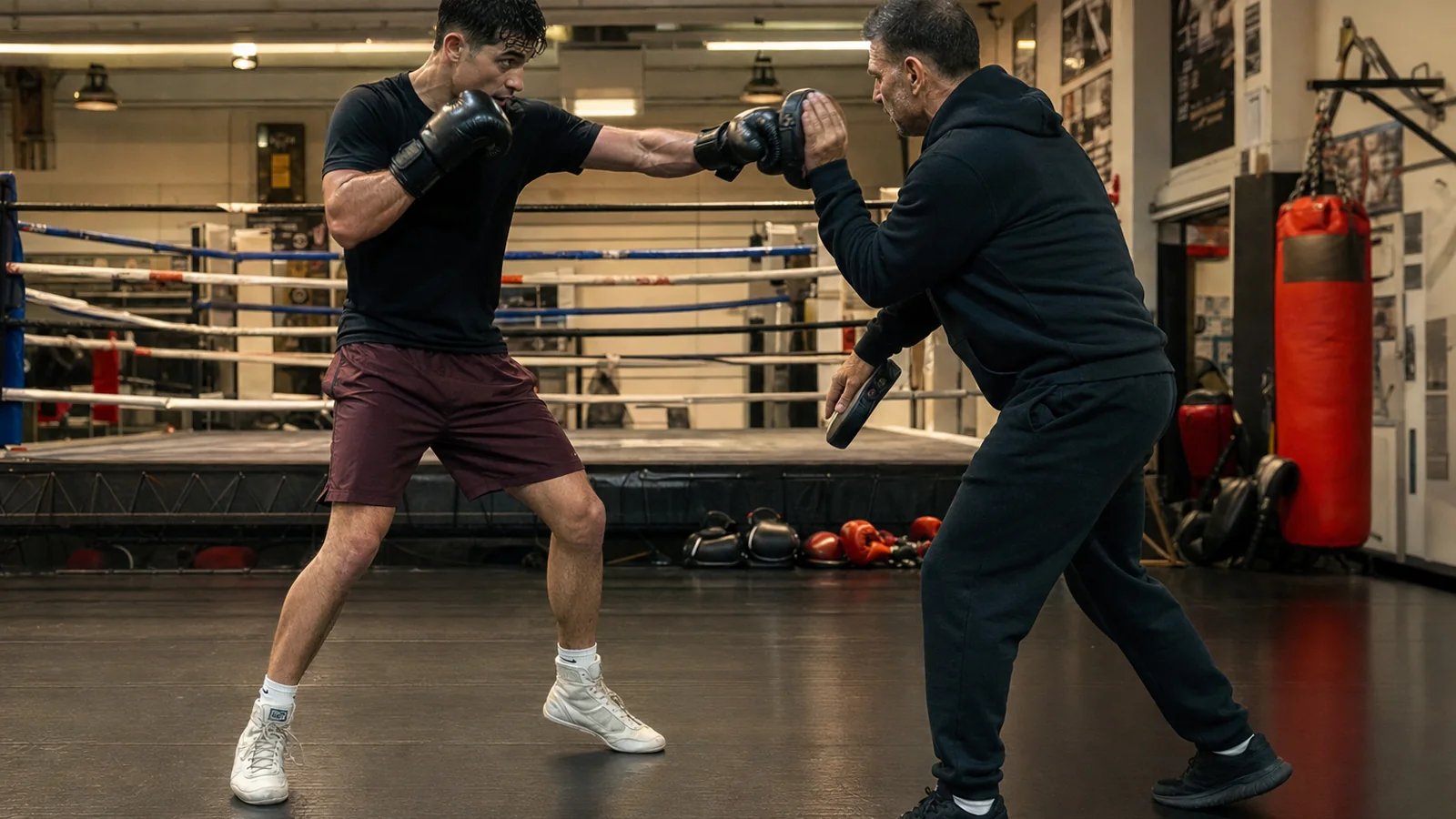
Beginners often underrate the jab because it does not feel like the exciting punch.
They want the right hand. The hook. The big finish. The combination that makes the pads crack.
But the jab tells the truth.
A lazy jab exposes your habits. Does your rear hand drop? Does your chin lift? Do you lean over your front foot? Do you step in too deep? Do you leave the jab out and wait for someone to counter over it?
A good jab gives you information. It touches distance. It interrupts rhythm. It makes the other person show a reaction. It buys you half a second to think. It lets you enter without gambling everything on one big punch.
That is why coaches keep coming back to it.
Do not treat the jab as a starter pistol before the real boxing begins. Treat it as one of your main tools.
A useful beginner drill is a jab-only round with rules:
- every jab returns straight to guard
- every jab moves your feet or checks range
- no right hand unless the jab has created a clear reason
- if you miss, reset before throwing again
This gets boring quickly if you only want action. It gets interesting when you realise how many problems a better jab solves.
If you struggle to breathe while jabbing, read our guide on how to breathe properly in boxing. The jab should not hold your breath hostage.
5. Do not enter the round with ten instructions in your head
Beginners love advice.
That is understandable. Boxing is confusing at first, and every correction sounds important. Keep your hands up. Turn the hip. Chin down. Step with the jab. Breathe. Do not cross your feet. Relax. Move your head. Get out after punching. Use the body. Stop loading up.
All of that can be true.
You still cannot carry all of it into one round.
Too much instruction becomes noise. You start thinking instead of seeing. You try to fix everything at once, then fix nothing properly.
A better way is to choose one or two cues for the round.
For example:
- "jab and reset"
- "breathe after every exchange"
- "hands back after the right hand"
- "small step out after combinations"
- "do not back up in straight lines"
That is enough.
If you complete the round and did that one thing better than last time, the round was useful. You do not need to win the whole sport in three minutes.
This is one reason coach-led training matters. A good coach does not just tell you everything that is wrong. They choose the correction that matters most right now.
6. Good coaching should correct you, not just entertain you
A class can be hard, loud and sweaty without making you better at boxing.
That is not a criticism of fitness boxing. Some people want exactly that. But if your goal is to learn boxing, you need correction.
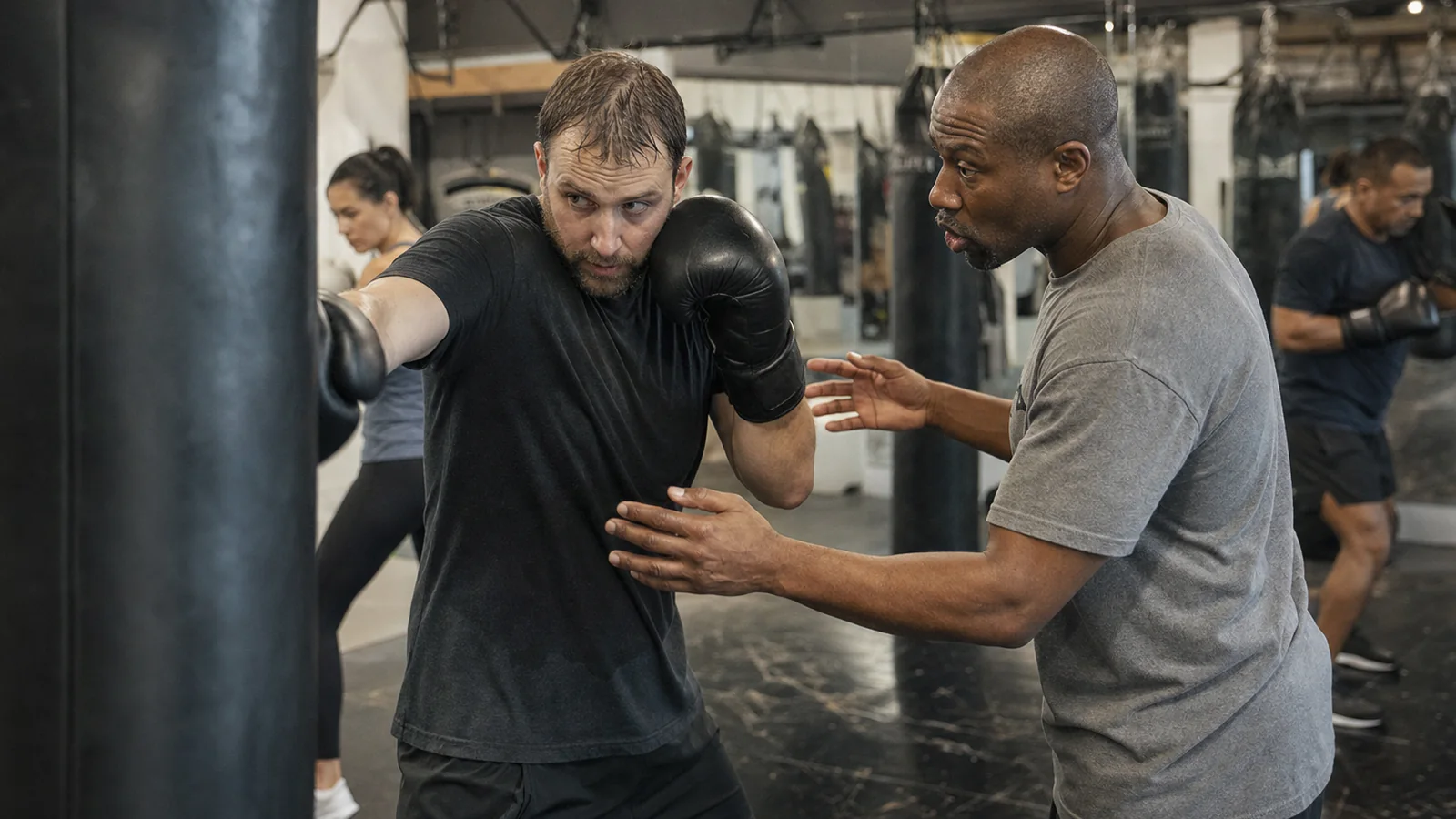
You need someone to notice when your stance is square, when your jab is lazy, when your right hand is leaving your chin exposed, when your footwork disappears under pressure, and when your breathing is making you panic.
Correction is not always comfortable. It can be frustrating to hear the same thing again. But repeated correction is usually where the real progress is.
The best beginner coaching is specific:
- not "move more", but "step out after the jab"
- not "hands up", but "bring the right hand back before you hook"
- not "relax", but "exhale on the shot and loosen your shoulders"
- not "use your feet", but "small pivot before the ropes"
That level of detail is hard to get from solo bag work. The bag does not care if you are off balance. Pads can hide mistakes if the coach is too generous. Sparring exposes mistakes, but it needs supervision so the lesson does not become chaos.
At H&G, the aim is not to make beginners feel stupid. It is to give them enough correction that boxing becomes less mysterious.
7. Your first 10 controlled rounds should teach patterns, not ego
The early rounds of sparring or partner work are not there to prove you are tough.
They are there to show you patterns.
You may learn that you hold your breath after throwing. You may learn that you back straight up when pressured. You may learn that your jab drops on the way back. You may learn that you can hit the bag hard but lose balance when another person moves.
Those discoveries are not failures. They are the point.
If the round is controlled, your coach can turn those discoveries into corrections:
- if you freeze, use a breath and a jab
- if you rush, reset your feet before attacking again
- if you get countered, bring the hand home before adding power
- if you panic near the ropes, practise the small turn earlier
That is how beginners become calmer. Not by pretending pressure does not exist, but by meeting it in a room where the pressure is useful.
Our first time sparring tips explain this in more detail. Early sparring should not feel like a fight for survival. It should feel like a hard conversation with rules.
The simple version
If you want to get better at boxing, do not only ask how to punch harder or throw longer combinations.
Ask better questions:
- Can I stay calm enough to see what is happening?
- Are my feet helping my punches or ruining them?
- Is my jab giving me information?
- Am I carrying one useful cue or ten competing thoughts?
- Am I getting correction, or just getting tired?
That is the beginner path most people miss.
Boxing gets easier when the noise drops. Your breathing settles. Your feet organise. Your jab starts working. Your coach's corrections become specific. You stop trying to force every moment and start making cleaner decisions.
If you are in Greenwich, Kidbrooke, or nearby, our Recreational Adults boxing classes are built for this: coached technique, bag work, pads, partner drills and controlled rounds that help beginners learn the right lessons earlier.
H&G Team
Writer at Honour & Glory Boxing Club, a community boxing gym in Kidbrooke, South East London.
KEEP READING
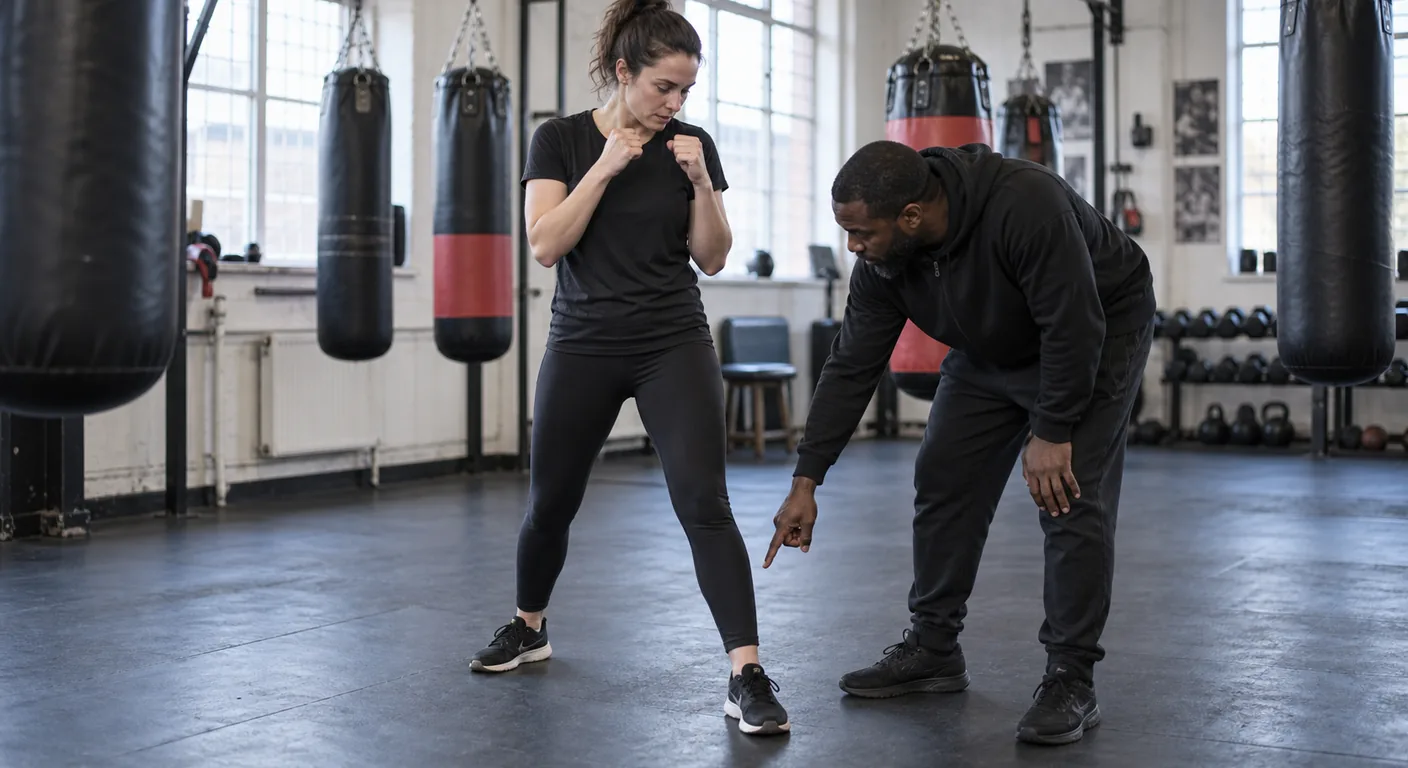
Do You Need to Be Aggressive to Start Boxing?
You do not need an aggressive personality to start boxing. You need patience, coachability and a class that teaches control first.
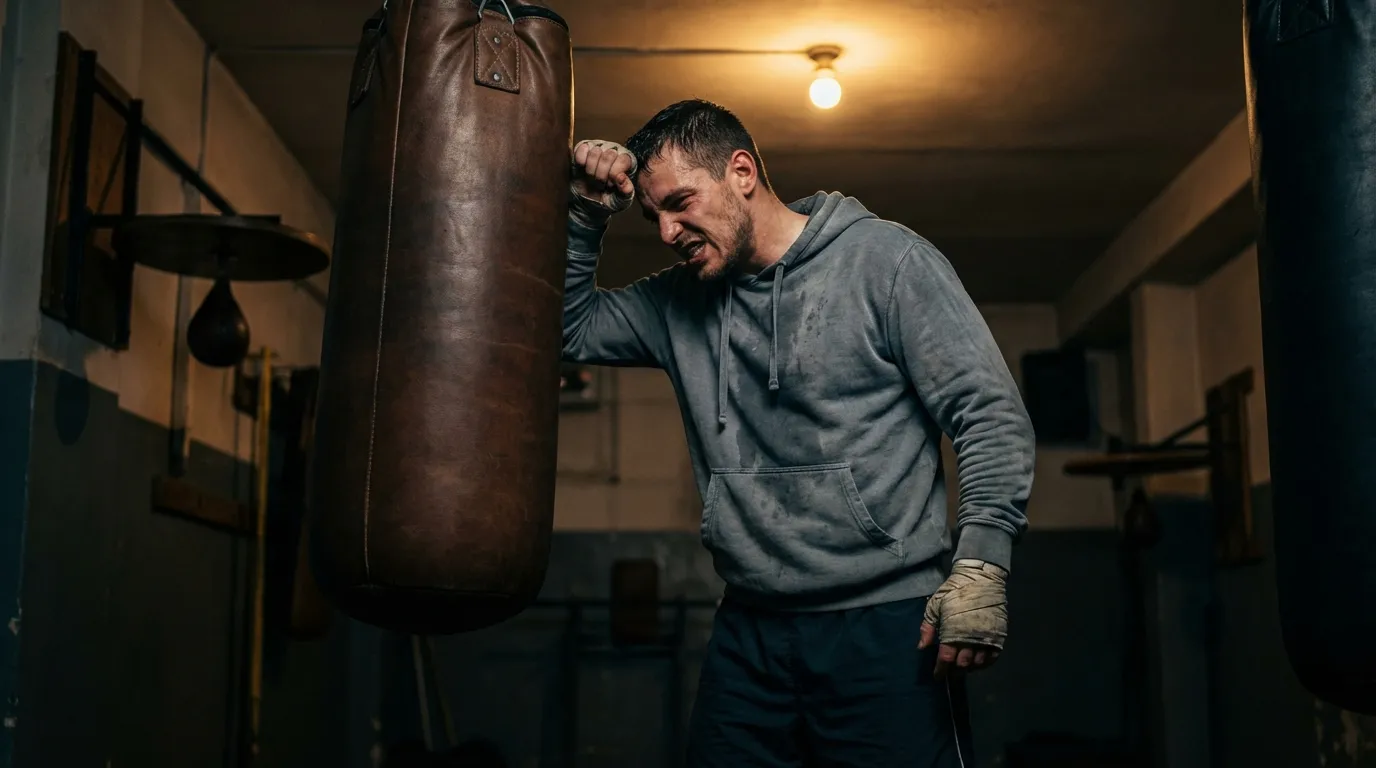
Is Boxing Hard to Learn?
Is boxing hard to learn? Here is an honest assessment of what makes boxing challenging and why it is absolutely worth the effort.
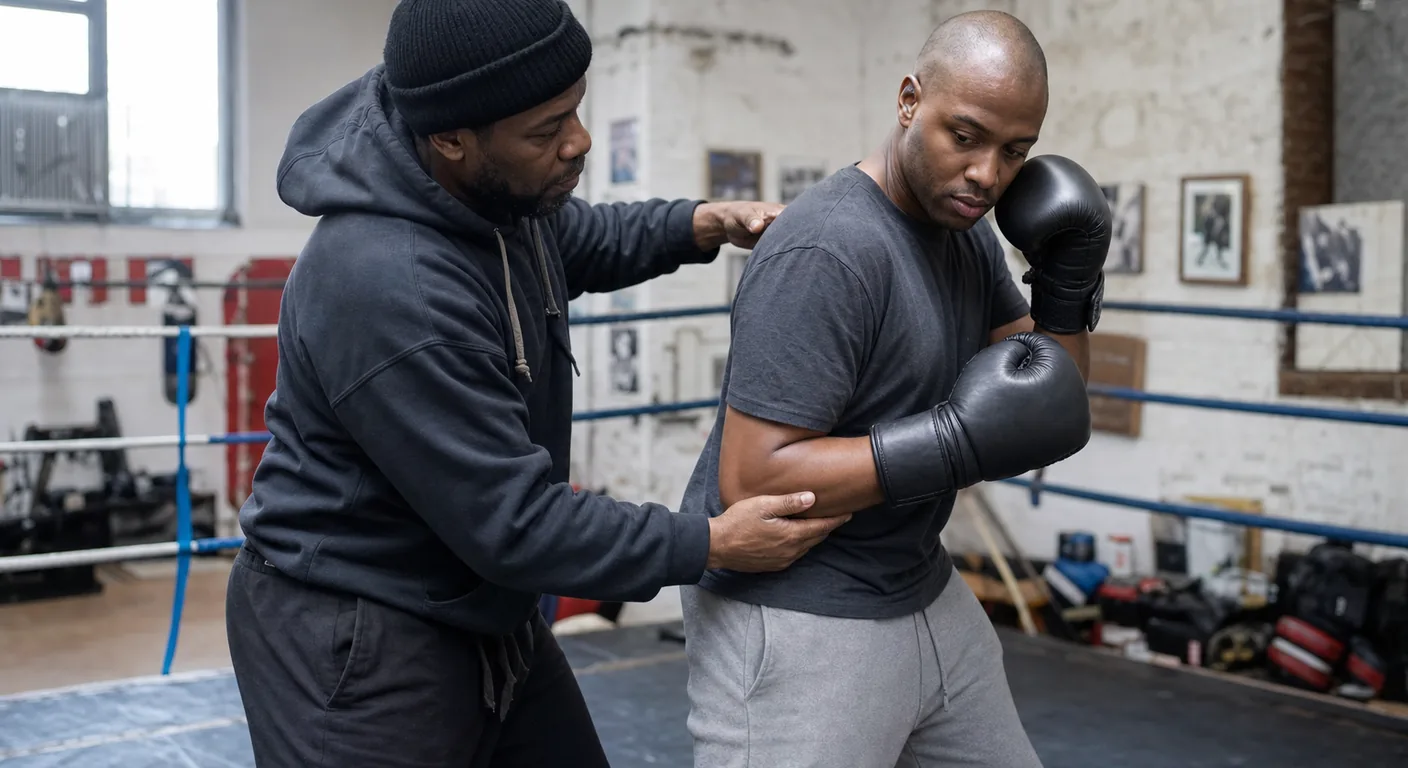
Why Beginner Boxers Are So Easy to Hit
Beginners do not get hit only because their reflexes are slow. They usually get hit because their stance, jab, guard and exits give the other boxer a clear target.
Was this page helpful?
It takes one tap, and it genuinely helps.
Choose your next step
Turn this article into the right action
Some readers are ready to book. Some need the class route first. Pick the route that matches what you actually want.