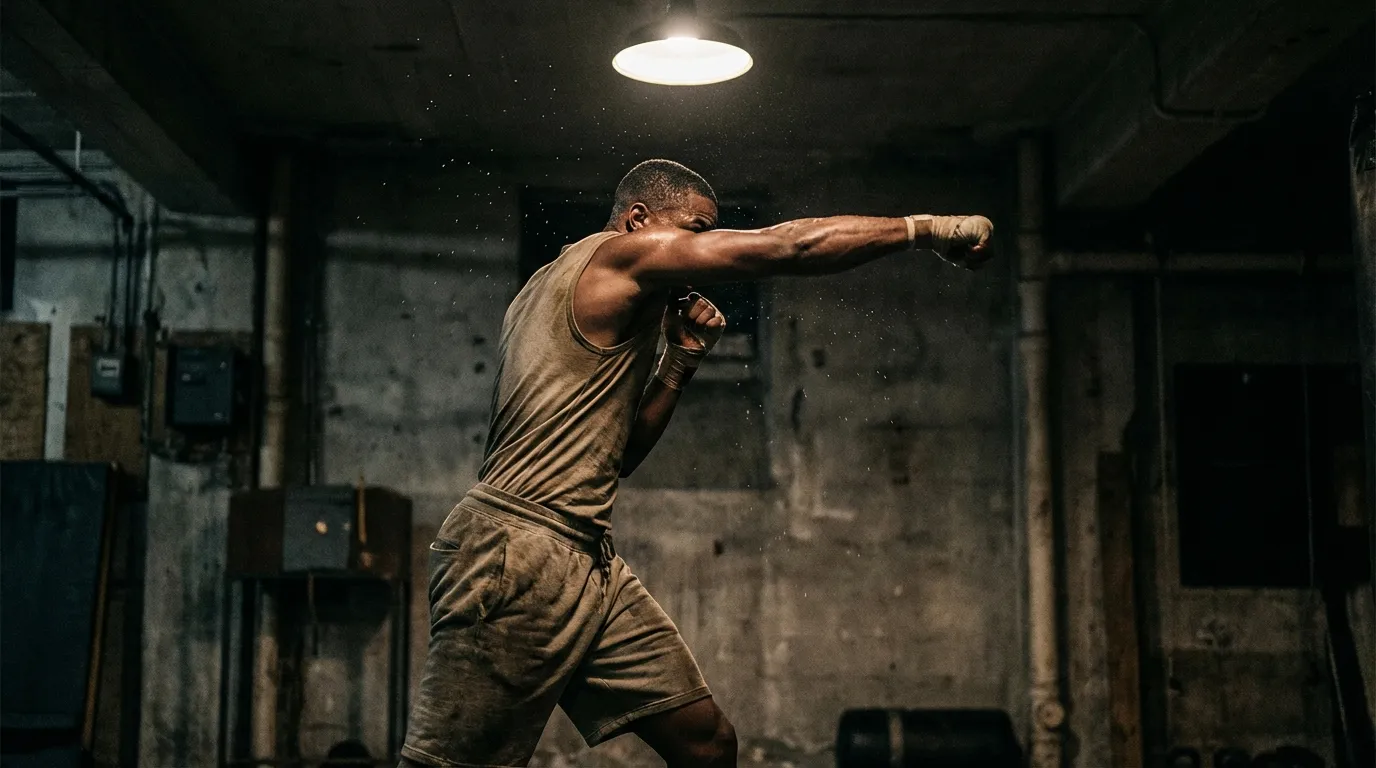
Punching power is not one quality and there is no universal force number that tells you whether somebody “hits hard”. Measurements change with the punch, target, equipment, weight class and testing method. What coaches can improve is clearer: balance, timing, efficient force transfer, speed, accuracy and the strength qualities that support the punch.
The 2026 England Boxing Coaching Handbook describes the rear straight as the classic power shot. Its key sequence is a stable base, a turn on the ball of the rear foot, fast hip rotation, arm extension and an immediate return to guard. That is a useful technical model. It is not permission to throw every punch at maximum effort.
This guide gives you a coached four-week block for building a cleaner rear straight. It is suitable for bag, pad and shadow-boxing practice. It is not a promise of a particular percentage gain, and it should not replace feedback from a qualified boxing coach.
What the research can - and cannot - tell us
A 2022 review of punch impact and strength research found that lower-body maximal and explosive strength, plus upper-body explosive strength, were associated with punch impact in elite amateur boxers. Upper-body maximal strength alone was not consistently associated with harder punching. The authors were equally clear about the limits: experimental studies were scarce, professional boxing evidence was limited and female boxers were under-researched.
More recent trials add useful evidence without settling every question. A 2024 study of 24 elite female amateur boxers found improved strength and punch measures after supervised complex training, but did not find a clear punch-performance advantage for variable resistance over constant resistance. A 2025 study of 20 national-level male professional boxers reported improvements after two different plyometric programmes, but its small, experienced sample makes it a poor template for prescribing beginner training.
The practical conclusion is deliberately modest: learn the punch first, preserve quality as speed rises, then use appropriately supervised strength and power work to support it. Do not copy elite loading percentages from a research paper if you have not already built the relevant lifting technique.
The rear-straight checklist
Use this sequence at a controlled pace before adding effort:
- Start balanced. Your stance must let you rotate without stepping across yourself or falling towards the target. If you are unsure, revisit our boxing stance guide.
- Turn the rear foot on the ball of the foot. Do not glue the heel to the floor, and do not lift the whole foot so you lose contact with the ground.
- Rotate the hips without over-rotating. Your fist should travel towards the target, not across your centre line.
- Let the arm accelerate from guard. Do not pull the hand backwards before launching it.
- Contact in range, then recoil. Return the rear hand and elbow to guard immediately. A punch is not complete until you can defend or throw again.
These points closely follow England Boxing's current coaching guidance. The handbook also identifies the common faults: arm-punching without hip rotation, a planted rear heel, excessive tension, leaning in, over-rotation and a slow return to guard.
Drill table: rounds, duration and the mistake to watch
| Drill | Dose | Effort | Main cue | Common mistake | Stop or regress when… |
|---|---|---|---|---|---|
| Slow rear-straight shadow drill | 3 × 2 min; 60 sec rest | 40-50% | Rear foot, hip, fist, recoil | Trying to be fast before the sequence is stable | You cannot finish balanced and in guard |
| Touch-and-freeze bag cross | 5 × 30 sec; 45 sec rest | 50-60% | Freeze for one second after contact | Leaning onto the bag or crossing your centre line | The freeze exposes a loss of balance |
| Single cross with full reset | 4 × 1 min; 60 sec rest | 60-75% | Clean acceleration; hand straight back to guard | Pushing the bag or leaving the rear hand out | Punch shape changes as effort rises |
| Jab-cross-exit | 4 × 2 min; 60-90 sec rest | 60-80% | Set the range, land, recover, move | Admiring the cross instead of exiting safely | Feet cross, guard drops or accuracy deteriorates |
Do the first drill without a target. Use bag gloves or well-padded training gloves and correctly fitted wraps for bag work. England Boxing warns that poor bag work can groove faults into habit, so each round needs a purpose. If your wrist, elbow, shoulder or back hurts, stop; pain is not a cue to punch through.
Four-week punching-power progression
Keep your normal boxing sessions. Add this technical block twice a week, leaving at least 48 hours between sessions. It progresses the quality and context of the punch, not the promise that you will hit a particular number harder.
| Week | Session block | Progress only if… | Coach check |
|---|---|---|---|
| 1 - Shape | Slow shadow drill + touch-and-freeze bag cross | You finish each rep balanced, chin protected and rear hand back at guard | Stance width, rear-foot turn, centre line |
| 2 - Acceleration | Slow shadow drill + single cross with full reset | Adding speed does not add shoulder tension or telegraph the punch | Hip rotation, relaxed launch, clean contact |
| 3 - Range | Touch-and-freeze cross + jab-cross-exit | The jab sets a usable distance and the cross lands without reaching | Range, accuracy, guard during the rear hand |
| 4 - Decision | Jab-cross-exit on a coach's changing pad cue | You can choose not to throw when range or timing is wrong | Timing, recovery and whether technique survives uncertainty |
Repeat a week if the quality test is not met. Do not “graduate” by swinging harder. A coach may shorten rounds for a complete beginner or make the final week more demanding for an experienced boxer.
Why your cross still feels weak
The rear heel stays flat. Rehearse the punch slowly and let the rear foot turn on its ball. Do not bounce onto the toes or lose contact with the floor.
The bag swings but the contact feels like a shove. You may be leaning and staying on the target too long. Reduce effort, shorten the contact and recover the hand immediately.
Your shoulder tightens before the punch moves. Drop back to shadow boxing at half speed. Check that you are not cocking the hand or shrugging the shoulder.
You fall over the front foot. The target may be out of range, or you may be rotating beyond the line of the punch. Move your feet to establish range; do not reach to manufacture it.
The first cross is sharp and the rest get untidy. This is a quality-endurance problem. Shorten the round or increase the rest. More poor repetitions will teach the poor version.
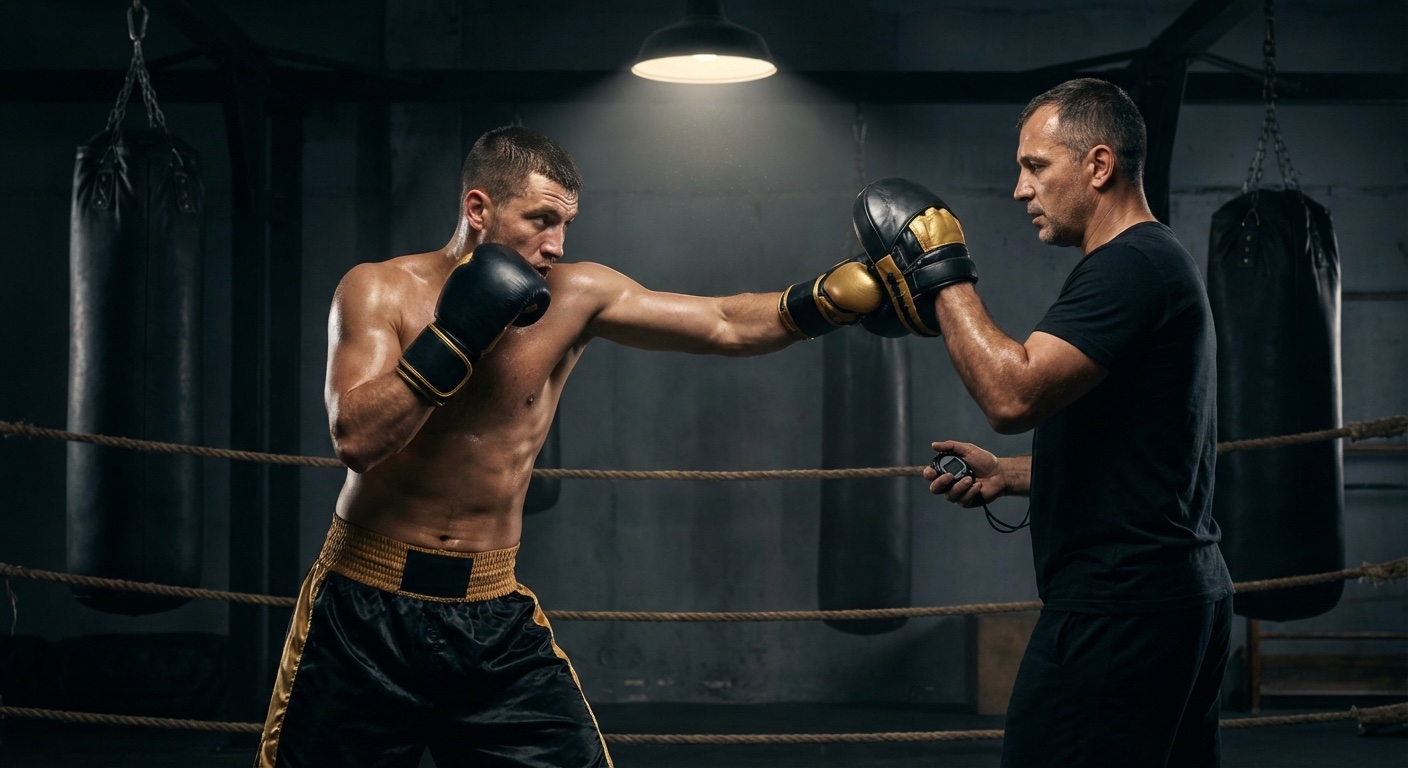
It works on the bag but disappears in sparring. A stationary bag removes range, timing and defensive consequences. Build through coached pads and constrained technical practice before expecting transfer. Read how bag work transfers to sparring and our first-sparring guide; sparring itself should always be coach-controlled.
Where strength work fits
Strength training can support harder punching, but it does not replace boxing technique. The research supports lower-body maximal and explosive strength and explosive upper-body work more clearly than simply chasing a bigger bench press. Your programme also has to fit your age, training history, competition schedule and ability to recover.
If you already lift safely, use our strength training for boxing guide as background, then ask a qualified coach to choose the actual loads. Beginners should learn lifting and landing mechanics before loaded jumps, maximal lifts or ballistic exercises. Medicine-ball throws and plyometric work need appropriate equipment, space and supervision.
Finally, power has to serve your boxing rather than distort it. Your preferred way of creating openings, controlling range and defending will change which punches matter most. The boxing style diagnostic can help you describe those tendencies, but it is a conversation starter rather than a label.
Ask an H&G coach to watch one controlled round and identify the first link that fails: base, rear foot, hip, arm path, range or recovery. Fix that link before adding effort.
H&G Team
Writer at Honour & Glory Boxing Club, a community boxing gym in Kidbrooke, South East London.
KEEP READING
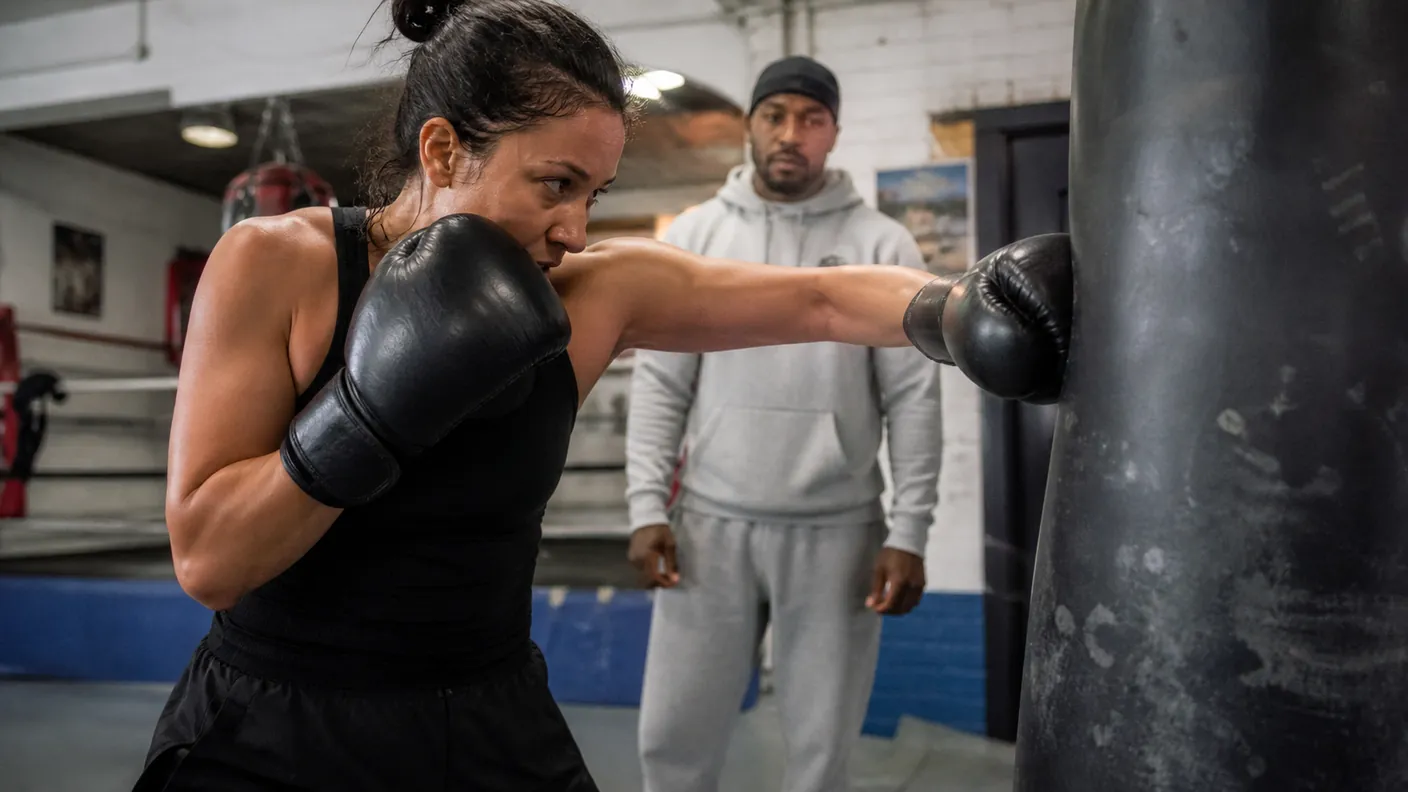
What Does "Sit Down on Your Punches" Mean?
A boxing coach explains the cue behind heavier shots, better balance and cleaner power without turning every punch into a wild swing.
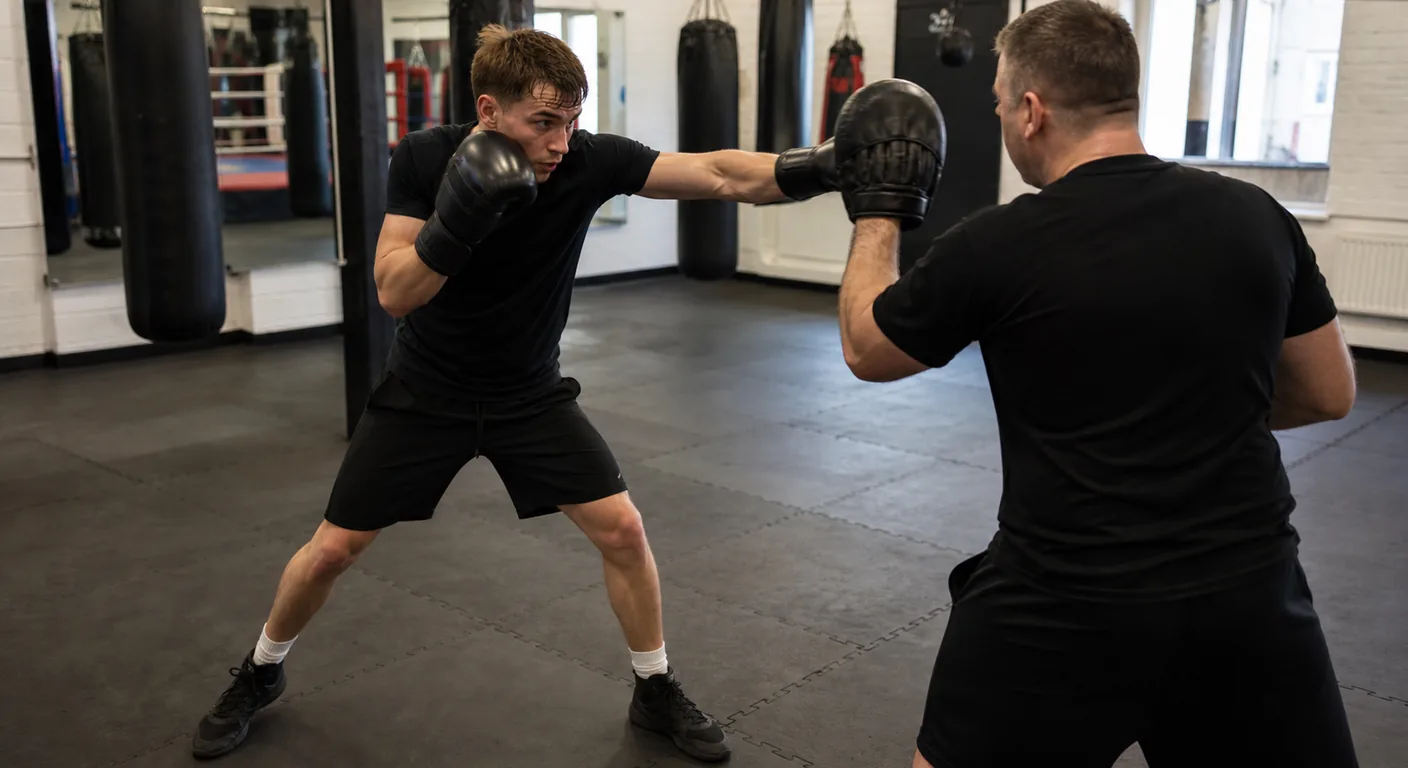
How Hard Should You Hit Boxing Pads?
New to pad work and unsure how much power to use? Learn how to hit with intent without turning every round into a balance and injury test.
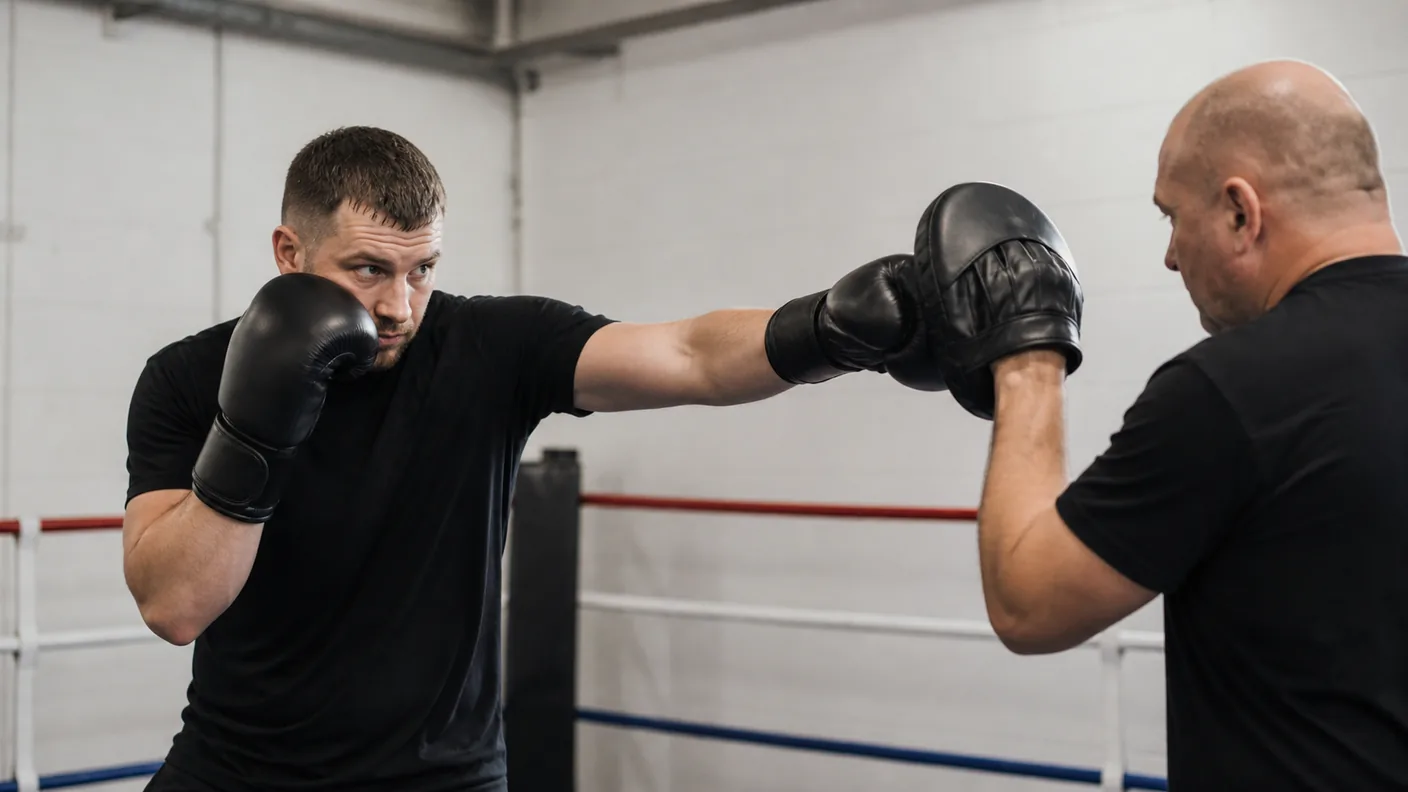
Boxing Punch Range: Short, Mid and Long Shots
Learn why a jab, hook and uppercut need different range, shape and foot position before you add speed or power.
Was this page helpful?
It takes one tap, and it genuinely helps.
Choose your next step
Turn this article into the right action
Some readers are ready to book. Some need the class route first. Pick the route that matches what you actually want.