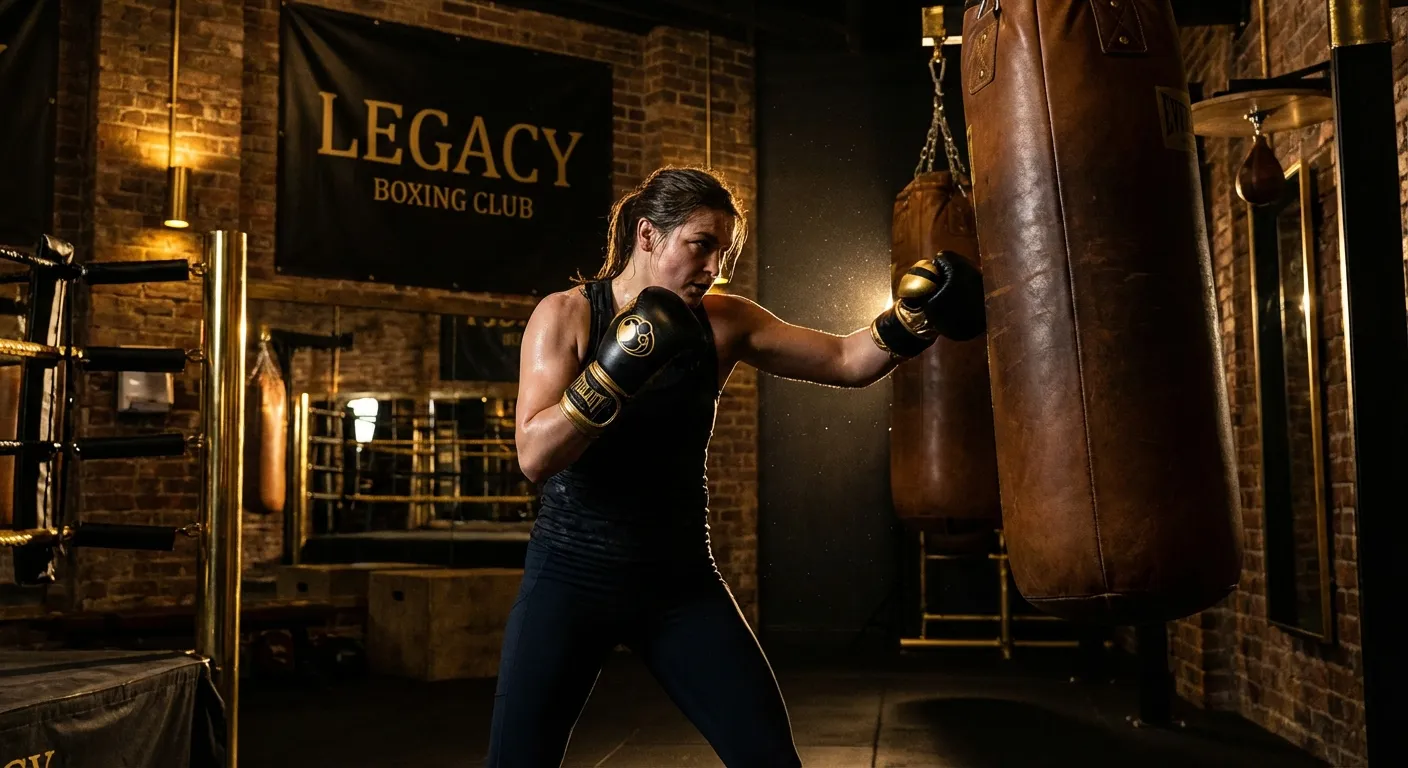
Women were not formally permitted to box under England Boxing rules until 1997. The sport that now has multiple British world champions at professional level, an Olympic programme, and growing recreational participation has gone from outright prohibition to mainstream acceptance in under thirty years (source).
The women who made that transition happen deserve to be known by name.
Jane Couch - The Fight for Legitimacy
Jane Couch is the first name in the history of British women's boxing and she did not get her place in it easily.
Couch won the World Boxing Federation welterweight title in 1996 before women were permitted to be licensed boxers in Britain. She applied to the British Boxing Board of Control for a professional licence in 1997 and was refused. The stated reason was that women were hormonally unsuitable for boxing.
Couch took the case to an industrial tribunal under sex discrimination law. She won. The BBBofC was ordered to grant her a licence. Women have been licensed under British boxing rules ever since.
Without Jane Couch's legal action, the timeline of British women's boxing would have been significantly different. She fought the institutional barrier directly, at legal and personal cost, and won.
Barbara Buttrick - The Pioneer
Buttrick predates Couch by decades. She was competing in women's boxing in the 1950s, at a time when it was entirely without official sanction. She fought professionally across the United States and was a genuine pioneer of the sport.
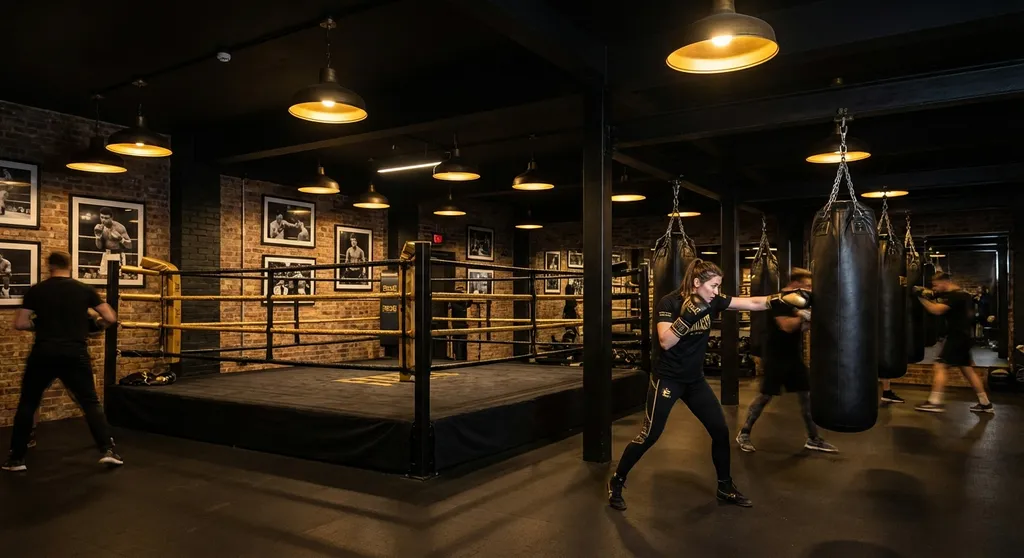
She eventually settled in the US and became involved in the administration of women's boxing, helping to establish the Women's International Boxing Federation in 1990. She is in the Boxing Hall of Fame.
Buttrick represents the history of women who boxed before the sport officially recognised their existence. There were others like her, unrecorded, competing in informal and semi-professional contexts.
Nicola Adams - The Breakthrough
The most significant single moment in British women's boxing history: Nicola Adams winning the flyweight gold medal at London 2012 (source).
Women's boxing was included in the Olympic programme for the first time in London 2012. Adams won gold on home soil. The cultural impact was enormous - for the first time, British women's boxing was visible in the mainstream national conversation, attached to the highest sporting achievement available.
Adams's specific significance: she was the right person at the right moment. Articulate, photogenic, openly gay, from a working-class Leeds background, with genuine technical excellence. She was not a marginal figure easily dismissed. She was an undeniable champion.
She retired in 2021 after a detached retina. In her professional career she was undefeated.
Katie Taylor - The Standard-Bearer
Taylor is Irish, not British, but her influence on British women's boxing is significant given the overlap of the Irish and British boxing communities and the fact that most of her major professional fights have taken place in Britain.
Taylor is considered by most boxing analysts the best female boxer in the world - perhaps in the sport's history. She won Olympic gold in 2012 alongside Adams and has won world titles at multiple weight classes professionally (source).
The standard she has set for what women's boxing can be at the highest level has changed what is conceivable for the generations that followed.
Natasha Jonas, Sandy Ryan, Caroline Dubois - The Current Generation
The current generation of British women's world champions has been detailed elsewhere on this site. What is worth noting here is the trajectory: from prohibition in 1997 to multiple world champions in 2026 is less than thirty years.
The women who box recreationally today at clubs like Honour and Glory are the beneficiaries of this history. They can train and compete with institutional support that did not exist for the previous generation.
This history is worth knowing. It adds something to the practice of the sport.
H&G Team
Writer at Honour & Glory Boxing Club, a community boxing gym in Kidbrooke, South East London.
KEEP READING
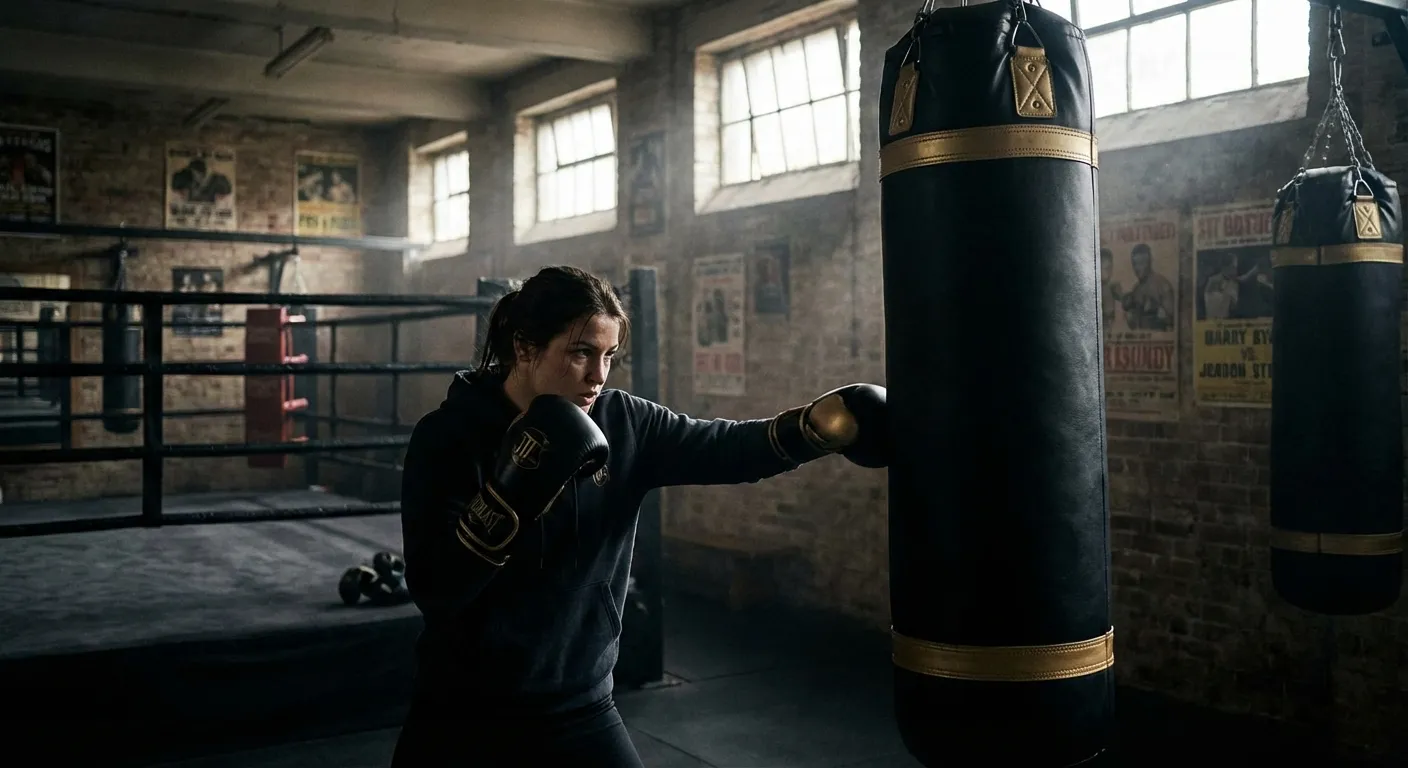
The British Women Boxers Who Matter Right Now
British women's boxing is at its strongest point in history. These are the fighters who are actually shaping the sport right now, and why each of them matters.
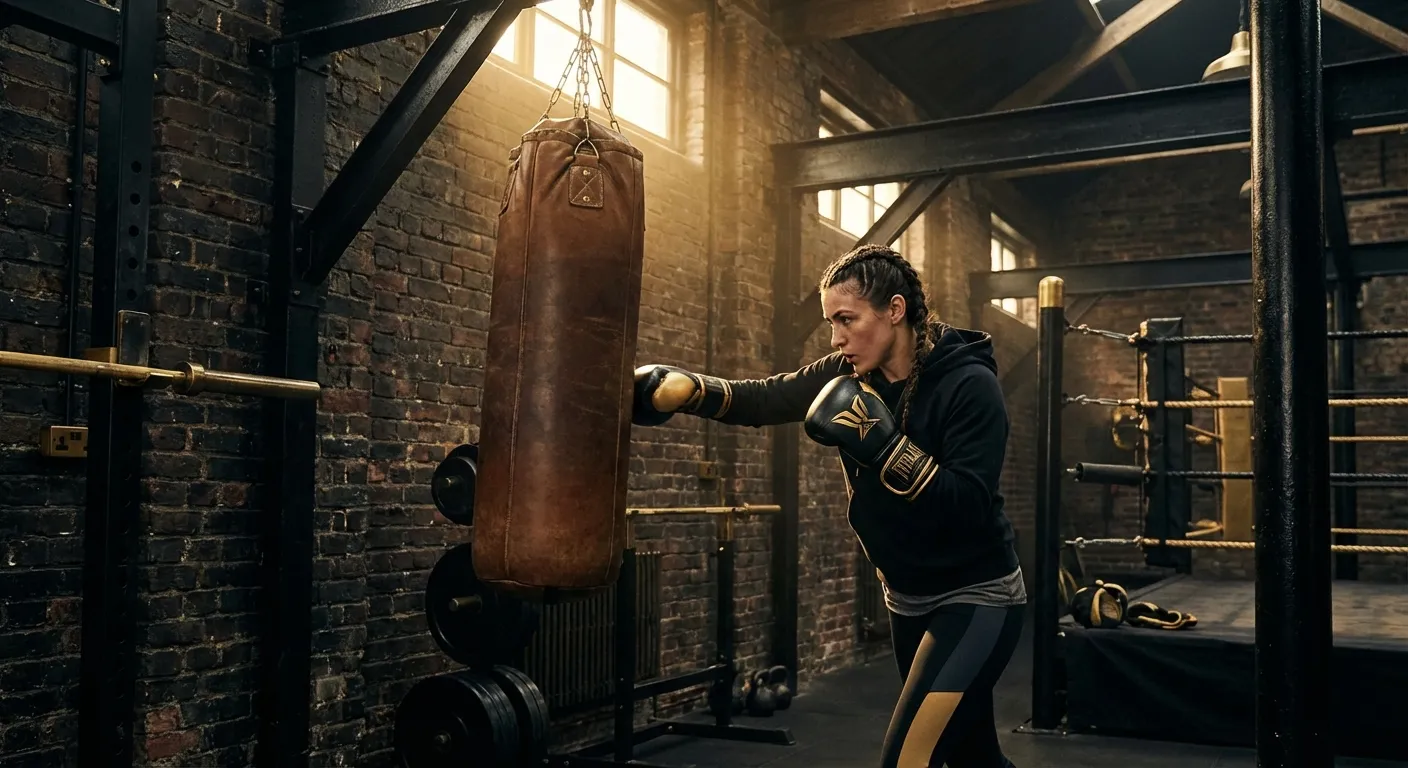
Boxing for Women Who Have Never Exercised: Where to Start
Starting boxing with no exercise history is not an obstacle. It is actually a common starting point. Here is exactly what to expect and how to approach the first sessions.
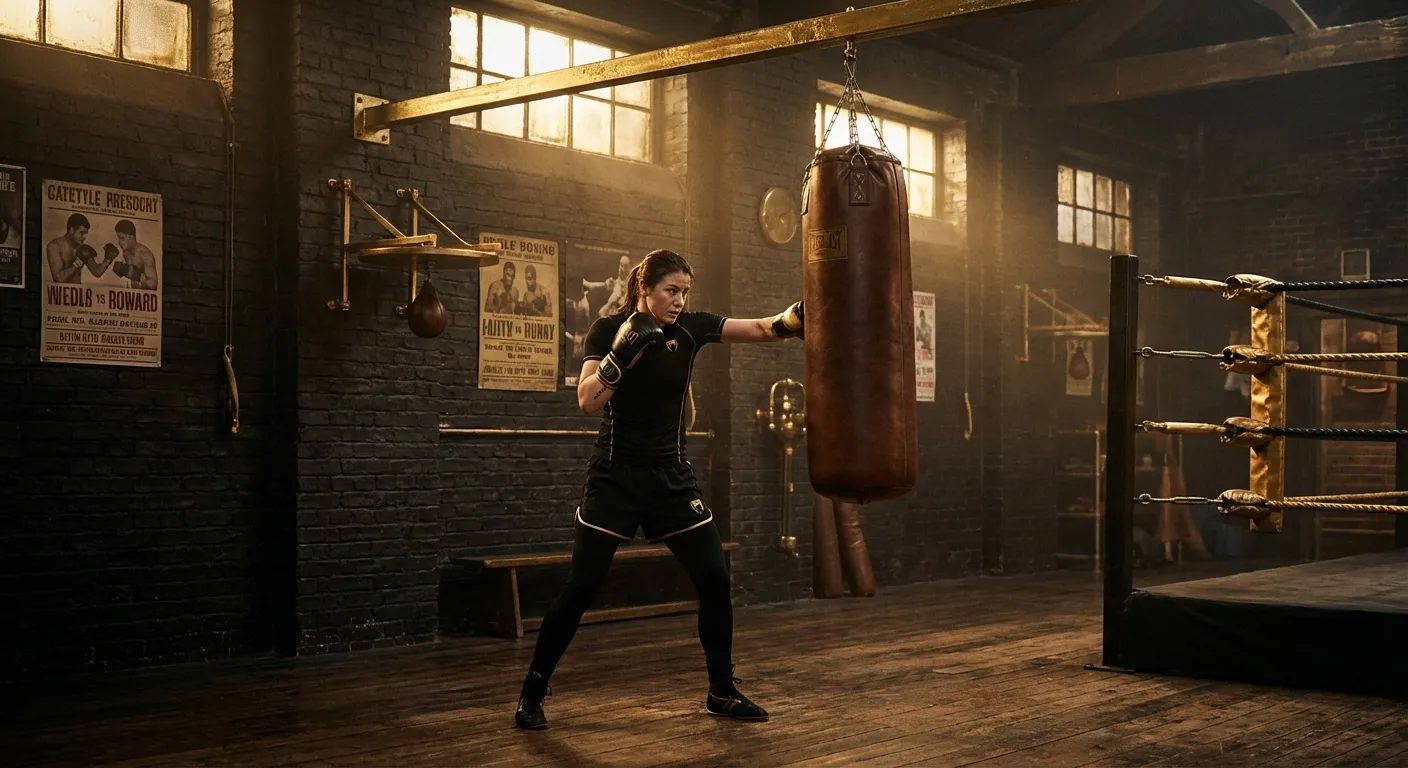
Boxing for Women Over 40: Why It Fits So Well
For women over 40, boxing offers strength, confidence, conditioning and a serious mental reset. Here is why the sport fits this life stage.
Was this page helpful?
It takes one tap, and it genuinely helps.
Choose your next step
Turn this article into the right action
Some readers are ready to book. Some need the class route first. Pick the route that matches what you actually want.