Viddal Riley vs Seydi Coupe: result and analysis
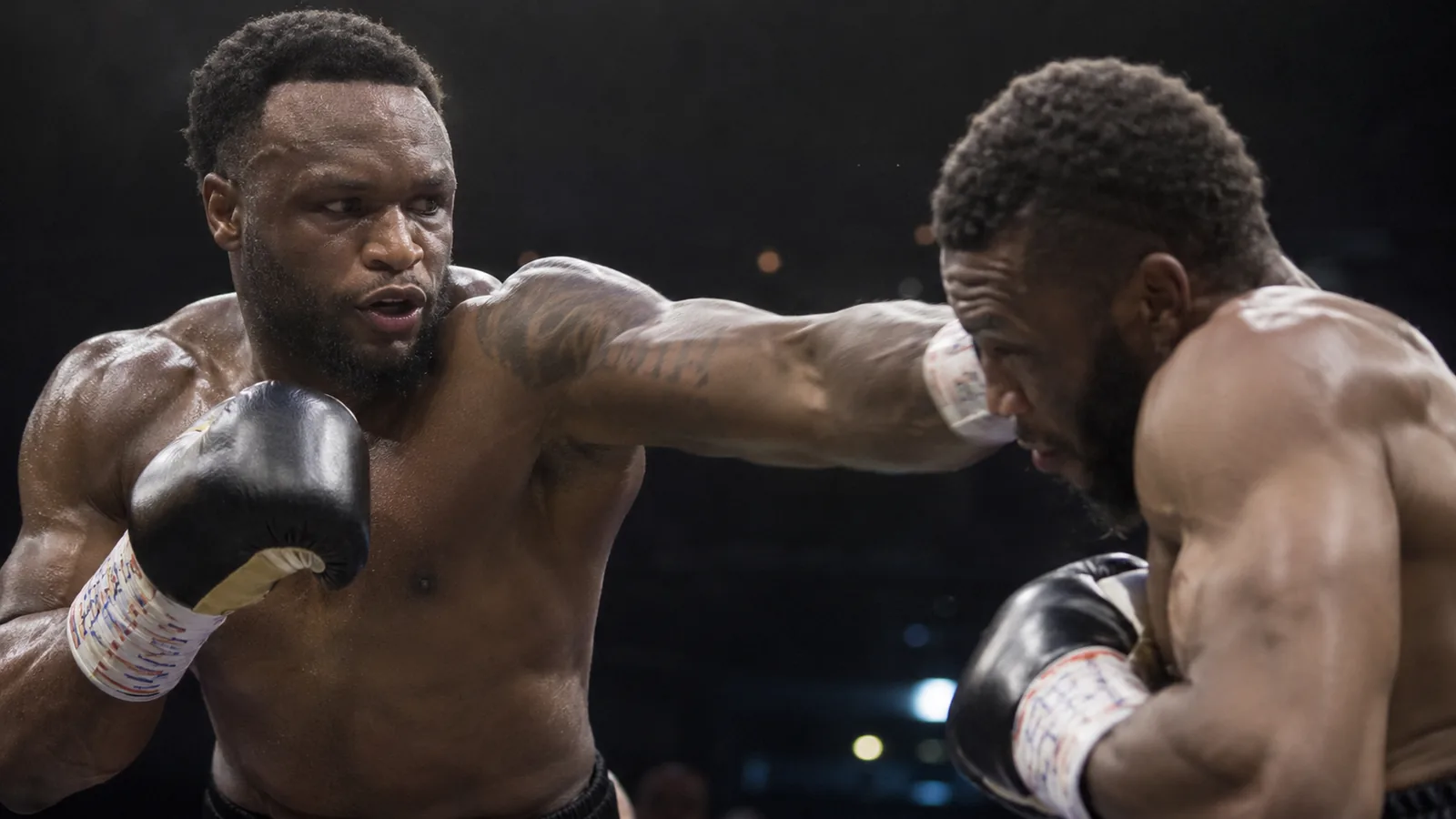
Riley wins the chess match, but has to answer questions
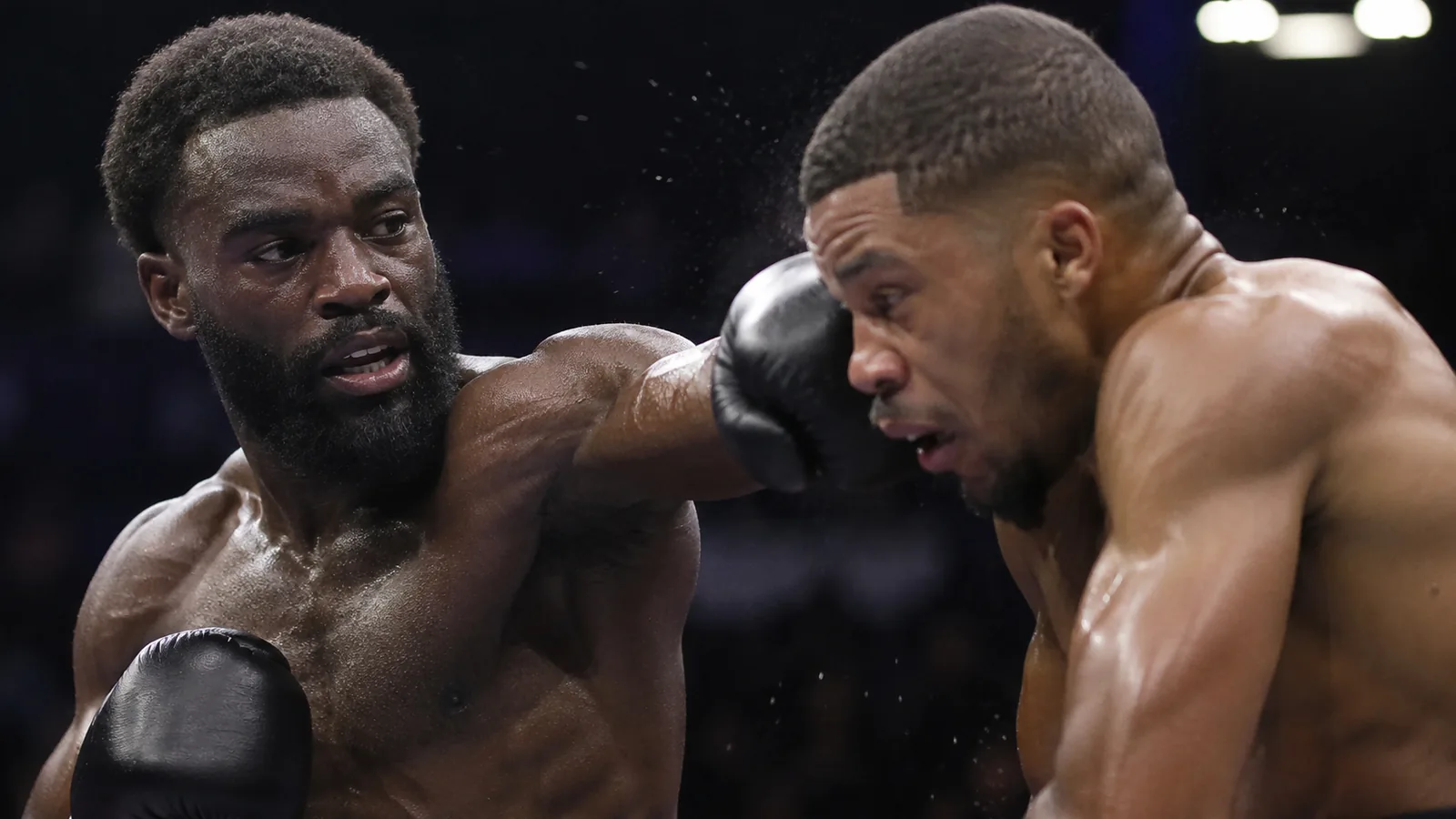
This was not a walkover. The 119-109 card says it was, but the fight report does not quite support that reading.
Coupe had moments, particularly in the third round, when he landed a right hand cleanly enough to rock Riley. That was the warning shot. Riley had entered as the hometown champion, the better-known name and a fighter with a growing profile, but Coupe arrived unbeaten at 14-0 and had previously held the EBU Silver title. He was not there to make up the numbers.
For three rounds, Coupe’s right hand and jab gave him a foothold. He was prepared to meet Riley rather than merely follow him, and that is often where a European title fight becomes revealing. An undefeated prospect can look polished while opponents are giving him the space to operate. A credible challenger makes him work for it.
Riley did work for it.
From the middle rounds, he began finding the left hook around Coupe’s jab and used his feet more intelligently. The most important adjustment was not a sudden burst of aggression. It was Riley refusing to remain in Coupe’s preferred range. He moved, reset and picked his moments for the right hand instead of standing square in front of the Frenchman.
By the eighth, Coupe had swelling beneath his right eye. In the ninth and tenth, Riley’s right hand was landing more regularly to the chin. The challenger remained game, but his attacks were becoming more predictable and his face was showing the accumulated effect of Riley’s cleaner work. Boxing News 24’s report notes that Coupe finished the bout with swelling under both eyes, while Riley pushed for a stoppage in the final round.
He did not get it. That is not a criticism.
A 12-round European title fight against an unbeaten opponent is supposed to ask questions. Riley was caught, adjusted, controlled long stretches and closed strongly. That is the more valuable development than flattening an overmatched opponent in four rounds.
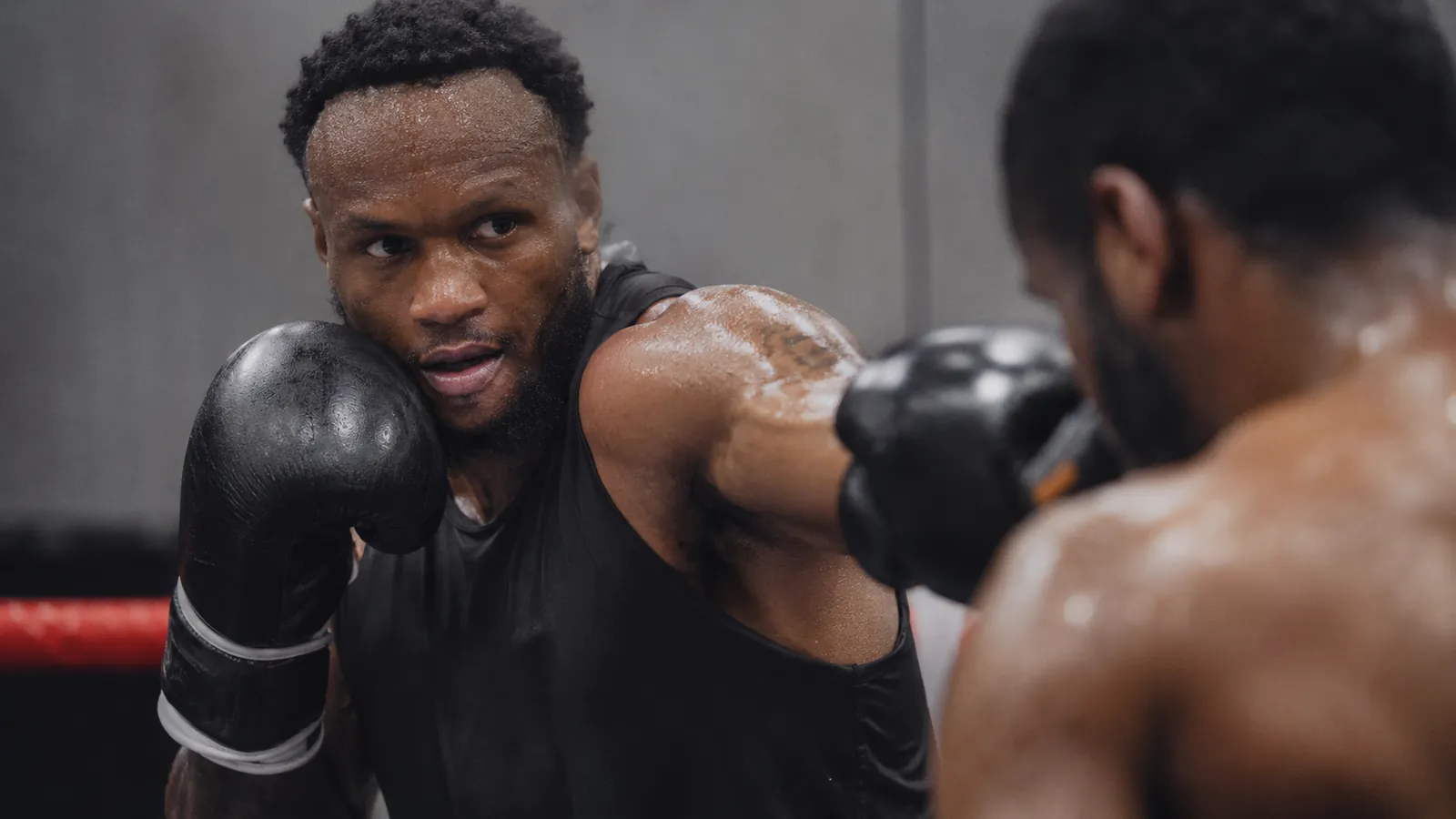
The scorecards tell two different stories
The unanimous verdict was right. Riley was the deserved winner. The gap between the cards is where the debate sits.
A score of 116-112 suggests Coupe had enough success to win four rounds. That feels consistent with a contest in which he landed the standout punch of the early stages, competed in the exchanges and stayed dangerous well into the fight. The 117-111 card is firmer, but still recognises that Riley had to earn his title retention.
The 119-109 score is far wider. A judge is entitled to reward ring control, cleaner punches and effective defence, all of which Riley showed as the fight developed. Yet wide cards can make a tough fight look like routine business, and this was not routine business. Coupe’s third-round success and his willingness to exchange late in the seventh were meaningful moments.
The key point is that Riley did not need the scorecards to flatter him. His own boxing did the job.
Reports from Boxing247 and the reprinted account at Europe Says both framed the performance as an outboxing job, which is the correct description. Riley did not overpower Coupe. He read him, adapted to him and took away more of the fight as it went on.
A mature performance from Riley
Riley’s biggest asset at cruiserweight may be his composure. There is a temptation around well-known fighters to demand a dramatic finish every time out, especially when a knockout would create clips for social media. That is not how good professional careers are built.
A serious cruiserweight needs to manage distance, keep a cool head after being tagged and understand when a fight has turned in his favour. Riley showed each of those qualities in Wembley.
The third-round right hand from Coupe could have changed the night. Instead, Riley recovered, avoided panic and gradually made the challenger pay for reaching in. That is experienced boxing, even if it is less dramatic than a highlight-reel finish.
There is still room for improvement. Riley can occasionally be too content to operate at a measured pace, and better fighters will look to disrupt that rhythm earlier than Coupe did. The 12th-round attempt to force a stoppage was welcome, but it came when Coupe had already absorbed plenty and proven his durability. Riley may need to take more initiative in the middle rounds against opponents who are prepared to wait.
Those are not faults that diminish the win. They are the next steps for a fighter who has now gone 12 hard rounds with a credible unbeaten challenger and retained a proper European championship.
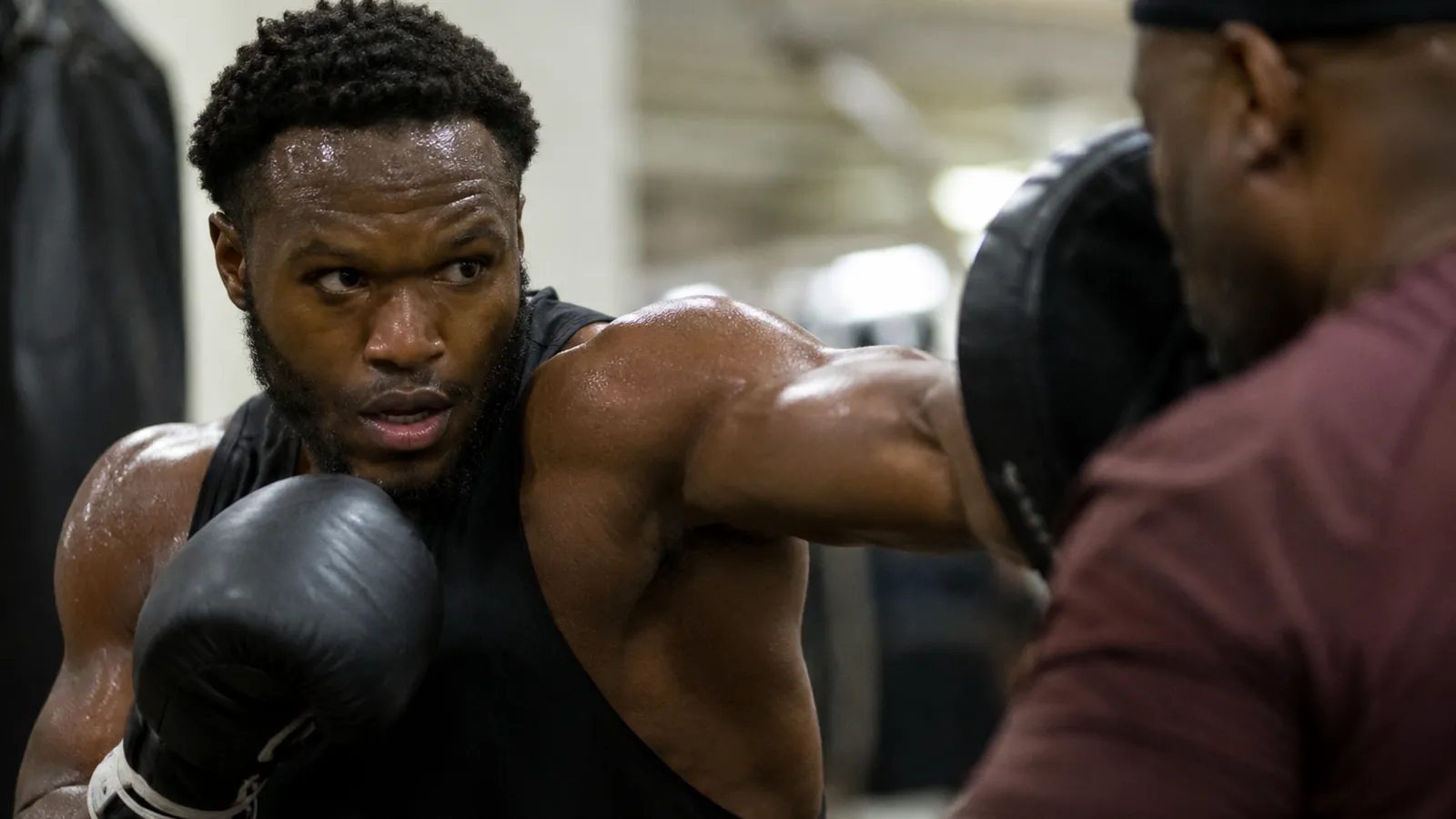
Coupe leaves London with credit
Coupe lost, but he did not leave Wembley exposed as a pretender.
He came to London undefeated, accepted a demanding away assignment and showed enough ambition to make Riley think. His jab created openings in the first half, his right hand had real authority and he stayed on his feet despite the damage around both eyes. That is a respectable showing in a title challenge.
The Frenchman will be disappointed by the scorecards, particularly the 119-109 one, but there is no need for him to rebuild from scratch. He showed he belongs at this level. A domestic or European-level fight against another aggressive cruiserweight would be a sensible route back.
The wider coverage, including Australia News Beep’s results round-up, also confirms the significance of the victory for Riley: this was not an exhibition or a novelty headline. It was a 12-round title defence against a live opponent.
What comes next?
Riley has strengthened his position in the British and European cruiserweight picture. Retaining the EBU belt gives him options, but he should not rush to abandon meaningful title fights merely for a bigger name or a louder online conversation.
There was obvious interest in the contest before fight week, from the official fight-announcement discussion to the live fight thread. Older online clips and discussions, including this Riley knockout post and this debate about his level, show why his profile attracts attention. But Saturday was a useful reminder that title progress matters more than internet hypotheticals.
The sensible next move is another meaningful defence or a step into a British-level unification fight. Riley has the size, control and calmness to keep moving, but cruiserweight is unforgiving when fighters mistake a strong record for a finished education.
At Honour & Glory, we teach young boxers and adults aged seven and over that the best response to getting caught is not panic. It is composure, guard, feet and a clear next decision. Riley gave a high-level version of that lesson at Wembley. If you want to build those fundamentals in a proper boxing environment, book a trial session in Kidbrooke.
H&G Team
Writer at Honour & Glory Boxing Club, a community boxing gym in Kidbrooke, South East London.
KEEP READING

Viddal Riley vs Seydi Coupe: fight-week guide
Viddal Riley defends his European cruiserweight title against unbeaten mandatory Seydi Coupe at Wembley, with pressure, patience and late-round stamina likely to decide it.
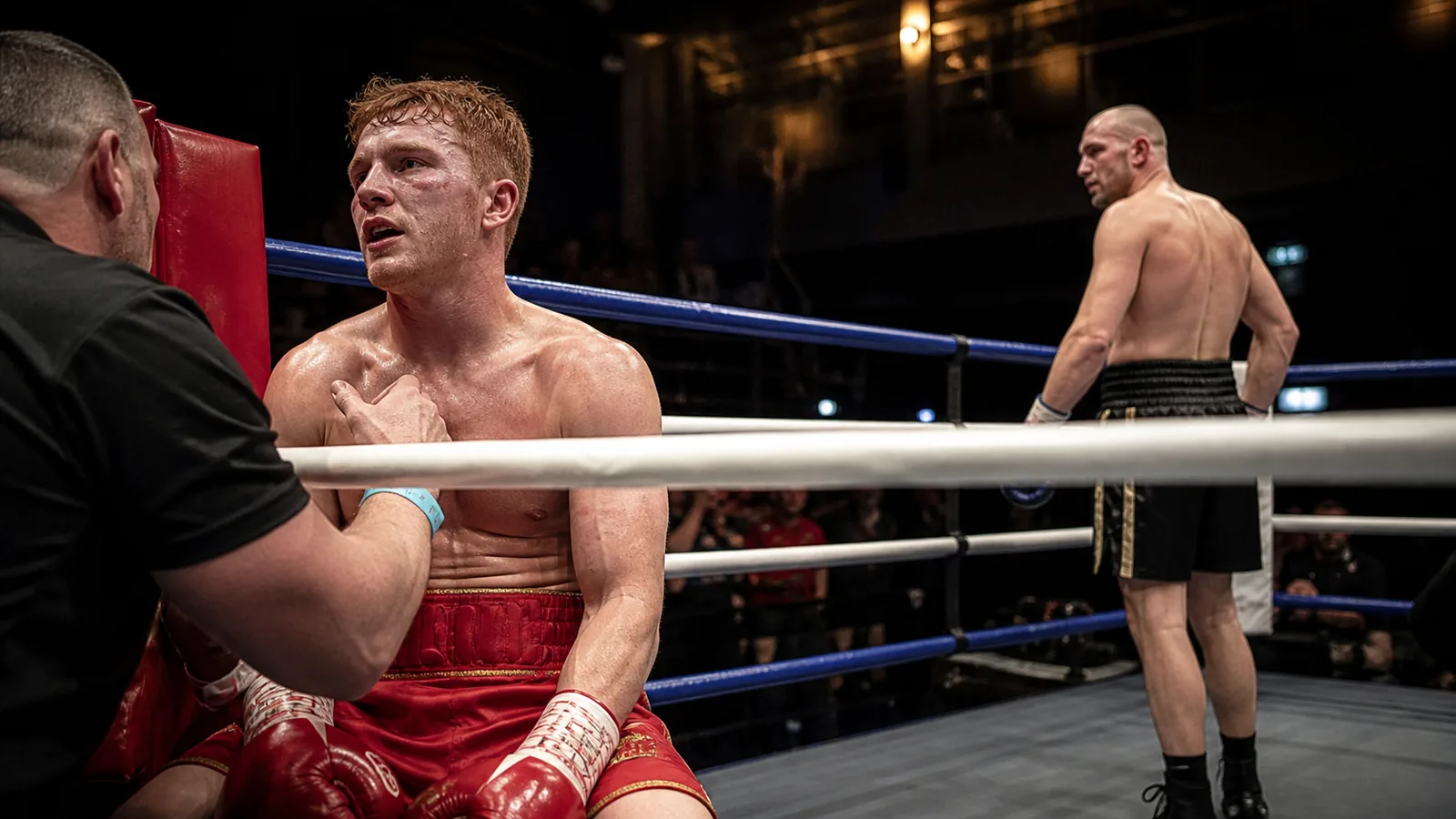
Callum Walsh vs Tyler Denny: lessons from a hard points win
What Callum Walsh's difficult fight with Tyler Denny reveals about a prospect's ability to adjust against an experienced opponent.
Buatsi vs Hutchinson 2: result and analysis
Willy Hutchinson’s jab, movement and early accuracy earned him the title against Joshua Buatsi, whose late body work made the contest tense.
Was this page helpful?
It takes one tap, and it genuinely helps.
Choose your next step
Turn this article into the right action
Some readers are ready to book. Some need the class route first. Pick the route that matches what you actually want.