Callum Walsh vs Tyler Denny: lessons from a hard points win
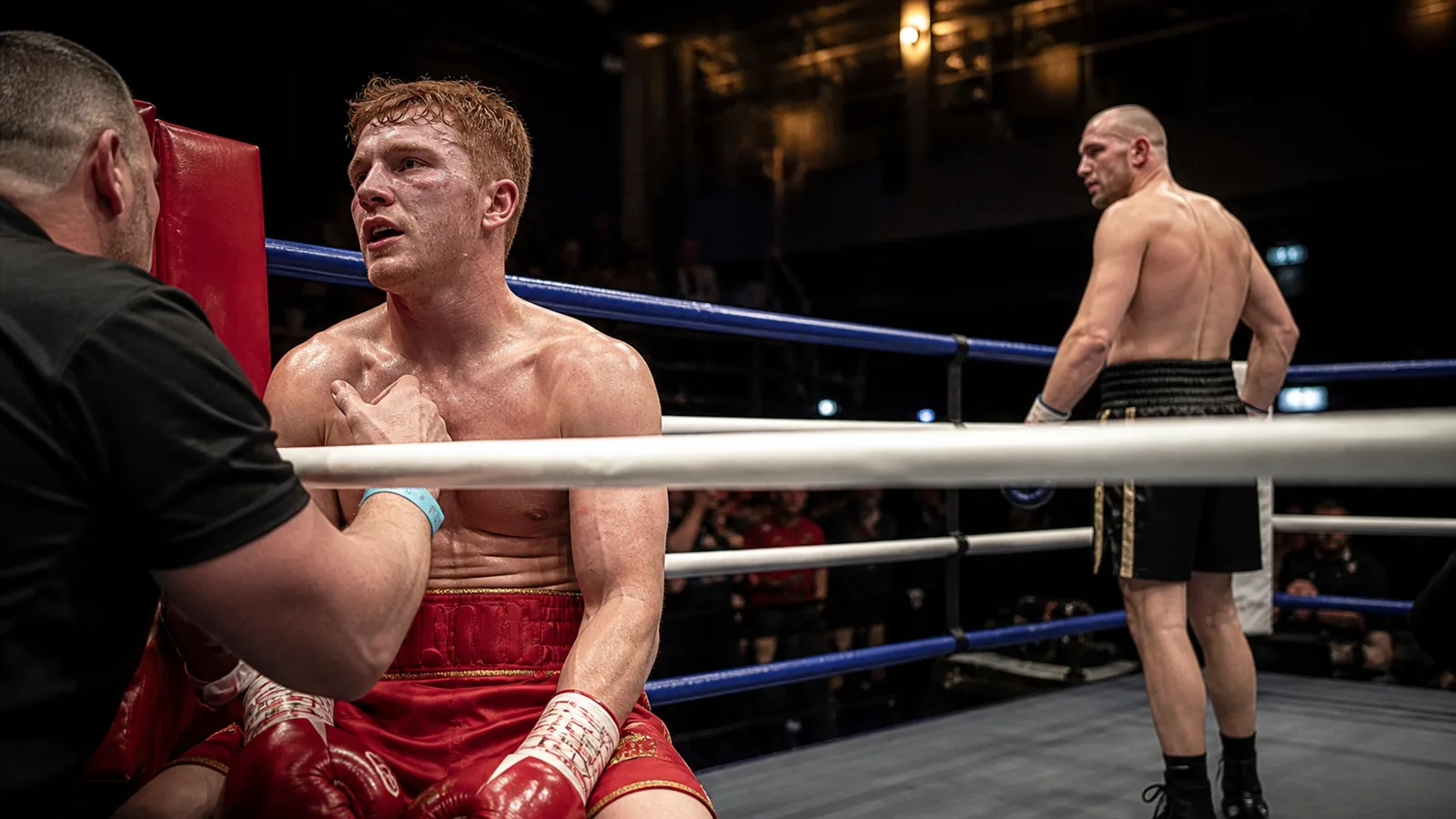
Callum Walsh vs Tyler Denny: what a hard points win can teach a prospect
Callum Walsh got the win he needed in Dublin. He also got the fight he probably did not want.
Against Tyler Denny, the unbeaten Irishman was supposed to have a homecoming performance: a fast start, clean left hands, a crowd-pleasing finish and another easy step towards bigger fights. Instead, he was knocked down in the first round, cut around the eye, dragged into scrappy exchanges and made to work for all ten rounds.
That is not a disaster. It is more useful than a routine stoppage, provided Walsh and his team are honest about what it showed.
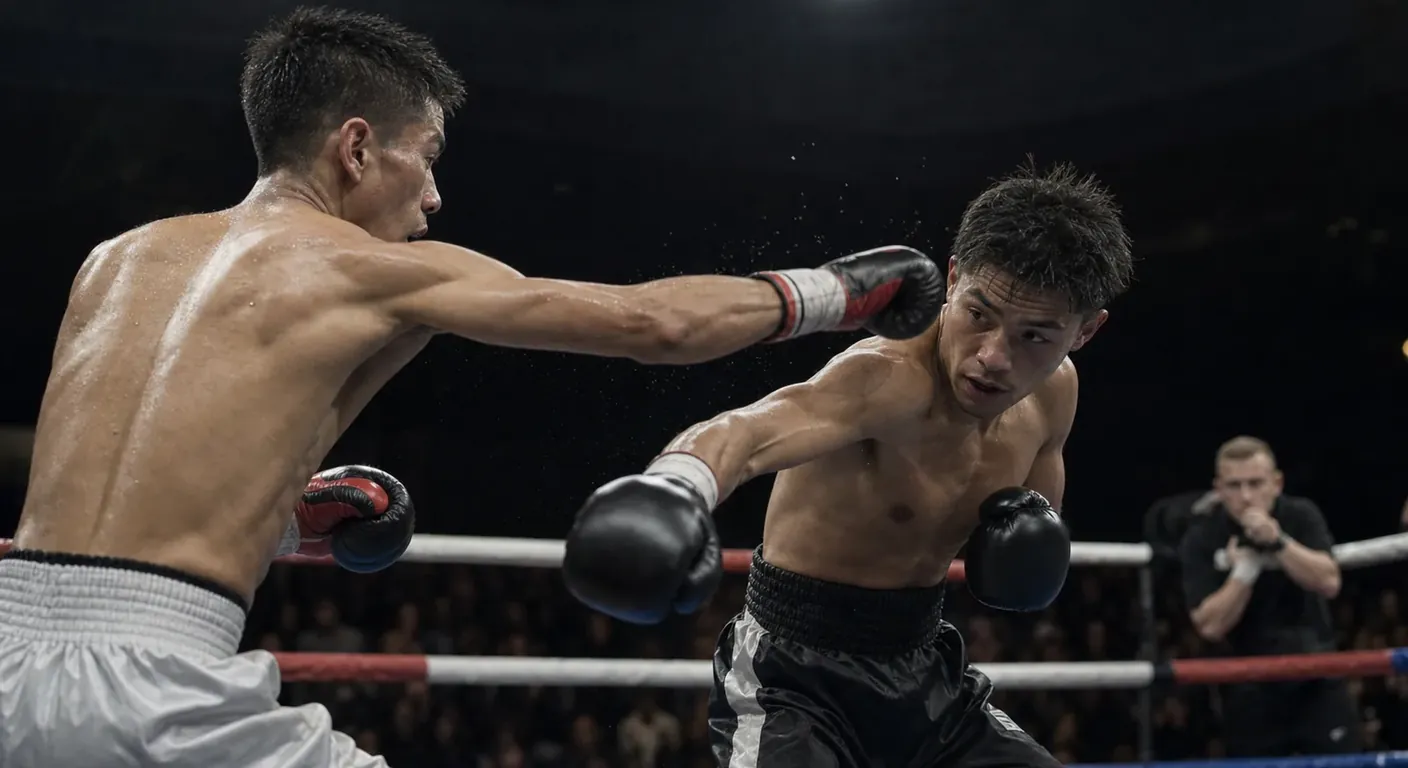
Walsh won a unanimous decision, with official scores of 98-91 twice and 96-90. Those totals were wider than the feeling of the contest. World Boxing News scored it 98-90 for Walsh, but Denny made many of the rounds uncomfortable even when he was not clearly winning them. The important point is simple: Walsh was no longer fighting an opponent who would freeze when hit. He was fighting an experienced man who could take a shot, make physical contact and keep asking questions.
That is where a prospect starts to become a proper professional.
The first-round warning was about awareness, not toughness
Denny’s opening-round knockdown was awkward rather than spectacular, but it mattered. Walsh was low in front of him, appeared to expect the referee to intervene, and Denny kept working. Walsh touched down and suddenly had a deficit to solve.
BoxingScene’s report described Denny using his strength on the inside from the opening bell, while Sky Sports noted that Walsh was awkwardly positioned, bent low and caught before the referee ruled a knockdown.
There is a basic lesson in that sequence for every boxer: protect yourself until the referee physically stops the action.
Do not fight the referee’s fight in your head. Do not assume a clinch has become a break. Do not leave the chin exposed because you believe the other boxer should pause. Experienced opponents understand grey areas. Denny did what seasoned professionals do. He worked until he was told not to work.
Walsh responded well, which counts. He did not panic, throw himself wildly into range or turn the fight into a grudge match. In the second round, he found Denny coming in and landed the left hand that put him down heavily. That was a real shot, timed with purpose rather than thrown out of frustration.
But the sequence also showed why early knockdowns can be misleading. A boxer can restore the score quickly without restoring control of the fight. Denny got up, resumed pressure and made Walsh earn the rest of the evening.
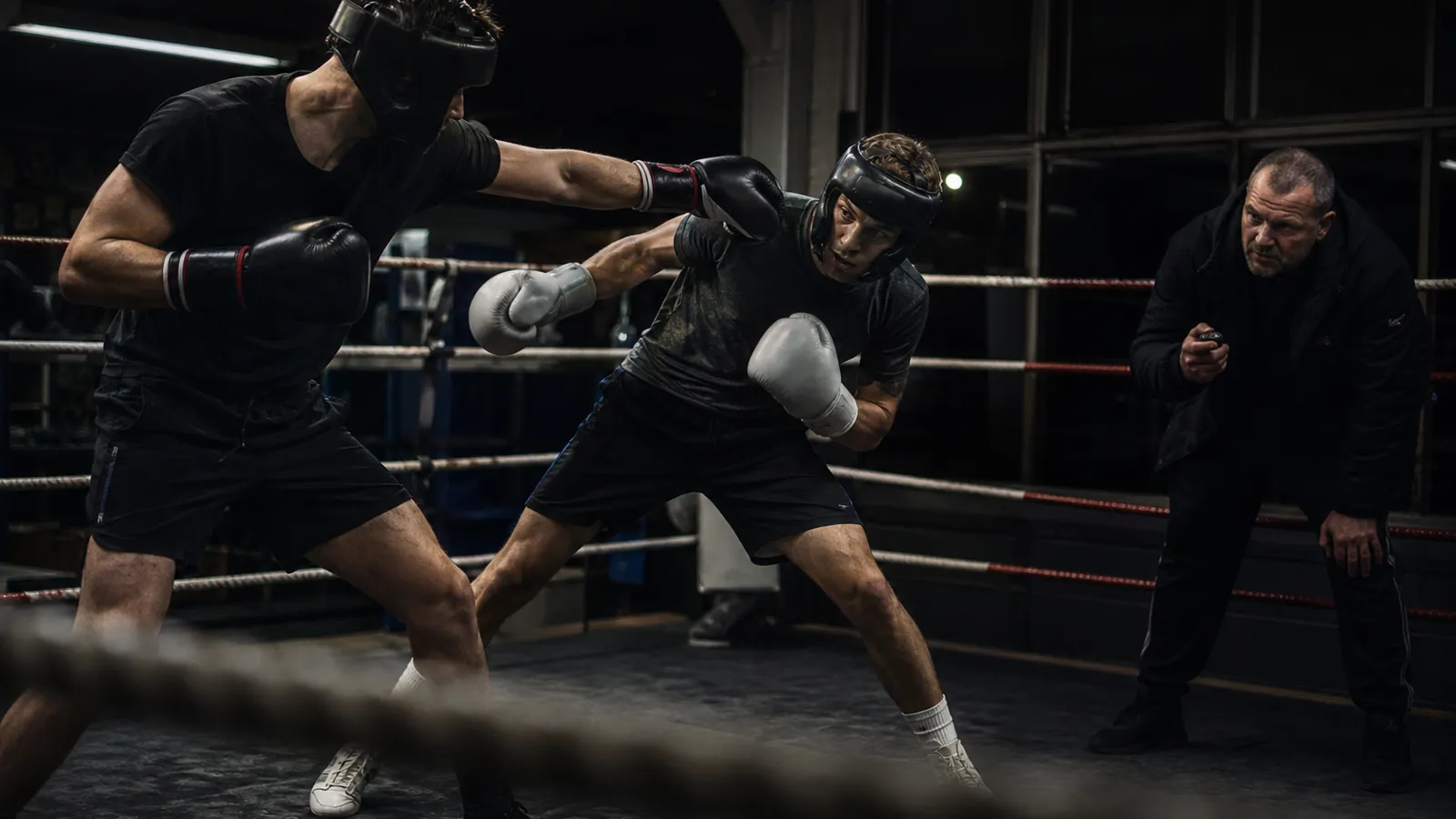
Tyler Denny made the fight ugly because that was his route
Denny was not brought to Dublin to provide a comfortable ten rounds. The former European champion had vastly more professional rounds than Walsh, according to Box.Live’s fight profile, and he understood his advantages.
He was not going to beat Walsh in a long-range speed contest. He needed to spoil rhythm, lean in, crowd the southpaw, make the exchanges untidy and turn every clean Walsh combination into a physical argument afterwards.
That is exactly what he did.
Walsh could look excellent when he had space. His left hand landed cleanly. His quicker combinations caught the eye. He could move, pick punches and make Denny miss on the way in. But Denny kept taking that space away. He pressed after taking shots, worked in close and made Walsh think about holding, turning and escaping rather than simply planting his feet to attack.
This is what experienced opposition is for. A tough veteran does not merely test whether a prospect can punch. He tests whether the prospect can make decisions while tired, irritated and unable to impose the preferred tempo.
Boxing247 argued that the performance showed the gap between beating experienced domestic or European-level opposition and being ready for the leading names. That is a fair warning, although it should not become a lazy dismissal. Walsh did not avoid the difficult moments. He stayed in the fight, made adjustments and finished strongly.
The concern is not that Walsh had a hard fight. The concern would be if he treated it as though it was an easy one.
A prospect has to find a second plan
The most valuable thing Walsh did was keep boxing after the expected script disappeared.
A young fighter who has become used to early success can make three predictable mistakes when the stoppage does not arrive. He can chase too hard and walk into counters. He can retreat too much and give away rounds. Or he can become busy without being effective, throwing combinations that look impressive but leave him trapped at close range.
Walsh avoided the worst version of all three. He had spells where Denny’s pressure made him look uncomfortable, particularly around the middle rounds, but he kept finding scoring shots and regained momentum. Sky’s highlights coverage of the knockdown captures the quality of the left hand that changed the early shape of the fight. The later rounds showed something less glamorous but more important: Walsh could still read, move and punch after the adrenaline of that moment had gone.
That is a professional skill.
The next step is to improve the detail. Walsh needs a clearer answer when an opponent crowds him after he lands. Rather than holding until the referee becomes involved, he needs to turn Denny, take a short step out to his right, use the lead hand to frame and then bring the rear hand back into play. Against a persistent southpaw, the foot position and exit angle become more important than the size of the combination.
He also needs to be careful about admiring his own clean work. A fast three-punch burst is only useful if the final position is safe. The opponent does not stop being dangerous because the crowd reacts to the first two shots.
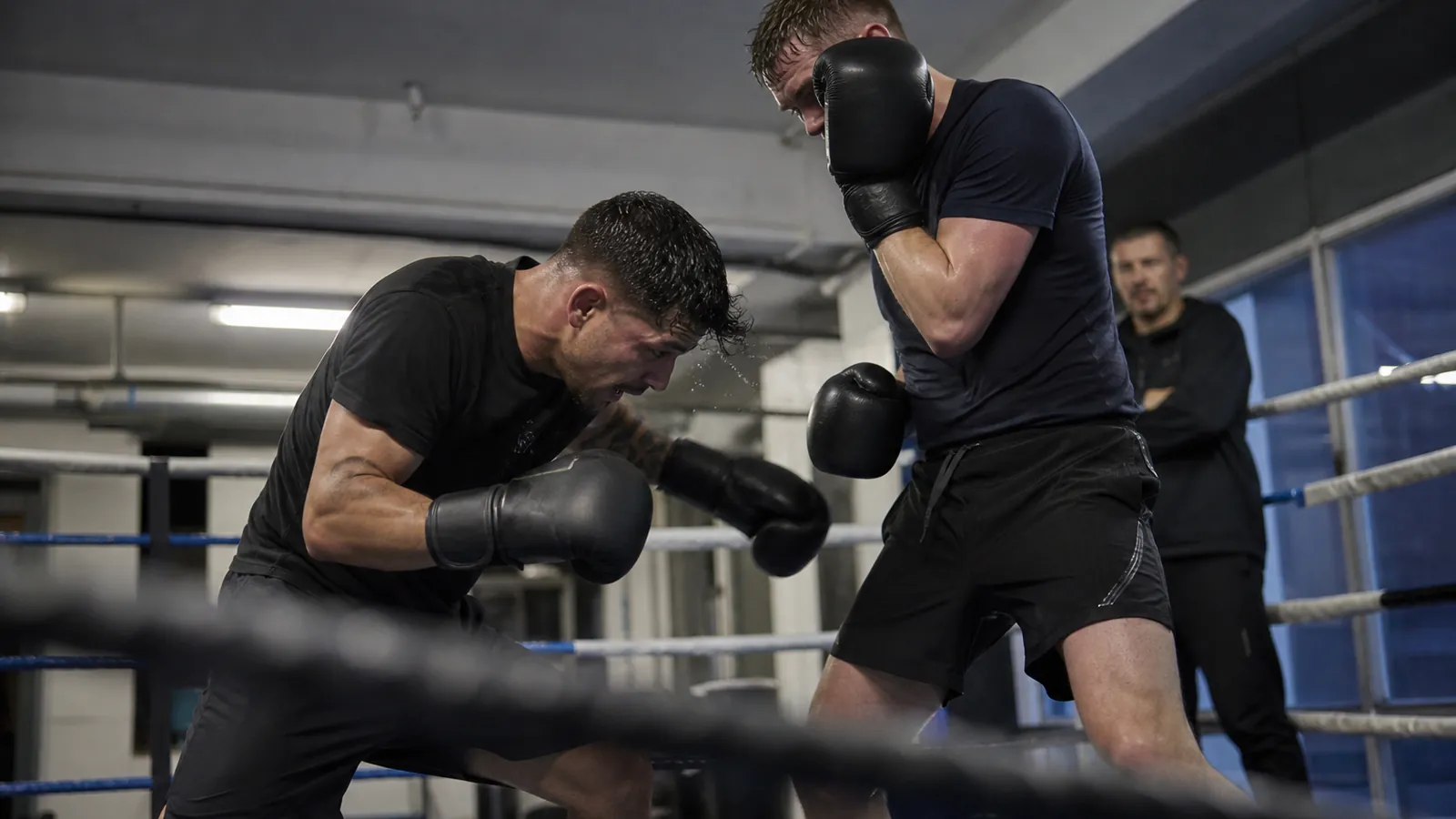
The deductions showed how quickly control can disappear
The eighth round became messy, with Walsh docked a point for holding and Denny later losing one for hitting behind the head. The deductions cancelled each other out on the scorecards, but they tell a more useful story than the arithmetic.
When a boxer is holding too much, it usually means one of two things: he is fatigued, or he has not found a reliable exit after the opponent closes distance. Often it is both.
Walsh had also taken a cut around the left eye. He told Sky Sports afterwards that he believed a second-round clash of heads may have injured his orbital bone, adding that the fight had been much harder than expected. He gave Denny credit as “tough, awkward and tricky”. That is a sensible assessment.
The cut, the pressure and the physicality all mattered. A boxer does not have to look serene to win a good fight. He does need to understand why he was forced into uncomfortable positions.
For Walsh, the answer is not to become a negative boxer or stop looking for the finish. It is to make his escape work as rehearsed as his attack. Jab and pivot. Punch, frame and step away. Use the short uppercut when the opponent bends forward. Keep the lead foot outside when the southpaw angle is there. Above all, do not wait for the referee to save poor positioning.
The scorecards should not hide the test
The official Zuffa Boxing results page listed Walsh versus Denny as part of the Dublin card, while reporting from ringside recorded a knockdown each, difficult exchanges and a cut for Walsh before the decision. The result keeps Walsh unbeaten. It does not give him a free pass.
He remains a talented fighter with a sharp left hand, proper hand speed and the temperament to recover from a bad start. But world-level middleweight or super-welterweight boxing does not become easier after Tyler Denny. The next opponents will be faster, fresher, harder to hurt and more ruthless when they see a weakness.
That is why this was a useful win.
At Honour & Glory, boxers learn early that a hard spar is not a failed spar. If you got caught, lost your rhythm or could not land the shots you expected, there is still value in it if you can identify the reason and correct it next time. The aim is not to look perfect. It is to become harder to solve.
Walsh did not get the easy night. He got a better lesson. For anyone starting their own boxing journey, our classes for ages 7+ and adults in Kidbrooke are built around the same principle: stay composed, keep learning and make sure the next round is better than the last.
H&G Team
Writer at Honour & Glory Boxing Club, a community boxing gym in Kidbrooke, South East London.
KEEP READING
Bivol vs Callum Smith order: what mandatories teach
The Bivol-Callum Smith order shows how mandatory challengers pressure champions before a punch is thrown.
Gonzalez vs Perez: flyweight title fight lessons
Use fresh DAZN highlights to break down what beginners can learn from a fast flyweight title fight: tempo, positioning, punch selection and staying composed under pressure.
Dubois vs Wardley Result: What Changed the Fight
Daniel Dubois stopped Fabio Wardley in round 11 after two early knockdowns. Here is what changed the fight and why it matters.
Was this page helpful?
It takes one tap, and it genuinely helps.
Choose your next step
Turn this article into the right action
Some readers are ready to book. Some need the class route first. Pick the route that matches what you actually want.