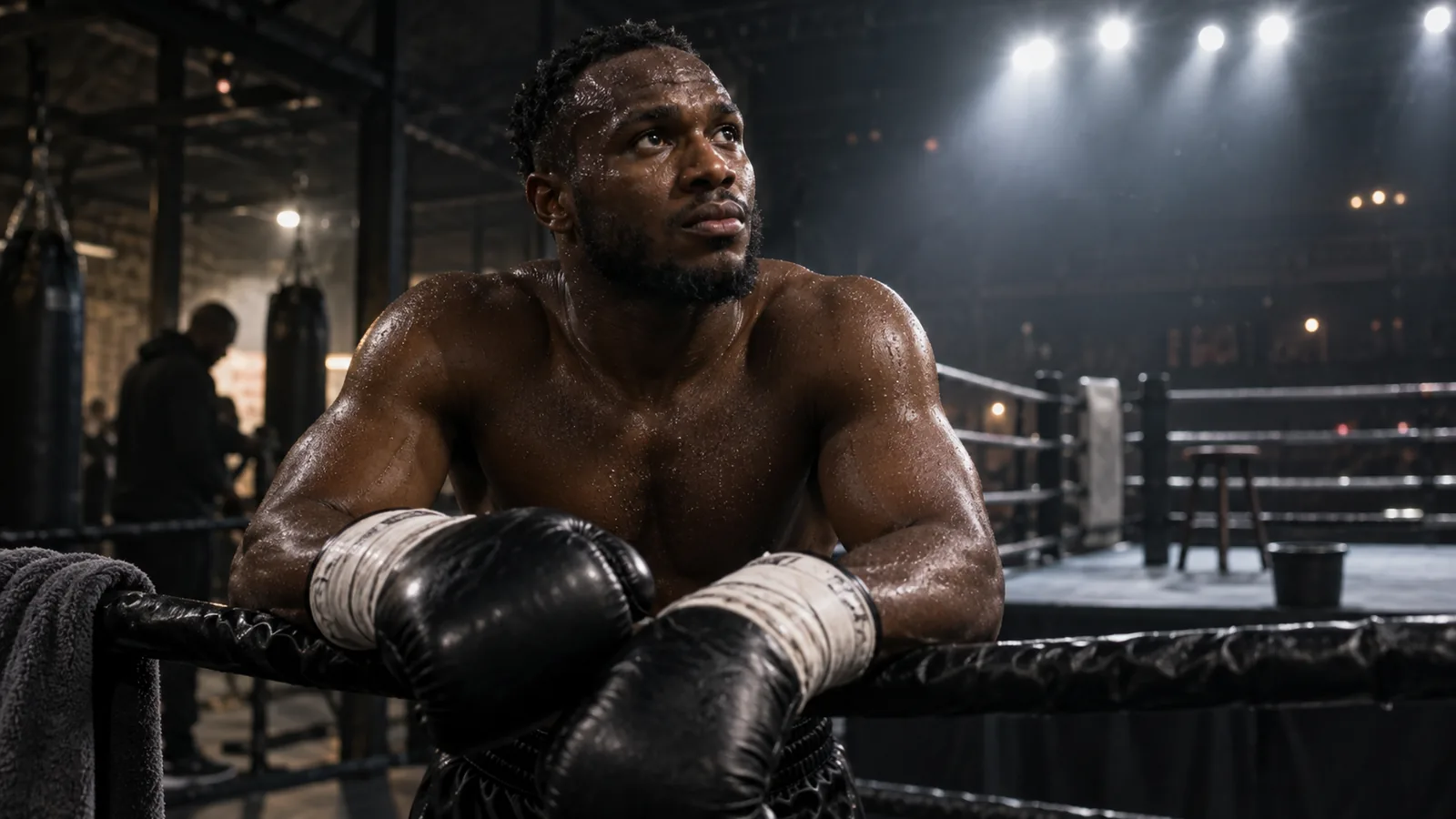
Viddal Riley has earned the conversation. Now he needs the route.
Viddal Riley is right to call for a world-title fight. He has not arrived at that position on social media clips or optimistic matchmaking. The London cruiserweight has won British and European titles, stayed unbeaten through 14 professional bouts and produced the best performance of his career when he outboxed the seasoned Mateusz Masternak in April.
But boxing does not hand out world-title fights because a boxer can make a persuasive case for one. It hands them out through rankings, mandatory positions, vacant belts, purse bids, legal disputes and promoters deciding whose risk is worth taking. That is why Riley's first European-title defence against unbeaten Frenchman Seydi Coupe matters far more than a holding exercise.
The fight headlines MF Pro at OVO Arena Wembley on Saturday 14 November, live on DAZN. FIGHTMAG's event report and Split Decision's confirmed-fight guide list it as Riley's first main-event slot and his first defence of the EBU belt. That is a proper London night and a proper responsibility, not a victory lap.
The Masternak win changed the argument
Riley had already beaten Cheavon Clarke to win the British title. That was a serious domestic result over 12 rounds and a useful answer to the idea that he was merely a well-marketed prospect. Masternak took the case further.
The Pole has been around good level for years. He was exactly the sort of durable, experienced operator who makes a developing fighter show whether his jab, feet and concentration can last a championship distance. Riley did not scrape through. He controlled the contest, won the decision widely and collected the European title. The Mirror's account of the announcement called it a dominant display, while Dave Sport's route analysis reported scorecards of 118-110, 118-110 and 119-109.
That is the performance which makes world-level talk reasonable. It does not prove that Riley beats every leading cruiserweight, and nobody sensible should claim it does. It proves he has beaten a credible measuring stick with authority. There is a difference.
Riley has described the Wembley occasion as “Main Event Season”, saying it has taken 14 wins and three professional titles to reach this point. He also points to his IBF mandatory position, a top-seven Ring ranking and top-10 positions with three major governing bodies. The full comments are carried by FIGHTMAG and the European-title confirmation from Dave Sport. There is no need to mock that confidence. A fighter should believe he belongs in difficult rooms before he walks into them.
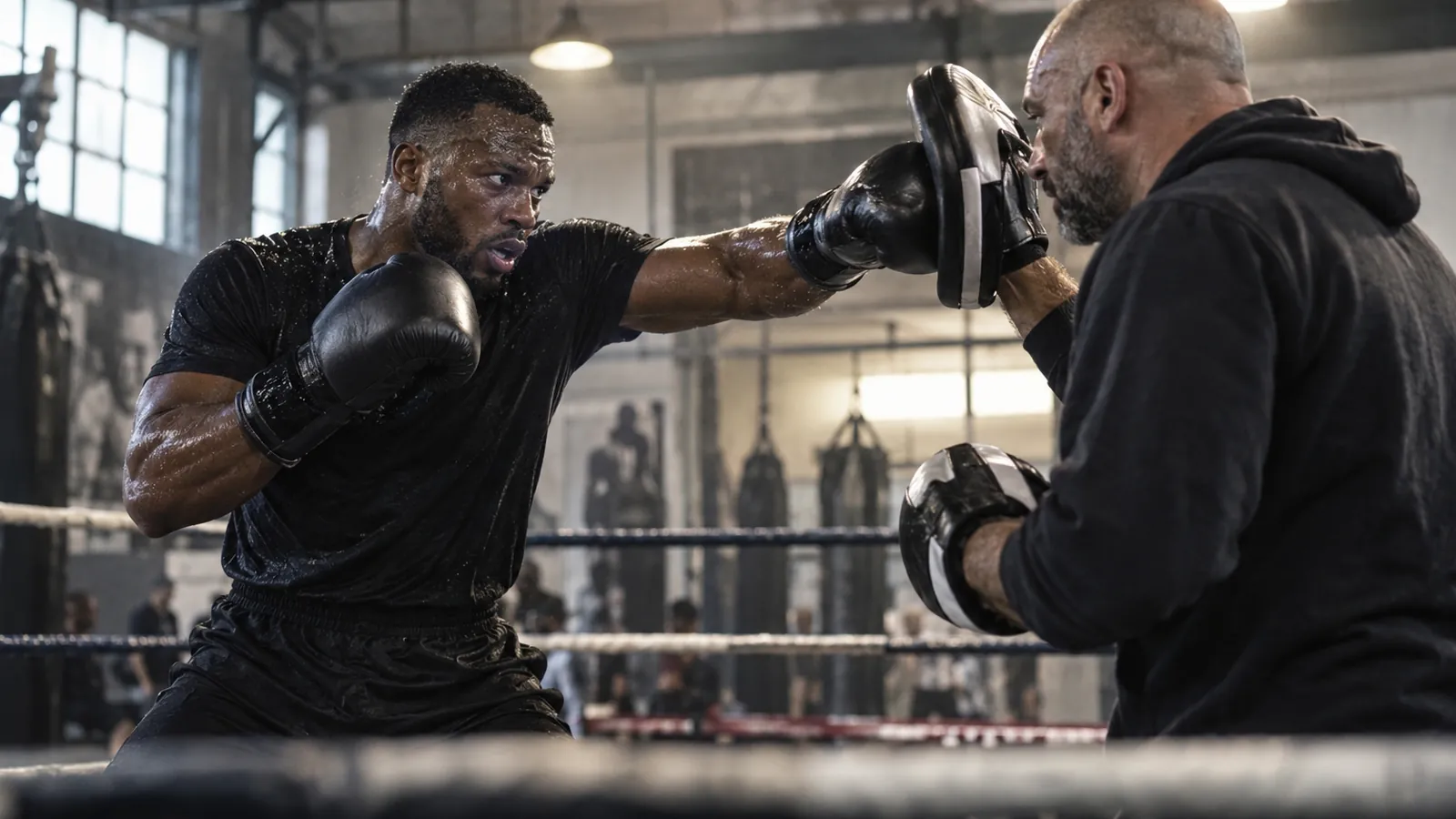
A call-out is not a contract
The complication is that Riley's world-title opportunity has become less clean than it appeared after Masternak. Reporting from bet365 News says an expected vacant-IBF-title route involving David Nyika stalled after Jai Opetaia began legal action against the IBF. Split Decision's preview likewise stresses that no deal has been reached for a Nyika fight.
That distinction matters. Riley may be highly placed and he may be entitled to expect a major opportunity, but neither of those things creates a date, an opponent or a signed contract. It certainly does not mean he is booked to face Opetaia. Boxing supporters often compress “mandatory”, “in talks” and “announced” into one vague promise. They are three very different things.
Riley's decision to defend rather than sit inactive is therefore the right one. Inactivity protects a ranking only on paper. It does not improve timing, sharpness or a fighter's value to a broadcaster. More importantly, it gives the wider division an excuse to move around him.
There is risk in taking the fight. Coupe is unbeaten, earned his shot through the French and European Silver routes, and comes to Wembley with the one thing a mandatory challenger needs: a chance to turn a champion's delayed plan into his own breakthrough. His route to the title shot is set out here. That is why this is worth watching.
Coupe is the necessary test, not the final destination
On records alone, this looks symmetrical: Riley is 14-0 and Coupe is 14-0. It is not identical preparation. Riley has gone 12 rounds with Clarke and Masternak, and his recent opponents have carried more recognisable experience. Box.Live's Riley profile tracks those recent steps, from domestic title level to Masternak and now Coupe.
Still, dismissing Coupe because he is the next man rather than the famous one would be foolish. Undefeated challengers are dangerous precisely because they have not arrived to participate. They come to break a sequence of plans. Coupe has winning momentum, a legitimate mandatory claim and the physical belief that comes with an unbeaten record.
Riley should not chase a knockout to decorate his first headline bill. He should make the ring small without rushing, set the jab early, keep Coupe at the end of straight shots and take away the counter opportunities that make an away fighter believe he can change the night. If the finish comes, it comes because the work has created it. A patient 12-round win against a live challenger would be evidence of maturity, not a disappointment.
That is what separates a credible route from pure ambition. The next result must add to the argument. It must not simply preserve the zero.
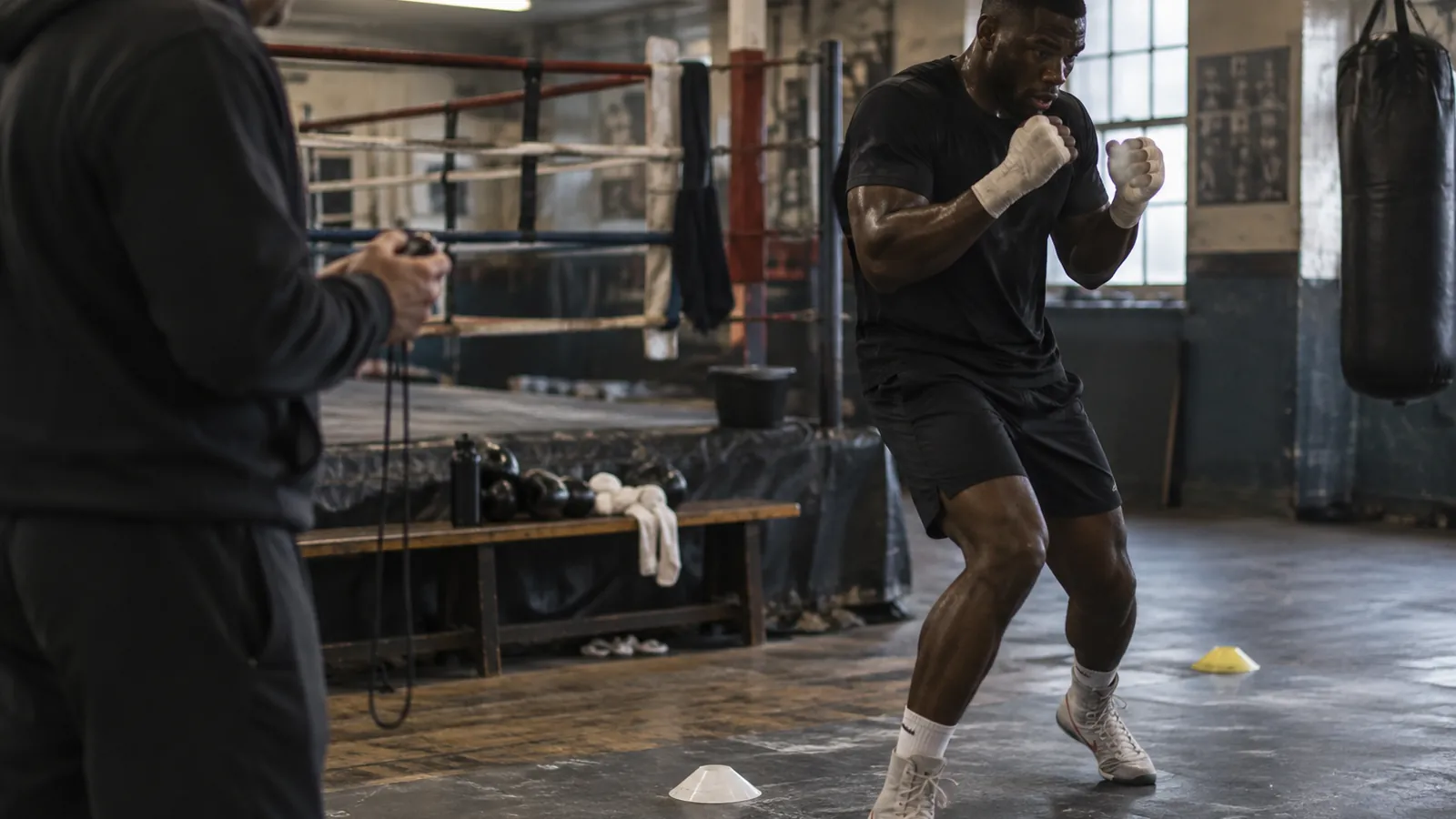
What victory at Wembley would actually mean
A Riley win on 14 November would retain the European belt, keep his world rankings relevant and show that he can handle the responsibility of topping a substantial UK bill. It would not force a world champion to sign the following week. It would not make the IBF situation less tangled by itself. It would, however, leave Riley with a stronger case than he has today.
There is a useful point for every boxer in that. You can state the destination clearly, but you still have to do the work that makes other people take the route seriously. Rankings are earned in fights. Reputation is built in difficult rounds. The sport's paperwork can be slow and unfair, but it is much harder to ignore a fighter who keeps producing composed performances against the men in front of him.
For Riley, Coupe is not the fight he wanted after Masternak. It may be the fight he needs. Defend the title well, look like a champion rather than a man waiting to become one, and the calls for bigger names will carry more weight.
For young boxers watching around Kidbrooke and south-east London, there is no mystery in that lesson. Serious progress is usually less glamorous than the announcement. It is the next hard session, the next awkward opponent and the discipline to make the opportunity count when it finally arrives. Book a free trial at Honour & Glory if you want to build those habits in a proper boxing environment.
Riley has the ambition. He has now built enough of a record to make it believable. Wembley is where he has to make the route harder to deny.
H&G Team
Writer at Honour & Glory Boxing Club, a community boxing gym in Kidbrooke, South East London.
KEEP READING
O’Shaquie Foster’s three-belt bid: what is at stake on 24 October
A focused preview of Foster’s attempt to become a three-belt champion, explaining what a unification-style title opportunity demands technically and why it matters beyond promotional billing.
Sikho Nqothole world title push after Edwards win
Use the Charlie Edwards vs Sikho Nqothole card as a current hook to explain how a fighter moves from a high-profile win into world-title contention, without making it a straight results report.
Frazer Clarke’s quick return: why turnaround matters
Use Clarke’s surprise weekend bout against Lamah Griggs to explain what a quick return can achieve for a heavyweight: ring time, confidence, timing and risk management, without treating an interview as proof of a completed result.
Was this page helpful?
It takes one tap, and it genuinely helps.
Choose your next step
Turn this article into the right action
Some readers are ready to book. Some need the class route first. Pick the route that matches what you actually want.