Takuma Inoue vs Tenshin Nasukawa 2: what the rematch decided
The right hand decided the early argument
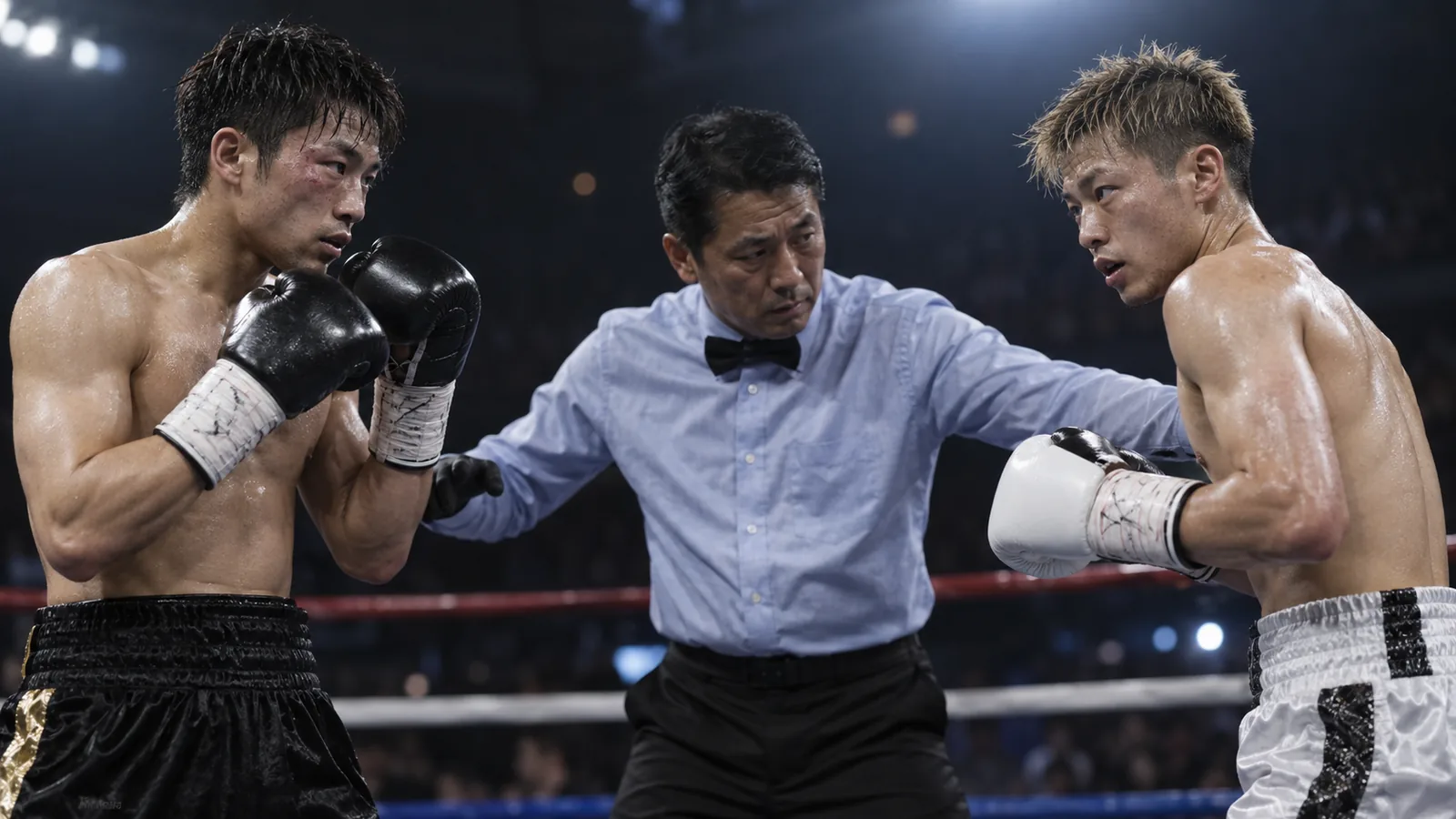
Nasukawa is not an ordinary challenger. His kickboxing fame, speed and crossover profile ensure that every one of his boxing fights attracts a bigger conversation than the ring alone. That can be useful, but it can also hide the plain technical issue. A southpaw has to make an orthodox opponent uncomfortable with the lead hand, the lead foot and the threat of the left. Inoue did not allow Nasukawa to establish that command early.
The official highlights show the pattern clearly. Inoue was the more settled boxer at range, using his jab to occupy Nasukawa and putting the right hand over the top when Nasukawa paused or reached. Nasukawa's bursts were quick, but bursts are not the same as winning exchanges. He would explode, then reset, while Inoue was already back in position to score.
That distinction was the backbone of the first half. Bad Left Hook's live build-up identified Inoue's experience as the likely difference before the bell. In the fight, it looked less like vague experience and more like repeatable choices: take centre ring, make the southpaw react, let the right hand travel straight when the lane appears, and do not chase the fast man into an untidy exchange.
For anyone learning to box, this is worth watching back. A jab is not a polite opening punch. It tells the opponent where the fight happens. Inoue used his to set range, interrupt Nasukawa's rhythm and make the right hand a credible threat. He did not need to out-dazzle the more celebrated athlete. He needed to keep giving him the same hard problem.
Nasukawa found the adjustment that mattered
The seventh round changed the emotional temperature of the fight. Nasukawa's left hand dropped Inoue, and he pressed the champion back towards the ropes. That was not random drama. Nasukawa had identified Inoue dipping to his right and found the shot that met the movement.
It was the adjustment Nasukawa needed: less waiting at long range, more conviction in closing distance, and a direct left hand delivered when Inoue's head was on a predictable line. The knockdown also exposed the gap between a calculated points fight and a fight where someone is hurt. Nasukawa had a genuine chance to turn the whole rivalry on its head.
But this is where the word “rematch” earns its value. In the first meeting, a fighter can blame unfamiliarity, timing or a bad tactical read. In the second, the opponent knows the route back. Inoue did not pretend the danger had not happened. He steadied himself, fought back with the right hand in the next round and stopped Nasukawa from converting one breakthrough into sustained control.
The open scoring after eight rounds made the situation even harsher for the challenger. Two cards had Inoue 77-74 ahead, while the third had Nasukawa 76-75 in front, according to Yahoo Sports. Nasukawa still had a route, but it required urgency without recklessness. That is the hardest version of chasing a title: you must press without walking on to the counter that has been beating you all night.
Why Inoue's recovery is the actual result
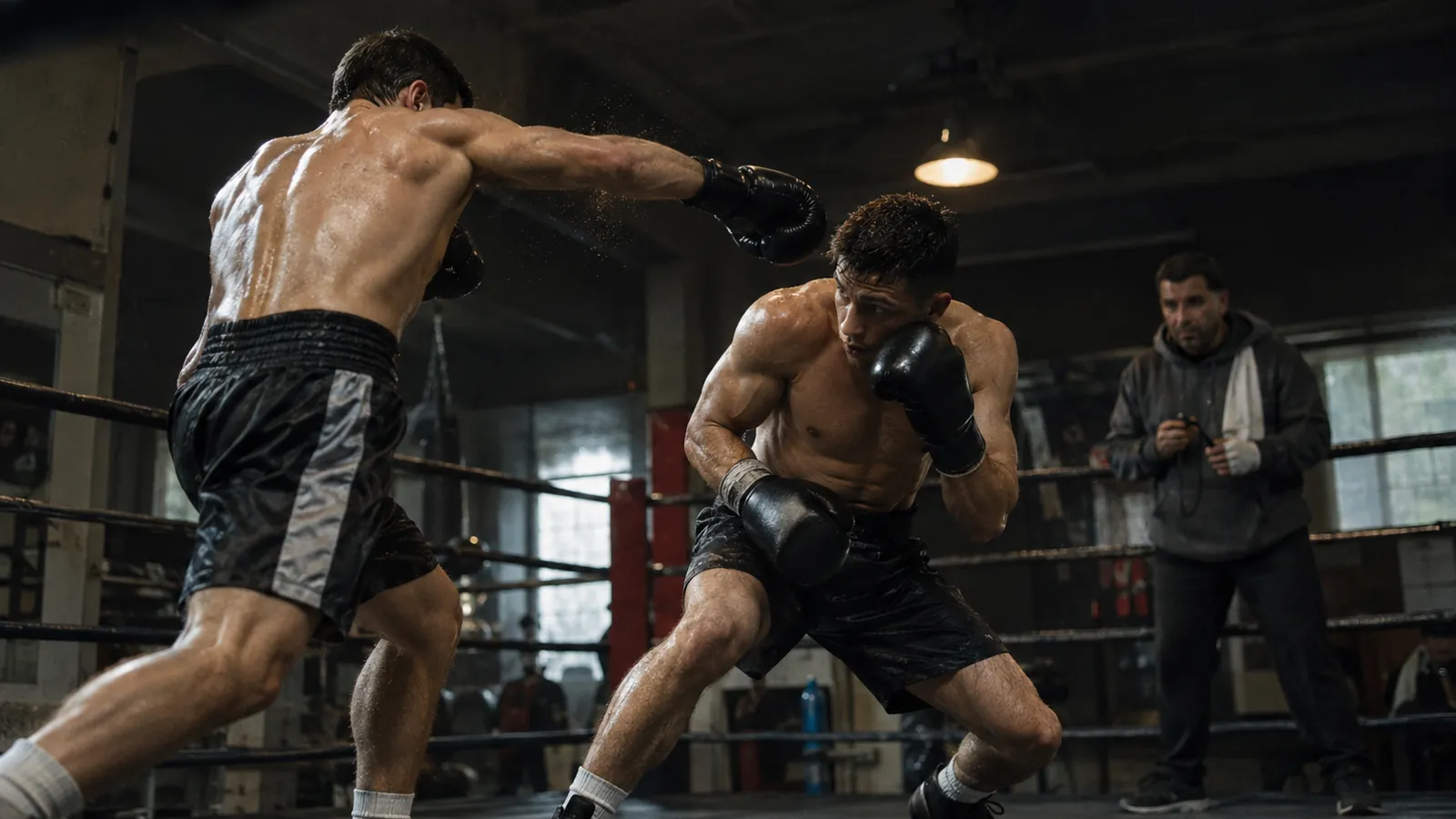
A fighter can win six good rounds. A champion has to answer the seventh when the other man has just found the punch he wants.
Inoue's recovery was not heroic theatre. It was practical. He moved off the ropes more willingly, met Nasukawa as he came in, and kept landing the right hand that had shaped the fight. On the inside he was often the cleaner, more compact puncher. Nasukawa closed the gap more consistently late on, but he could not make it safe ground. Every ambitious entry still carried the risk of being walked into a counter.
The final round reflected that reality. Inoue did not need to gamble. Nasukawa needed something large and did land enough to make the frame his, but the title had already been built on earlier work. The 114-113 card acknowledges how close the fight became. The two wider cards acknowledge the value of Inoue's control before and after the knockdown. Neither reading is ridiculous, and the unanimous decision is not controversial.
This is the difference between close and unclear. A bout can contain swing rounds, drama and a huge momentum shift while still producing a deserved winner. The Boxing News result report confirms the unanimous decision. The fight footage explains why it was not a robbery debate waiting to happen.
What the rematch settled, and what it did not
It settled the head-to-head at this weight, on this night, with the WBC bantamweight title on the line. Inoue has now beaten Nasukawa twice and handled both the familiar speed and the improved aggression. He showed that Nasukawa's best left hand could change a round without changing his judgement.
It also settled the idea that celebrity can substitute for ring authority. Nasukawa remains a serious boxer, not a novelty act, and the seventh round is proof that he has the talent to threaten an elite champion. His move from kickboxing was always going to be judged brutally because of the attention around it. The pre-fight assessment from Fights Around The World correctly focused on the experience edge rather than the noise. Inoue's second win made that edge impossible to ignore.
What it did not settle is Nasukawa's entire future. One difficult stylistic matchup does not erase speed, timing or the ability to improve. Nor does it turn a possible future conversation involving Naoya Inoue into the point of this fight. That is the noise. Takuma is not a checkpoint in somebody else's story. He is the WBC champion who defended his title after being knocked down by the most high-profile challenger in Japanese boxing.
That should be enough.
The lesson beyond Tokyo
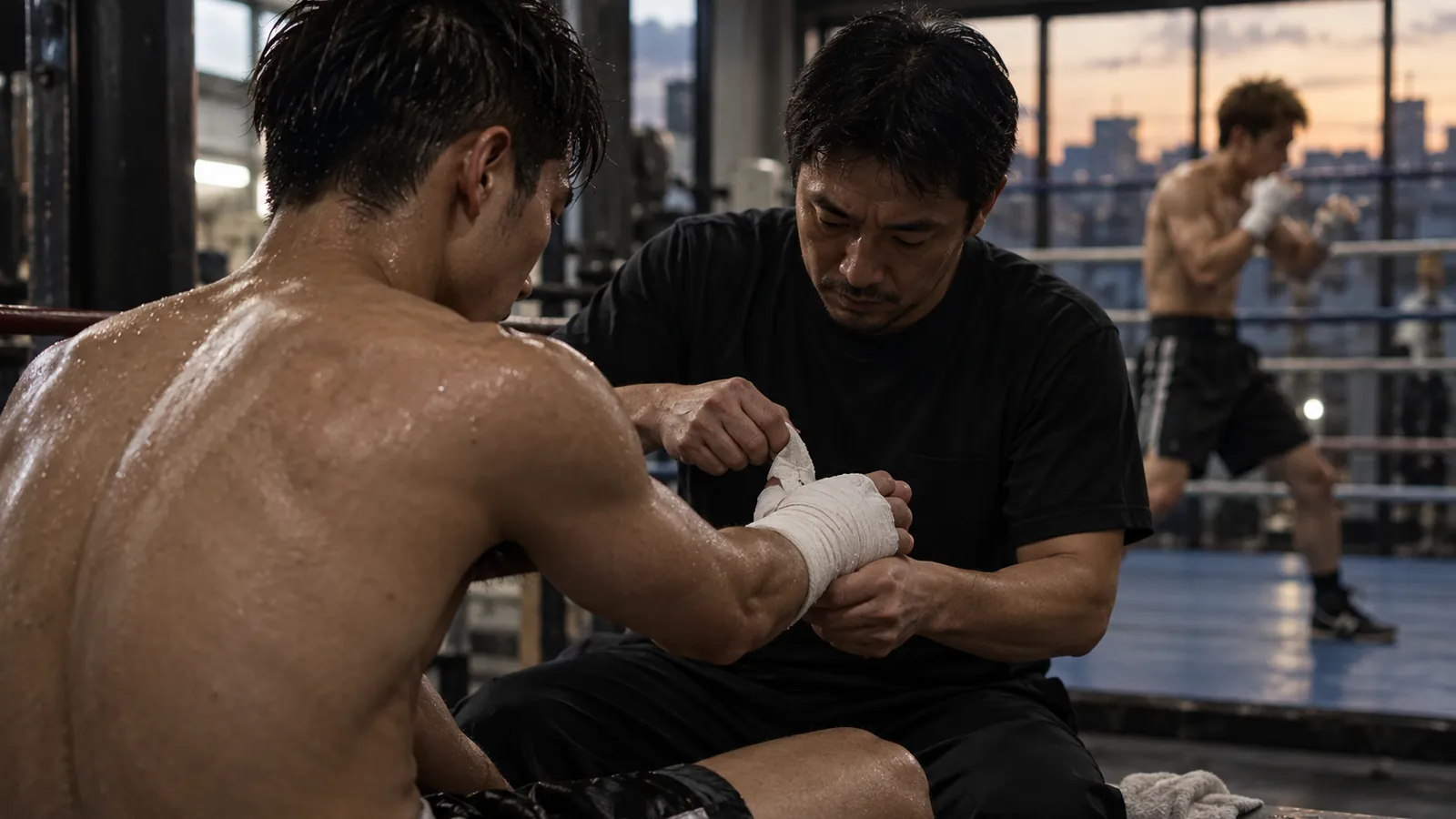
Good rematches are not sequels for the poster. They are examinations. The first fight tells you what happened. The second asks whether either boxer can solve it with preparation, composure and better choices.
Nasukawa solved part of the problem. He found the left hand, brought more pressure and made the champion uncomfortable. Inoue solved the larger problem. He won the range battle, survived the crisis and returned to the tools that had worked without becoming cautious to the point of surrender.
That is proper boxing. Not the loudest narrative, but the harder one to dismiss.
At Honour & Glory, we teach the same basic principle from a beginner's first session: a good punch matters, but your position after it matters as much. The work is in the reset, the feet, the balance and the decision you make when the easy plan stops working. If you are in Kidbrooke or nearby South East London and want to learn those fundamentals properly, book a trial session. Classes start from age 7.
H&G Team
Writer at Honour & Glory Boxing Club, a community boxing gym in Kidbrooke, South East London.
KEEP READING
We Did the Maths: Naoya Inoue Is the Greatest Boxer of All Time
The H&G All-Time Index puts Naoya Inoue above Crawford, Armstrong, Louis, Robinson, Mayweather and Ali. Here is why the numbers point to him, and how to test the weights yourself.
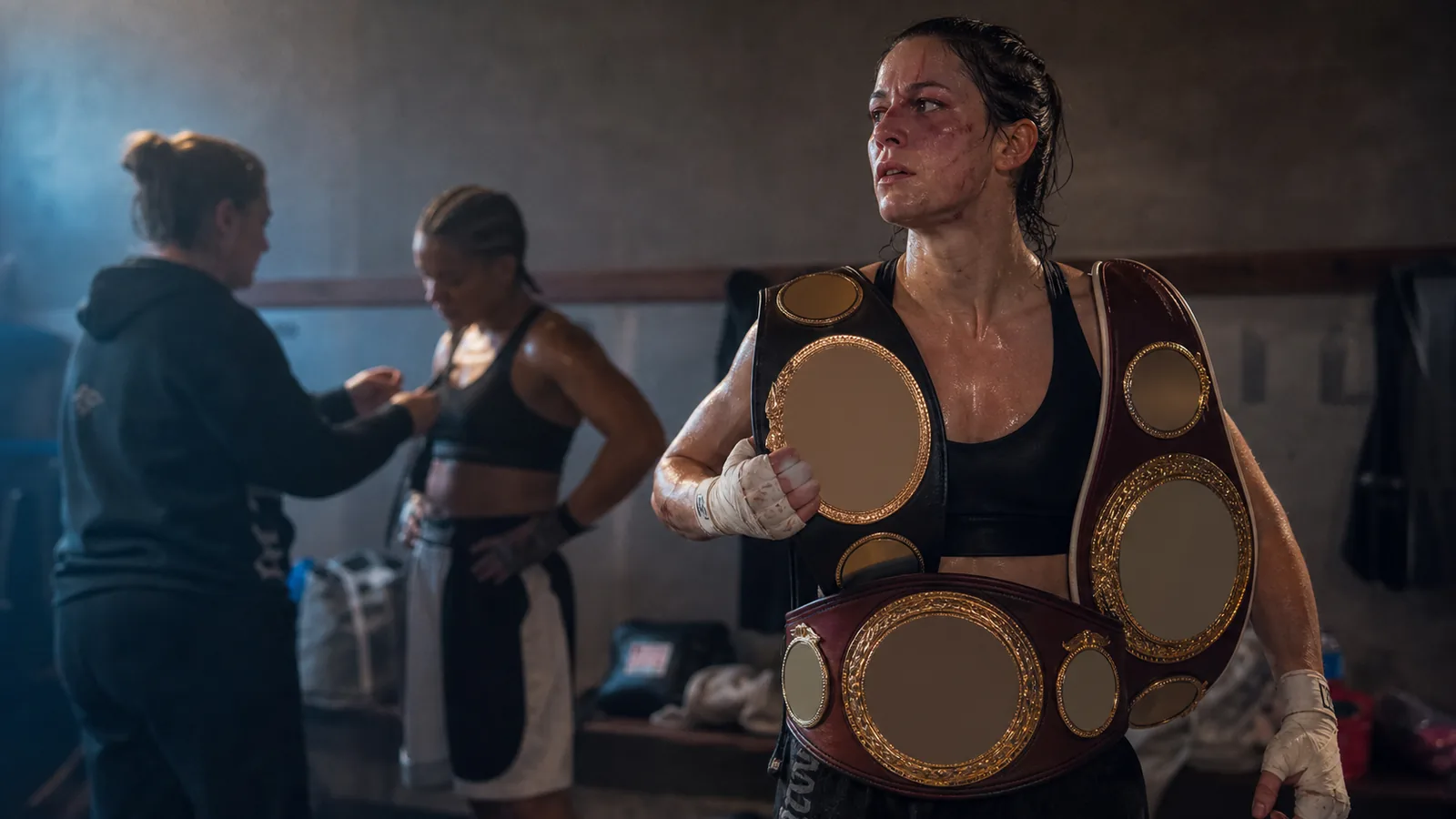
Cherneka Johnson vs Dina Thorslund: what an undisputed win changes
A fresh undisputed bantamweight title result, with the focus on how the winner can turn four belts into meaningful fights rather than a promotional holding pattern.
Mayweather vs Pacquiao 2? Boxing Legends Eye 2026 Rematch!
Examine the possibility, hype, and potential implications of a Mayweather vs. Pacquiao rematch in 2026, focusing on the fighters' current forms and fan reactions. Is this a genuine fight or a money grab?
Was this page helpful?
It takes one tap, and it genuinely helps.
Choose your next step
Turn this article into the right action
Some readers are ready to book. Some need the class route first. Pick the route that matches what you actually want.