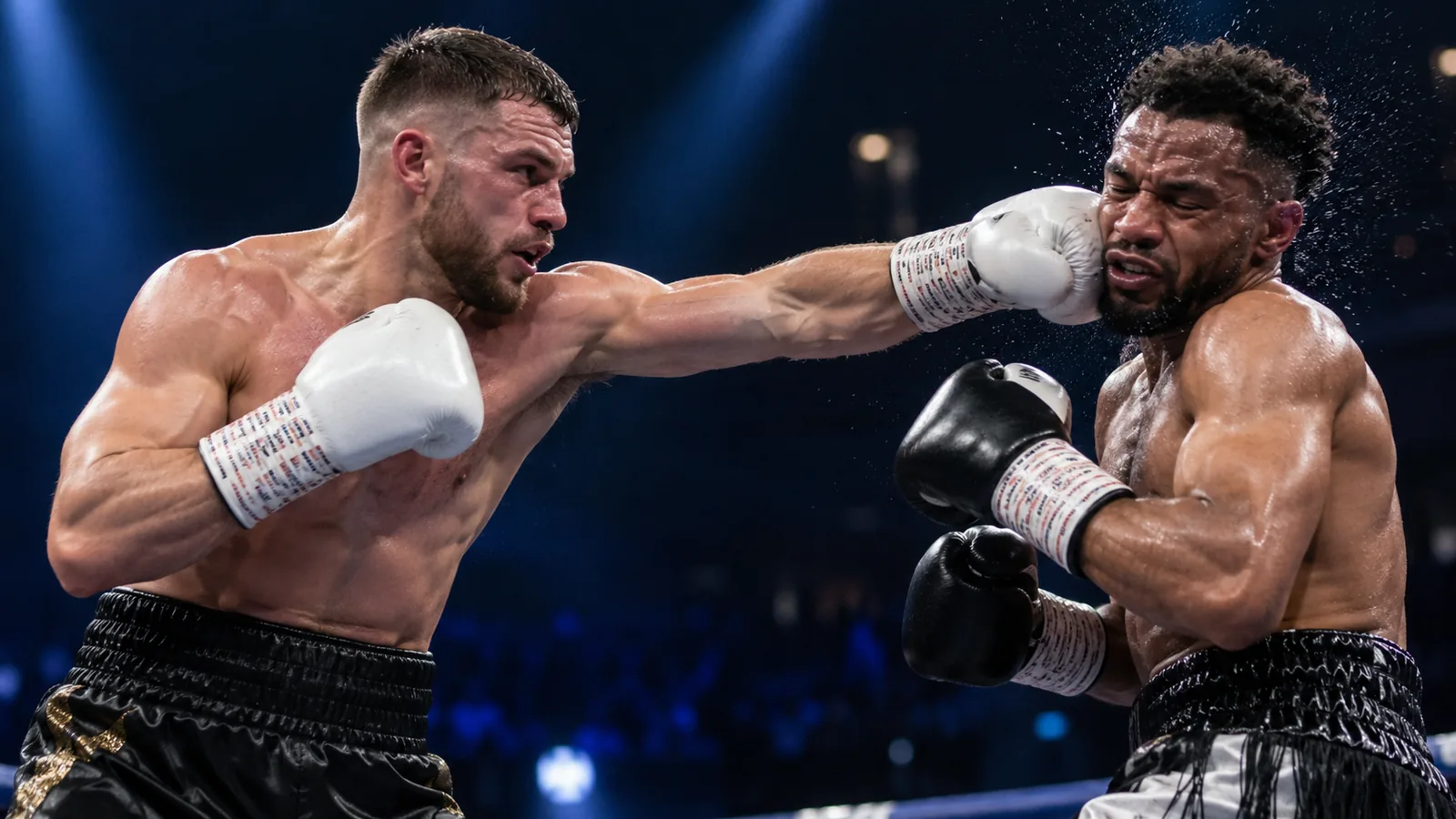
The result: Smith wins a split decision
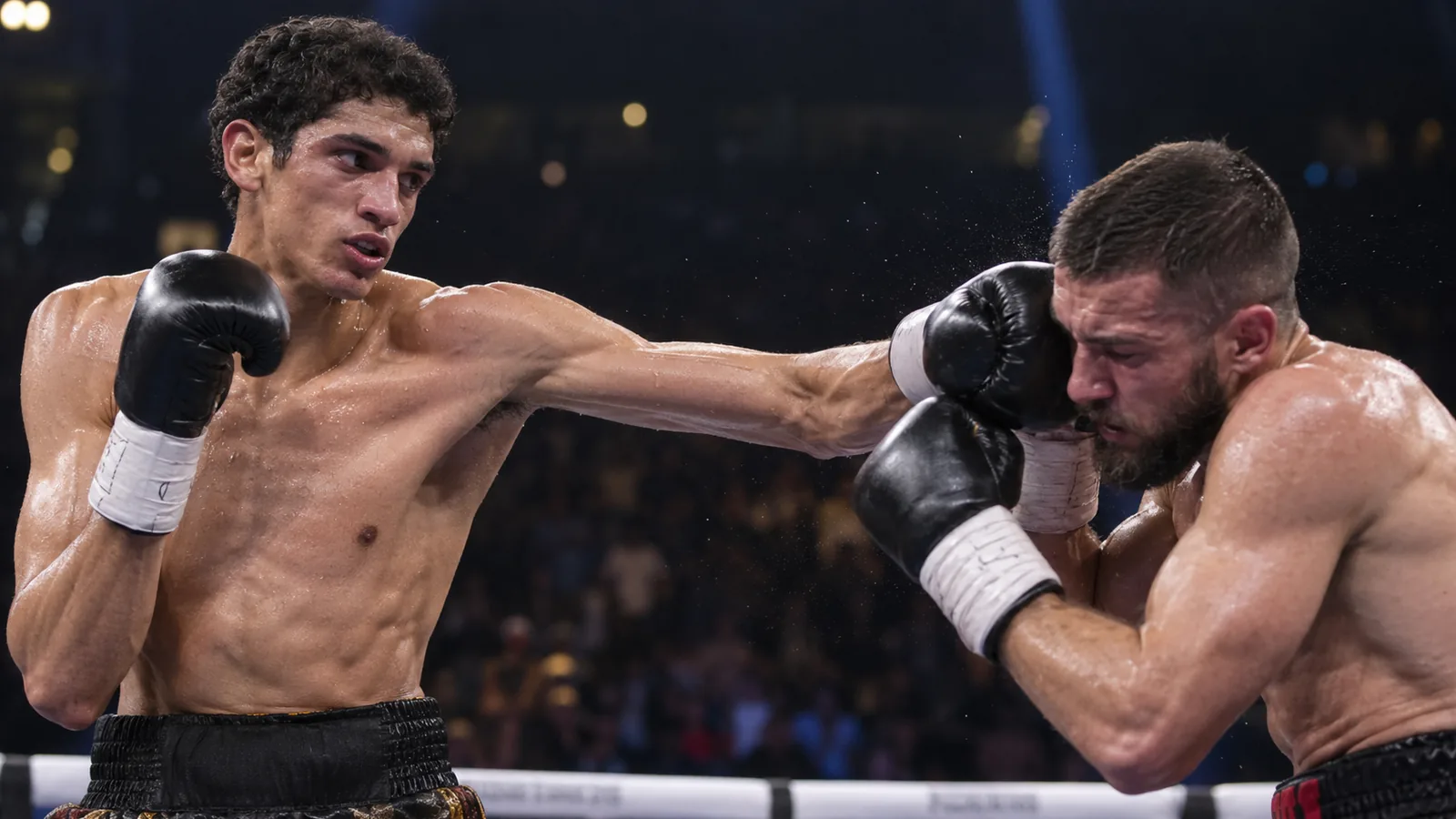
The official result was Dalton Smith def. Alberto Puello by split decision, 115-113, 112-116, 115-113.
Fightmag’s results report confirms the three scorecards and Smith’s retention of the WBC belt. Boxing News also set out the context clearly: Smith entered unbeaten at 19-0, having stopped Matias in five rounds to win the championship, while Puello arrived as a former WBA and WBC champion with the awkwardness and experience to make a homecoming defence uncomfortable.
The 115-113 cards are easy enough to understand. This was a close fight, with several rounds that could reasonably go either way depending on what a judge valued: Smith’s sharper single counters and body work, or Puello’s southpaw left hand, movement and spells of busier work.
The 112-116 card for Puello was more difficult to square with the overall contest, although not so wild that it turned the result into a robbery story. Boxing scoring is not always satisfying, particularly when a fight contains so many tight rounds, but Smith deserved the nod.
He did the more damaging work at key moments and, importantly, held his nerve when the fight was in the balance.
Puello made Smith fight his fight
Alberto Puello is not an opponent designed to make anyone look spectacular.
The Dominican southpaw is experienced, patient and technically awkward. He does not stand in front of a fighter waiting to be outboxed. He uses his feet to create angles, changes the rhythm, gives a man a look at his right shoulder and then sends the left hand over or around the guard. He has been a world champion for a reason.
Smith knew that before the first bell. The problem was making the knowledge useful over 12 rounds.
Puello’s movement prevented Smith from building the kind of sustained pressure that defined his best nights. Smith has an excellent straight right hand, a dangerous left hook to the body and a natural instinct for hurting opponents when they pause in range. Against Puello, however, the range was rarely settled for long.
Yahoo Sports’ round-by-round coverage had the contest level through seven rounds, 67-66 to Smith after a close seventh. That tells the story. This was not Smith banking easy rounds behind a dominant jab. It was a contest of small gains, brief exchanges and judgement calls.
Puello’s best work came when Smith waited too long. The champion often looked for the clean right-hand counter, but he sometimes neglected the jab that could have brought Puello into his range and the body attack that might have slowed the challenger’s feet earlier.
That is the tactical criticism of Smith’s performance, and it is fair. He was too content at times to react rather than initiate.
Against an elusive southpaw, the lead hand is not decoration. It is the tool that sets the line, blocks the opponent’s vision, disrupts their rhythm and makes their exit predictable. Smith had success when he jabbed to the chest and worked downstairs, but he did not apply those ideas consistently enough.
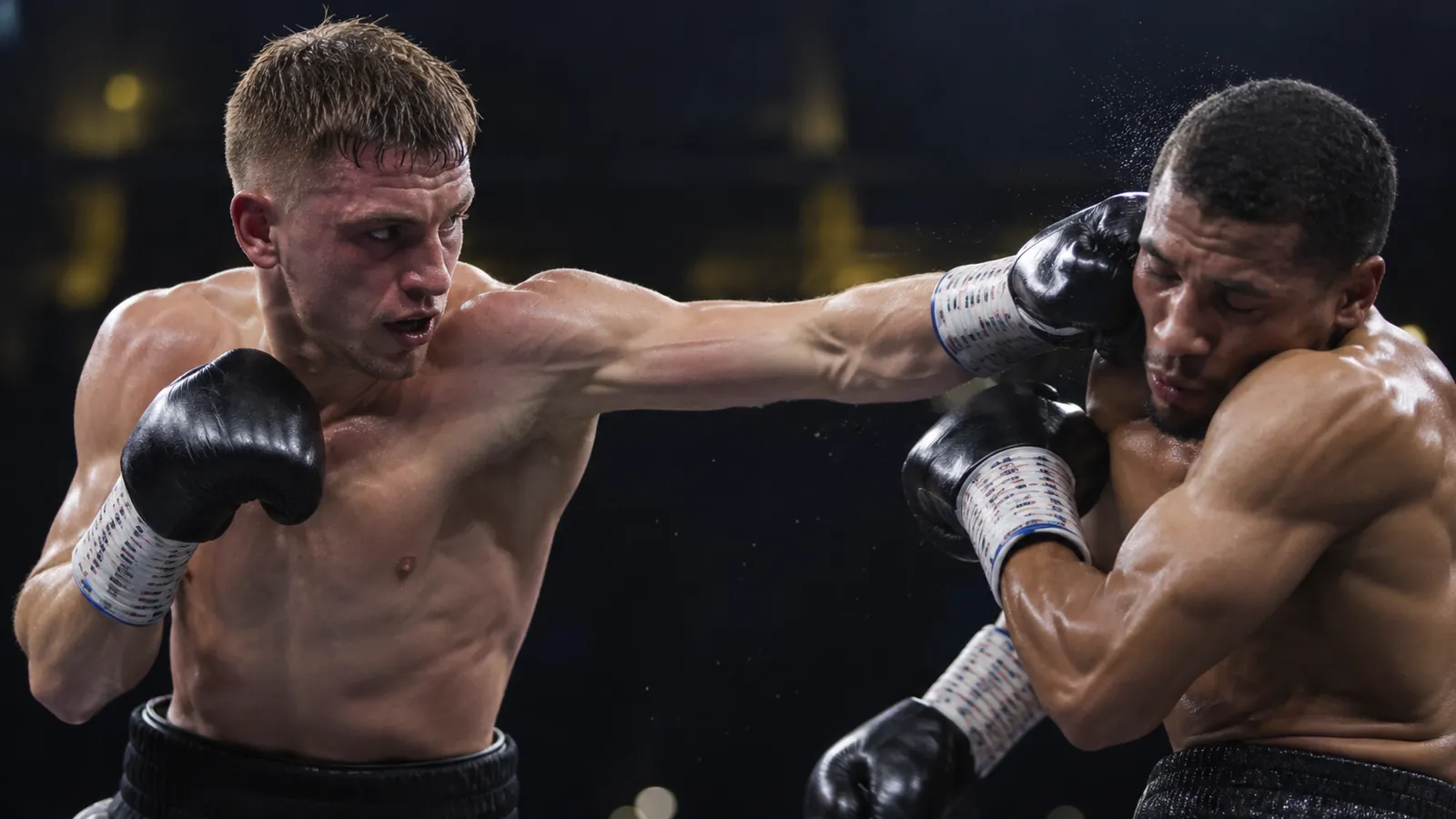
Smith’s composure decided the close rounds
Here is the positive case for Smith, and it matters more than the criticism.
He did not panic.
Fighters can look brilliant when everything goes to plan. Championship quality is clearer when the opponent makes the fight awkward, the rounds are close and the usual attacks do not land cleanly. Smith remained composed, continued looking for the right hand and found enough effective punches to persuade two judges.
He also had the better eye-catching shots in important exchanges. Puello was slippery, but Smith’s counters carried more authority. When they traded at close quarters, Smith’s work to the body and his compact punches often looked like the cleaner, more meaningful scoring blows.
That does not mean Puello was merely surviving. He was competing and he had a serious case in individual rounds. But a challenger taking a belt away from a champion in his own city needs to be decisive. Puello was clever, but he did not seize enough of the fight.
Smith did.
The official decision reflected that narrow but meaningful difference.
The BBC’s live coverage and reaction recorded Smith retaining the WBC title, while Bleacher Report’s live updates followed the changing momentum of a fight that never became comfortable for either man. Reports from Bad Left Hook likewise reflected the central point: close rounds made this a difficult fight to score, not an obvious one-sided win.
What Smith must improve
Smith is now 20-0, but the unbeaten record is not the main takeaway. The learning matters more.
He must become more proactive against movers.
The best version of Dalton Smith does not wait for a perfect counterpunching opportunity. He controls distance with his jab, works the torso, traps an opponent near the ropes and turns clean punches into sustained pressure. That version was visible in patches against Puello, but not often enough.
The next level will punish inactivity.
A fighter such as Shakur Stevenson, whom Smith named as a dream opponent after the win according to Yahoo Sports, is elite at managing distance and making opponents miss. It is an enormous fight commercially, especially if it could be staged in Britain, but Smith cannot allow a technician of that quality to dictate the geography of the ring.
At super-lightweight, there are also dangerous champions and contenders who will apply more physical pressure than Puello. Smith’s defence, shot selection and temperament suggest he belongs at world level. His next task is to make his offence more reliable when an opponent refuses to stand in front of him.
The obvious adjustment is not to throw more punches for the sake of activity. It is to throw the right punches earlier. Jab to the chest. Double the jab. Step to the right outside the southpaw lead foot. Touch the body even when the head is not available. Make the opponent reset. Then bring the right hand through the channel that has been created.
That is the difference between waiting for a fight to open and forcing it open.
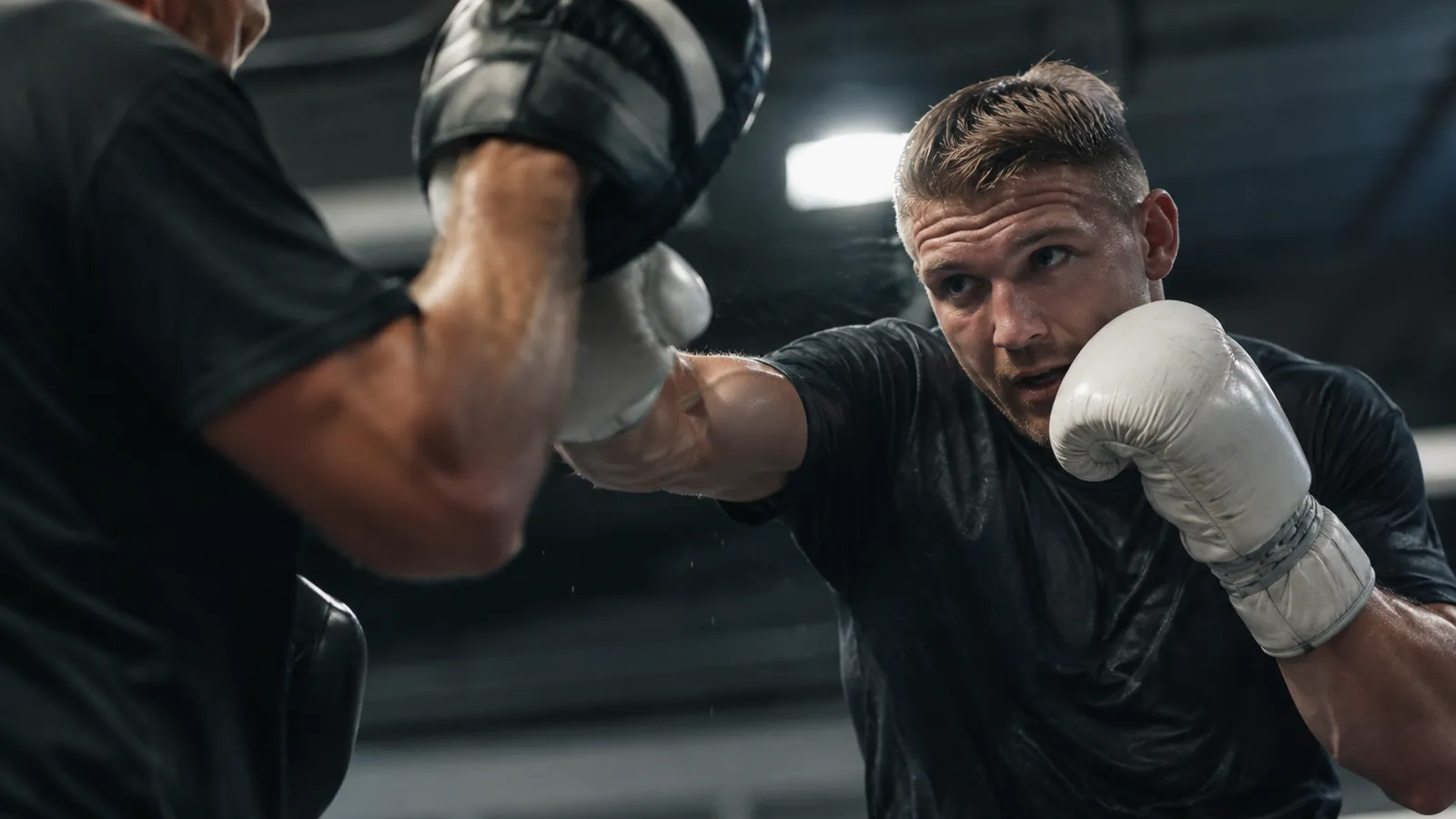
A valuable Sheffield win
This was not Smith’s most explosive performance, but it may prove one of his most useful.
He has already shown that he can dismantle an aggressive fighter, as he did against Matias. Against Puello, he faced a different test: a mobile, experienced southpaw who could make him look hesitant and who knew how to steal close rounds.
Smith still won.
For young boxers, that is worth noting. Not every good performance looks dramatic. Sometimes a boxer has to stay patient, accept that the contest is uncomfortable and find a route to victory without abandoning the basics.
At Honour & Glory, classes are available for boxers aged 7+ who want to learn those foundations properly: balance, foot position, distance, defence and calm decision-making under pressure. If you are ready to start, book a trial class.
Smith left Utilita Arena with the WBC belt still around his waist. Puello left with credit for making the champion earn it. The scorecards will be debated because the fight was close, but the broader verdict is sound: Dalton Smith passed a difficult first defence, and now the real tests are lining up.
H&G Team
Writer at Honour & Glory Boxing Club, a community boxing gym in Kidbrooke, South East London.
KEEP READING

Smith vs Puello: fight-week guide
Preview the confirmed contest, tactical questions and UK viewing information at Utilita Arena, Sheffield, UK on 2026-10-24. Verify the exact event date and do not confuse an earlier meeting with this bout.
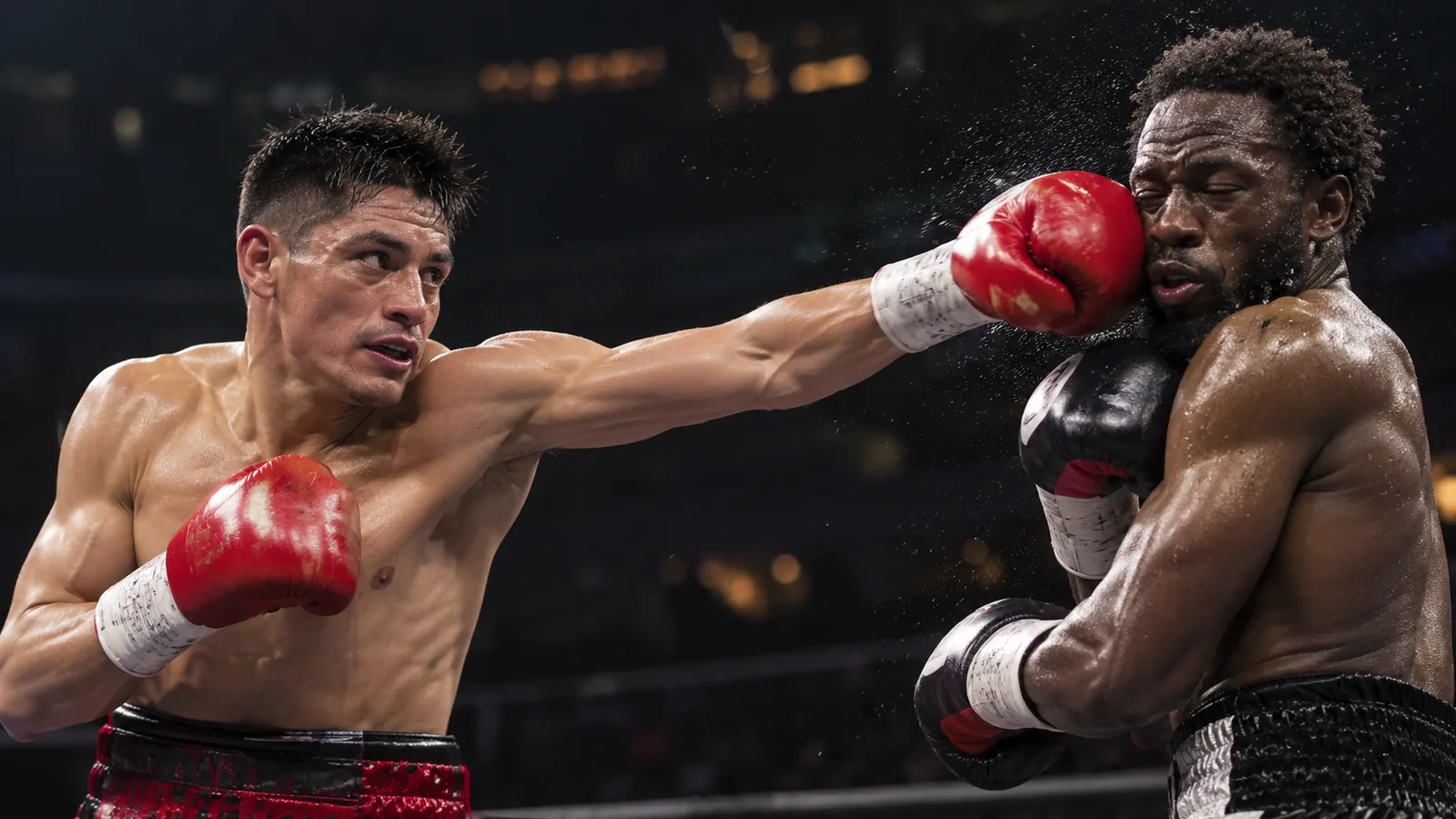
Navarrete vs Foster: result and analysis
Report the verified result and analyse the contest at San Antonio, USA on 2026-10-24. Verify the exact event date and do not confuse an earlier meeting with this bout.
Fundora vs Hadribeaj: result and analysis
Report the verified result and analyse the contest at Las Vegas, USA on 2026-10-17. Verify the exact event date and do not confuse an earlier meeting with this bout.
Was this page helpful?
It takes one tap, and it genuinely helps.
Choose your next step
Turn this article into the right action
Some readers are ready to book. Some need the class route first. Pick the route that matches what you actually want.