Skye Nicolson’s Sweeney ad criticism: why boxer endorsements matter
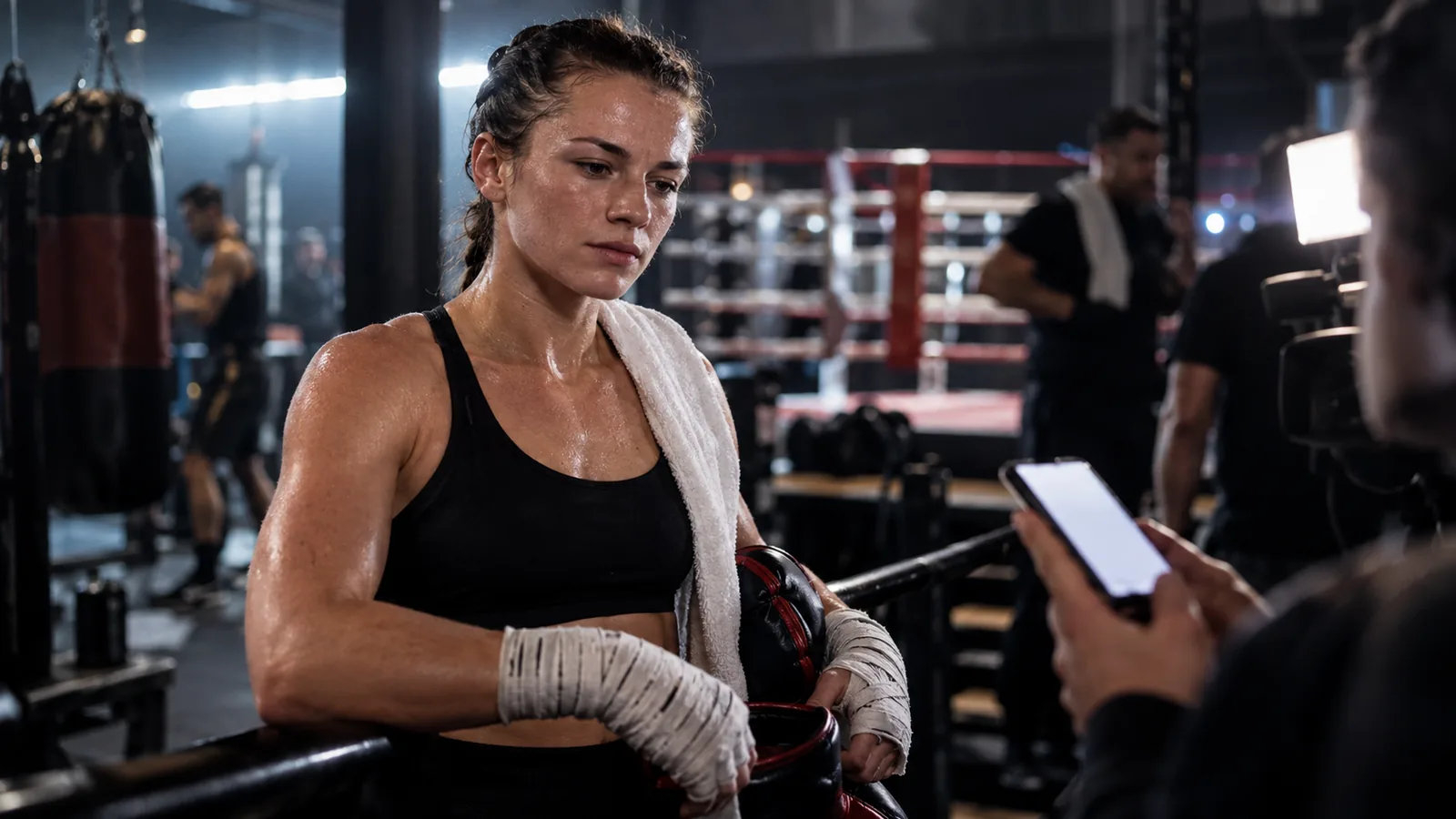
Skye Nicolson’s Sydney Sweeney criticism shows why boxer endorsements matter
There is a useful difference between a fighter being visible and a fighter being used.
Skye Nicolson put that distinction better than most people in sport have managed during the row over Sydney Sweeney’s Novig betting campaign. The advert, which showed Sweeney in minimal clothing while posed around different sports, was criticised by athletes for turning women’s sport into a prop for sexualised marketing. Reporting from The Guardian, Sky News, The Telegraph and The Irish Times captured the strength of the response.
Nicolson’s point was not that women athletes must dress, speak or market themselves in a particular way. It was sharper than that.
“There’s a big difference between looking ‘sexy’ because you do sport compared to using sex to sell ‘sport’,” the Australian world champion wrote. She added that there was “nothing wrong with looking good and doing sport” or with embracing femininity while being “a badass athlete”.
That is the line. It is not prudishness. It is not a demand that women athletes make themselves small, plain or apologetic. It is a demand for honesty about what is being sold, who is being represented, and what younger athletes are being invited to value.
The problem was not femininity
Women in boxing have spent years being asked to prove two things at once: that they can fight, and that they can still fit somebody else’s idea of femininity. It is a boring question, but it has been profitable for promoters, broadcasters and brands.
The obvious answer is that a woman boxer does not owe anyone a performance of toughness, softness, glamour or restraint. She can wear make-up on a walkout, post a fashion shoot, talk about training, model clothes, sell products, win a world title, and do all of it on her own terms.
Nicolson’s career is proof that those things do not cancel one another out. She is a southpaw with a high-level amateur pedigree who became WBC featherweight champion in 2024 and has since moved through a rebuilding campaign at super-bantamweight. Her current record and fight history are listed by Box.Live, while BBC Sport’s 2026 schedule has her set to face Miyo Yoshida for the WBC super-bantamweight title in November.
That is a serious sporting identity. It is built from rounds, camps, travel, injuries, selections, awkward opponents and the willingness to perform when the room is not on your side. A photo can be part of an athlete’s public profile. It cannot be the whole thing.
The Novig campaign caused anger because it appeared to reverse the relationship. Sport was not the achievement. Sport was the set dressing. Balls, rackets and hoops became a way to frame a famous body, while the betting product sat behind the attention.
As Deadline reported, Olympic swimmer Ariarne Titmus called the campaign “a kick in the face” to women who have devoted their lives to their craft. Gymnast Gracie Kramer answered with a reel of her sporting achievements under the line: “This is what a woman in sports looks like.”
That response matters because it did not ask women athletes to become less visible. It asked brands to show some respect for what they actually do.
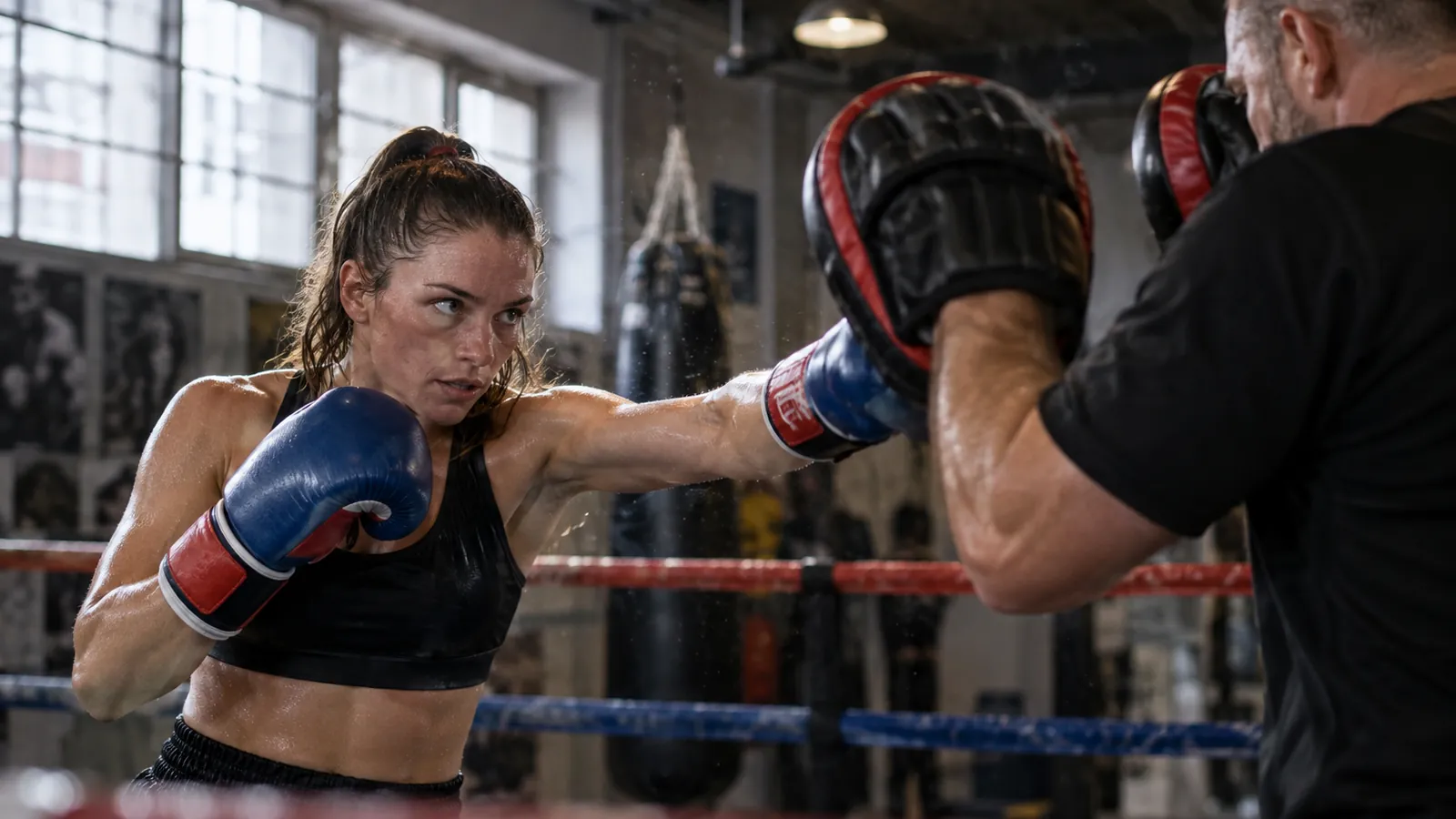
Endorsements are never just private choices
Professional fighters have every right to earn money. Most do not have the financial security their public profile suggests. A world title belt does not automatically mean a pension, and women’s boxing has been especially poor at rewarding the people who have carried it through thin years.
A good commercial deal can pay for training, recovery, childcare, travel, physio, a stronger team around the fighter, or simply the time to train without taking on unrelated work. Anyone pretending athletes should turn down all sponsorship on moral grounds is ignoring how hard professional sport can be.
But an endorsement is still a public act.
When a boxer takes a brand’s money, lends it their face, shares its campaign or becomes an equity partner, they are helping that company borrow the credibility of sport. The product gains access to the fighter’s audience, their discipline, their story and the trust that supporters have placed in them.
That is why the standard must be higher than “it got attention”.
Attention is cheap. Every promoter in boxing knows how to buy it. A controversial campaign can dominate social media for a day, bring in headlines, generate argument and still leave the sport worse off. It can tell a young girl who has just started training that her body is the main thing worth monetising. It can tell a young boy that women’s sport is still a joke or a backdrop. Neither message deserves help from people who know what it takes to compete.
Sweeney is not a boxer, and the responsibility for the campaign belongs first with Novig and the people who approved it. But, as The Irish Times noted, Sweeney was presented by the company as a strategic partner and equity holder, rather than simply a performer hired for one day’s work. That changes the conversation. Ownership means influence, and influence brings responsibility.
For fighters, the lesson is even clearer. They are not only selling reach. They are selling a connection to a real sport with real consequences.
Boxing should know better than to confuse spectacle with value
Boxing has always lived with the tension between sporting merit and spectacle. That is part of its appeal. The ring walk, the entrances, the trash talk and the personalities can make a major fight feel bigger than the twelve rounds.
But the spectacle works because there is something solid underneath it. A fighter still has to make weight. A corner still has to solve problems. A jab still has to land. The person in the ring has to deal with fear, fatigue and an opponent who has trained to hurt them.
Take away that foundation and you do not have a sporting story. You have a costume.
This is why Nicolson’s intervention carried weight. It came from an athlete who understands that public image is part of the job but refuses to let image replace substance. She did not condemn femininity. She defended athleticism from being reduced to a wink and a slogan.
There is also an unavoidable betting question. Gambling advertising already has a close relationship with sport, and it carries particular weight when younger audiences are watching. Boxing supporters are used to seeing odds around every major bout. That does not mean every form of betting promotion is equally responsible, or that athletes and public figures should stop asking where the boundaries are.
A company selling sports prediction does not need to make sport smaller to sell its service. It can show competition, intelligence, analysis, rivalries and actual athletes. Those are the things that make people care about sport in the first place.
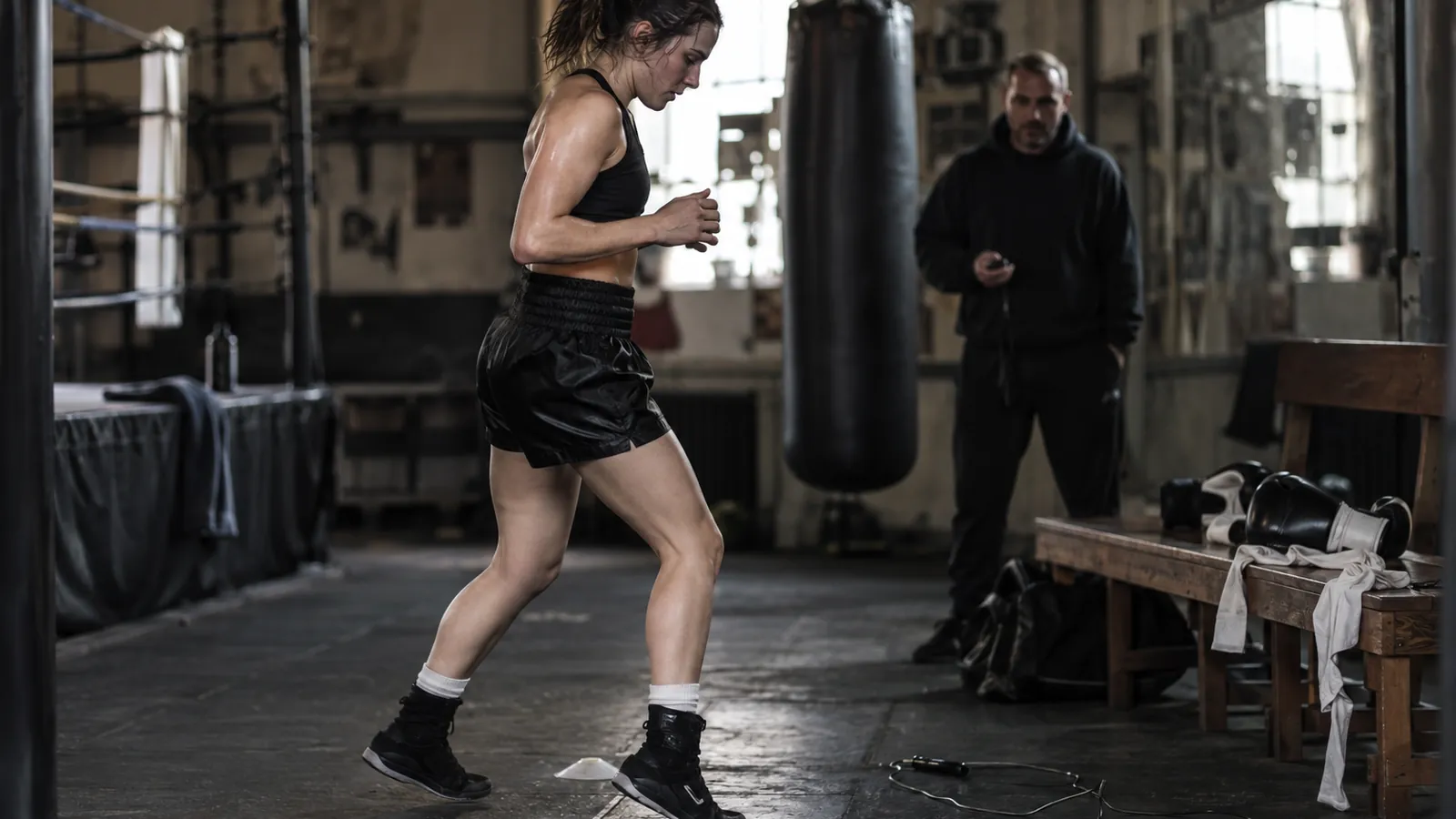
What young boxers should take from this
At a boxing club, the most valuable role models are not necessarily the loudest or most polished ones. They are the people who make the sport feel possible without making it feel fake.
For a young boxer, seeing a woman hold a world title matters. Seeing her train hard, speak clearly and refuse an unfair framing matters too. It says that confidence is not the same thing as accepting every version of attention offered to you.
That applies beyond sport. A commercial opportunity can be good business and still be wrong for your name. The question is not whether a deal looks glamorous or whether it will generate comments. The question is whether it matches the person you are trying to become.
Nicolson’s response did not close down that choice. It made the choice clearer.
Women athletes should be free to be stylish, funny, glamorous, outspoken and commercially successful. They should also be free from a culture that treats their sporting ability as an inconvenience until it can be packaged beside their appearance.
That is why endorsements matter. A fighter’s name is not just an advertising surface. It is a record of what they have stood for when the attention arrived.
If you want to learn boxing in an environment where the focus stays on skill, confidence and proper coaching, book a trial at Honour & Glory.
H&G Team
Writer at Honour & Glory Boxing Club, a community boxing gym in Kidbrooke, South East London.
KEEP READING
Skye Nicolson joins MVP: what the move means for women’s boxing
A focused look at Nicolson’s move to Most Valuable Promotions and the Matchroom alliance: whether it creates better routes to major fights rather than simply adding another promotional logo.
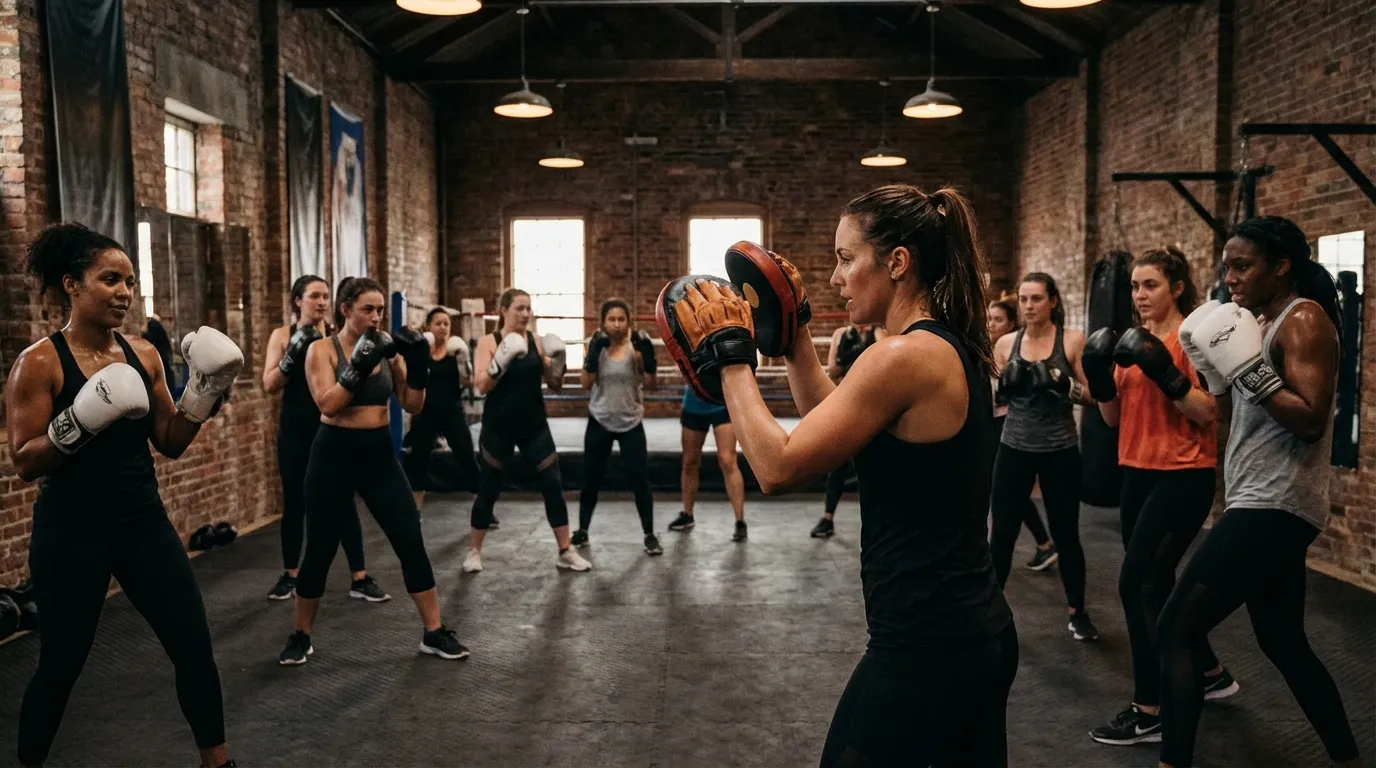
Women's Boxing Classes - What to Expect
Thinking about women's boxing classes but not sure what happens? Here is exactly what to expect from your first session to your tenth.
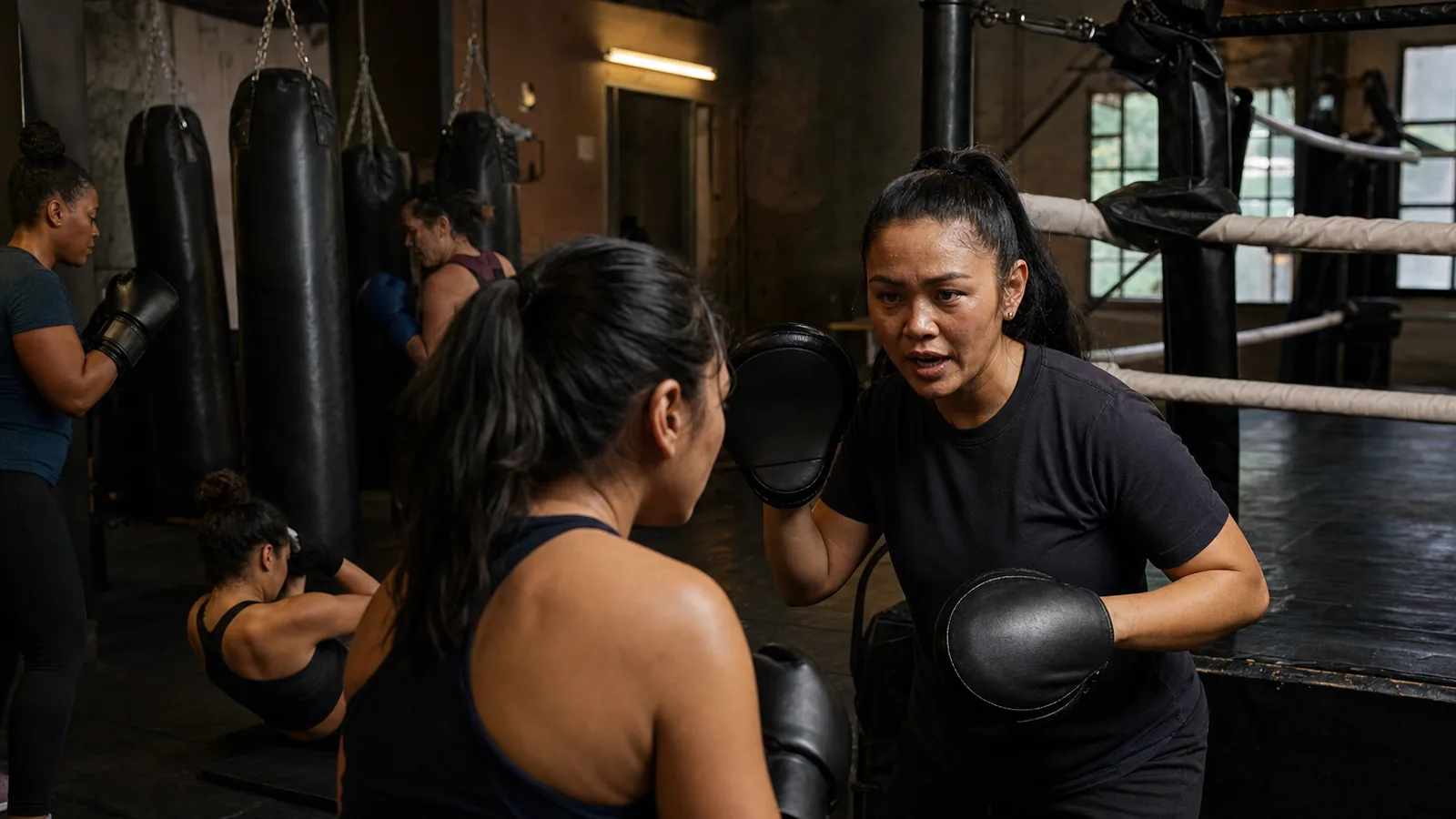
Boxing for Women in Kidbrooke: What to Expect
Honour and Glory Boxing Club offers womens boxing classes in Kidbrooke SE3 - structured sessions for all fitness levels with ABA/Alliance-credentialed coaches.
Was this page helpful?
It takes one tap, and it genuinely helps.
Choose your next step
Turn this article into the right action
Some readers are ready to book. Some need the class route first. Pick the route that matches what you actually want.