Shakur Stevenson and Tim Bradley: when criticism turns personal
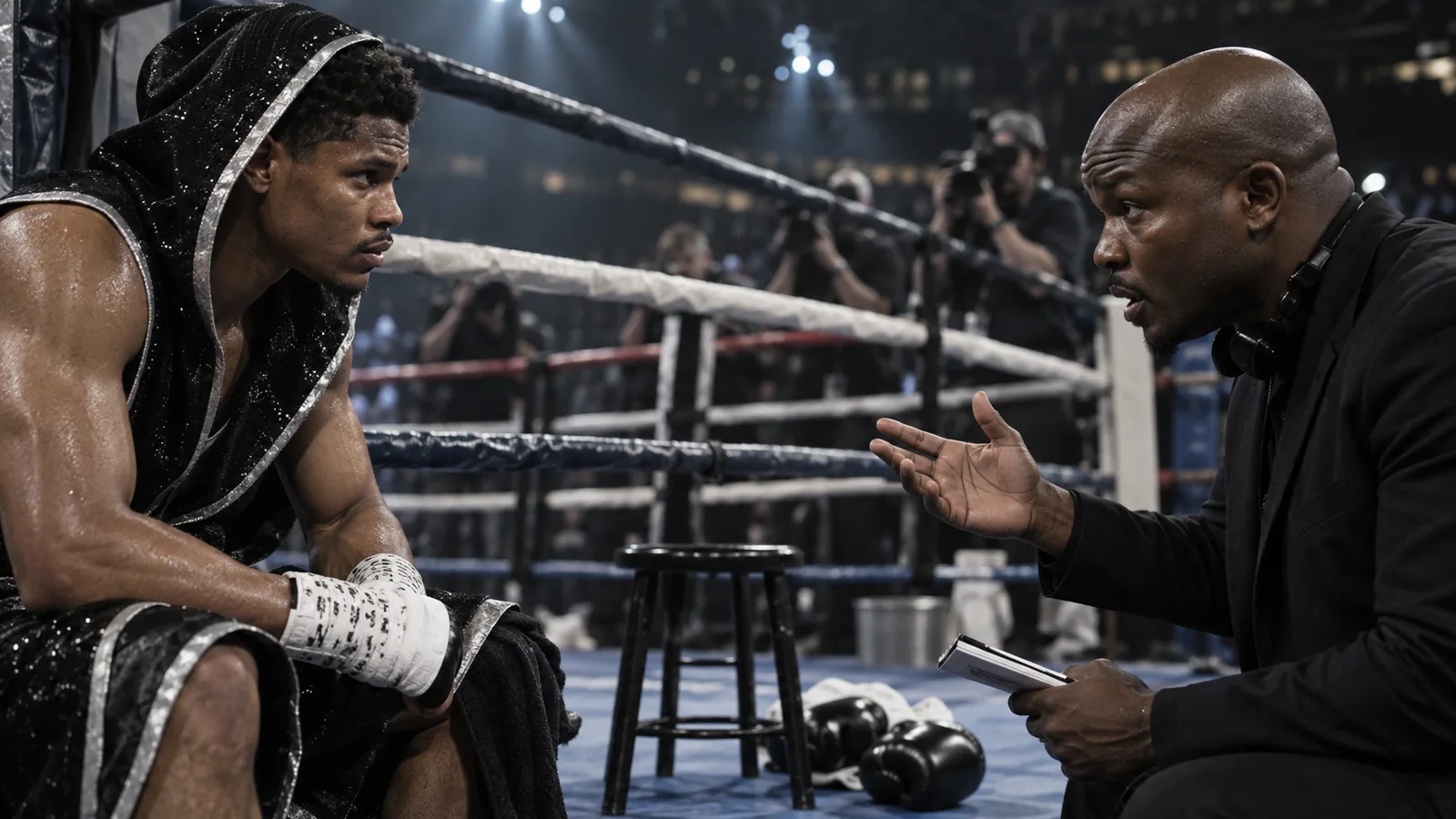
Shakur Stevenson and Tim Bradley: when criticism turns personal
Shakur Stevenson is one of the finest defensive boxers in the world. That should not be controversial.
He sees punches early, controls distance with small adjustments rather than frantic movement, and makes elite opponents look ordinary when he has the initiative. His January points win over Teofimo Lopez, scored 119-109 by all three judges, was not merely a win. It was a demonstration of how completely a southpaw can take away an opponent’s preferred attacks when the timing, feet and discipline are all in place. Box.Live’s fight report has the result and the numbers.
So this is not an argument for pretending that Stevenson is anything less than a superb fighter. It is an argument that the latest row with Tim Bradley has buried the one question worth discussing.
Can Stevenson realistically make a fight with Ryan Garcia on terms that make sense for both men?
Bradley’s delivery was abrasive. Stevenson’s reply was personal. Neither point cancels the other out.
What set the row off
The flashpoint came after Ryan Garcia stopped Conor Benn in the second round in Las Vegas. Stevenson, working the broadcast, suggested that a fight with Garcia would be one of boxing’s biggest events.
That part is reasonable. Garcia is a major attraction, Stevenson is an unbeaten multi-weight champion, and stylistically it is a fascinating contest. Garcia carries speed, length and sudden left-hook power. Stevenson is harder to find cleanly than almost anyone in the sport. It is a proper boxing conversation, not a fantasy match-up.
The complication is weight.
Bradley’s response was blunt. He questioned whether Stevenson, who has fought at lightweight and then won the unified super-lightweight titles against Lopez at 140lbs, could reasonably chase Garcia while holding to a 144lb limit. As talkSPORT reported, Bradley’s essential point was that Stevenson could not seriously expect to share a ring with a welterweight champion while seeking the advantages of a lower catchweight.
The sharper version of that argument is simple: if Garcia is the established 147lb man and holds the stronger commercial hand, why would he agree to meet at 144lbs?
That does not make Stevenson cowardly. Catchweights are a legitimate part of boxing negotiation. They have helped make major fights that would otherwise have stalled. But they only work when both sides see an upside. A fighter moving up cannot demand a smaller opponent give away every physical advantage, while the smaller man cannot expect the bigger attraction to surrender weight without a compelling reason.
Boxing News 24’s account of the exchange put its finger on the awkward bit: Stevenson did not really address the practical question of how Garcia at 147lbs becomes Garcia at 144lbs.
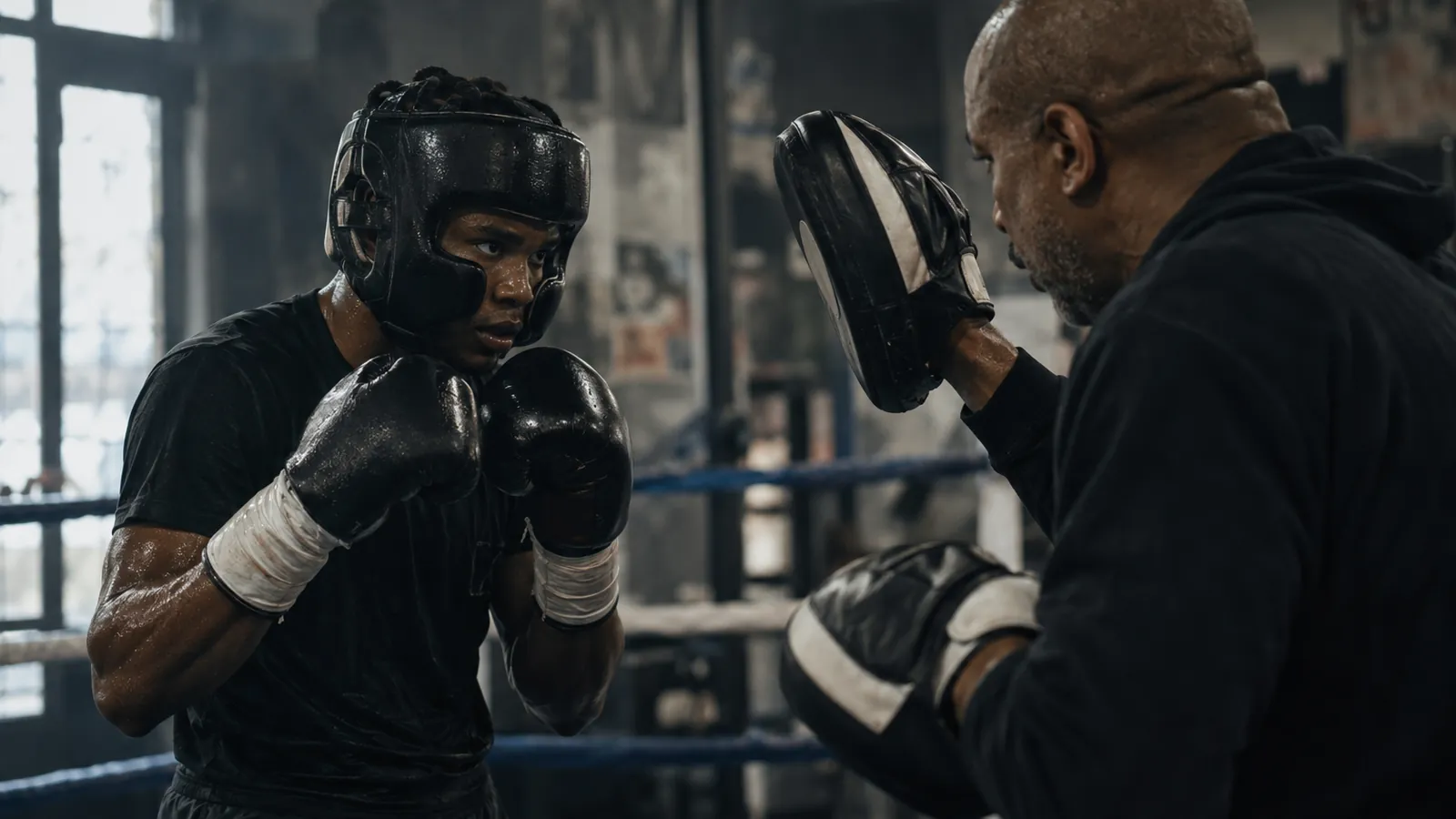
Bradley was right on the substance, wrong in the tone
Former fighters have a useful role in broadcasting when they explain the things television pictures can hide.
A good analyst tells viewers why a jab is winning a round even when it is not landing flush. They notice the lead-foot battle in an orthodox versus southpaw contest. They can see when a boxer is being manoeuvred towards a dangerous hand rather than simply “moving backwards”. They understand how draining a few pounds can change a fighter’s legs, punch resistance and recovery.
Bradley is entitled to speak with authority on that world. He was a two-weight world champion, fought Manny Pacquiao three times, and built his career by taking serious assignments. Calling him one of the worst Hall of Fame fighters, as Stevenson did in his response, is not analysis. It is frustration dressed up as an argument. Bad Left Hook captured the full force of Stevenson’s rant, including the threat to take Bradley’s broadcasting job.
But Bradley did not help himself by talking down to Stevenson.
“Be quiet” and “you are not even in the conversation” are the kind of lines that generate clips, not understanding. They invite a fighter to hear disrespect instead of criticism. Bradley could have made exactly the same case more effectively: Stevenson has just proved himself at 140lbs, Garcia is operating at 147lbs, and a 144lb demand looks difficult to sell after Garcia’s previous experience of restrictive fight terms.
That would have been tough, fair and difficult to dismiss.
There is a line between sharp analysis and provocation. Bradley crossed close to it with the manner of his comments. Stevenson ran miles past it with his answer.
Stevenson’s problem is not technical ability
Technically, Stevenson has more than enough to make a competitive fight with Garcia.
His control of range is exceptional. He does not stand in front of opponents for exchanges they want. He makes them reach, then turns their over-commitment into a scoring opportunity. Against Lopez, he repeatedly took away the right hand by winning the lead-foot position, controlling the space with his jab and refusing to give Lopez a predictable target.
Garcia would ask different questions.
He is dangerous when he can set his feet, draw a reaction, and launch the left hook between or around an opponent’s punches. Stevenson would need to deny him the chance to load up. That means making Garcia reset, giving him fewer stationary targets and punishing his tendency to reach when a patient opponent does not play along.
It is a technical argument worth having. Stevenson could win it. He might even make Garcia look clumsy for long stretches.
But the size question does not disappear because the style match-up is interesting.
A fight at 147lbs would test whether Stevenson’s defensive intelligence travels upward against a bigger man. A fight at 144lbs would make the physical terms part of the story from the first press conference. Neither option is shameful. One is simply more difficult to negotiate.
The reporting around the dispute has repeatedly returned to that point. NoSmokeBoxing’s report notes Garcia’s reluctance to accept another restrictive agreement after his earlier bout with Gervonta Davis. It is a sensible position. Fighters do not forget the concessions they believe cost them.
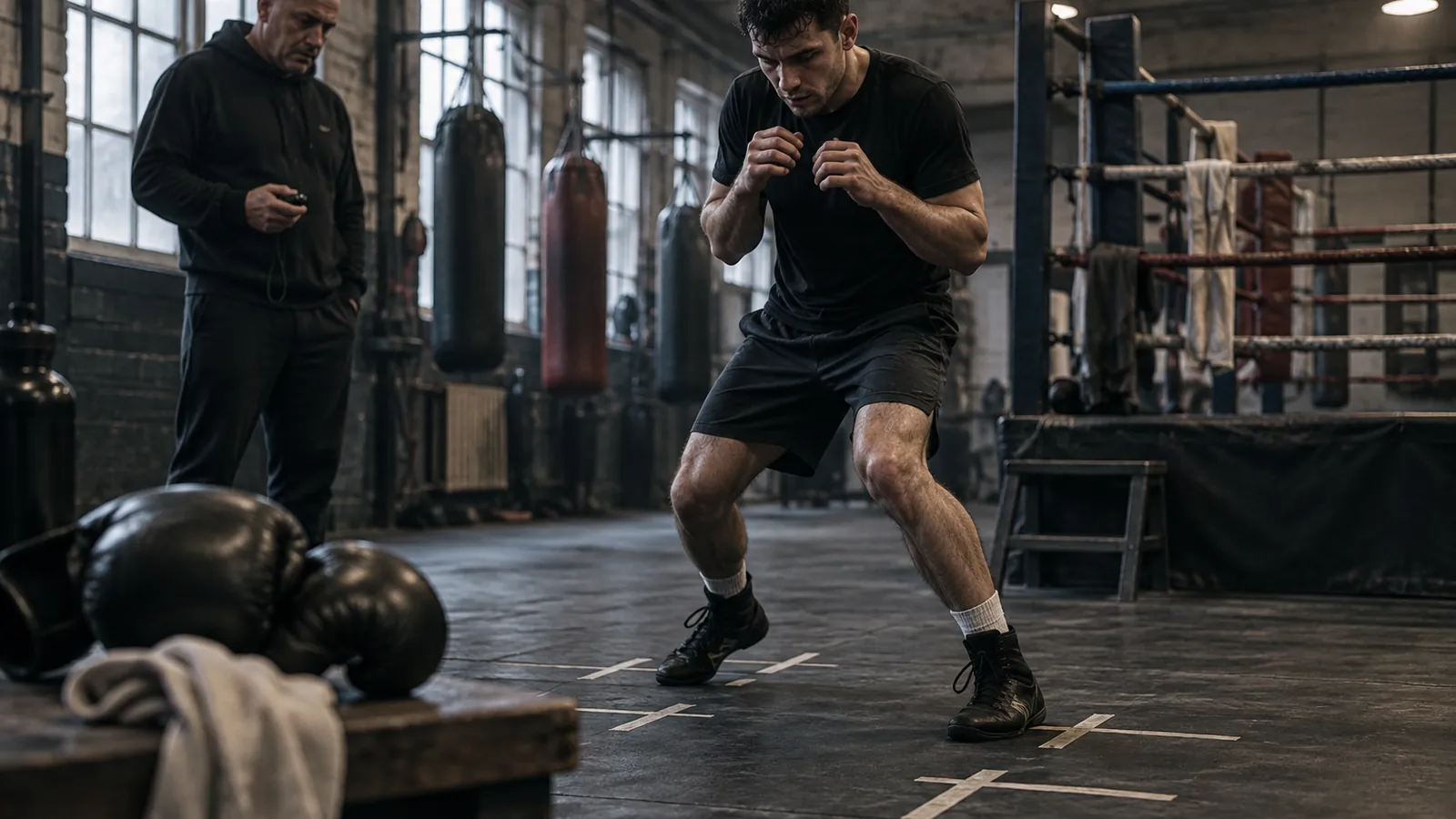
The danger of making every criticism personal
There is a wider lesson here for fighters at every level.
Boxing is personal by nature. You train alone or with a tiny circle. You are judged in public. People criticise your chin, courage, preparation and character in a way that almost no other sport permits. It is easy to see an opinion on your performance as an attack on who you are.
Still, a fighter has to separate useful criticism from noise.
A coach who says, “You are dropping your right hand after the jab,” is not questioning your heart. They are giving you a problem to solve. An analyst who says, “That weight demand makes the fight unlikely,” may be irritating, but there is a factual claim inside the irritation. Answer that claim.
Stevenson could have said: Garcia has the belt and the profile, but I have earned the right to negotiate; 144lbs is where I believe the fight is fairest; if that cannot be agreed, I will decide whether to establish myself at welterweight first.
That is a strong response. It keeps the focus on the fight, the weight and the next move. It does not give Bradley the bigger story.
Instead, the feud became the headline. Sports Illustrated’s report made the contrast clear: Bradley attacked the feasibility of the bout, while Stevenson attacked Bradley’s career and motives.
That is not a sign that Stevenson lacks mental strength. It is unwise to diagnose a fighter’s mind from a social-media video, despite the more dramatic claims made in this Boxing News and Views piece. It is, however, a poor tactical choice.
A great defensive fighter should be just as selective outside the ring as he is inside it. Do not bite on every feint. Do not chase every opening. Do not let somebody else dictate the terms of the exchange.
The answer is in the ring, not on a phone
Bradley should sharpen his language. Stevenson should sharpen his answer.
The best way for Stevenson to answer doubts about Garcia is to make a clear choice. If he wants the fight at 147lbs, say so and pursue it. If he wants time to grow into welterweight, take the right test first. If 144lbs is non-negotiable, accept that Garcia may choose another route.
That is boxing. The negotiation is part of the contest.
For people training at a gym, the practical lesson is much simpler. Take useful feedback without making it personal. A hard truth about your feet, guard or fitness is not an insult. It is information. Use it.
If watching elite fighters solve problems has made you want to learn the sport properly, book a trial at Honour & Glory in Kidbrooke. We teach boxing from age 7 upwards, with the same basics that matter at every level: composure, positioning, discipline and the ability to keep your head when the other person wants a reaction.
H&G Team
Writer at Honour & Glory Boxing Club, a community boxing gym in Kidbrooke, South East London.
KEEP READING
Shakur Stevenson joins Zuffa Boxing
Shakur Stevenson signing with Zuffa Boxing tests whether Dana White can help make elite fights, not just loud announcements.
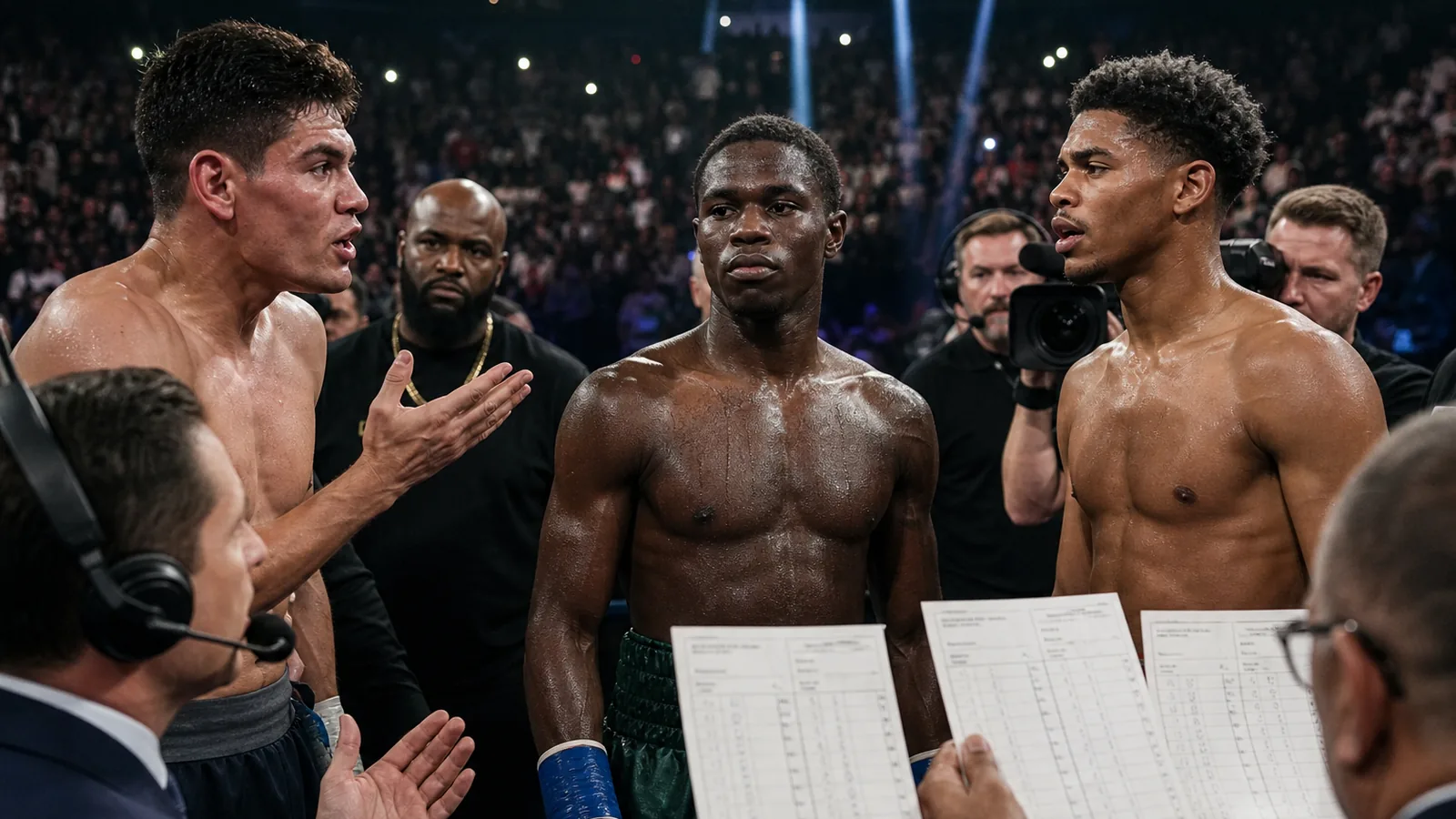
O'Shaquie Foster Debate: Navarrete, Ford and Shakur
Turn the current online debate into a judging-and-styles explainer: why Foster divides opinion, why Max Kellerman favours Navarrete, and how old Shakur Stevenson comments are being used in current fan arguments.
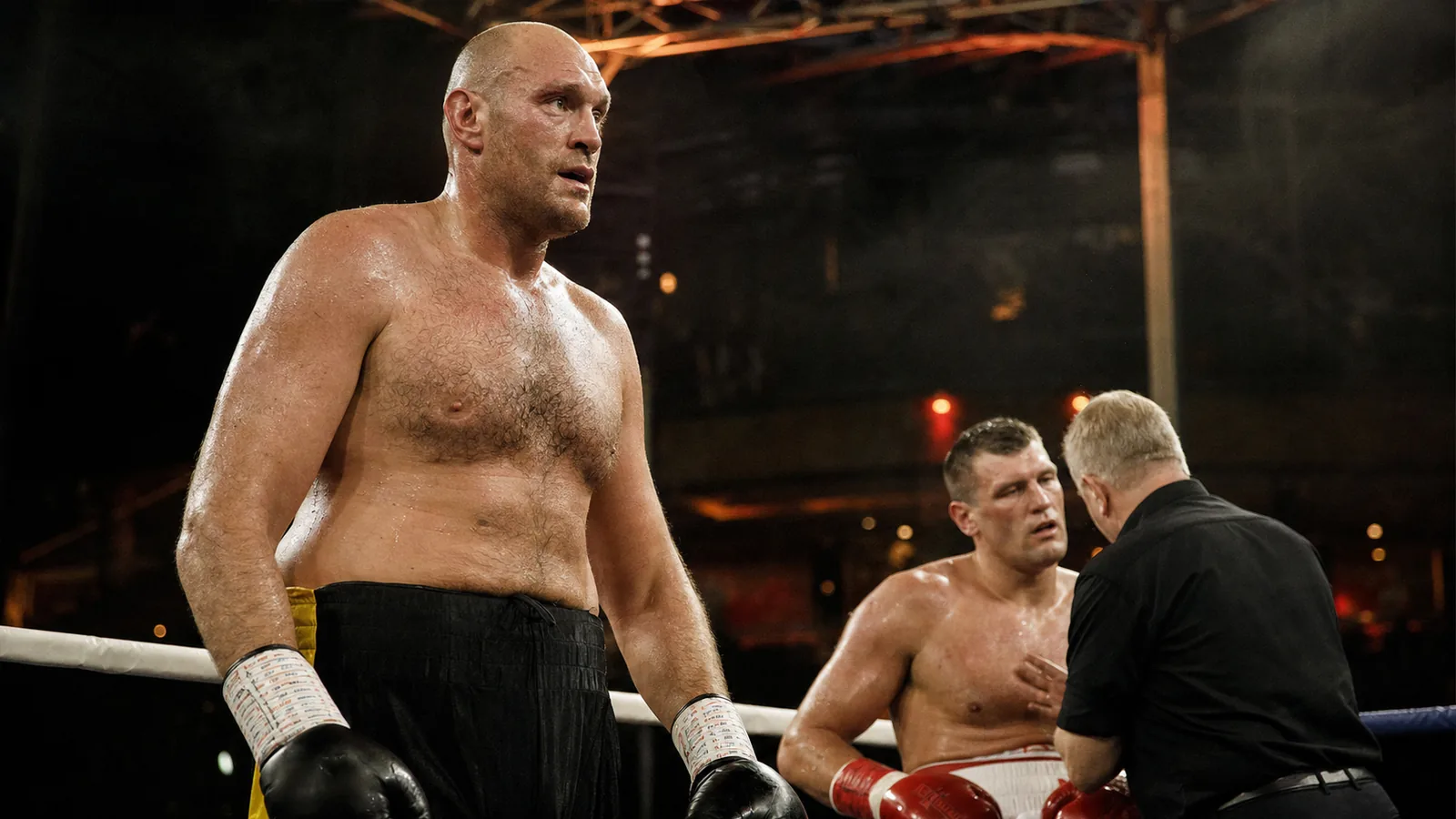
Tyson Fury vs Mariusz Wach: what the stoppage tells us
A fresh post-fight tactical read on Fury stopping Wach in Thailand, separating the result itself from the bigger question of how convincing the performance looked ahead of a potential Anthony Joshua fight.
Was this page helpful?
It takes one tap, and it genuinely helps.
Choose your next step
Turn this article into the right action
Some readers are ready to book. Some need the class route first. Pick the route that matches what you actually want.