Joshua vs Prenga: why a comeback opponent still matters
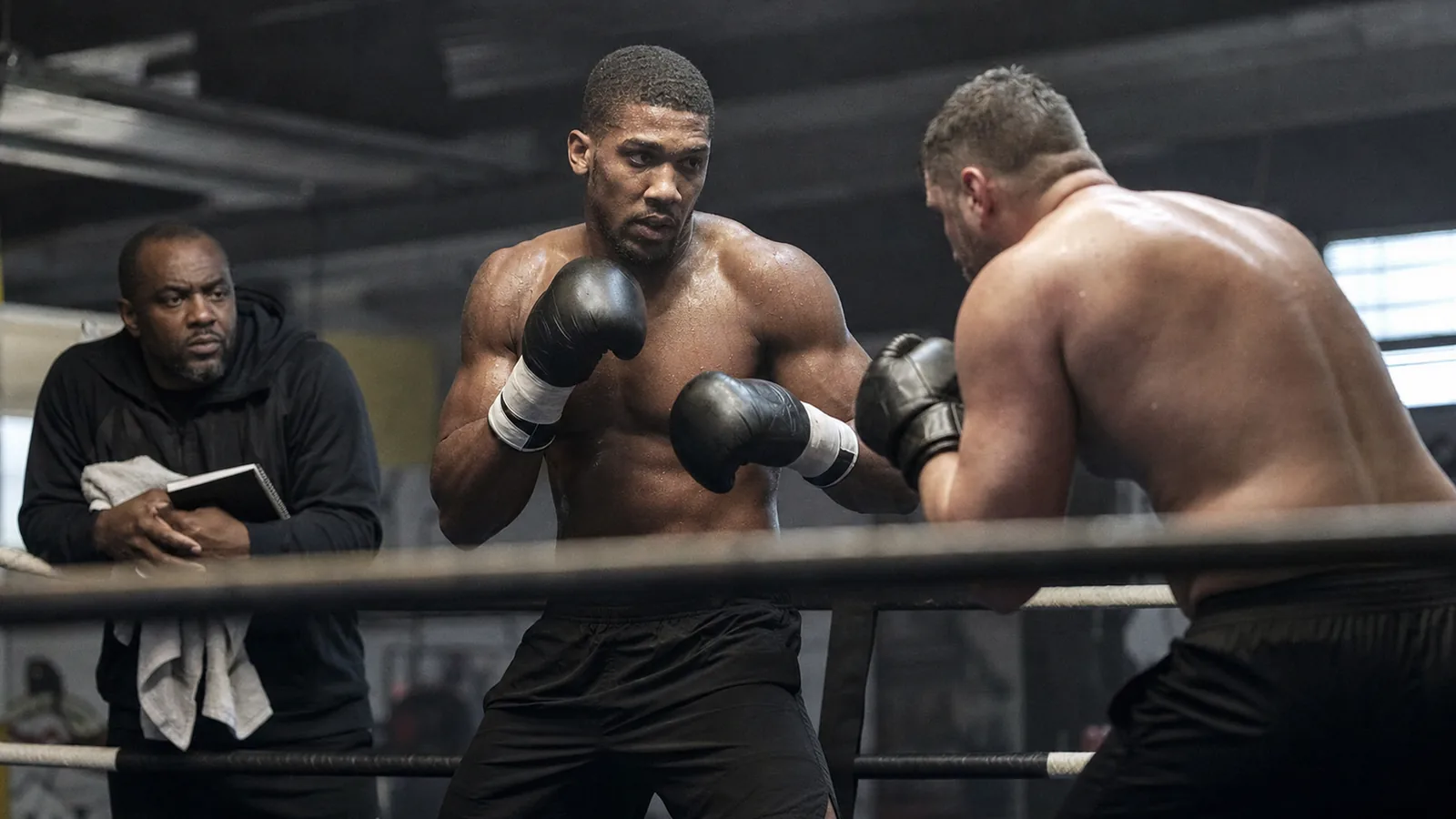
The expected winner still has something to prove
Joshua last boxed in December, stopping Jake Paul in six rounds. Since then, he has been through a period no fighter should have to process in public, following the fatal car crash in Nigeria that killed two members of his team. The BBC’s fight guide rightly places that context alongside the sporting one.
No sensible person expects a boxing match to answer questions about grief. It cannot. But a return to the ring does test a fighter’s ability to settle back into routine, accept uncertainty and execute when the bell goes. Joshua has always been a structured athlete. The question on Saturday is whether his timing and judgement look as settled as his physique.
This is where the lazy line about “an easy opponent” misses the point. A comeback opponent is often selected because the favourite needs rounds, not because he needs a scrap. That makes the favourite’s decisions more revealing.
Does Joshua rush to prove he is still dangerous? Does he fall into single shots because he expects Prenga to fold? Does he overreach when the first clean right hand does not end the night? Or does he use the jab, hold the centre of the ring and let the openings arrive?
The best version of Joshua does not need to manufacture drama. He establishes distance, makes opponents react to his lead hand and then hits with authority when the feet are right beneath him. This should be an opportunity to show that version again.
Prenga has one clear route into the fight
Prenga is not being presented as a polished heavyweight contender. He is being presented as a danger man with a puncher’s record.
The Radio Times profile describes the Albanian as a 6ft 5in knockout specialist, while ESPN’s preview is blunter about the leap in class. Prenga’s recent opposition has not prepared him for the level of Joshua. That is the reality.
Still, every one of Prenga’s 20 wins has come inside the distance. A 100 per cent knockout rate can be inflated by modest opposition, but it cannot be ignored in a heavyweight ring. Big men do not need a long spell of dominance to change a contest. They need one clean connection when the other man is squared up, reaching or mentally impatient.
That is Prenga’s chance. He needs Joshua to return too eagerly, stand in front of him too long and assume that a wide opening is safe because the opponent is supposed to be inferior.
It is not a sophisticated route to victory, but it is a real one. Heavyweight boxing rewards consequence. A boxer can be the better athlete, better technician and far more accomplished professional, then make one poor decision and spend the rest of the night trying to recover from it.
Joshua knows that better than most. His first defeat to Andy Ruiz Jr was the clearest modern example of a heavyweight favourite allowing a seemingly controlled moment to become a crisis. Joshua rebuilt impressively after that night, but the lesson remains permanent: do not confuse being in control with being invulnerable.
Timing is not fitness
There is a difference between being fit enough to train and sharp enough to box.
A fighter can complete hard rounds in the gym, look explosive on pads and still need a round or two to rediscover the particular rhythm of a real contest. The opponent is unfamiliar. The gloves feel different. The referee interrupts. The crowd reacts. A feint carries an actual threat rather than being a rehearsed gym pattern.
That is why the early rounds should be watched closely.
Joshua should not be judged solely on whether he gets a knockout. A first-round blowout would excite the audience, but it would reveal less than three composed rounds of good work. Watch his feet after the jab. Watch whether he exits on an angle rather than admiring his shots. Watch whether he resets when Prenga throws back. Watch whether he goes downstairs to take energy out of a heavier opponent instead of hunting a head shot because the occasion demands a highlight.
Box.Live’s comparison puts the experience gap in sharp numbers: Joshua has completed 173 professional rounds to Prenga’s 53. That is a serious difference in ring education. The experienced fighter should look experienced, particularly when the first plan does not immediately produce a finish.
A good return is not reckless. It is controlled enough to collect information, decisive enough to punish a mistake and calm enough to ignore the temptation to make every punch a statement.
The Fury fight is the prize, but it cannot be the focus
Nobody needs reminding of why this is happening. Joshua against Tyson Fury remains the British heavyweight fight that has hung over the division for years. The Independent’s preview frames Prenga as the warm-up for that long-awaited meeting, while Split Decision’s event guide reports that Joshua is a heavy betting favourite.
That future fight is the commercial prize. It should not become Joshua’s tactical focus on Saturday.
Fighters make mistakes when they start boxing the next opponent before they have dealt with the current one. A possible November date, a giant stadium, streaming figures and old rivalries do not stop a right hand. The job is Prenga first. Everything else can wait.
It is also worth remembering that Fury has his own warm-up bout the night before. Boxing has spent years teaching us that big fights are only “signed” until somebody gets injured, loses or changes direction. The sensible approach is to enjoy the prospect without pretending the path is guaranteed.
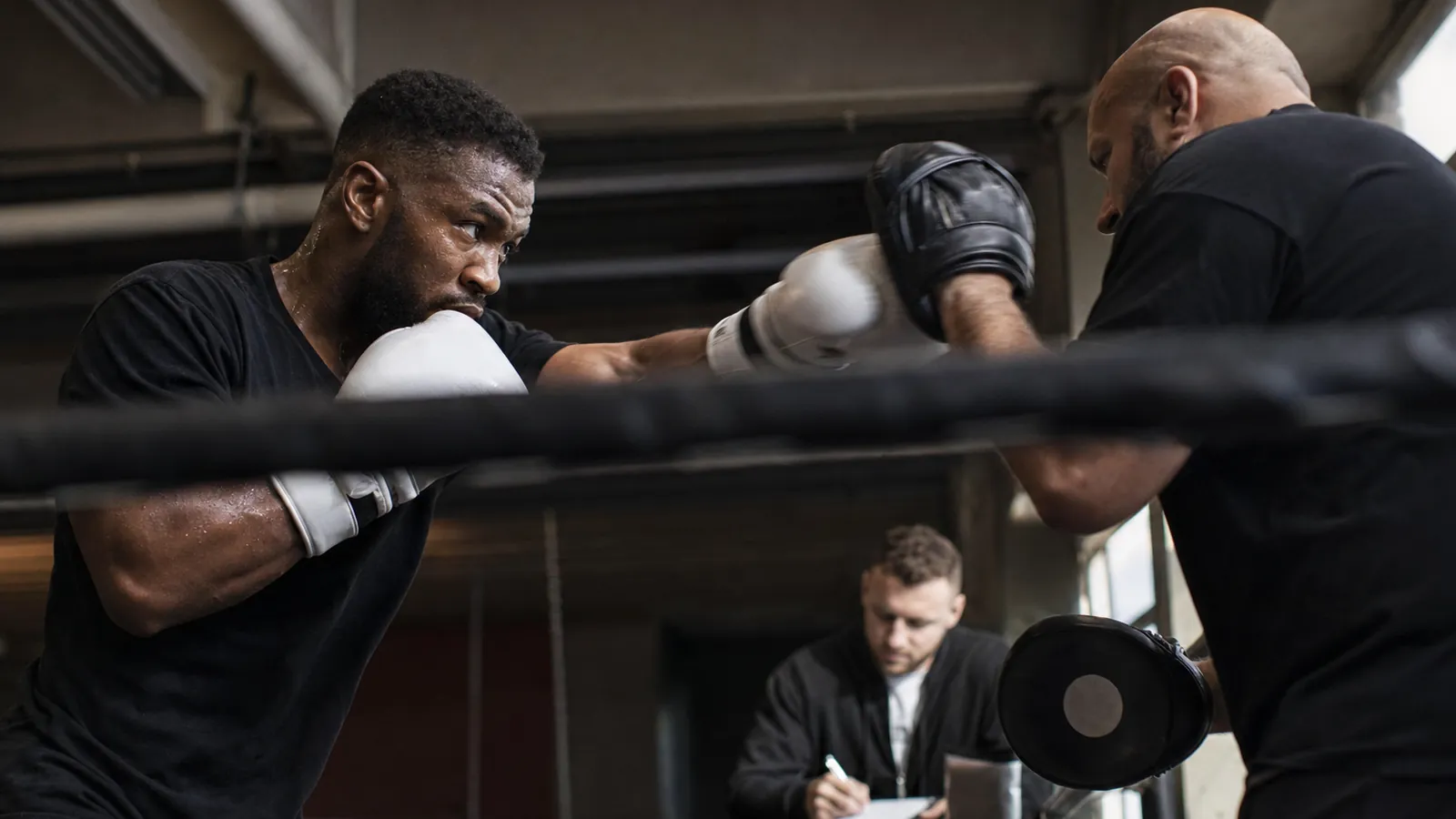
What young boxers should watch
For young boxers, and for adults starting out at a club, this is a useful fight precisely because it is not meant to be a war.
Watch how Joshua solves a simpler problem without making it complicated. Does he establish his jab before looking for power? Does he react well if Prenga lands something clean? Does he maintain his guard after punching? Does he keep making good decisions after the crowd starts asking for a knockout?
Those are the habits that matter in every gym, from elite heavyweight training camps to a first session in Kidbrooke. Boxing is not about throwing the hardest shot you can find. It is about balance, distance, patience and keeping your head when the plan changes.
The two world-title fights underneath the main event also deserve attention. Hamzah Sheeraz against Simon Zachenhuber and Josh Kelly against Caoimhin Agyarko give the card genuine competitive weight, rather than making it a one-fight television show. The latest running order and broadcast details are worth checking close to fight night because ringwalk times can move.
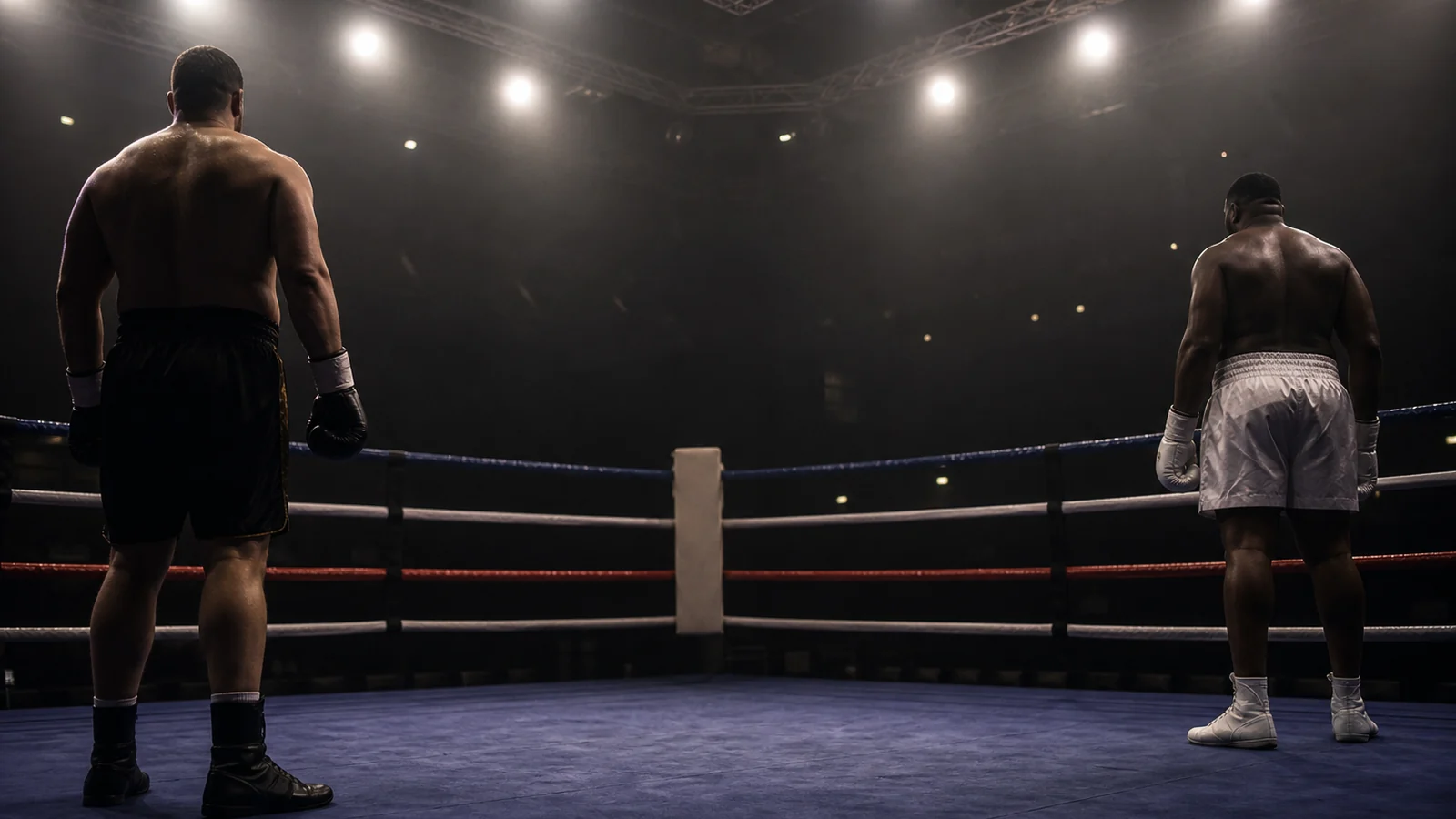
Joshua should win. He should win clearly. But that is not the same as saying the opponent does not matter.
Prenga is there to test whether Joshua can return with his timing intact, his composure steady and his decision-making sharp. If Joshua handles that task properly, the Fury conversation can begin again. If he does not, heavyweight boxing will remind everyone that there is no such thing as a harmless opponent once the bell rings.
If you want to learn the fundamentals behind those decisions, from stance and balance to controlled combinations, book a trial at Honour & Glory Boxing Club.
H&G Team
Writer at Honour & Glory Boxing Club, a community boxing gym in Kidbrooke, South East London.
KEEP READING
Anthony Joshua’s Prenga comeback: surviving knockdowns
A coaching-led look at what Joshua’s two knockdowns and second-round knockout reveal about composure, defensive recovery and the difference between surviving danger and solving it.
Fury vs Joshua 2026: Why British Boxing Still Needs It
Use the reported Q4 2026 mega-fight as a wider piece on why Fury vs Joshua still matters: national attention, casual fans returning, heavyweight legacy, and what young boxers can learn from two very different careers.
Anthony Joshua's Boxing Journey
Anthony Joshua started boxing at 18 with no experience. Within five years he was Olympic champion. Here is the full story of how AJ went from complete beginner to heavyweight king.
Was this page helpful?
It takes one tap, and it genuinely helps.
Choose your next step
Turn this article into the right action
Some readers are ready to book. Some need the class route first. Pick the route that matches what you actually want.