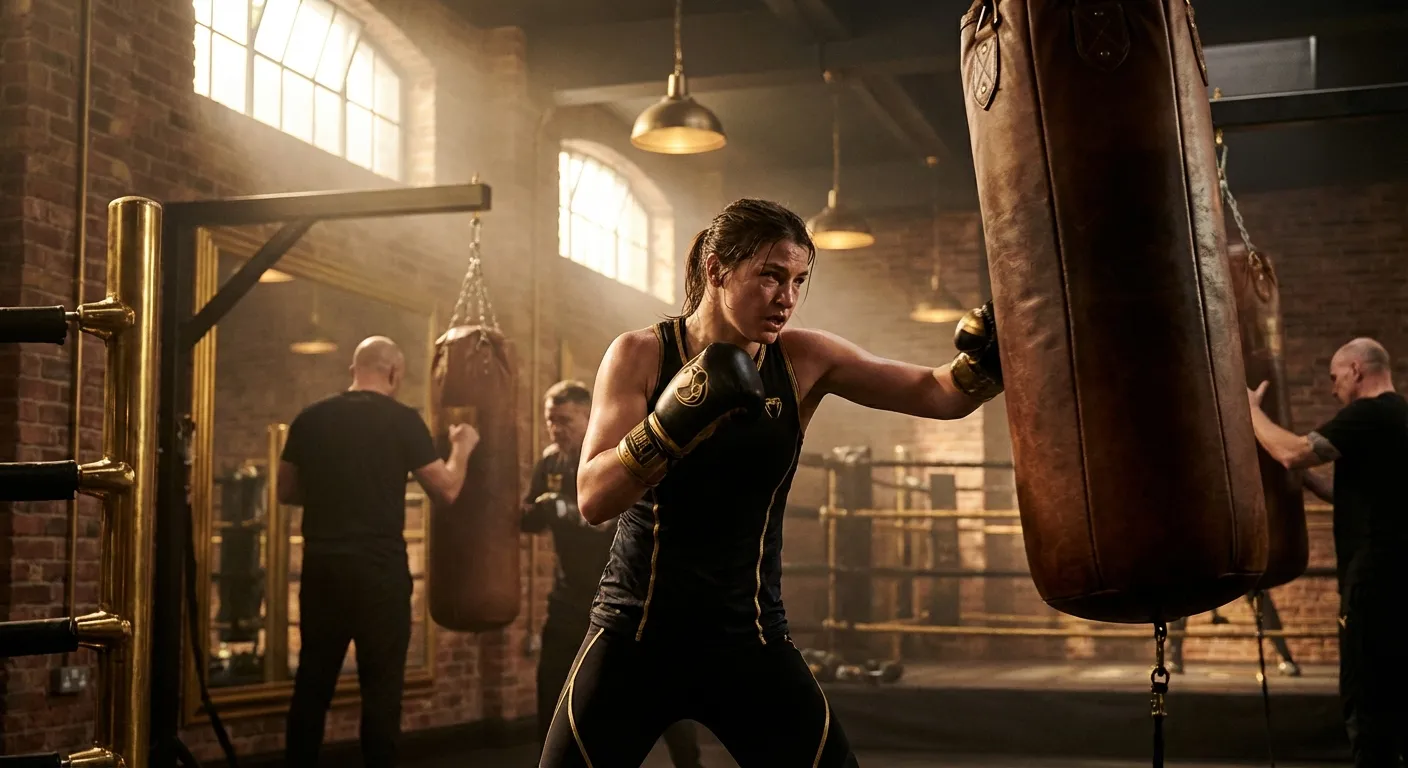
Research on women's boxing safety found injury rates in women's boxing training comparable to other contact sports and significantly below the public perception. England Boxing's women's participation data shows female membership growing despite these misconceptions.
Women who are interested in boxing but have not started yet frequently cite specific concerns. These concerns are understandable given how boxing is portrayed in media and popular culture. Most of them are based on a misunderstanding of what training actually involves.
Here are the most common myths, addressed directly.
"You Will Get Hit in the Face"
In recreational training, you will not get hit in the face. Pad work involves a partner holding pads for you to hit, not hitting you. Bag work is solo. Shadow boxing is solo.
Contact work in boxing training is graduated and consensual. You do not progress to controlled partner work until the coach judges you ready, and when you do, the level of contact is agreed and managed.
Sparring - where the intent is to simulate competitive conditions - comes much later in training if it comes at all. Many recreational boxers train for years without sparring.
The image of someone walking into a boxing gym and immediately getting punched at is not how boxing training works.
"Your Face Will Get Damaged"
This concern applies to competitive boxing, not to training. Competitive boxers at professional and high amateur levels accumulate facial damage from years of fighting.
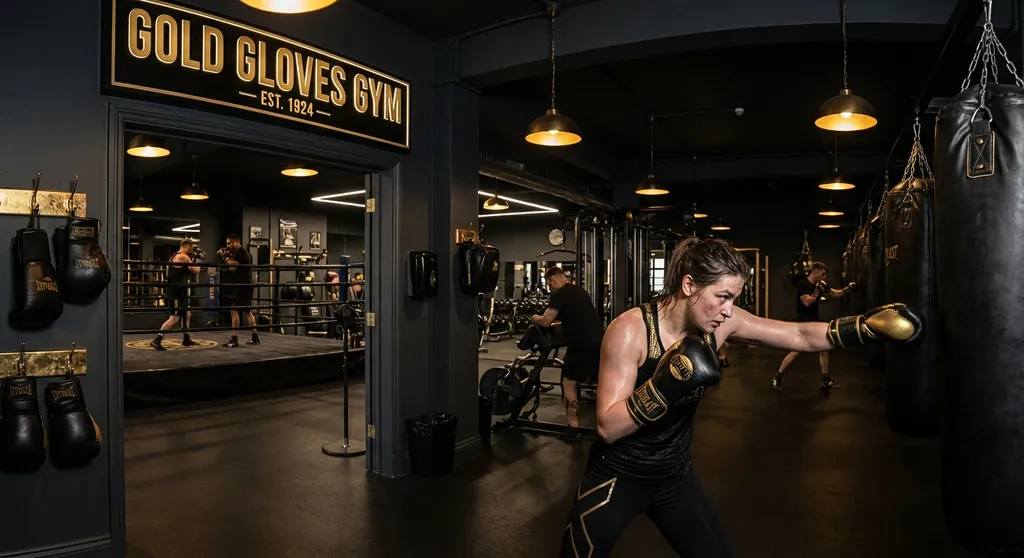
Recreational training produces the same kind of minor bumps and bruises that any physical sport produces. Contact with equipment - bags, pads - occasionally produces minor hand or wrist strain. This is the realistic injury profile of recreational boxing training.
Female recreational boxers who do not compete do not develop the facial damage associated with professional fighters.
"It Is Too Aggressive for Me"
The assumption that boxing requires pre-existing aggression is wrong. It requires the willingness to engage with something physically demanding. Aggression is neither a prerequisite nor a product of good boxing training.
Many of the most technically precise boxers are not aggressive personalities. Technical boxing is about control, timing, and positioning - qualities that thoughtful, composed people often develop well.
The women who succeed most quickly in our class are frequently the ones described as "not aggressive" by people who know them outside the gym. Composure is an asset in boxing.
"It Is Not Appropriate for Women"
This concern is cultural, not physical, and the culture has changed significantly.
Women have competed in Olympic boxing since 2012. British female boxers hold multiple world titles. The BBC and mainstream sports media cover women's boxing as a normal part of sports coverage (source).
The "not appropriate" framing belongs to a cultural moment that has passed.
"Women Are Too Fragile for Boxing"
Female bodies are not more fragile than male bodies. The injury research does not support elevated injury rates for women in boxing training compared to men.
The specific physical differences between male and female bodies - lower average muscle mass, different hormone profiles - affect competitive matchups, which is why women compete separately from men. They do not affect the appropriateness of boxing training.
Women who train seriously become stronger, fitter, and more physically resilient. The idea that female bodies cannot tolerate the demands of boxing training is not supported by any evidence.
"I Would Not Know Anyone There"
This is the only concern on this list that is actually accurate and worth addressing.
The first session at any boxing gym when you know nobody is really uncomfortable. New environment, new people, unfamiliar activity. This discomfort is normal and temporary.
At Honour and Glory's Women's Boxing class, the Saturday morning structure means you will encounter the same women repeatedly if you keep coming. By week four, you know people. By week eight, you feel like a regular.
The discomfort of the first session is the price of admission to everything that follows it.
H&G Team
Writer at Honour & Glory Boxing Club, a community boxing gym in Kidbrooke, South East London.
KEEP READING
Does Boxing Make Women Bulky? The Honest Answer From the Gym
The fear of getting too muscular stops many women from trying boxing. The honest answer from coaches and experienced female boxers should settle this question permanently.
Why Women-Only Boxing Classes Work
Women-only boxing classes are not segregation - they are a specific solution to specific barriers that mixed classes do not remove. Here is the psychology behind why they work.
Boxing After Trauma: Safety, Choice and Support
Some women find boxing confidence-building, but it is not trauma treatment. Choose the pace, contact level and environment carefully.
Was this page helpful?
It takes one tap, and it genuinely helps.
Choose your next step
Turn this article into the right action
Some readers are ready to book. Some need the class route first. Pick the route that matches what you actually want.