Diego Pacheco vs Darius Fulghum: fight-week guide
Diego Pacheco vs Darius Fulghum: fight-week guide
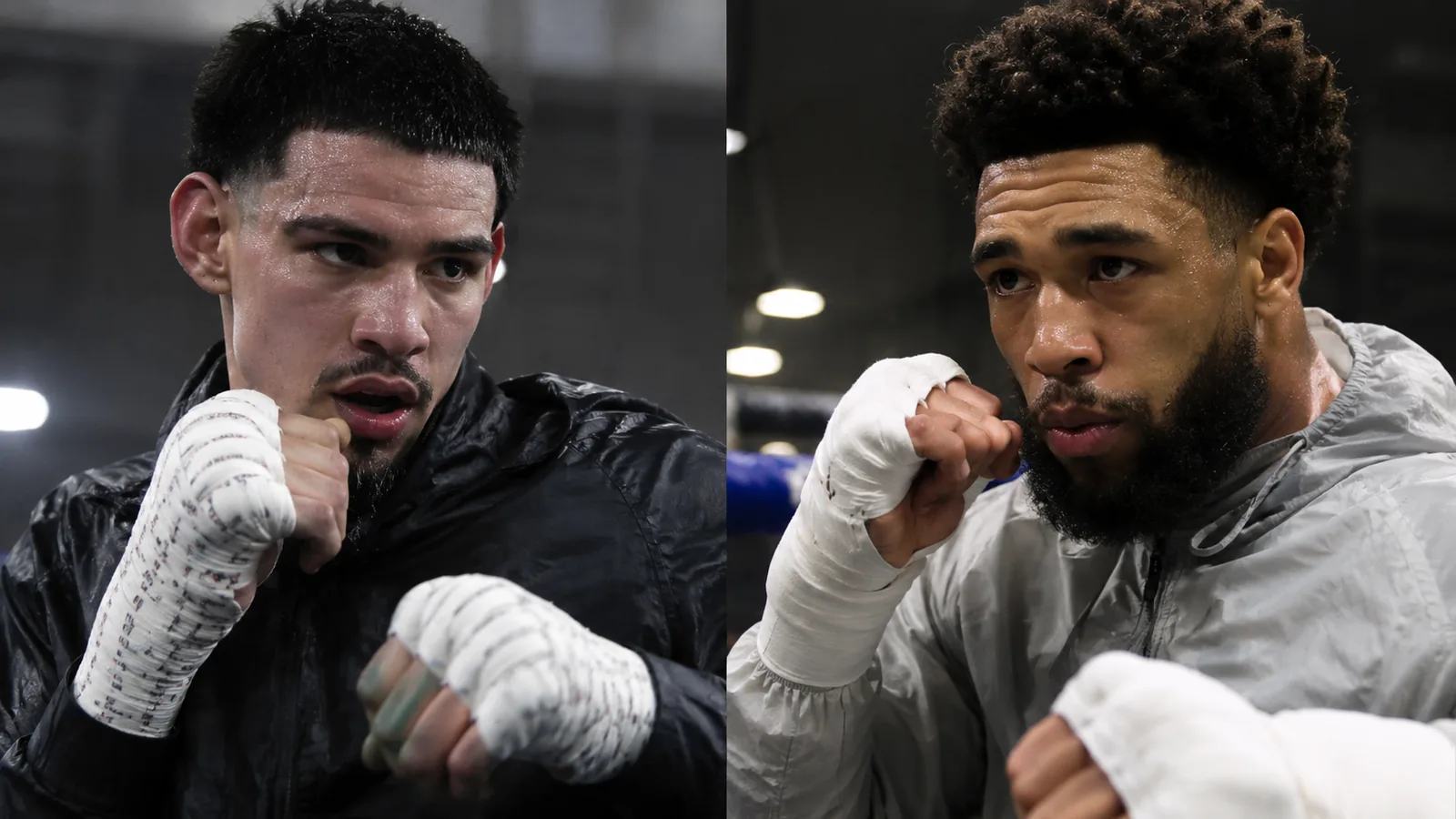
Diego Pacheco has spent years being labelled one of American boxing’s next serious super-middleweight contenders. On Saturday 14 November, he gets a proper test of that claim.
The unbeaten Los Angeles fighter meets Houston puncher Darius Fulghum at Dignity Health Sports Park in Carson, California, with Pacheco’s WBC Silver and WBO International super-middleweight belts on the line. This is a confirmed, forthcoming contest, not a reference to an earlier meeting between the pair. The official Matchroom event listing confirms the date as Saturday 14 November 2026.
It is a well-made fight. Pacheco brings the higher ranking, the unbeaten record and the home-region advantage. Fulghum brings the sort of power that can make a long night become a short one. Neither man needs to manufacture bad blood. At 168lb, this is a fight with a clear prize: the winner moves much closer to a world-title opportunity.
For British viewers, the card is scheduled to air live on DAZN, while the United States broadcast is shared across DAZN, TNT Sports and truTV. Exact UK ring-walk times had not been formally confirmed at the time of writing, but a California main event means an early-hours Sunday morning start is likely in Britain. Check DAZN’s schedule nearer the night rather than setting an alarm based on a guessed ring-walk.
The fight at a glance
Pacheco enters at 26-0 with 19 knockouts. Fulghum is 15-1-1 with 13 knockouts. The records tell part of the story, but the percentage figures are more useful: both men carry real stopping power, and Fulghum has ended 13 of his 15 wins inside the distance.
According to British Boxing News’ event preview, Pacheco is ranked No. 2 with the WBO and No. 3 with the WBC, while Fulghum is No. 5 with the WBO. Those are not decorative rankings. In a division crowded with established names, an impressive win could be worth more than merely retaining a secondary belt.
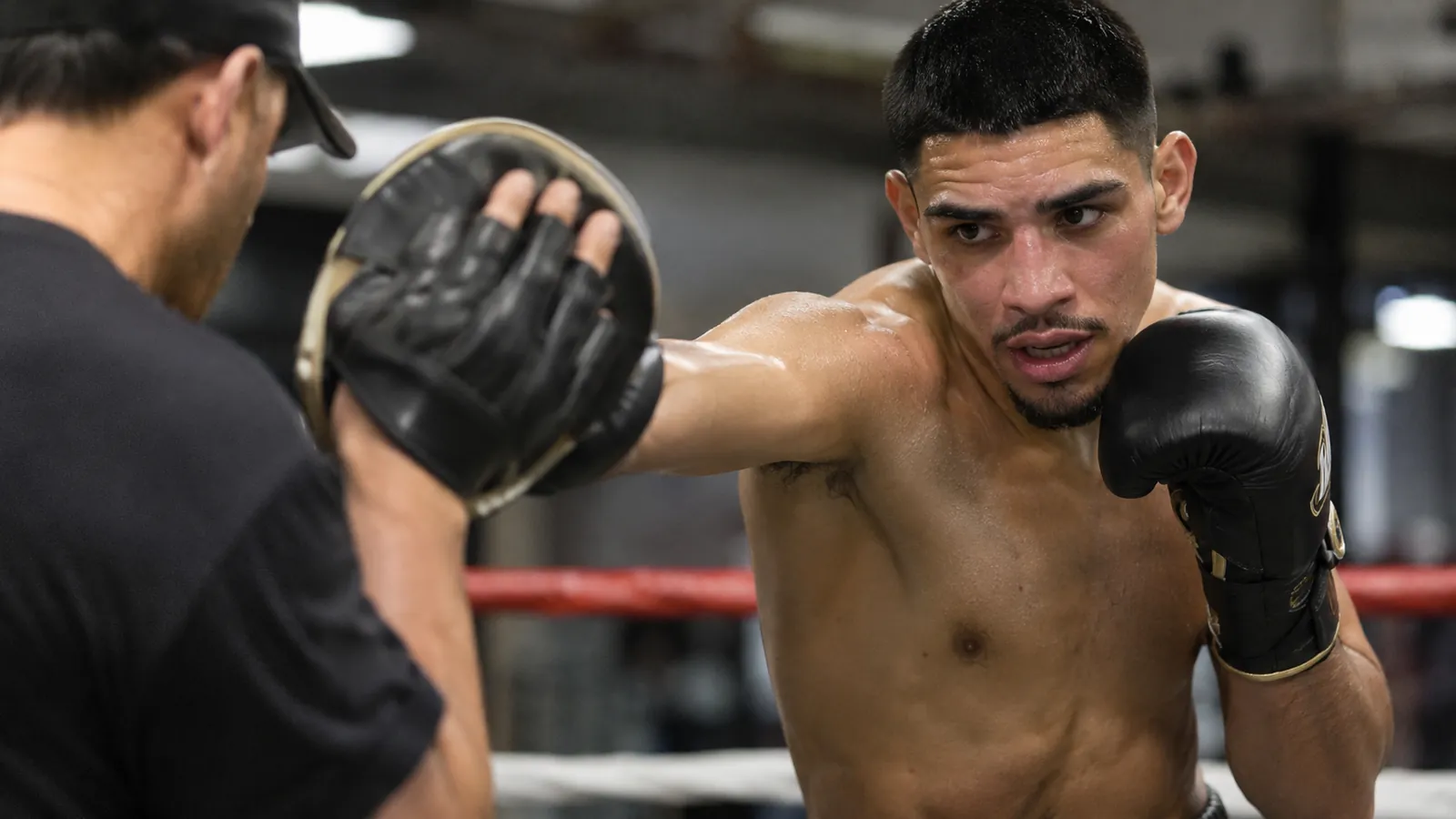
Pacheco is 6ft 4in with a 79-inch reach, an imposing frame at super-middleweight and a fighter who has increasingly learned how to use it properly. He is no longer just a tall prospect throwing shots at a safe distance. Under Buddy McGirt, there has been greater patience to his work. He has become more willing to touch the body, vary the jab and make opponents carry his size over rounds.
Fulghum is the challenger, but not a passive one. The former amateur standout has a sharp right hand, heavy hooks and a direct approach that makes him dangerous before opponents have settled. He has made no secret of the stakes, warning Pacheco that he cannot afford complacency in comments reported by FightBook MMA.
That confidence is understandable. Fulghum did not accept this fight to lose a respectable points decision against the more marketable unbeaten man.
Why Carson matters for Pacheco
Dignity Health Sports Park has become a useful venue for Pacheco. It is close to his South Central Los Angeles roots, gives him a familiar Southern California setting and has already hosted one of his more emphatic wins, his sixth-round stoppage of Maciej Sulecki in 2024.
The venue is often called the War Grounds for good reason. It is not a giant casino arena where a favourite can drift through twelve cautious rounds without scrutiny. The atmosphere tends to reward fighters who take responsibility. Pacheco should have vocal support, but home advantage is only an advantage if he boxes with discipline rather than trying to force a statement knockout.
His most recent Carson outing, an 11th-round stoppage of Immanuwel Aleem, showed both sides of Pacheco. He had to solve problems, keep working and remain composed before the finish arrived. That is valuable experience for a 25-year-old fighter who may soon be operating at world level.
The Fights Around The World announcement correctly frames this as a meaningful super-middleweight contest rather than a routine defence. Pacheco has the opportunity to look like a future champion. Fulghum has the chance to derail a fast-moving plan.
The tactical question: can Fulghum get close enough?
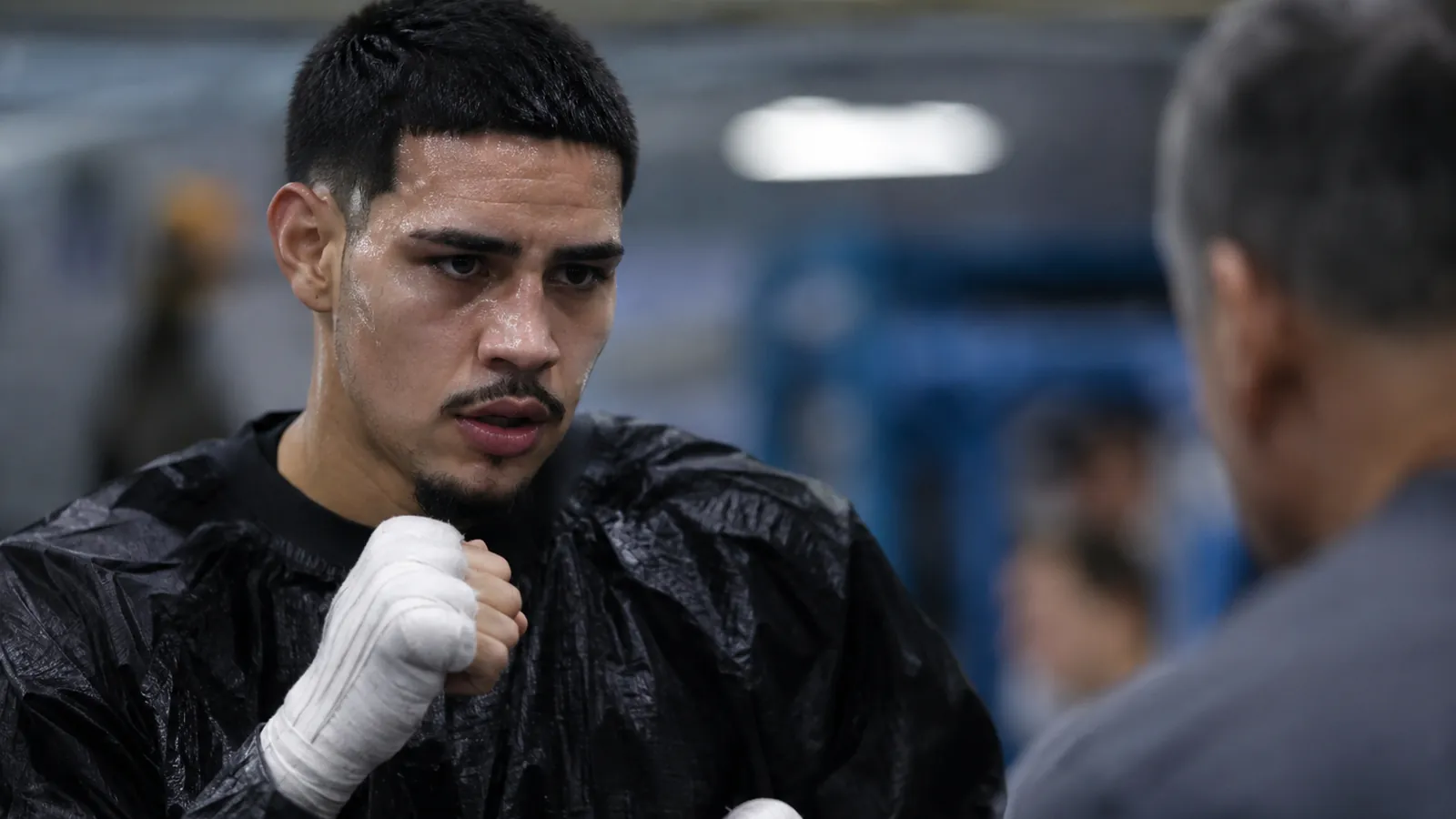
This fight begins with Pacheco’s jab.
A tall southpaw or orthodox boxer with a long reach can make opponents look ordinary simply by owning the lead hand. Pacheco is orthodox, and his best work comes when he establishes distance with the jab, follows it with a straight right and then lets his left hook work when opponents become predictable.
Fulghum cannot spend six rounds waiting at the end of that reach. He needs to make Pacheco reset. That means feints, head movement on entry and attacks to the chest and body rather than loading up with single head shots from too far out.
The obvious concern for Fulghum is that his aggression could become linear. Pacheco has the height to see straight-line attacks coming, and he is increasingly comfortable taking a half-step back before firing a right uppercut or hook. If Fulghum walks in upright, Pacheco can pick him apart.
But Pacheco has his own question to answer. He is the more polished fighter, yet polished fighters can become too comfortable boxing at range. Fulghum’s punch output and power mean Pacheco cannot simply keep a high guard, admire his jab and expect the rounds to fall into place. He needs to punish entries, particularly with body shots, and make Fulghum pay every time he tries to cross the distance.
The first four rounds will tell us plenty. If Pacheco is moving his feet, controlling Fulghum with the jab and landing the cleaner right hand, the champion should take over as the fight progresses. If Fulghum is landing hooks around the guard and forcing Pacheco to hold or retreat in straight lines, this could become very uncomfortable.
Do not overlook the engine
Pacheco’s record carries 19 knockouts, but the Aleem fight was an important reminder that his value is not limited to early stoppages. He can build pressure, keep his shape and find a finish late. That is a hard quality to teach.
Fulghum’s power is arguably the more immediate equaliser. His 13 stoppages in 15 victories tell you he has not been winning merely by being busy. Yet the challenger’s only defeat came on points against Bektemir Melikuziev, a bout which asked hard questions about his ability to deal with sustained pressure and a technically superior opponent.
Pacheco is not Melikuziev. He does not fight with the same southpaw angles or constant physical intensity. But he should have studied that contest closely. Fulghum can be made to reach, and a reaching puncher is vulnerable to counters.
The danger is assuming that one defeat provides a complete blueprint. It does not. Fighters improve, and Fulghum has since rebuilt with decisive wins. Pacheco must earn control rather than expecting it.
The undercard
The official card is stronger than a standard supporting bill. Flyweight titleholder Anthony Olascuaga faces two-time Olympic medallist Yuberjen Martinez, while Britain’s David Adeleye meets Alexander Flores in a heavyweight contest.
Charlie Sheehy faces Gabe Flores, and unbeaten prospect Zaquin Moses is also listed. The full Matchroom card is subject to the usual late changes, but Olascuaga versus Martinez is particularly worth catching for viewers who appreciate fast, skilled lower-weight boxing.
Adeleye’s appearance will also draw British attention. The London heavyweight has genuine power and a tendency to make fights lively, whatever the opponent brings.
The verdict
Pacheco should win, but this is not a soft defence dressed up with rankings.
He has the better body of work, the physical advantages and the more developed ring craft. If he stays patient, makes Fulghum miss on the way in and works consistently to the body, he should pull the challenger apart over the second half of the contest.
Fulghum’s route is clear: disrupt the jab, force exchanges and test whether Pacheco is as comfortable under concentrated fire as he is at long range. He has enough power to turn the prediction on its head.
The pick is Pacheco by late stoppage, somewhere between rounds eight and ten. He is the more complete fighter, and this feels like the kind of contest that should sharpen him for the bigger nights ahead.
For young boxers in Kidbrooke watching at home, there is a useful lesson in it. Reach is only useful when it is backed by footwork, discipline and a jab thrown with purpose. Power is only useful when it gets you into range safely. Those fundamentals are exactly where boxing starts, whether you are preparing for competition or joining a first Honour & Glory Boxing Club trial session.
H&G Team
Writer at Honour & Glory Boxing Club, a community boxing gym in Kidbrooke, South East London.
KEEP READING
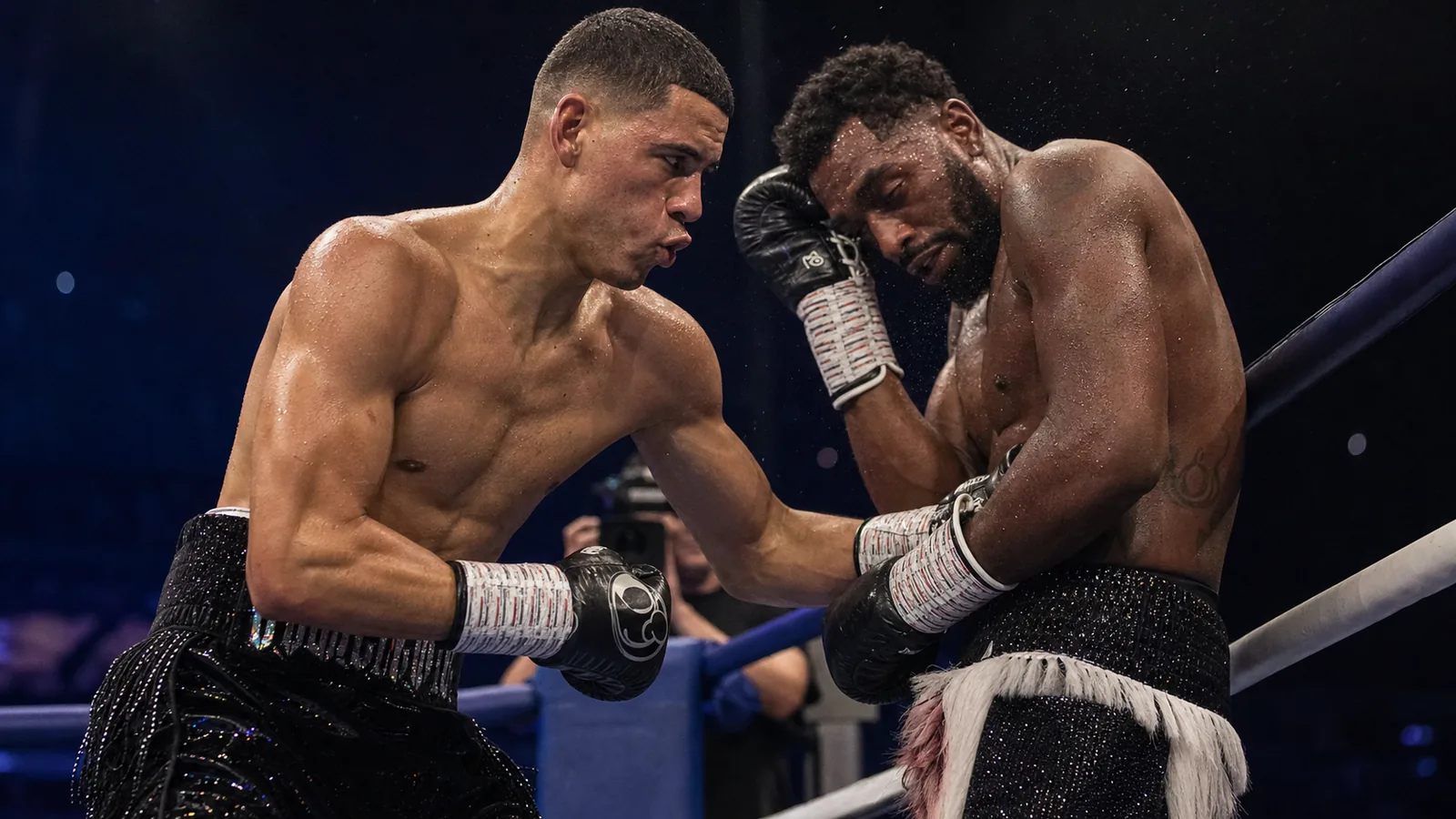
Diego Pacheco’s late stoppage: how pressure wins
How Diego Pacheco's body work, distance control and sustained pressure shaped his late finish against Immanuwel Aleem.
Omari Jones vs Diego Osuna: Prospect Lessons
The composure, tempo and development lessons from Omari Jones vs Diego Osuna, including the demands of moving from amateur to professional rounds.
Smith vs Puello: fight-week guide
A fight-week guide to Smith vs Puello, covering the styles, title stakes and UK viewing information for the Sheffield contest.
Was this page helpful?
It takes one tap, and it genuinely helps.
Choose your next step
Turn this article into the right action
Some readers are ready to book. Some need the class route first. Pick the route that matches what you actually want.