Omari Jones vs Diego Osuna: Prospect Lessons for Developing Boxers
If you are a developing boxer, Omari Jones is worth watching for more than the record.
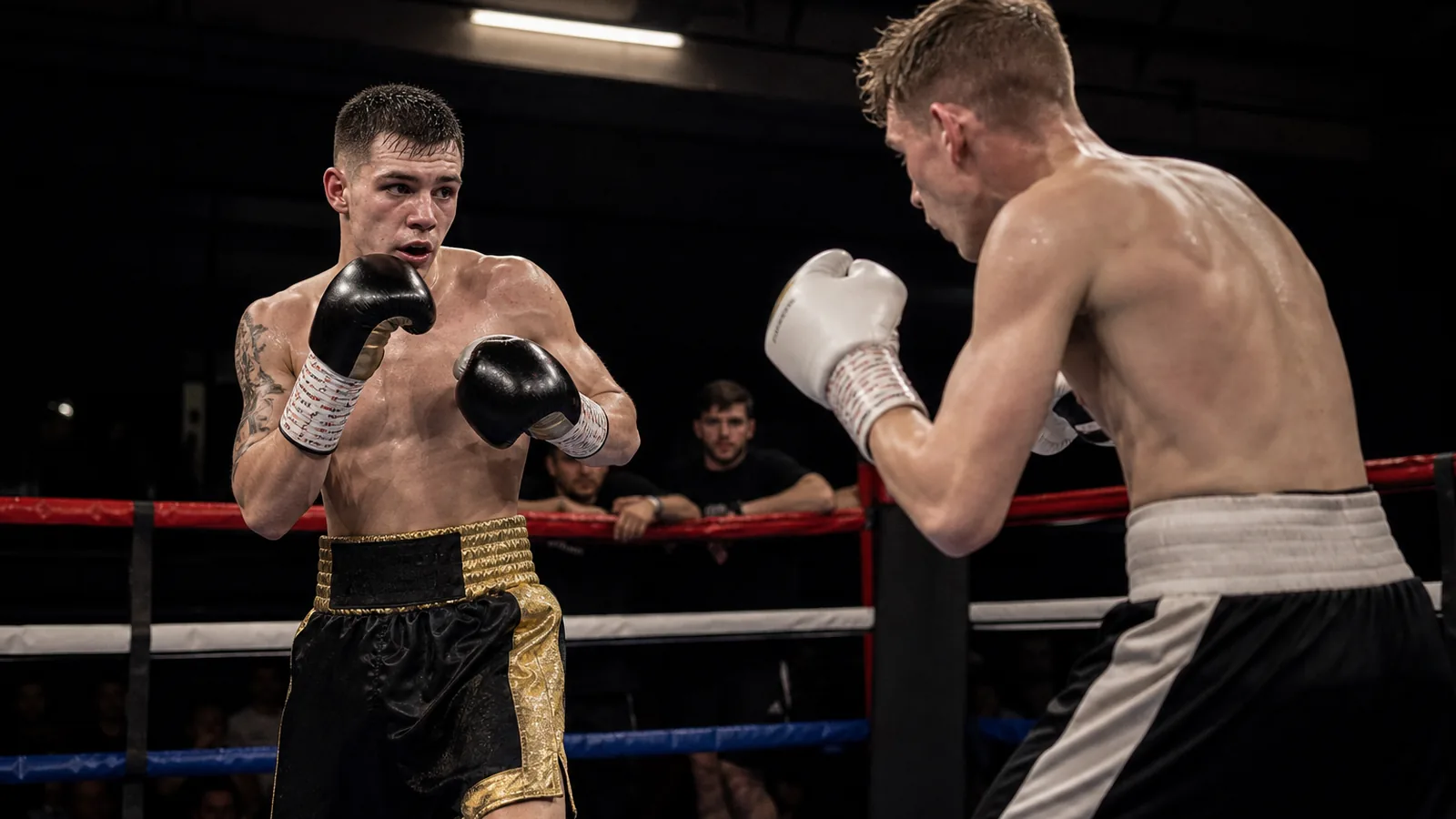
The easy headline is that Jones moved to 7 and 0 as a professional after outpointing Diego Osuna Zuniga, with BoxingScene calling it “seven from seven” in its report on Jones maintaining his professional progress. That matters, of course. Winning matters. Staying unbeaten matters. But for a young boxer, or a coach watching for teachable moments, the useful part is not simply that Jones won. It is how he carried himself through the rounds.
The DAZN-highlighted fight video gives a sharp look at a prospect learning the pro game in public: calm under attention, confident without rushing, able to box at a tempo that suits him, and still clearly in the stage where every round is part of his education.
That is the sweet spot for study. Not a finished champion. Not a novice. A talented amateur moving through the professional ranks, having to prove that pedigree can become paid-round control.
The first lesson: composure is not the same as doing less
Jones boxed with the air of a fighter who does not feel the need to answer every small question immediately. That sounds simple. It is not.
A lot of developing boxers confuse composure with passivity. They hear “stay calm” and start waiting too long. Jones shows something different. He stays emotionally flat, but he is still working. His feet are switched on. His eyes are working. His lead hand is active enough to keep Osuna thinking. He does not have to throw hard every second to be in control.
That is a big prospect lesson. Composure is active. It is the ability to stay organised while still gathering information.
You could see from the pre-fight temperature that Jones was not entering a quiet gym spar. There was needle around the contest, including the weigh-in and face-off footage, where Jones looked comfortable with a bit of talk and theatre. Some fighters burn energy there. They make the weigh-in the first round, then pay for it when the bell goes. Jones looked like he enjoyed it, but did not seem owned by it.
That matters for young boxers. Confidence before the fight is cheap. Control once punches are coming back is the real currency.
At Honour & Glory in Kidbrooke, we tell boxers that composure starts long before sparring. It starts when you can listen while tired. It starts when you can take a correction without sulking. It starts when you can lose one exchange without trying to win the next five all at once. Jones vs Osuna is a useful reminder that the calm fighter often looks less dramatic precisely because he is making better decisions.
Unbeaten confidence can help you, or hurry you
An unbeaten record is a strange thing. It can make a boxer look bulletproof from the outside, but it can also become a burden. Every prospect has to fight the opponent in front of him and the expectation built around his own name.
Jones came in with real attention on him. The tale of the tape and stats preview framed the contest as another step in his rise, while another Boxing News and Views piece argued that Jones needed to show more against Diego Osuna Zuniga. That is the trap for prospects. If people are asking for more, the fighter can start hunting for a clip instead of winning the fight properly.
Jones did not look like a fighter desperate to force the finish for applause. He boxed like a man aware that professional progress is not always measured by how quickly you get somebody out of there. Sometimes it is measured by how many clean decisions you make in a row.
That is not a call to be cautious. Boxing is not a points-padding exercise. But unbeaten confidence should mean this: “I trust my boxing enough not to panic.” It should not mean: “I must prove I am special with every punch.”
For developing boxers, that distinction is huge. The boxer who tries to look impressive often gets messy. The boxer who tries to win each phase often ends up looking impressive anyway.
Tempo: the hidden skill most beginners miss
Most beginners think boxing tempo means speed. It does not. Tempo is the rhythm of when you work, when you reset, when you feint, when you let the other boxer feel safe, and when you interrupt that comfort.
Jones has that amateur-honed sharpness, but the pro lesson is in how he applies it. He does not just sprint through combinations for the sake of activity. He uses bursts, then makes Osuna restart. He changes the feel enough to stop Osuna from settling into a clean pattern.
That is what young boxers should watch in the fight highlights. Do not just look for the cleanest punch. Watch the seconds before it. Watch how often the opportunity is created by a pause, a half-step, a jab that does not have to land heavily, or a slight change in distance.
Tempo is also about discipline after you score. One of the most common errors in club sparring is the “receipt round”: a boxer lands, admires it, then gets hit back because their feet stop. Or they land once and rush in for three more, walking onto something silly. Jones is a good study because he generally keeps the bout in his rhythm rather than allowing the emotional rhythm of the exchange to take over.
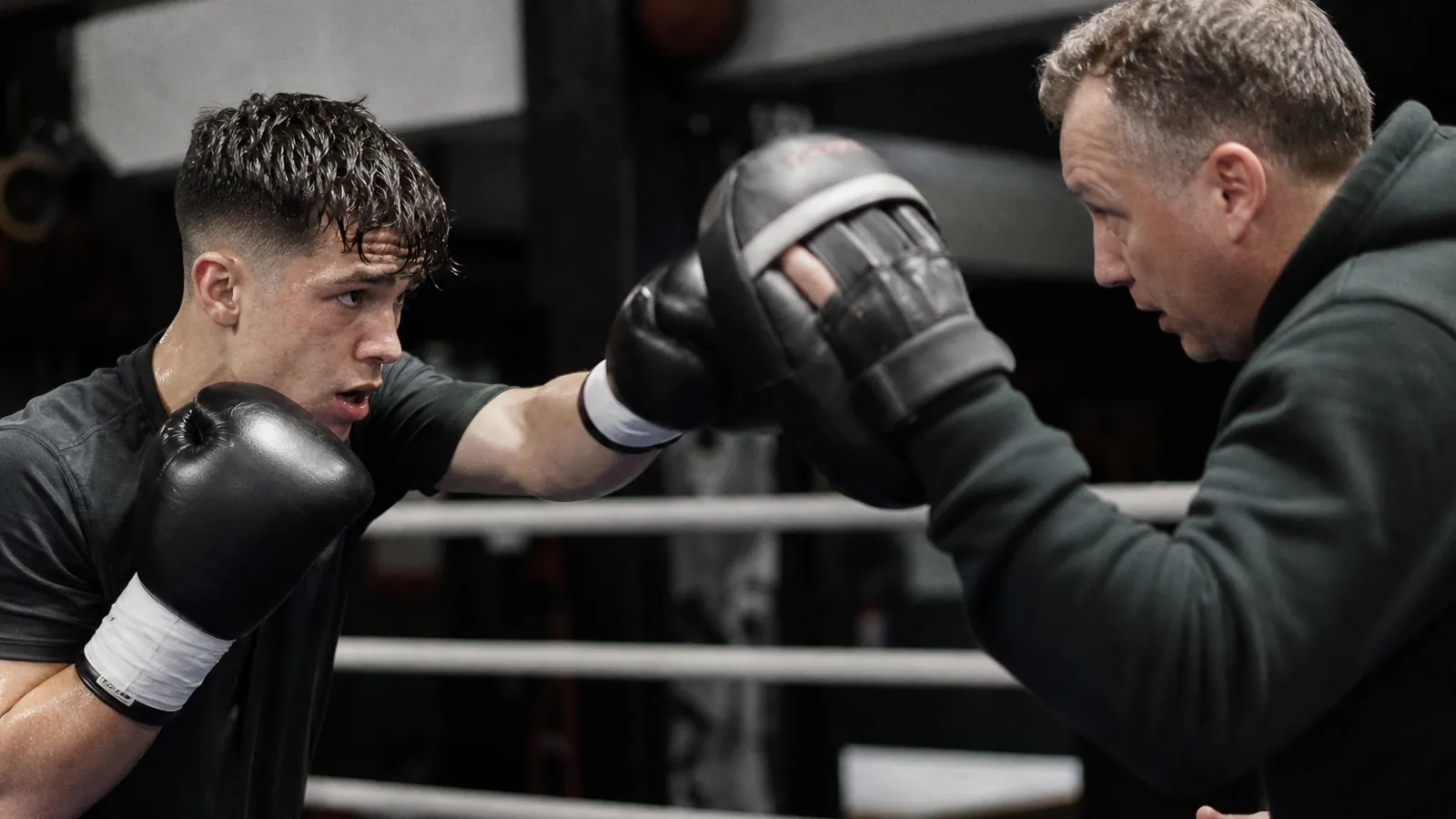
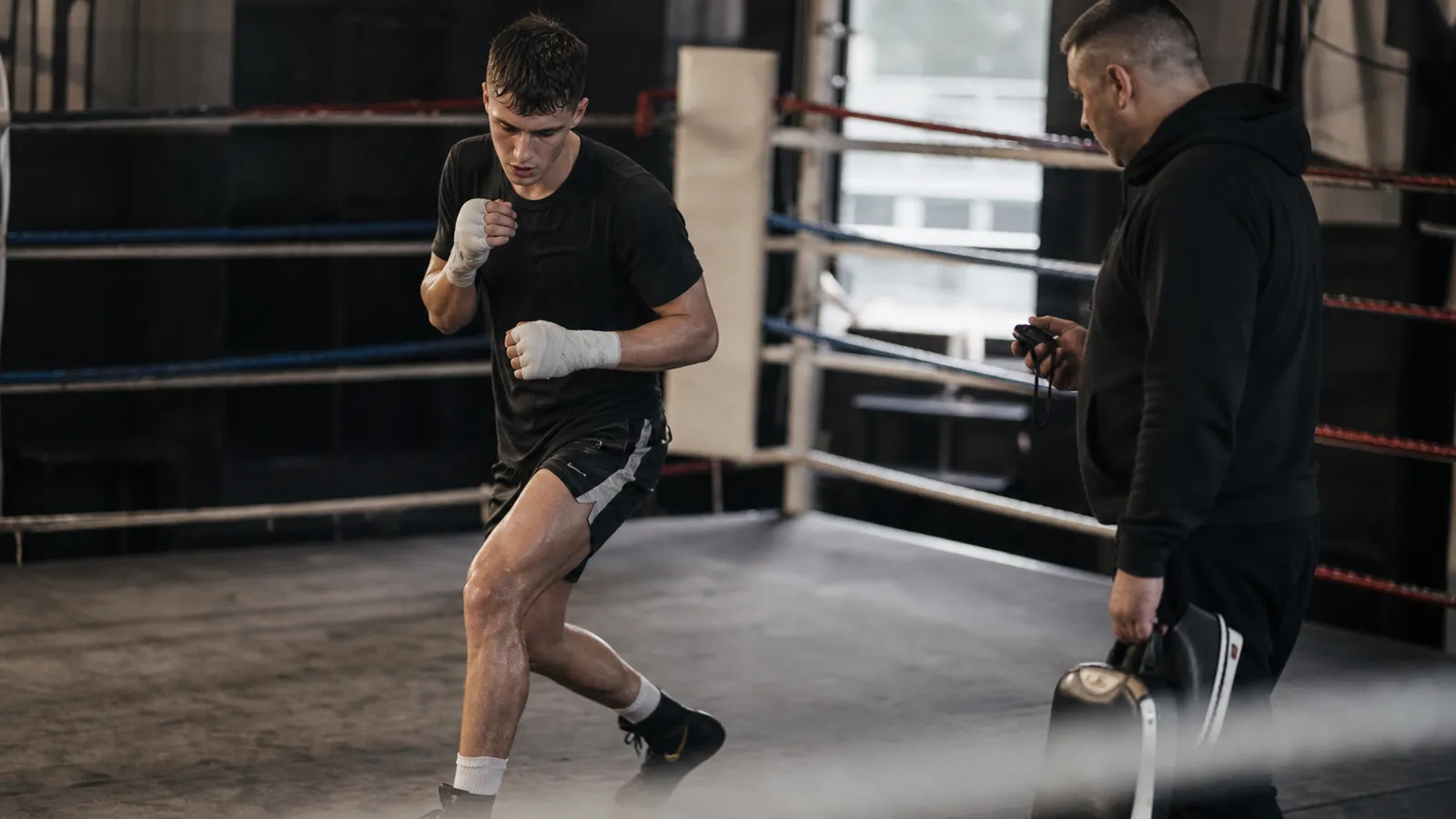
That is trainable. Bag work can train it if it is not just noise. Pad work can train it if the coach demands exits and resets. Sparring can train it if the boxer is asked to win the minute, not just win the moment.
The amateur to pro transition is about time, not just style
Jones has the amateur background and the polished habits that come with it. The question for any decorated amateur turning professional is not whether he can box. It is whether he can stretch that boxing over professional rounds against opponents who are there to survive, spoil, test, and drag him into less tidy exchanges.
Osuna was a useful opponent for that reason. The profile of Diego Osuna Zuniga pointed to a fighter there to ask questions, not simply provide a moving target. That kind of opponent can be awkward for a prospect because he forces patience. He may not give you the clean amateur-style rhythm you want. He may make you lead more than you prefer. He may make the fight feel less pretty.
This is where pro-style learning begins.
In amateur boxing, especially at a high level, the pace can be fierce and the scoring moments come quickly. In the pros, the rounds ask different questions. Can you keep your shape after a quieter minute? Can you win without rushing when the opponent is not giving you obvious openings? Can you bank rounds without becoming predictable? Can you keep your defence honest when you are clearly the more gifted boxer?
Jones answered enough of those questions to win clearly, but he also showed why prospect fights should be treated as development, not coronations. A 7 and 0 fighter is still being built. The public wants certainty. Coaches know better. They look for habits.
Punch stats only matter when they tell a boxing story
The post-fight numbers drew attention too, with Boxing News and Views publishing Jones punch stats and his reaction to winning. Punch stats can be useful, but only if you read them like a boxing person rather than a spreadsheet addict.
Volume without control can hide bad habits. Accuracy without ambition can mean a boxer is waiting too much. Power shots landed can tell you who did damage, but they do not always tell you who controlled the geography of the ring.
In this fight, the more useful question is not just “how many did Jones land?” It is “what did his punch selection make Osuna do?”
That is how developing boxers should watch punch stats. Did the jab stop the opponent stepping in? Did body shots slow his feet later? Did combinations finish with an exit, or did they leave the boxer square? Did the lead hand create safety as well as scoring?
Numbers can confirm what your eyes see. They should not replace your eyes.
What young boxers at H&G should take from it
For a boxer aged 7+ starting out at Honour & Glory, or for a teenager already sparring and thinking seriously about the sport, Jones vs Osuna is a strong study because the lessons are practical.
First, stay calm without going quiet. You can be composed and busy at the same time.
Second, do not let confidence become impatience. If you are better than the person in front of you, prove it by making fewer mistakes, not by forcing a highlight.
Third, control tempo. The boxer who decides when exchanges start and end usually looks like the better boxer because they are making the other person react.
Fourth, respect the transition between formats. Whether you are moving from drills to sparring, from club shows to harder bouts, or from amateur habits towards a more professional style, the next level is rarely about one magic punch. It is about carrying your basics for longer under more pressure.
That is why this fight belongs on a coach’s watchlist, not just a fan’s feed. The wider card drew coverage from outlets such as FightMag’s live results page, but the Jones bout has its own value because it shows a prospect doing the less glamorous work of becoming reliable.
Final bell
Omari Jones did not need to produce chaos to make the fight worth studying. In fact, that is the point.
Prospects are often judged by excitement, but coaches judge them by repeatable habits. Jones showed composure, unbeaten confidence that did not spill into panic, and enough command of tempo to keep his professional progress moving. Osuna gave him rounds, resistance, and the kind of test that tells you more than a quick blowout.
For developing boxers, this is the lesson: do not chase the appearance of being advanced. Build the habits that make you advanced.
If you are in South East London and want to learn boxing properly, Honour & Glory runs Alliance/ABA affiliated classes in Kidbrooke for ages 7+. You can see the club timetable here: /classes.
H&G Team
Writer at Honour & Glory Boxing Club, a community boxing gym in Kidbrooke, South East London.
KEEP READING
Best Boxing Prospects in 2026
H&G's best developing fighters as of 14 August 2026, plus the young champions who have already outgrown the prospect label.
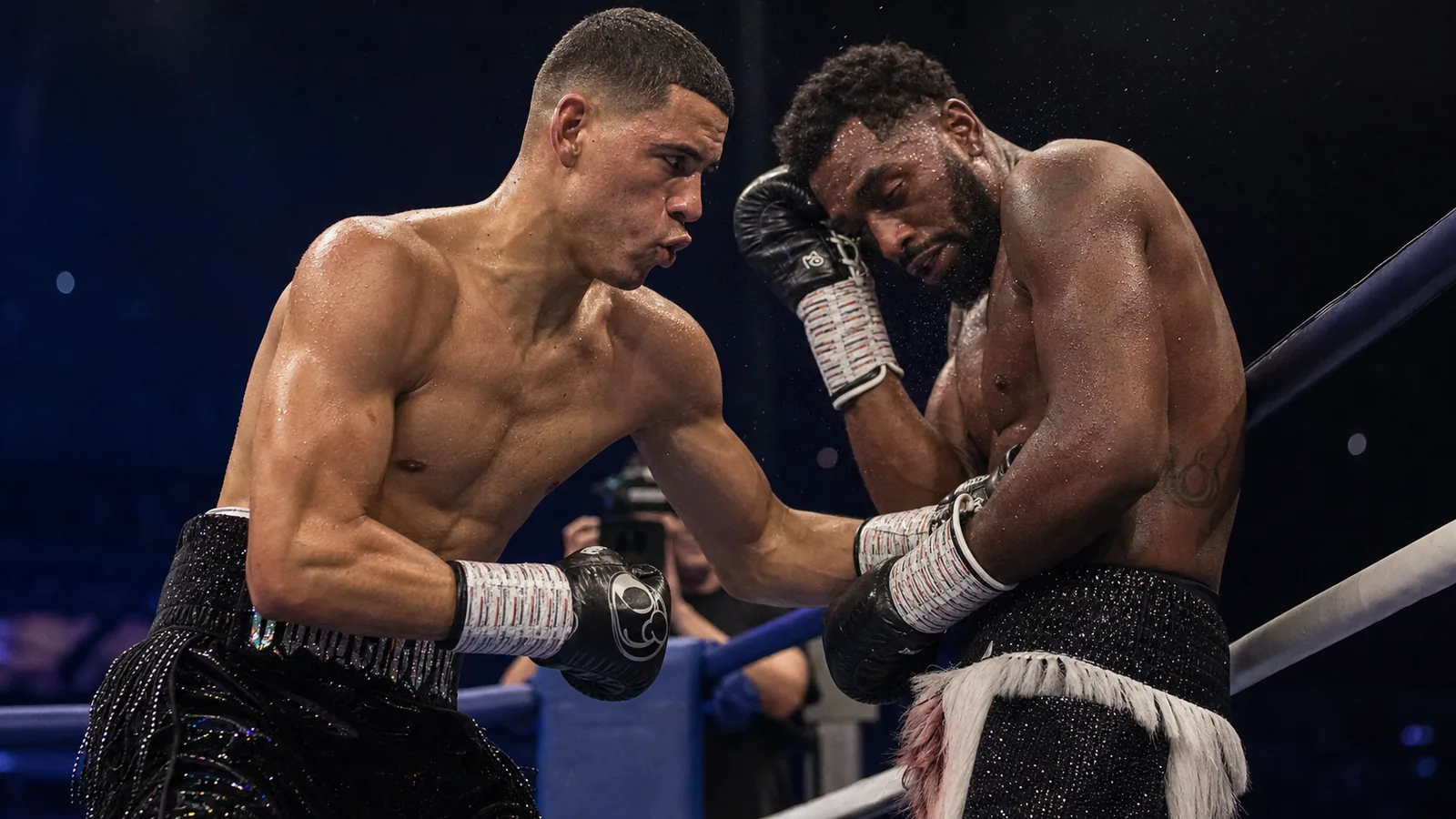
Diego Pacheco’s late stoppage: how pressure wins
Use Pacheco’s 11th-round stoppage of Immanuwel Aleem to explain how disciplined body work, distance control and accumulated pressure can create late finishes without reckless chasing.
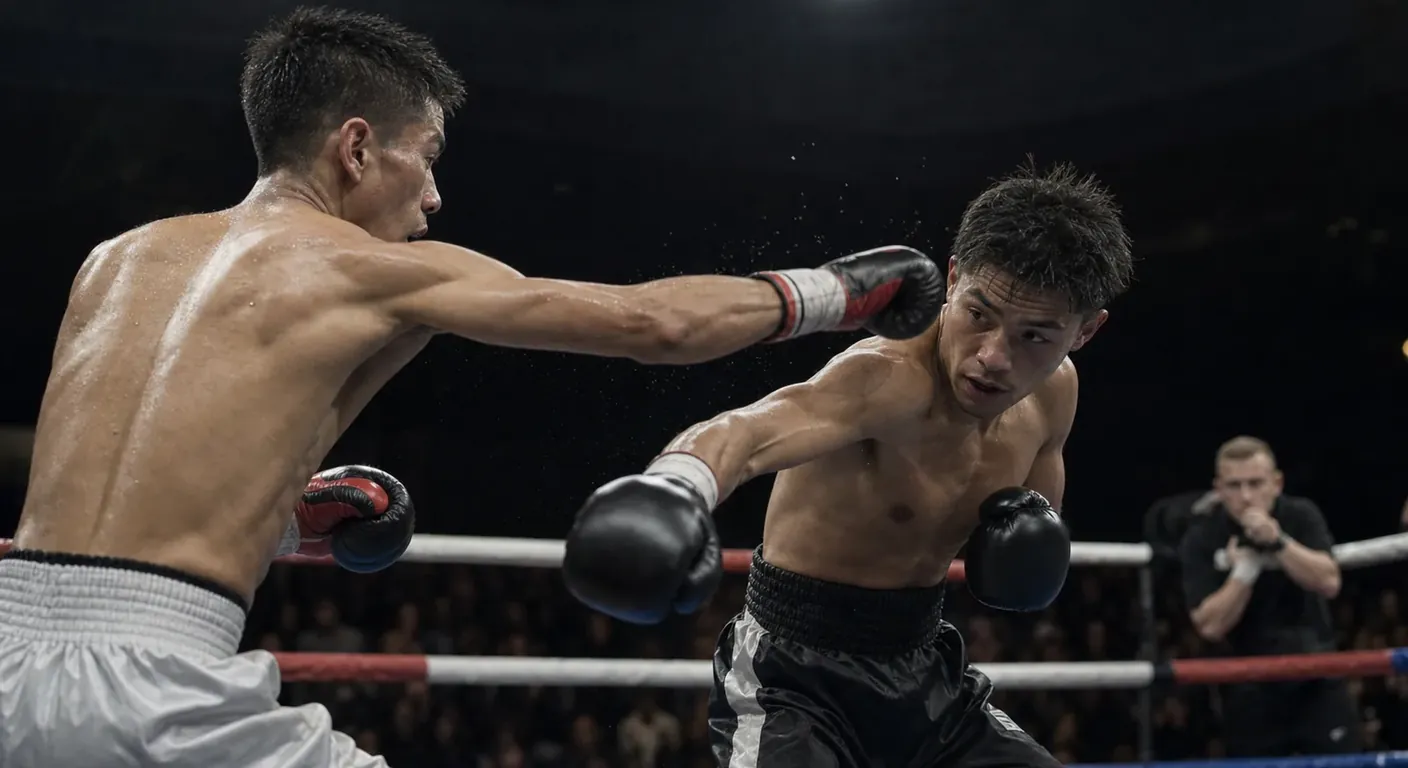
Gonzalez vs Perez: flyweight title fight lessons
Use fresh DAZN highlights to break down what beginners can learn from a fast flyweight title fight: tempo, positioning, punch selection and staying composed under pressure.
Was this page helpful?
It takes one tap, and it genuinely helps.
Choose your next step
Turn this article into the right action
Some readers are ready to book. Some need the class route first. Pick the route that matches what you actually want.