Bam Rodriguez vs Antonio Vargas: fight-week lessons
Bam Rodriguez vs Antonio Vargas: Fight-Week Lessons Young Boxers Should Actually Copy
Fight week is where a lot of boxing nonsense gets sold as wisdom.
Some fighters shout because they think volume equals confidence. Some stare too hard because they have seen too many face-off clips. Some treat the weigh-in as theatre, then wonder why they feel flat when the bell goes. At elite level, the useful lessons are often quieter than that.
That is why the fresh DAZN footage around Jesse “Bam” Rodriguez and Antonio Vargas is worth watching properly. Not just as fight hype, and not just because Rodriguez is trying to become a three-weight world champion against a dangerous WBA ruler. Watch it as a lesson in composure, discipline and body language.
The press conference highlights and weigh-in footage show two professionals doing the job before the job. The full Jesse “Bam” Rodriguez vs Antonio Vargas weigh-in livestream gives even more detail. The words matter, but the silences matter too.
For young boxers at Honour and Glory in Kidbrooke, especially those learning the sport from age 7 upwards, this is the kind of fight-week footage that can teach more than a loud training montage.
Composure Is Not Acting Calm. It Is Being Prepared
Rodriguez has built a reputation on sharp feet, spiteful body punching and rare punch selection, but in fight week he gives a different kind of lesson. He does not look like a man trying to convince the room that he belongs there. He looks like a man who has already done the hard work.
That distinction matters.
At the final press conference, as recorded by Matchroom in its full transcript of every word from the final press conference ahead of Bam vs Vargas, Rodriguez spoke about the chance to win in another division without sounding giddy about it. That is not accidental. Elite fighters learn to keep the emotional temperature steady.
Young boxers often think confidence has to be performed. They talk more in sparring, bounce more in the changing room, hit pads harder than needed, then burn energy before the session has really started. The better habit is to be calm because the preparation is honest.
That does not mean being passive. Vargas did not come across as a man there to make up the numbers. The fight had real stakes, with live coverage and results tracked by outlets such as FIGHTMAG, and Vargas carried himself like a champion who understood the size of the opportunity. His composure had a harder edge. That is useful too.
There is no single correct personality in boxing. Some fighters are quiet. Some are fiery. Some need a bit of needle. The rule is simpler: do not let your behaviour cost you energy, clarity or discipline.
The Weigh-In Is Part Of The Fight
The weigh-in is not a beauty contest. It is not just a photo call. It is a checkpoint that tells you how professionally a camp has been managed.
In the weigh-in livestream, the important thing is not only who looks shredded or who gets the bigger cheer. It is how the fighters move, how they hold posture, how quickly they settle, how they respond to cameras, instructions and the face-off.
Weight-cut discipline is boring until it goes wrong. Then it becomes everything.
For young boxers, the lesson is not to copy professional weight cutting. Children and developing athletes should not be trying to sweat themselves down or play games with food and fluids. That is a dangerous misunderstanding of what elite fighters do with medical supervision, nutrition planning and experienced teams.
The real lesson is discipline over time.
Make weight properly because you live like an athlete before fight week. Turn up to training fuelled. Sleep properly. Hydrate. Learn what foods make you feel sharp and what foods make you feel sluggish. Do not treat your body like a problem to be punished at the end of camp.
At Honour and Glory, that same principle applies whether someone is preparing for skills work, sparring, a club show or simply getting fitter through our Junior Recreational boxing classes. If your family is near Kidbrooke, the useful question is not whether a child can copy a world champion. It is whether they can build the basic habits patiently. You cannot cram discipline. You build it.
Rodriguez’s rise through divisions has brought plenty of debate, from mainstream previews such as DAZN’s own guide on how to watch Jesse “Bam” Rodriguez vs Antonio Vargas to fan discussion around whether Bam was done at 115 and reports that he was moving up. That is the serious end of weight management: not chasing a number for pride, but finding the division where performance makes sense.
Body Language Tells The Truth Faster Than Trash Talk
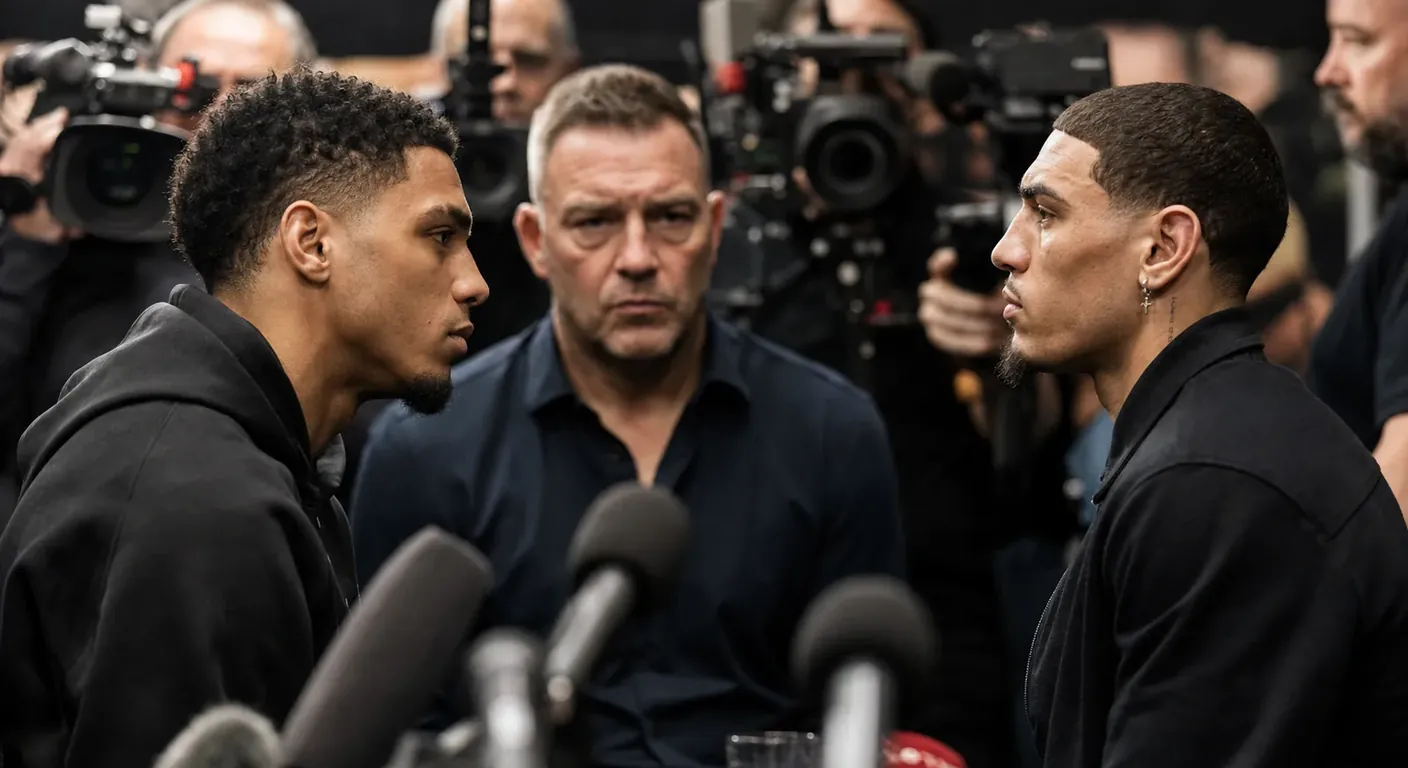
Face-offs are strange. Two fighters stand inches apart while everyone else tries to read their soul through their eyebrows.
Most readings are rubbish. A blink does not mean fear. A smile does not mean confidence. Looking away does not automatically mean weakness. Fighters are human, and cameras catch odd moments.
Still, body language matters if you watch it sensibly.
In the DAZN and Matchroom footage, what stands out is control. Rodriguez does not need to overplay menace. Vargas does not shrink from the occasion. Neither man appears to mistake the face-off for the fight itself.
That is the key lesson.
Young boxers should learn to stand calmly in uncomfortable moments. When a coach corrects you in front of others, do you sulk, or do you listen? When sparring gets hard, do you panic, or do you breathe and reset? When someone stares at you before a bout, do you start performing, or do you keep your mind on the first jab?
Good body language is not about looking hard. It is about staying coachable under pressure.
The fighters’ media obligations also show this. The press conference, also clipped by outlets such as Australian Boxing Central on Facebook, is full of small professional habits: answering clearly, staying respectful, not giving away unnecessary emotion, not letting the event become bigger than the task.
That is a proper boxing habit. Be polite. Be switched on. Then fight hard.
Do Not Confuse Hype With Readiness
Modern fight week is built for attention. There are press conferences, weigh-ins, broadcast clips, thumbnails, reaction videos and prediction pieces. This bout had viewing information across platforms, including Yahoo Sports, Boxing News, Pro Boxing Fans, Prime Video listings and broader weekend schedules from Boxing News.
That level of coverage can make young fighters think the attention is the sport. It is not.
The sport is still foot position. Guard discipline. Breath control. Listening between rounds. Making weight safely. Recovering properly. Respecting your opponent without giving them mental space rent-free.
The best fighters use fight week as a narrowing process. Every public appearance should bring the mind closer to the first bell, not scatter it across noise. That is where Rodriguez looks especially mature. His public manner says: the show is happening, but the work is private.
Vargas deserves credit in the same frame. He looks like a fighter who knows he is not there as a supporting character. Young boxers should notice that too. When you are the underdog, you do not need to beg for belief. You need to arrive prepared enough that belief is not the main issue.
What Young Boxers Should Take Into The Gym
Here are the practical lessons worth copying.
First, speak less when nerves are high. If you are anxious before sparring or competition, do not try to talk yourself into confidence. Breathe, listen, warm up properly and keep instructions simple.
Second, treat your body with respect long before any test. Weight discipline for young athletes is not cutting. It is routine. Eat well, drink water, sleep, train consistently and tell your coach if something feels wrong.
Third, practise calm posture. Stand tall when tired. Keep your eyes up when being corrected. Touch gloves properly. Do not slump because a round went badly. These things are not cosmetic. They train the mind.
Fourth, do not copy professional theatre without professional habits. A face-off means nothing if you cannot jab under pressure. A stare means nothing if you gas after one hard round. A quote means nothing if you miss training.
Finally, understand that composure is built in ordinary sessions. It is built when you turn up on time, wrap your hands properly, listen during drills and keep working when nobody is filming.
That is why this fight-week footage is useful. Bam Rodriguez and Antonio Vargas are operating at a level most boxers will never reach, but the habits on show are not mysterious. They are daily habits sharpened under bright lights.
For parents weighing up the sport, the same common-sense standard applies. Start with proper coaching, clear rules and age-appropriate sessions. Our guides to when children can start boxing and whether boxing is safe for kids explain that pathway in more detail.
The cameras make fight week look glamorous. The lesson is more grounded than that.
Be calm because you are prepared. Make discipline boring enough that it holds under pressure. Carry yourself with respect. Then, when the bell goes, let the boxing speak.
H&G Team
Writer at Honour & Glory Boxing Club, a community boxing gym in Kidbrooke, South East London.
KEEP READING
Boxing vs Taekwondo for Kids: What Parents Should Know
Taekwondo and boxing both build discipline and fitness. Here is what the research and real experience shows about how they differ in what they deliver for children.
Zayas vs Ennis: press conference lessons
What Zayas vs Ennis fight week teaches boxers about pressure, body language and staying disciplined before a big night.
Gonzalez vs Perez: flyweight title fight lessons
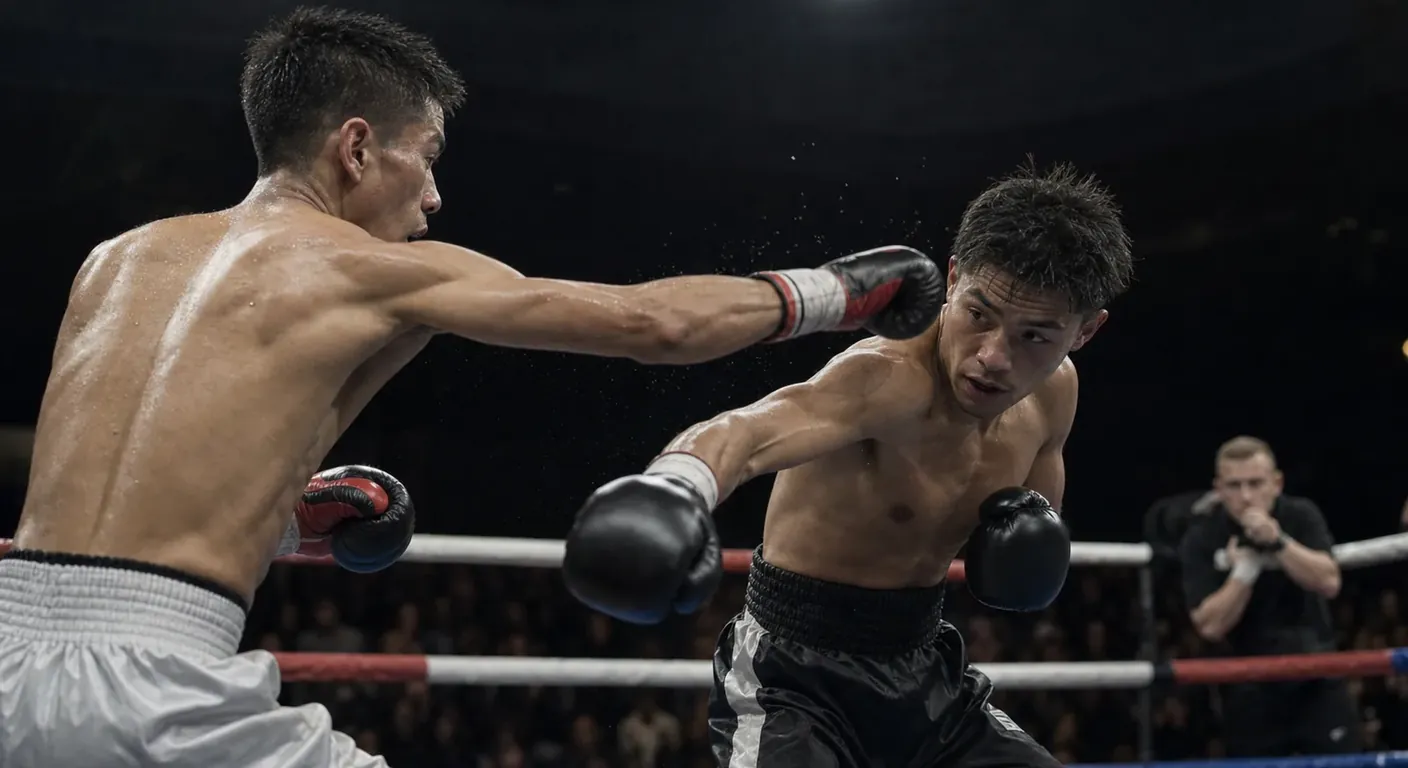
Use fresh DAZN highlights to break down what beginners can learn from a fast flyweight title fight: tempo, positioning, punch selection and staying composed under pressure.
Was this page helpful?
It takes one tap, and it genuinely helps.
Choose your next step
Turn this article into the right action
Some readers are ready to book. Some need the class route first. Pick the route that matches what you actually want.