Darren Barker’s Longest Round and Boxing’s Mental Health Role
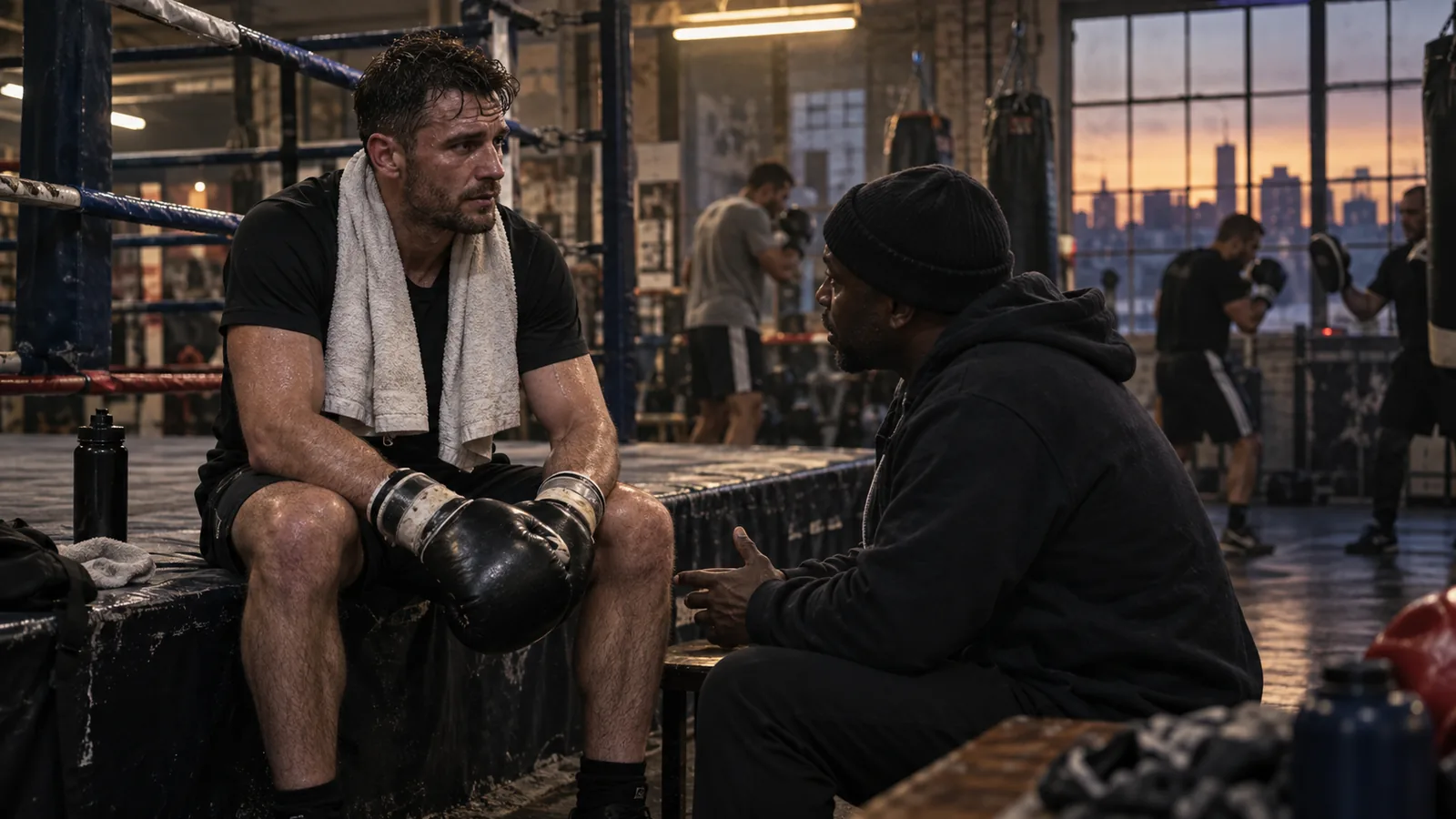
Darren Barker’s Longest Round: What Boxing Clubs Can Actually Do for Men’s Mental Health
Darren Barker has spent enough time in boxing to know that toughness can become a disguise.
His new DAZN-backed endurance project, The Longest Round, is not a standard celebrity charity bike ride with a few cameras at the start line. Barker is attempting more than 1,800 miles: cycling from Edinburgh to Dover, swimming the English Channel, cycling from Calais to Gibraltar, then swimming the Strait of Gibraltar into Morocco.
It is an outrageous physical undertaking. It is also rooted in a very plain message: silent struggle is not strength.
The former IBF middleweight champion is raising money for CALM and the Ricky Hatton Foundation after his final interview with Hatton, recorded shortly before Hatton’s death. In Barker’s words, strength is speaking, asking for help and showing up for others. That is a better use of boxing language than the old nonsense about simply gritting your teeth and getting on with it.
The challenge has now begun, with Press Box PR reporting that Barker set off from Edinburgh on 19 August, heading for a finish in Morocco in September. It is being documented through DAZN, Matchroom and partner media, with familiar names from boxing joining stretches of the route.
The attention matters. But the question for actual boxing clubs is more useful than the spectacle: what does a gym do once somebody walks through the door carrying more than a kit bag?
Boxing is useful. It is not a cure.
Boxing can help people feel better. That should not be controversial.
A good session gives you a time to be somewhere, a coach who expects you, a technical task demanding attention, hard physical work and other people around you. For an hour, a member cannot half-heartedly scroll through their worries while trying to keep their stance, move their feet, breathe properly and respond to a combination call.
That is not therapy. It is not medical treatment. It is not a replacement for a GP, counselling, clinical support, medication where it is needed, or emergency help.
It is a structured activity that can make a difficult week more manageable.
The distinction matters because boxing is often sold too cheaply. “Hit the bag and get rid of your anger” is lazy advice. Anger may be part of someone’s experience, but it is not a training plan and it is not a mental-health plan. A heavy bag is not a therapist. A hard spar is not a breakthrough. Sometimes it is simply a hard spar.
The better claim is that properly coached boxing can support routine, confidence, fitness, social contact and a sense of progress. Those are serious things. They just are not a cure-all.
H&G has made this point before in its guide to boxing, exercise and low mood: training can be one useful support in a wider plan, but it should never be sold as a substitute for proper care. That is the honest position, and honesty is more valuable than a dramatic promise.

The real value is structure
The mental-health benefit most gyms can offer is not a motivational speech. It is dependable structure.
Training starts at a set time. There is a warm-up. There are drills. There is coaching. There is a beginning, middle and end. Someone turns up, learns a small piece of a difficult sport, works hard enough to feel the effort, then leaves having completed something concrete.
That has value when life feels disorganised.
Boxing gives people short, understandable problems. Keep the right hand home. Do not cross your feet. Breathe after the combination. Stay composed when tired. A coach can correct those things in seconds. The member gets immediate feedback and, over time, evidence that they are improving.
That evidence is more convincing than empty confidence talk. You are not told you are resilient. You remember the round that used to empty you, then notice you can now complete it with better technique. You do not need a poster telling you that progress is possible. You have proof.
This is why the session must be properly structured. Random exhaustion is not the same thing as training. Coaches should be able to explain what a drill is for, scale it for a beginner, and make sure the hard work has a point.
There is a temptation in combat sport to treat maximum intensity as maximum value. It is often the opposite. A person coming back after a difficult spell does not need to be humiliated by a session designed for someone else’s fitness. They need a sustainable first session, a clear route back next week and permission to build gradually.
Coaching culture matters more than slogans
A club does not need to turn every coach into a counsellor. It should not.
But coaches do shape the environment, often more than they realise. The tone they set decides whether members feel they can say, “I am struggling today,” or whether they feel they have to pretend everything is fine until they disappear.
The practical standard is straightforward.
A coach should know regular members well enough to notice a significant change in behaviour. Someone who normally arrives early but starts missing sessions, someone whose effort or mood changes sharply, or someone who looks overwhelmed may not want a public interrogation. They may benefit from a quiet, private check-in: “Good to see you. How are you doing? No pressure to explain, but tell me if you need to take things steady.”
That is not diagnosis. It is basic human awareness.
Good coaching also means refusing to glorify punishment. If somebody is exhausted, distressed or clearly not in a place to spar, a sensible coach adjusts the session. Technique, bag work, fitness, a shorter round or simply sitting one out can all be the right call. “Toughen up” is not a safeguarding policy.
Barker’s message is especially relevant here. As British Boxing News reported, his challenge is built around awareness, endurance and resilience, but he is explicit that resilience includes speaking and asking for help. That should be normal language in a boxing gym.
A club can be demanding without being cold. In fact, the best gyms are demanding because they care enough to teach properly, keep standards and look after the people doing the work.
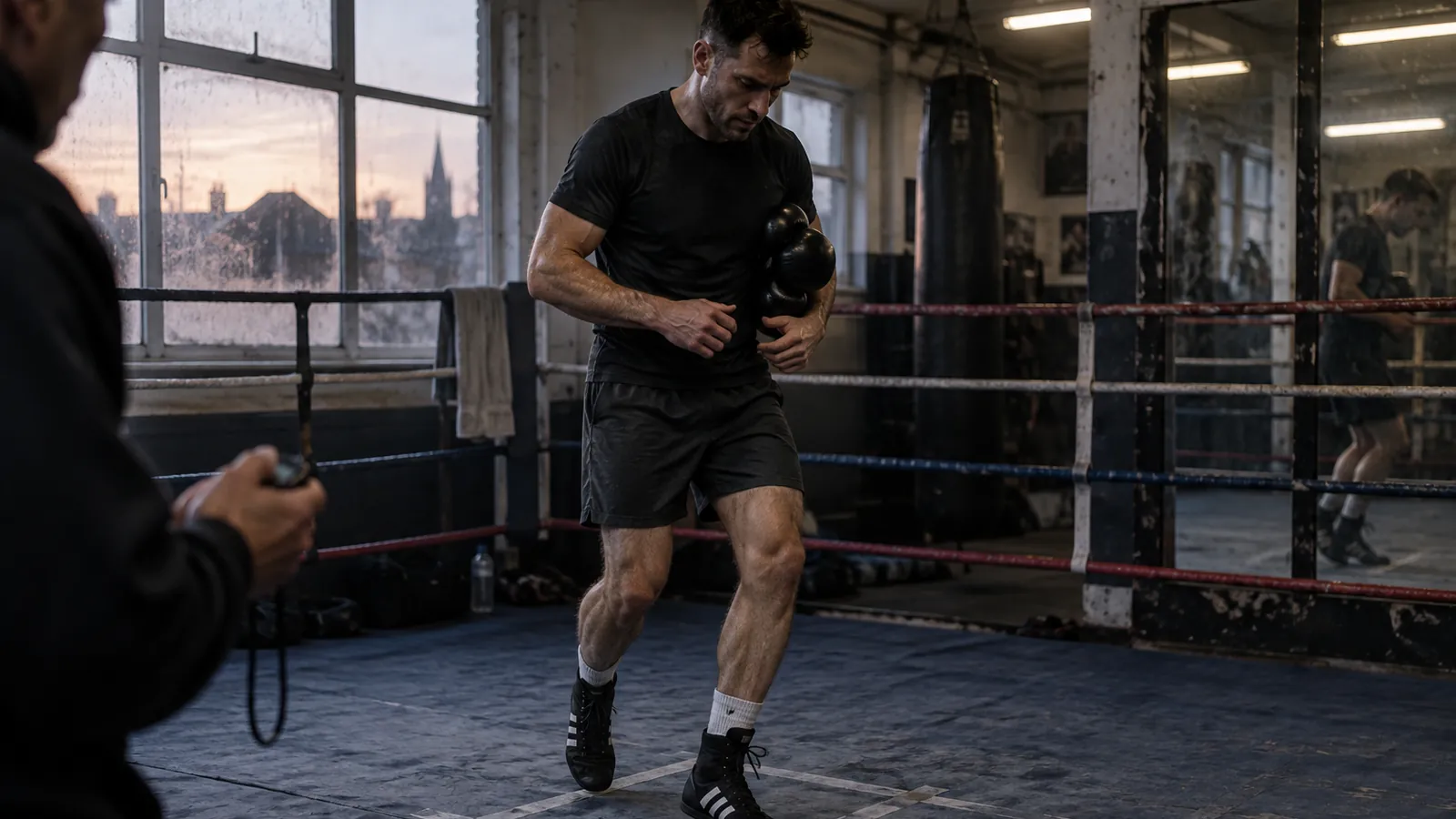
Signposting is part of responsibility
There is a line every club needs to understand: support does not mean trying to handle everything alone.
If a member says they are experiencing serious depression, thoughts of self-harm, suicidal thoughts, domestic abuse, addiction, trauma or anything that feels beyond training, the next step is not a harder circuit. It is clear signposting to appropriate help.
For immediate danger, call 999 or go to A&E. For urgent mental-health support in England, people can call NHS 111 and select the mental-health option. CALM offers support for people affected by suicide or suicidal thoughts, and Barker’s fundraising is intended to help sustain exactly that kind of intervention. The campaign is not vague awareness work. As Boxing News notes, the funds are intended for therapy programmes, crisis intervention and community outreach.
This is what responsible clubs should keep visible and current: a short list of trusted support routes, staff who know where it is, and a culture where using those routes is treated as sensible rather than shameful.
Barker is doing an extreme thing for a simple idea. The ride and swims are extraordinary, but the message does not require an extraordinary response from the rest of us. It requires people to stop mistaking silence for strength.
What this means at a local boxing club
At Honour & Glory in Kidbrooke, boxing starts with the sport itself. Learn the stance. Learn to move. Listen. Work. Improve. The club runs classes for ages 7+, and the principle applies across the room: people learn best when they are safe, respected and given a clear standard to work towards.
For adults, that can mean a weekly session which gets them out of the house and back into a routine. For younger members, it can mean a place where discipline is taught without humiliation, confidence is earned rather than performed, and the adults in the room pay attention.
Nobody needs to arrive with a perfect explanation of why they want to train. “I need something regular” is enough. “I have had a hard few months” is enough. “I want to learn boxing” is enough.
The job of the club is not to promise a transformation. It is to provide serious coaching, a decent environment, realistic encouragement and clear routes to further support when boxing is not enough.
That is the practical lesson in The Longest Round. Boxing can give people a round to get through, a team beside them and a reason to keep turning up. It should never ask them to carry the whole fight alone.
If you want a beginner-friendly place to start, book a free trial at Honour & Glory.
H&G Team
Writer at Honour & Glory Boxing Club, a community boxing gym in Kidbrooke, South East London.
KEEP READING
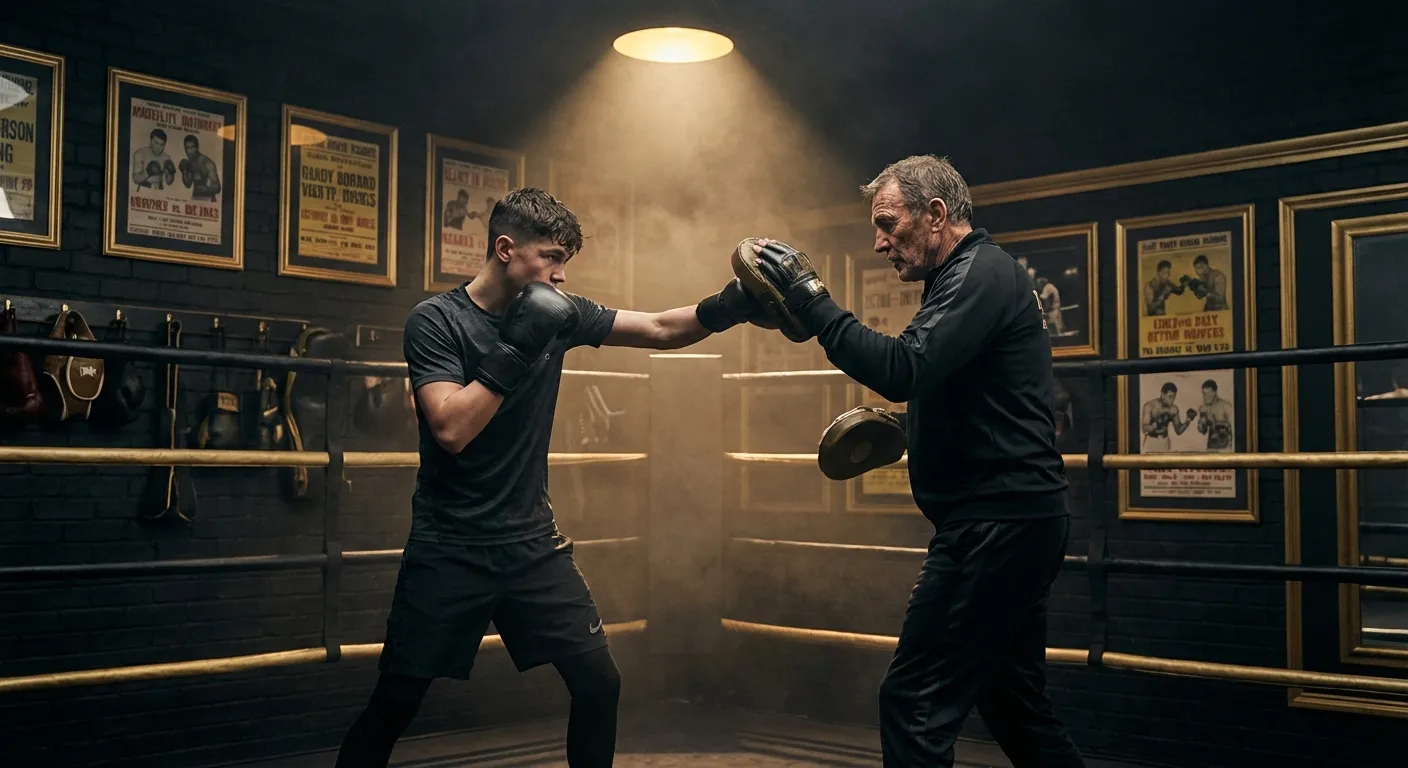
Screen Time vs Boxing: What Changes for Teenagers
Teenagers who replace screen time with boxing training show consistent changes in mood, focus, and behaviour. The research and the real-world evidence both point the same way.
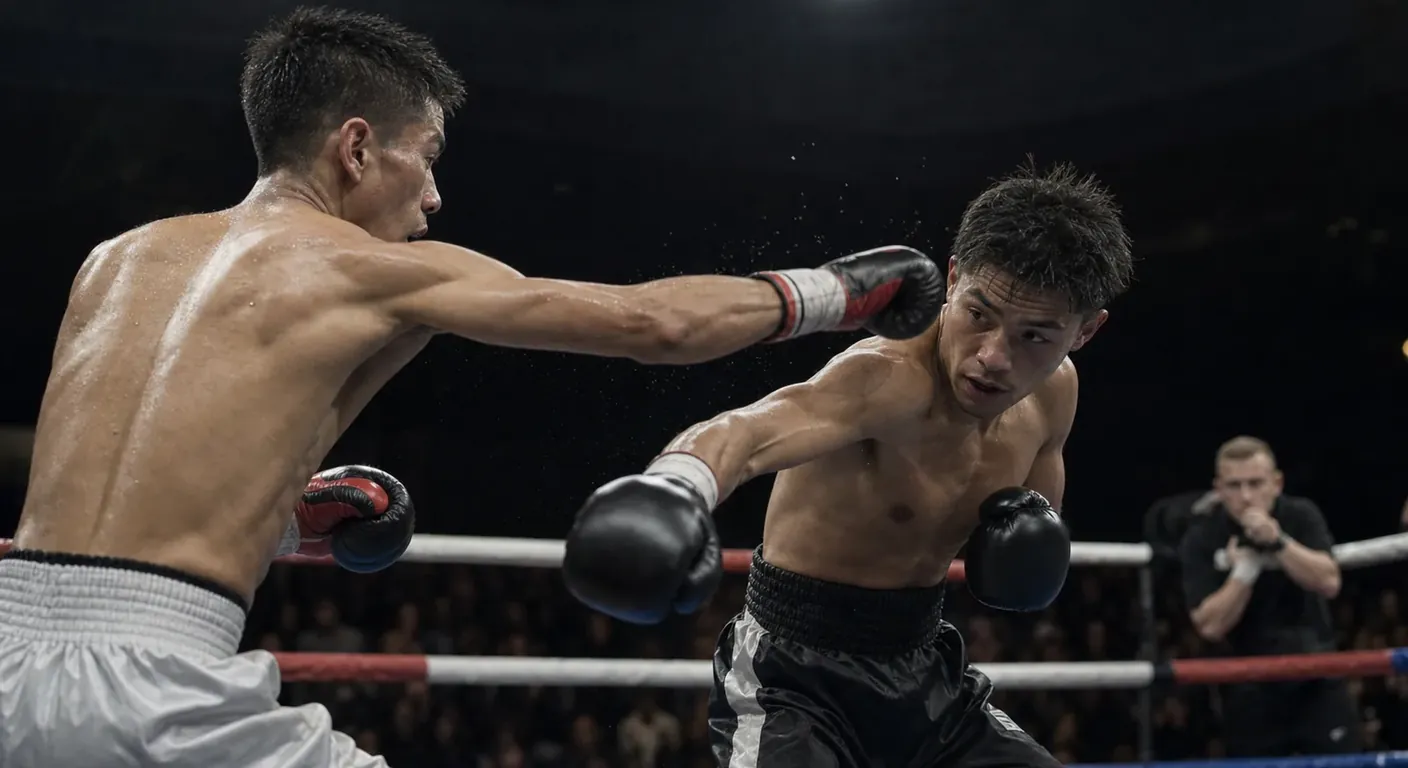
Gonzalez vs Perez: flyweight title fight lessons
Use fresh DAZN highlights to break down what beginners can learn from a fast flyweight title fight: tempo, positioning, punch selection and staying composed under pressure.

Omari Jones vs Diego Osuna: Prospect Lessons
Break down what developing boxers can learn from a fresh DAZN-highlighted prospect fight: composure, unbeaten confidence, tempo and how amateurs transition into pro-style rounds.
Was this page helpful?
It takes one tap, and it genuinely helps.
Choose your next step
Turn this article into the right action
Some readers are ready to book. Some need the class route first. Pick the route that matches what you actually want.