Canelo Alvarez vs Christian Mbilli: result and analysis
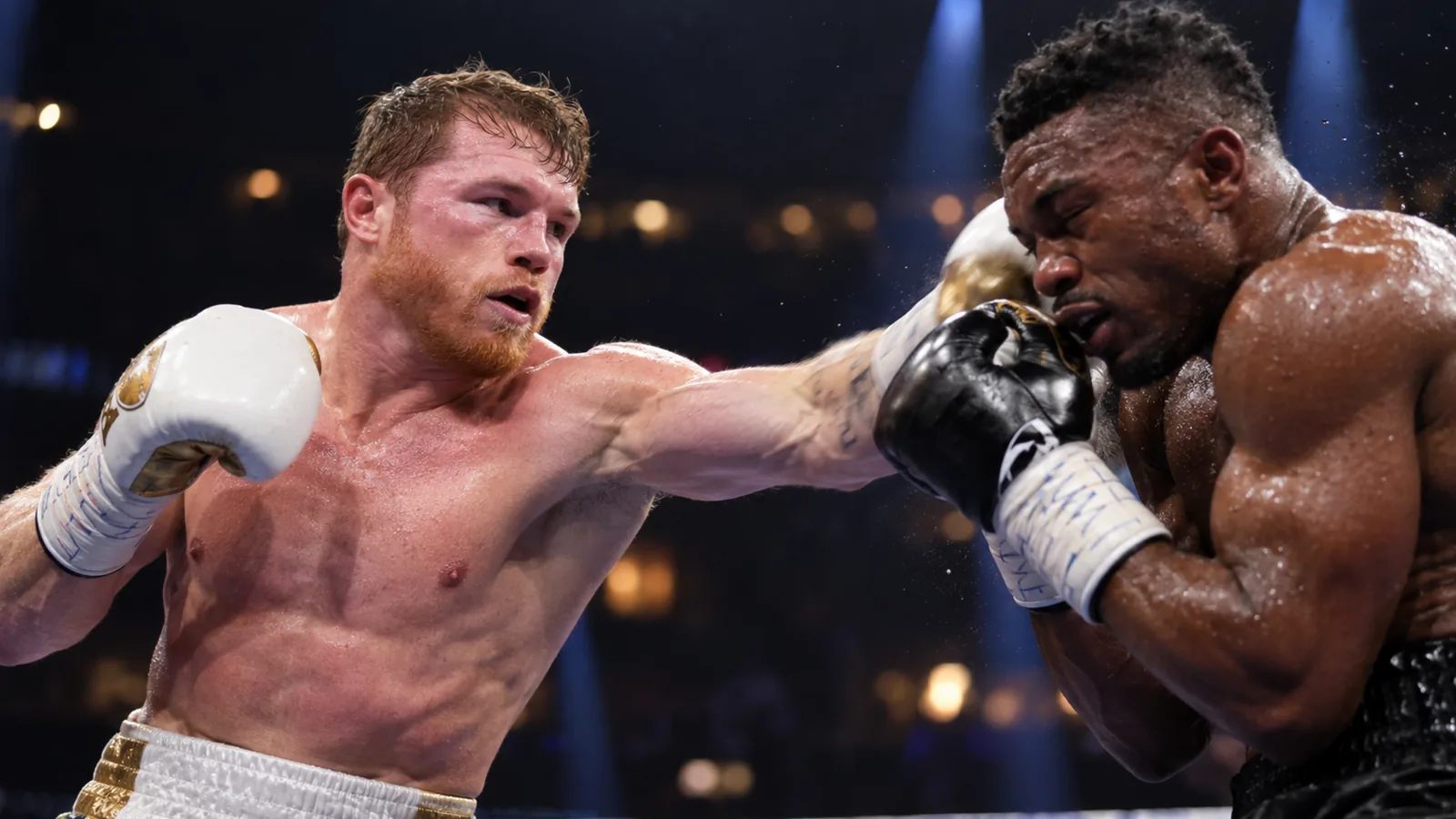
Canelo Alvarez vs Christian Mbilli: Result and Analysis from Riyadh
On Saturday 31 October 2026, Canelo Alvarez reminded the super-middleweight division that he is still a problem nobody gets to solve cheaply.
The Mexican great beat Christian Mbilli by unanimous decision at The Venue in Riyadh, Saudi Arabia, taking the WBC super-middleweight title with scores of 115-112, 116-111 and 117-110. The result was not controversial. The margins varied, as they often do when a younger pressure fighter has a busy night, but Canelo was the cleaner, more accurate and more intelligent boxer.
It was a significant win for Alvarez after 13 months out of the ring and his defeat to Terence Crawford in September 2025. Mbilli arrived as the unbeaten WBC champion, carrying a reputation for relentless pressure and heavy combinations. Canelo arrived with more questions around him than usual: had Crawford exposed a decline, could he still deal with sustained volume, and did he still have the appetite for another title chase?
He answered those questions emphatically.
The Independent’s live report confirmed that the bout took place on 31 October, not at either fighter’s previous Las Vegas appearance, and recorded the final scores. It was Canelo’s first fight since losing his undisputed 168lb crown to Crawford, while Mbilli was defending the full WBC title to which he had been elevated after Crawford’s retirement.
The official result
Canelo Alvarez beat Christian Mbilli by unanimous decision
Scores: 115-112, 116-111, 117-110
Venue: The Venue, Riyadh, Saudi Arabia
Date: Saturday 31 October 2026
Title: WBC super-middleweight championship
Mbilli was deducted a point in the eighth round for repeated low blows. That deduction mattered to the final arithmetic, especially on the narrowest 115-112 card, but it did not decide the fight. As FIGHTMAG’s results coverage noted, Alvarez was a deserved winner even before the point deduction was considered.
That distinction matters. A point off can turn a tight round into a clear Canelo round on a scorecard, but the fight itself showed a wider gulf in quality than the closest total suggests.
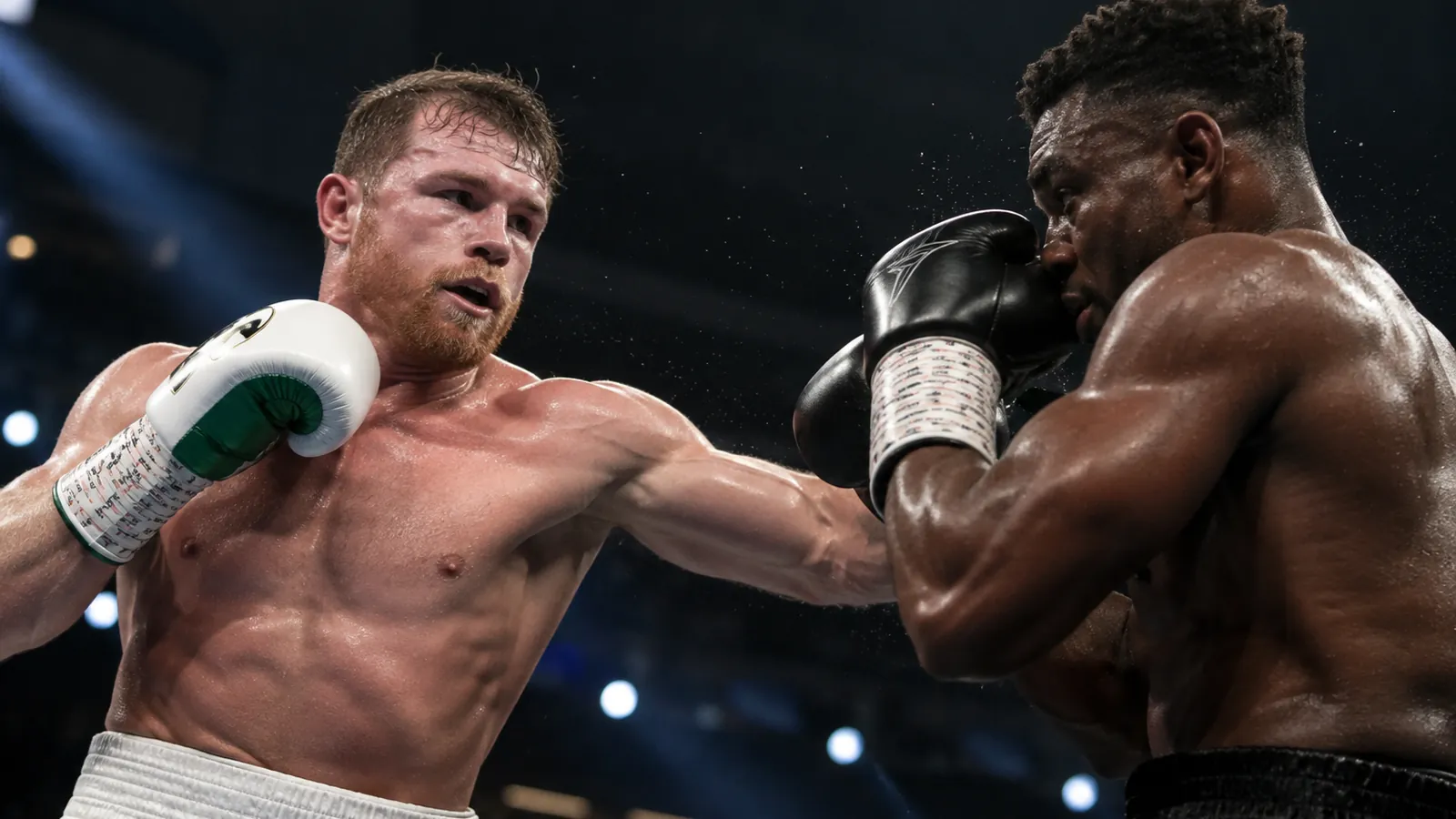
Canelo was active, but never reckless
The first surprise was Canelo’s work rate.
For several fights, particularly in the later stages of his undisputed title run, Alvarez had looked content to pick moments, throw fewer punches and rely on eye-catching counters. That approach has its value. Canelo remains one of the sport’s best operators when he can draw a lead, shift half a step and fire a compact counter to the body or head.
Against Mbilli, though, simply waiting was not going to be enough.
Mbilli’s whole identity as a fighter is built around occupation. He wants opponents to spend the night pinned near the ropes, covering up under hooks, uppercuts and short punches to the chest. He has often made rivals look passive, then won rounds through sheer persistence. The problem in Riyadh was that Canelo did not let him claim that territory for free.
Alvarez started sharply, met Mbilli with punches early in exchanges and, crucially, threw enough to prevent the champion from making the fight one-directional. Sporting News’ account of the contest described a dominant display, and that was the right reading of it. Canelo did not dominate because Mbilli was unable to throw. He dominated because he made Mbilli pay for throwing without enough thought.
The difference was punch selection.
Mbilli often worked in clusters, but Canelo’s punches carried greater authority and landed with clearer intent. Canelo’s body work, a long-standing feature of his best performances, helped slow the challenger’s rhythm. His counters were not wild attempts to steal a moment. They were set up with positioning, timing and calm.
A fighter can be busy without being effective. Mbilli learned that at world-title level.
Mbilli found moments, but not control
There were rounds Mbilli could reasonably claim. He forced exchanges, made Canelo work at a pace he had not always embraced in recent years and showed the toughness expected of an unbeaten champion. He did not fold when Canelo found clean shots. He kept coming.
That deserves credit.
But pressure only wins fights if it creates meaningful scoring opportunities. Mbilli’s attacks too often began from a predictable range. Canelo could see the rush coming, brace his feet and reply with the more telling punch. When Mbilli did get inside, he was not always disciplined enough to stay there safely or finish his work before Canelo turned him.
The eighth-round deduction was another sign of frustration. Low blows can be accidental in a close, physical contest, but repeat offences cannot be dismissed as a minor detail. A champion has to adjust after a warning. Mbilli did not do so quickly enough, and the referee acted.
Boxing247’s live results and Bleacher Report’s round-by-round coverage both captured the central theme: Mbilli’s pressure gave the fight energy, but Alvarez controlled the important exchanges.
The scorecards reflected that. A 117-110 tally is broad, but it is not absurd. If a judge preferred Canelo’s clean counters, ringcraft and body shots over Mbilli’s less accurate volume, the rounds stacked up quickly.
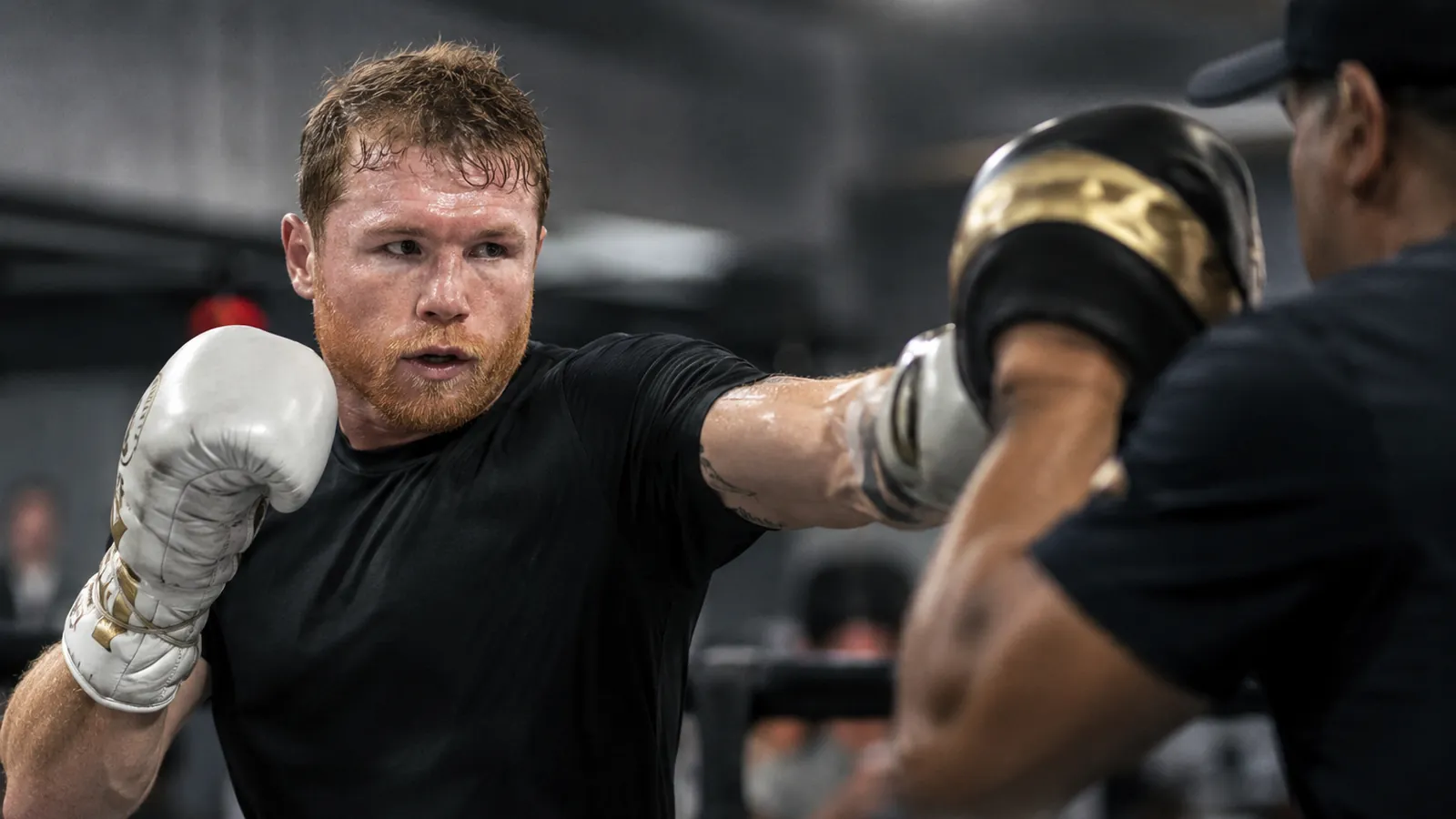
This was a better Canelo than the Crawford version
It would be lazy to pretend one win erases the Crawford defeat. Terence Crawford is an exceptional fighter, and styles matter. Crawford’s adaptability, southpaw craft and ability to control distance posed a very different puzzle to Mbilli’s forward pressure.
But this was still a meaningful performance from Canelo.
Against Crawford, Alvarez had looked too selective and too willing to concede stretches of the fight. Against Mbilli, he was more engaged. He was willing to trade when necessary, willing to lead, and more willing to put combinations together rather than waiting for a single perfect counter.
At 36, Canelo is not going to fight every round at the pace of a 25-year-old pressure fighter. Nor should he. Longevity comes from knowing when to spend energy. Yet there is a line between efficiency and inactivity, and against Mbilli he stayed on the right side of it.
He looked motivated by the task of reclaiming a world title.
That is why the result matters beyond one belt. Canelo showed that he can still perform with urgency when a younger, unbeaten champion asks difficult questions. The WBC title is back around his waist, but the more valuable gain may be the proof that his competitive fire remains intact.
What Mbilli should take from defeat
Mbilli should not be written off because of this loss.
He is 31, physically strong, brave and still one of the most demanding fighters at 168lbs. He had been unbeaten before Riyadh, and he earned his title position through consistent pressure and hard work. The gap against Canelo was not courage or fitness. It was judgement.
Against elite counterpunchers, Mbilli needs more entries, more feints and more patience after he gets close. He cannot simply arrive in range and assume activity will win the exchange. The very best fighters turn predictable aggression into opportunities.
This was a harsh lesson, but not a career-ending one. A rematch would need a substantially different tactical plan, however. More volume alone would produce more of the same.
A useful lesson for young boxers
For the boxers training at Honour & Glory’s classes in Kidbrooke, this was a worthwhile fight to study.
Canelo won because he did the small things well. He kept his balance after punching. He did not panic when Mbilli closed ground. He picked shots rather than throwing for the sake of noise. He made the more aggressive fighter reset.
Mbilli showed the value of fitness and determination, but Canelo showed why controlled aggression beats uncontrolled pressure. In boxing, being first is useful. Being first, balanced and accurate is far better.
On 31 October in Riyadh, Canelo Alvarez did not just regain the WBC super-middleweight title. He showed that reports of his decline had arrived too early.
H&G Team
Writer at Honour & Glory Boxing Club, a community boxing gym in Kidbrooke, South East London.
KEEP READING
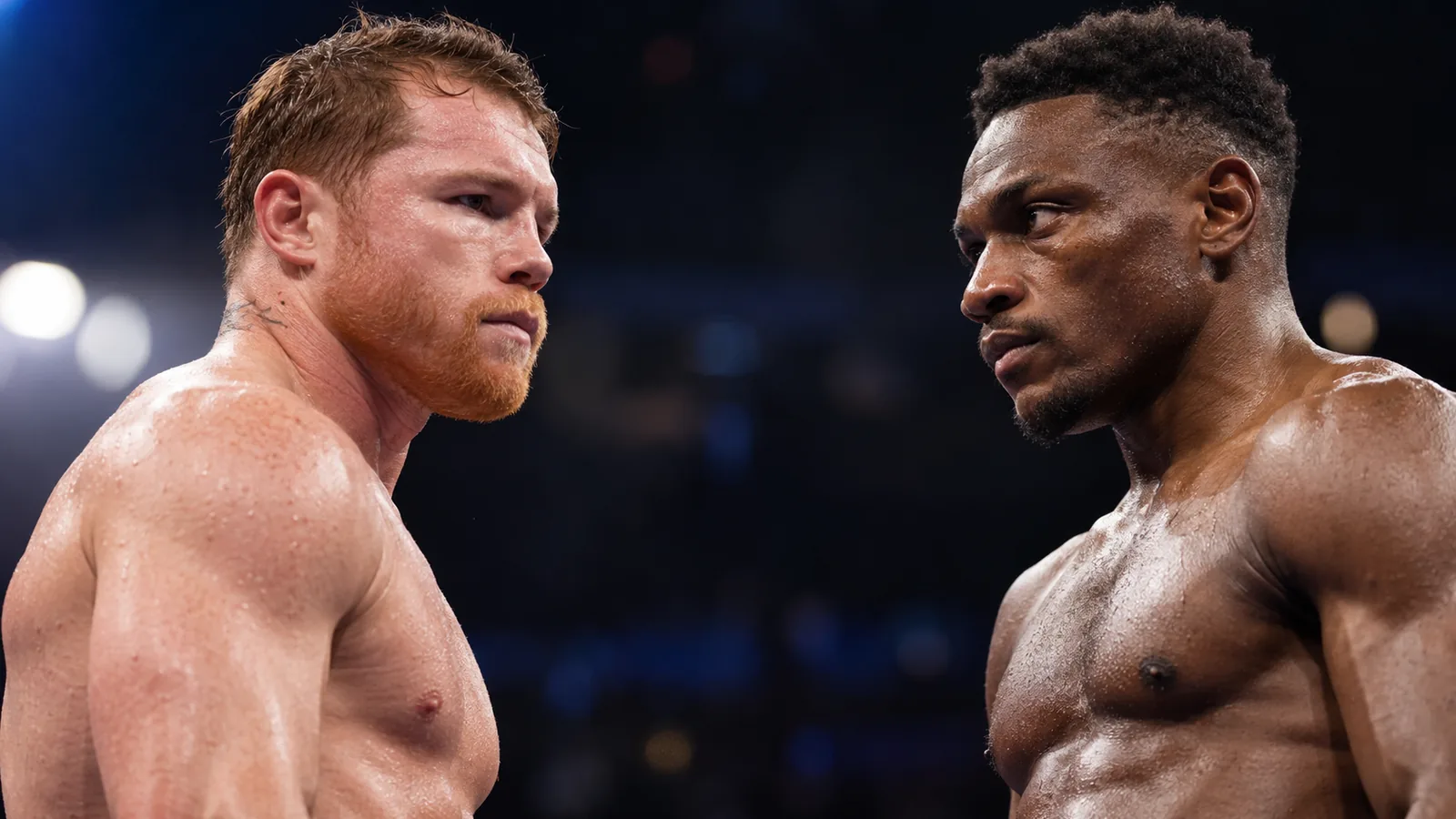
Canelo Alvarez vs Christian Mbilli: fight-week guide
Canelo Alvarez faces Christian Mbilli in Riyadh on 31 October, with pressure and counter-punching set to shape a serious test for the Mexican star.
Dubois vs Wardley Result: What Changed the Fight
Daniel Dubois stopped Fabio Wardley in round 11 after two early knockdowns. Here is what changed the fight and why it matters.
Smith vs Puello: result and analysis
The close rounds and tactical decisions in Smith vs Puello, including the scoring debate and what the performance means for both boxers.
Was this page helpful?
It takes one tap, and it genuinely helps.
Choose your next step
Turn this article into the right action
Some readers are ready to book. Some need the class route first. Pick the route that matches what you actually want.