Buatsi vs Hutchinson 2: why the rematch needs fresh answers
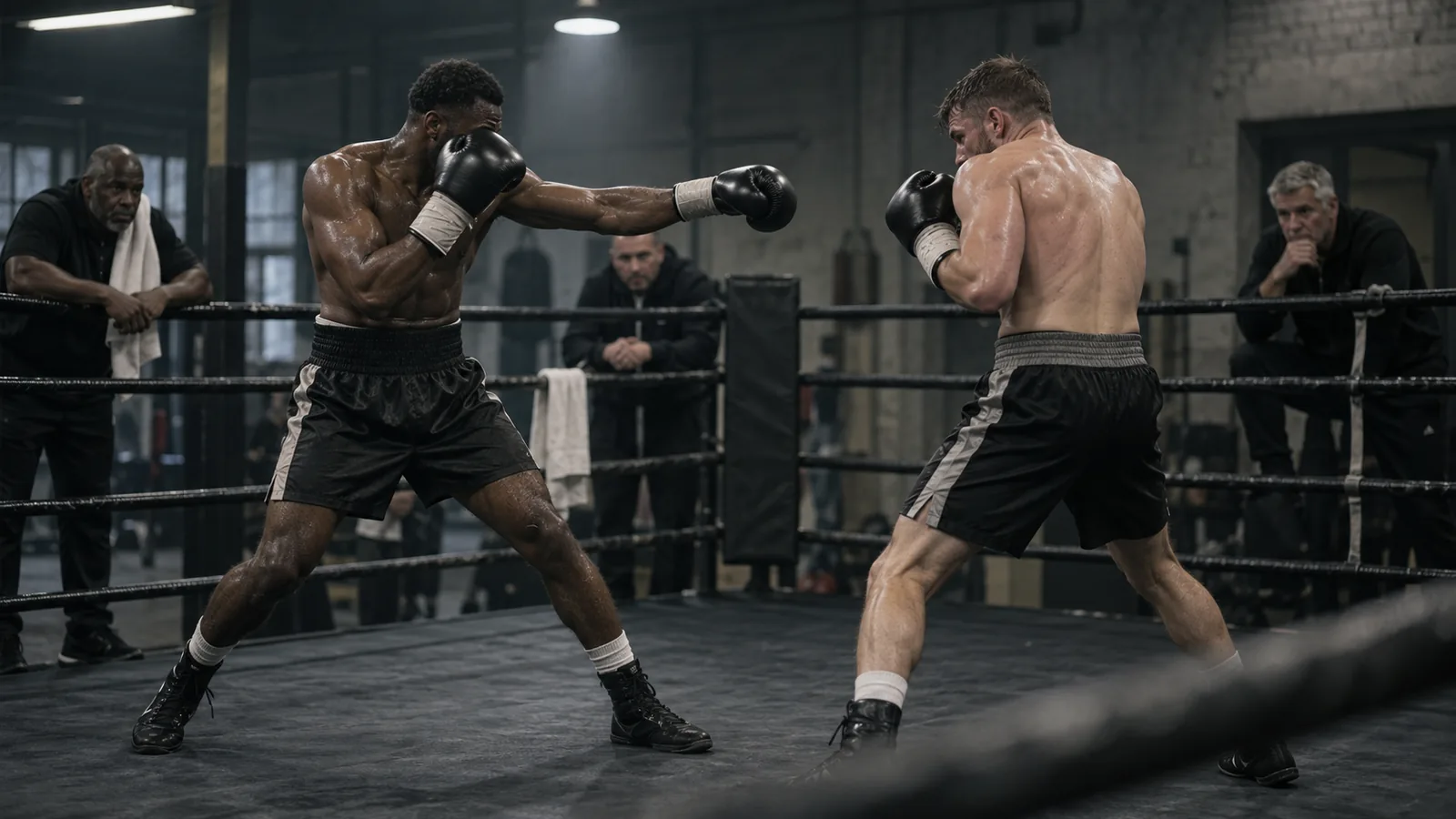
Buatsi vs Hutchinson 2: why the rematch needs fresh answers
Joshua Buatsi and Willy Hutchinson do not need to sell this rematch with a shouting match.
Their first fight did the hard work. It was competitive, physical, messy in places and difficult to score without taking a proper view on what mattered most. Buatsi won by split decision at Wembley Stadium in September 2024, with scorecards of 115-110, 113-112 and 117-108, after dropping Hutchinson twice. The score spread alone tells the story: one judge saw a clear Buatsi win, another saw a fight balanced on a few rounds. Box.Live’s first-fight report has the details.
Now the pair meet again on 7 November in Manchester, with the interim WBC light-heavyweight title at stake. That is the confirmed direction in Bad Left Hook’s announcement report, Espabox’s confirmation and the BoxRec event thread.
That belt matters, but it is not the reason this fight is worth watching. The reason is simpler: both men have already shown enough to win rounds, but neither can afford to bring the same plan back unchanged.
A rematch is not a replay with a bigger poster. It is an exam on what each boxer learned when the first answer was not quite good enough.
Buatsi has to win rounds before he wins moments
Buatsi’s two knockdowns give him the obvious claim to the first fight. Heavy, clean scoring punches matter. They should matter. A boxer who can hurt the other man changes the terms of every exchange.
But Buatsi cannot assume that those moments settle the second fight for him.
Hutchinson was able to make sections of the first contest awkward through movement, changes of rhythm and enough activity to make Buatsi reset. He did not win the decision, but he made Buatsi work for it. That is why a split verdict produced a rematch rather than closure.
The danger for Buatsi is becoming too patient.
He is at his best when he is composed without being passive. He has the strength to hold the centre, the jab to make an opponent think before stepping in, and the right hand to punish mistakes. Yet a boxer can admire his own clean work too much in a close fight. If he waits for a perfect counter while Hutchinson is touching, moving and making the busier impression, he leaves rounds open to interpretation.
The first fresh answer Buatsi needs is a more assertive lead hand.
Not a reckless chase. Not a brawl. A proper claim on the ring.
He should jab to the chest as well as the head, make Hutchinson take a step back before launching his own work, and follow the jab with a second decision rather than standing to assess the first. That could be a right hand, a left hook around the guard, or a short shot to the body as Hutchinson tries to escape.
Buatsi does not need to throw ten-punch combinations. He needs to stop Hutchinson setting the pace with low-risk movement and isolated scoring shots.
There is also a discipline question. Buatsi cannot overreach trying to force another knockdown. Hutchinson is durable, brave and comfortable in a fight that becomes untidy. If Buatsi loads up from too far away, he gives Hutchinson the very thing he needs: room to make him miss, a chance to answer, and a reason for the crowd to believe the momentum has turned.
Buatsi should make this a fight of controlled pressure. Win the geography first. Take away the easy exits. Then let the power show itself naturally.
His loss to Callum Smith earlier this year made the stakes sharper. Boxing News reported that Hutchinson saw the rematch as a route back towards a world title, while Buatsi was looking for a clear route of his own after that defeat. The winner does not merely get a belt. He gets a proper claim to remain in the serious part of a strong division.
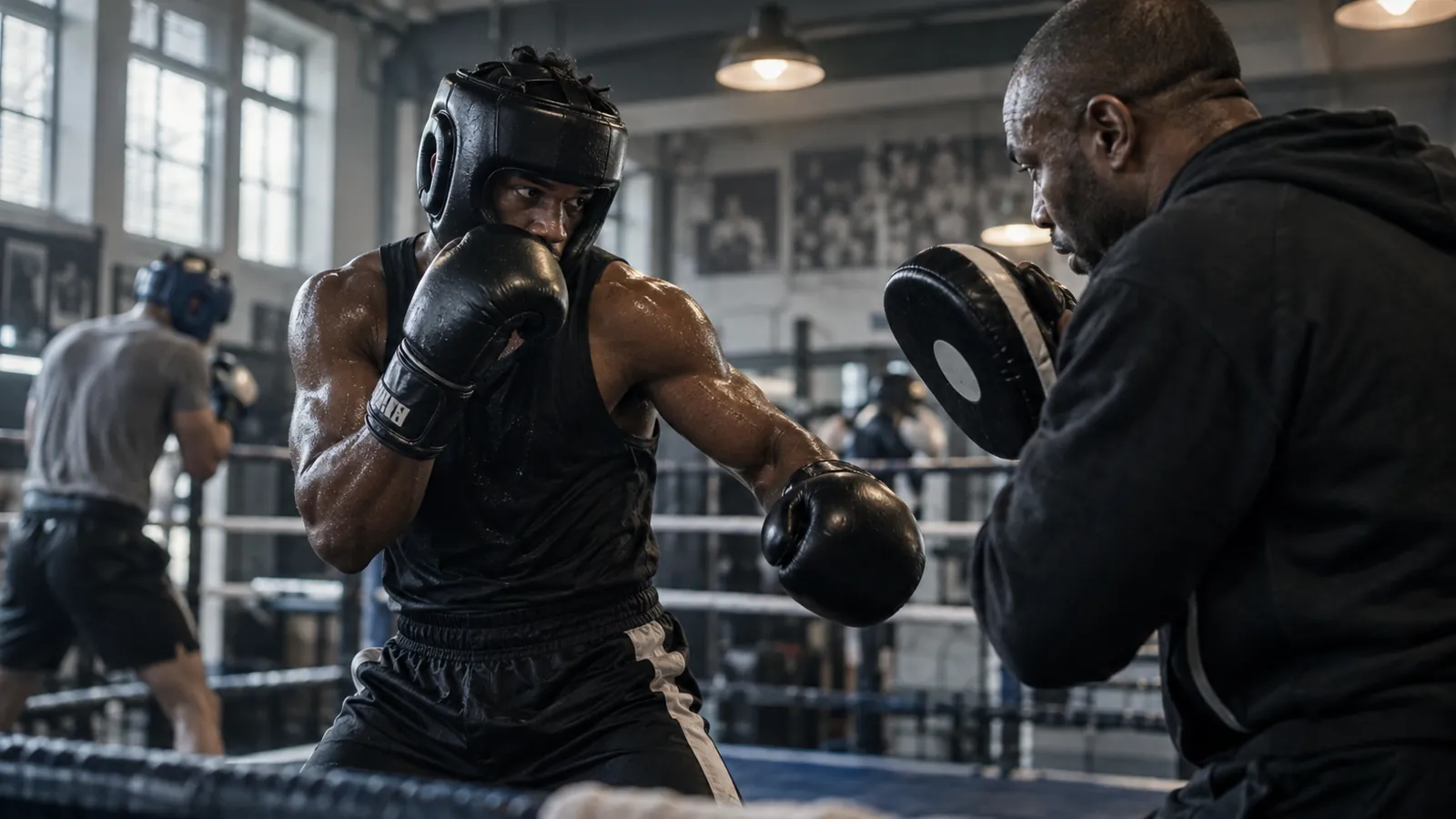
Hutchinson has to turn movement into control
Hutchinson’s job is harder because he has already felt Buatsi’s power, been dropped twice and heard a decision go the other way.
That does not mean he needs a complete reinvention. It means he needs to make his good work easier to score.
The weakness in a clever, mobile performance is that it can look like retreat if the boxer does not finish exchanges with authority. Moving well is useful. Moving well while landing the last clean shot is scoring.
Hutchinson cannot spend long spells simply circling and inviting Buatsi to lead. He must give Buatsi a tactical problem: every time Buatsi steps forward behind the jab, Hutchinson needs an answer that interrupts the rhythm.
That might be a jab to the body before stepping away. It might be a sharp left hook after Buatsi commits his right hand. It might be a short combination, then a pivot that leaves Buatsi turning rather than punching.
The important point is that Hutchinson must make the movement offensive.
He has spoken openly about putting the first defeat right, saying that he had moved to London to work towards becoming a world champion. That ambition was clear in his interview with Boxing News. His Box.Live profile also shows a fighter who has stayed in the domestic light-heavyweight conversation rather than disappearing after a tough loss.
For the rematch, the change needs to be visible in the middle rounds.
That is where Buatsi can become most dangerous. If Hutchinson gives ground without making Buatsi pay, Buatsi can settle, set his feet and start selecting the heavier punches. Hutchinson needs to deny him that calm.
He should target the arms, chest and body early, not because he is likely to stop Buatsi downstairs, but because those shots make a strong fighter carry his guard and reset his base. A boxer who has to keep replanting his feet is less able to sit down on a right hand.
Hutchinson also has to stay clean. The point deduction in the first fight was not a small footnote in a close contest. In a rematch, he cannot hand over a round, or a scoring swing, through frustration. The more competitive the fight becomes, the less room there is for avoidable mistakes.
The real fight is after the exchange
This is the detail that could decide Buatsi vs Hutchinson 2.
Not the first jab. Not the biggest right hand. What happens after either man lands.
Buatsi tends to be strongest when he has his feet under him and can make the other boxer react to his pressure. Hutchinson is strongest when he disrupts that position, lands something clean enough to be noticed, then leaves before Buatsi can answer with weight.
So watch the final two seconds of each exchange.
Does Buatsi cut off the ring after his jab, or does he follow Hutchinson in a straight line? Does Hutchinson pivot out with his hands ready, or does he move with his chin up and his feet crossing? Does Buatsi come back after a missed right hand with a short left hook? Does Hutchinson punish the miss, or simply escape it?
Those are not minor details. They are the fight.
At Honour & Glory, a coach will often tell a boxer that the punch is only half the rep. You need the exit, the guard and the next position. The same lesson applies at elite level. The boxer who wins the second phase of the exchange will probably win the clearer rounds.
For anyone following the build-up, Box.Live’s UK television schedule, BBC Sport’s 2026 fight calendar and Bad Left Hook’s schedule guide are useful places to check for broadcast updates.
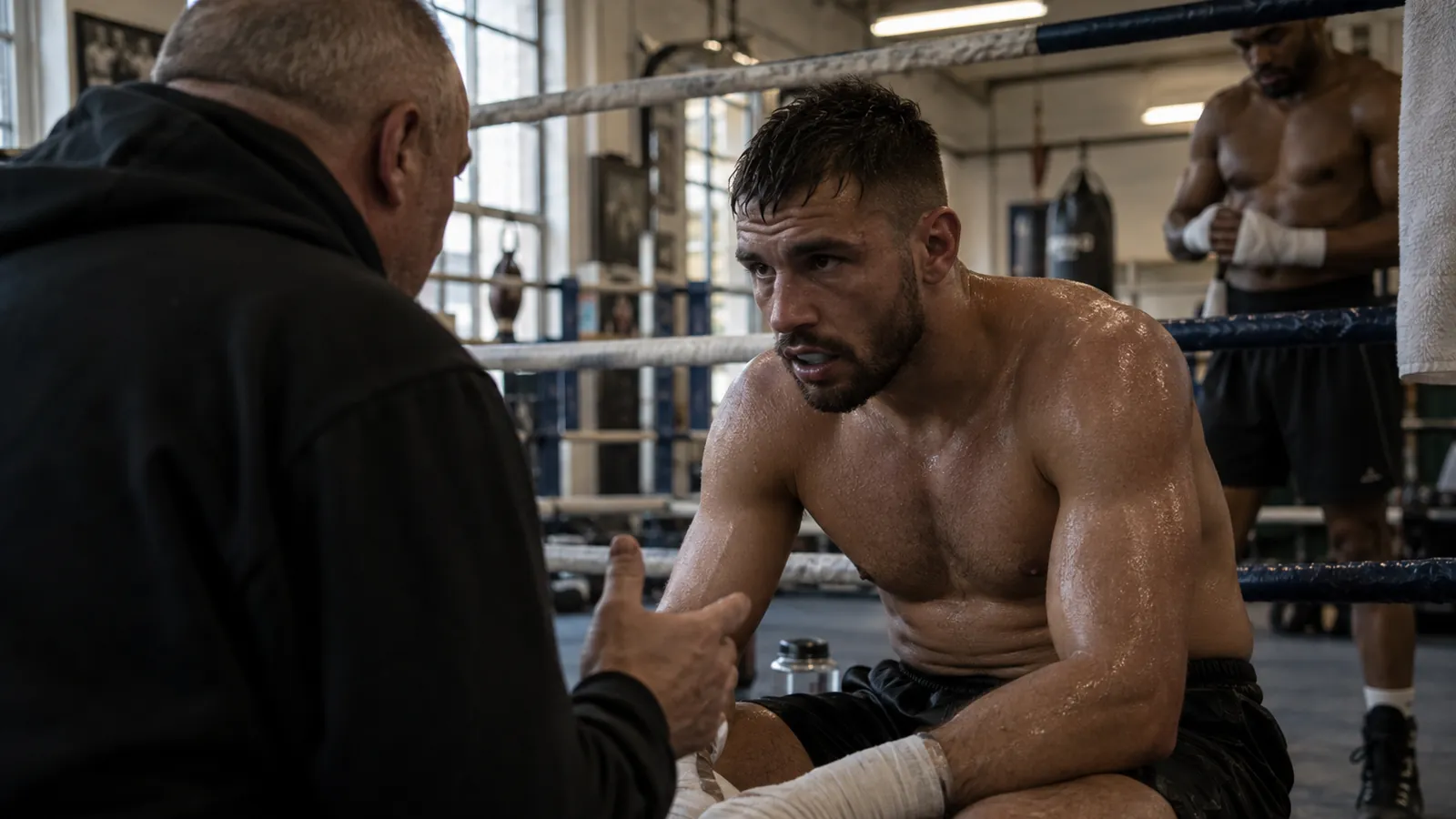
My view: Hutchinson needs the bigger change
Buatsi should be the favourite. He has already shown he can hurt Hutchinson, he has a stronger claim to physical control, and he knows that his clean power can alter the fight at any point.
But Hutchinson is not coming back to prove that he can survive Buatsi. He already proved that. He is coming back to prove he can impose a round-by-round argument that a judge cannot ignore.
That requires more than moving well and having brave moments. It requires purposeful pressure, cleaner finishes to exchanges and no free rounds.
Buatsi needs to be busier. Hutchinson needs to be clearer.
That is why this rematch has real value. It is not unfinished business because the first verdict was close. It is unfinished business because each fighter has a specific weakness to answer.
If you want to learn how distance, timing and exits work beyond the highlight reel, our Recreational Adults boxing classes in Kidbrooke teach the details that decide real exchanges.
H&G Team
Writer at Honour & Glory Boxing Club, a community boxing gym in Kidbrooke, South East London.
KEEP READING
Fury vs Joshua 2026: Why British Boxing Still Needs It
Use the reported Q4 2026 mega-fight as a wider piece on why Fury vs Joshua still matters: national attention, casual fans returning, heavyweight legacy, and what young boxers can learn from two very different careers.
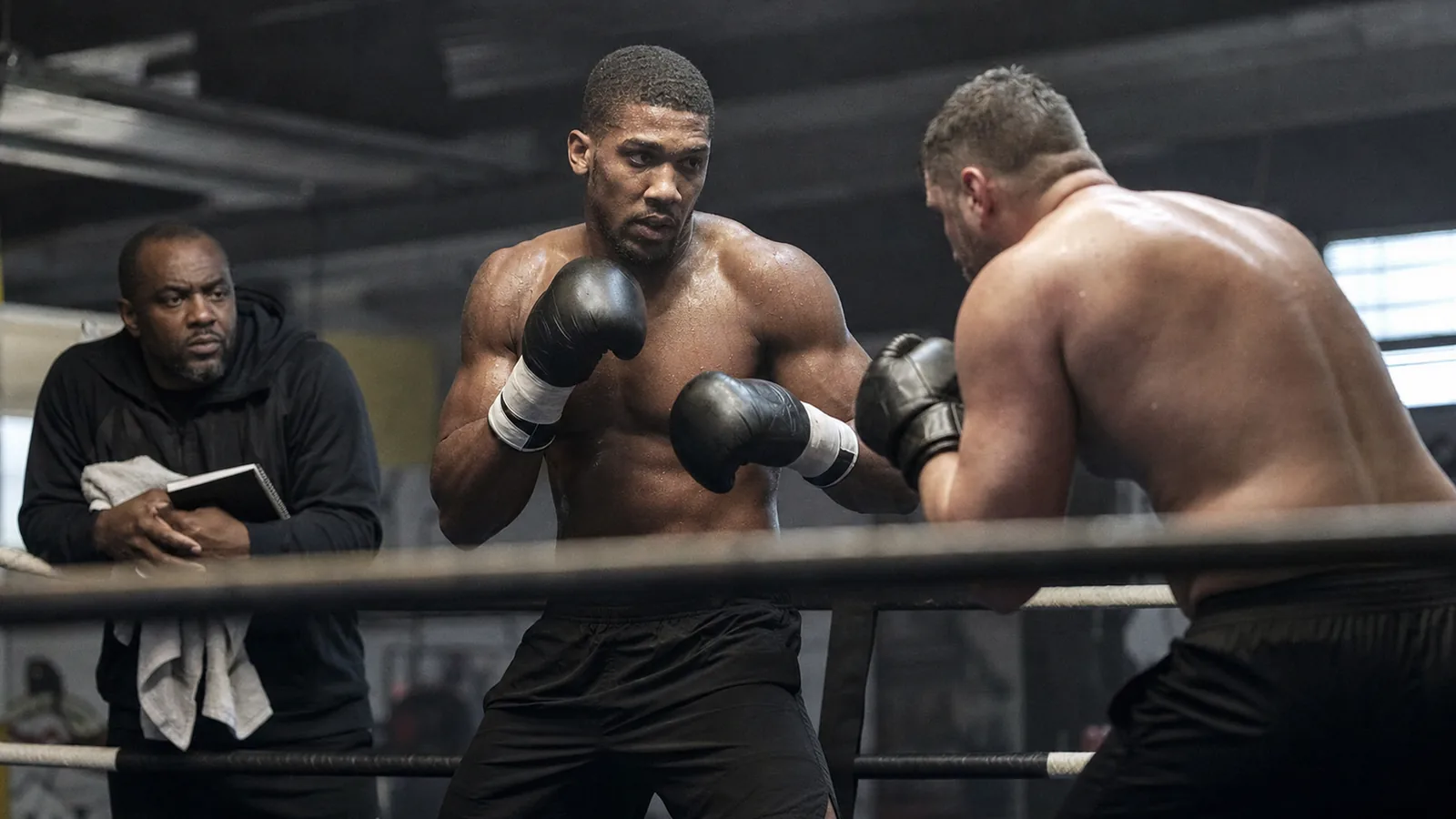
Joshua vs Prenga: why a comeback opponent still matters
DAZN’s official preview puts Anthony Joshua’s return at the centre of the week; the useful club-blog angle is how a supposedly manageable opponent can test timing, composure and decision-making after time away.
Fury vs Joshua: why contract claims are not a fight announcement
Separate a reported Nov 20 MSG contract from a confirmed event, using Eddie Hearn’s public caution to explain what still has to be agreed before fans treat Fury-Joshua as real.
Was this page helpful?
It takes one tap, and it genuinely helps.
Choose your next step
Turn this article into the right action
Some readers are ready to book. Some need the class route first. Pick the route that matches what you actually want.