Abraham Perez vs Yankiel Rivera: highlights and next steps
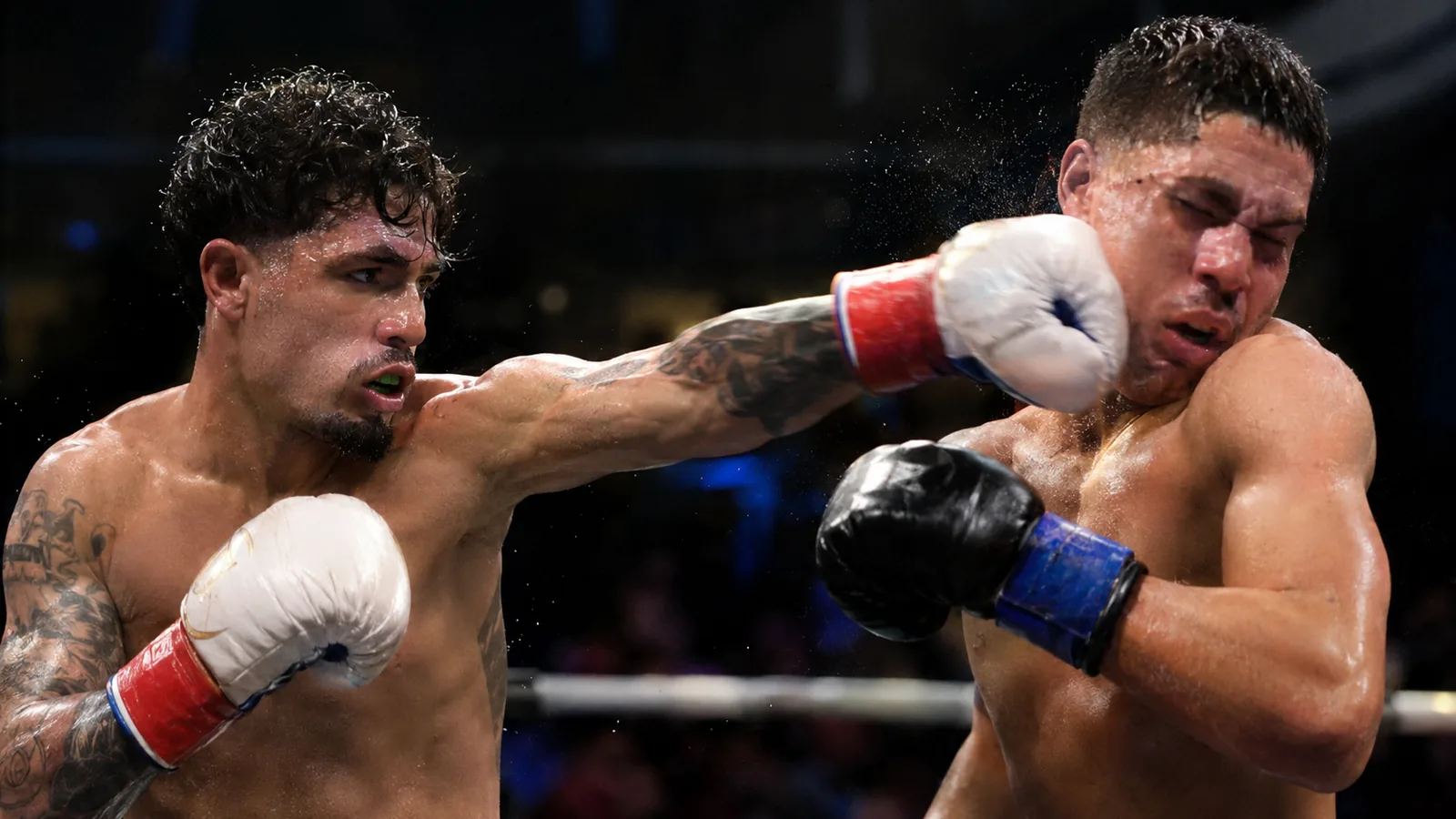
Abraham Perez vs Yankiel Rivera: the right hand told the story
Abraham Perez did not merely retain his WBA interim flyweight title against Yankiel Rivera in Albuquerque. He showed why clean positioning, a disciplined guard and one dependable punch can make a talented opponent look ordinary over 12 rounds.
Perez won a wide unanimous decision at the Kiva Auditorium, with scores of 118-109, 119-109 and 120-107 reported by FIGHTMAG. Those numbers leave little room for debate. Rivera had effort and ambition, but Perez had control from the opening bell, scoring a second-round knockdown before repeatedly punishing the Puerto Rican southpaw for his predictable entries.
The DAZN highlights make the central lesson clear: Perez did not need to chase a stoppage or throw himself into a frantic flyweight shoot-out. He made Rivera walk into the same traps, read the same left hand and pay for the same mistake.
For young boxers, including those learning at Honour & Glory from age seven upwards, this was useful viewing. It was not about wild exchanges. It was about keeping shape when the other fighter is trying to force the pace.
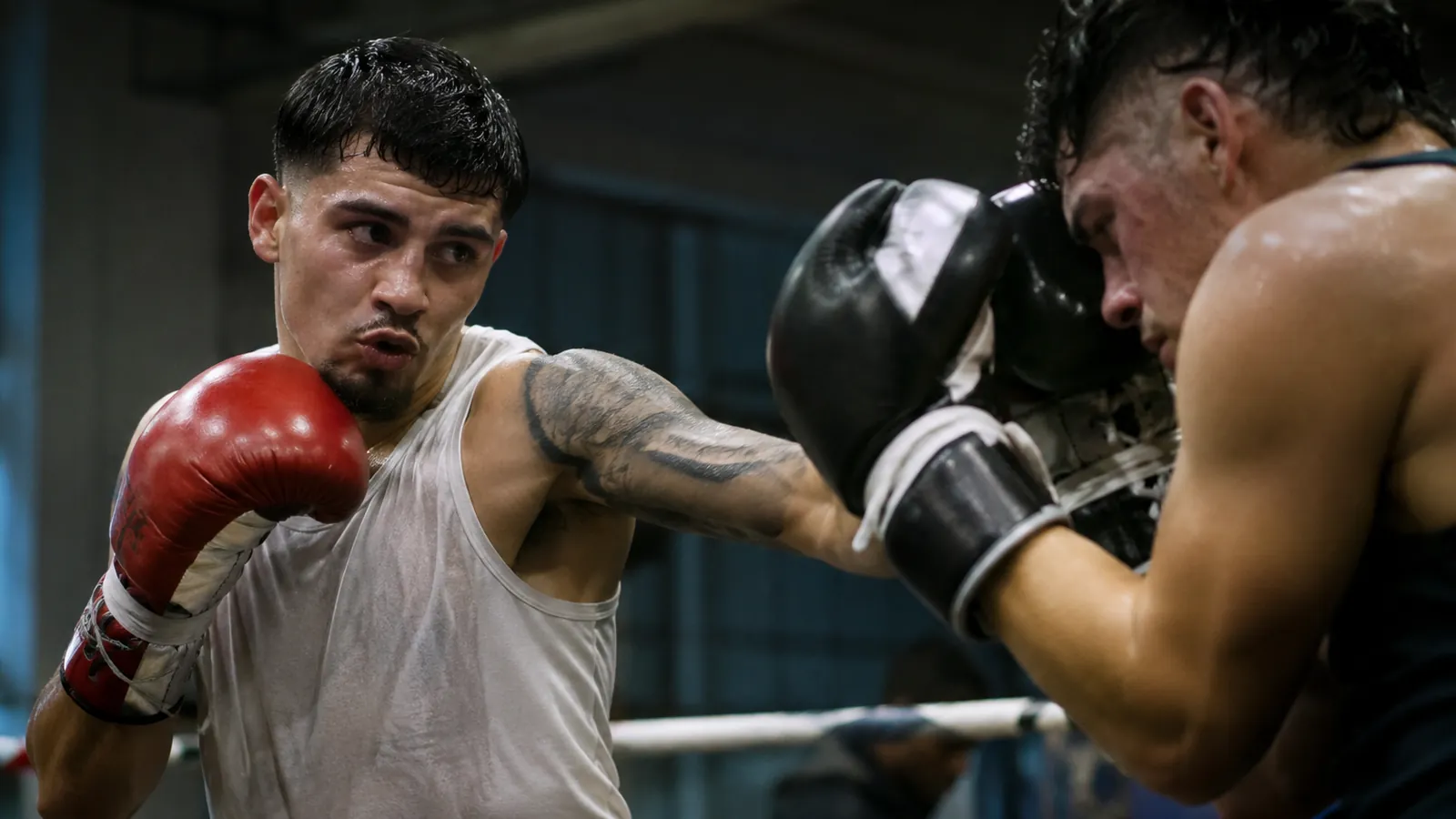
Perez won the battle of the feet before he won the rounds
Rivera came in as an unbeaten, energetic southpaw with a chance to finally claim a version of the WBA belt after previous bids had fallen short. He had the danger that comes with a fighter who will keep coming, throw the left hand and ask difficult questions. Yet against Perez, his pressure was too straight and too reliant on closing distance without enough defensive thought.
That is a costly habit against a composed orthodox boxer.
The opening round established the pattern. As covered in Bleacher Report’s DAZN live updates, Perez blocked several of Rivera’s left hands, then answered with sharp rights of his own. He also landed a counter left hook late in the round. Rivera was trying to get his lead foot outside and send the back hand down the middle, the standard southpaw route. Perez denied him the clean lane, then returned fire before moving away.
That sequence matters more than a highlight-reel flurry. Perez was not simply quicker. He was making decisions first.
When Rivera stepped in at a predictable range, Perez either met him with the right hand or took a short step away, leaving Rivera to punch at air or gloves. When Rivera stayed in front of him, Perez had time to reset his feet and pick his shots. When Rivera attempted to crowd him, Perez turned him and created a fresh angle rather than accepting the ropes.
The second round turned a technical advantage into a decisive one. Perez dropped Rivera with a fast right-left-right combination, bloodying his nose in the process. It was the result of everything that had gone right in the first round: Rivera entered square, Perez stayed balanced, and the defending champion threw straight through the middle.
The full fight highlights are worth watching for the consistency of that work. Perez did not reinvent himself from round to round. He used his feet, stayed compact, made Rivera commit and landed the cleaner punch.
There is a temptation in boxing to describe every dominant performance as a masterclass. This one was simpler and better than that. Perez applied the basic rules with real discipline. Keep the opponent at the end of the punch. Do not retreat in straight lines for long. Do not admire your work. Exit after scoring. Make the aggressive fighter reset.
Rivera brought pressure, but not enough variation
Rivera deserves credit for getting up from the knockdown and completing the distance. He did not fold after a difficult second round. He kept trying to bring the fight to Perez and did not turn the contest into survival mode.
But toughness is not a tactical adjustment.
Rivera needed more feints, more work to Perez’s body and more ways of entering range. His forward momentum gave Perez an easy read. A southpaw cannot repeatedly lead with the same left hand, from the same distance, against a fighter who is already blocking it and firing the right hand back. The left needs preparation. It can follow a jab to the chest, a feint, a step across, a body shot or a change of rhythm. Rivera gave Perez too few different pictures.
The report from Boxing247 was blunt about it: Rivera spent 12 rounds marching into trouble. That is harsh, but it reflects the fight. He had moments of activity, yet activity is not the same as effective aggression. The cleaner, heavier and more purposeful work was almost always Perez’s.
The official scores suggest that Perez’s command increased as the contest went on. A 120-107 card is emphatic, particularly in a 12-round title contest. Rivera’s knockdown made the gap wider, but the broader issue was that he never found a reliable answer to Perez’s spacing and counters.
It was a technical mismatch, not because Rivera lacked courage, but because Perez had a plan and Rivera remained stuck in the first version of his.
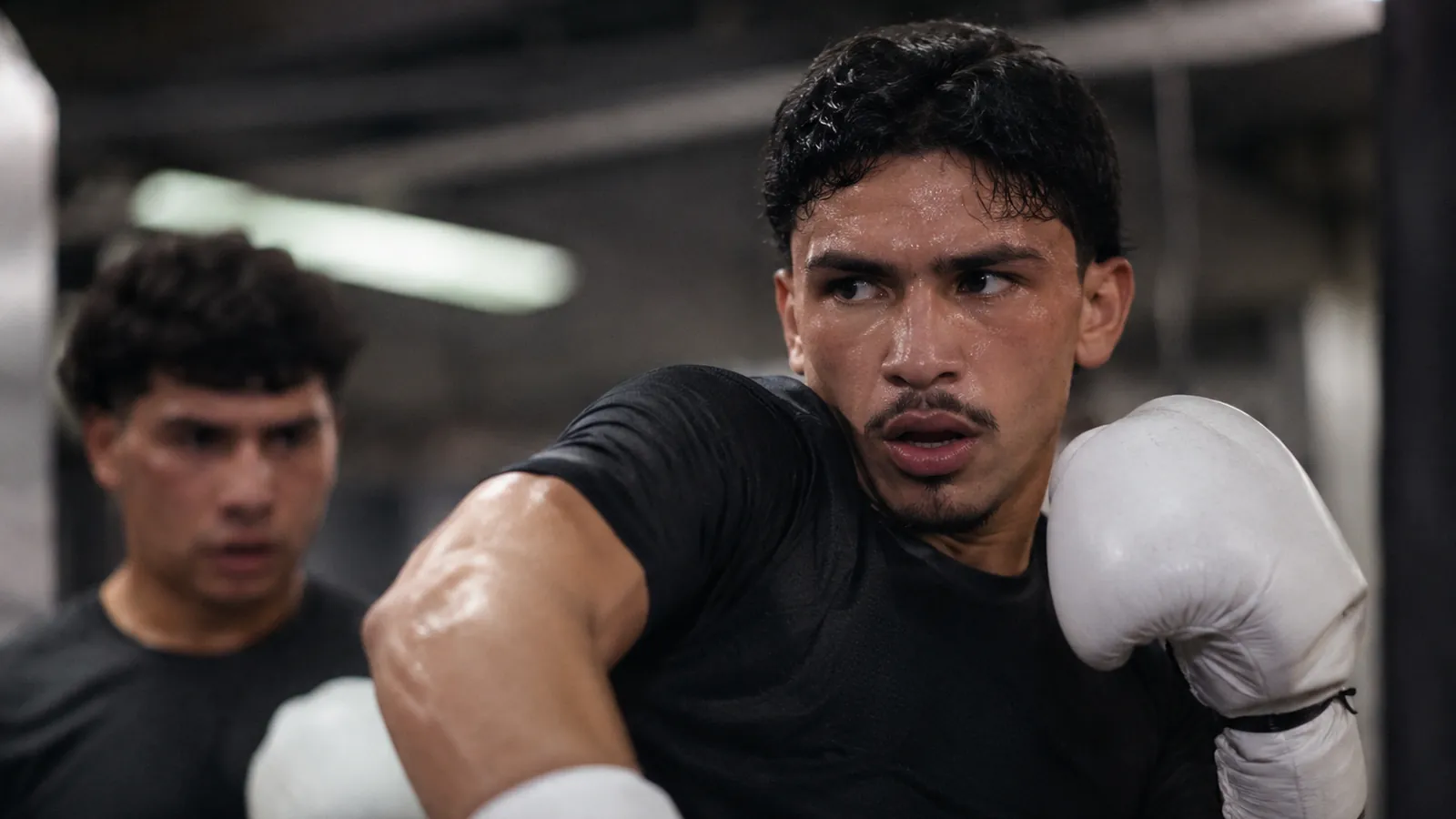
What the win means for Perez at flyweight
Perez improves to 15-0 with seven knockouts and has made the first defence of his interim WBA flyweight belt. More importantly, he has added 12 serious rounds against an unbeaten challenger who came to win. Prospects need those nights. A fast knockout can look impressive, but a composed championship-distance performance tells matchmakers and titleholders much more.
The division now has a clear name at the top of the WBA picture. As FIGHTMAG’s results report noted before the bout, Sergio Mendoza is listed as the WBA world champion and also holds the WBC title at 112lbs. Perez’s interim status should mean one thing: a route to the full champion, not a belt to defend indefinitely against opponents beneath that level.
Perez has earned a meaningful step up. He should seek the mandatory route, push for the Mendoza fight or take a recognised top contender while that path develops. He has now shown the style to test elite flyweights: measured feet, an accurate right hand, calmness under pressure and enough spite in the combinations to discourage reckless attacks.
There will be tougher tests. Against a more mobile opponent, Perez may have to lead more often. Against a fighter with a stronger jab and more varied body work, he cannot wait as comfortably for the counter. But that is precisely why this performance matters. It showed a foundation that travels.
The supporting card also gave the Albuquerque crowd plenty to discuss. Full-card highlights are available here, including Atif Oberlton’s split-decision win over Deon Nicholson and Pryce Taylor’s narrow victory over Tsotne Rogava. Still, Perez was the fighter who left with the clearest next move.
Rivera needs a rebuild based on craft, not caution
This defeat should not end Rivera’s relevance at flyweight. At 8-1-1, he has time, talent and a style that can trouble fighters if it becomes less predictable. He should not abandon pressure boxing. He should refine it.
The first job is defensive responsibility on the way in. Rivera cannot enter with his head high, his feet following one another and his left hand loading from range. He needs to jab his way closer, use head movement without falling over the front foot, and target the body before demanding exchanges upstairs.
He also needs to understand that moving forward is not automatically cutting off the ring. Perez repeatedly found an exit because Rivera followed him rather than taking away the next step. The distinction is enormous. Following lets the opponent choose the route. Cutting off the ring makes that route disappear.
A return over eight or 10 rounds against a durable, experienced opponent would be sensible. Rivera needs rounds in which he can practise building attacks rather than trying to rescue a fight with urgency. He remains a capable contender, but the Perez bout exposed the level of adjustment required if he is to compete for a major belt again.
For anyone training regularly, there is a practical takeaway. Pressure is valuable only when it is controlled. If you rush in without a jab, an angle or a defensive exit, you are doing the other boxer’s job for them. At Honour & Glory’s boxing classes, that is why technical sparring and footwork drills matter as much as fitness. Perez vs Rivera was a reminder that boxing’s sharpest punches often begin with the feet.
H&G Team
Writer at Honour & Glory Boxing Club, a community boxing gym in Kidbrooke, South East London.
KEEP READING
Gonzalez vs Perez: flyweight title fight lessons
The tempo, positioning and punch-selection lessons from Gonzalez vs Perez, and what developing boxers can learn from flyweight title rounds.
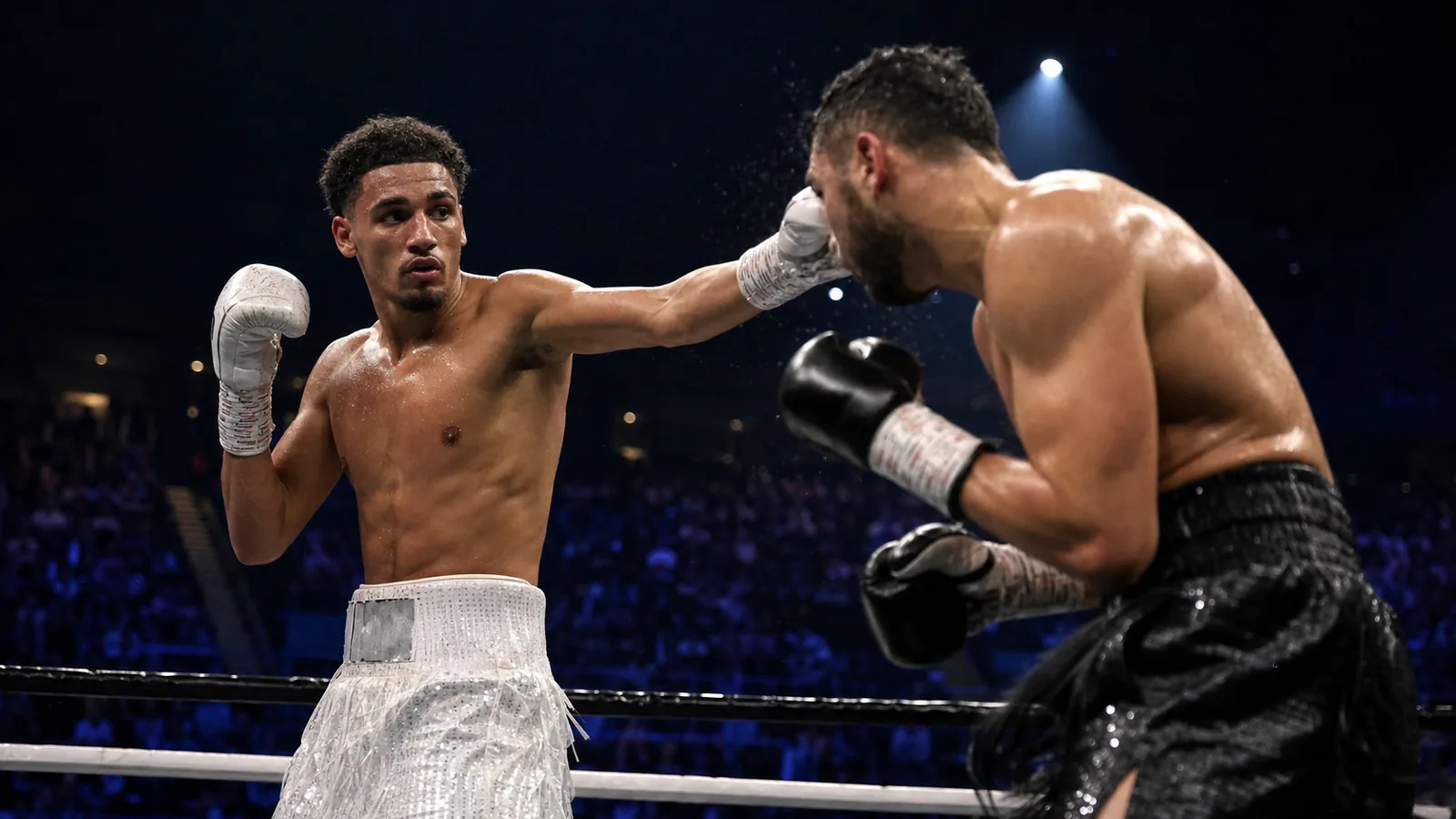
Ben Whittaker vs Rivera: showmanship under pressure
How Ben Whittaker balances showmanship with distance, rhythm and risk, and what the Rivera fight reveals about performing under pressure.
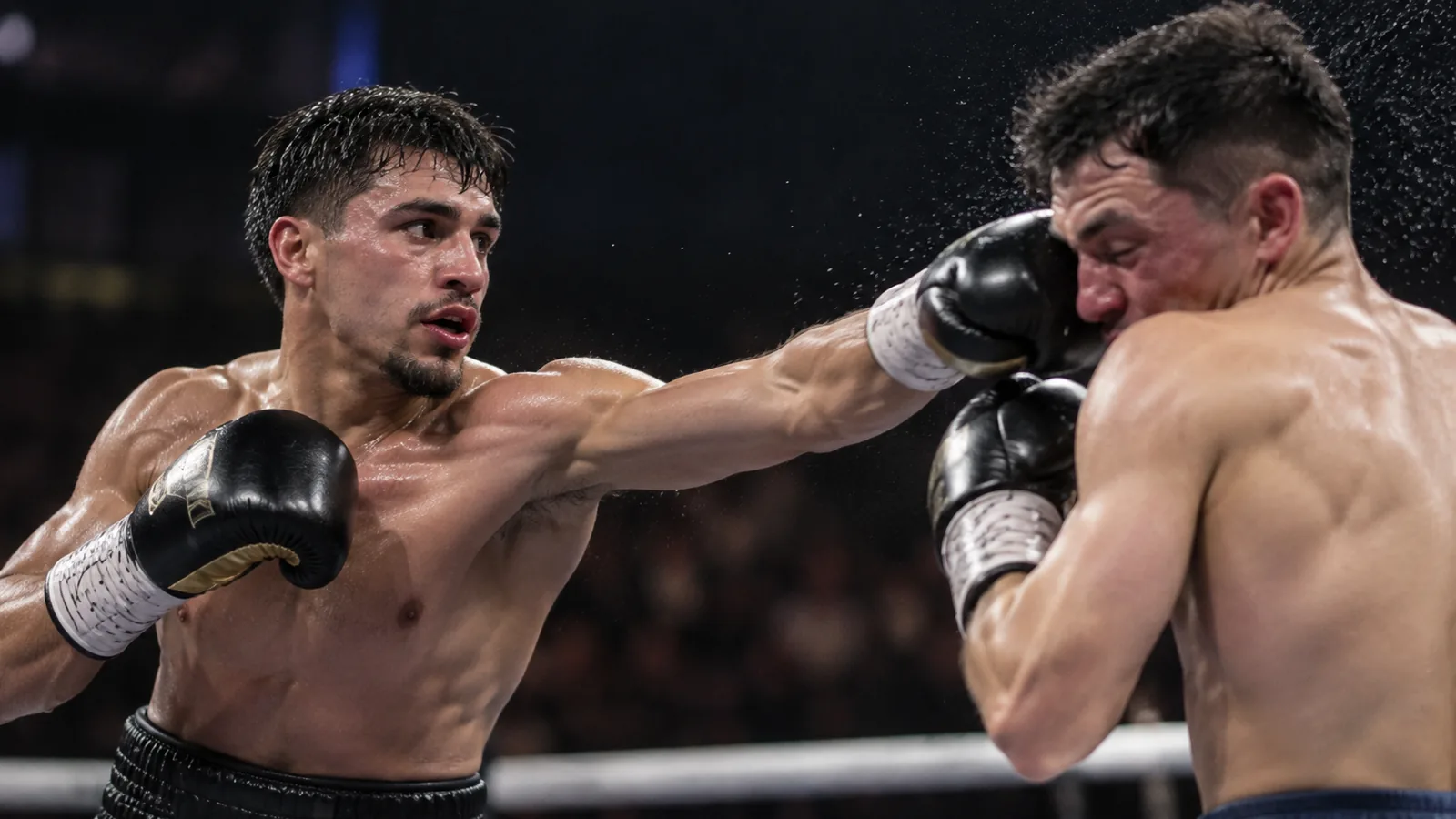
Armando Resendiz vs Koen Mazoudier: the result to examine
The key exchanges in Armando Resendiz vs Koen Mazoudier, the decisions that shaped the fight and the lessons each boxer can take forward.
Was this page helpful?
It takes one tap, and it genuinely helps.
Choose your next step
Turn this article into the right action
Some readers are ready to book. Some need the class route first. Pick the route that matches what you actually want.