What Zuffa Boxing 11 means for Richards, Cutler and Greene
What Zuffa Boxing 11 means for Richards, Cutler and Greene
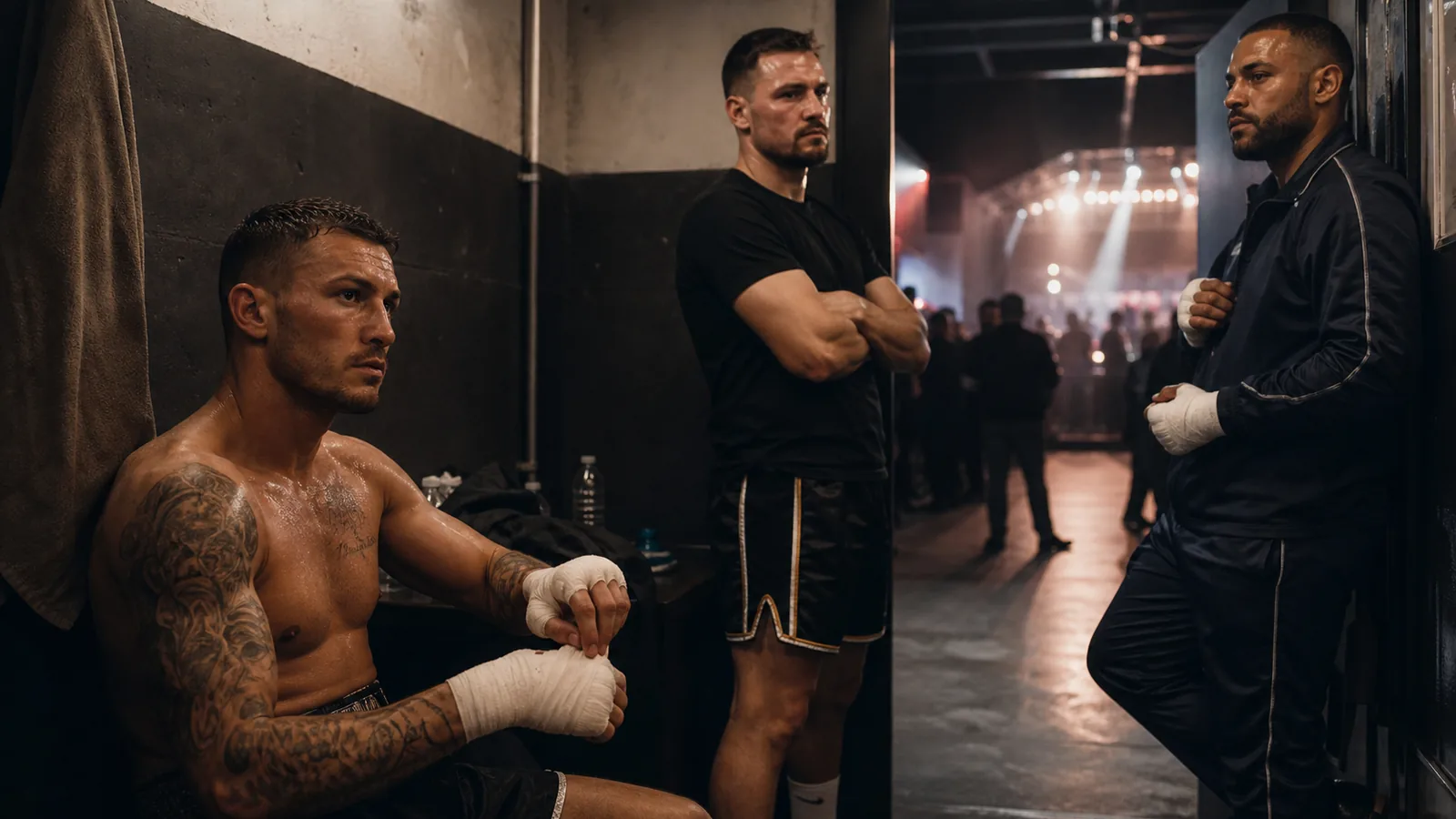
Craig Richards does not need a lecture about boxing politics. He needs fights.
That is why his reaction to joining Zuffa Boxing 11 matters more than another round of arguments about whether Dana White’s new promotion will upset the established UK order. On 26 September at the Copper Box Arena, Richards meets Radivoje Kalajdzic in a 10-round light-heavyweight contest, while Lee Cutler and Louis Greene meet over 10 rounds at middleweight. The card is headed by Johnny Fisher and will be shown live on Sky Sports.
The announcement is worth reading properly because it is not a card made up of prospects being introduced to television. Sky Sports confirmed Richards versus Kalajdzic as the chief support, with Cutler versus Greene also added to the London bill. These are fighters with professional careers already behind them, records to protect and a clear need for the next meaningful win.
That is the test Zuffa should want.
Richards sees activity, not a rescue mission
Richards put it plainly. He called Kalajdzic “a very exciting fight”, pointed out that both men can punch and have not avoided hard competition, then described the opportunity in terms of a push towards another world-title shot.
Most revealing was his complaint about opponents turning down fights because he was “a hard fight” and “a long night in the office”. His conclusion was direct: “Zuffa does not allow you to do that”, adding that it means activity and the chance to make a statement.
That is not a man speaking as if a new promotion has arrived to save British boxing. It is an established contender describing a familiar professional problem. Richards has been good enough to be dangerous, experienced enough to be inconvenient, and recognisable enough that a loss to him changes an opponent’s plans.
At 20-4-1 with 13 stoppages, the former British champion has fought Dmitry Bivol for the WBA title and beaten Dan Azeez by knockout. He is not rebuilding from obscurity. He is trying to force the sport to take him seriously again while there is still time to do it.
Kalajdzic is the correct type of opponent for that argument. The Serbian-born puncher is 30-3 with 22 knockouts and arrives after stopping Oleksandr Gvozdyk in the seventh round in February. Boxing247’s look at the match-up makes the risk clear: Kalajdzic does not need to win every minute of a fight to change it. He was reportedly down twice before stopping Gvozdyk, which tells you exactly why a neat points win cannot be assumed.
Richards has the better recent British form and enough technical quality to make Kalajdzic reset repeatedly. But this is not a comfortable showcase. It is a fight where a win means something because defeat would mean something too.
That matters. A route for an established contender cannot just be regular appearances against carefully chosen opponents. It has to include the chance to beat a dangerous, internationally recognised fighter in front of a proper audience.
The official Zuffa Boxing 11 announcement also confirms the fight as a 10-round co-feature at the Copper Box. Zuffa has put Richards in a visible slot, against an opponent with genuine jeopardy. That is a start. It is not yet a career plan.

Cutler and Greene have accepted the domestic question
Cutler versus Greene is a different type of opportunity, but it may answer an equally important question.
British middleweight and super-welterweight boxing is full of fighters who can make a case for themselves. The problem is that the case often stays theoretical. A fighter wins a regional belt, gets a decent name on a record, then spends too long circling the same domestic pool without taking the bout that would properly separate him.
Cutler and Greene have taken that bout.
Cutler’s win over Stevie McKenna in December 2024 remains one of the stronger results on either man’s record. McKenna had never previously lost as a professional and brought the kind of pressure that usually makes a domestic opponent panic. Cutler did not panic. His most recent outing saw him stop Aaron Sutton in Bournemouth.
Greene brings a different sort of credibility. A former Commonwealth super-welterweight champion, he was active on Zuffa Boxing 10 in Dublin and earned a points win over Daniel Buciuc shortly before this fight was announced. The official Zuffa Boxing 10 card had Greene on the prelims, while Yahoo’s event guide recorded the Sky Sports broadcast in Britain. Now he has moved quickly into a 10-round, all-British contest with a clear consequence.
Their Sky Sports News face-off is not evidence that either man has solved the career question. Face-offs are for cameras, and boxing is rightly wary of treating a staredown as a substitute for a fight. But their willingness to meet at this point is the meaningful reaction.
Neither man is asking for an easy return. Both have chosen a contest where a clear win can sharpen his position on a growing platform.
That is how a promotion becomes useful to British contenders. Not by announcing that it wants to change boxing, but by putting fighters with something to lose in fights that settle a real argument.
https://www.youtube.com/@zuffaboxing
A platform is only useful if it keeps the next door open
The strongest evidence for Zuffa’s potential is not the logo or the press conference. It is what it has already put on. Zuffa Boxing 10 in Dublin was headed by Aaron McKenna and Etinosa Oliha in an IBF middleweight title fight, with Callum Walsh versus Tyler Denny and Joe Ward versus Artjom Kasparian also on the card. UFC’s viewing information listed Sky Sports for UK viewers and Paramount+ in the United States and Canada.
That does not prove Zuffa has built a complete pathway. One good card never does. But it shows the promotion can place British and Irish fighters on cards with international opponents, title significance and a broadcast audience beyond the usual local scene.
For Richards, the question after Kalajdzic is obvious. If he wins, does Zuffa produce a bigger light-heavyweight fight quickly? Does it find an opponent who moves him towards a title opportunity, or does he return to the familiar waiting room of boxing?
For Cutler and Greene, the question is slightly different. Can the winner be put into a properly graded next contest, rather than treated as a useful name for somebody else’s rise? A domestic fight should be a rung on a ladder, not the top rung itself.
Bad Left Hook’s report on the card gets to the point: these are two genuine additions, not filler. Richards is pursuing another world-title chance. Cutler and Greene are contesting a meaningful British match-up. Zuffa has been given a credible first assignment in London.
The verdict
Zuffa Boxing 11 offers Richards, Cutler and Greene a meaningful route only if it treats September as the beginning, not the finished product.
Richards is being matched with a dangerous puncher at the right time in his career. That is commendable matchmaking. Cutler and Greene are taking a domestic fight that will clarify who should move towards bigger opportunities. That is useful matchmaking too.
But the real measure comes afterwards.
A serious promotion does not merely offer a stage. It makes the next fight easier to identify and harder to avoid. Richards has already told us what he wants: activity, a statement and a route back to the world-title conversation. Cutler and Greene are putting their records on the line to earn their next move.
Zuffa does not need another grand claim to prove its point. It needs to give the winners somewhere real to go.
H&G Team
Writer at Honour & Glory Boxing Club, a community boxing gym in Kidbrooke, South East London.
KEEP READING

Odel Kamara signing with Matchroom: what a platform can change
A focused look at what a major promotional signing can and cannot do for an amateur standout before his first professional matchmaking test.
Frazer Clarke’s quick return: why turnaround matters
Use Clarke’s surprise weekend bout against Lamah Griggs to explain what a quick return can achieve for a heavyweight: ring time, confidence, timing and risk management, without treating an interview as proof of a completed result.
Charlo And Fulton Added To Spence-Tszyu Sydney Card
A focused look at a fresh undercard announcement: why Jermall Charlo vs Koen Mazoudier and Stephen Fulton vs Liam Wilson make the Sydney card more than just a main-event story.
Was this page helpful?
It takes one tap, and it genuinely helps.
Choose your next step
Turn this article into the right action
Some readers are ready to book. Some need the class route first. Pick the route that matches what you actually want.