Research on boxing gym culture and design notes that the spartan aesthetic is not accidental - it reflects the sport's roots in working-class communities. England Boxing's facilities standards define the minimum equipment requirements for affiliated clubs.
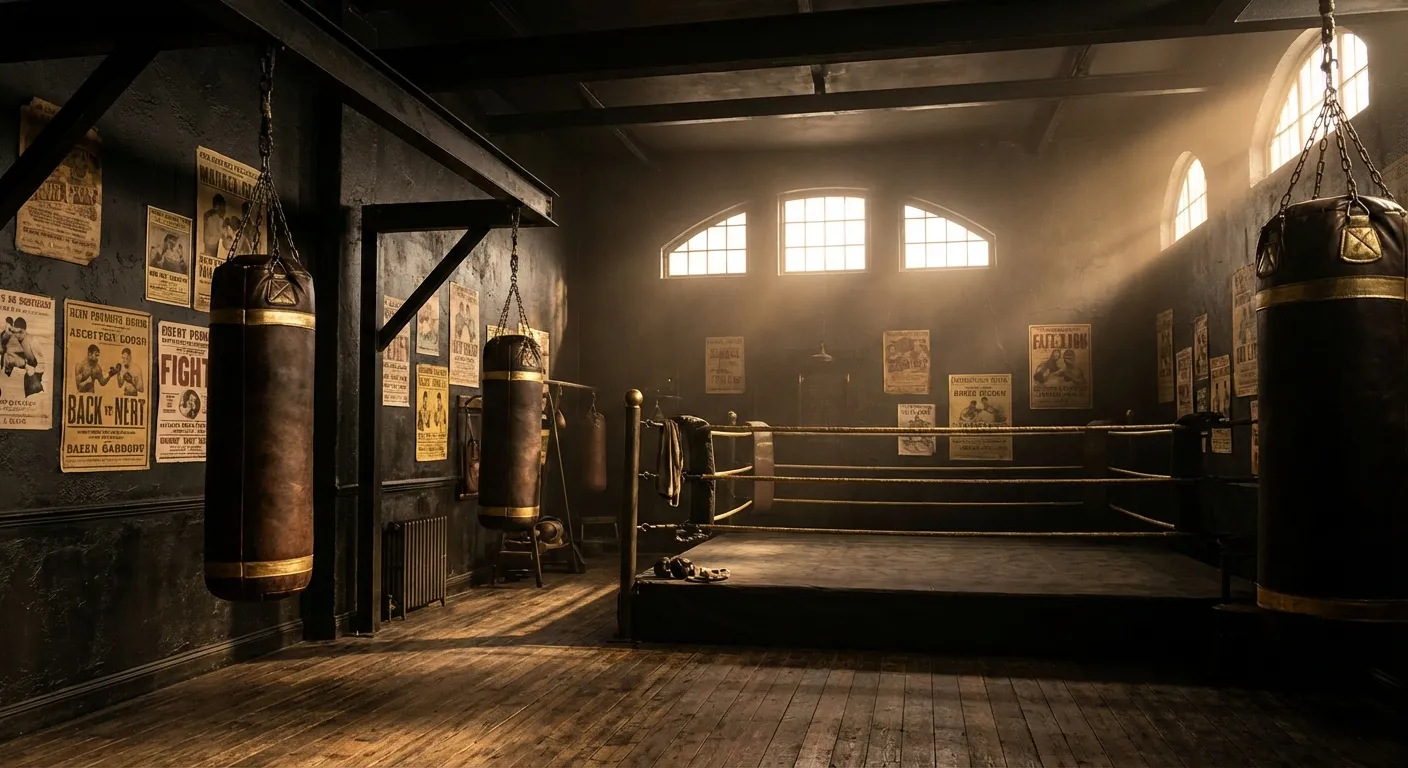
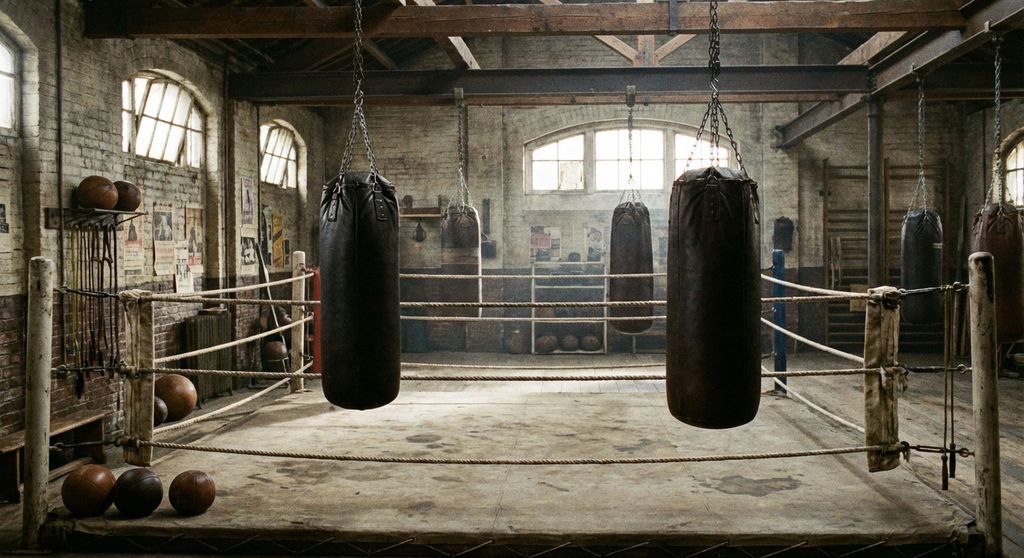
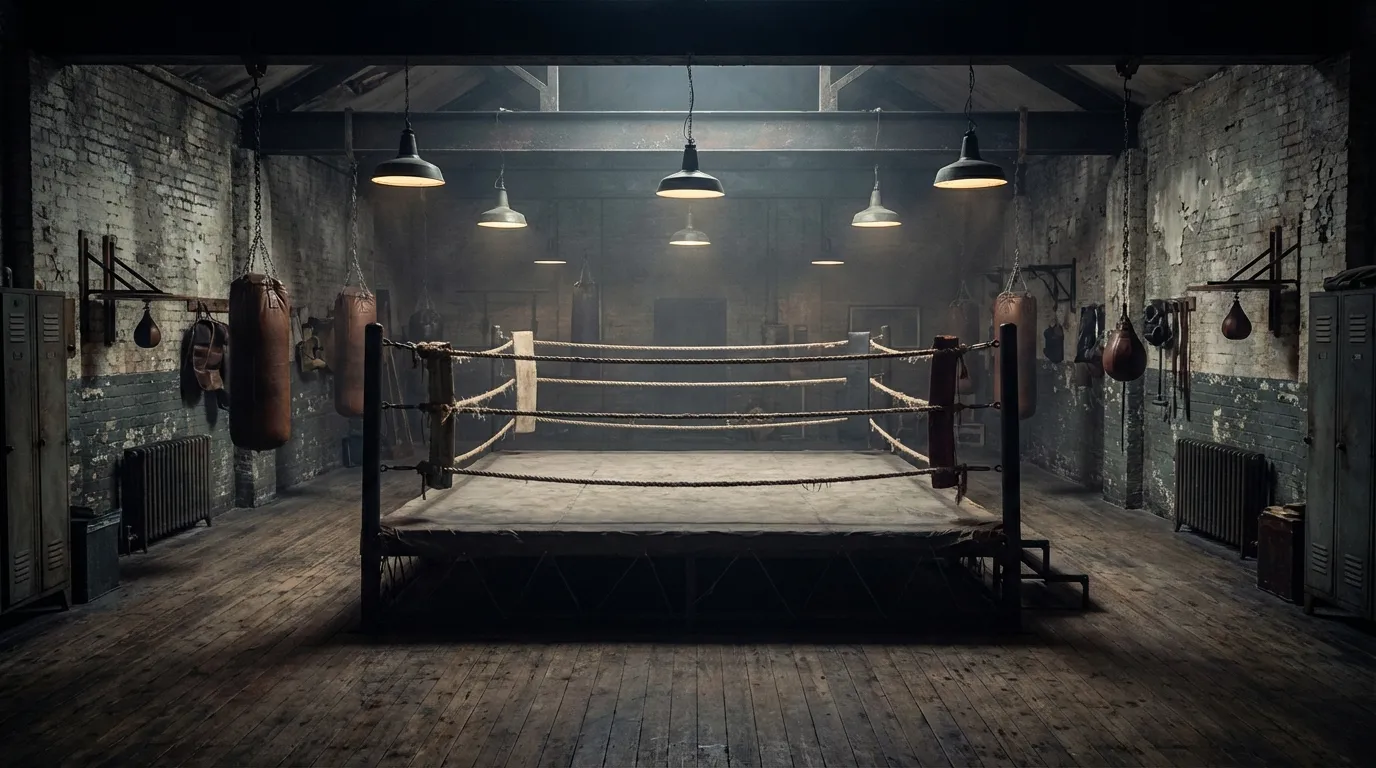
Boxing gyms have a recognisable aesthetic that has remained surprisingly consistent for a century. Exposed brickwork or painted concrete, heavy bags hanging from the ceiling, a canvas-covered ring with post-and-rope construction, worn wooden floors, old fight posters on the walls.
This is not accidental and it is not retro styling. It is the accumulated result of practical requirements and cultural continuity.
The Practical Origins
The heavy bag needs somewhere to hang. Industrial buildings - converted warehouses, former factories, Victorian leisure centres - have the ceiling height and structural capacity that purpose-built buildings often do not.
The ring requires a raised platform to allow spectators to see over fighters and give the referee room to move. The canvas surface absorbs impact and provides adequate grip without being sticky.
Worn wooden floors are typical because boxing training involves significant footwork, skipping, and movement. Hard, slightly grippy surfaces work better than smooth ones.
The apparent austerity of many boxing gyms reflects construction economics rather than aesthetic choice. Community boxing clubs have historically operated on very thin margins. Money went into equipment - bags, gloves, ring - not into decor.
The Cultural Continuity
The aesthetic of the boxing gym has been maintained partly through deliberate choice and partly through cultural pressure.
Boxing has a specific culture of authenticity. The contrast between the real boxing gym and the commercial gym environment is part of what defines the sport's self-image. Many long-established boxing gyms maintain their historic aesthetic specifically because it signals authenticity.
The fight posters represent lineage. A club with decades of history has fought at specific venues, produced specific fighters, been part of specific moments. The posters are a visible record of that.
The New Gym vs the Old Gym
New boxing clubs often face a choice: adopt the traditional aesthetic or build something more commercially accessible.
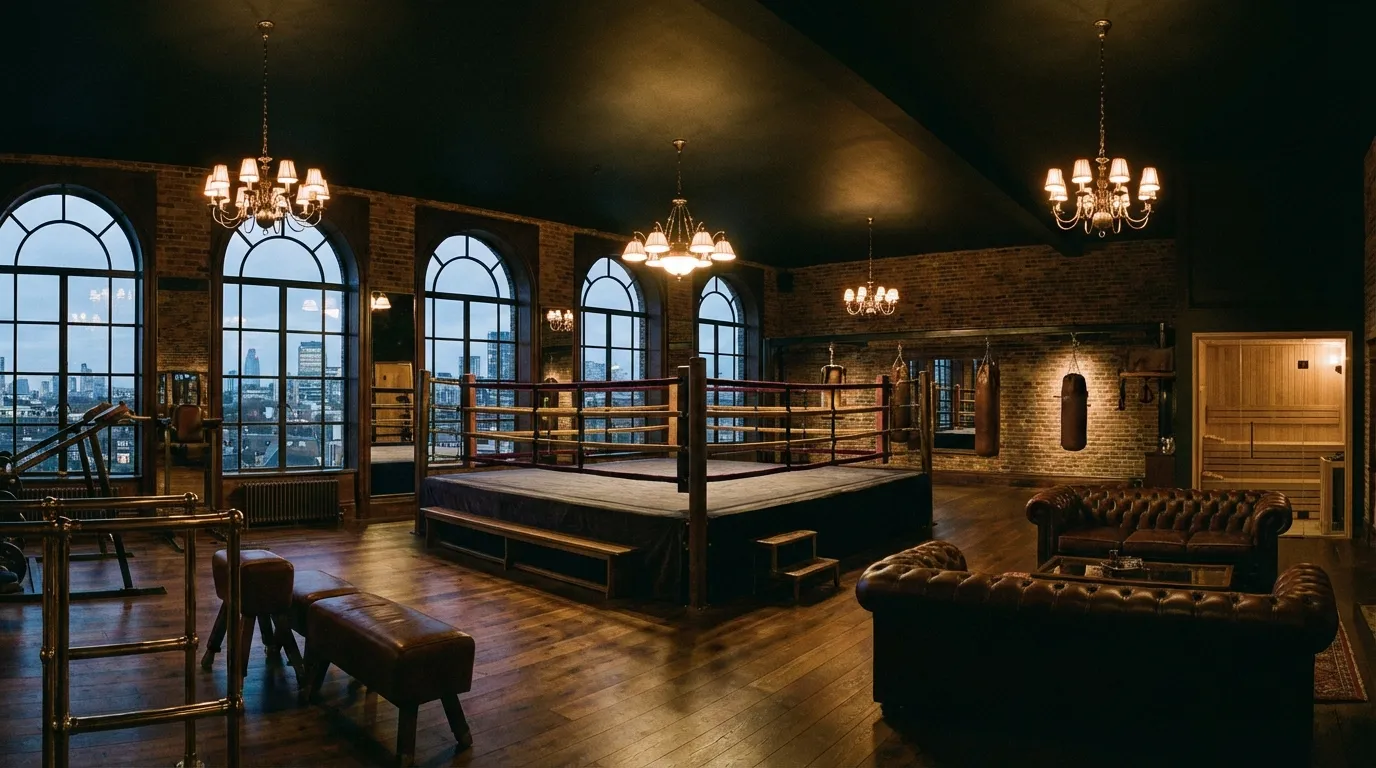
The boutique boxing studios - BXR, KOBOX - made a deliberate choice to depart from the traditional aesthetic and built spaces that look nothing like historic boxing gyms. Glass, lighting design, music systems. They serve a different market (source).
Community clubs like Honour and Glory occupy the traditional end of the spectrum. The spaces are functional, the equipment is good, the decor is secondary. This signals to newcomers something about the club's priorities.
What the Aesthetic Actually Communicates
The person who walks into a boxing gym that looks like a boxing gym - worn, functional, serious - is receiving information. This is not a leisure facility. This is where boxing happens. The work is real.
This communication is partly why the aesthetic persists even in new clubs. It sets expectations correctly and filters out people who would not thrive there.
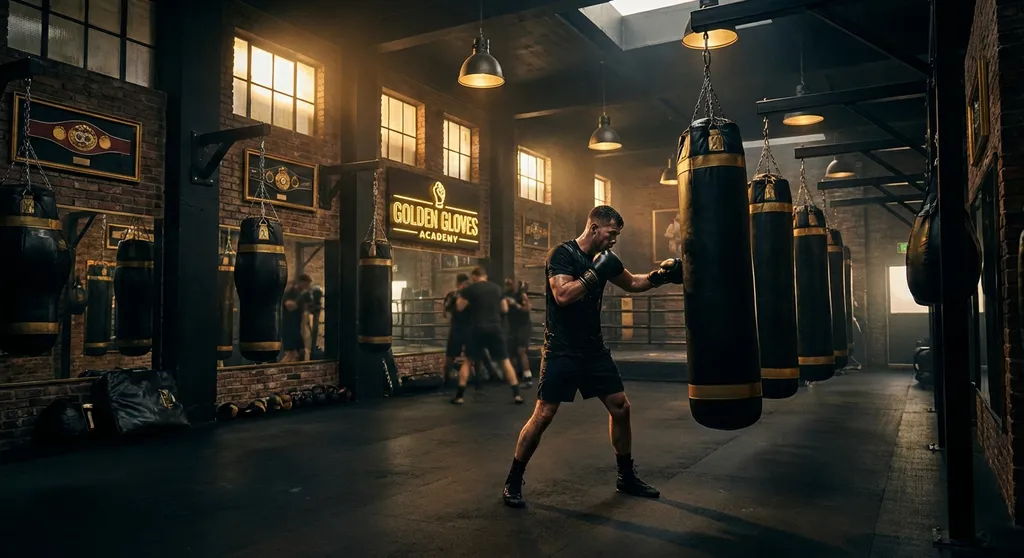
At Honour and Glory in Kidbrooke, the gym environment reflects the club's focus: proper boxing training in a community setting.
The Adult Recreational class is where most members begin.
H&G Team
Writer at Honour & Glory Boxing Club, a community boxing gym in Kidbrooke, South East London.
KEEP READING
Best Gyms in London: The Complete 2024 Guide
From budget chains to luxury clubs, boutique studios to boxing gyms - our honest breakdown of London's best gyms for every budget and fitness goal.
Best Boxing Gyms in London (Honest Reviews)
Looking for the best boxing gyms in London? We break down your options from traditional clubs to boutique studios - and what makes each worth considering.
What a Boxing Club Community Actually Is
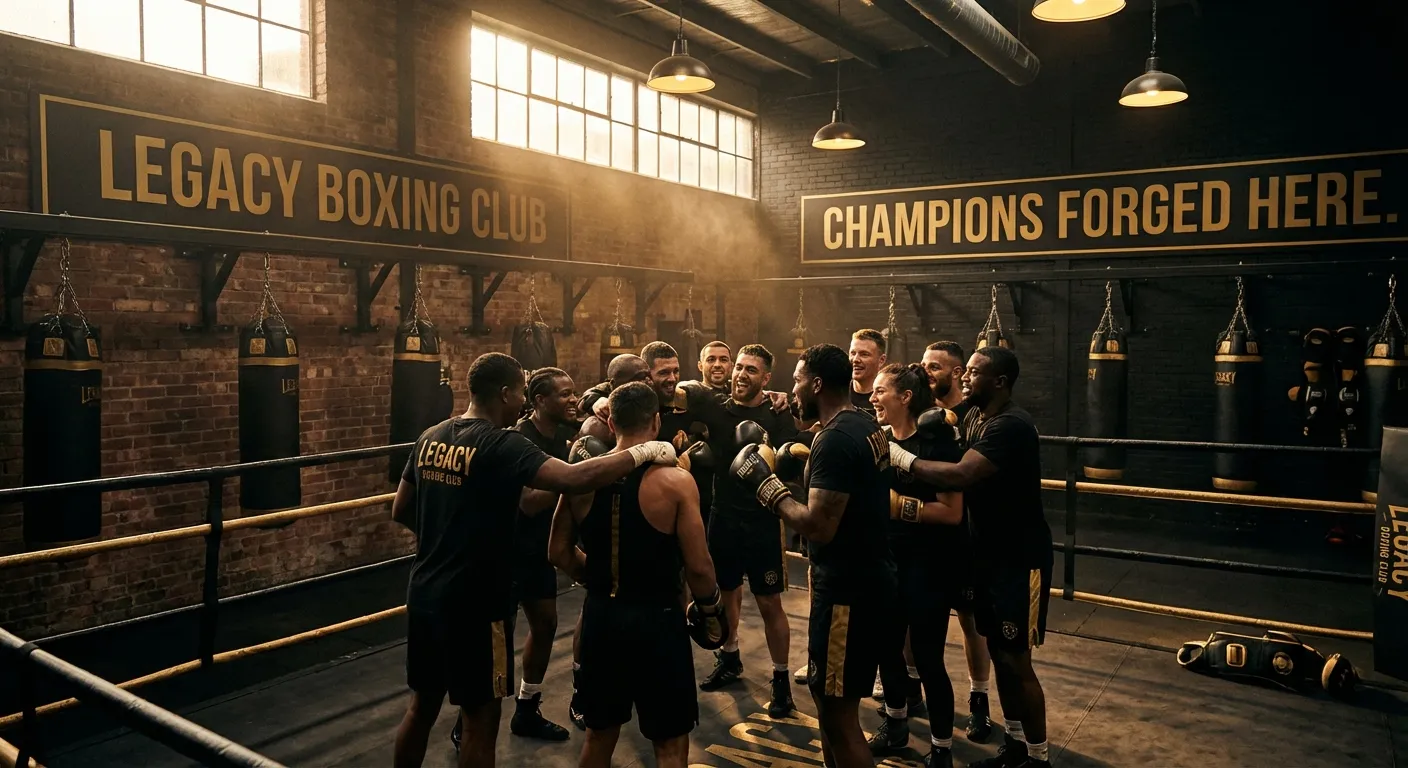
Why boxing clubs create a kind of trust, belonging and shared effort that is hard to replicate in ordinary sport environments.
Was this page helpful?
It takes one tap, and it genuinely helps.
Choose your next step
Turn this article into the right action
Some readers are ready to book. Some need the class route first. Pick the route that matches what you actually want.