White Collar Boxing: What to Expect From Start to Finish
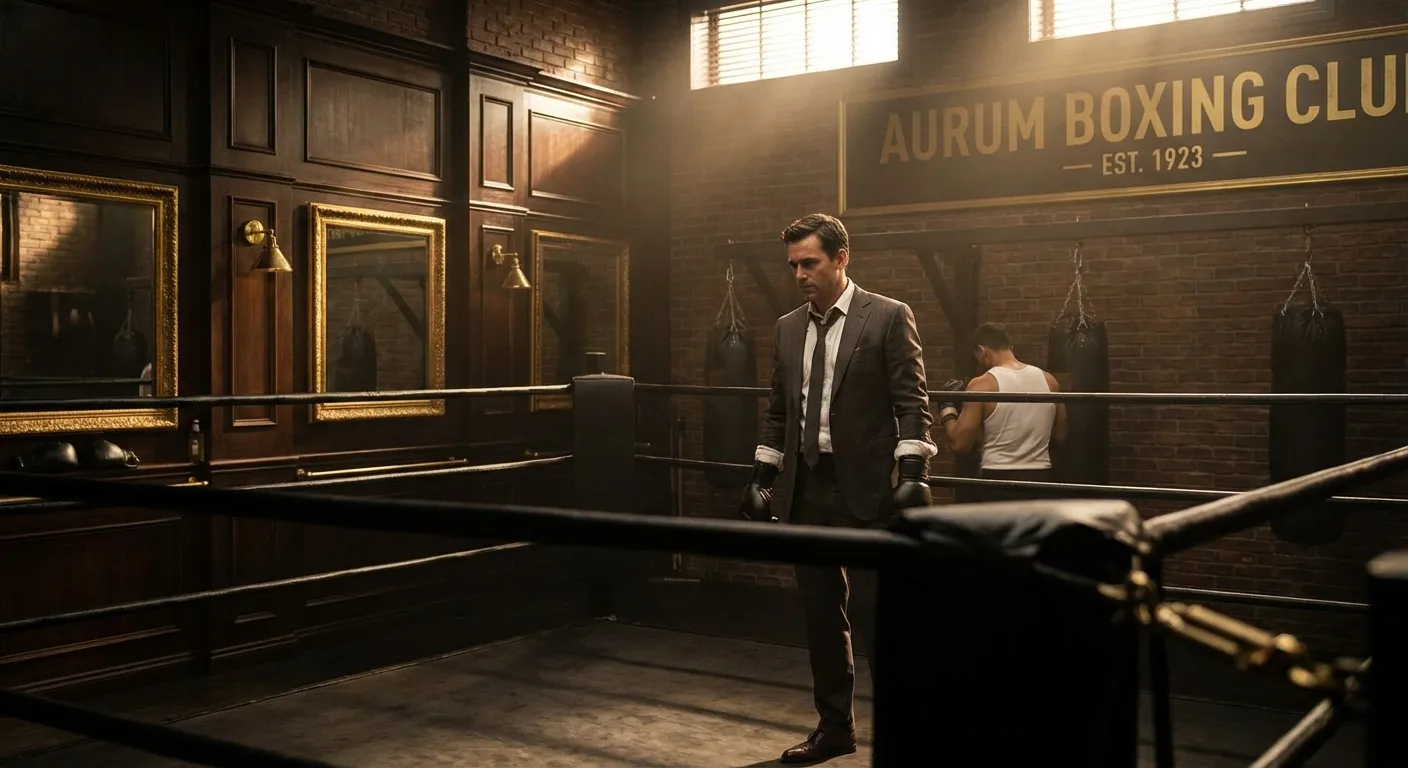
England Boxing's white collar boxing framework sets the safety and eligibility requirements. Most white collar participants are office workers and recreational beginners rather than experienced competitors, so the coaching and matchmaking are pitched accordingly.
White collar boxing events have proliferated over the past decade. The format - professionals with no boxing background training for six to twelve weeks and then fighting publicly, usually for charity - has moved from novelty to mainstream.
Here is what the experience actually involves, from the perspective of someone who has never boxed before deciding to take part.
What White Collar Boxing Is
White collar boxing events match non-competitive adult beginners against opponents of similar age, weight, and experience. The bouts are typically three rounds of one minute to two minutes, with full headguard and body protection.
The word "competitive" is deliberately absent. These are exhibitions, not amateur boxing competitions. The outcome is less important than the experience of getting in a ring in front of an audience after a training preparation.
They are usually fundraising events for charity. National schemes such as Ultra White Collar Boxing in aid of Macmillan Cancer Support take complete beginners through several weeks of training before a fight night that raises money for good causes. Some events are organised by boxing clubs, others by specialist white collar boxing promoters, others by corporate entities for company events.
The Training Period
A typical white collar boxing preparation runs six to ten weeks of two to three sessions per week. This is sufficient to develop the basic technique needed to acquit yourself in a two-minute round without embarrassing yourself or being badly hurt.
It is not sufficient to make you a boxer. Six weeks of training does not produce the skills that years of development build. White collar boxing events work because both participants are at roughly the same development stage.
The training itself is accelerated recreational boxing: stance, basic punches, combination work, bag and pad sessions, and eventually controlled sparring with the trainer to prepare for ring conditions.
What Fight Night Actually Looks Like
Fight night at a white collar boxing event involves several components:
The venue. Typically a hotel ballroom, a nightclub, or a dedicated boxing venue. A temporary ring is installed. Tables around the ring hold the audience - typically colleagues, friends, and family.
Weigh-in. Usually the day before or morning of the event. Weight class matching is the most important safety element.
The bout. Three rounds of one to two minutes with a referee in the ring. The referee can stop the action at any point if a participant is not protecting themselves adequately.
Judges or no judges. Some events have judges who score; others treat all bouts as exhibition and do not announce winners.
The crowd. An audience of people who know you, cheering you on. This is the specific experience that white collar boxing provides and that nothing else replicates.
The Honest Safety Question
White collar boxing events are safer than many contact sports and less safe than non-contact exercise. Participants should understand both sides.
The protection worn (headguard, gumshield, body protector) reduces injury risk significantly. The matched experience levels mean neither participant has a significant skill advantage. The referee is instructed to stop action quickly.
The realistic risks: a bloody nose, a bruise, a minor cut. These are the typical outcomes. Serious injury is uncommon but not impossible, which is why honest assessment of your own health and the organiser's safety record is important before committing.
Anyone with cardiovascular conditions, neurological history, or significant head injury history should consult a doctor before participating.
At Honour and Glory
White collar boxing events are sometimes organised through or by members of Honour and Glory's amateur boxing programme. For people interested in the white collar experience rather than formal amateur competition, this is the appropriate route.
The Adult Recreational classes provide the training base. For any specific white collar event preparation, speak to the coaches about the training structure.

H&G Team
Writer at Honour & Glory Boxing Club, a community boxing gym in Kidbrooke, South East London.
KEEP READING

Boxing for Commuters in South East London: How to Fit
Long commutes make consistent exercise difficult. Here is how people commuting from south-east London have made boxing training work around working hours.

What Chess Rating Do You Need for Chessboxing?
What the 1000+ Chess.com Rapid guide means for the six-minute chessboxing format, and how adults can find the right start.
Social Prescribing and Boxing: What It Means
Social prescribing allows GPs to refer patients to non-clinical community activities. Boxing clubs are increasingly part of this network. Here is what it means and how to access it.
Was this page helpful?
It takes one tap, and it genuinely helps.
Choose your next step
Turn this article into the right action
Some readers are ready to book. Some need the class route first. Pick the route that matches what you actually want.