Tyson Fury vs Mariusz Wach: what the stoppage tells us
The stoppage was right, even if the test was soft
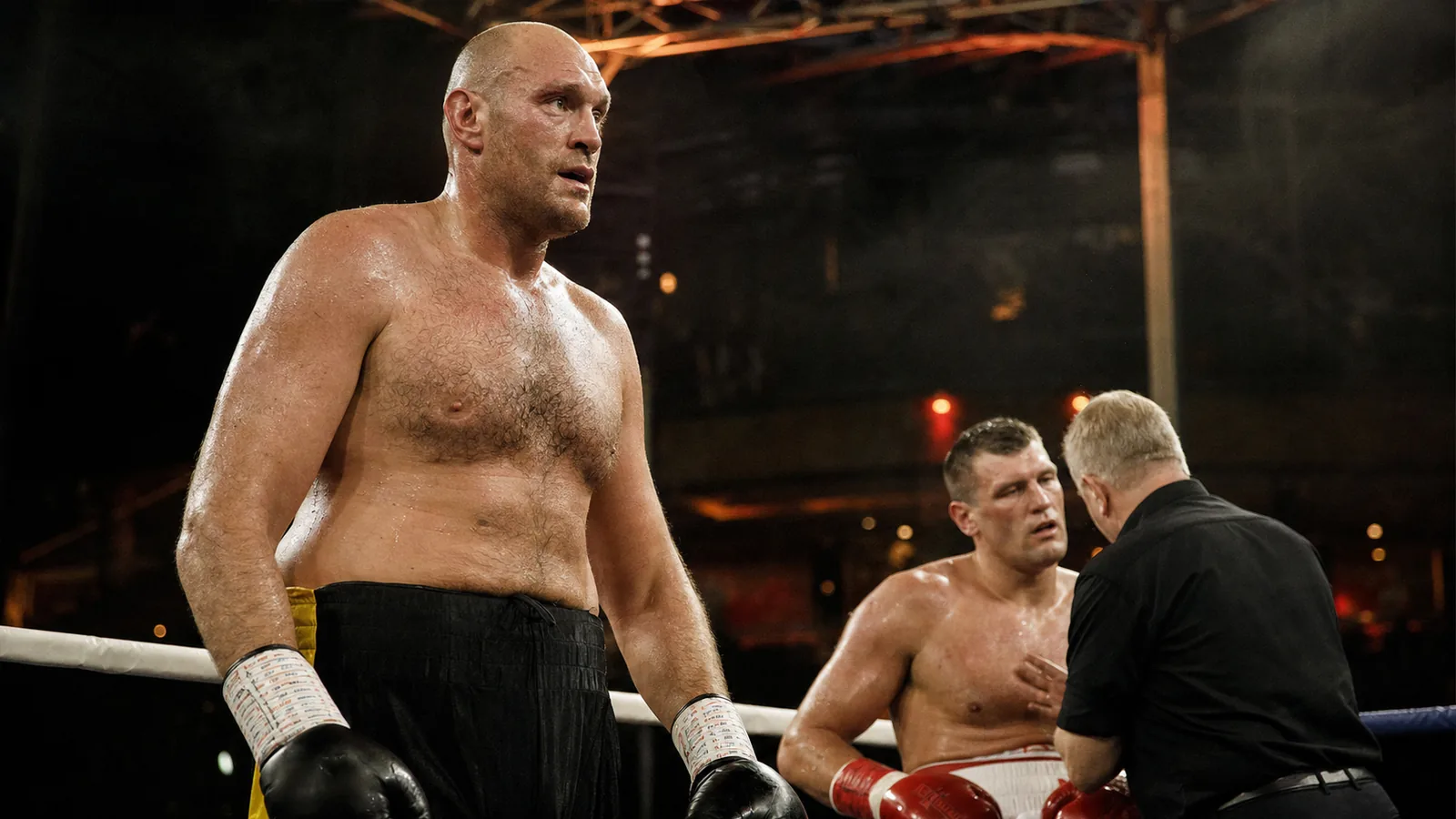
There is no need to pretend the ending was controversial. Wach had been worn down. Fury’s jab kept landing, the uppercuts were becoming regular, and the Polish veteran was doing too much surviving and too little fighting back.
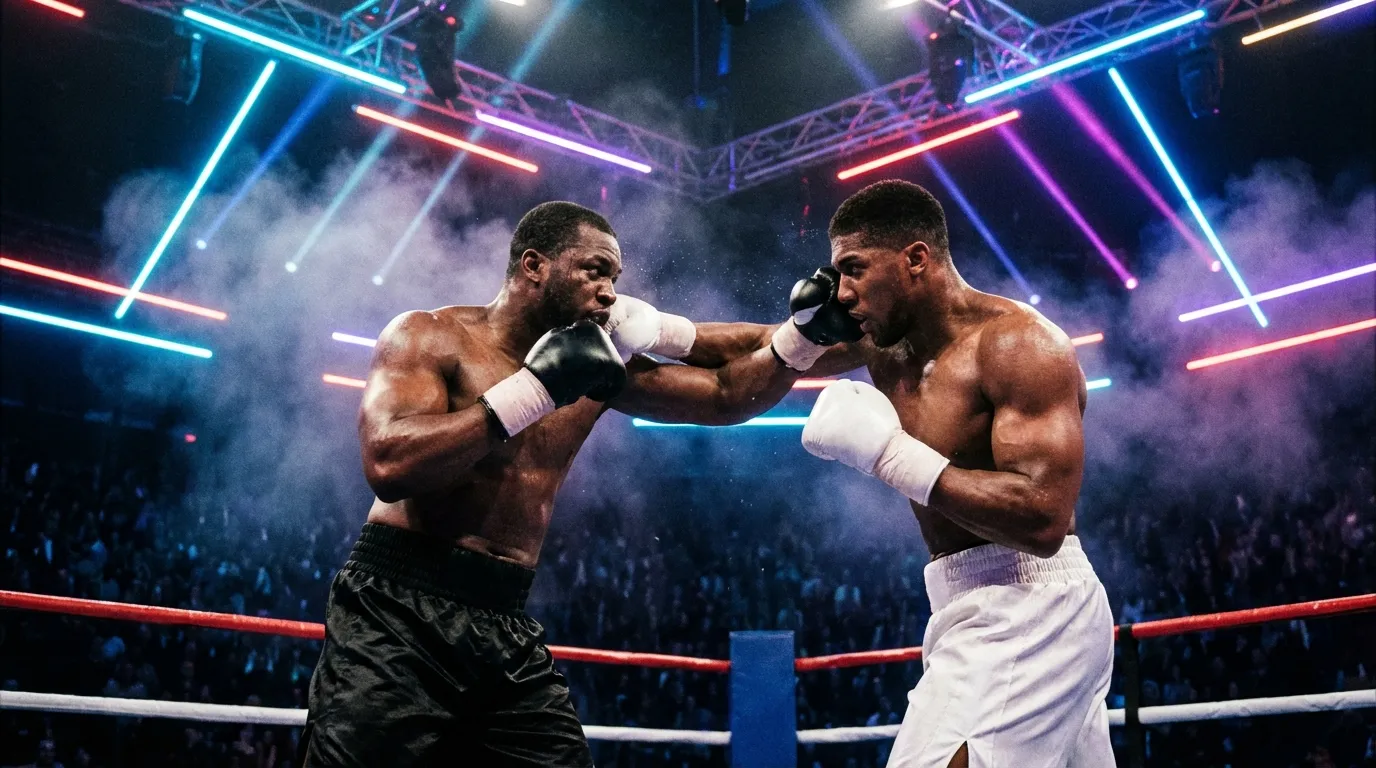
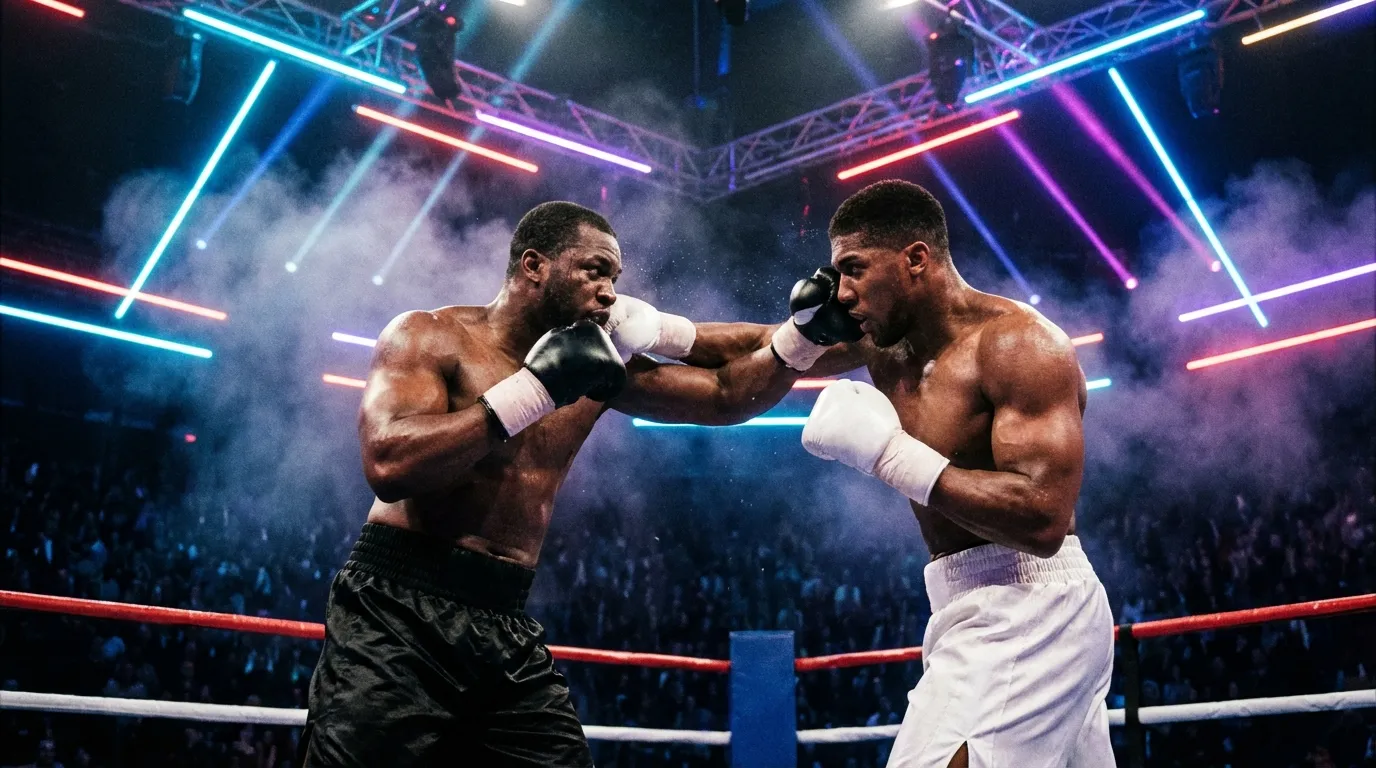
Fury was giving away considerable weight, coming in around 265lb to Wach’s 291lb, but he still held the more important physical advantages: height, reach, timing and the ability to control the centre of the ring. Forbes reported that Fury worked behind the jab from the opening bell, switched stances, and steadily took the fight away from a slower opponent.
That is sound heavyweight boxing. A tall man with Fury’s reach should not be standing close, trading punches for the sake of looking exciting. He should make the other man cross a difficult distance, disrupt his rhythm with the lead hand and punish him when he reaches. Fury did those things.
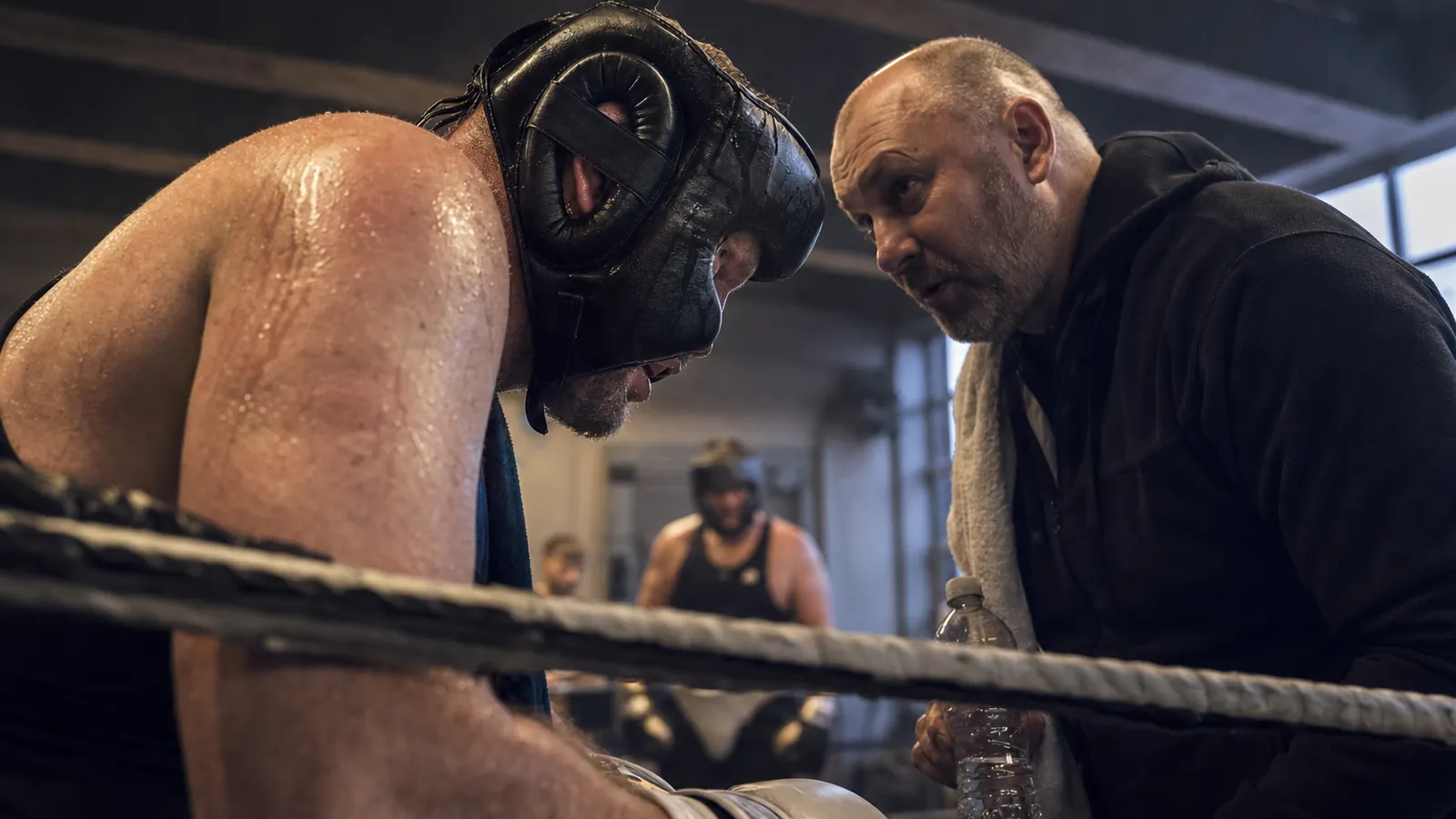
The corner retirement also matters. Heavyweight boxing has a bad habit of treating a knockdown as the only legitimate route to a stoppage. It is not. If a fighter has become a target, is shipping clean punches without offering enough back, and has no realistic route into the fight, a good corner earns its money by ending it.
Wach has been a durable professional for a long time. He was not stopped by one lucky shot or bullied out by theatre. He was gradually beaten into a position where continuing had little sporting value. That is a proper stoppage.
Fury used the weapons that remain reliable
The most encouraging part of the performance was not the finish. It was Fury returning to the tools that have always made him difficult.
The jab set the terms
Fury’s jab has never been just a point-scoring punch. Against Wach, it was a barrier. Wach needed to walk through it to have any chance of landing his occasional right hand, and every attempted entry gave Fury a chance to reset the contest.
This is the bit young boxers should watch closely. A jab from a taller fighter is not a lazy arm thrown out to keep an opponent occupied. It controls the feet. A jab to the face interrupts vision. A jab to the chest stops forward momentum. A jab followed by a small step away makes the opponent start his attack again.
Fury did not need a spectacular first round. He needed to establish that Wach would have to earn every yard. Once that happened, the fight became much simpler.
The stance changes had a purpose
Fury has always enjoyed switching stance, sometimes to useful effect and sometimes because he enjoys reminding people he can. Here, the switches helped him change the line of the jab and make Wach hesitate before setting his feet.
Wach’s right hand was his clearest route to a meaningful moment. The Guardian’s account says he found the target with it on occasion. That matters because it is a reminder that even a slow, fading heavyweight can land if a taller fighter hangs around in range.
Fury was able to take those moments away because Wach did not have the speed or pressure to keep him there. Fury would touch, move, switch the angle, then return with longer combinations or short uppercuts when Wach became stuck at close quarters.
Why it was not a convincing Joshua audition
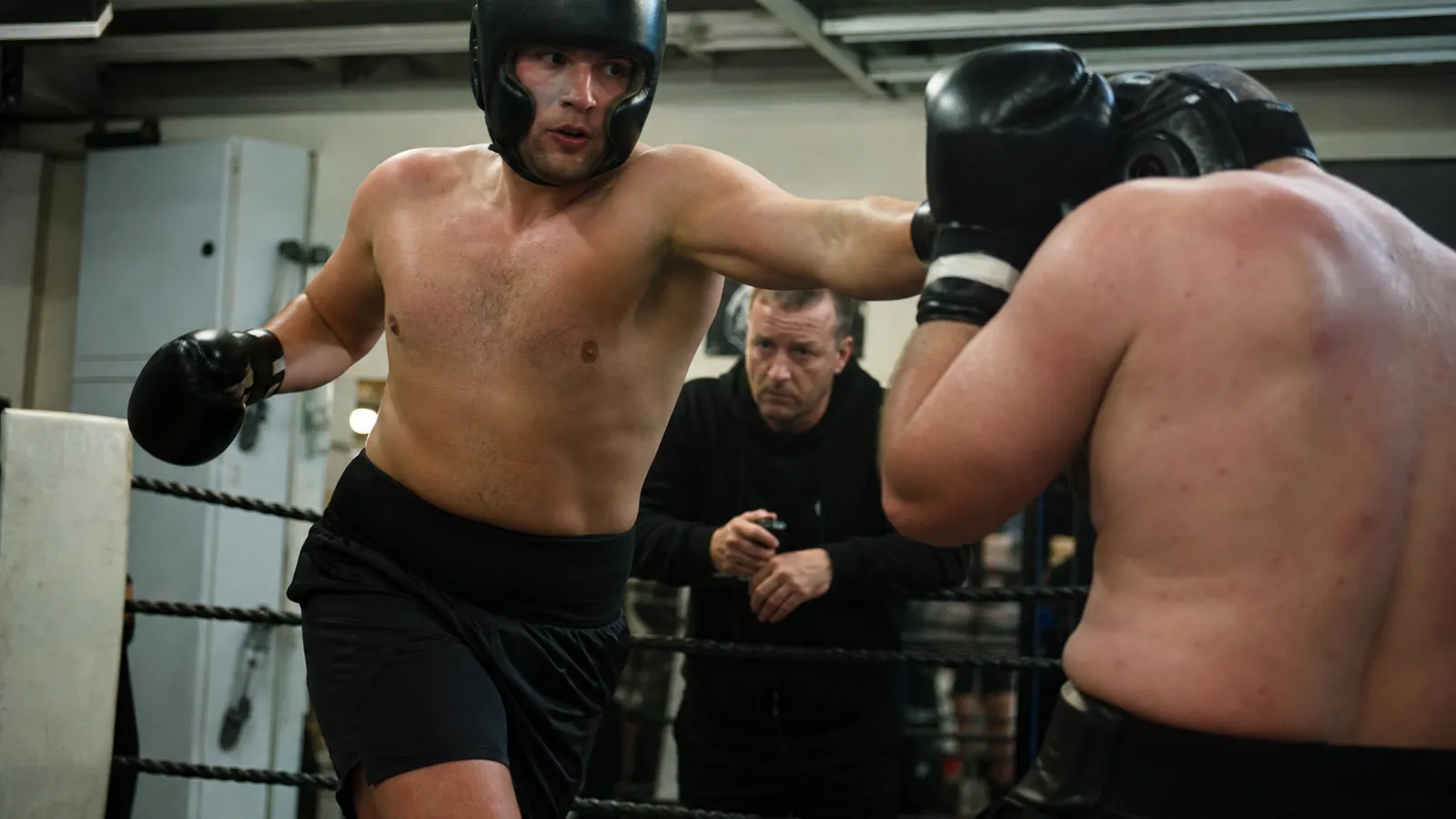
A warm-up is supposed to be useful. It is not supposed to be a world-title fight. Still, Fury and his team chose Wach because they wanted activity before a potential meeting with Joshua, and the performance must be judged against that purpose.
The problem is simple: Wach did not ask Fury enough difficult questions.
ESPN’s pre-fight preview made clear why Wach was selected. He was experienced, durable, based in the region and low-risk enough not to endanger the larger plan. Yet he had lost heavily in recent years, including an early stoppage against Moses Itauma. He was there to give Fury rounds, not to force a reinvention.
That distinction matters.
Joshua is not Wach. He is more explosive, more physically athletic and far more capable of turning a slow start into a crisis. If Fury spends long spells with his back near the ropes, lets his jab fall silent, or gives Joshua a stable target for the right hand, he will not be facing a man content to follow him around and absorb punishment.
Fury did not make those mistakes often enough against Wach for the fight to become uncomfortable. But he did not need to solve anything close to Joshua’s level either.
There is also the question of sharpness. Fury got the result in seven rounds, but this was not a performance that made everybody forget the miles on the clock, the two defeats to Oleksandr Usyk, or the long gaps that have interrupted his career. It was controlled, but it was not electric. It was professional, but it was not a statement that the old Fury has returned untouched.
That is not an insult. It is an honest reading of the opponent and the occasion.
The strange setting made certainty impossible
The lack of a live broadcast did not help. Fury boxing a non-televised contest in a Muay Thai stadium in Pattaya was unusual enough before the first bell. The Independent’s coverage even noted false online rumours before the bout began, a predictable consequence when a superstar heavyweight fights away from normal television scrutiny.
Fury said the bout would be recorded for the next series of At Home With the Furys, and Sporting News explained that there was no live television or official stream. That meant the public had to rely on ringside reports, clips and later reaction rather than seeing every round in full.
It does not invalidate the win. It does limit the confidence anyone should attach to a tactical assessment.
A fighter can look composed in a highlight reel while having had several quiet or awkward minutes that matter against a better opponent. Equally, a fighter can look less dramatic in fragmented footage while actually controlling a contest properly. The sensible conclusion is not that Fury was poor. It is that this was an incomplete audition.
Joshua remains the real question
Fury has done his half of the job. If Joshua handles Kristian Prenga, the long-discussed all-British fight becomes more realistic again. It is still not official until contracts, dates and venues are confirmed, but the commercial appeal is obvious.
Fury against Joshua has always been about more than unbeaten records or titles. It is about two huge personalities, two contrasting heavyweight styles and years of near misses. Forbes’ post-fight report framed the Wach bout as Fury’s final tune-up before that target, with a late-2026 meeting widely discussed.
If it happens, Fury’s best route is still familiar. Keep Joshua reaching. Use the jab to make him reset. Vary stance without becoming careless. Tie him up when necessary. Make the fight awkward, long and uncomfortable.
Joshua’s route is equally clear. Start faster than Wach could. Attack Fury’s body. Close distance behind purposeful footwork rather than single rushes. Make Fury work hard enough that his feet and reactions have to hold up under pressure.
The Wach fight did not settle that argument. It was never likely to.
It did show that Fury can still organise a fight, still use his size intelligently, and still accumulate punishment until a corner has had enough. That is a positive. But it is a modest positive, not a declaration that the Joshua fight is already his.
For anyone learning boxing at Honour & Glory, the useful lesson is the least glamorous one. Good stoppages are usually built before they arrive. Fury did not need one wild punch. He controlled space, kept returning to the jab and made a bigger man pay for every slow entry.
That is a foundation worth learning properly. If you are aged seven or over and want to build that kind of distance control, balance and patience, book a trial at Honour & Glory Boxing Club.
H&G Team
Writer at Honour & Glory Boxing Club, a community boxing gym in Kidbrooke, South East London.
KEEP READING
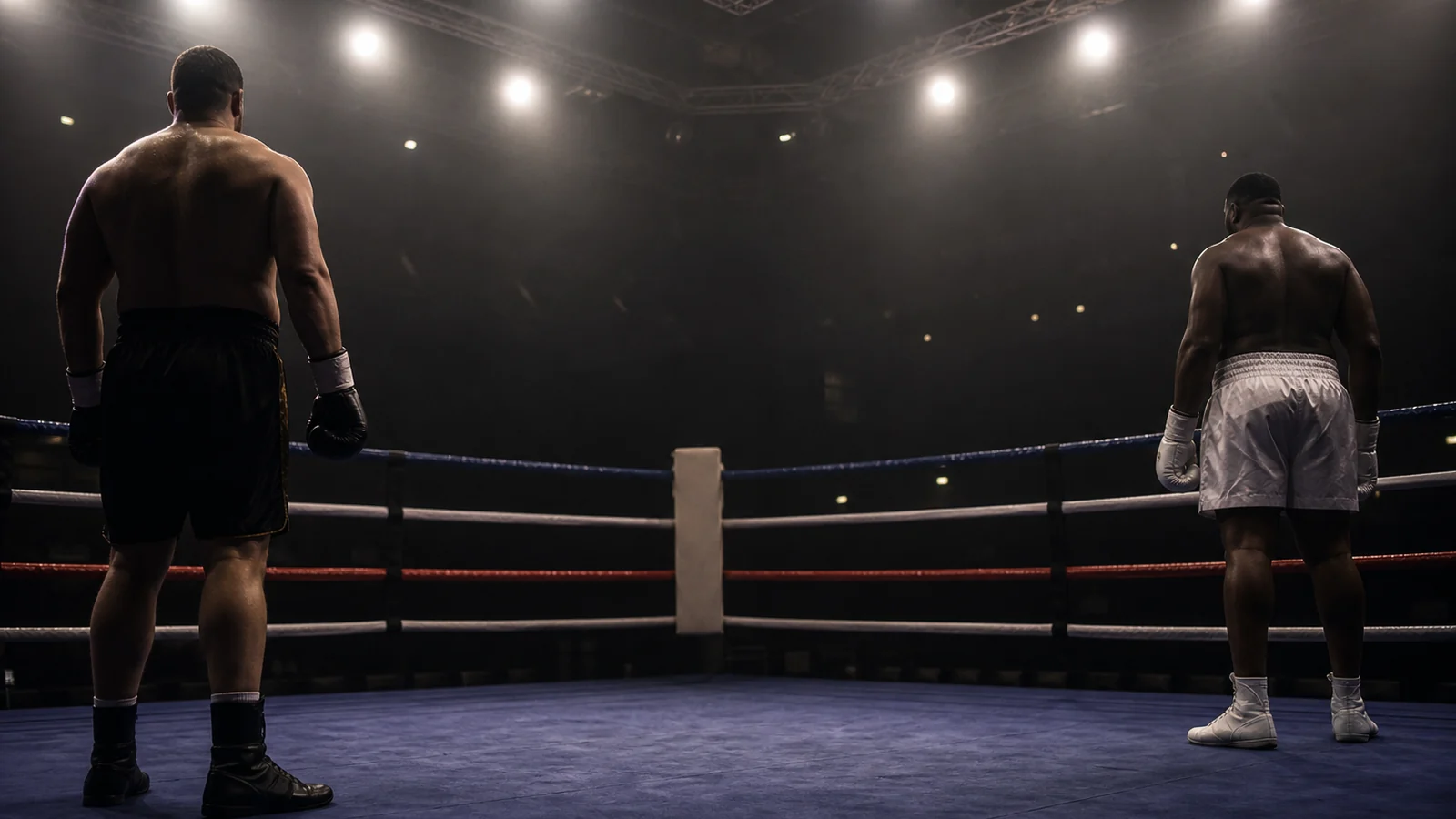
Fury vs Joshua 2026: Why British Boxing Still Needs It
Use the reported Q4 2026 mega-fight as a wider piece on why Fury vs Joshua still matters: national attention, casual fans returning, heavyweight legacy, and what young boxers can learn from two very different careers.
Tyson Fury Outpoints Arslanbek Makhmudov
Tyson Fury beat Arslanbek Makhmudov by unanimous decision on Netflix, but the bigger story was how he managed the rounds, what he still does well, and what this does not prove yet.
Fury vs Makhmudov: London Comeback
Tyson Fury returned to the ring at Tottenham Hotspur Stadium in April 2026 - who Makhmudov is, what was at stake, and why UK boxing fans cared.
Was this page helpful?
It takes one tap, and it genuinely helps.
Choose your next step
Turn this article into the right action
Some readers are ready to book. Some need the class route first. Pick the route that matches what you actually want.