Tszyu vs Mahoney Draw: When an Eliminator Settles Nothing
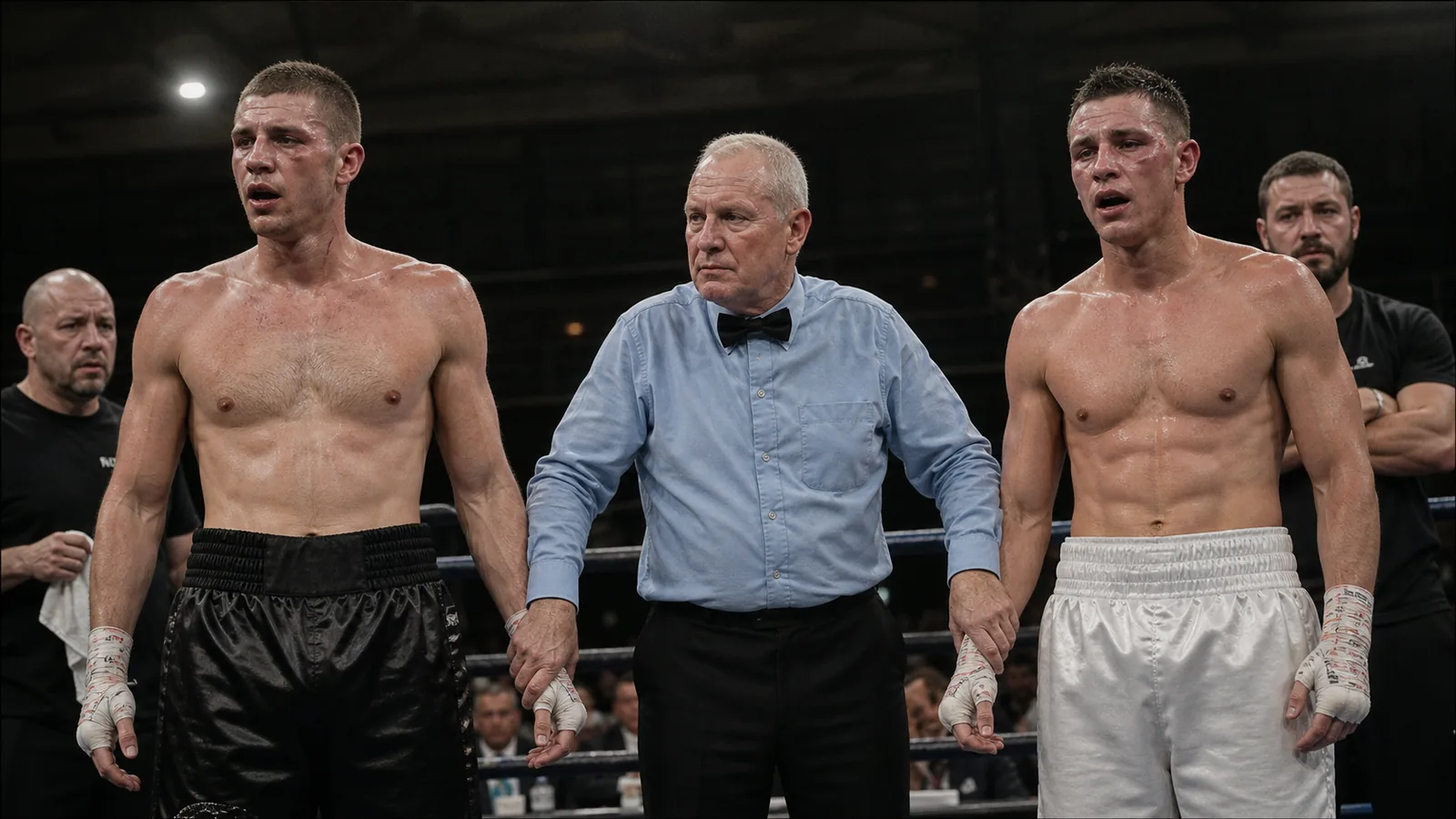
A fight that genuinely was close
There is a lazy habit in boxing after a disputed result: declare one man robbed, pick a villain and pretend the fight was obvious. This was not that.
Mahoney had real success early. He was sharp, active and composed enough to make Tszyu work for every opening. Tszyu suffered a cut over his right eye after a third-round head clash but kept pushing forward, trying to impose the heavier shots and force Mahoney into the sort of exchanges where his power could change the fight.
The Sporting News round-by-round report scored it 114-114, with six rounds each. Its account also caught the central tension of the contest: Tszyu had the more eye-catching power, while Mahoney’s activity, responses and late rally made close rounds difficult to give away casually.
That is boxing. A clean counter can beat three blocked punches. A fighter walking forward can look authoritative while giving up the sharper work. A late flurry can win a round, but so can the steady body attack that preceded it. The best close fights force judges to make hard decisions. This one did that repeatedly.
Tszyu himself did not sound like a man certain that he had won. He said he believed Mahoney had edged it by a round or two, a remarkably candid assessment given what was on the line. CODE Sports reported that Tszyu felt Mahoney had done enough, while also noting the way Tszyu’s power and Mahoney’s output pulled the fight in opposite directions.
That honesty matters. It does not prove Mahoney won. It does prove that the draw was not some absurd outcome invented by one bad card.
The card that made the draw feel worse
The 117-111 score for Tszyu was the problem, not because a judge must agree with the crowd, but because it sat so far from the other two cards.
Sabrina Kerr had Mahoney winning 115-113. Carl Zappia had it even. Phillip Holliday had Tszyu comfortably ahead. The ABC’s post-fight report recorded the reaction from both camps, including Mahoney’s side seeking a review of Holliday’s scorecard.
A wide card in a difficult fight has consequences beyond one night’s argument. It makes everyone distrust the process. Mahoney’s camp understandably looked at a fighter who had begun well, stayed composed through Tszyu’s middle-round pressure and finished strongly, then saw a judge give him only three rounds. The local crowd reacted to that distance between what they believed they had watched and what one card said had happened.
But it is worth separating a bad-looking scorecard from a bad fight. The contest itself produced a reasonable case for Mahoney, a reasonable case for Tszyu and a very reasonable case for a draw. The Nine recap described a genuine back-and-forth battle, rather than a one-sided performance disguised by drama after the bell.
The judging did not create the uncertainty. It amplified it.
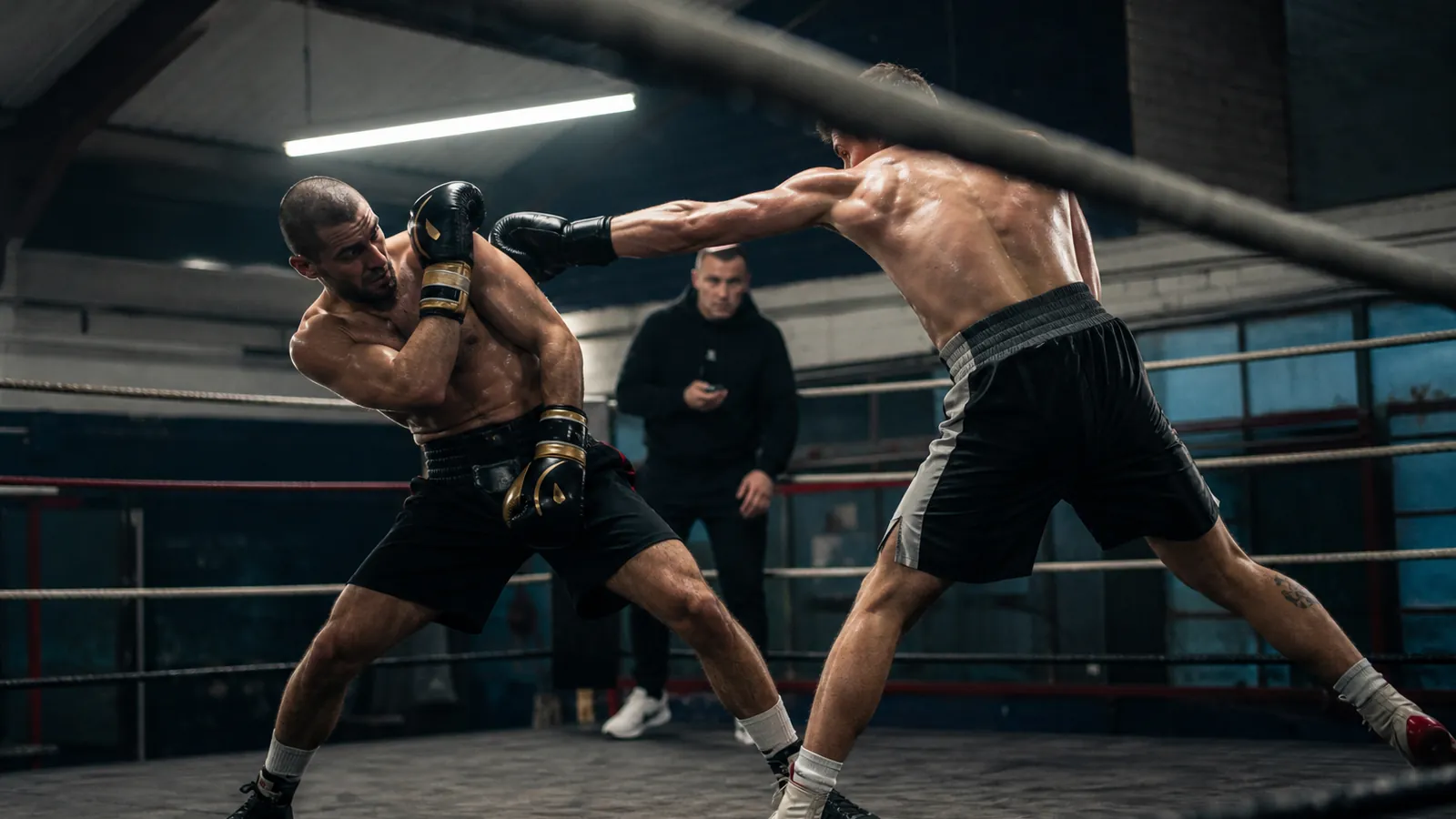
Why the eliminator concept broke down
The fight was billed as an IBF world-title eliminator because Tszyu and Mahoney were highly ranked, with vacant places above them in the standings. Yet, as the ABC’s pre-fight coverage pointed out, even a winner was unlikely to become mandatory immediately.
That distinction is the whole story.
“In line for” a title shot is not the same as earning a mandatory position. Boxing often treats those phrases as interchangeable because “eliminator” sells a fight better than “important ranking bout”. But they are not interchangeable. An eliminator should produce an outcome that forces the next step. This one did not.
There were already questions around whether Tszyu would pursue the IBF route at all. The IBF’s day-of-fight rehydration rule, limiting a boxer to 4.5kg over the division limit, had been a concern raised by the Tszyu camp. That meant the supposed prize was not entirely straightforward before the opening bell.
Then the draw arrived. Now neither fighter has lost, neither has clearly won and neither has an automatic claim to be next. That is not a rankings system doing its job. It is a rankings system leaving promoters, sanctioning bodies and fighters to negotiate around an unresolved fight.
The FIGHTMAG results page listed the contest as a live IBF title eliminator. The result says something less tidy: it was an excellent contender fight which did not eliminate either contender.
The obvious answer is not always the easy one
A rematch is the sporting answer. Mahoney has a strong claim to it, Tszyu has no reason to avoid it, and 12 close rounds gave both men information they did not have before. Mahoney proved he could handle Tszyu’s pressure. Tszyu proved he could fight through a cut, a difficult start and an opponent who would not break.
The complication is the bad blood after the decision. Nine’s reaction report covered Mahoney’s insistence that he would not return to a No Limit card, while the promoter and Mahoney’s representatives traded public criticism. That does not make a rematch impossible, but it makes a straightforward return less likely.
Still, boxing should resist the temptation to pretend the draw created a fresh queue. It did not. It created unfinished business.
If the IBF and the relevant promoters want a genuine eliminator, make the rematch one. Put the status in writing. Confirm what the winner receives. Make sure the winner becomes mandatory, or stop using a word that promises a conclusion it cannot deliver.
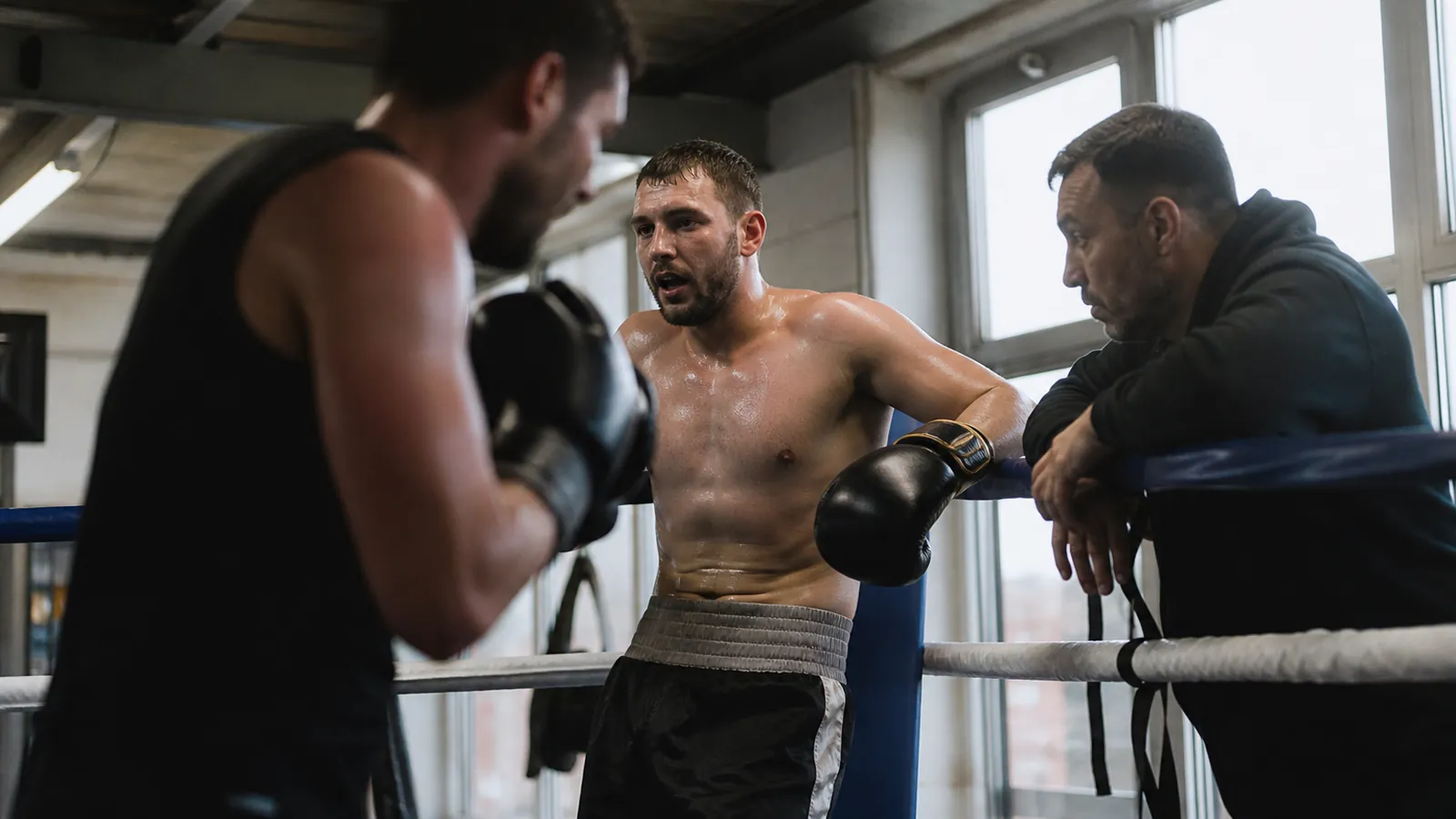
The coach’s view
For anyone learning boxing in Kidbrooke, there is a useful lesson here. A close round is not won by looking busy, taking the centre of the ring or throwing the biggest single punch. It is won by clean scoring work, control, defence, effective aggression and judgement.
Mahoney’s composure and finishing strength gave him a real argument. Tszyu’s pressure, body attacks and resilience gave him one too. The lesson is not that judging is pointless. The lesson is that, when you leave too many rounds open to interpretation, you are handing your future to three people at ringside.
That is why coaches repeat the apparently dull things: establish the jab, finish combinations with balance, defend after punching, do not give away the last 20 seconds of a close round, and listen when tired. Those habits make a scorecard clearer.
Tszyu versus Mahoney was worth watching because it was a serious, hard-fought contest between two men who refused to concede. It deserves a sequel because the fight itself settled nothing. Calling it an eliminator merely made that failure more obvious.
If watching a fight like this makes you want to understand the details rather than just argue about the cards, book a trial at Honour & Glory Boxing Club. We coach boxing from age 7+, with the fundamentals that decide close rounds long before a judge has to.
H&G Team
Writer at Honour & Glory Boxing Club, a community boxing gym in Kidbrooke, South East London.
KEEP READING
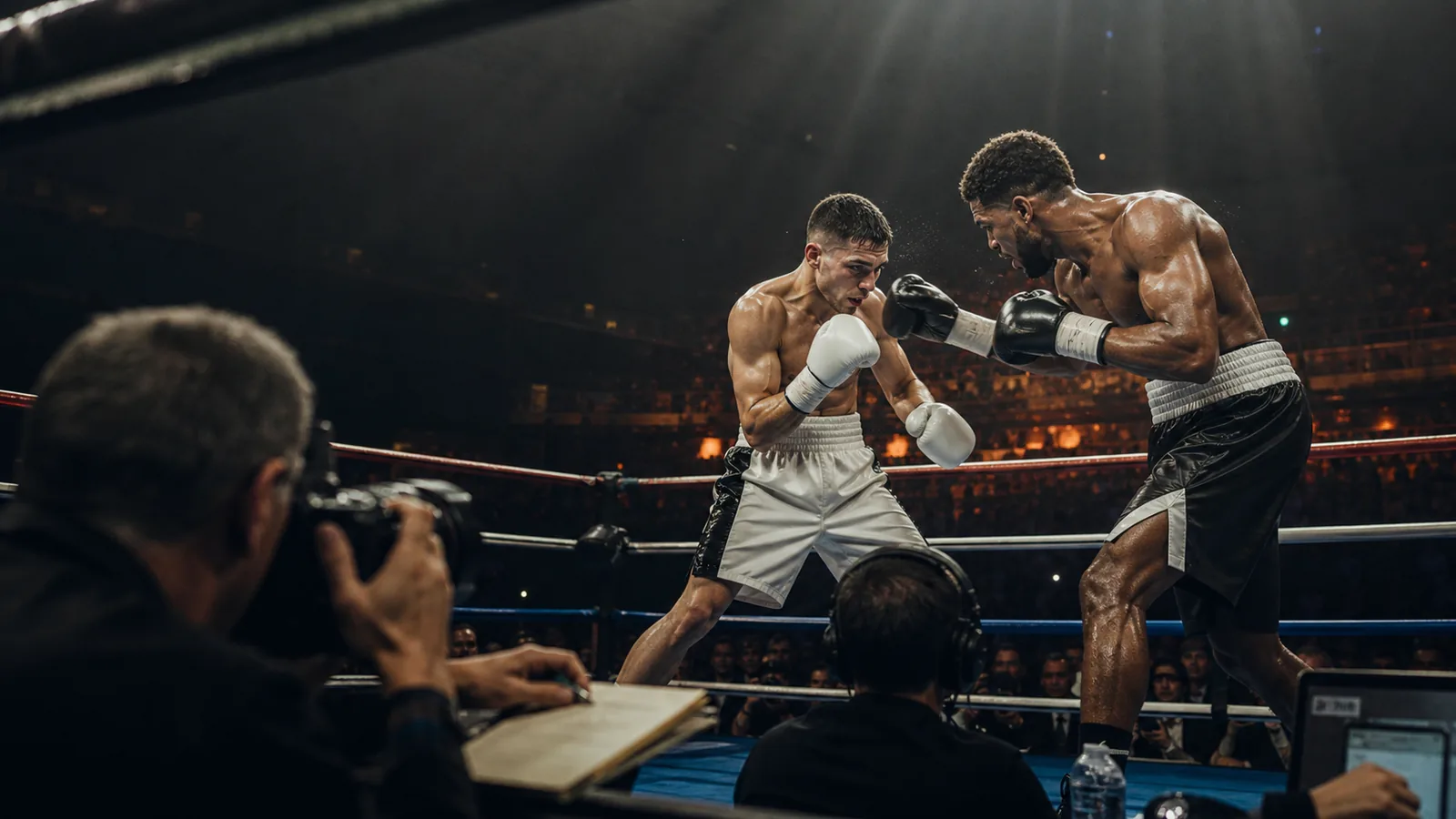
Jaron Ennis and Vergil Ortiz: when career narratives move too fast
Use the fresh Ennis-Ortiz discussion to examine how quickly boxing labels a contender stalled, exposed or avoided, and what evidence should actually change a fighter’s standing.
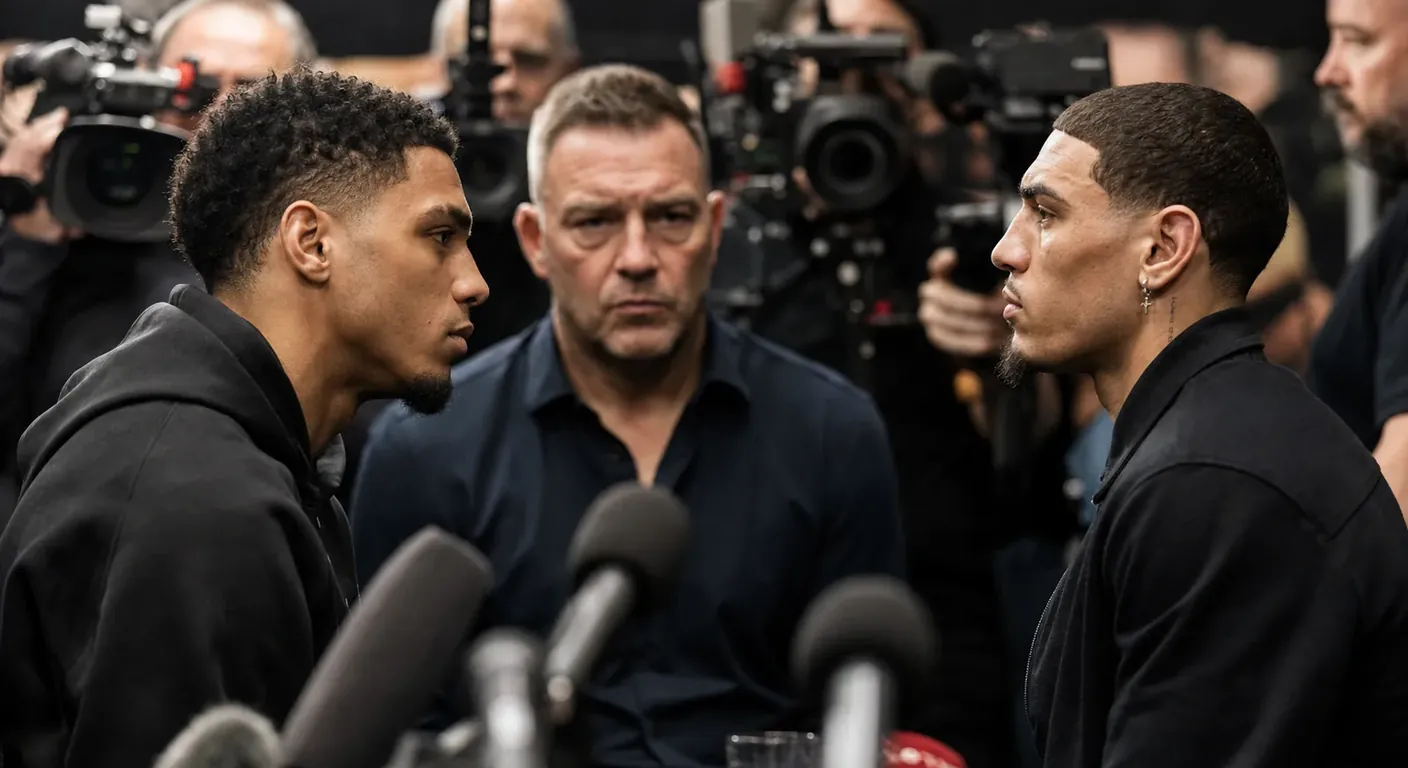
Zayas vs Ennis: press conference lessons
What Zayas vs Ennis fight week teaches boxers about pressure, body language and staying disciplined before a big night.
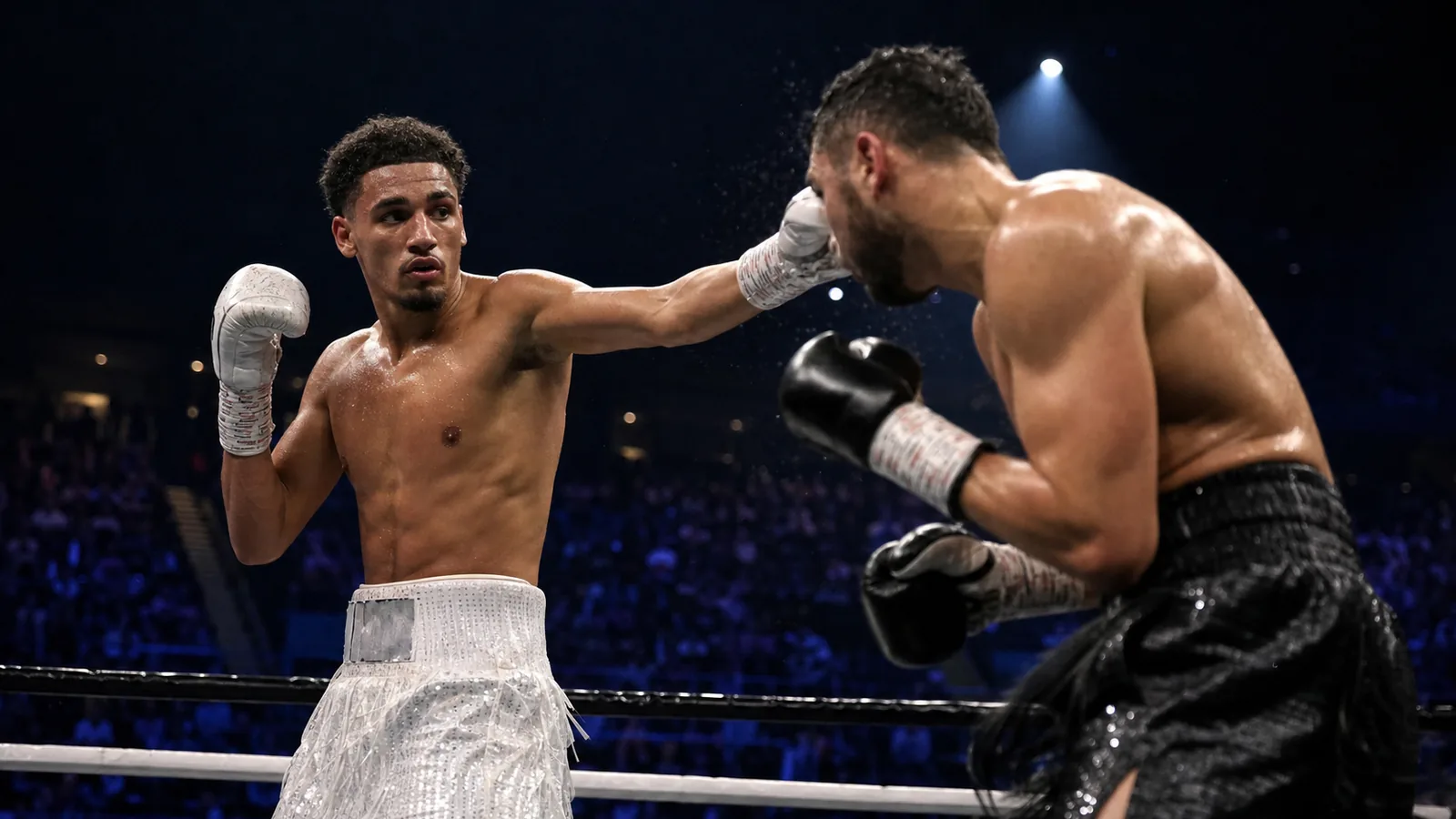
Ben Whittaker vs Rivera: showmanship under pressure
Focus less on the USA-debut narrative already used and more on the boxing lesson: how Whittaker manages distance, rhythm, crowd energy and risk while performing under a spotlight.
Was this page helpful?
It takes one tap, and it genuinely helps.
Choose your next step
Turn this article into the right action
Some readers are ready to book. Some need the class route first. Pick the route that matches what you actually want.