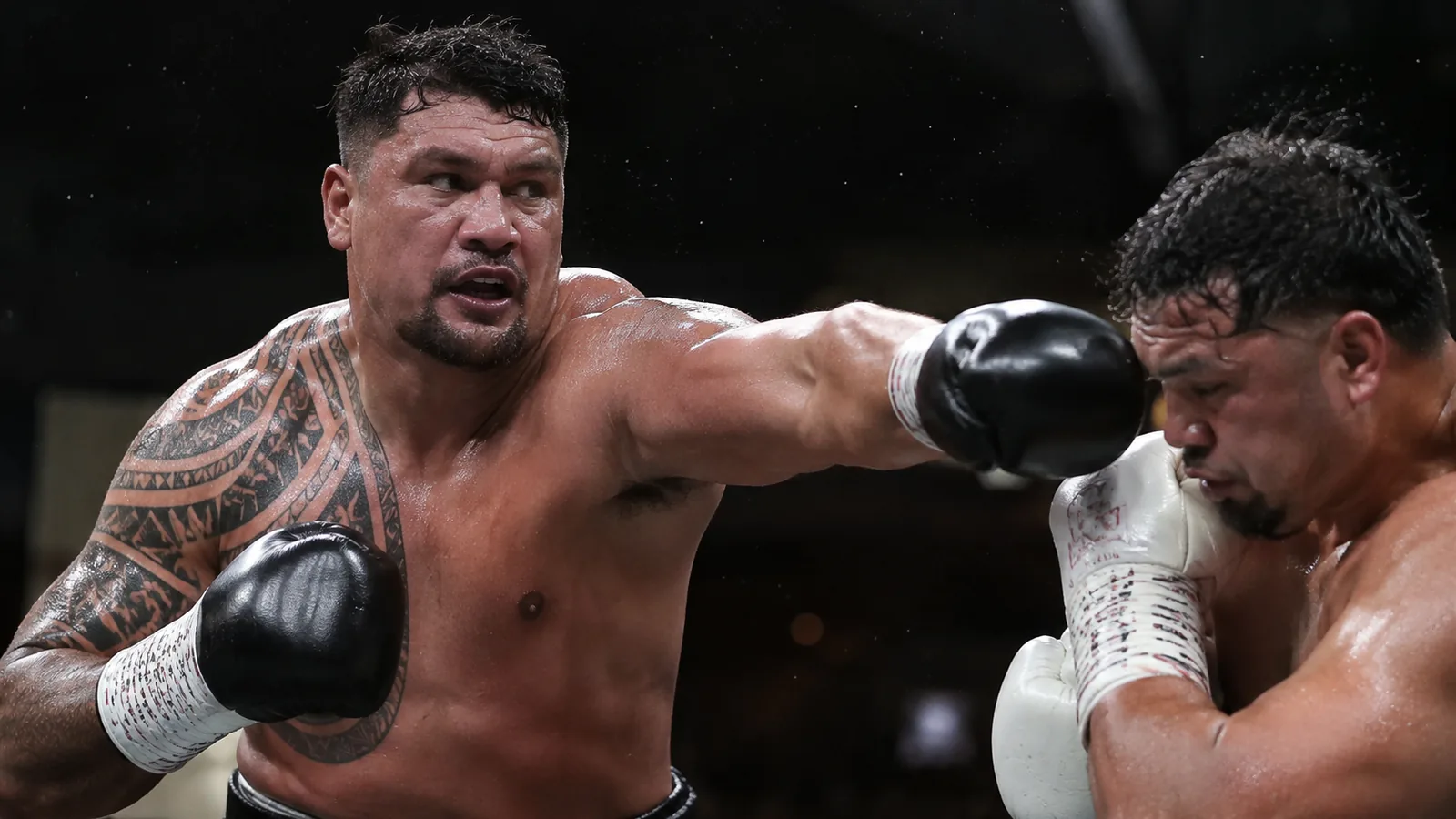
Teremoana vs Ahio: Teremoana blasts through Hemi Ahio in two rounds
Heavyweight boxing is often sold on possibilities. Two unbeaten or near-unbeaten punchers, a regional belt and the promise that somebody’s record is about to give way. On Wednesday 18 November 2026 at Pullman Melbourne Albert Park in Melbourne, Australia, Teremoana Teremoana removed the suspense very quickly.
Teremoana stopped New Zealand’s Hemi Ahio by TKO at 1:36 of the second round to claim the vacant IBF Intercontinental heavyweight title. The result, confirmed in FIGHTMAG’s live results and Yahoo Sports’ round-by-round coverage, took the Australian-Cook Islander’s record to 13-0 with 13 knockouts. Ahio fell to 25-2, with 19 stoppage wins.
Be clear on the date: this was the professional heavyweight contest in Melbourne on Wednesday 18 November 2026, not an earlier meeting or a recycled piece of pre-fight discussion. The contest was scheduled for 10 rounds. It lasted less than five minutes.
That is a serious statement.
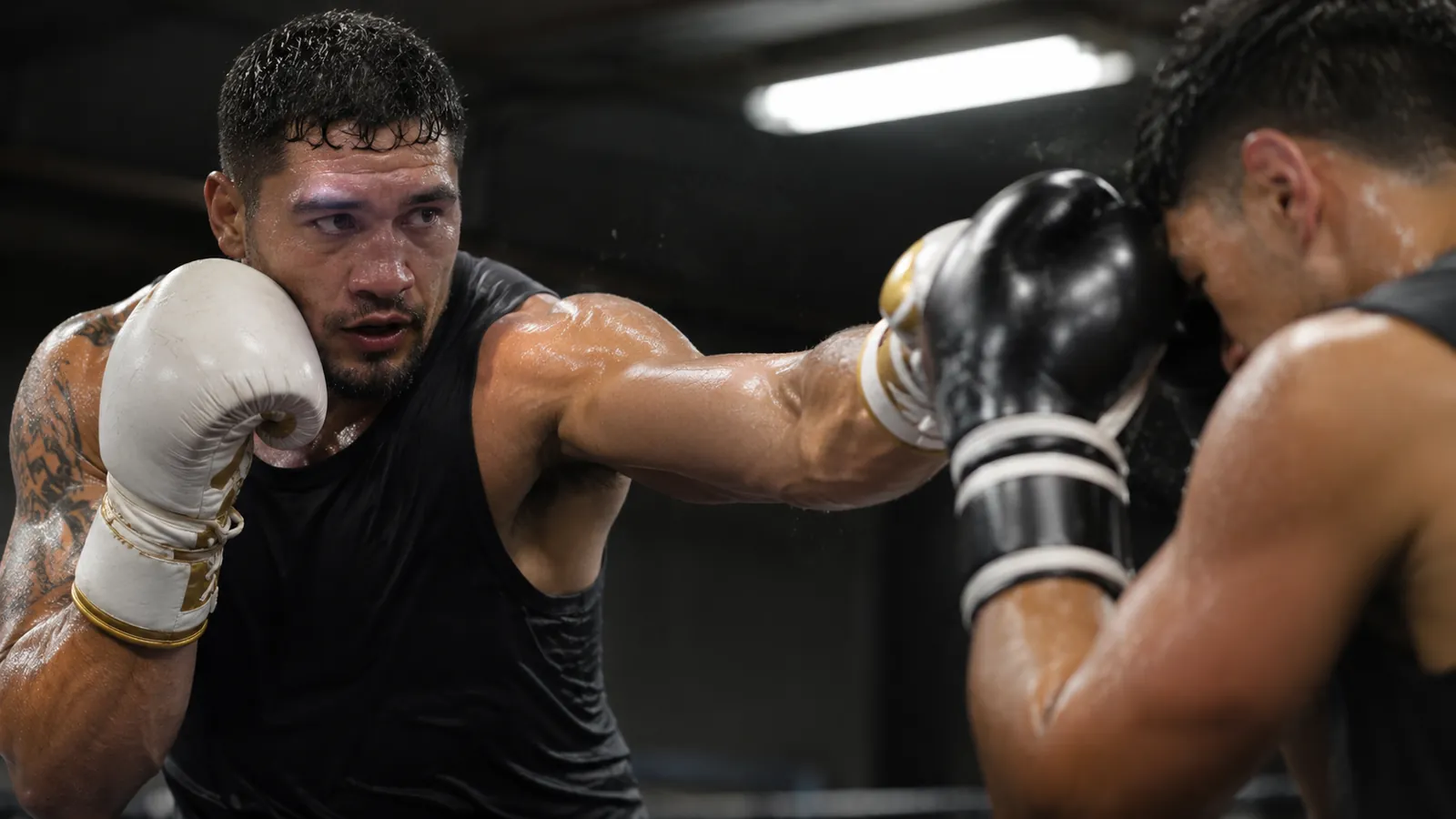
The result: knockdowns in both rounds
Teremoana did not need time to find his feet. According to FIGHTMAG’s report, he put Ahio down in the opening round, then repeated the trick in the second before the referee halted the fight at 1:36.
Ahio arrived with enough experience and enough knockout power to make this a meaningful test. He had won 25 of 26 fights before the bell and had stopped 19 opponents. This was not a padded-record opponent brought in to take a few photographs and go home. Ahio had the sort of record that demands respect at domestic and regional heavyweight level.
Teremoana treated him like a man who had no business sharing the ring with him.
The finish mattered, but so did the manner of it. A heavyweight can catch anybody with one clean shot. That is the division’s oldest truth. Two knockdowns across two rounds against a seasoned puncher suggest something more complete: pressure, authority, physical presence and the confidence to keep imposing a plan after an early breakthrough.
The vacant IBF Intercontinental title is not a world title, and nobody should pretend otherwise. But it is a useful piece of recognition at this stage of a career, particularly for a fighter who is still building his route towards the highest level. More importantly, Teremoana did not merely win a belt. He beat a credible regional rival in a way that made the next conversation unavoidable.
Why the stoppage was so impressive
The central question around Teremoana has been whether his frightening knockout percentage would survive a step up in opposition. Every undefeated heavyweight with early stoppages faces that question. Blasting out modest opposition is one skill. Breaking down a man who has spent 26 fights proving he can punch back is another.
Ahio was supposed to give us information.
He did. It just was not the information his supporters wanted.
Teremoana’s 13 stoppages from 13 wins are eye-catching, but perfect records can become a distraction. The relevant detail from Melbourne is that he did not look desperate for a knockout. He looked as though he expected Ahio to break under sustained pressure. That distinction matters. Desperation leads to loading up, losing balance and gifting opponents openings. Composure lets a heavyweight apply force without abandoning shape.
A two-round finish also has practical value. Heavyweights take damage differently, and careers can move very quickly when a promoter knows a fighter is reliable in big moments. Teremoana did not come through a difficult 10-round decision with questions over his engine, cuts or recovery. He got a dangerous opponent out of there cleanly and left Melbourne with momentum.
There was a sharp contrast in the undercard results too. Joel Camilleri went the distance to retain his WBA Oceania middleweight title against Mitch Leek, winning 96-93, 96-93 and 95-94. Omar El-Abdallah stopped Nicholas Benn in the seventh. Teremoana, however, delivered the defining performance of the bill because his fight carried the biggest immediate heavyweight consequence.
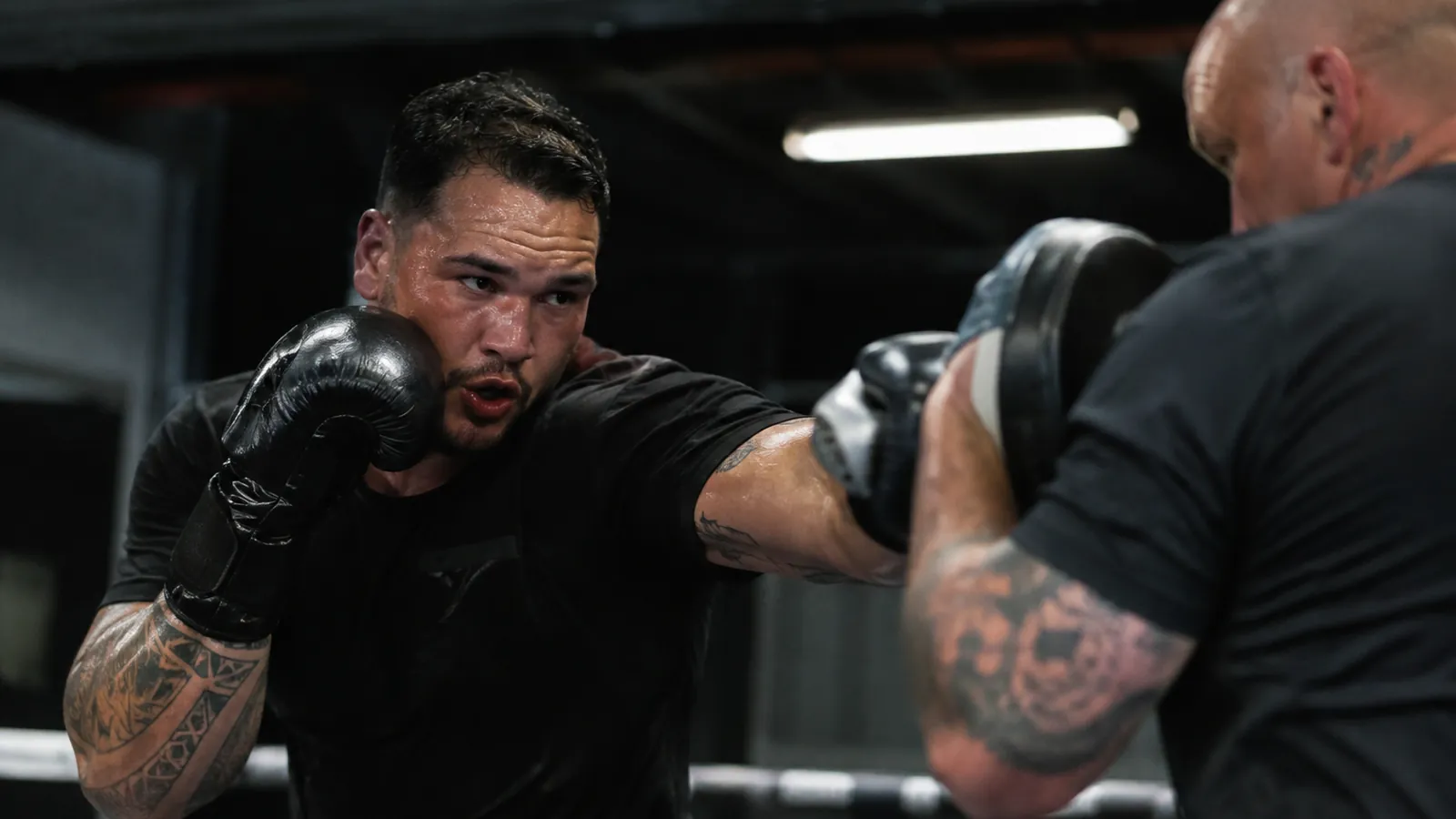
Ahio was not given the chance to settle
Ahio’s record showed a man accustomed to dictating the terms. A puncher wants opponents to hesitate. He wants them thinking about the counter and waiting before committing. Teremoana gave him no such comfort.
When a heavyweight gets knocked down early, the problem is not only the physical effect. It alters every decision thereafter. The man who has been hurt must judge distance more cautiously, manage his legs, avoid another clean exchange and somehow regain enough initiative to change the fight. Against a bigger, aggressive opponent with fresh confidence, that is a grim job.
Teremoana recognised the opening and did not let Ahio reset. That is where this performance deserves most credit. Too many young punchers score an early knockdown, then admire their work or hunt wildly for a highlight-reel ending. Teremoana moved on to the next task. He maintained the threat until the referee had seen enough.
There was plenty of interest in the match-up before fight night. Boxing supporters had followed the announcement in this pre-fight Reddit discussion, while a separate fight thread tracked the event itself. Earlier threads asking how good Teremoana is, introducing him to newer followers here and discussing potential future opponents here show the level of curiosity around him.
That curiosity is understandable. But after Melbourne, the debate needs to be more demanding. It is no longer enough to say he can punch.
What Teremoana needs next
The result does not make Teremoana a world champion in waiting. That would be premature. He still needs rounds, different looks and opponents who can force him to box behind a disciplined jab rather than simply march forward. He needs to show what happens when a man survives the first four rounds, leans on him in the clinch and makes him think.
But dismissing the performance because it ended early would be equally foolish.
Ahio was chosen precisely because he represented a useful bridge between developmental fights and the international heavyweight scene. Teremoana crossed that bridge at speed. The next opponent should be someone with genuine ring craft, a durable chin and enough ambition to test Teremoana’s patience. A veteran gatekeeper with a solid record is not a glamorous booking, but it may be the right one.
For young boxers, especially those coming through clubs from age seven upwards, this is the lesson to take from Melbourne: power gets attention, but structure creates stoppages. The first knockdown opens the door. Staying composed, keeping position and making good decisions is what ends the fight.
At Honour & Glory Boxing Club, that is the work done week after week. You learn how to punch properly, but also how to defend, control distance and remain calm when the pace rises. Teremoana vs Ahio was short. The preparation behind a performance like that never is.
Teremoana left Pullman Melbourne Albert Park with the IBF Intercontinental belt, a 13-0 record and a statement win over a dangerous opponent. Ahio arrived as a test. Teremoana passed it with force.
H&G Team
Writer at Honour & Glory Boxing Club, a community boxing gym in Kidbrooke, South East London.
KEEP READING
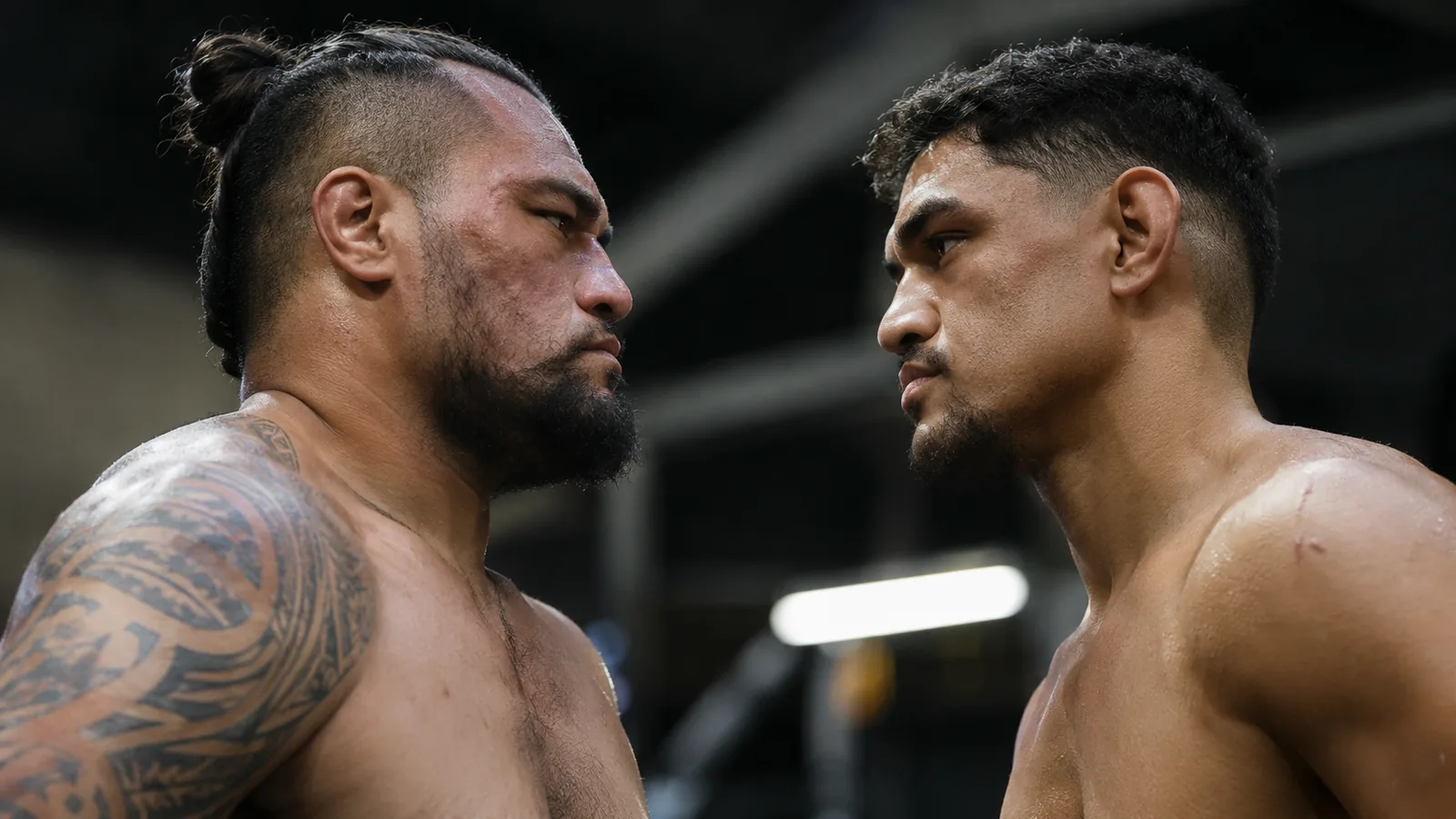
Teremoana vs Ahio: fight-week guide
Teremoana faces experienced New Zealander Hemi Ahio in Melbourne, a 10-round test of whether the unbeaten Australian can pair his power with composure.
Dubois vs Wardley Result: What Changed the Fight
Daniel Dubois stopped Fabio Wardley in round 11 after two early knockdowns. Here is what changed the fight and why it matters.
Smith vs Puello: result and analysis
The close rounds and tactical decisions in Smith vs Puello, including the scoring debate and what the performance means for both boxers.
Was this page helpful?
It takes one tap, and it genuinely helps.
Choose your next step
Turn this article into the right action
Some readers are ready to book. Some need the class route first. Pick the route that matches what you actually want.