WBO orders Sheeraz vs Janibek: what a title fight would settle
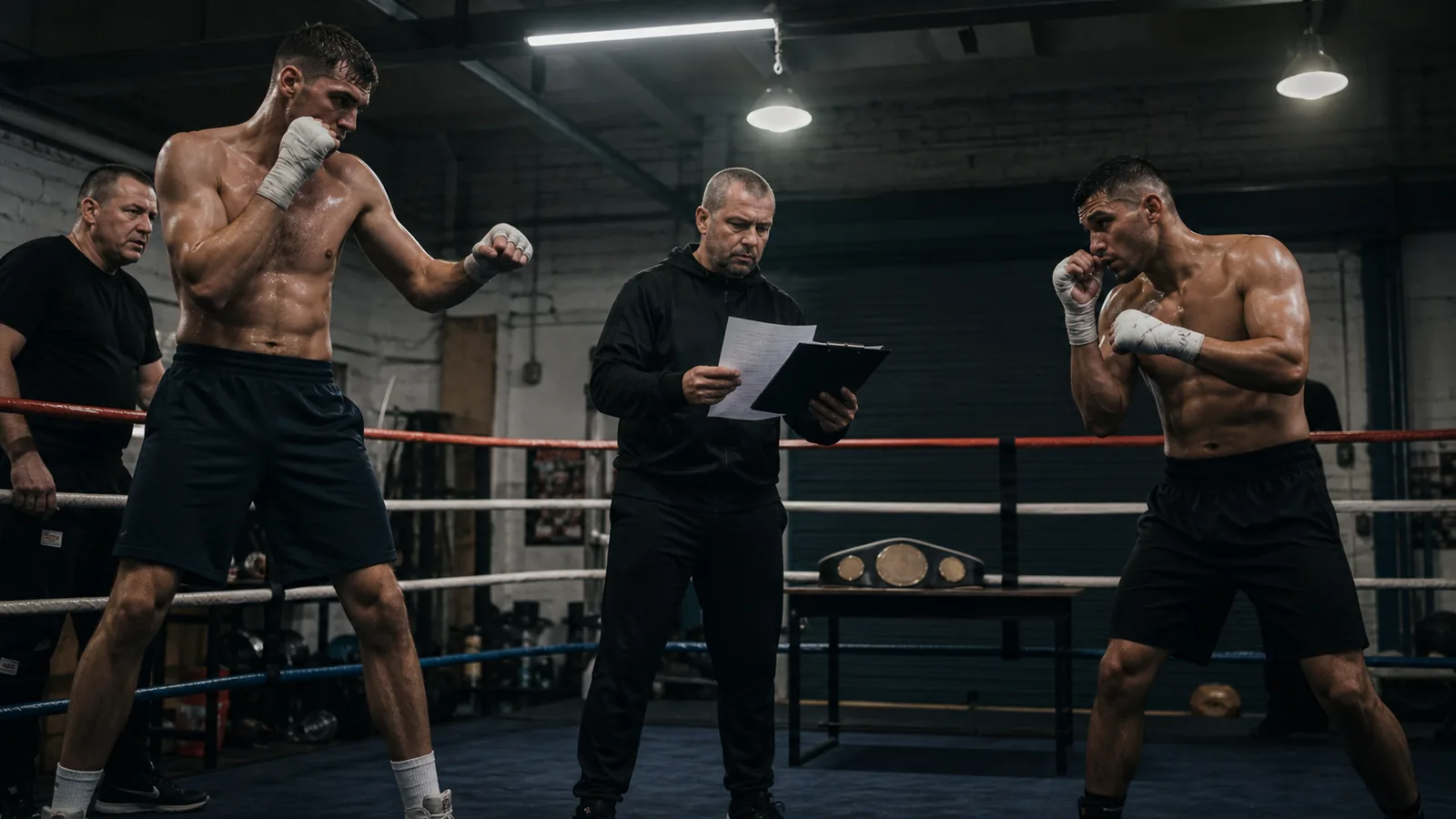
WBO Orders Sheeraz vs Janibek: What a Title Fight Would Settle
The WBO has done something boxing rarely manages: it has made the next step clear.
Hamzah Sheeraz, the WBO super-middleweight champion, has been ordered to negotiate a mandatory defence against Janibek Alimkhanuly. The camps have 20 days to reach terms. If they cannot, the fight can go to purse bids. That is a meaningful development, but it is not a fight announcement. Until both sides sign contracts, agree a date, venue, broadcaster and commercial terms, Sheeraz versus Janibek remains an ordered contest rather than a confirmed one.
Still, the order changes the conversation. For months, Sheeraz’s name has sat alongside possible fights with Canelo Alvarez, Chris Eubank Jr, Diego Pacheco and other major names at 168lb. Janibek, meanwhile, had been a highly accomplished middleweight looking for a route back to the top level after his own career was interrupted. Now the WBO has placed them on the same road.
As Box.Live reported, the organisation chose Janibek over the unbeaten Danish contender Jacob Bank. The decision was not merely about a ranking number. It was about Janibek’s championship record at middleweight, his standing as a former unified WBO and IBF champion, and the WBO’s willingness to recognise an exceptional champion moving into the adjacent division.
That makes this a serious fight, not an administrative inconvenience.
What the 20-day window actually means
The phrase “20-day negotiation window” can sound more decisive than it is. It does not mean the fighters will be in the ring three weeks from now. It means their representatives have a defined period to agree the commercial framework of the contest.
Those discussions cover the promoter, broadcaster, location, purses, date, travel, drug-testing arrangements and the other details that turn an order into an event. If the parties reach a deal, the WBO can approve it and the contest moves towards a formal announcement. If they do not, the sanctioning body can call a purse bid, where interested promoters submit sealed financial offers for the right to stage the fight.
A purse bid can force movement, but it does not remove every complication. A winning promoter still needs to construct the show. There can be negotiations after the bid, and boxing’s governing bodies can consider requests for exceptions or extensions. One fighter can also choose to vacate rather than take the contest.
The key point is that Sheeraz cannot simply treat Janibek as another name on a long speculative list. The WBO has designated him as the mandatory challenger. MiddleEasy’s report on the order notes that the clock began with the August resolution. The procedural route is now defined, even if the bout is not yet signed.
That distinction matters. Boxing has enough false starts without headlines pretending a negotiation is a completed fight.
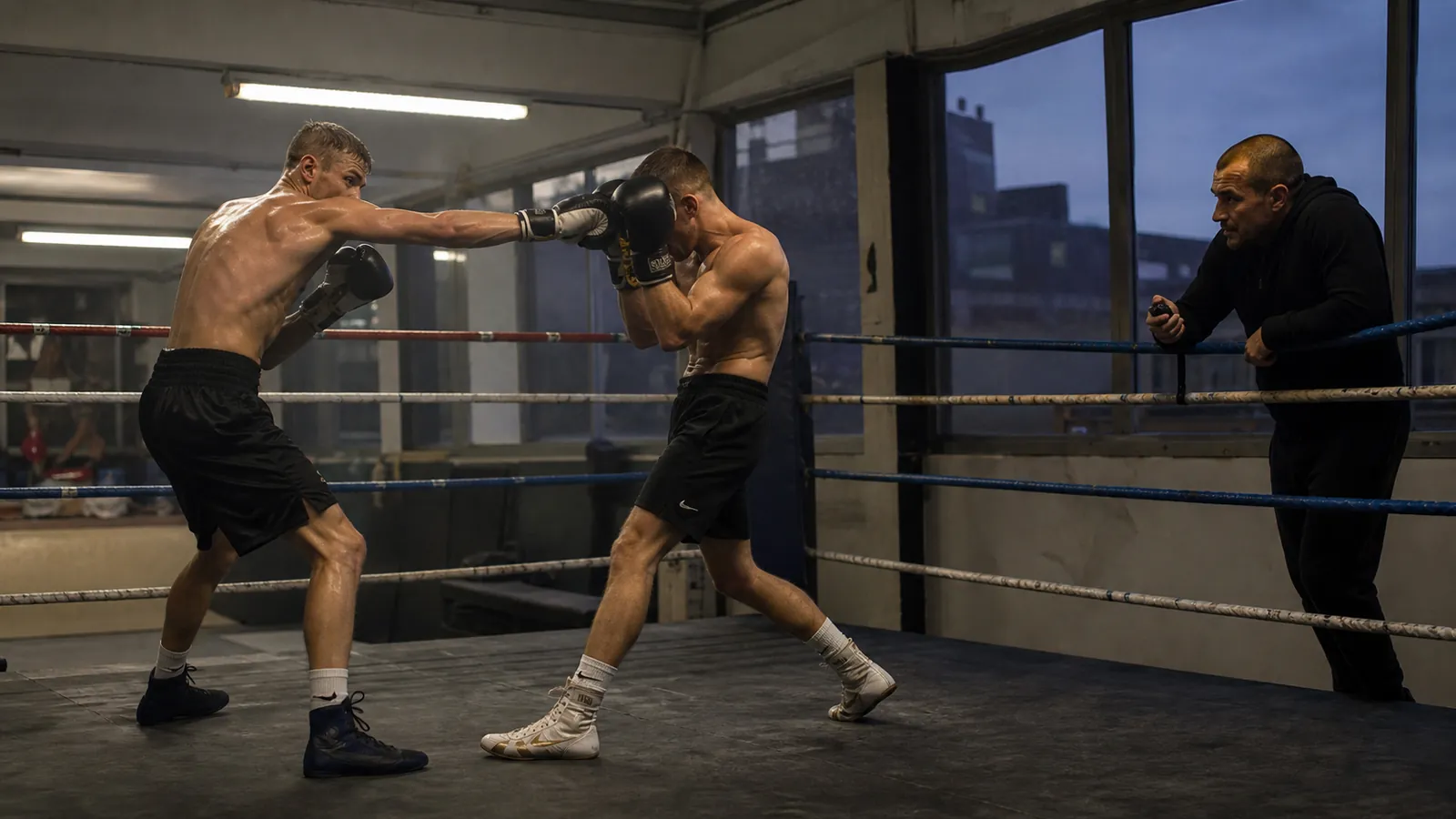
Why the WBO belt matters
The WBO belt gives Sheeraz more than a title strap for photographs. It makes him a central figure in a division that is beginning to find shape again after years of bottlenecks around Canelo Alvarez.
Sheeraz won the vacant title with a second-round knockout of Alem Begic in May, then made his first defence against Simon Zachenhuber in July, winning a majority decision. His current Box.Live profile lists him at 24-0-1 with 19 stoppages, an undefeated record that includes the draw with Carlos Adames at middleweight and the fifth-round knockout of Edgar Berlanga after moving up.
The belt gives Sheeraz leverage in negotiations, but it also brings obligations. A champion cannot build a career solely around the biggest commercial options if the sanctioning body insists on a challenger who has earned or been granted mandatory status. That is the trade-off.
For British boxing, the fight would also answer an important question about Sheeraz’s ceiling. He has obvious physical tools, carries himself like a future headline act and has improved considerably under Andy Lee. But world titles are where promise stops being enough. A defence against a proven champion like Janibek would tell us more than another controlled outing against a willing opponent with less pedigree.
Boxing News described the prospective defence as dangerous, and that is the correct reading. It is a much harder sporting proposition than it is a simple business decision.
Janibek’s claim is based on substance, not noise
Janibek has not fought at super-middleweight, which is why some will question the speed of his route to a mandatory position. But his credentials at 160lb are stronger than most contenders’ records at 168lb.
The Kazakh southpaw went 17-0 with 12 knockouts, won the WBO middleweight title in 2022, made five successful WBO defences and unified with the IBF belt by stopping Vincenzo Gualtieri in six rounds. He also beat Denzel Bentley, Steven Butler, Andrei Mikhailovich and Anauel Ngamissengue during his title run. The WBO’s decision was based on that body of work, rather than treating him as an ordinary newcomer in the division.
There is, however, an unavoidable qualification. Janibek’s last fight was in April 2025, and a proposed unification with Erislandy Lara later collapsed after an adverse test for meldonium. ESPN’s report says Janibek denied wrongdoing, while the WBO stated that he co-operated with its process and that his suspension was terminated effective July 10.
That does not erase the episode. It is part of the record and should be treated seriously. But the WBO has determined that it is not a current bar to him being designated mandatory. The practical question now is whether a long period away from the ring and a move to 168lb will improve Janibek or leave him short of the sharpness that made him so formidable at middleweight.
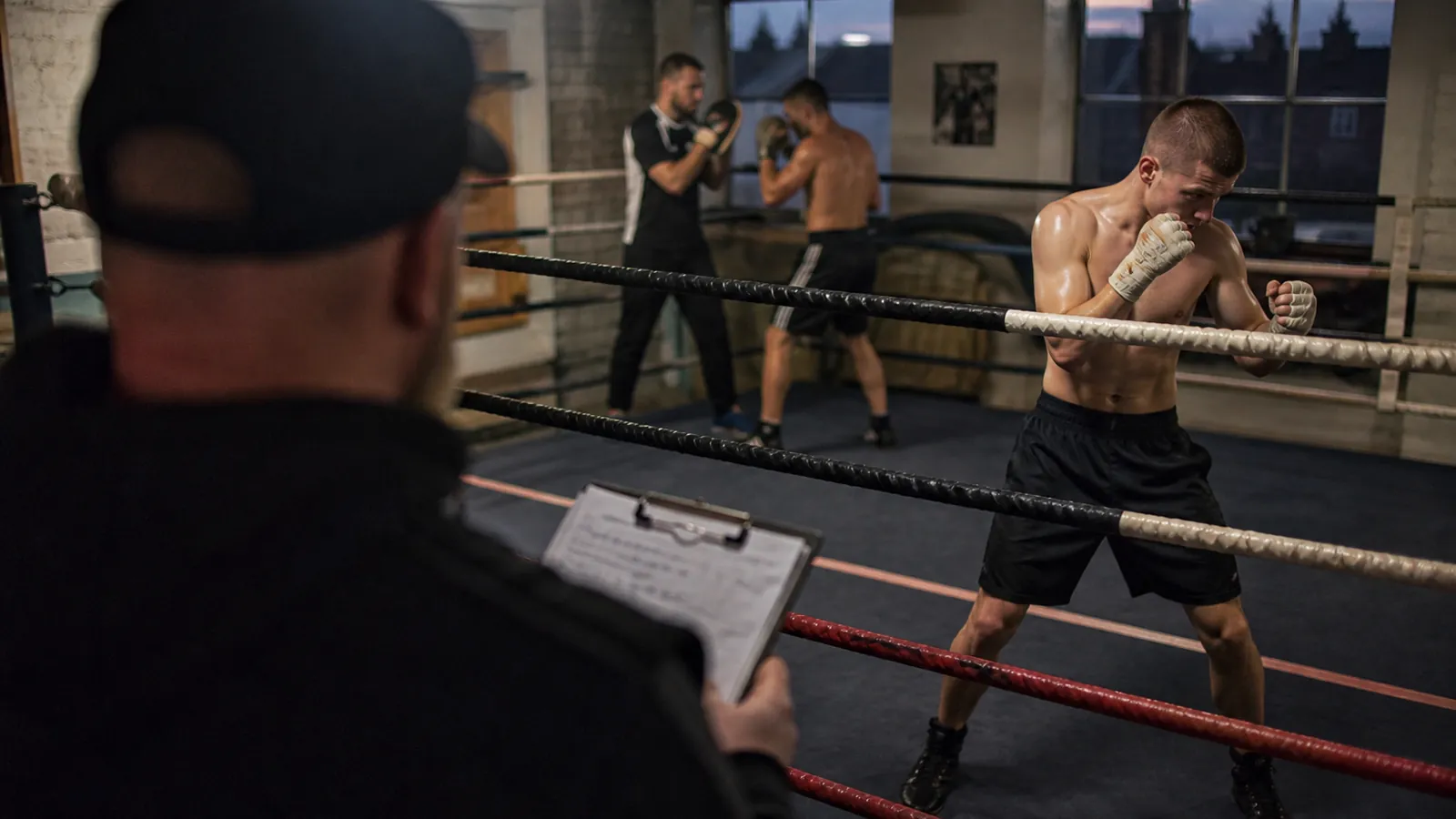
The style problem for Sheeraz
This is a better fight than it first appears because their strengths do not neatly cancel each other out.
Sheeraz is a tall orthodox fighter, listed at 6ft 3in with a 75.2-inch reach. At his best, he is a composed long-range boxer who can establish his jab, build attacks behind it and deliver sharp right hands and uppercuts when opponents drift into range. His power has become more meaningful as he has filled out physically. The Berlanga stoppage was not just impressive because of the name. It showed that Sheeraz can hurt a durable, aggressive opponent when he controls distance and sets his feet.
Janibek is a southpaw with a more deceptive rhythm. He has a quick lead right hand, a sharp straight left, clever positioning and the ability to punch through openings rather than merely wait for them. His best work at middleweight came when he made opponents think they were outside danger, then stepped in with a clean left hand or changed the angle after the jab.
For Sheeraz, the obvious job would be to make his size count without becoming static. A disciplined jab to Janibek’s chest, control of the lead foot battle and regular body work would all matter. He cannot allow the contest to become a stand-off at mid-range where Janibek can time his entries and find the channel between Sheeraz’s gloves.
For Janibek, the route is equally clear. He needs to make Sheeraz reset, deny him a comfortable jab rhythm and test whether the champion can sustain concentration across 12 hard rounds against a southpaw who can punch. The majority-decision win over Zachenhuber suggested that Sheeraz can be made to work when the distance is contested. Janibek is more technically equipped than Zachenhuber to exploit a flat spell.
The fight is not a simple boxer against puncher story. Both can box, both can hurt opponents and both have shown that the other man’s preferred range can become dangerous quickly.
What a Sheeraz win would settle
If Sheeraz beats Janibek cleanly, it settles the question of whether he is a belt-holder with upside or a fully formed world-level super-middleweight. Janibek’s inactivity would need to be acknowledged, but his pedigree is far too substantial for a win over him to be dismissed.
It would also give Sheeraz a serious result at 168lb after the unresolved Adames draw at middleweight. That draw did not damage his career, but it left an open question about how he handles elite opponents who can take his power, return fire and stay composed late. Janibek would test precisely those areas.
A Janibek win would be just as revealing. It would show that his championship quality has travelled up in weight and place him immediately among the division’s most difficult opponents. For all the argument about process, his ability has never been the doubtful part of this order.
That is why the WBO has created a proper crossroads fight. The order is real. The 20-day clock is real. The belt is real. The contracts are not yet signed.
Until they are, treat Sheeraz versus Janibek as the most compelling route in the division, not a confirmed date in the diary. But if it is made, it would settle far more than who keeps a title. It would establish which man belongs at the front of the super-middleweight queue.
H&G Team
Writer at Honour & Glory Boxing Club, a community boxing gym in Kidbrooke, South East London.
KEEP READING
Sheeraz World Title Fight: Usyk vs Verhoeven Undercard Announced!
Preview Hamzah Sheeraz's world title opportunity as the co-main event for Usyk vs. Verhoeven, analyzing his opponent and chances. Highlight the significance for UK boxing.
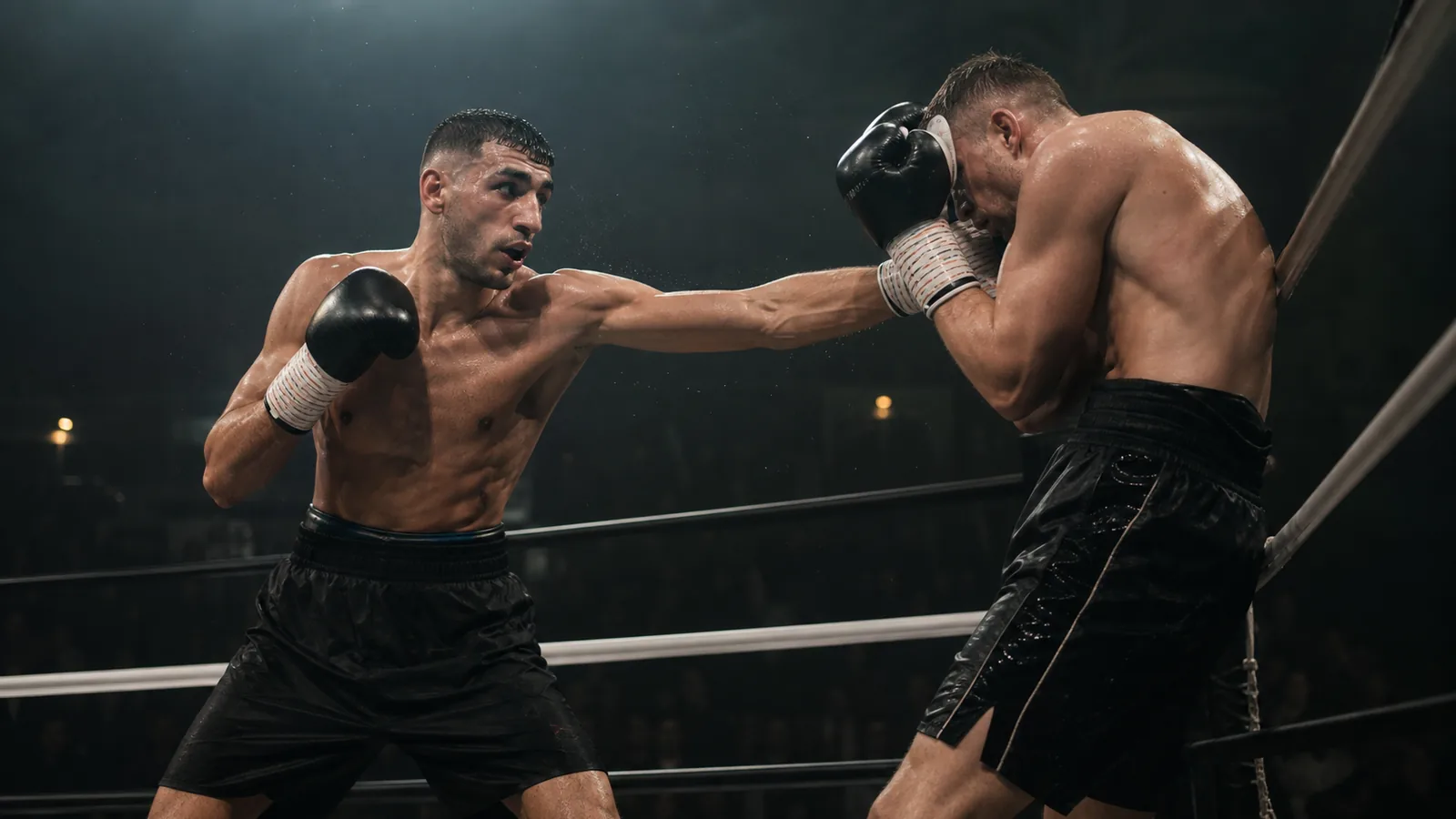
Hamzah Sheeraz vs Zachenhuber: the pressure that changed it
Use the fresh DAZN highlights to examine how Sheeraz built attacks, managed distance and turned sustained pressure into meaningful work against Simon Zachenhuber.
Dubois vs Wardley 2: why the WBO rematch matters
A five-month turnaround after a Fight of the Year contender makes the rematch more than a repeat: assess what each heavyweight must change and what a WBO title rematch means for the British division.
Was this page helpful?
It takes one tap, and it genuinely helps.
Choose your next step
Turn this article into the right action
Some readers are ready to book. Some need the class route first. Pick the route that matches what you actually want.