Rico Verhoeven says he has accepted a Deontay Wilder offer
Why Wilder versus Verhoeven is compelling
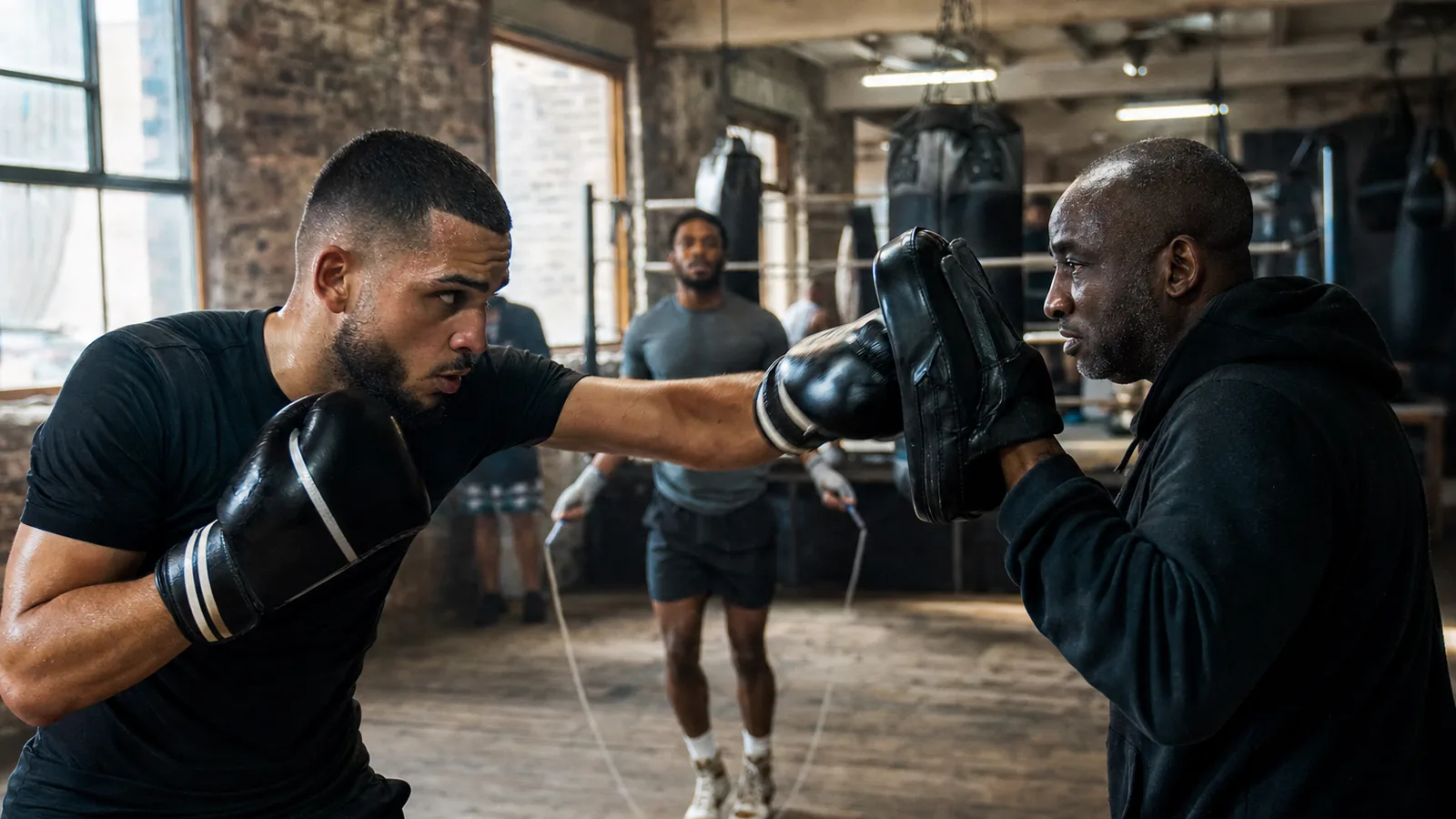
There are crossover bouts built on celebrity, and there are crossover bouts built on a real sporting question. This belongs in the second category.
Rico Verhoeven is not a novice combat athlete borrowing boxing gloves for a payday. He is one of kickboxing’s defining heavyweight champions. SportBible reports that he compiled 66 wins and 10 losses in kickboxing, held the GLORY heavyweight title for more than 12 years and made 13 consecutive title defences before vacating the belt in November 2025. He has spent his career dealing with elite pressure, distance, timing and heavy hands.
But boxing is not kickboxing with the legs removed.
The stance is different. The range is different. The defensive responsibilities are different. A kickboxer can build reactions around kicks, knees and the threat of the clinch. In boxing, the lead hand can be a measuring device, a trap, a shield and a route into a knockout punch. The margins are narrower when the only legal weapons are fists.
Verhoeven has at least begun to answer the obvious questions. He is listed as 1-1 as a professional boxer after pushing Oleksandr Usyk deep into their May contest before an 11th-round stoppage, according to BoxingScene. DAZN’s report describes the potential bout accurately: a meeting between dangerous heavyweights from very different combat-sport backgrounds.
That Usyk performance should stop anyone dismissing Verhoeven as a novelty. He looked composed under pressure, physically capable at the weight, and willing to work rather than simply survive. Those are proper foundations.
They are not, however, a guarantee against Deontay Wilder.
The right hand that changes every calculation
Wilder is 40 and no longer the version who raced through the division during his WBC title reign. His recent form has been uneven. He returned to winning ways with a points victory over Derek Chisora in London in April, as Sky Sports reported, but the performance did not erase the hard losses to Tyson Fury, Joseph Parker and Zhilei Zhang.
None of that makes him safe.
Wilder has never needed to be the better all-round boxer for every minute of a fight. His right hand can make a technical discussion irrelevant in an instant. That is why his record of 45 wins, four losses and one draw, with 43 knockouts, still carries weight. A fighter can win the first six rounds against him and still wake up wondering how the fight ended.
For Verhoeven, the danger is not simply Wilder’s power. It is the type of power. Wilder often gives opponents invitations: a low-looking lead hand, space to advance, moments when he appears static. The trap comes when a boxer steps in too square, reaches for the target, or exits with their chin on the line. The right hand travels quickly and arrives with very little warning.
Verhoeven would need discipline more than bravado. A strong jab. Controlled entries. No chasing. No standing in front of Wilder after finishing a combination. Most importantly, he would need to make Wilder reset repeatedly rather than giving him a stationary target to measure.
That is easier to describe than to do.
Why the fight works for both men
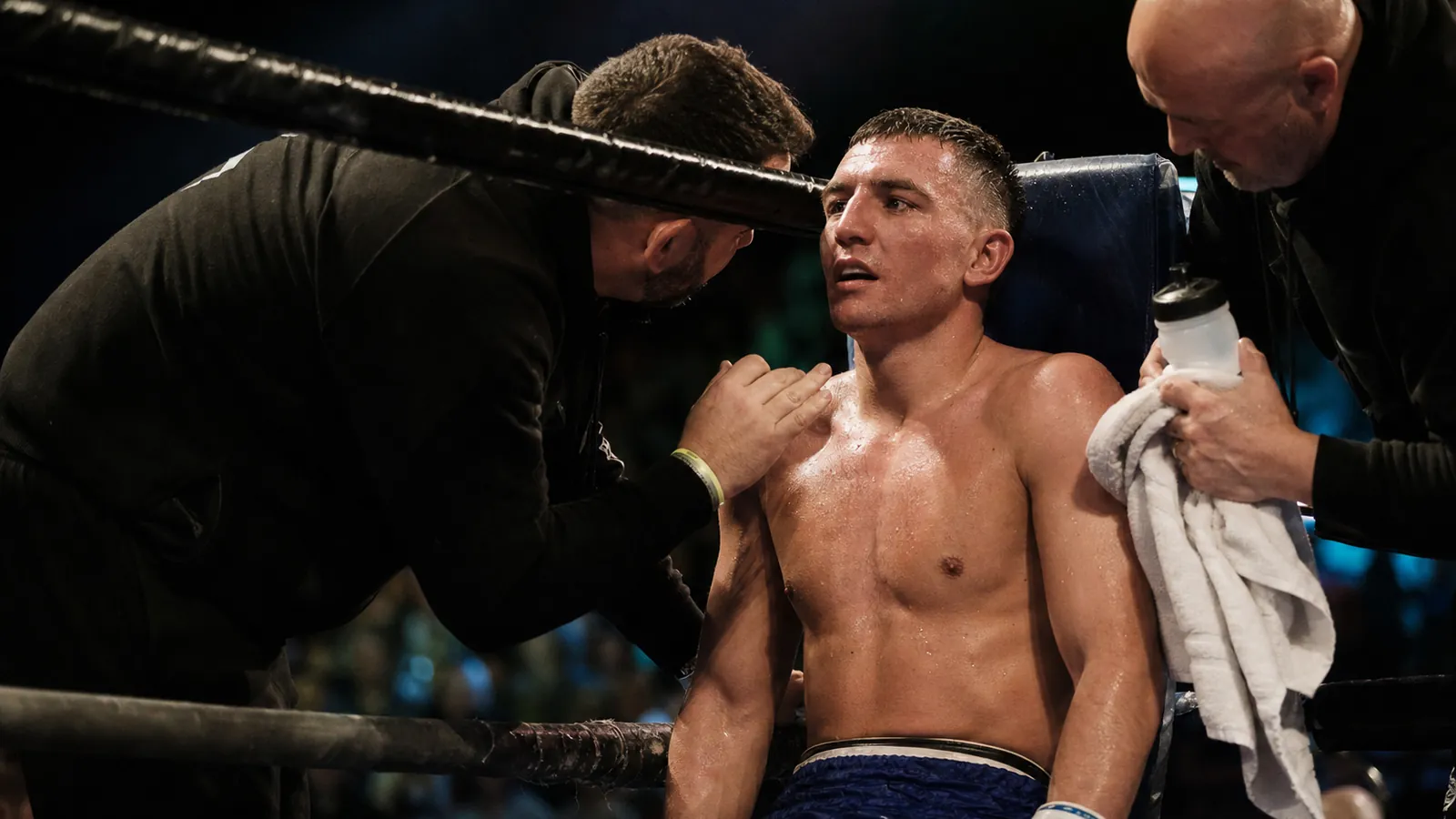
Verhoeven has much more to gain in sporting terms. Beat Wilder and he would move from respected crossover athlete to a genuine factor in heavyweight boxing. Even a competitive loss would tell us something useful about his ceiling against a former world champion with one of the division’s most unusual weapons.
For Wilder, the calculation is less comfortable. A victory over a kickboxing great would be expected by many boxing purists, even if that view understates Verhoeven badly. A defeat would be damaging. Losing to a man with limited professional boxing experience would invite brutal questions about where Wilder now sits in the division.
Yet there is real upside. Wilder remains a major name, and a clear, aggressive performance on a vast British event would remind audiences why he became must-watch television in the first place. The fight also has a visual simplicity that promoters understand immediately: kickboxing’s long-serving heavyweight king against boxing’s most feared single-punch finisher.
It is a better proposition than treating either man as a decorative addition to a large bill.
The Fury versus Joshua stage changes the spectacle
The proposed venue is Cardiff’s Principality Stadium, on the night Tyson Fury and Anthony Joshua finally meet. The Standard’s event guide sets out the scale of the occasion, while Sky Sports has reported that Wilder could feature on the bill.
That setting is not incidental. Wilder has deep history with Fury. Their trilogy produced a draw, two Fury wins and several of the heavyweight era’s most dramatic knockdowns. He also has a long, unresolved rivalry with Joshua, the fight British fans spent years expecting and never received.
Putting Wilder on the undercard of Fury versus Joshua gives the whole event a heavyweight story running through it. He is not merely another fighter on the poster. He is part of the history that made the main event feel inevitable.
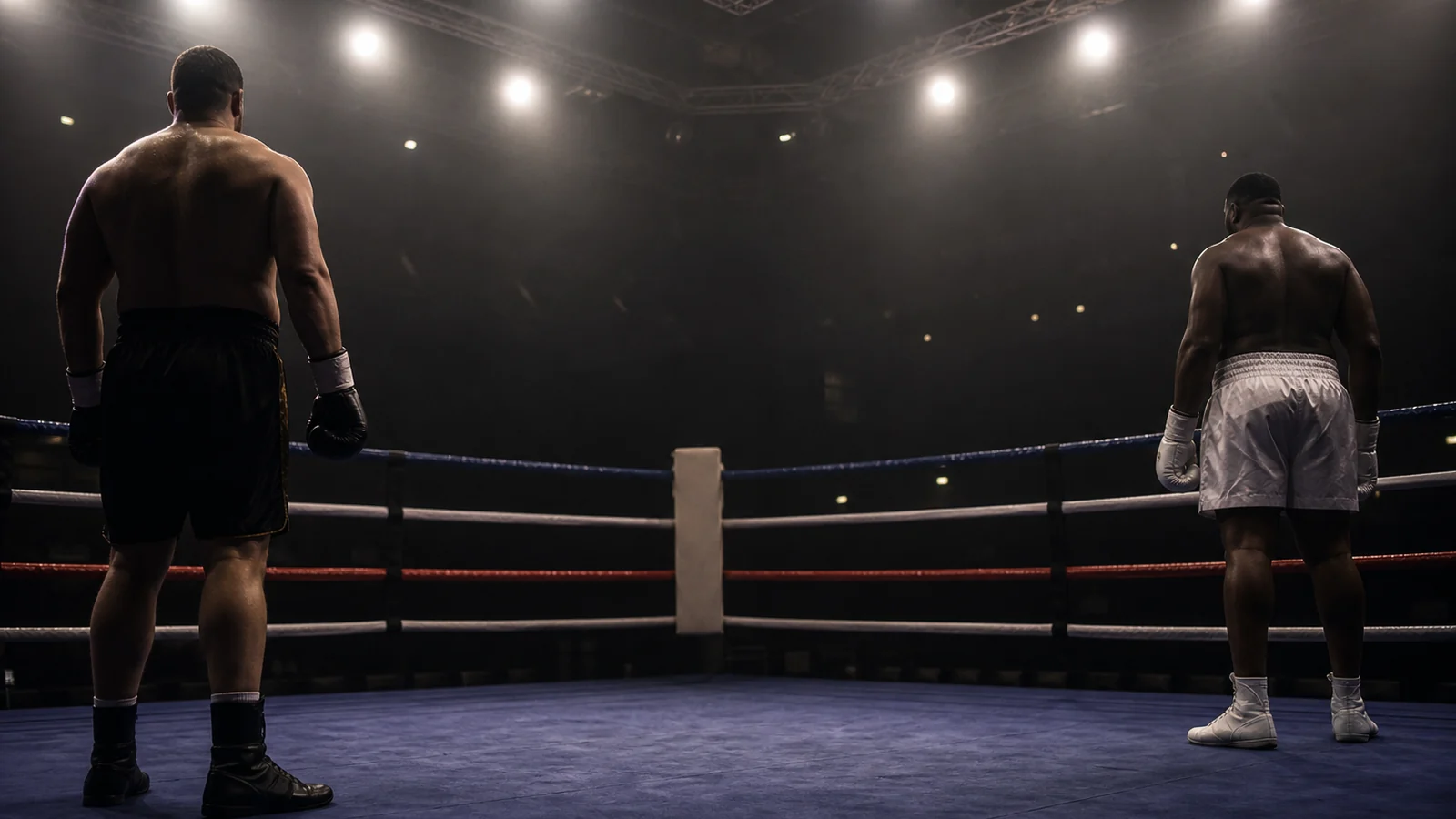
Verhoeven adds a second audience to that story. Kickboxing supporters know exactly what he has achieved. Boxing supporters who saw the Usyk fight know he is not turning up to make up the numbers. A properly matched undercard should add texture to a main event, not distract from it. This fight would do both: it would strengthen the bill while creating its own sharp question.
Could an elite kickboxer solve the biggest punching problem in boxing?
The honest verdict
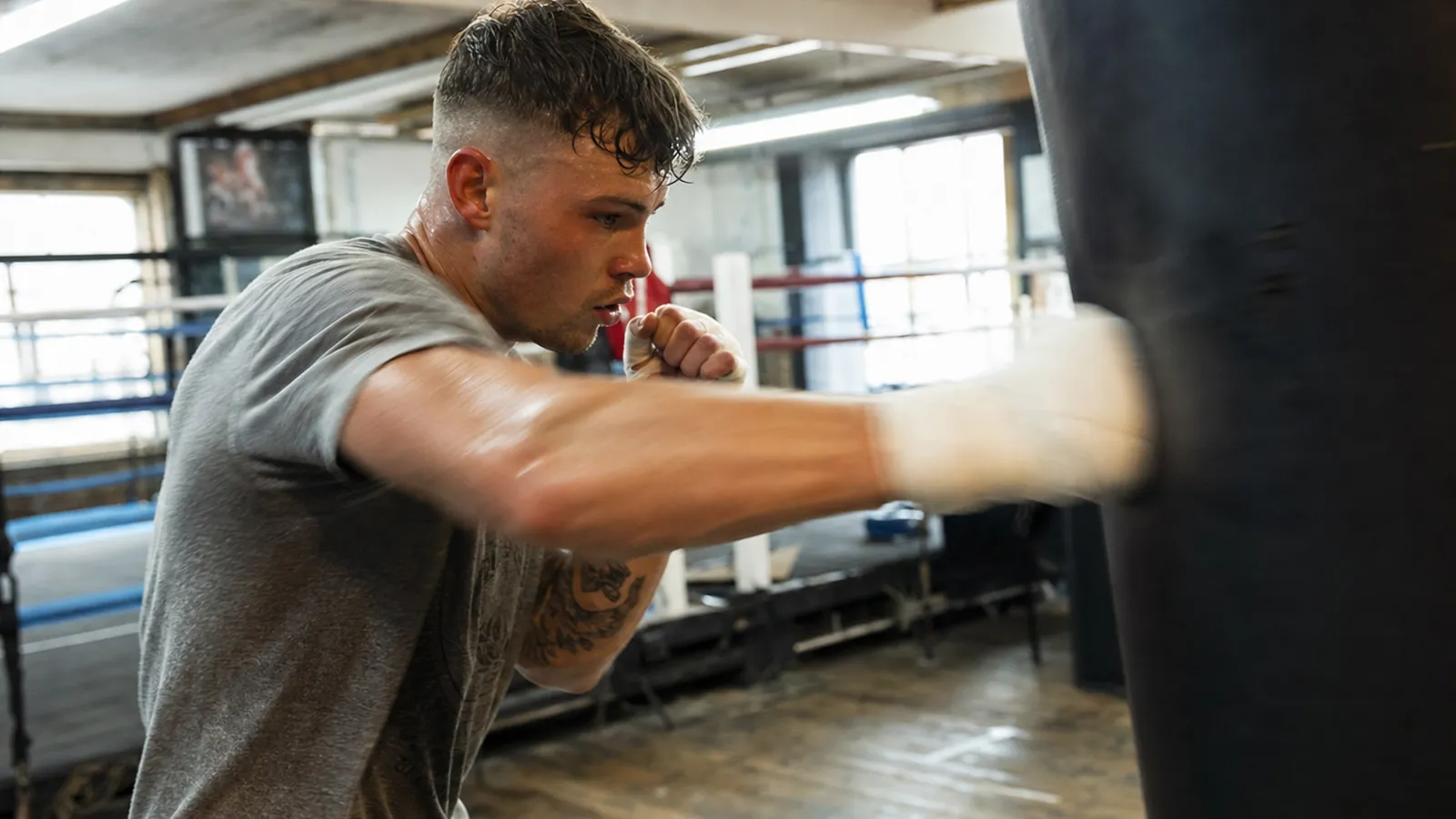
If it is made, Wilder should be favourite. He has spent a professional career learning how to land that right hand under boxing rules, against trained heavyweights who knew exactly what was coming. Verhoeven’s success against Usyk showed toughness and serious ambition, but Wilder presents a completely different examination.
Still, this is not a joke fight. It is a dangerous, high-stakes heavyweight bout between two accomplished fighters with contrasting routes into the ring. Verhoeven has earned the chance to test himself. Wilder has enough left to make every second uncomfortable.
That is why it belongs on the Fury-Joshua bill. Big nights need more than famous names. They need fights that make people stop talking and watch.
If this matchup is confirmed, study it closely. At Honour & Glory Boxing Club, new starters aged seven and above learn early that technique is not just about throwing shots. It is about distance, balance, composure and what happens when someone in front of you carries genuine danger. Wilder versus Verhoeven would be a heavyweight lesson in all four.
H&G Team
Writer at Honour & Glory Boxing Club, a community boxing gym in Kidbrooke, South East London.
KEEP READING
Fury vs Joshua 2026: Why British Boxing Still Needs It
Use the reported Q4 2026 mega-fight as a wider piece on why Fury vs Joshua still matters: national attention, casual fans returning, heavyweight legacy, and what young boxers can learn from two very different careers.
Usyk vs Rico Verhoeven: boxing vs kickboxing explained
A beginner-friendly breakdown of what changes when an elite kickboxer enters a boxing-only heavyweight fight: stance, distance, clinch habits, footwork, defence, and why rule discipline matters.
Wilder vs Opetaia rumour: does the matchup make sense?
Treat the reported undercard discussion cautiously and assess the sporting logic of a Wilder-Opetaia meeting rather than presenting a rumour as confirmed.
Was this page helpful?
It takes one tap, and it genuinely helps.
Choose your next step
Turn this article into the right action
Some readers are ready to book. Some need the class route first. Pick the route that matches what you actually want.