Usyk vs Rico Verhoeven: boxing vs kickboxing explained
Update - this event has now taken place. Usyk vs Rico Verhoeven took place at the Pyramids of Giza on 23 May 2026. We have kept the explainer below for background and training context.
Usyk vs Rico Verhoeven is not just another big heavyweight oddity. It is a clean test of how much a world-class striker loses when half his weapons are taken away.
Verhoeven is not a YouTuber, celebrity, or retired name being dragged into boxing for a cheque. He is an elite kickboxer, a long-time heavyweight force, and a serious combat athlete. That matters. But the rules matter more.
The bout took place on 23 May 2026 at the pyramids of Giza, with Usyk allowed to defend under strict title conditions. The BBC reported the WBA position: if Usyk wins, it counts as a successful title defence, but Verhoeven cannot win the WBA belt because he is not ranked by the body. The Independent explained the IBF ruling: if Usyk loses, the IBF title becomes vacant immediately. FightNews also covered the IBF stance, which tells you how strange this fight is before a punch has even been thrown.
In the build-up, the Independent fight guide, DAZN schedule page, Sportsnaut viewing guide, Sports Illustrated guide, and ESPN UK guide all pointed to the same thing: this was sold as a major heavyweight event, not a harmless exhibition.
Boxing takes away the kickboxer’s first layer
The biggest change is not that Verhoeven cannot kick. The bigger change is that Usyk no longer has to respect the possibility of a kick.
That sounds simple, but it changes everything. In kickboxing, a fighter’s stance, guard, rhythm, and distance are built around four limbs. The lead leg can teep, check, low kick, or step into a knee. The rear leg can punish a lazy exit. The hands set up the legs and the legs set up the hands.
In boxing, Verhoeven has two legal weapons. Usyk knows it. That means Usyk can read the shoulders, lead hand, hips, and feet without having to account for a right kick coming over his ribs or a low kick landing as he exits.
For a beginner, this is the first lesson. A fighter is not just their toughness or athletic record. A fighter is a set of habits shaped by rules.
The stance has to change
Kickboxers often stand more upright and more square than pure boxers because they need to kick, check kicks, and defend knees. That stance gives balance across more threats. It also leaves different targets open when kicks and knees vanish.
A boxing stance can afford to be narrower in the target, more shoulder-led, and more committed to head movement. The lead shoulder can hide the chin. The front foot can be used to claim angle. The rear hand can sit in a position built for punches rather than for catching kicks or framing in the clinch.
That is where Usyk becomes a horrible opponent. He is a southpaw who does not just stand in front of you. He steps across, feints, changes rhythm, and makes the other heavyweight reset. If Verhoeven stands too tall, Usyk’s jab touches him. If he squares up too much, Usyk’s left hand and body shots become easier to find. If he overcorrects into a more boxing-heavy stance, he may lose some of the balance that made him dangerous in kickboxing.
There is no free adjustment.
Boxing distance is smaller and nastier
Kickboxing distance often begins outside punching range. A long jab may be there, but so is the body kick, low kick, front kick, and step-in knee. The fighter who controls kicking range controls a large part of the fight.
In boxing, the important distance is compressed. It is jab range, half-step range, shoulder range, and exit range. You are close enough to be hit more often, and there are fewer safe pauses.
That is a gift for Usyk. He has spent his career making bigger men uncomfortable at exactly those distances. He is not a one-shot heavyweight who needs a planted target. He wins by taking a little space, touching you, making you answer, and then moving before your reply is clean.
USA Today listed Verhoeven as the bigger man at 6ft 5in and 270lb, with Usyk at 6ft 3in and 227lb, while still noting that Usyk has the unbeaten 24-0 boxing record and Verhoeven has boxed professionally once (USA Today fight profile). Size matters. But size without the right distance usually turns into reaching.
The clinch is a trap for the kickboxer
The clinch may be the most awkward habit change.
Modern GLORY rules are already stricter than older kickboxing habits. GLORY’s 2025 update says the clinch permits only one immediate single strike, then the athlete must disengage immediately (GLORY rules update). Even so, the kickboxing clinch still carries a different instinct: frame, pull posture, knee, turn, strike on the break.
Boxing gives you none of that. No knees. No kicks. No extended holding. No hitting behind the head. The Association of Boxing Commissions’ unified boxing rules put the referee in charge of the bout and define the scoring and foul structure, which is why the small moments matter. A boxer who holds, leans, or roughs up at the wrong time can be warned, broken, deducted, or dragged into a rhythm they do not want.
Usyk is excellent in those messy seconds. He knows when to fall in, when to smother, when to turn out, and when to make a referee separate the action. Verhoeven cannot treat the clinch like a kickboxing tool. In this fight, the clinch is not a weapon for him. It is a discipline test.
Footwork changes when there is no leg threat
Kickboxing footwork has to protect the legs. You cannot constantly put heavy weight on the lead leg if the opponent can chop it. You cannot exit lazily if a body kick is waiting. You cannot over-pivot if your base is not ready to check.
Boxing footwork has a different obsession: position for punches. Step outside the lead foot. Make the opponent turn. Jab while moving. Punch while exiting. Keep the rear foot alive.
Against Usyk, this becomes cruel. The southpaw-orthodox foot battle is not an academic detail. If Usyk keeps getting his lead foot outside Verhoeven’s lead foot, his left hand becomes cleaner and Verhoeven’s right hand has further to travel. If Verhoeven chases in straight lines, he will find Usyk gone. If he waits, Usyk banks rounds.
This is why footwork is not glamour work in the gym. It is the sport. If you are new, our beginner guide to starting boxing explains why stance and movement come before clever combinations.
Defence has to be rebuilt around punches only
A kickboxer’s high guard can look comforting. Big gloves, tight elbows, chin tucked, heavy frame. Against kicks, knees, and punches, that guard has a job.
In boxing, a high guard alone is not enough. Boxers hit the guard to move it. They touch the body to lower it. They jab the chest to freeze it. They step around it. A good boxer does not need to land clean every time. They need to make the guard late, then punish the correction.
That is why Usyk is dangerous even if he does not hurt Verhoeven early. A jab to the glove still tells him something. A left to the body still changes breathing. A feint still steals a reaction. Over 12 rounds, small reads become big problems.
For club boxers, this is exactly why defence is a system, not a pose. Slipping, catching, rolling, blocking, pivoting, and countering all connect. Our boxing defence techniques for beginners piece is a useful companion if you want the basic mechanics without pretending defence is magic.
Rule discipline may decide how competitive it looks
The easiest lazy take is that Verhoeven is doomed because he is not a boxer. That is too simple. He is tough, experienced, powerful, and comfortable under pressure. He has spent years fighting dangerous heavyweights who can hurt him badly.
The harder truth is that he has to fight his own memory. No knee when the head is there. No kick when the opponent exits. No long clinch when the body is close. No kickboxing reset after a boxing exchange. No pause after he scores if Usyk is already stepping to the next angle.
That is why rule discipline matters. You can train boxing for a camp, but a camp does not erase a career. When fatigue arrives, fighters return to what their nervous system trusts. For Verhoeven, some of those trusted answers are illegal in this ring.
The fan debate is already split across several corners of the internet. If you want the raw temperature, there are threads asking whether Usyk versus Verhoeven for a WBC belt makes sense, whether Verhoeven is genuinely dangerous, why Verhoeven believes he deserves Usyk, how the Undisputed Boxing community is treating the match-up, whether boxing fans are underestimating a kickboxing champion, what viewers think they need to know about Usyk versus Verhoeven, and how much of a mismatch the fight really is. Treat that as fan noise, not proof. The ring will answer better than comment sections.
What beginners should watch on fight night
Watch Verhoeven’s lead foot first. If it is heavy, Usyk will make him turn. If it is too light, Verhoeven may struggle to sit on his right hand.
Watch the first clinch. Does Verhoeven instantly search for kickboxing control, or does he keep it boxing-clean? That first messy tie-up will say a lot.
Watch Usyk’s jab to the body. It is not just a scoring shot. It bends posture, draws the guard down, and makes a tall fighter think before stepping in.
Watch the exits. Kickboxers are used to ending exchanges at kicking range. Usyk will try to end them at an angle where only he can punch again.
Most of all, watch the rule set. This fight is not boxing versus kickboxing in a neutral space. It is kickboxing skill squeezed through boxing rules. That distinction is the whole story.
The H&G view
My take is simple: Verhoeven is a serious fighter in the wrong sport against the wrong boxer. That does not make him a joke. It makes the task brutally specific.
If he lands early, the fight becomes interesting. If he cannot find Usyk in the first few rounds, it could become a long lesson in why boxing is its own language.
At Honour and Glory in Kidbrooke, we teach boxing as boxing. Stance, distance, defence, footwork, and discipline come before trying to look flashy. Adults can start through our Recreational Adults boxing classes, younger boxers aged 7+ can start through our junior boxing pathway, and local families can see why our Kidbrooke boxing club is built around proper coaching rather than shortcuts.
If this fight makes you curious about what pure boxing actually feels like, come and learn it properly.
H&G Team
Writer at Honour & Glory Boxing Club, a community boxing gym in Kidbrooke, South East London.
KEEP READING
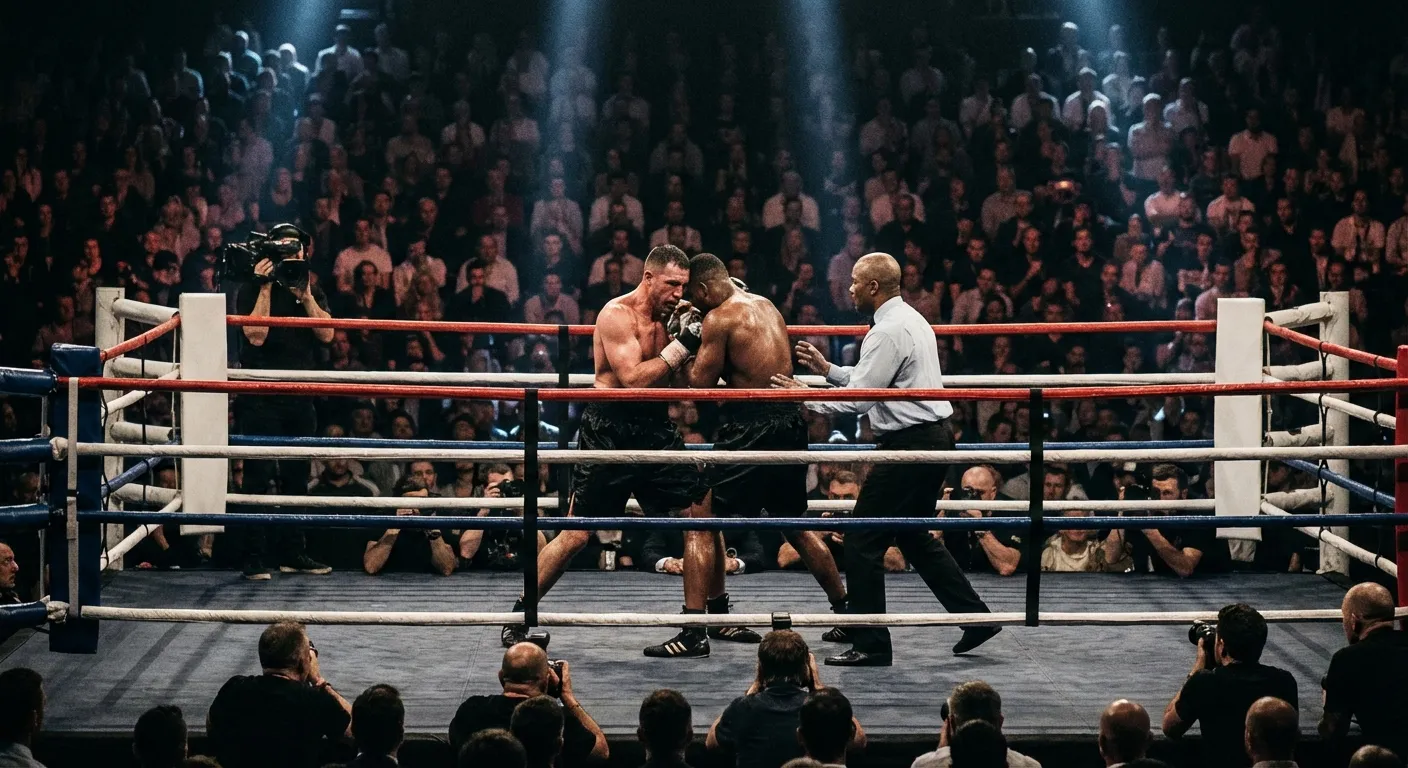
Sheeraz World Title Fight: Usyk vs Verhoeven Undercard Announced!
Preview Hamzah Sheeraz's world title opportunity as the co-main event for Usyk vs. Verhoeven, analyzing his opponent and chances. Highlight the significance for UK boxing.
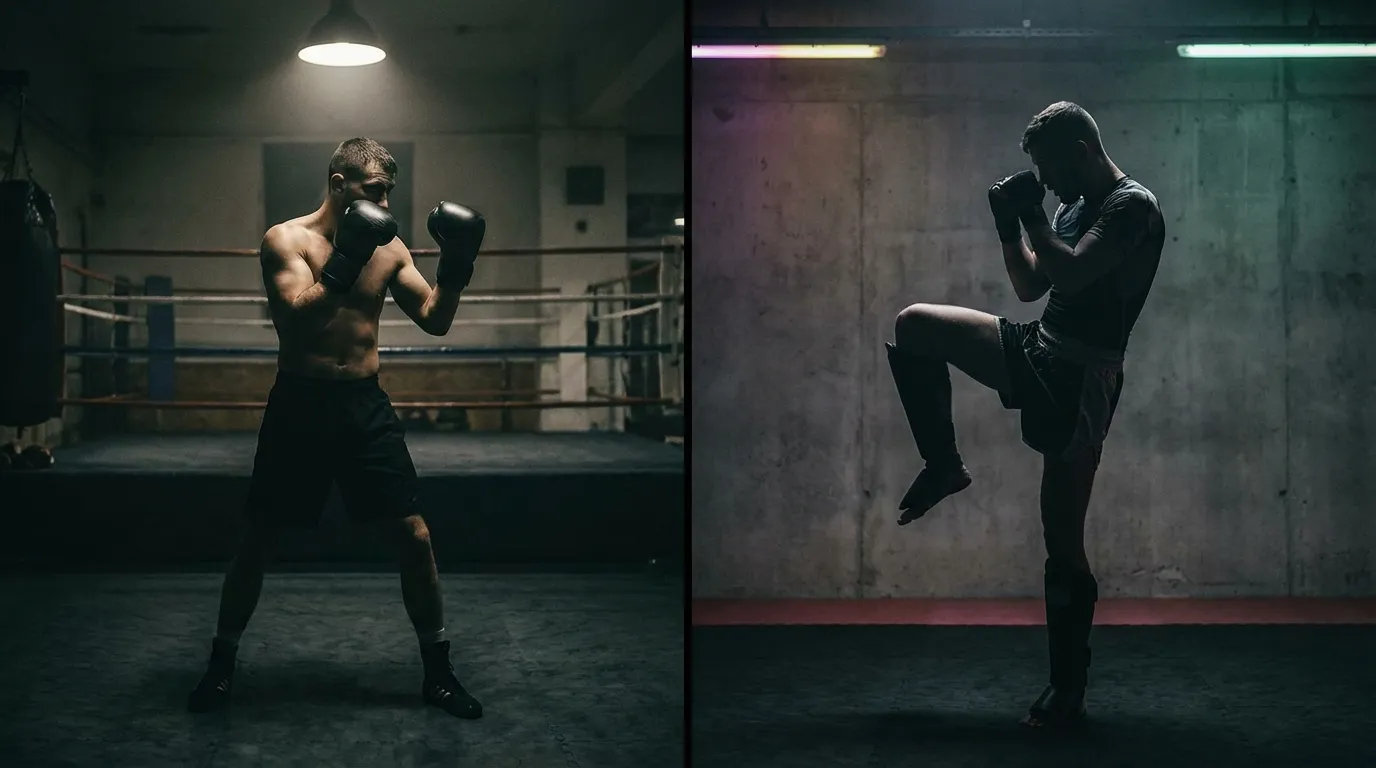
Boxing vs Kickboxing: Differences
Boxing and kickboxing share some DNA but they are distinct sports. Here is what makes them different and which might suit your goals better.
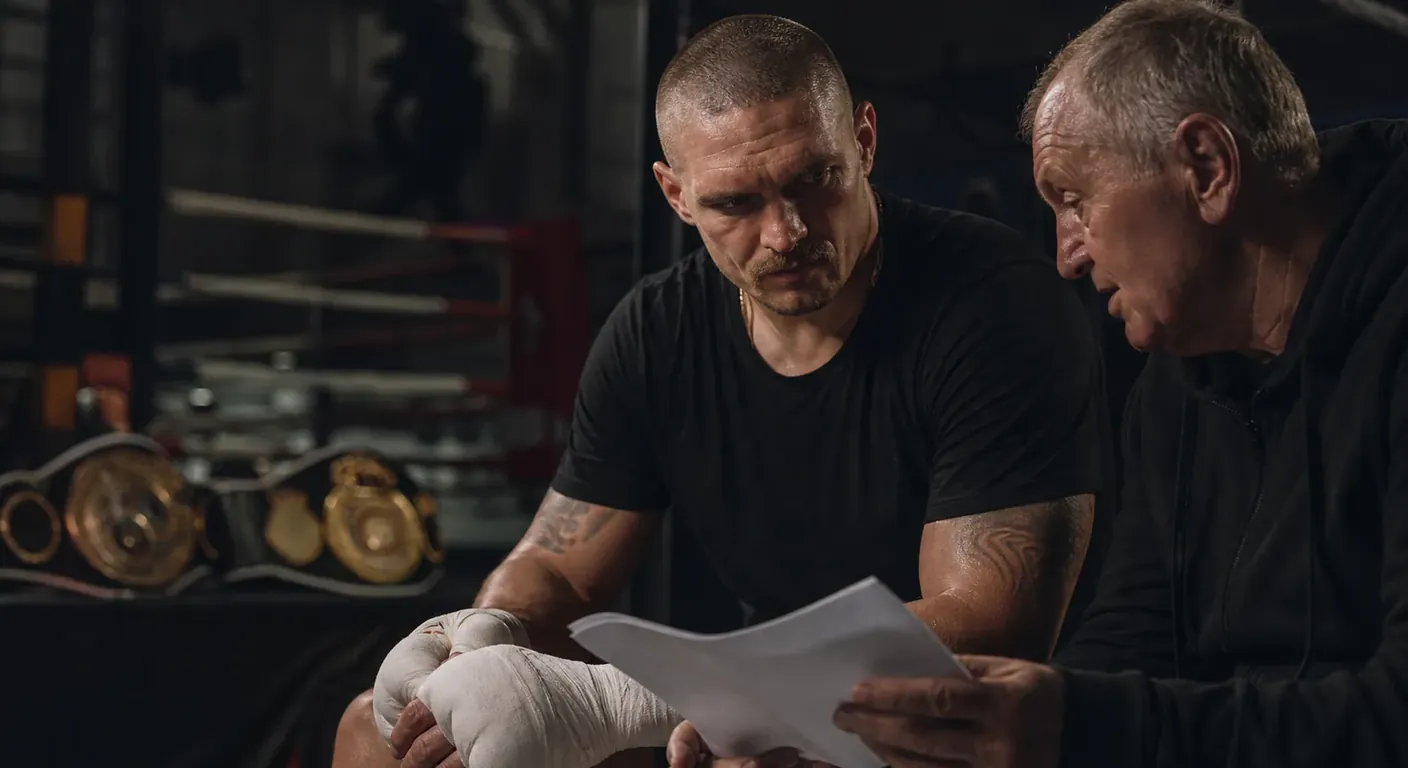
Usyk Vacates: Why Champions Choose Their Exit
Why Usyk giving up heavyweight belts looks less like surrender and more like a champion taking control of his final fight.
Was this page helpful?
It takes one tap, and it genuinely helps.
Choose your next step
Turn this article into the right action
Some readers are ready to book. Some need the class route first. Pick the route that matches what you actually want.