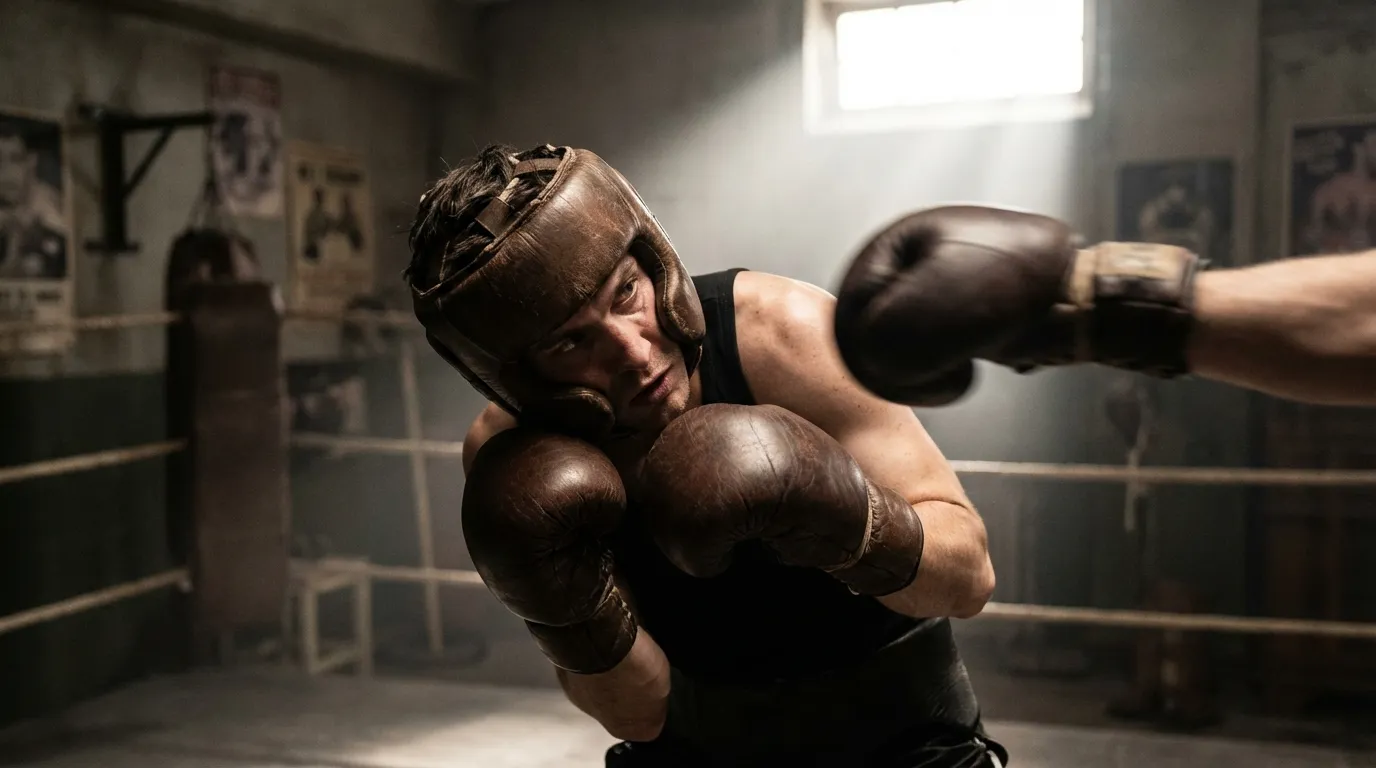
Most people walk into a boxing gym thinking about offence. They want to learn the jab, the cross, the hook. Fair enough. But the best boxers in history - Mayweather, Pernell Whitaker, Lomachenko - made their names by being almost impossible to hit. Learning boxing defence techniques early on will change how you fight, how you spar, and how much you enjoy the sport.
Here is the thing about defence: it is not about toughness. It is about positioning. A well-timed slip costs you zero energy and leaves your opponent off-balance. A wild swing that misses tires them out. Defence wins rounds, creates countering opportunities, and keeps you in fights when your legs start getting heavy. BOXRAW's guide to boxing defence drills sets out six specific drills coaches use to build defensive instincts, emphasising that head movement must be trained as a reflex rather than a conscious decision.
At H&G in Kidbrooke, we teach defence from the first session. Not because beginners need to be defensive fighters, but because good habits formed early stick around. Title Boxing's head movement resource demonstrates exactly why defensive skills need dedicated drilling from the start - slipping and rolling need to become automatic responses, which only happens through repetition before bad habits set in. Here are the five techniques to focus on.
If you are struggling with the natural blink or turn-away reaction, start with the more specific guide on how to stop flinching in boxing. Defence improves faster when your eyes and breathing settle first.
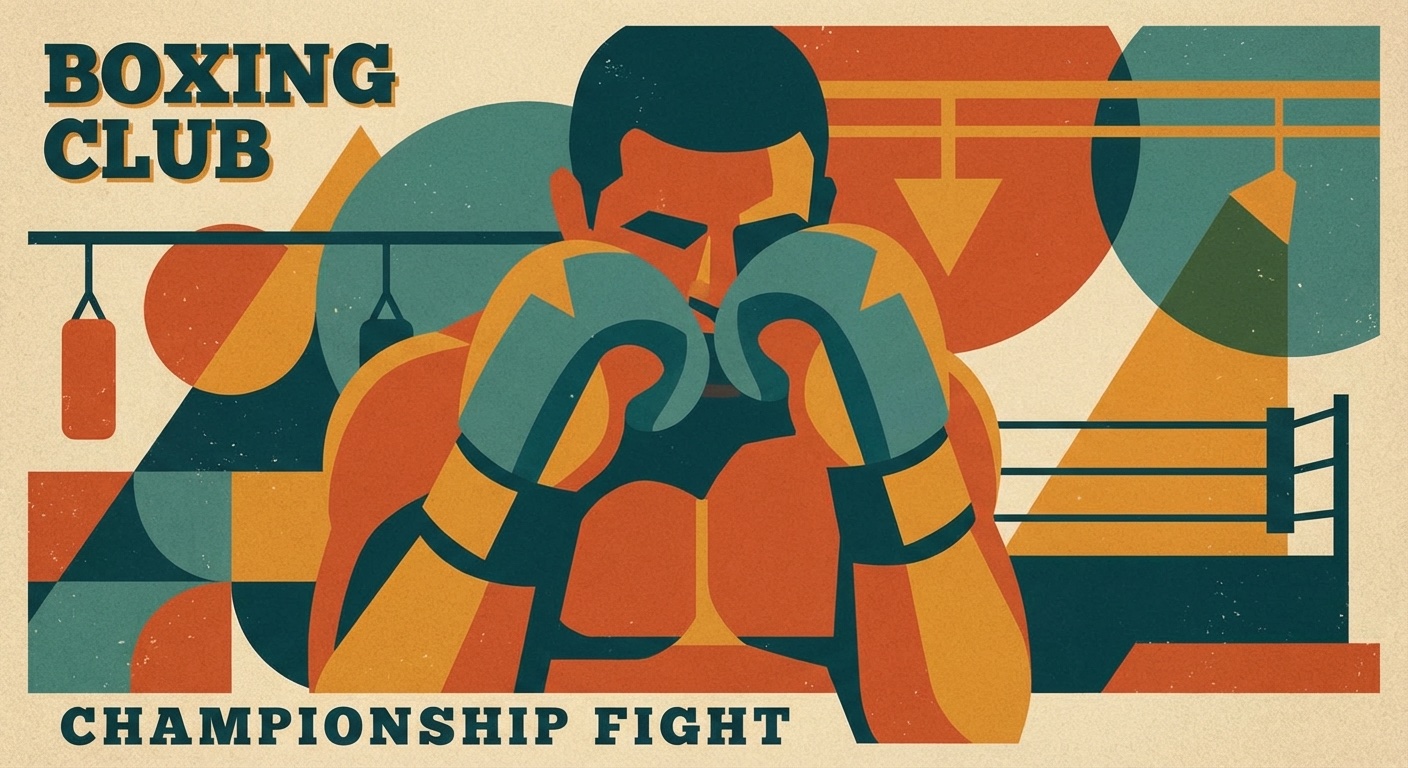
1. The high guard (blocking)
This is your starting point. Hands up, elbows tight, chin tucked behind your lead shoulder. When a punch comes at your head, you absorb it on your gloves or forearms rather than your face.
Blocking is not glamorous. Nobody makes highlight reels of someone catching a jab on their glove. But it works, and it is the easiest boxing defence technique for a complete beginner to use under pressure. When you are tired, confused, or eating shots you cannot see, your guard is what keeps you in the round.
Common mistakes: letting your elbows flare out (exposes the body), dropping your hands between punches (leaves the chin open), and standing too square (makes you a bigger target). Keep your stance slightly side-on, hands glued to your cheekbones, and peek over the top of your gloves.
For body shots, drop your elbows to your ribs and brace your core. You will not block everything, but you will stop the clean ones getting through.
2. Slipping
Slipping is moving your head just enough to let a punch miss. A jab comes at your face - you bend slightly at the waist and rotate, letting it pass over your shoulder. Your feet stay planted. Your weight shifts. And suddenly you are in position to counter.
The key word is "slightly." Beginners tend to over-slip, bending so far to one side that they lose balance. You only need to move a few inches. Think about the width of a fist - that is all you need to clear.
Practise slipping against a partner's slow jab before doing it at speed. Your coach might use a pool noodle or a rope stretched across the ring at head height. The goal is training your body to react without having to consciously think about it. After a few weeks of drill work, you will start slipping punches you did not even see properly. Your body just knows what to do.
Slipping to the outside of a jab (moving to your right against an orthodox fighter) is generally safer than slipping inside, because you move away from their power hand. But both directions matter.
3. Parrying
Parrying is using your hand to redirect a punch away from its target. Instead of absorbing the shot on your guard (blocking) or moving your head (slipping), you give the incoming glove a small tap to push it off course.
Against a straight jab, your rear hand makes a quick downward or sideways flick. Against a cross, your lead hand does the same. It is a small motion - you are not swatting flies. Just enough to change the punch's line by a couple of inches.
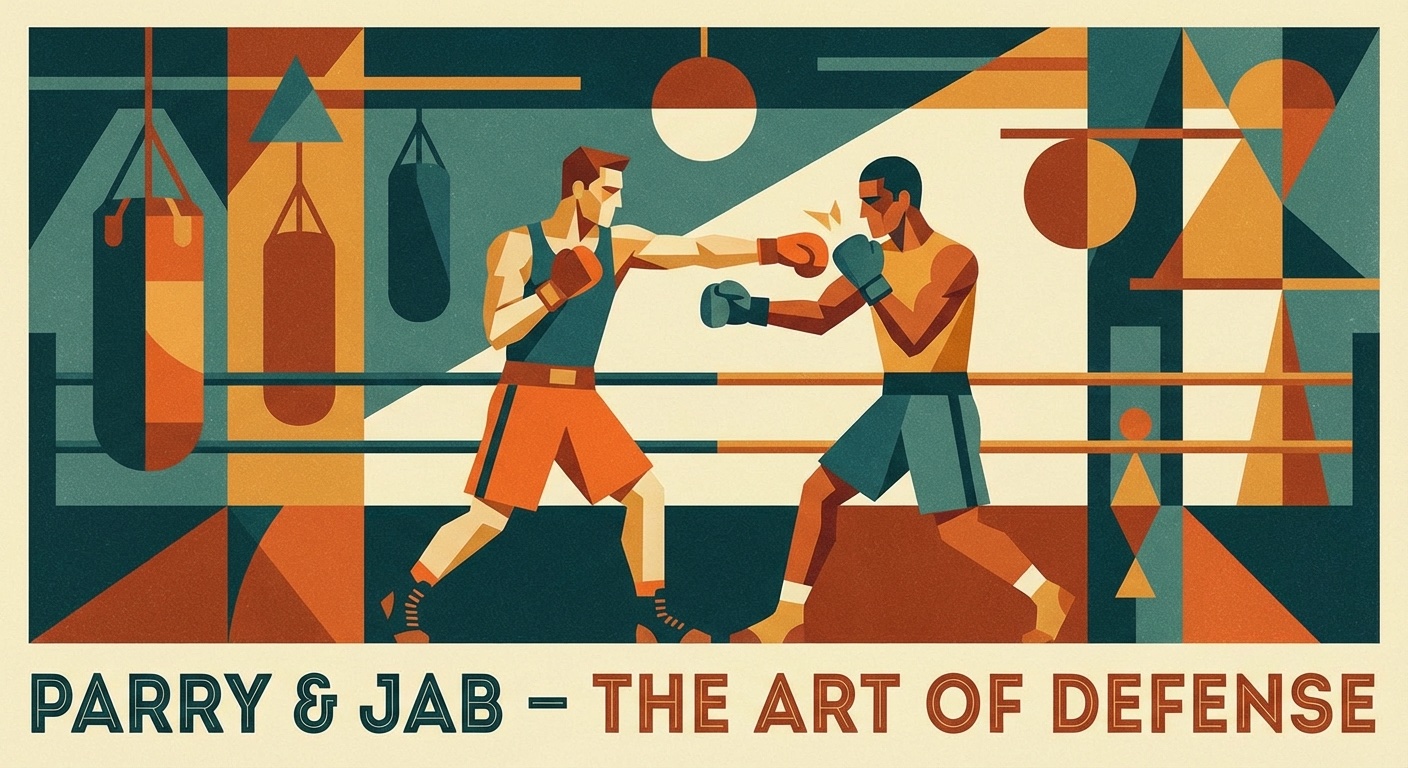
Parrying works well because it keeps both hands close to home. You are not reaching out or moving your body out of position. It also slightly disrupts your opponent's balance and rhythm, which creates openings for you to throw back.
The risk with parrying is reaching for punches that are out of range. If they are not actually going to hit you, do not parry them. You will just pull yourself out of position and give them a better angle.
4. Rolling (bob and weave)
Rolling is a U-shaped head movement that takes you under hooks and wide punches. You bend your knees, drop your weight, and come back up on the other side of the punch. It is what Tyson did better than anyone - ducking under hooks and coming up with devastating uppercuts.
For beginners, the rolling motion feels awkward at first because it is driven by your legs and hips, not your upper body. If you bend at the waist instead of the knees, you will lean forward and lose your balance. Bend the legs, keep your back fairly straight, and let your head trace that U-shape.
Start by practising the motion without a partner. Stand in your boxing stance and imagine a hook coming from your left - bend your knees, shift your weight to your right, drop under the imaginary hook, and come up on the left side. Then reverse it. Do sets of ten in each direction until the motion feels natural.
The beauty of rolling is where it puts you when you come back up. You have moved offline, loaded your weight onto one leg, and you are coiled to throw. A slip-roll combination into a body hook is one of boxing's most satisfying sequences.
5. Footwork (the defence nobody thinks about)
You can block, slip, parry, and roll perfectly, but if your feet are stuck in concrete, you will still get hit. Footwork is the foundation that makes every other defensive technique work.
The simplest defensive footwork: step back to make them miss, step to the side to change the angle, step in to smother their punches before they reach full extension. Three directions, each useful in different situations.

What separates a good defensive boxer from one who just covers up is the ability to move after defending. You slip a jab - then what? If you are still standing in the same spot, the cross is coming right behind it. But if you slip and step to the right, you have moved offline and that cross sails past empty space.
At H&G, we drill footwork patterns into every session because they tie everything together. Defence without footwork is just damage reduction. Defence with footwork is ring control.
Putting it together
No single defensive technique works on its own all the time. Real defence is layered. You use your guard when you cannot see what is coming. You slip and parry when you can read the punch early. You roll when hooks are flying. And you move your feet constantly to control where the exchanges happen.
Do not try to learn all five at once. Pick one technique per week and focus on it during padwork, bagwork, and drilling. Once each one feels comfortable on its own, start combining them. Slip the jab, parry the cross, roll the hook - that is a basic three-punch defensive sequence that you can drill until it becomes second nature.
The biggest shift happens when you stop thinking of defence as passive. You are not just "not getting hit." You are making your opponent miss, wasting their energy, and creating the openings that let you punch back. That is when boxing starts to feel like chess instead of a brawl.
And honestly, there is nothing more satisfying than watching a punch sail past your head while you are already loading up your counter. That feeling alone is worth the hours of drilling.
H&G Team
Writer at Honour & Glory Boxing Club, a community boxing gym in Kidbrooke, South East London.
Was this page helpful?
It takes one tap, and it genuinely helps.
Choose your next step
Turn this article into the right action
Some readers are ready to book. Some need the class route first. Pick the route that matches what you actually want.