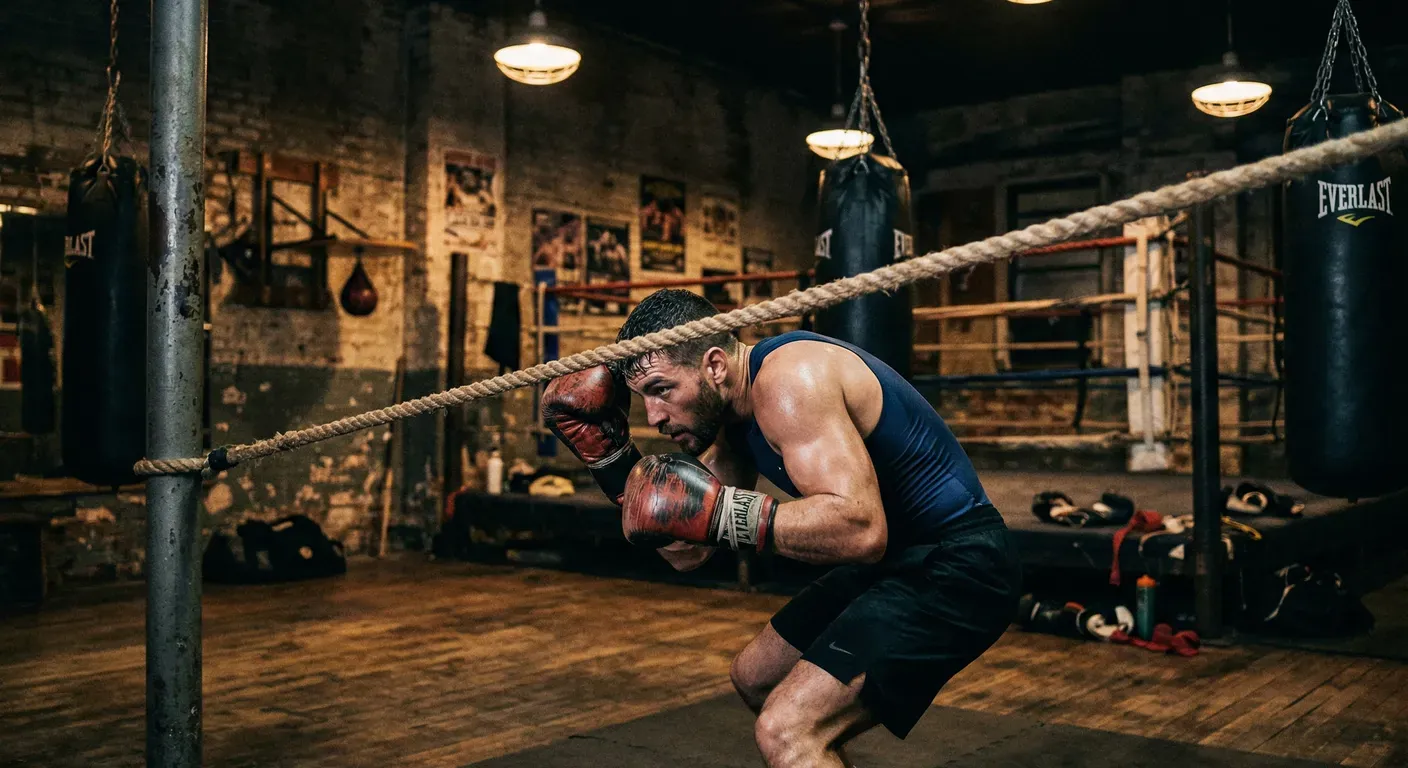
Flinching in boxing is not a character flaw. It is your body doing what it is built to do when something comes towards your face.
The aim is not to become fearless. Fearless beginners are usually the ones who make poor decisions. The aim is to become calmer, more organised and harder to panic when pressure arrives.
Most beginners can reduce flinching without hard sparring. They need better distance, a clearer guard, slower defensive drills, pad work that does not rush them, and a coach who knows the difference between confidence and bravado.
If you train near Kidbrooke, this is the practical answer: start with controlled beginner boxing, not a gym culture that throws you into contact before you can stand properly.
Why beginners flinch in boxing
Beginners flinch because the brain reads a punch, glove, pad or fast movement as a threat before technique has time to answer. That is normal.
Your body wants to blink, turn away, lift the chin, freeze the feet or throw both hands forward. None of that means you are weak. It means your nervous system has not yet learned that a boxing drill can be controlled, predictable and coached.
The NHS lists regular physical activity as useful for stress, mood and general health, but those benefits do not remove the body's protective reflex overnight (NHS exercise health benefits). Boxing adds another layer because the movement comes towards you, not just from you.
That is why good beginner coaching matters. England Boxing's guidance for getting involved in boxing points new people towards clubs, coaching and structured participation rather than learning in a random garage with someone swinging at them (England Boxing beginner guidance). The environment changes the lesson.
In a decent session, flinching is not mocked. It is trained through.
Stop treating flinching as cowardice
A lot of bad boxing advice starts with shame. Keep your eyes open. Stop being scared. Do not blink. Toughen up.
That might sound old-school, but it is poor coaching for beginners. If someone already feels embarrassed, shouting at them usually makes the flinch worse. They tense up, hold their breath and wait for the next mistake.
A better coach breaks the problem into smaller parts. Can you keep your stance when a glove moves near you? Can you catch a slow jab on the palm? Can you slip a foam noodle without closing your eyes? Can you exhale when the pad comes back at your guard?
Those are trainable skills. They turn panic into information.
The first job is to make the drill slow enough that the boxer can succeed. Speed comes later. Contact comes later. Pride can wait outside.
Build a guard that gives you somewhere to go
Flinching often gets worse when the guard is vague. If your hands float around your chest, your elbows flare and your chin sits in the air, your body knows you are exposed.
A proper beginner guard gives you a home position. Gloves near the cheekbones. Chin tucked without staring at the floor. Elbows close enough to protect the ribs. Knees soft. Feet under you.
That does not make you invincible, but it gives your body a plan. Instead of throwing your face backwards, you can catch, parry, block, slip or step away.
A useful beginner drill is simple. Stand in stance. Your partner taps your gloves lightly with open hands or soft pads. You keep your eyes forward, breathe out, and return to guard after each touch. No scoring. No ego. No surprises.
The point is not to prove toughness. The point is to teach the body that contact with the guard is manageable.
If that already feels like too much, go slower. The drill should stretch you, not flood you.
Use distance before defence
Beginners often think defence means head movement. Slipping, rolling and countering look good on video, so that is what people want first.
Distance comes before all of that.
If you stand too close, everything feels fast. Your eyes have less time, your feet get stuck and your flinch wins. Half a step of distance can turn panic into a decision.
Start with a long guard and a clear jab range. Learn where you can touch the target without leaning. Learn where the other person can touch you. Then step out after punching instead of admiring your work.
Our guide to boxing defence techniques for beginners goes deeper on the basic blocks, slips and movement patterns. For flinching, the big lesson is even simpler: if you are always late, you are probably too close, too square or too tense.
Keep the eyes open with low-threat drills
You cannot fix flinching by jumping straight to hard sparring. You fix it by giving the eyes hundreds of safe repetitions.
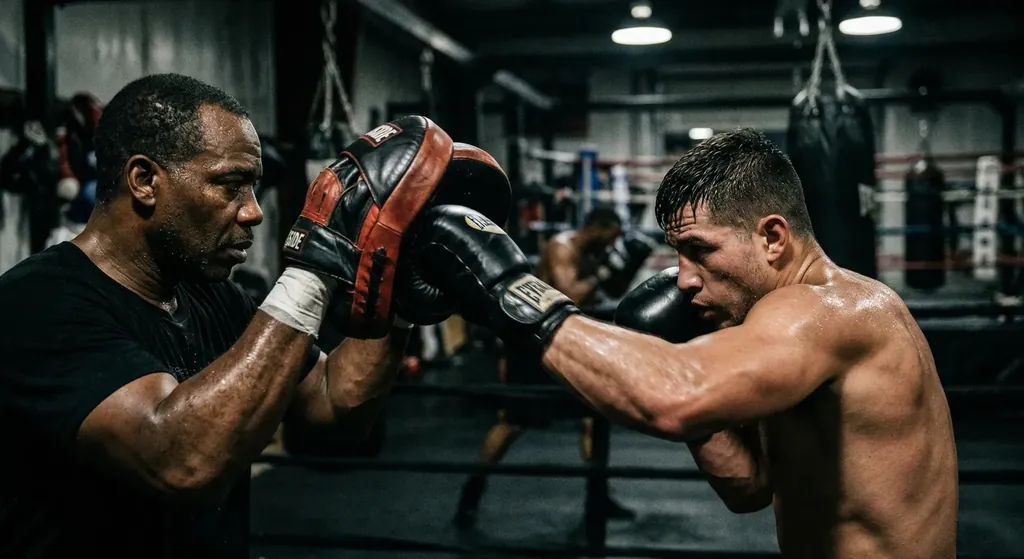
Start with shadow defence. Imagine a jab coming at you and make the smallest possible slip. Then use a partner with a pool noodle, skipping rope or soft pad. The partner moves slowly towards the head line. You watch it, breathe and move just enough.
The key phrase is just enough. Beginners often turn a slip into a full-body escape. They throw the head sideways, lift the rear foot and end up off balance. That teaches panic, not defence.
Try this sequence:
- Round one: partner points slowly at the forehead line, no contact
- Round two: partner taps the front glove, you catch and reset
- Round three: partner feeds a slow jab shape, you slip outside and return to stance
- Round four: add one counter punch after the slip, still slow
If the eyes close, reduce the speed. If the feet cross, reset the stance. If the shoulders creep up to the ears, stop and breathe.
Good defensive training should make the boxer more watchful, not more frantic.
Do not confuse sparring with learning to spar
Sparring is not the first cure for flinching. For many beginners, it is the quickest way to make the problem worse.
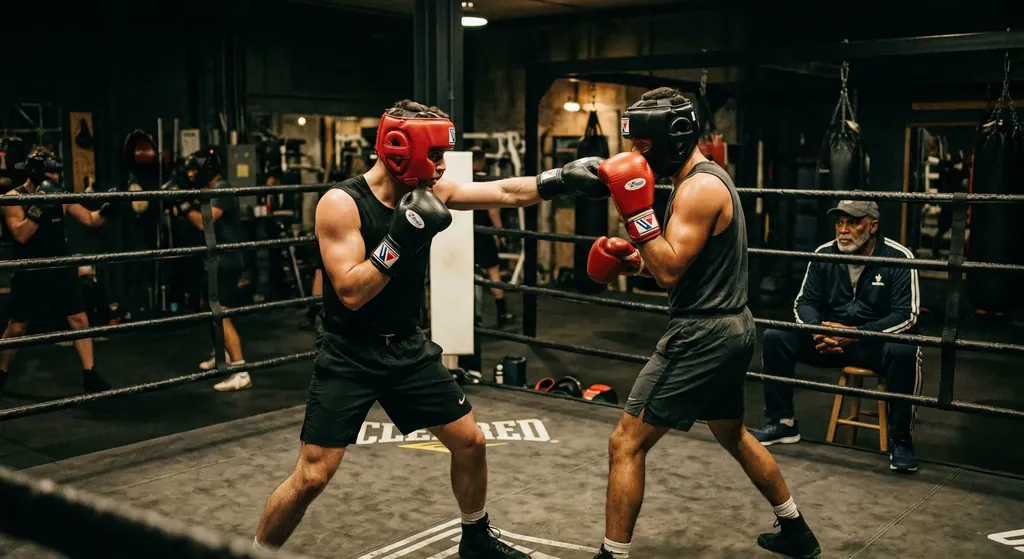
There is a difference between sparring and learning to spar. Learning to spar might mean touch drills, jab-only rounds, defence-only rounds, body-only drills, coach-controlled partner work or technical rounds where both people know the task.
That structure matters because head contact carries real risk. The NHS advice on concussion says a suspected concussion needs proper caution and should not be treated as something to shake off (NHS head injury and concussion advice). Recreational boxing does not require you to take head shots to get fitter, sharper or more confident.
At Honour and Glory, beginner pathways are separated from competitive work. Our Recreational Adults boxing classes are for people who want coaching, fitness and skill without being shoved into a fight-gym fantasy on week one.
If someone wants competitive boxing later, that is a separate conversation with coaches, suitability checks and a gradual build. It is not where a nervous beginner starts.
Breathing is not a soft detail
Flinching and breath-holding usually travel together. The shoulders rise, the jaw tightens and the boxer waits for impact.
Teach the breath with the punch and with the defence. Short exhale on the jab. Short exhale on the catch. Short exhale on the slip. The sound does not need to be dramatic. It just needs to stop the body locking up.
A simple drill is jab, catch, breathe. You throw a jab at the pad. The coach feeds a light return touch to your glove. You catch it, exhale and reset. Nothing heavy. Nothing rushed.
After a few rounds, the boxer starts to learn that the return is part of the drill, not an emergency.
That is the point. Calm is trained under small amounts of pressure, then slightly more pressure, then slightly more again.
When flinching needs extra patience
Some people need more time with this than others. That can be because they are new to contact sport, had a bad gym experience before, feel anxious around aggressive people, wear glasses, dislike crowded rooms or simply hate surprises.
None of those are disqualifiers. They are coaching information.
If you are very nervous, say so before the session. A good coach would rather know. They can place you with the right partner, keep drills controlled and avoid turning a normal beginner reaction into a public ordeal.
Our article on first-time sparring tips is useful if you are already approaching contact work. If you are nowhere near that stage, read boxing if you are clumsy instead. It is a better starting point for people who feel awkward before they feel brave.
The worst thing you can do is pretend you are fine and then panic in a drill that moved too fast. Honesty saves time.
The practical plan for the next month
For the next four weeks, keep it simple.
Week one: stance, guard, jab, basic catch, no pressure. Your only defensive target is to keep your eyes forward and return to guard.
Week two: add slow partner feeds. Catch the jab shape, parry it lightly, slip outside by a few inches. Keep the feet under you.
Week three: add a counter after each defence. Catch and jab back. Slip and jab back. Block and step out. Still controlled.
Week four: add choice. The coach feeds one of two simple attacks and you respond with the right answer. That is where confidence starts to feel real, because you are no longer rehearsing one fixed pattern.
Do not rush to prove you can take shots. Learn to see them, read them and make better decisions.
The bottom line
Flinching reduces when boxing becomes less chaotic. Better stance, better guard, safer distance, slower drills and calmer coaching do more than telling someone to be brave.
You do not need to be fearless to start boxing. You need a room where beginners are coached properly and pressure is introduced in the right order.
If you want to try that in a structured beginner class, book a free trial session at Honour and Glory Boxing Club.
H&G Team
Writer at Honour & Glory Boxing Club, a community boxing gym in Kidbrooke, South East London.
KEEP READING
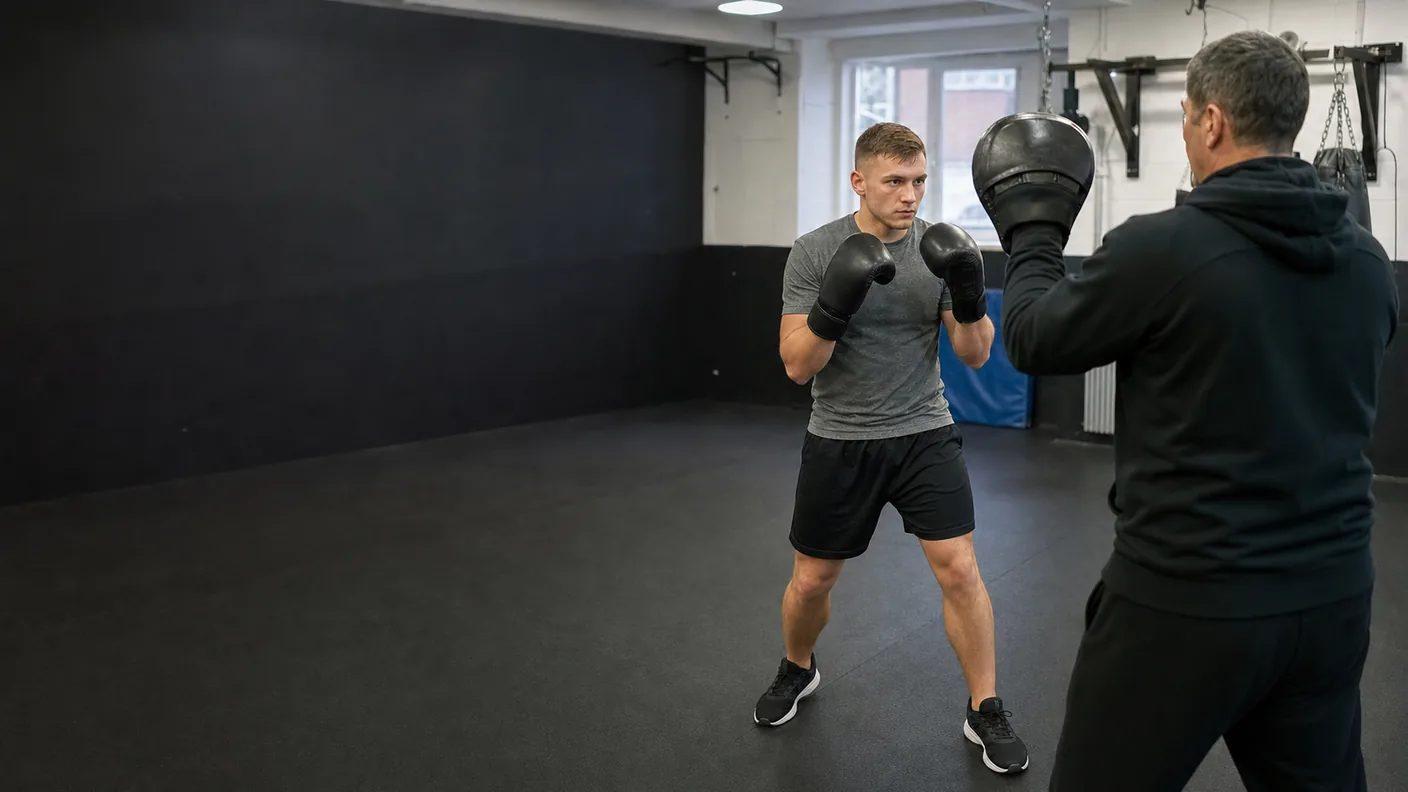
Why You Close Your Eyes in Boxing
Closing your eyes when punches come near is common for beginners. Here is how calm, coached drills help you keep seeing the work.
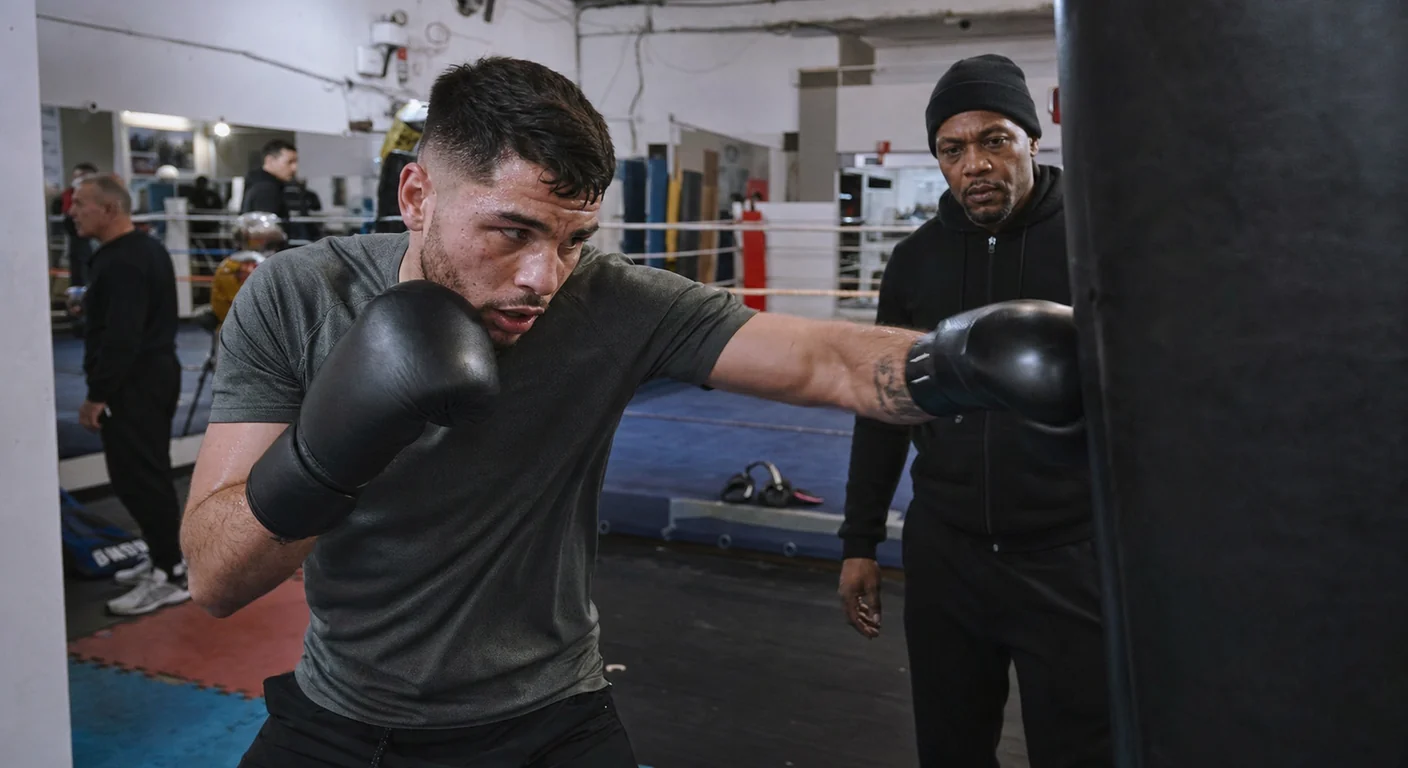
Heavy Bag Work That Transfers to Sparring
The heavy bag builds power, but only if you add defence, feints, distance and clean technique instead of treating it like furniture.
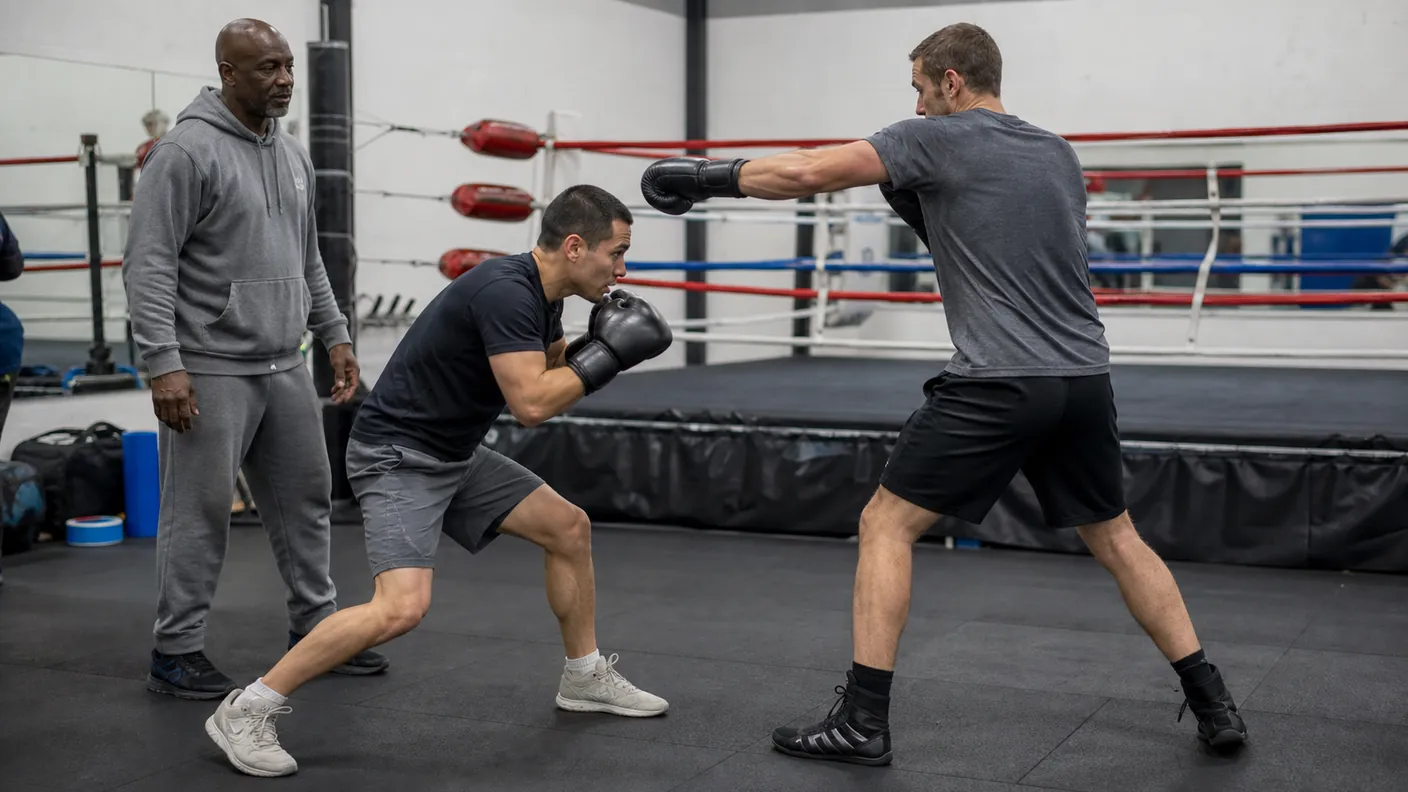
How to Box a Taller Opponent Without Rushing
A practical coaching guide to closing distance, changing rhythm and making a taller boxer miss without walking onto the jab.
Was this page helpful?
It takes one tap, and it genuinely helps.
Choose your next step
Turn this article into the right action
Some readers are ready to book. Some need the class route first. Pick the route that matches what you actually want.