Clean Sport Week 2026: What Young Boxers Should Know
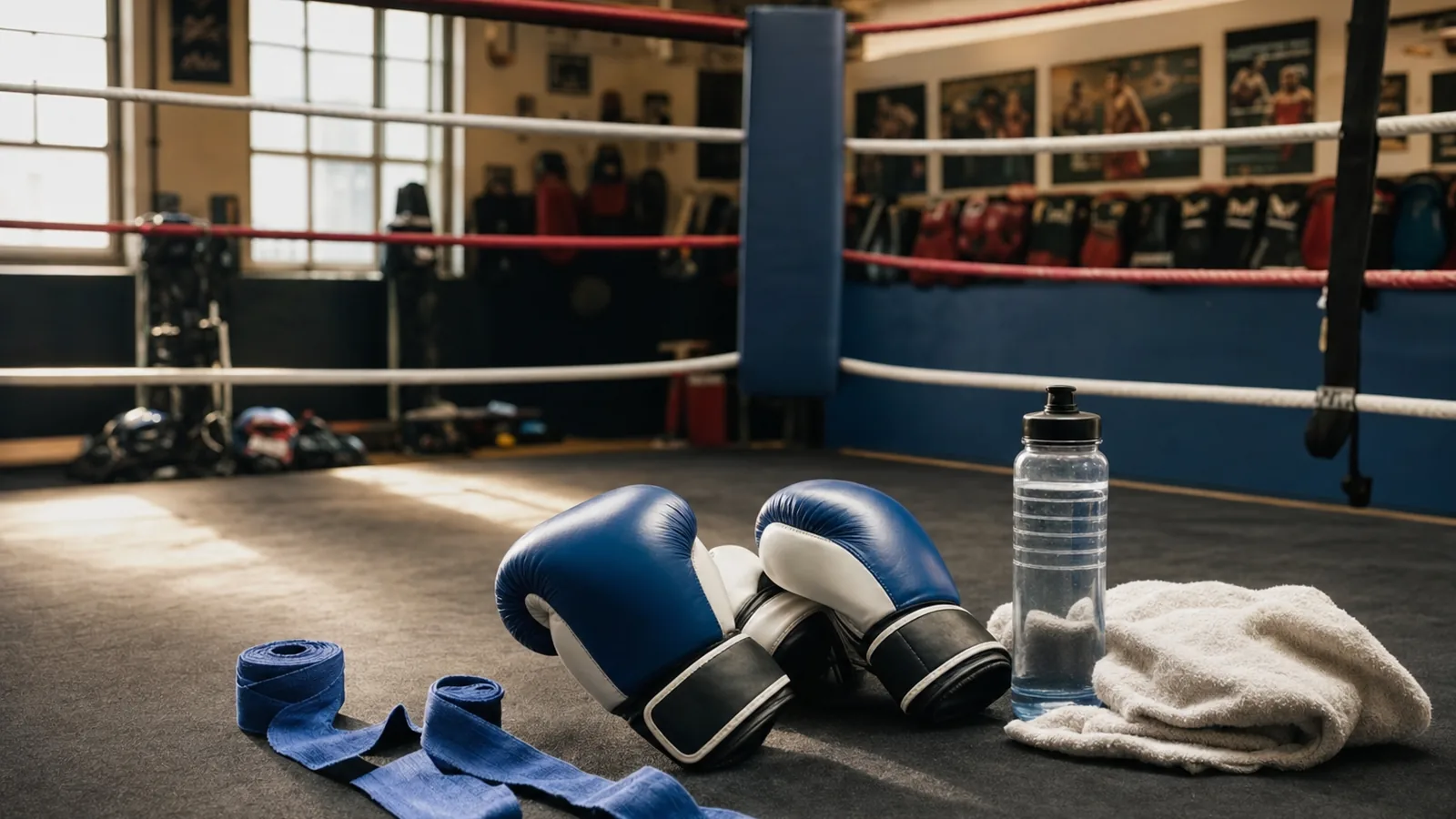
Clean Sport Week matters in boxing because boxing already asks enough of a young athlete. You have to be fit, brave, disciplined, coachable and honest about your own habits. You do not need a shortcut sold by someone online who will not be there when the consequences arrive.
The theme for UK Anti-Doping's Clean Sport Week 2026 is simple: "Built not bought. 100% me." It is a good line because it cuts through the noise. Real progress is built in training, not bought in a packet, vial, bottle or message from a stranger on social media.
For young boxers, parents and coaches, the practical question is not just "what is banned?" It is: how do we make clean decisions before pressure, ego and misinformation get involved?
What Clean Sport Week 2026 is about
Clean Sport Week runs from 11 to 17 May 2026. UKAD describes it as an annual campaign bringing sporting organisations, athletes, coaches and communities together to celebrate fair play and champion drug-free sport.
This year's campaign focuses heavily on Image and Performance Enhancing Drugs, often shortened to IPEDs. UKAD is especially clear about SARMs, which are often promoted online to young people and gym-goers. UKAD says SARMs are not approved for human consumption and are banned in sport.
That needs saying plainly because social media rarely says it plainly. A young boxer might see SARMs framed as a smart training hack, a safer alternative to steroids, or something everyone serious is using. That is not reliable information. It is marketing, and sometimes it is dangerous marketing.
England Boxing's Clean Sport Week 2026 statement backs the same message: champions compete clean and do not take shortcuts.
Why this is a boxing issue, not just an elite-sport issue
It is easy to think anti-doping only matters once someone is on television. That is the wrong way to look at it.
Boxing is a weight-making, body-conscious sport. Young boxers can feel pressure to get stronger, leaner, harder or more explosive before they have even learned how to jab properly. Add highlight clips, influencer physiques and bad supplement advice, and the risk becomes obvious.
The problem is not ambition. Ambition is good when it is coached. The problem is impatience pretending to be professionalism.
A young boxer does not need a banned substance to improve. They need consistency, sleep, sensible food, footwork, rounds on the pads, honest sparring progression and a coach who will slow them down when they start chasing shortcuts.
That is not glamorous. It works.
The SARMs problem in plain English
SARMs stands for Selective Androgen Receptor Modulators. You do not need the chemistry lesson to understand the boxing lesson.
If a product is being sold online with promises of muscle, recovery, strength or a physique change, and it is also described as "not for human consumption", alarm bells should go off. If the person selling it is not a doctor, coach, nutrition professional or accountable adult in your sport, more alarm bells should go off.
UKAD's Clean Sport Week page says young people are increasingly exposed to misleading online content about IPEDs, including SARMs. UKAD also says using these substances can risk physical health, a ban from sport and lasting damage to an athlete's reputation and career.
England Boxing is direct too. Its Clean Sport Week article says SARMs are dangerous, not for human consumption and banned in sport.
For a boxer, the clean decision is simple: do not take something because it sounded clever on a reel, in a gym changing room or in a group chat.
Strict liability: the responsibility is yours
One of the most important anti-doping principles is strict liability. England Boxing's Clean Sport and Anti-Doping guidance explains it clearly: an athlete is responsible for anything found in their system, regardless of how it got there or whether there was any intention to cheat.
That matters because a lot of young athletes think intent is the main issue. "I did not mean to cheat" may be true, but it does not automatically remove the consequence.
This is where supplement decisions become serious. A contaminated supplement, an uncle's gym product, an unlabelled powder or a product bought from a random online shop can create a problem even when the athlete did not set out to break rules.
Clean sport is not only about avoiding deliberate cheating. It is also about building careful habits around what goes into your body.
Supplements: food first, caution second
Supplements are not automatically bad, but they are not automatically safe either.
GB Boxing's supplements and nutrition guidance gives the right order of thinking: athletes should assess the need, the risks and the consequences before deciding to take a supplement. It also points athletes towards Informed Sport and UKAD's Supplement Hub if a supplement is genuinely needed.
That is a better approach than guessing.
Most young boxers should start with the basics: regular meals, enough protein from normal food, carbohydrates around hard sessions, water, sleep and not trying to cut weight like a professional. If something is being used to cover up poor habits, the habit needs fixing first.
We have a separate guide on legal recovery supplements for boxing, but even legal supplements need adult oversight for juniors. Parents and coaches should know what is being taken, why it is being taken and whether there is a safer food-first answer.

Medication and the 2026 prohibited list
Clean sport is not only about gym drugs or supplements. Normal medication can matter too.
UKAD's 2026 Prohibited List summary says the list identifies substances and methods prohibited at all times, in competition only, or within specific sports. The 2026 list came into effect on 1 January 2026.
For a young boxer, the practical point is not to memorise the whole list. It is to build the habit of checking.
If you use regular medication, asthma medication, over-the-counter treatments or anything prescribed by a doctor, the adults around you should know that sport rules may apply. If you are competing at a level where anti-doping rules are relevant, do not leave the conversation until the week of a bout.
This is not medical advice. It is a boxing-club rule of thumb: ask early, check official sources, and do not rely on hearsay.
What parents should ask
Parents do not need to become anti-doping lawyers. They do need to be calmly nosy.
Ask what your child is taking. Ask why. Ask who recommended it. Ask whether the coach knows. Ask whether the product has been checked against official guidance. Ask whether the same result could be achieved with food, sleep and training consistency.
If the answer is vague, that is useful information.
Young athletes often hide risk because they do not want to look naive, weak or less serious than their peers. A good parent makes the clean choice easier, not more embarrassing.
At Honour and Glory, our junior pathway starts with habits before hype. The boxer who learns to train properly, recover properly and respect the sport is already ahead of the one chasing a shortcut.
What coaches should reinforce
Coaches set the tone. If the gym celebrates quick fixes, young boxers will hear it. If the gym celebrates honest work, they will hear that too.
Clean sport should not be a once-a-year poster. It should show up in normal coaching language: no mystery powders, no extreme weight-cutting games, no copying adult fighters, no taking advice from strangers online, and no confusing toughness with recklessness.
It also means noticing when a young boxer is becoming too focused on physique, weight or gym numbers. Boxing progress is not just how someone looks. It is how they move, listen, recover, think and cope when a session gets hard.
A simple clean-sport checklist for young boxers
Before taking any supplement or performance product, ask five questions.
- Do I actually need this, or am I being impatient?
- Has my coach, parent or guardian seen it?
- Is the advice coming from an official source or from someone selling something?
- Have I checked the anti-doping risk through UKAD guidance or a recognised batch-testing route?
- Could food, sleep, hydration and better training solve the same problem safely?
If those questions feel annoying, good. They are meant to slow you down before a bad decision becomes your problem.
Built not bought is a good boxing rule
Boxing rewards what is built. Footwork is built. A jab is built. Composure is built. Fitness is built. Confidence is built by doing hard rounds honestly and coming back again.
That is why Clean Sport Week is not just an anti-doping campaign. For boxing, it is a reminder of what the sport is supposed to teach.
Shortcuts are attractive because they promise identity without work. Boxing does the opposite. It asks for work first. Then, slowly, you become the person who can handle more of it.
If you are a young boxer, keep it simple: train clean, ask questions, do not swallow the lies, and be proud of progress that is actually yours.
H&G Team
Writer at Honour & Glory Boxing Club, a community boxing gym in Kidbrooke, South East London.
KEEP READING

Clean Sport Week 2026: Amateur Boxing Guide
A practical guide for amateur boxers, coaches and parents on Clean Sport Week 2026, anti-doping responsibility, supplements, medicines and building boxing progress without shortcuts.
Boxing for Students and Young Adults
A practical guide for students and young adults who want fitness, confidence, routine and a realistic route into boxing without gym boredom or online nonsense.
Best Boxing Jokes
Clean boxing jokes should land in a gym, not die in the corner. These are the ones you can actually use with training partners, kids or nervous beginners.
Was this page helpful?
It takes one tap, and it genuinely helps.
Choose your next step
Turn this article into the right action
Some readers are ready to book. Some need the class route first. Pick the route that matches what you actually want.