Why the story has gathered momentum
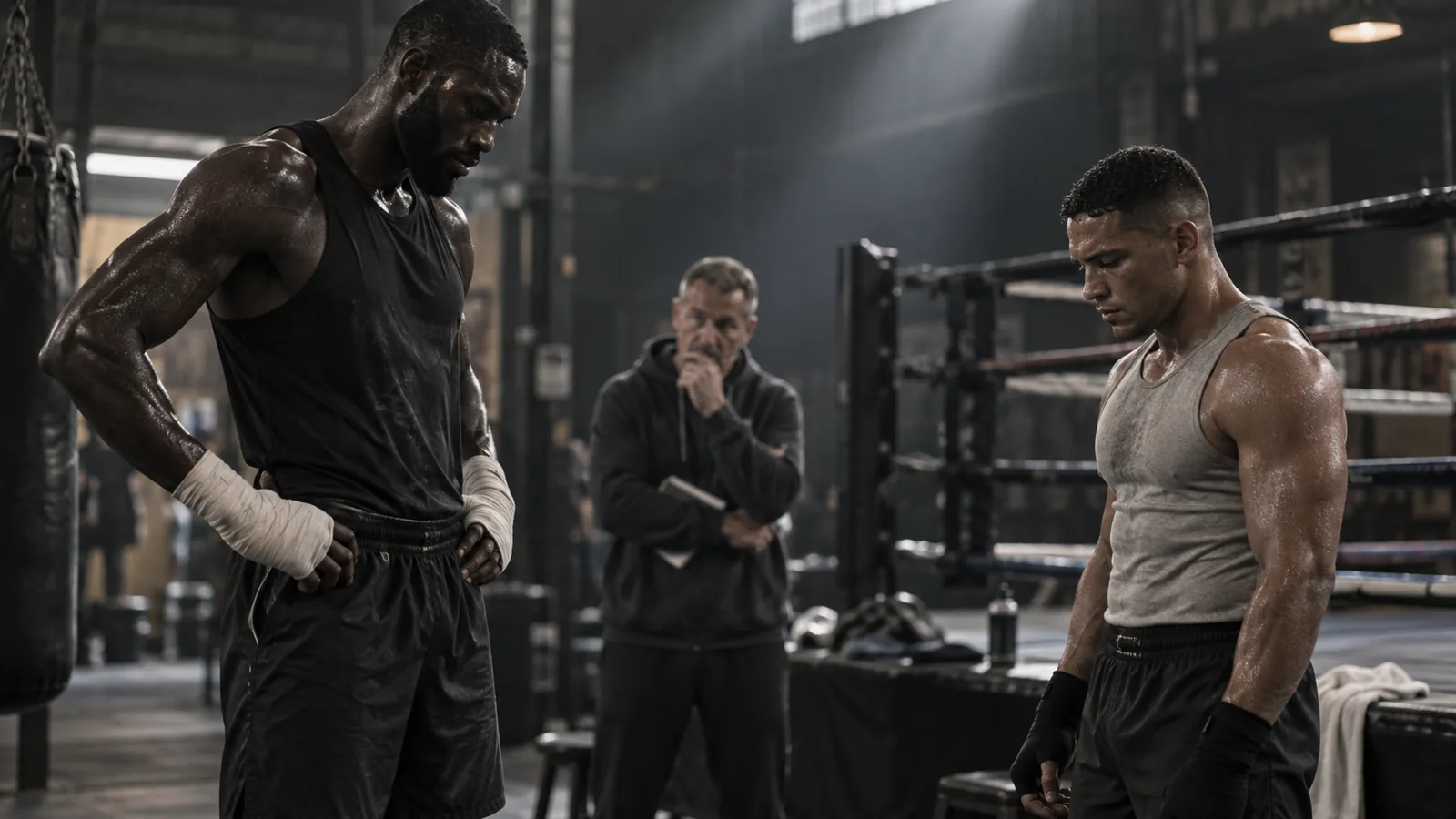
The strongest part of the reporting is that the idea is not coming from nowhere. Dana White, who promotes Opetaia through Zuffa Boxing, told Sky that Wilder was “one that we have been talking about and working on”. BoxingScene also reported that White saw the pair as likely candidates for the Fury-Joshua undercard.
There is also a more specific report on Wilder’s position. Boxing News quoted veteran reporter Dan Rafael saying Wilder’s manager, Shelly Finkel, had accepted an offer for Wilder to face Opetaia and was awaiting confirmation that it was proceeding. The same report noted that Wilder was also discussing a possible fight with Murat Gassiev.
That is useful context. It suggests there may be an accepted offer on Wilder’s side, but it also tells us the opponent and the event slot are not yet nailed down. A fighter exploring another option is not a fighter booked into a dressing room.
The story has moved quickly through boxing media, including a more sceptical analysis from Sportsnaut, a fan-forum discussion, and another YouTube report on the talks. That repetition explains the noise, but it does not turn negotiations into confirmation.
The sporting logic for Opetaia
For Opetaia, the appeal is obvious. He is unbeaten, technically sharp, awkwardly hard to hit clean and arguably the outstanding cruiserweight in the world. He has also spent a long time chasing the fights that would properly settle the division.
A move to heavyweight against Wilder would give him an enormous name, a major stage and a fight that every serious boxing fan would understand immediately. Beating a former WBC heavyweight champion, even a 40-year-old version of Wilder, would make a statement that a routine cruiserweight defence cannot.
There is a commercial argument too. Opetaia is a proper fighter, but he is still building broad recognition outside the hardcore audience. Wilder remains a recognisable figure because he can change a fight with one punch and because the Fury trilogy made him part of heavyweight history. A win over Wilder would put Opetaia in conversations that a win over a capable but less famous cruiserweight simply would not.
The risk, however, is enormous. Opetaia would not be fighting a faded cruiserweight or a bloated light-heavyweight. He would be fighting a naturally much bigger man who has spent his career carrying heavyweight power.
The best version of Opetaia would have advantages in footwork, southpaw angles, combination punching and activity. He is the cleaner, more complete boxer. But boxing is not scored on a whiteboard. Wilder can be technically second best for long spells and still finish the night with one shot.
That is the whole proposition: can Opetaia box nearly perfectly for however long the fight lasts, while Wilder only needs one right hand to land properly?
The sporting logic for Wilder
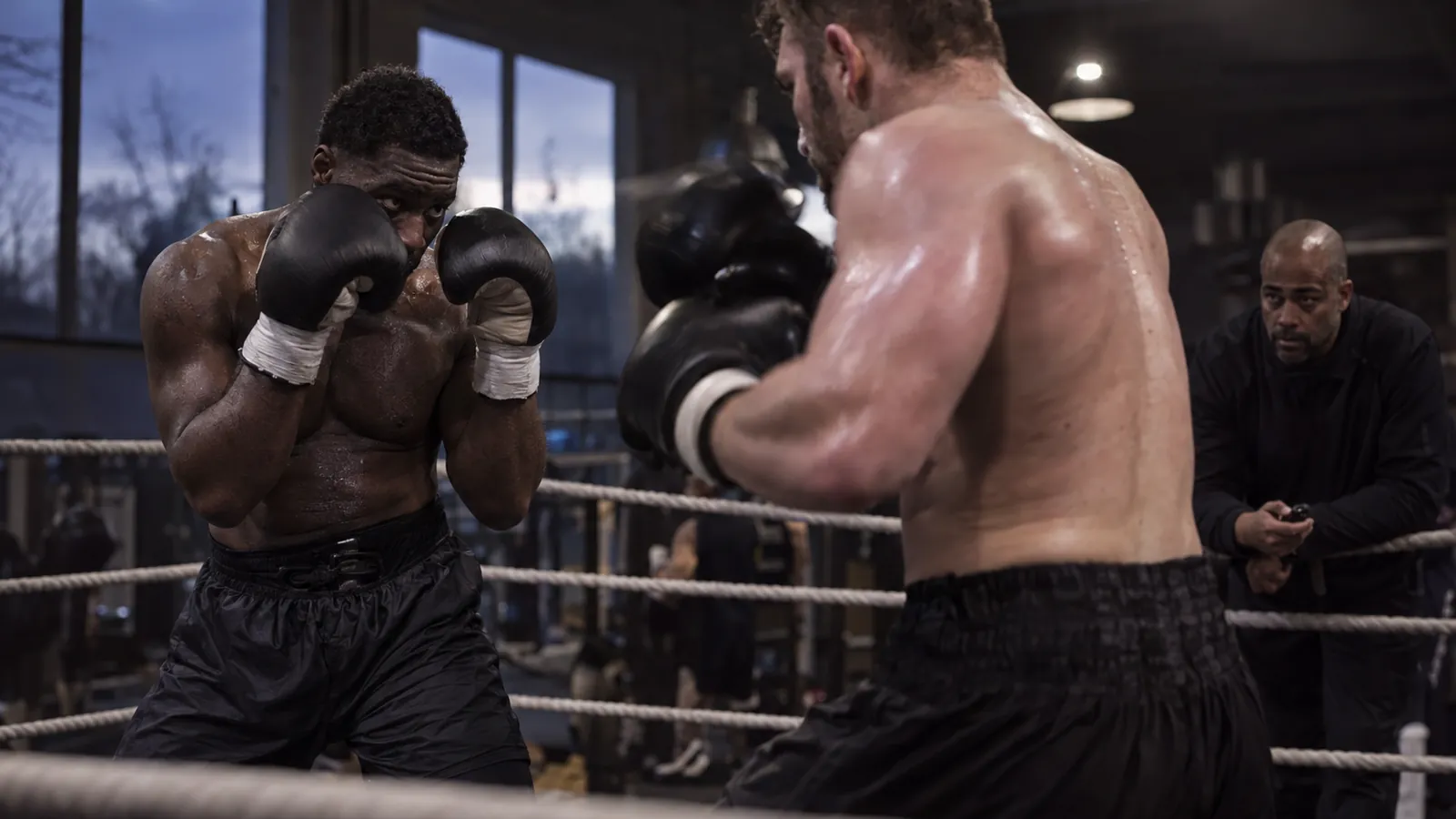
Wilder needs a meaningful win too. His split-decision victory over Derek Chisora in April showed plenty of heart but did not erase the questions raised by defeats to Tyson Fury, Joseph Parker and Zhilei Zhang. He is still dangerous. He is not automatically the favourite against every good fighter he shares a ring with.
A fight with Opetaia offers Wilder a chance to reset the conversation. If he beats the leading cruiserweight in convincing fashion, people will ask whether there is still one more serious heavyweight run in him. It would also be a more intriguing test than simply matching him with another recognisable veteran.
There is a potential trap for Wilder. Opetaia is not a small man in the casual sense, and he is not coming up merely to survive. He is fast enough to force Wilder into resets, disciplined enough to target the body and clever enough to use the southpaw stance to disrupt Wilder’s preferred right hand.
Wilder has often looked least comfortable against fighters who make him lead, vary the rhythm and take away the obvious target. Opetaia has the tools to do all three. If Wilder is slow to let his hands go, he could find himself losing rounds decisively.
Still, the physical difference cannot be brushed aside. At cruiserweight, Opetaia’s strength and durability are assets. At heavyweight against Wilder, they become questions until proven otherwise.
Does it make sense at this stage?
Yes, as a spectacle. Maybe not as a career move.
For a Fury-Joshua undercard, it makes perfect sense. The main event sells itself, but a dangerous cross-division fight gives the show another genuine sporting hook. It is not a novelty bout. Both men have plenty to lose, which is more than can be said for many expensive undercard fights.
For Opetaia’s long-term goals, the answer is less clear. Sky’s report says he wants David Benavidez, while Boxing News noted that their possible cruiserweight meeting had been discussed for 2027. If Opetaia is serious about unifying at 200lb, taking a high-risk heavyweight bout before that work is done is a bold detour.
It is also a detour that can make sense if the financial terms and platform are right. Fighters do not have unlimited windows. Opetaia may see an opportunity to get paid well, stay active and return to cruiserweight with a bigger profile. If he wins, it is hard to argue with the decision.
My view is that Opetaia should take it only if he has prepared properly for heavyweight and the agreement protects his cruiserweight ambitions. A catchweight would weaken the sporting value. A full heavyweight fight, with sensible time to add mass and condition for it, is the honest version.
The pick, if it happens
At cruiserweight, Opetaia would be an overwhelming favourite. At heavyweight, against Wilder, there is no such comfort.
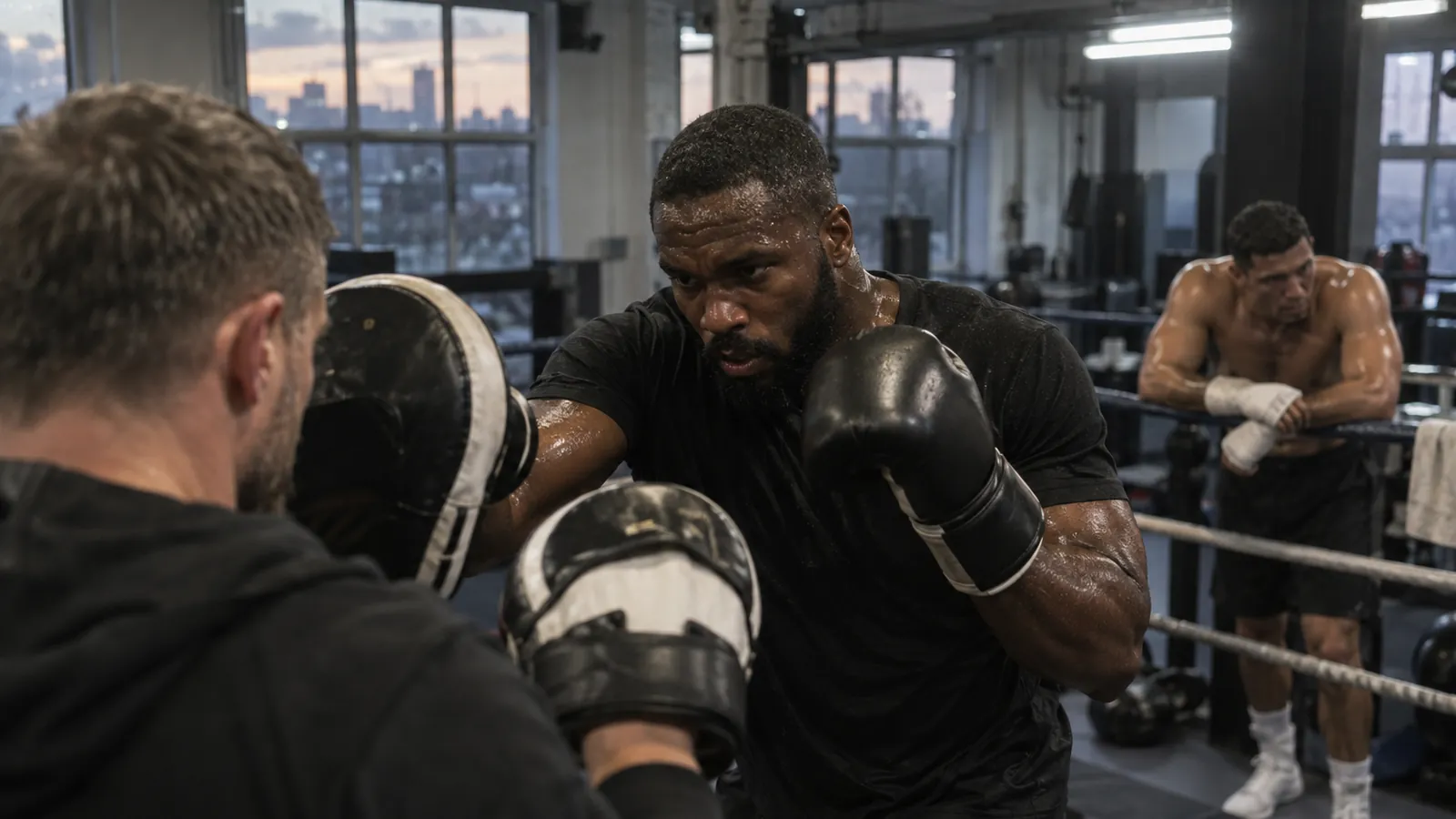
I would pick Opetaia on points if he enters the ring physically prepared, refuses to trade recklessly and treats every round as a technical job. He has the better jab, better feet, better combinations and much more reliable output. But it would be a pick made with a large asterisk beside it: Wilder’s right hand can make analysis look foolish in an instant.
That is what makes the fight worth having. It is a real test, not a manufactured headline.
For young boxers in Kidbrooke and south-east London, it is also a useful reminder that levels matter. Power gives you a chance in any fight. Craft, preparation and decision-making determine how often you get to use it. Those are the habits we work on in every Honour & Glory class, from age seven upwards.
Until contracts are signed, though, keep the language honest. Wilder versus Opetaia is a compelling possibility, not a confirmed fight.
H&G Team
Writer at Honour & Glory Boxing Club, a community boxing gym in Kidbrooke, South East London.
KEEP READING
Opetaia vs Mikaelian: Why the cruiserweight title fight matters
A focused look at the reported Jai Opetaia-Mairis Mikaelian announcement and what a difficult, experienced challenger asks of a dominant cruiserweight champion.
Benavidez vs Opetaia: Why Weight Class Still Matters
Use the current debate to explain why a compelling name matchup is not automatically a sensible fight when one boxer’s stated weight-class direction points elsewhere.
Chisora vs Wilder at the O2
Derek Chisora met Deontay Wilder at the O2 Arena on Saturday 4 April 2026. We look at what was at stake and why the fight mattered.
Was this page helpful?
It takes one tap, and it genuinely helps.
Choose your next step
Turn this article into the right action
Some readers are ready to book. Some need the class route first. Pick the route that matches what you actually want.