Masamichi Yabuki beats Rene Calixto for IBF flyweight title
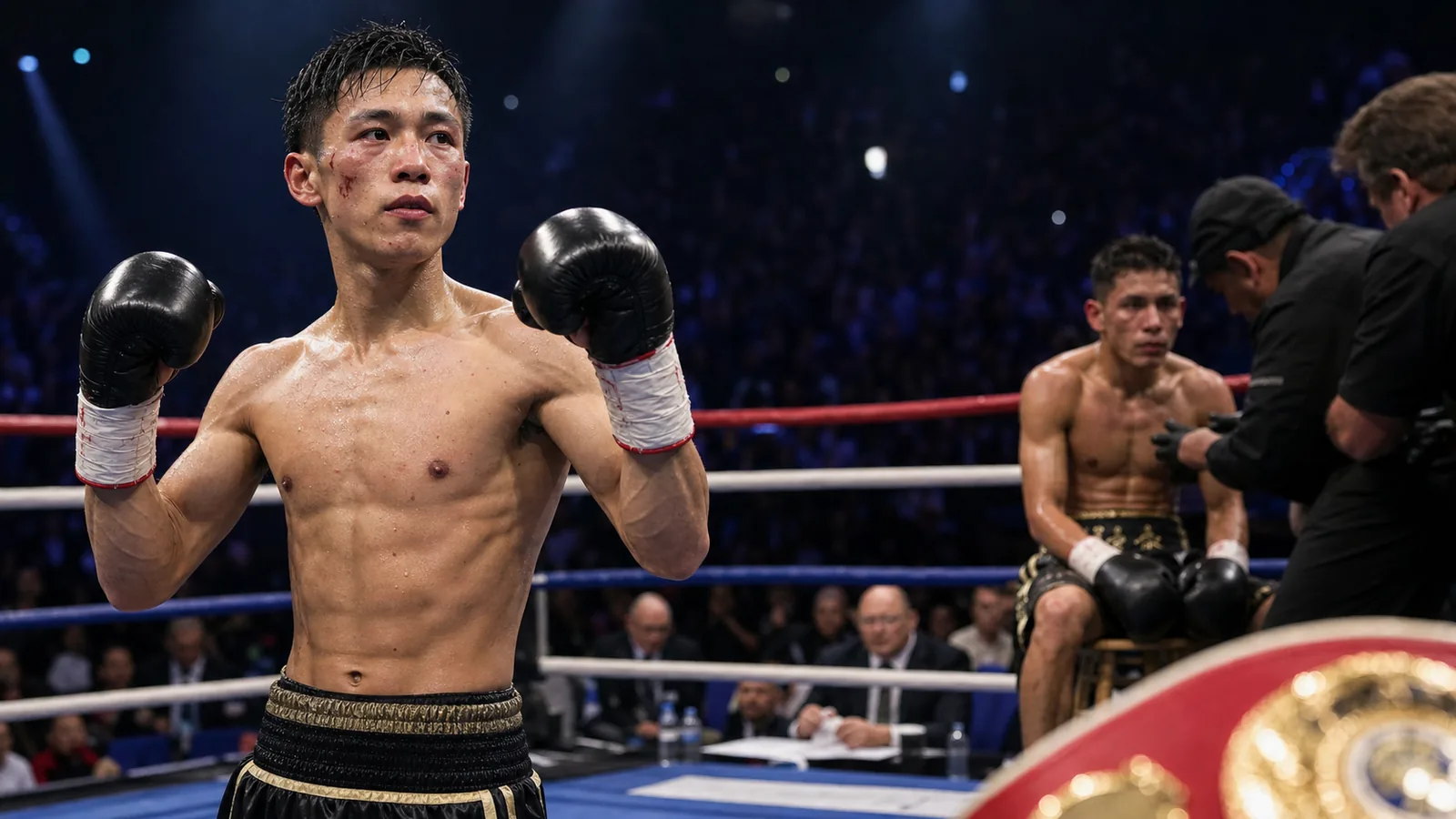
Masamichi Yabuki Keeps the IBF Flyweight Belt. The Queue Still Moves.
Masamichi Yabuki did not need a late stoppage or a perfect performance to keep control of the IBF flyweight title. He needed to win rounds, survive the challenger’s best response, and leave Tokoname with the belt. He did all three.
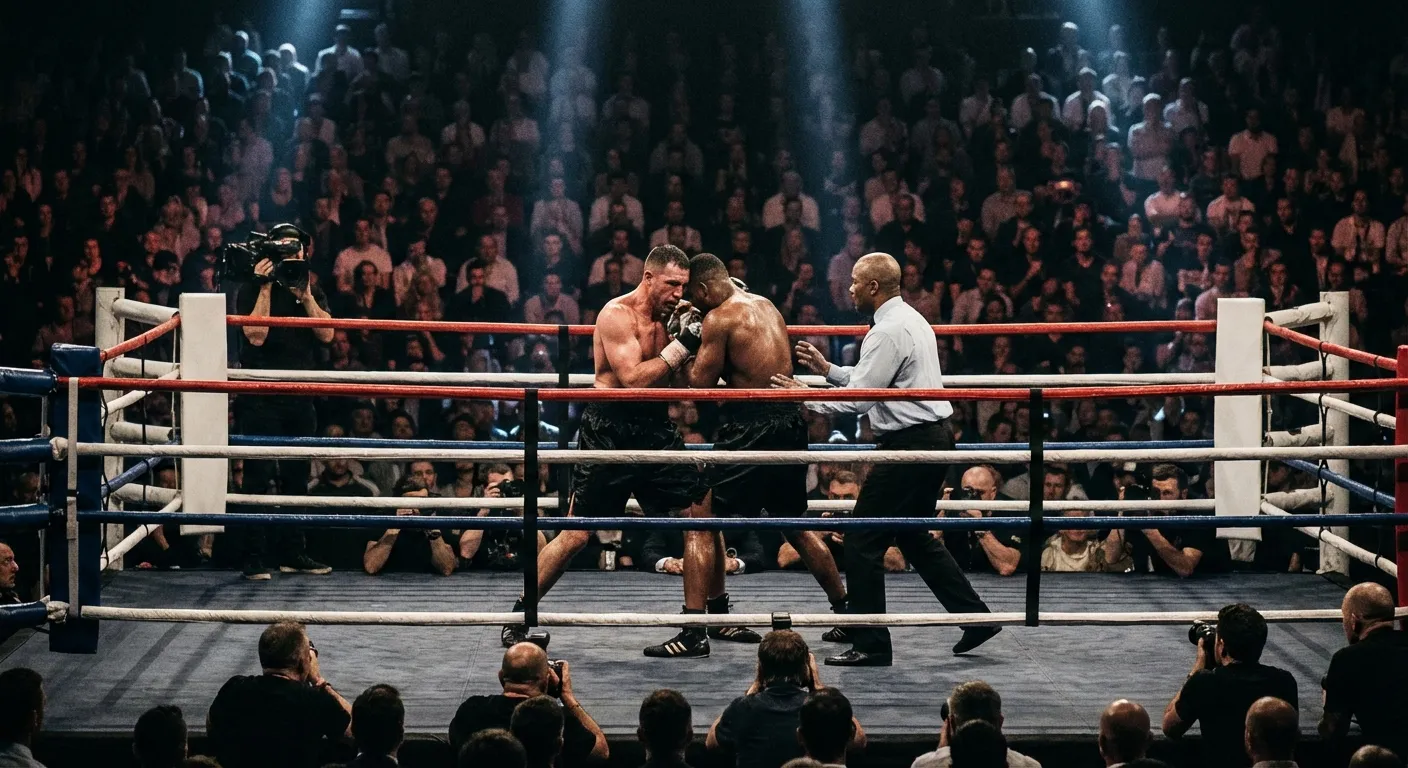
Yabuki beat Mexico’s Rene Calixto by unanimous decision on 6 June at Aichi Sky Expo, with scores of 118-108, 118-108 and 116-110. FIGHTMAG’s live results confirmed a wide win for the Japanese champion, while Box.Live’s fight report lists the bout as a 12-round defence of the IBF world flyweight title at the 112lb limit.
The scorecards were lopsided. The fight itself was more useful than that simple fact suggests.
Yabuki started with the sort of sharp, decisive work that makes a champion look untouchable. According to Boxing News Japan’s report, he dropped Calixto twice in the opening round, first with a right hook and then with a right cross. That should have been the beginning of a quick night. Instead, Calixto recovered, pressed, and made Yabuki work through the middle and late rounds.
That matters because flyweight title fights move quickly. Not only in the ring, where the speed is obvious, but in the wider championship picture. A belt can stay with the champion and still change the direction of several careers.
The result was clear. The performance was not simple.
There is a temptation to look at 118-108 twice and decide the fight was routine. It was not.
Calixto, ranked third by the IBF before the contest, did not fold after the two first-round knockdowns. He came forward behind his jab and overhand right, found moments with hooks, and forced Yabuki to make proper decisions rather than simply hunt a highlight-reel finish. The Ring’s report framed it accurately: Yabuki dropped Calixto, outpointed him, and retained.
That is not a small distinction.
Yabuki has made much of his career through destructive finishes. He entered with 18 knockouts in 19 wins, and his previous title bouts against Angel Ayala and Felix Alvarado ended late and violently. Calixto showed why records do not fight for you. He took the early punishment, stayed in the contest, and demanded discipline from the champion.
Yabuki’s own post-fight assessment was honest. He said the strong start made him tense and predictable, and acknowledged Calixto’s determination and strength. A champion saying that after a wide points win is not weakness. It is useful self-criticism.
The best fighters do not only ask whether they won. They ask what would have happened against someone even better.
For Yabuki, that question now matters more than ever.
https://www.youtube.com/shorts/2WMgbcT7er8
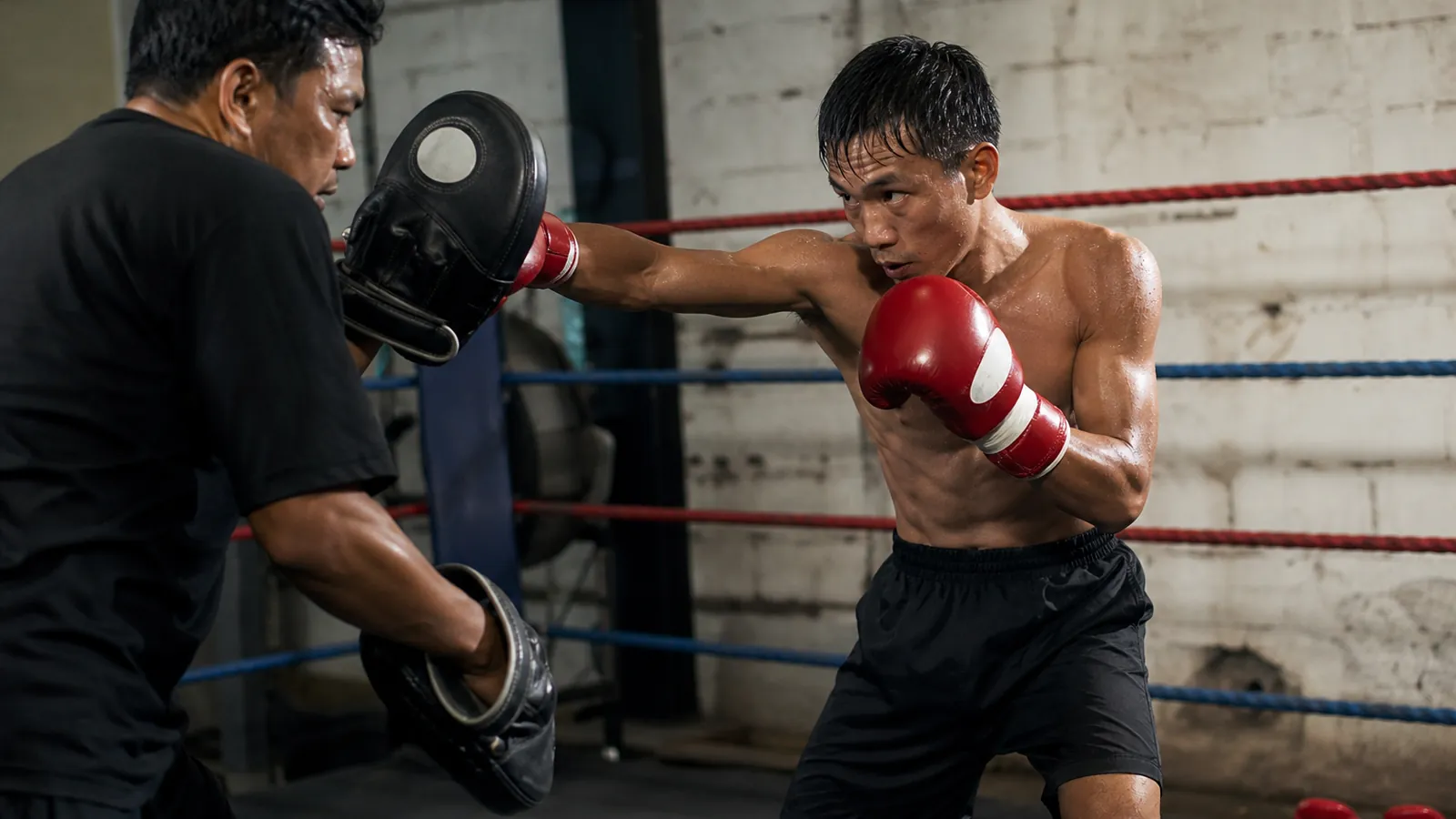
Why a belt changing hands can alter everything
The IBF belt did not change hands in Tokoname. Yabuki kept it. But the bout is still a good example of why lower-weight title routes can change with startling speed when a champion loses, vacates, moves up, or chooses a unification fight.
At flyweight, there is little room for a fighter to sit comfortably behind a title. The divisions around 108lb, 112lb, 115lb and 118lb are packed tightly together. Fighters move between them. Champions chase bigger names. Mandatory challengers become inconvenient. A single injury, upset, purse bid or voluntary defence can turn a number-three contender into a title challenger.
That is what makes the lower weights so compelling. The boxers are not waiting around for five years while one huge commercial fight fails to get made. The routes are often more direct. A good contender can force the issue quickly. A champion can go from defending against one style in June to facing a dangerous unification fight by autumn.
Yabuki’s victory keeps one lane stable for now. He remains IBF champion. But stability is not the same as certainty.
A champion holding a belt becomes the centre of a queue. The IBF has rankings, mandatory challengers and rules about who is due next. Promoters have their own ideas. Other champions have unification ambitions. Everyone behind the belt-holder is watching for a chance.
The belt is a prize, but it is also a traffic light.
The flyweight picture is now split four ways
The 112lb division has four major titles and no simple answer to the question of who the best flyweight is.
Yabuki holds the IBF belt. Ricardo Sandoval holds the WBC and WBA titles after his career-defining win over Kenshiro Teraji. Anthony Olascuaga holds the WBO title. That is a more interesting structure than one dominant champion with all the power, because it creates several possible routes and several possible arguments.
Who has the strongest recent win? Sandoval can point to Teraji.
Who has the most frightening power at the weight? Yabuki belongs in that conversation.
Who has the cleanest opportunity to become the division’s leading figure? Whoever actually fights another champion.
That last point is the important one. Boxing does not need more paper claims. It needs champions to meet.
BoxingScene’s event listing records Yabuki’s unanimous-decision win, but the result alone does not settle his standing in the division. It gives him another successful defence and keeps him in position. The next decision made by his team will tell us more.
If Yabuki takes a routine defence, that is sensible but limited. If he pursues Sandoval, it becomes a proper flyweight fight with real consequences. The winner would not become undisputed, but he would have a serious claim to being the division’s leading man.
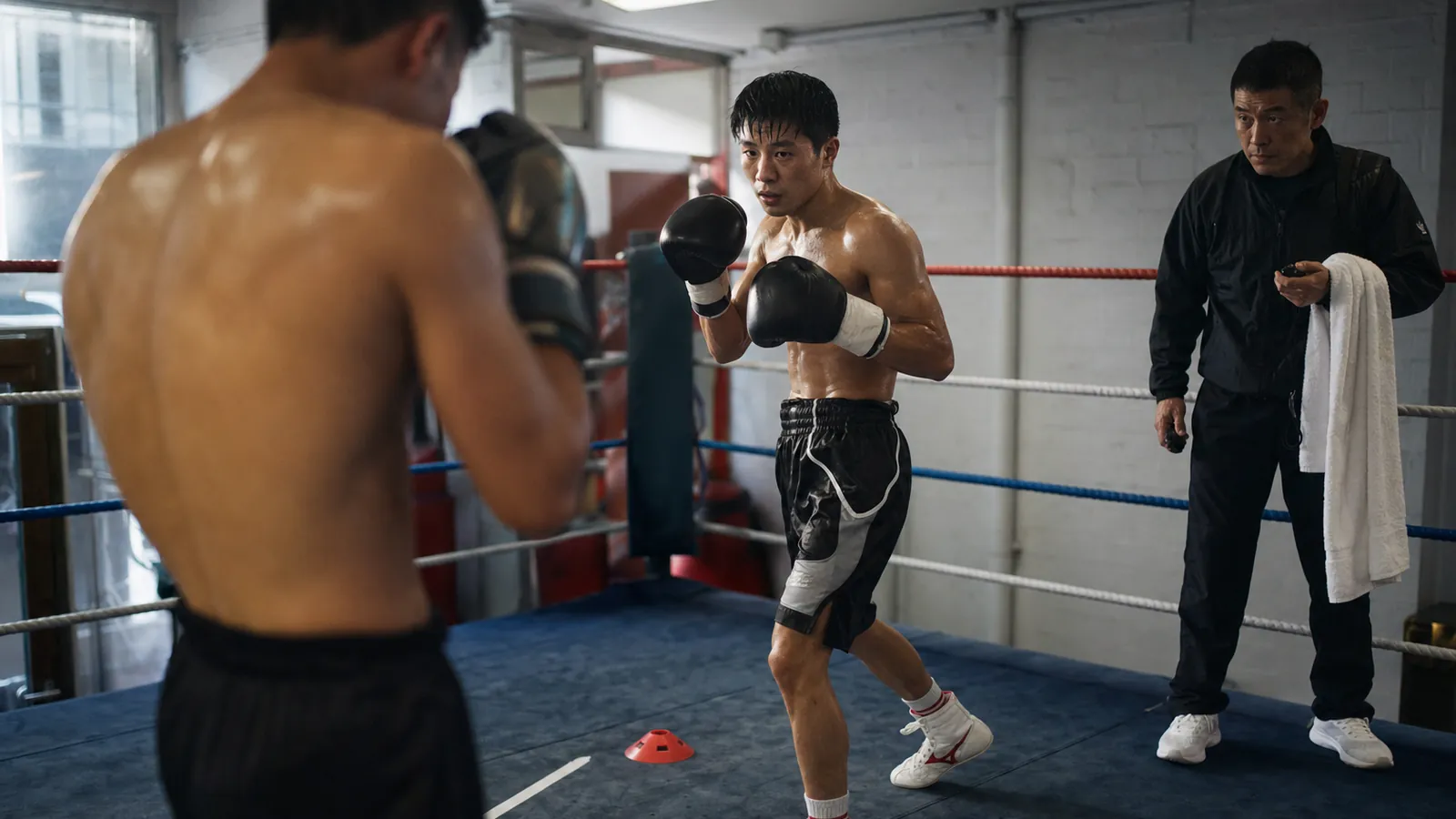
The pressure is now on Yabuki to be ambitious
Here is the H&G view: Yabuki should pursue the biggest available unification fight.
Not because every champion must take the hardest possible fight immediately. That is easy for fans to demand and hard for fighters to manage. But because Yabuki has already proved he can defend his belt. He has knocked out title-level opponents, he has now won a hard 12-round decision, and he has the sort of power that makes him dangerous against any champion at 112lb.
Calixto exposed areas that a better opponent could exploit. Yabuki became predictable at points. He did not always make the most of the openings created by the knockdowns. He had to reset under pressure. Those are not reasons to avoid the top names. They are reasons to seek them while he remains a reigning champion with leverage.
At club level, there is a useful lesson in that. A boxer does not improve by pretending an awkward round never happened. He improves by identifying why it happened, sharpening the answer, and testing it again.
At Honour & Glory’s boxing classes in Kidbrooke, that is how we teach boxing from age 7 upwards. A clean combination is good. Being able to reset after the opponent responds is better. Landing a big shot is useful. Staying disciplined when the finish does not arrive is what separates a promising boxer from a reliable one.
Yabuki landed the big shots early. Calixto made him show the second skill.
The belt remains with Yabuki. The flyweight division is still open. And if the champions are willing to meet, 112lb could become one of boxing’s most competitive title scenes.
H&G Team
Writer at Honour & Glory Boxing Club, a community boxing gym in Kidbrooke, South East London.
KEEP READING
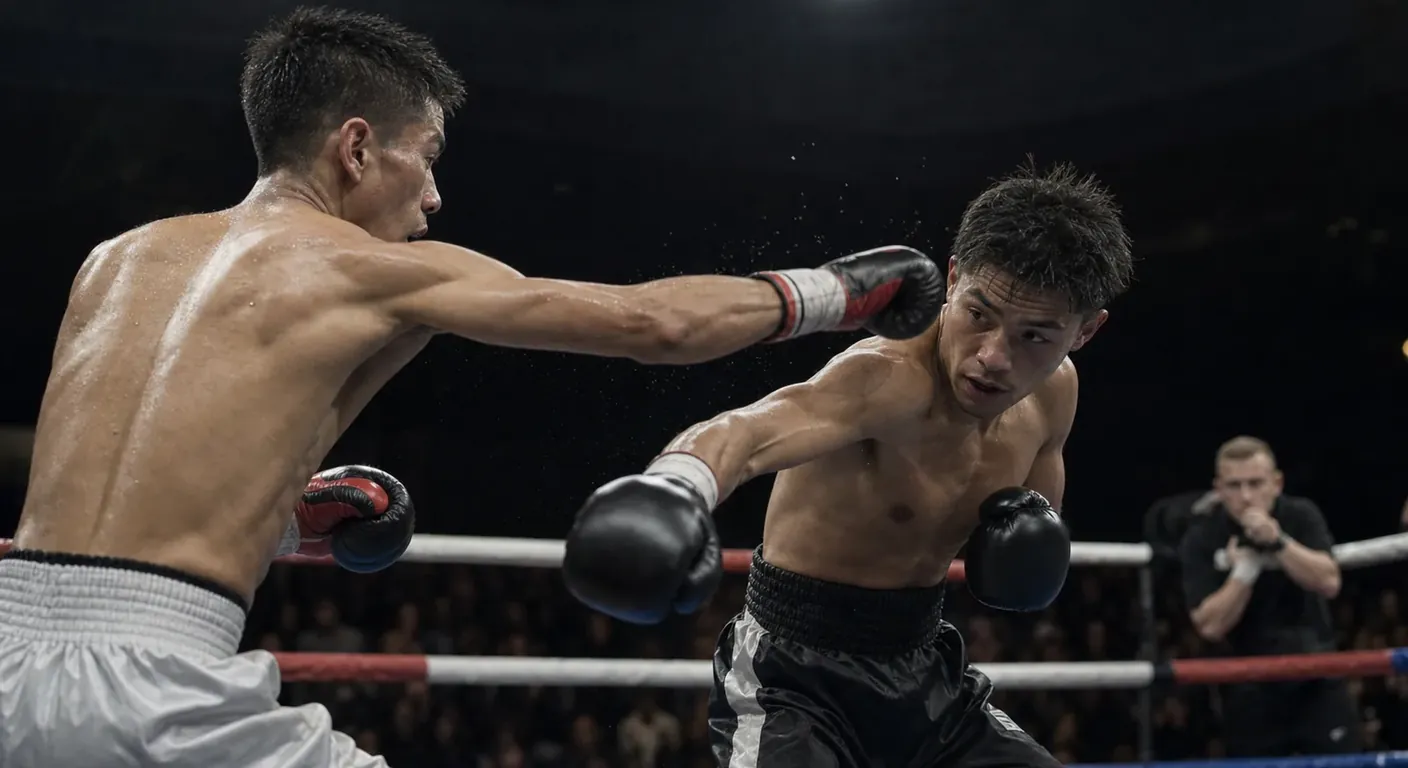
Gonzalez vs Perez: flyweight title fight lessons
Use fresh DAZN highlights to break down what beginners can learn from a fast flyweight title fight: tempo, positioning, punch selection and staying composed under pressure.
Sheeraz World Title Fight: Usyk vs Verhoeven Undercard Announced!
Preview Hamzah Sheeraz's world title opportunity as the co-main event for Usyk vs. Verhoeven, analyzing his opponent and chances. Highlight the significance for UK boxing.

Tszyu vs Mahoney Draw: When an Eliminator Settles Nothing
Nikita Tszyu and Ben Mahoney's split draw left an IBF super-welterweight eliminator without a clear next man. The useful boxing angle is how a close 12-round fight can still expose the limits of the eliminator format.
Was this page helpful?
It takes one tap, and it genuinely helps.
Choose your next step
Turn this article into the right action
Some readers are ready to book. Some need the class route first. Pick the route that matches what you actually want.