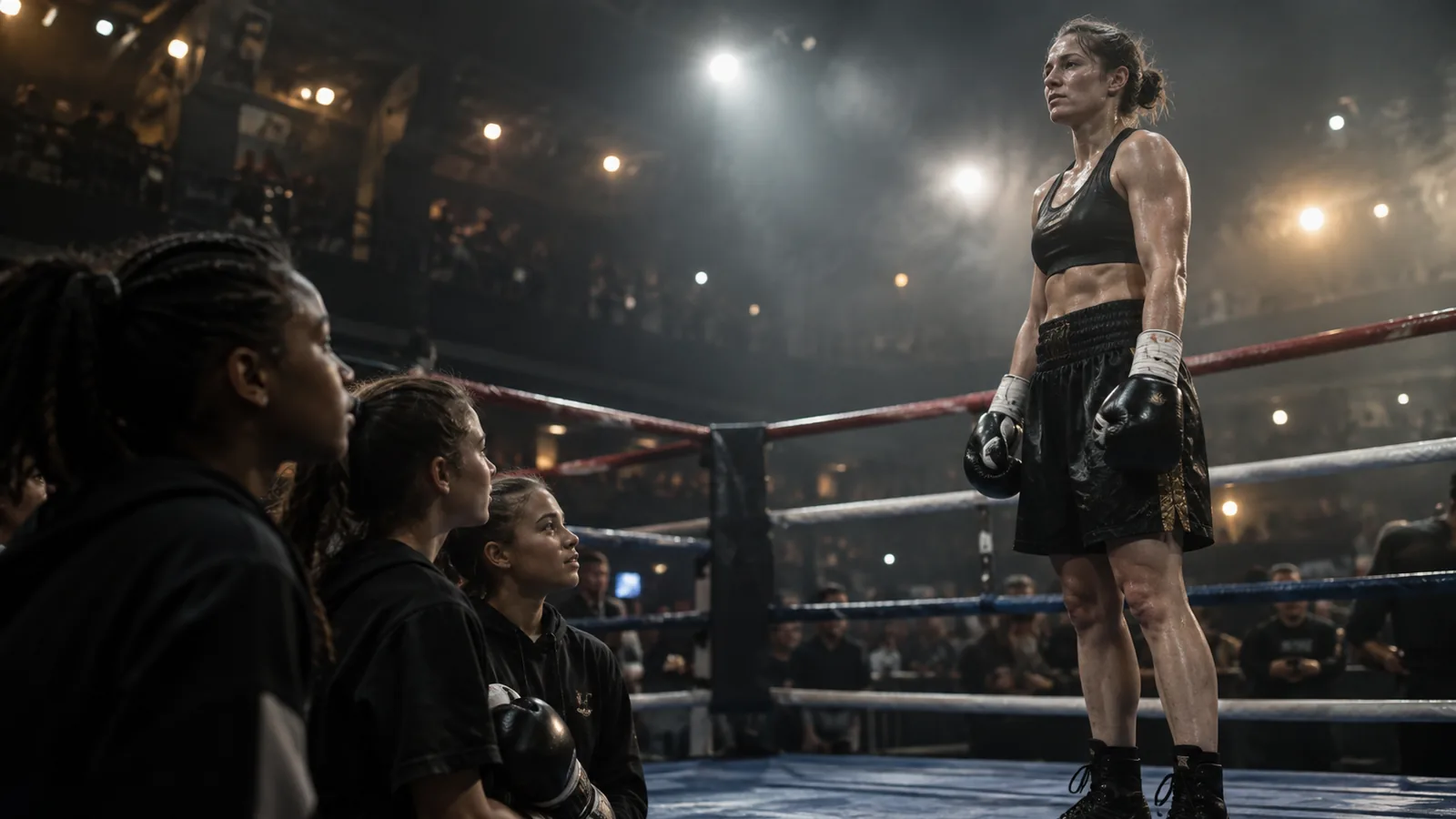
Katie Taylor leaves women’s boxing with a standard, not just a highlight reel
Katie Taylor did not merely finish her career with a win over Flora Pili. She finished it by showing, once more, exactly what a champion is supposed to look like when the occasion is huge and the pressure is real.
At Croke Park, in front of more than 80,000 people, Taylor beat the unbeaten French challenger by unanimous decision, with scores of 100-90, 100-90 and 98-91. The win made her undisputed at super-lightweight again and a three-time undisputed champion overall. More importantly, it gave boxing one of the rarest things in sport: a great fighter choosing her exit, performing well, and leaving the ring with nothing left to prove.
The Matchroom behind-the-scenes film captures the scale of the night, but it is worth looking past the emotion for a moment. Taylor’s final performance was not a ceremonial appearance. Flora Pili arrived unbeaten, younger, physically strong at the weight and with every incentive to spoil the party. As the pre-fight assessment from Boxing Insider made clear, Taylor still had a proper job to do before she could enjoy the farewell.
She did it like Katie Taylor.
A masterclass, not a nostalgia act
The Croke Park crowd had come to celebrate, but Taylor did not box as though she expected a gift. She was sharp with the jab, light on her feet, quick to let combinations go and disciplined enough not to chase a reckless finish.
The BBC’s fight report described the familiar ingredients: footwork, speed and sharp pressure. That is accurate, but it understates the difficult part. A veteran boxer fighting in a final bout, beneath that kind of national attention, has plenty of reasons to become cautious or sentimental. Taylor did neither. She fought with the clear head of someone who had spent a career learning how to win rounds.
Pili had moments, particularly when she applied pressure and tried to make the exchanges physical. But Taylor repeatedly beat her to the punch, made her miss, then answered with neat scoring work. The DAZN highlights show the detail young boxers should notice: Taylor used feints to interrupt Pili’s timing, picked short combinations rather than emptying the tank, and stepped away after scoring.
That is not glamorous gym advice. It is the stuff that wins fights.
A lot of young fighters see a fast three-punch combination and think the lesson is to throw faster. The real lesson is what happens before it. Taylor created the opening with position, balance and timing. Her feet put her where they needed to be. Her eyes read the response. Then her hands went.
The Sky Sports highlights are worth watching with that in mind. Do not watch only for the cleanest punches. Watch the reset after them. Watch how often Taylor returns to a stable stance. Watch how rarely she gives an opponent a simple target.
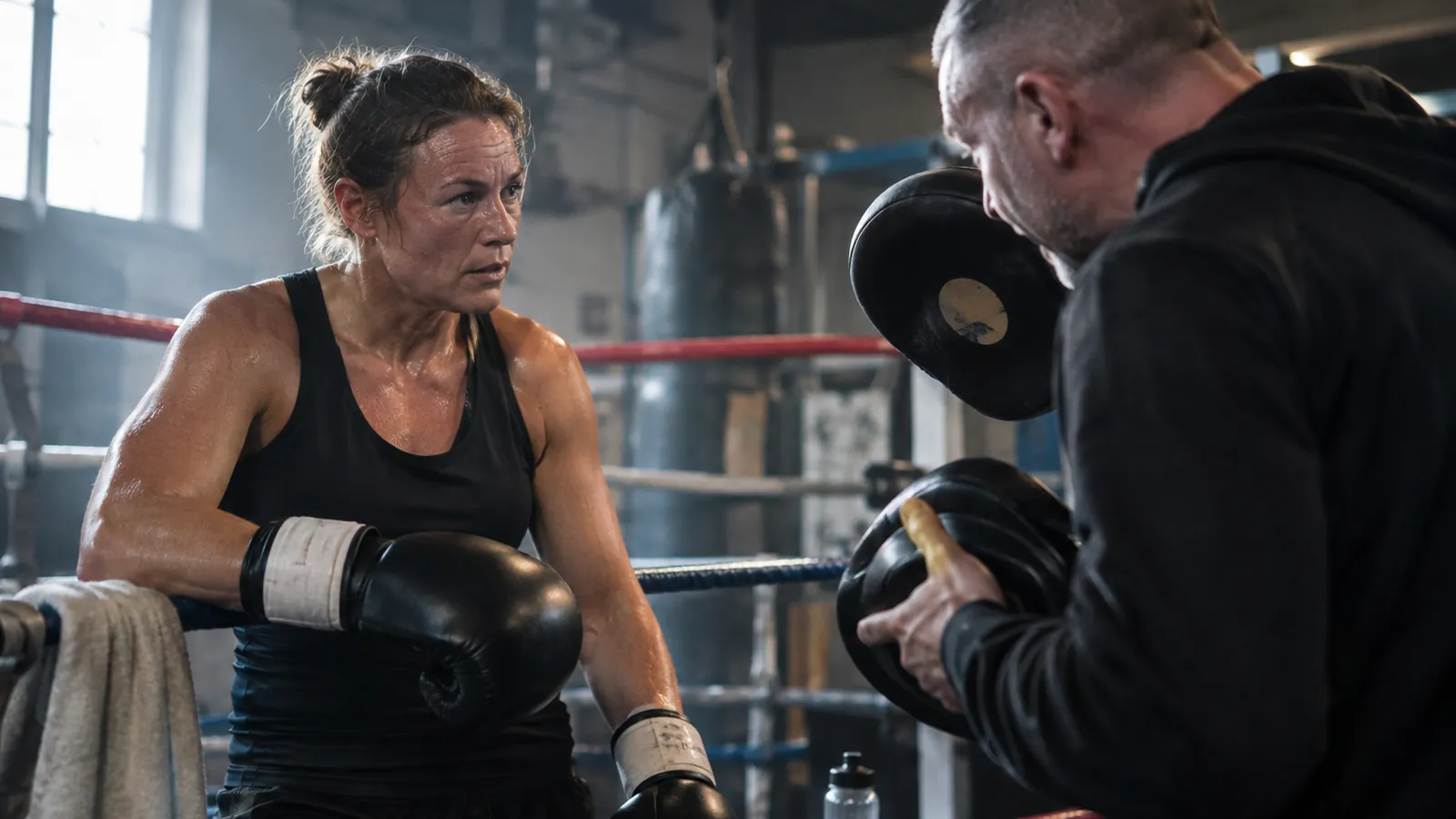
The standard she set was bigger than titles
Taylor leaves boxing with an Olympic gold medal, five world amateur titles, world titles in two weights and a professional record of 26 wins and one defeat. Those are heavyweight achievements in any version of the sport.
But numbers do not fully explain her importance.
Before Taylor, women’s boxing had champions, pioneers and excellent fighters. What it did not always have was consistent proof that a female boxer could become a national sporting figure without compromising on boxing standards. Taylor changed that. She did not become famous by being marketed as an exception. She became famous by fighting serious opponents, taking difficult rematches, winning major titles and making people care about the result.
Her first fight with Amanda Serrano at Madison Square Garden was a major line in that story. Their trilogy made it impossible to pretend women’s boxing could not produce elite rivalry, elite pressure and elite drama. Her defeat to Chantelle Cameron in 2023 mattered too, because Taylor did not hide from it. She returned six months later, reversed the result and became undisputed in a second division.
That is a standard worth dwelling on. Great fighters are not defined by never having a hard night. They are defined by what they do when a hard night exposes a weakness.
The BBC’s account of Taylor’s retirement rightly links her career to the barriers she faced as a girl in Ireland, when she had to hide her identity to get opportunities to box. By the time she placed her gloves and belts in the centre of the Croke Park ring, she had moved the argument on completely.
The question is no longer whether women deserve to box, headline or earn meaningful opportunities. The question is whether promoters, broadcasters and governing bodies are doing enough to build the next generation of fights.
That is progress, but it is also a challenge.
Croke Park mattered because it was earned
Croke Park was not just a big stadium with a boxing ring in it. It was the correct venue for Taylor because the occasion matched the career.
The BBC’s live coverage recorded Taylor thanking the crowd and pointing to the remarkable fact that more than 80,000 people had bought tickets to watch a female athlete. The attendance itself matters, but the reason for it matters more.
People did not buy those tickets out of politeness. They bought them because Taylor had become part of Irish sporting life. She had represented the country at the Olympics, carried major professional events, endured setbacks in public and kept coming back to fight the best available opponents.
The comparison with Muhammad Ali is not one to throw around carelessly, but Taylor became the first boxer to headline Croke Park since Ali in 1972. That does not mean she needs to be measured against him. It means the venue had waited more than half a century for a fighter with enough cultural weight to bring boxing back.
Taylor was that fighter.
The Mirror’s round-by-round report caught the balance of the event well. It was a farewell, but it was also a competitive performance. Taylor was not there to wave goodbye. She was there to put in one final shift and leave with the undisputed championship.
That distinction is important. Boxing can become sentimental very quickly. Taylor’s career deserves emotion, but it deserves respect even more.
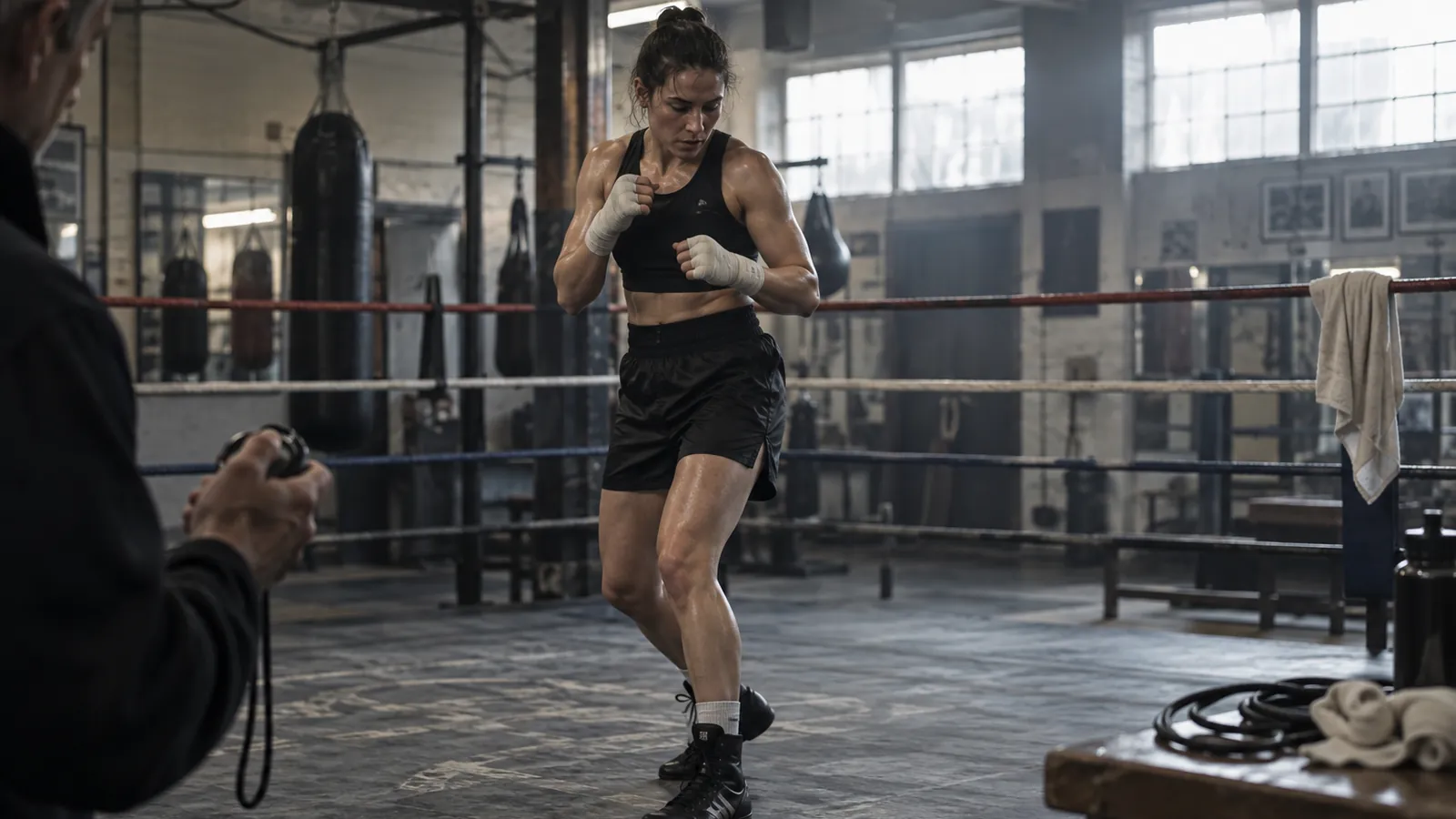
What young boxers in London should take from it
For young boxers watching from London gyms, including those starting at Honour & Glory’s classes for ages 7+, Taylor’s career can feel very far away. Olympic gold, Madison Square Garden, Croke Park, world titles. It is tempting to file it under inspiration and move on.
Do not.
Her best lesson is not “believe in yourself”, because that phrase is too easy to say and too vague to train. Taylor’s lesson is that standards are built through repeated, ordinary work.
Learn to stand properly before trying to throw flashy combinations. Develop a jab that you can trust when you are tired. Keep your balance after you punch. Listen when a coach corrects your feet, your guard or your breathing. Do not treat a hard round as a personal insult. Treat it as information.
Taylor has always been known for speed and volume, but those strengths only work because of her discipline. Her combinations are fast because her feet are set. Her movement is useful because she understands distance. Her confidence under pressure comes from thousands of rounds of preparation, not from shouting loudly before a fight.
That is what young boxers should copy.
The sport will now move on, as it should. Caroline Dubois, Chantelle Cameron, Natasha Jonas, Claressa Shields, Mikaela Mayer and others will continue to carry major women’s fights. Taylor herself has said she wants to stay connected to boxing, and the Irish Star’s retirement interview reports that she is considering future involvement through coaching or management. The WBC ambassador role reported by the Express is another sign that the sport understands what it would lose if she disappeared entirely.
But Taylor’s real influence does not depend on a title or a job.
It is in the young girl who walks into a boxing gym now without having to disguise who she is. It is in the young boxer, girl or boy, who sees a Croke Park crowd and understands that serious preparation can take a fighter a very long way. It is in every coach who treats women’s boxing as boxing, full stop.
Katie Taylor retired after beating Flora Pili. The result will sit in the record books.
The standard she set will sit in gyms for years.
H&G Team
Writer at Honour & Glory Boxing Club, a community boxing gym in Kidbrooke, South East London.
KEEP READING
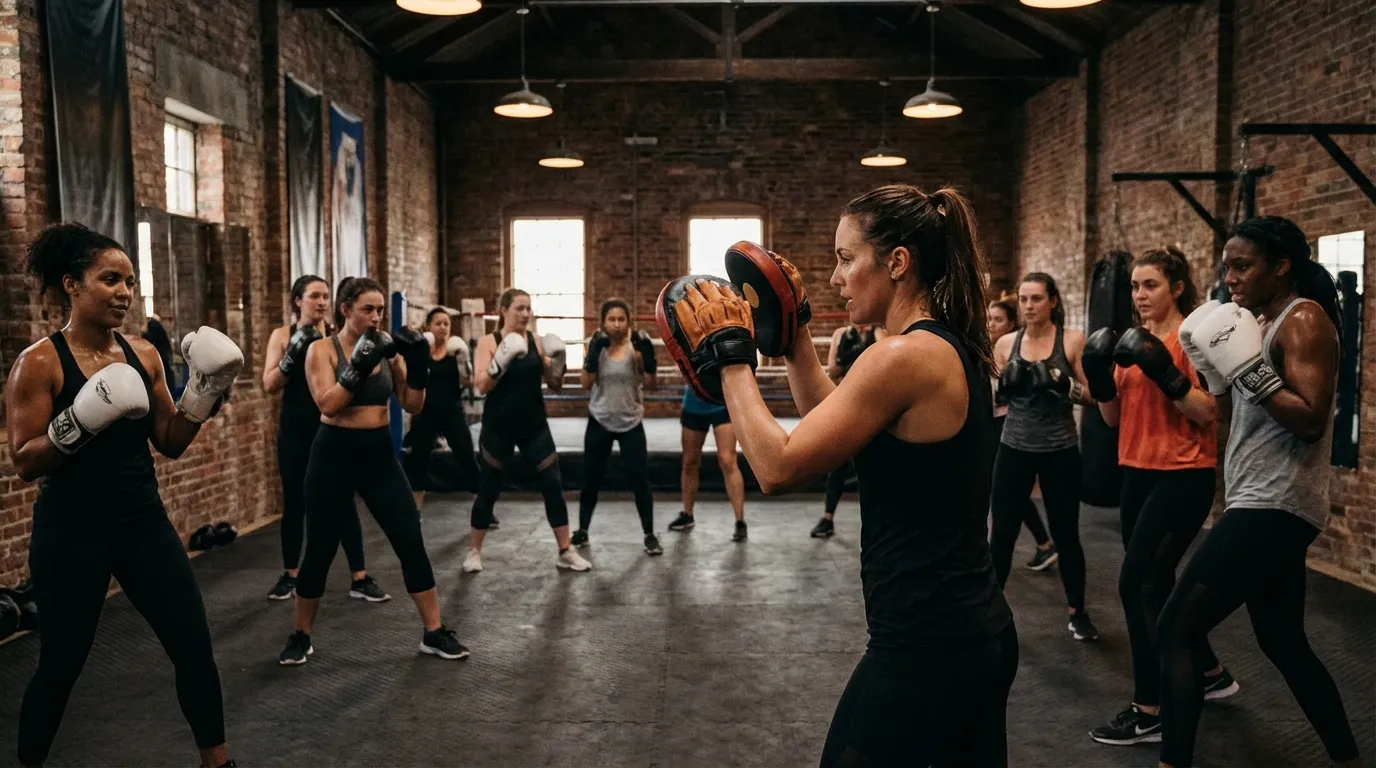
Women's Boxing Classes - What to Expect
Thinking about women's boxing classes but not sure what happens? Here is exactly what to expect from your first session to your tenth.
Boxing for Women in Kidbrooke: What to Expect
Honour and Glory Boxing Club offers womens boxing classes in Kidbrooke SE3 - structured sessions for all fitness levels with ABA/Alliance-credentialed coaches.
Boxing for Women Near Bromley: What to Know
Women's boxing near Bromley is growing fast - and for good reason. Here is what women who are considering boxing actually need to know before they start.
Was this page helpful?
It takes one tap, and it genuinely helps.
Choose your next step
Turn this article into the right action
Some readers are ready to book. Some need the class route first. Pick the route that matches what you actually want.