Isaac Cruz stops Nestor Bravo and calls for Ryan Garcia: a real fight, if it gets real terms
Isaac “Pitbull” Cruz got the finish he needed, then made the only call-out that made sense.
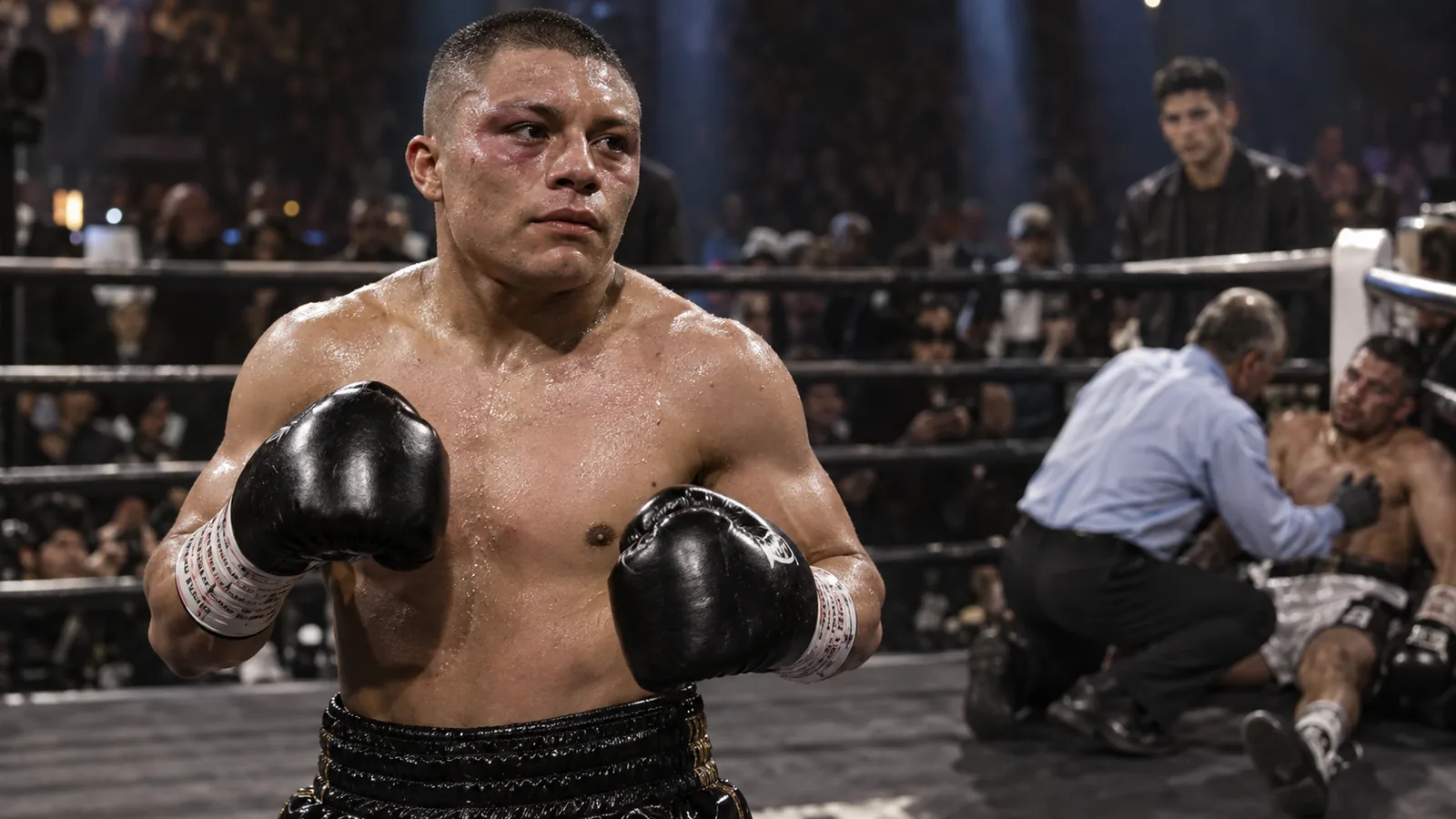
Cruz stopped Nestor Bravo with a left hook at 1:30 of the sixth round in San Diego, retaining his WBC interim super-lightweight title after a fight that was far more scrappy than polished. Bravo held, wrestled and fouled his way through long spells, and referee Thomas Taylor deducted two points. But when the room finally opened up, Cruz did not waste it. He feinted with the jab, whipped the lead hook over and left Bravo seated on the canvas.
The result is listed as a sixth-round left-hook knockout by Tapology. Yahoo Sports’ round-by-round report described the fight accurately: dominant for Cruz, but ugly because Bravo repeatedly turned it into a wrestling match. Boxing News 24’s scorecard had Cruz in clear control before the finish.
Then came the line: “Hey Ryan, I’m here. My next fight for you. Come on Ryan.”
It is tempting to dismiss any post-fight shout across weight classes as television noise. This one has more substance than that. Ryan Garcia had already named Cruz as a possible quick-return opponent before the Bravo bout, and Cruz had said a welterweight move was possible once he had dealt with the job in front of him.
The fight is not signed. It is not yet clear which belt, if any, would be attached. But it is a genuine piece of matchmaking with a clear reason for both men to want it.
The knockout did its job, even if the fight did not flatter Cruz
Cruz was meant to beat Bravo. He entered as the interim champion, the favourite and the man with the bigger name. FIGHTMAG’s preview placed it where it belonged: a second defence of Cruz’s 140lb title against a capable puncher from Puerto Rico.
Winning on points would have preserved his position. Losing would have damaged it badly.
Stopping Bravo changed the temperature. It gave Cruz a sharp clip for the broadcasts, a 29-3-2 record with 19 stoppages, and a closing image that suits the Pitbull brand. It also answered the only question that mattered on the night: could he stay composed enough to beat a man determined to make the bout dysfunctional?
Yes, eventually. But the full fight needs to be watched, not just the knockout.
Bravo’s fouls made rhythm difficult, yet Cruz was not at his cleanest when he had to reset from clinches. That is not a criticism dressed up as praise. It is the point. Garcia is taller, quicker and much more capable of making a shorter pressure fighter pay on the way in. A left hook against Bravo is evidence of Cruz’s danger, not proof that he would walk through Garcia.
Bad Left Hook’s live coverage had already framed the Bravo fight as one Cruz had to win to stay attractive for major opponents. The stoppage has done that. It has not made him the A-side against Garcia.
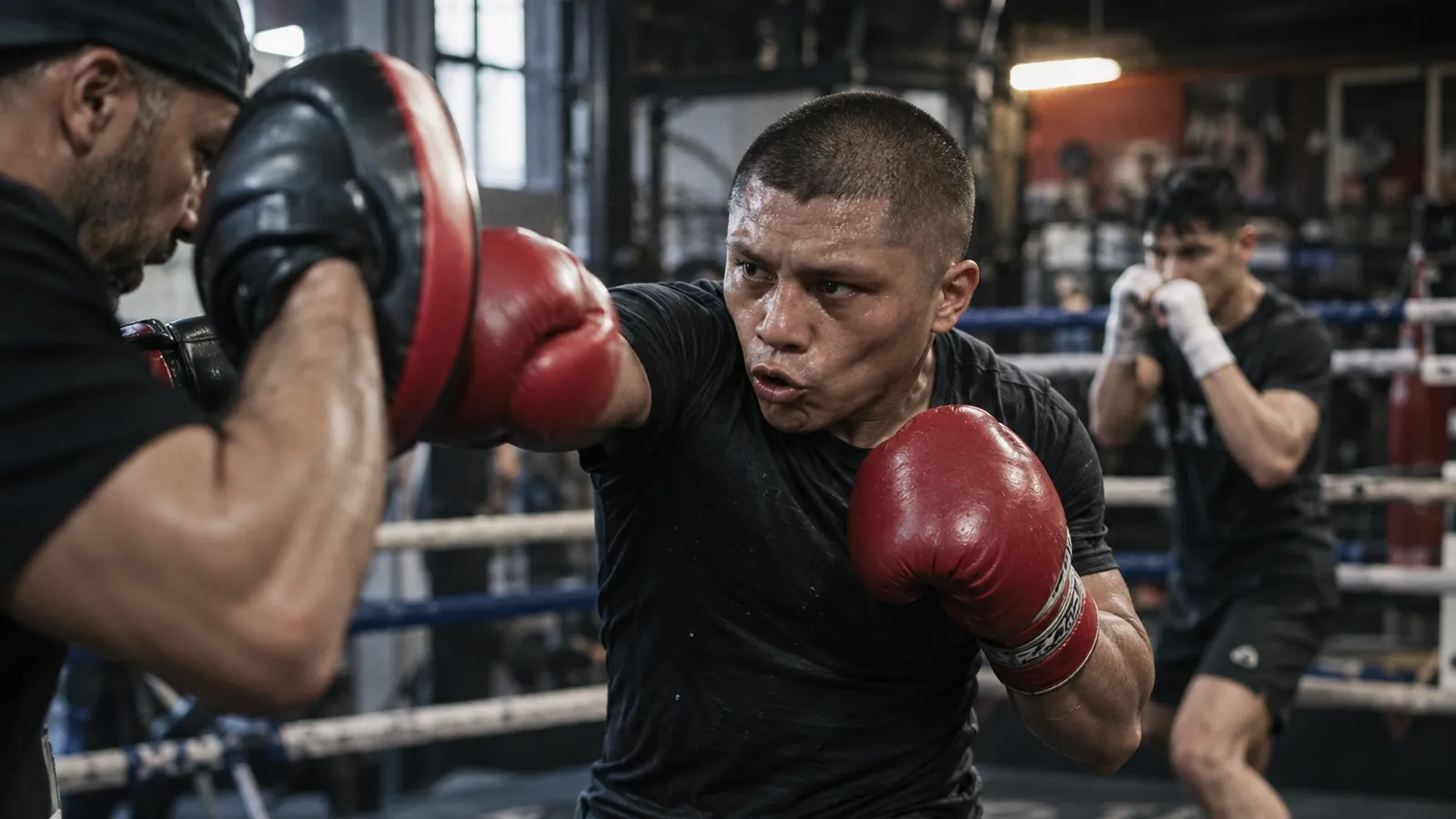
Why this is more than a made-for-TV call-out
There is a simple test for a serious call-out: was the other fighter already interested, and is there a sensible route to a contract?
On the first point, yes. Before Cruz faced Bravo, Boxing News reported Garcia saying he wanted to return in December or January and naming Cruz among the opponents he would consider. Garcia had just stopped Conor Benn in two rounds and did not sound like a boxer looking for a long lay-off.
After Cruz won, the response was immediate. The Ring reported Garcia’s answer: “Let’s do this in December. The offer is on the table.” Bad Left Hook likewise reported that Garcia had set a December deadline in his own mind.
That makes this more than two fighters borrowing each other’s names. Garcia had publicly picked Bravo to win, Cruz proved him wrong, then called him out while the cameras were still live. There is a sporting hook, a Mexican versus Mexican-American audience, and a clear style contrast. Promoters do not need to invent the story.
The supporting coverage has moved quickly because the match-up has obvious value. DAZN covered Cruz’s knockout and call-out, while its guide to Garcia’s next fight sits alongside a current Cruz next-fight update.
That is attention. It becomes a fight only when the weight, money and title position are agreed.
The terms are the whole story
This is where the post-fight adrenaline has to give way to honesty.
Cruz holds an interim belt at 140lb. Garcia is the WBC welterweight champion at 147lb. If they meet at welterweight, Cruz is taking a meaningful physical risk while leaving the most direct route to a full title at his own weight on pause.
His belt gives him standing. It does not force Garcia to accept terms or make Cruz the commercial driver.
Garcia has the wider public profile, the longer frame and the recent high-profile win. Cruz brings pressure, toughness, a title at the lower weight and the credibility that comes from taking hard fights. Each man offers the other something useful. That is why the bout works.
For Cruz, a win would be transformational. Beating Garcia would take him from respected action fighter to a major figure in a second division. For Garcia, the upside is different. He can take a dangerous, recognisable opponent without entering a slow, technical fight that may carry less immediate drama. He also knows that Cruz’s pressure creates the sort of openings Garcia likes to find with straight shots and his left hook.
The danger for Cruz is that a December date may be too convenient for Garcia and too costly for him. A short turnaround after an awkward six rounds is manageable, but the preparation has to be right. The weight must be real. A catchweight needs to serve a sporting purpose, not become a way of making one man smaller and the other more comfortable.
The rematch clause, if there is one, needs to be clear. And if Garcia’s WBC title is on the line, that needs formal confirmation rather than promotional suggestion.
The technical lesson in Cruz’s finish
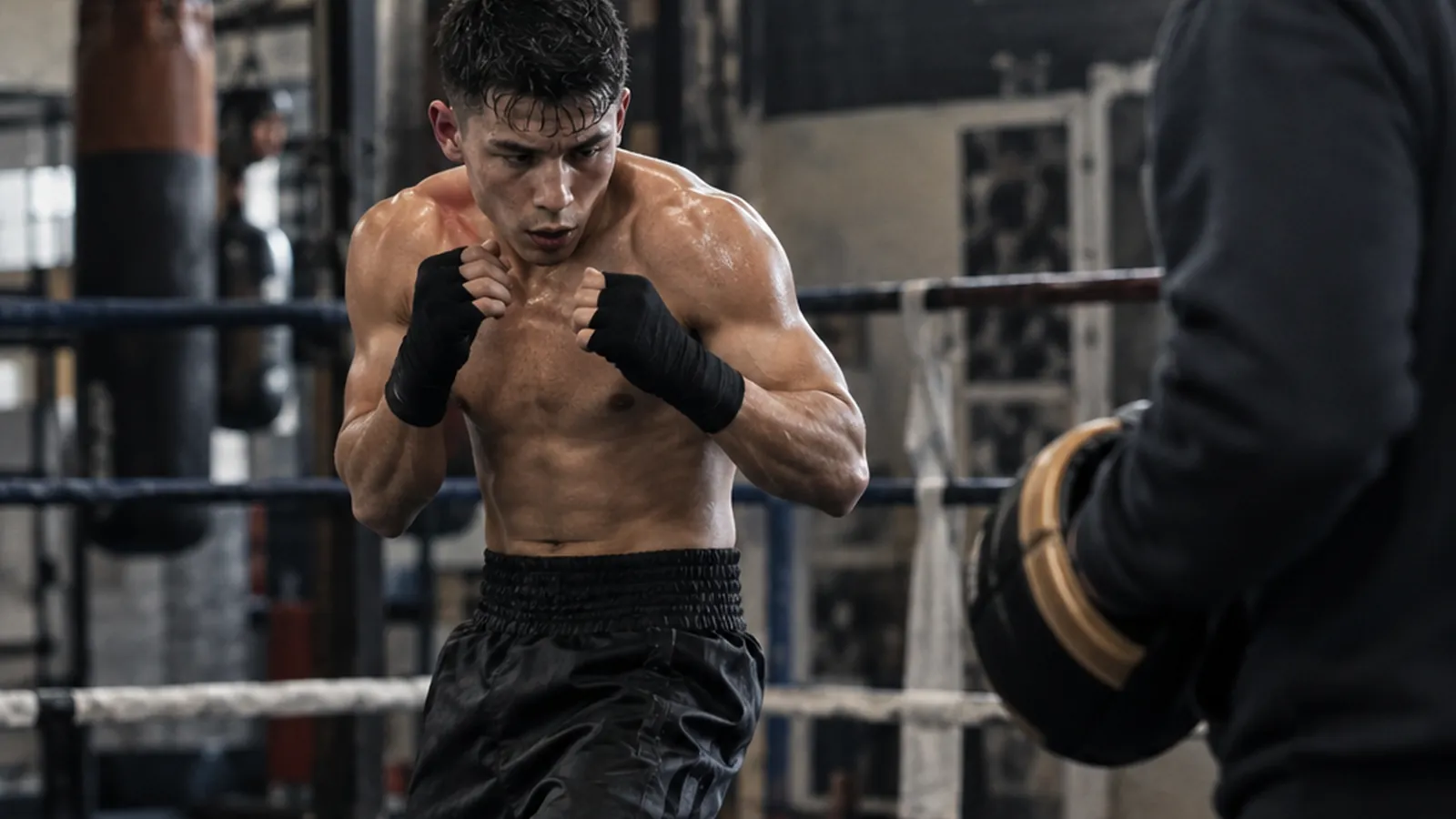
The finish is worth studying. Cruz did not simply launch the hook because he wanted a highlight. He showed Bravo the jab, made him read one picture, then changed it.
That is a small lesson with a big result: a punch is more dangerous when the opponent has been taught to expect something else.
At Honour & Glory’s boxing classes, that work begins well before anyone throws full power. Stance, distance, a purposeful jab, balance after the punch and the patience to create an opening are what make a hook land cleanly. The knockout is the last second of a sequence, not magic.
Cruz versus Garcia is worth making because it tests more than popularity. It asks whether Cruz can bring his pressure and timing up seven pounds against a taller champion, and whether Garcia will accept the kind of physical fight that has never suited him comfortably.
Cruz has earned the right to ask. Garcia has said the offer is there.
Now the loud part is over. The serious part is the contract.
Book a free trial at Honour & Glory Boxing Club in Kidbrooke.
H&G Team
Writer at Honour & Glory Boxing Club, a community boxing gym in Kidbrooke, South East London.
KEEP READING

Ryan Garcia’s Benn Knockout Claim Raises the Stakes
Rather than repeating the 147lb discussion, assess what Garcia’s five-round knockout prediction says about the tactical risks of underestimating Benn’s pressure and physical strength.
Garcia vs Benn: What the Zuffa Boxing Deal Really Means
Ryan Garcia vs Conor Benn is not just another big-name fight. It is the clearest test yet of Zuffa Boxing's money, matchmaking and UK ambitions.
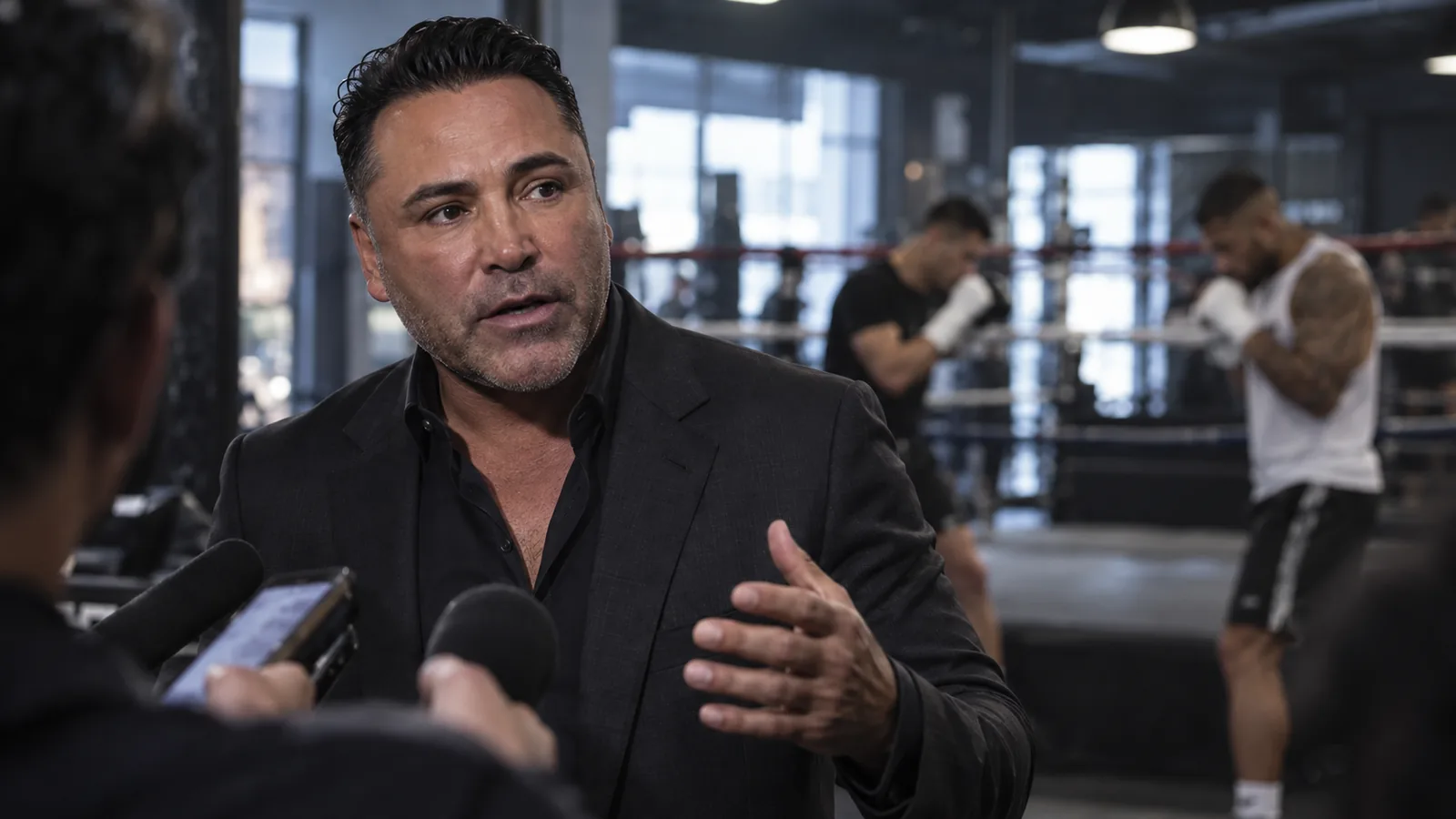
De La Hoya’s Garcia-Benn response: the promoter’s stake
Oscar De La Hoya speaking during fight week offers a distinct business angle: what Garcia-Benn means for the promoter, the fighter’s next leverage point and the welterweight market if Garcia wins.
Was this page helpful?
It takes one tap, and it genuinely helps.
Choose your next step
Turn this article into the right action
Some readers are ready to book. Some need the class route first. Pick the route that matches what you actually want.