Henry Cejudo vs Javon Walton: What the Crossover Result Means
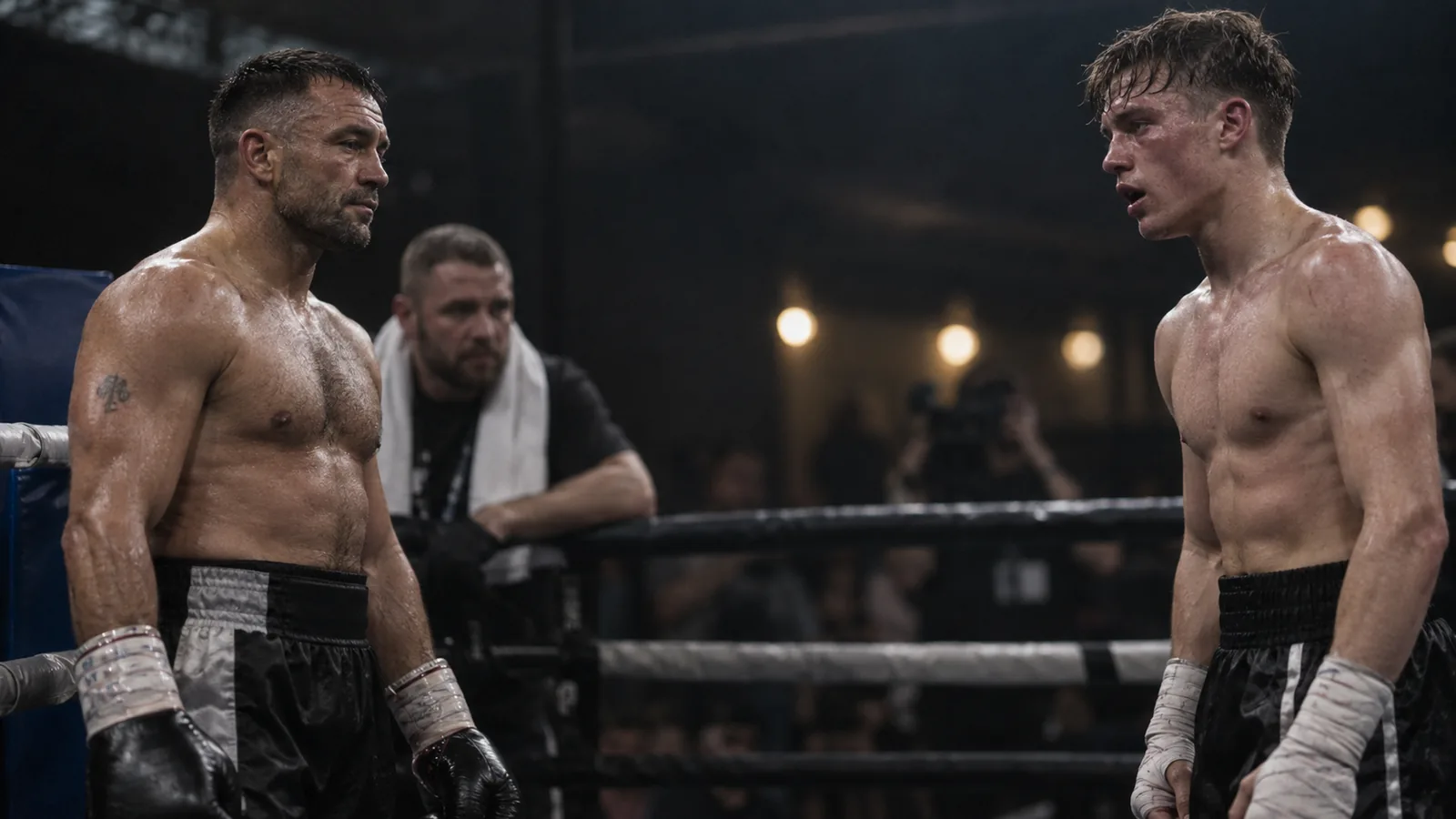
Henry Cejudo vs Javon Walton: What the Crossover Result Means
Henry Cejudo won his professional boxing debut. That is the headline. It is not the whole story.
The former Olympic wrestling champion and two-weight UFC title-holder beat Javon “Wanna” Walton by split decision in Miami, with two judges scoring it 39-37 for Cejudo and the third giving Walton the same score. Bleacher Report’s result coverage, Boxing News and MiddleEasy’s recap all agree on the important part: this was a close four-round contest, not a ceremonial appearance for a famous MMA name.
Cejudo deserved the decision. He solved a real problem in front of him, adjusted after an uncomfortable start and finished with the sharper, more forceful work. But anyone using this result to declare him a ready-made boxing contender is missing the point. Equally, anyone treating Walton’s first professional loss as a verdict on his future is being unfair to a young fighter who took a difficult, unusual assignment on short notice.
That is what crossover boxing does. It produces results that matter, but they need reading properly.
Experience won, but it was not simple
This was not an old fighter turning up to swat away a beginner.
Walton was 20, had a 3-0-1 professional record going in, and brought the length, youth and southpaw stance which made Cejudo’s task awkward. TMZ’s pre-fight interview recorded Walton’s confidence clearly. He respected Cejudo’s achievements, but made the obvious distinction: this was a boxing ring, not a wrestling mat or an MMA cage.
He had a fair argument. The broadcast described Walton as having boxed for 16 years, with roughly 80 amateur bouts behind him. Cejudo, meanwhile, was making his first professional boxing appearance at 39. The age gap was 19 years. Walton had the faster hands, the longer reach and a more recognisable boxing shape from the first bell.
The opening round looked like it might follow the expected script. Walton fired the left hand, used his range and made Cejudo work to get inside. Cejudo’s high guard caught too much of the incoming work, and Walton was not merely surviving. He was making the older man reset.
Then Cejudo began finding the answer.
Rather than chasing with wide swings, he started stepping in with his right hand, particularly to the body and over Walton’s lead side. He used feints, changed his rhythm and made the younger boxer defend exchanges rather than simply set them. Bloody Elbow’s report picked out those overhand and straight rights as the moments that shifted the fight.
That is veteran combat-sport intelligence. Cejudo did not suddenly display the footwork of a seasoned boxing professional. He did show the ability to read a pattern, stay composed under pressure and alter the fight when Plan A was not winning.
For four rounds, that was enough.
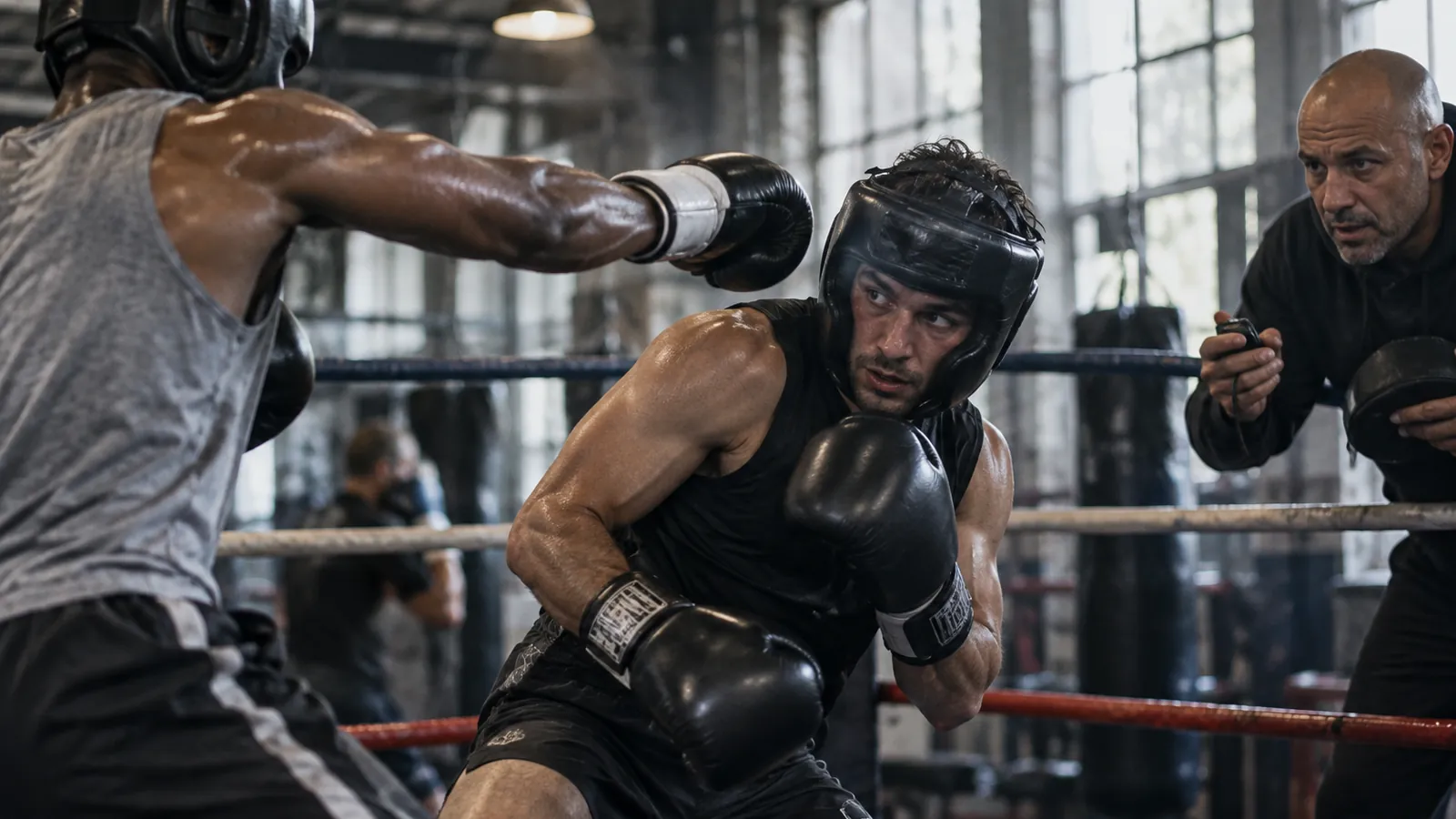
The scorecards were a useful correction
The scorecards tell a better story than the promotional noise around the fight.
Two judges had Cejudo winning three rounds to one. One judge had Walton winning three rounds to one. That is a proper split decision, not a controversial robbery and not a one-sided lesson. The live Bleacher Report coverage had framed Walton’s youth, professional experience and reach as central pre-fight advantages. They remained relevant when the bell rang.
Cejudo was the more physical fighter in the middle rounds and landed the more eye-catching right hands. Walton had his moments, particularly early, but he did not consistently make Cejudo pay for crossing the gap. In a four-round contest, that matters. There is very little time to give away an adjustment, then wait for the fight to come back to you.
Cejudo said afterwards that he believed he lost the first round but made the changes needed to win. That is a sensible reading of the bout. Forbes’ result report called the debut impressive, and it was. The key word is debut.
He beat a younger boxer in a short, competitive crossover main event. He did not establish himself above the professional welterweight division. Those are two very different claims.
Walton should not be judged like an ordinary prospect
This is where boxing commentary can become lazy.
Walton lost, so there will be people ready to say he was exposed. That is not a serious conclusion. He stepped into a headline fight on a compressed camp after Deen The Great withdrew, a late change covered by MiddleEasy and Bloody Elbow. He faced a decorated combat athlete who had spent a career competing under pressure, in front of major audiences, against elite opponents.
That is not the same as a standard prospect fight.
A conventional young professional develops through a sequence: appropriate opposition, full camps, six-rounders, then eight-rounders, small-step improvements and a team judging when to increase risk. The aim is not to protect a record forever. It is to build habits, rounds and judgement while the boxer is still learning what their style becomes under pressure.
A crossover bout can interrupt that route. It may bring more attention, a bigger stage and a difficult night against an opponent whose wider résumé gives them confidence and composure beyond their boxing record. It can also distort the reaction afterwards. If the prospect wins, people overstate the result. If the prospect loses, people write them off too quickly.
Walton’s performance should be assessed for what it was: competitive, imperfect and useful. He began well, had success with the left hand and made Cejudo earn the fight. He also learned that a close lead is not enough if the opponent begins forcing harder exchanges and taking the visual initiative.
That is a boxing lesson, not a career obituary.

Crossover bouts have their own value, but their own limits
There is nothing wrong with crossover boxing when it is called what it is.
It can create compelling fights because the variables are unusual. A former world-level MMA fighter can have years of competitive nerve but little professional boxing experience. A young boxer can have cleaner mechanics but far less experience under the lights. A late replacement can change the whole tactical equation.
The Cejudo-Walton fight worked because both men had something to prove. Cejudo needed to demonstrate that his combat pedigree could transfer to boxing. Walton wanted to show that the ring experience he had built was more relevant than Cejudo’s Olympic and UFC achievements.
The result did not settle every argument. It was not meant to.
Pre-fight coverage from DAZN, bet365 News and The Mirror’s fight-night guide focused on the attraction of the match-up. The result showed why that attraction had substance. It was a real contest, with a real tactical swing and honest scorecards.
But it also showed why fans should keep the categories clear.
Cejudo is now 1-0 as a professional boxer. That is a notable achievement, particularly at 39 and against a younger opponent with recognised boxing experience. Walton is now 3-1-1. That is not a conventional 3-1-1 record because one of those defeats came in a high-profile, late-notice crossover contest against an exceptional all-round combat athlete.
Records are facts. Context explains them.
What young boxers should take from it
The best lesson from Cejudo versus Walton is not about celebrity. It is about adjustment.
Walton had advantages which looked decisive before the first bell. Cejudo found a way to reduce them by changing the range, timing the right hand and making the exchanges physical. That is what experience can do.
But experience cannot be downloaded from a highlight reel. It is built in rounds, sparring, hard pads, coaching corrections and competition that makes you think while tired. The full card highlights are worth watching, but watch the quieter details too: when Cejudo sets his feet before throwing, when Walton has room to use the jab, and when both men lose shape under pressure.
At Honour & Glory, the same principle applies whether someone is preparing for their first spar or simply wants to learn properly. Good boxing is not about arriving with a story. It is about building the skills to make an adjustment when your first idea stops working.
If you are in Kidbrooke or nearby SE London and want to learn those fundamentals in a proper gym environment, book a trial session at Honour & Glory.
H&G Team
Writer at Honour & Glory Boxing Club, a community boxing gym in Kidbrooke, South East London.
KEEP READING
Tommy Fury vs Eddie Hall: Boxing Lessons
What the Manchester crossover bout showed about size, strength, distance and why proper boxing still matters.

Holly Holm vs Stephanie Han: what crossover boxing shows
Frame Holm’s current fight-week listing as a lesson in how boxing, MMA backgrounds and late-career reinvention overlap, with useful takeaways for local fans watching combat sports evolve.

Usyk vs Rico Verhoeven: boxing vs kickboxing explained
A beginner-friendly breakdown of what changes when an elite kickboxer enters a boxing-only heavyweight fight: stance, distance, clinch habits, footwork, defence, and why rule discipline matters.
Was this page helpful?
It takes one tap, and it genuinely helps.
Choose your next step
Turn this article into the right action
Some readers are ready to book. Some need the class route first. Pick the route that matches what you actually want.