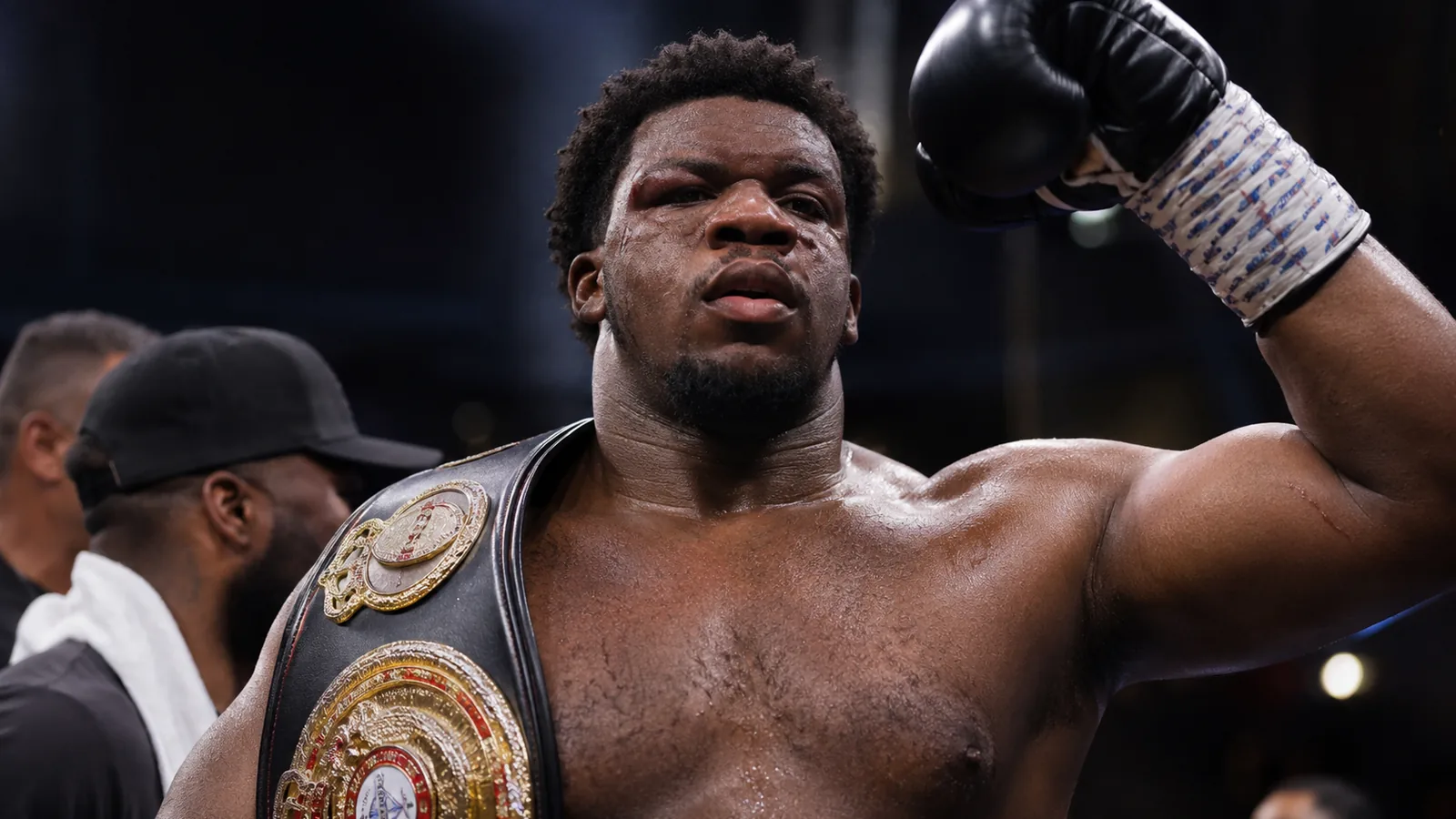
The knockdown settled the contest early
Adeleye made the decisive intervention in round three. A stiff jab put Flores down and immediately changed the terms of the fight. Flores got up, saw out the round and remained in the contest, but he never found a way to make Adeleye work at a pace that favoured him.
The Matchroom fight footage makes the shape of the contest clear. Adeleye was bigger, stronger and more purposeful behind the lead hand. Flores had moments of movement and survival, but not enough offence to win rounds or alter Adeleye’s rhythm.
The official verdict was as wide as it could be without a stoppage: 100-89 across the board. Sports247’s report recorded the same scorecards and the third-round knockdown, while Boxing News 24’s coverage also noted Adeleye’s command of the contest.
There is a temptation in heavyweight boxing to judge every favourite by one question: did he get the knockout? It is a lazy measure. A stoppage would have been welcome, certainly, but winning every round after a damaging injury is not a poor night’s work.
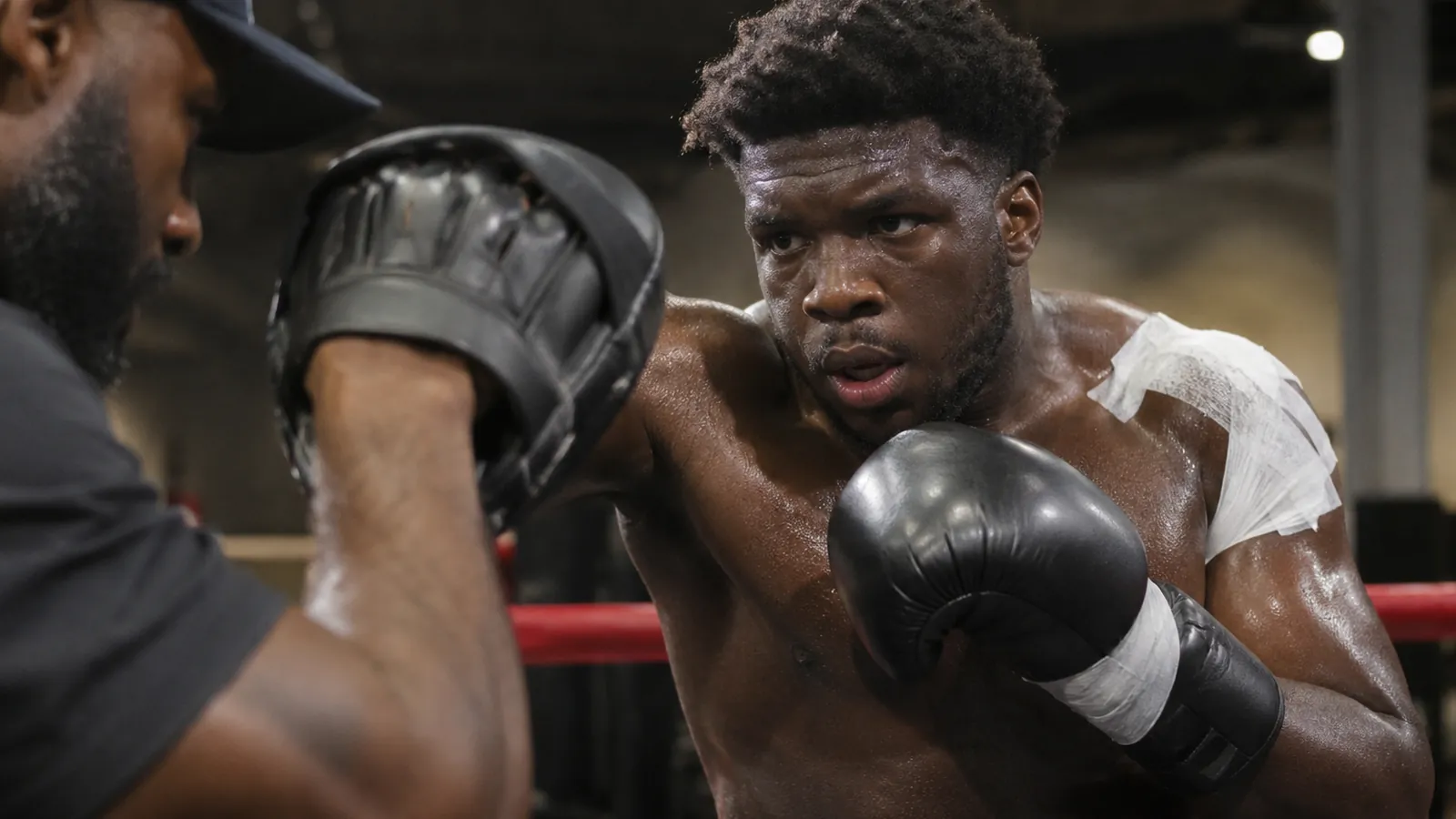
The injury explains the quieter second half
After the fight, Adeleye confirmed that he had suffered a bicep injury. The report on his Matchroom debut said the issue affected his right bicep and restricted him during the second half of the bout, when he leaned more heavily on the jab.
That context is essential. The performance became more conservative after the early knockdown. Adeleye did not let combinations go with the same abandon, and the fight lost some of its edge. There were points where a fully fit Adeleye might have pressed Flores to the ropes and forced a finish.
But injured fighters make bad decisions when they try to prove they are not injured. They throw the compromised punch harder, load up, lose their balance and hand an opponent a route back into the fight. Adeleye did not do that. He stayed disciplined, kept Flores at the end of the jab and did not give away the lead he had earned.
That is professional judgement, not merely survival.
There is still a concern here. Heavyweights rely on the right hand not just as a finishing shot but as a range finder, a deterrent and an answer when an opponent tries to crowd them. A separate Boxing247 discussion of the potential right-hand issue takes a much more alarmed view. It is too early to jump to that conclusion, particularly without a confirmed medical diagnosis or recovery timetable. Yet Matchroom and Adeleye’s team must get it right now.
There is no prize for rushing a heavyweight back after a bicep problem. His next opponent can wait; the arm cannot be negotiated with.
A useful win, rather than a statement win
Adeleye is now 15-2 with 13 knockouts, and this was his first appearance in the United States. It was also his first outing for Matchroom, so a clean win and a belt around the waist were the immediate priorities.
He achieved both.
Still, this was not a career-defining victory. Flores was durable enough to hear the final bell but did not have the sharpness, volume or physical authority to test Adeleye’s ceiling. The fight told us more about Adeleye’s composure than it did about his level among the better domestic heavyweights.
That distinction matters. A WBA International belt is valuable because it gives a promoter something recognisable to build around and can improve a boxer’s position in a sanctioning body’s rankings. It is not, however, a pass into world-title contention. It should be treated as a platform for the next serious step, not as evidence that the job is nearly complete.
Adeleye has already experienced the rougher end of the British heavyweight scene. His defeat to Fabio Wardley exposed flaws that needed addressing, especially when exchanges became chaotic and physical. Since then, he has had to rebuild confidence and momentum. This victory does that, but it should not be oversold.
The right reading is simple: Adeleye handled an opponent he was supposed to beat, in circumstances that became difficult, and did it without panic.
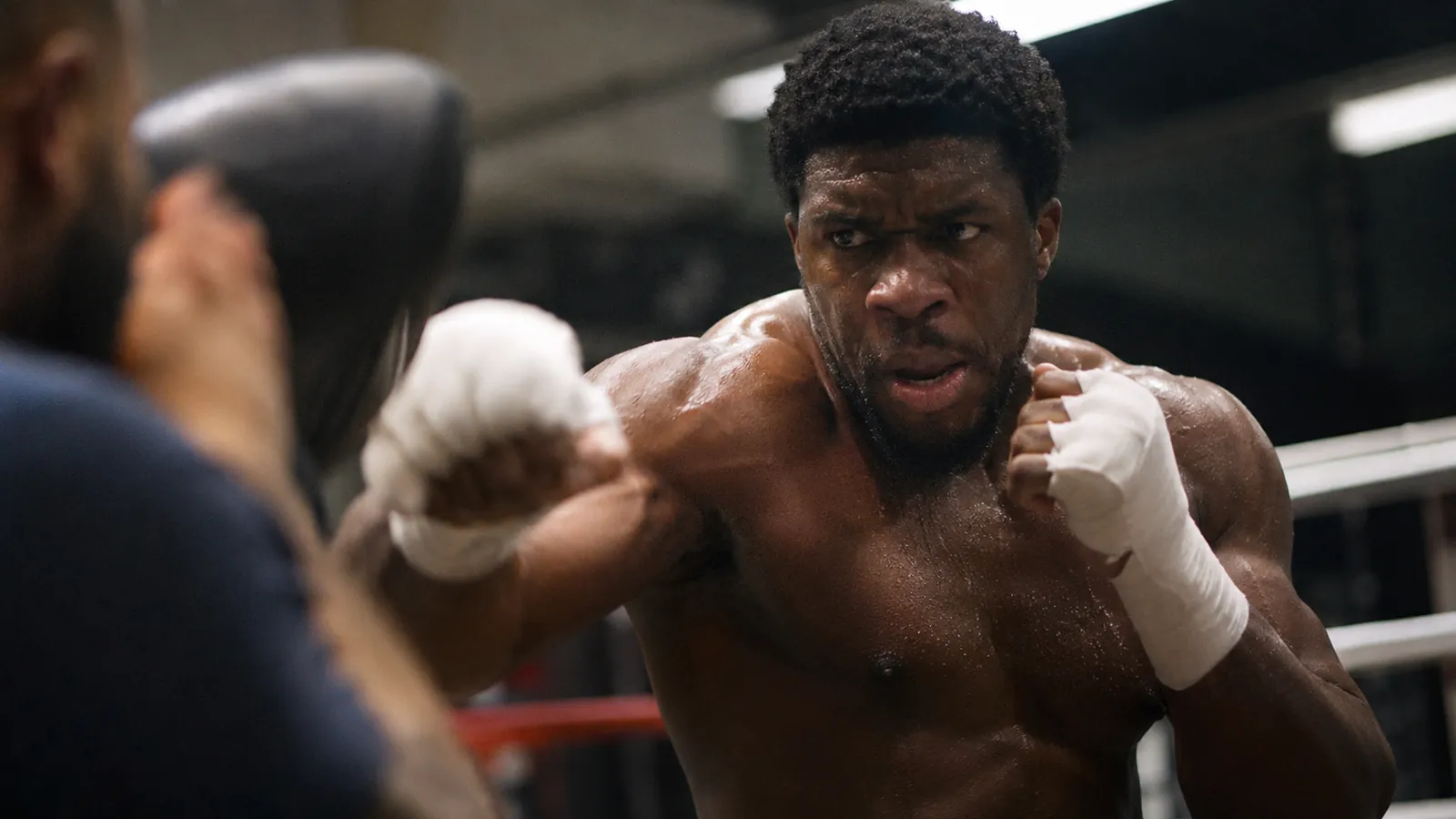
Domestic business should be next
If the injury heals cleanly, Adeleye needs a proper British or European-level fight next. Not another low-risk ten-rounder. At 15-2, with Matchroom backing and an international belt, the time for purely developmental matchmaking has passed.
The domestic route is the obvious one. Britain has enough heavyweights in and around title level to make meaningful fights without pretending Adeleye is ready for the world’s top table. A British-title eliminator, an English-title-level opponent with genuine ambition, or a recognised European contender would make sense.
The key is opponent selection. Adeleye needs somebody who can ask questions beyond durability. A mobile fighter who can make him reset. A rugged pressure fighter who can work inside. Or a taller operator who can take away his preferred range. Those are the rounds that reveal whether his jab, feet and defensive discipline have advanced since the Wardley loss.
He does not need to be thrown straight into a reckless gamble. He does need a contest where winning on points is possible but not automatic.
The full fight highlights are worth watching with that in mind. Adeleye’s physical assets remain obvious. He has a heavy jab, real strength and the kind of frame that can make opponents cautious. The next level depends on whether he can turn those assets into repeatable habits against a fighter who refuses to stand in front of him.
The belt gives Matchroom a direction
Matchroom will see a marketable London heavyweight with a title, a knockout record and an American debut win. That is enough to create opportunities on British cards, particularly if Adeleye returns healthy and looks sharper in his next outing.
The sensible route is not to chase a famous name for the sake of a poster. It is to use the WBA International belt as leverage for fights that improve his standing and answer lingering questions. A British or Commonwealth route may be more meaningful to supporters than a lightly defended international strap. A European-level win would carry more weight again.
There is an argument that Adeleye cannot afford another delay. One recent assessment makes that point forcefully. It is broadly right in career terms, but recovery comes first. Heavyweight boxing is full of fighters who stayed active while injured and returned worse than before.
Adeleye should recover properly, then box a live opponent in a fight that tells us something. If he wins that, the conversation changes. If he does not, the WBA International belt will look like a useful souvenir rather than a launchpad.
What young boxers can take from it
For young boxers training at Honour & Glory, the lesson is not to fight through every injury. Serious pain needs proper attention from coaches and medical professionals. The lesson is about staying composed when a plan changes.
Adeleye could no longer rely on his strongest tools in the same way. He adjusted to what the fight required: distance, jab, patience and round-winning discipline. That is boxing intelligence.
At Honour & Glory’s boxing classes, we work with boxers aged 7+ on those foundations long before hard sparring or competition becomes relevant. A good jab, balanced feet and the ability to think under pressure are not glamorous, but they keep paying dividends when a fight stops going exactly as planned.
Adeleye’s victory over Flores was not perfect. It was better than perfect in one respect: it was honest. The injury limited him, the knockout did not come, yet he remained in control and left with the decision and the belt.
Now comes the more important test. Not whether he can beat another opponent like Flores, but whether he can turn this measured win into a credible domestic or European charge.
H&G Team
Writer at Honour & Glory Boxing Club, a community boxing gym in Kidbrooke, South East London.
KEEP READING
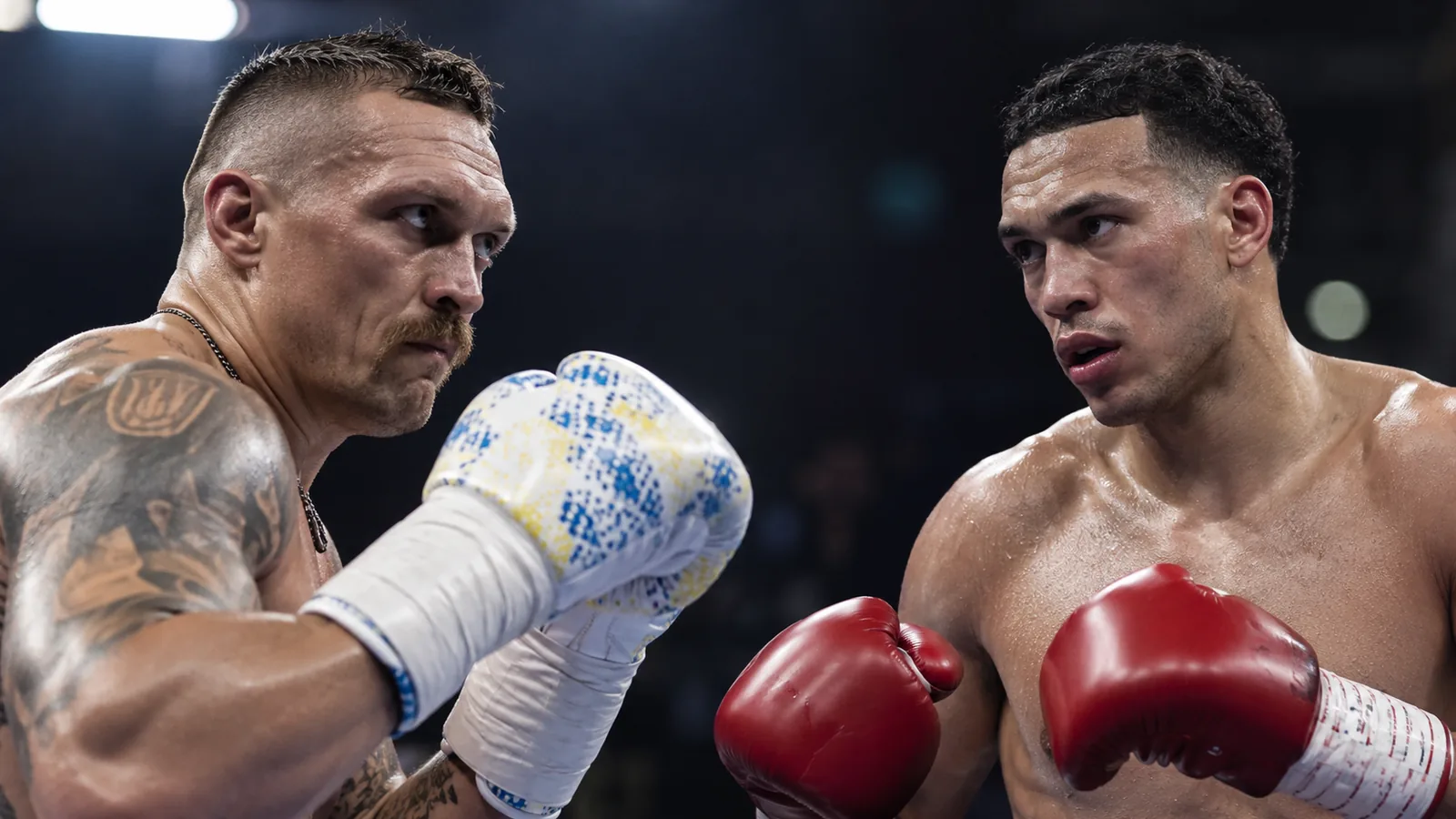
Usyk Wants Benavidez Next: Is Cruiserweight the Real Route?
Usyk is reportedly targeting Benavidez at cruiserweight in 2027, a route that could create a meaningful undisputed fight if both complete key title business.
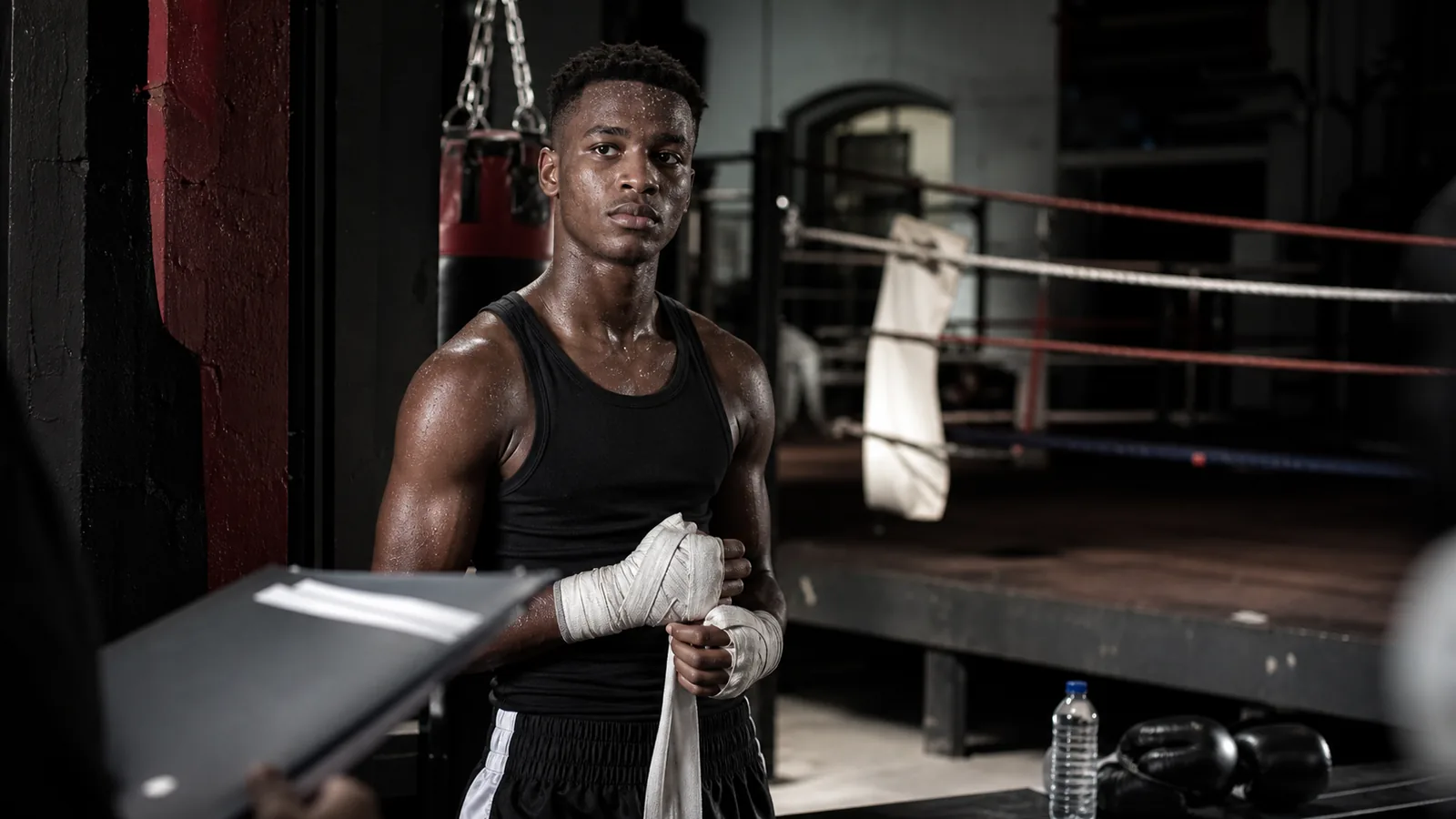
Odel Kamara signing with Matchroom: what a platform can change
A focused look at what a major promotional signing can and cannot do for an amateur standout before his first professional matchmaking test.
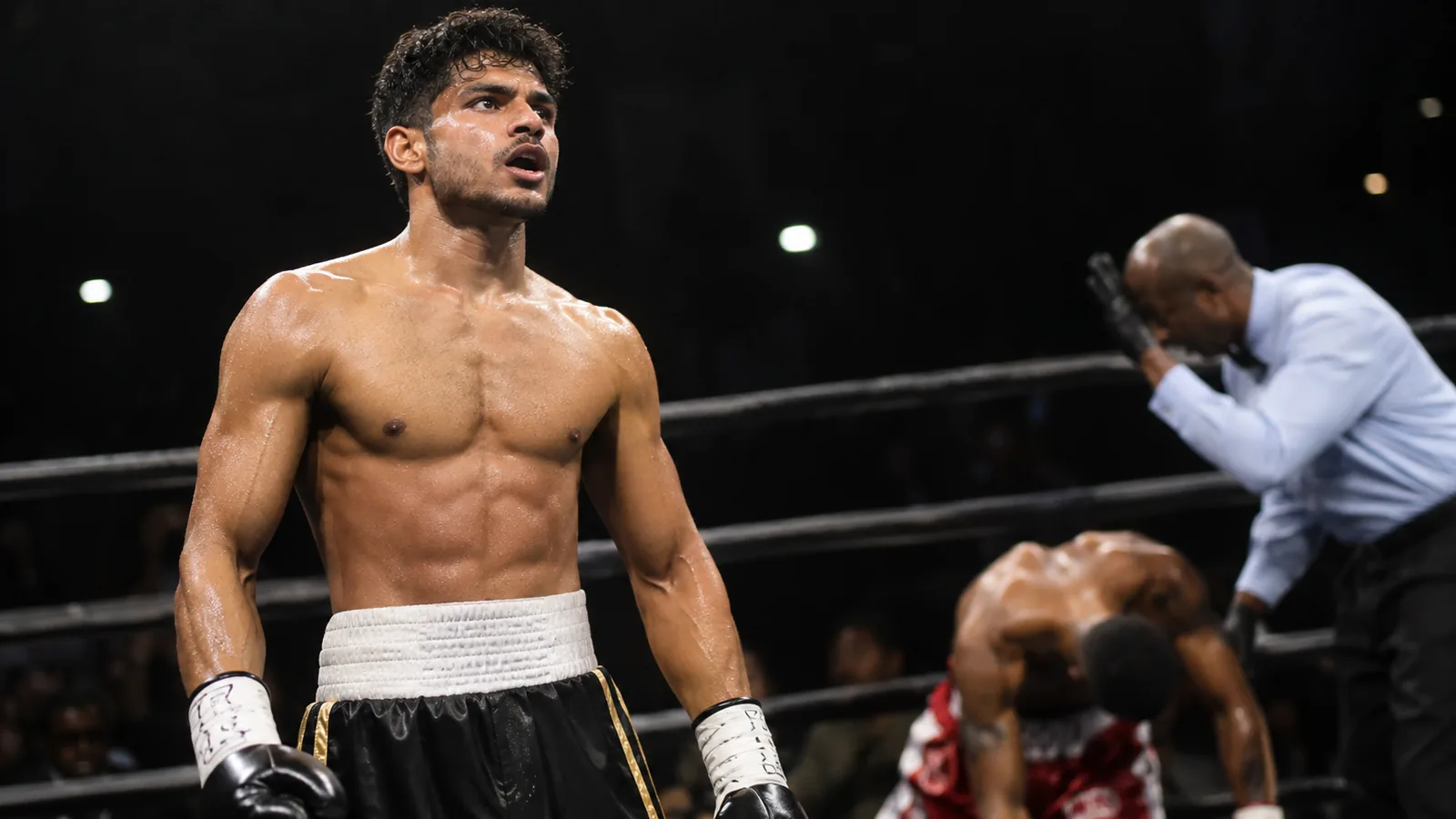
Nishant Dev Stops Sona Akale to Reach 8-0 in Los Angeles
Nishant Dev stopped Sona Akale in the third round to reach 8-0, but the heavily favoured win is a prompt for a tougher eight-round test.
Was this page helpful?
It takes one tap, and it genuinely helps.
Choose your next step
Turn this article into the right action
Some readers are ready to book. Some need the class route first. Pick the route that matches what you actually want.