Claressa Shields vs Kaye Scott: what the middleweight titles mean
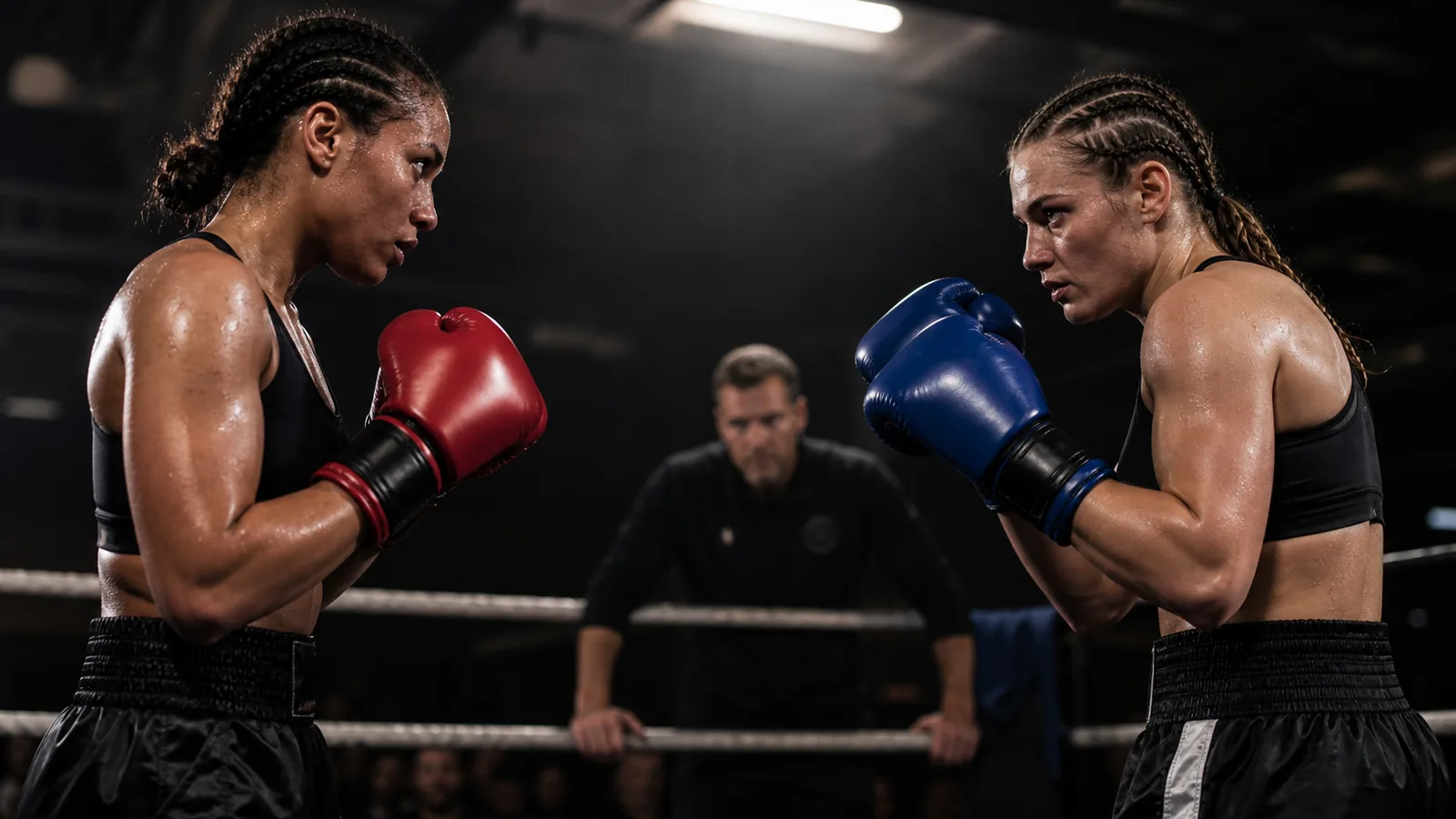
Claressa Shields vs Kaye Scott: the middleweight titles are the whole point
Claressa Shields is usually the fighter carrying the belts into a ring. On Saturday night in Atlanta, she is the challenger. That reversal is more than a nice line for the promotion. It is what makes Shields versus Kaye Scott the strongest immediate championship story on the schedule.
Scott holds the WBC and WBA middleweight titles. Shields, the unbeaten heavyweight champion and former undisputed champion at 160lb, is coming back down to take them. Forbes' event report has the fight at State Farm Arena on Saturday 15 August, with DAZN carrying the card. For UK viewers, the advertised main-event ring walk is around 3am on Sunday morning, although that can move with the undercard, as bet365's viewing guide notes.
This is not an undisputed fight. Desley Robinson holds the IBF and WBO versions of the middleweight title. But that does not make the WBC and WBA pair decorative. Two major belts in one contest create a clear route through the division. The winner leaves with real leverage, a stronger claim on the next fight, and no excuse to drift into a soft voluntary defence.
The betting markets have Shields as an overwhelming favourite. That is fair. But it also misses the part that makes this fight worth watching: Scott has to make a tactical decision that most underdogs do not make. She cannot merely survive the better boxer. She has to defend two belts against a fighter whose reputation is built on solving exactly this sort of problem.
What Scott has in front of her
Scott won the vacant WBC and WBA belts by majority decision over Olivia Curry in December, after their first contest finished as a majority draw. That matters. She did not receive the titles through a paperwork shuffle. She came through a close, hard series and knows what a high-pressure points fight feels like.
Her professional record is modest beside Shields' 18-0, and Scott has no stoppage wins. Yet she also brings a deep amateur background, including international medals, and she has the slightly longer frame. Box.Live's fight page lists Scott as two inches taller, while Shields has banked 153 professional rounds to Scott's 56. That experience gap is enormous, but height is only useful if Scott uses it to make the smaller fighter start again.
Shields is not a reckless walk-forward puncher. She is a sharp, rhythm-breaking boxer who tends to win the first exchange, then win the argument about distance for the rest of the round. Her best work is often done after an opponent has shown the same jab or retreat twice. She reads the pattern, steps into the next one, and lands a clean two or three-punch reply before leaving on an angle.
Scott must deny her that read.
The obvious mistake would be to stand at long range and flick the same jab, hoping reach alone keeps Shields out. Shields has spent her career dealing with educated lead hands. A predictable jab is not a shield. It is a handle for a counterpuncher.
Scott needs a jab with jobs. Jab to the chest to interrupt Shields' feet. Jab to the gloves to occupy the lead hand. Occasionally jab and step right, rather than falling straight back. Then, when Shields dips or tries to close the gap, Scott must put the right hand through the middle or turn her towards the ropes. None of that needs knockout power. It needs commitment and a clear idea of where the next exchange happens.
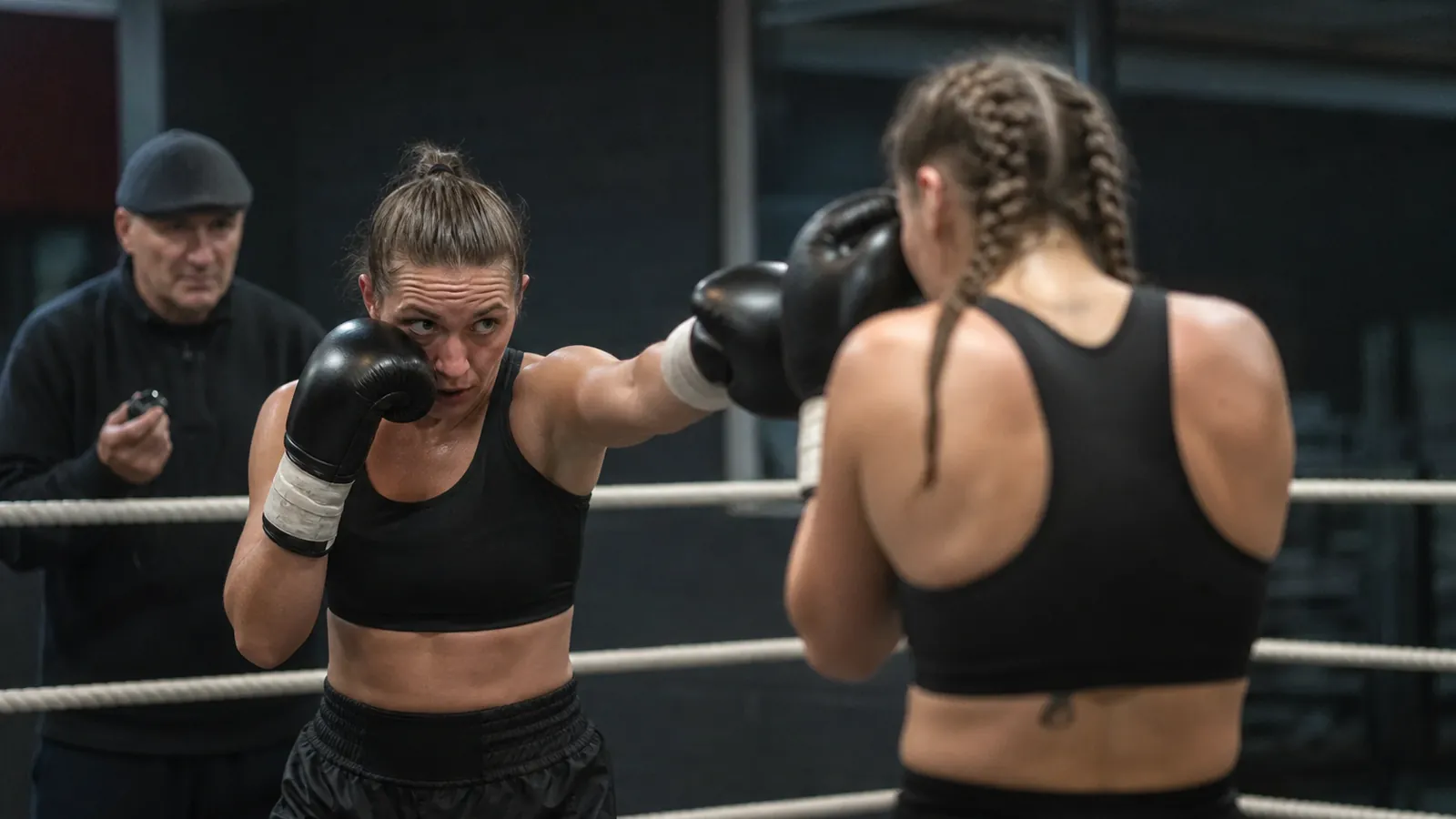
Scott must make the ring feel small
The champion's best chance is not to out-box Shields in open space for ten rounds. That is asking too much. It is to make Shields work for every clean look, make clinches awkward, and make the fight physical without becoming ragged.
There is a difference between pressure and pursuit. Pursuit is following a better boxer around the ring and arriving late. Pressure is taking away exits. Scott should use her lead foot to keep Shields from circling freely, touch the body and arms when the head is unavailable, and place herself close enough that Shields cannot reset in total comfort.
That does not mean lunging. It means walking Shields into decisions. If Shields exits left after a combination, Scott needs the left hook or a firm step across ready. If Shields lowers her level to enter, Scott needs to meet her with the jab and step back only after making contact. If the distance collapses, Scott should tie up intelligently, use her strength, and make the referee separate them rather than donate easy inside scoring.
She also needs to value the early rounds properly. A huge underdog cannot give away the first three rounds while waiting for confidence. Against a fighter as accomplished as Shields, a close fight becomes harder to sell to judges once the challenger has established control. Scott must bank visible, uncomplicated scoring: a jab that lands, a right hand that turns Shields, a clean body shot, then an exit. Make the round easy to remember.
Sports Bet Listings' preview identifies the central physical contrast: Shields is 11 years younger, far more seasoned as a professional, while Scott has a small reach advantage and has been durable. Durability is not enough by itself. It becomes useful only if Scott can make Shields spend energy re-entering and re-establishing range.
Why the weight cut is part of the fight
Shields is returning to middleweight after her last three bouts at heavyweight. She has previously been undisputed at 160lb and says she can make the weight comfortably, but moving down after competing at the top end of the scale always deserves attention.
The question is not whether Shields can make 160lb for the scales. It is whether she can bring the same snap, legs and concentration after making it. A disciplined cut can leave a fighter sharp. A bad one can make the feet a fraction slower and the recovery between exchanges a fraction less certain. At elite level, a fraction is a target.
Scott should test that without gambling on one big punch. She needs a purposeful first half: body jabs, straight shots to the chest, pressure on the ropes and a higher work rate whenever Shields pauses. If Shields looks quick and settled, Scott cannot force a brawl in frustration. If Shields looks flat, Scott must be brave enough to build on it.
That is why this is tactically more interesting than the price suggests. Scott has a narrow route, but it is a real one. It starts with disciplined range control, not a miracle shot.
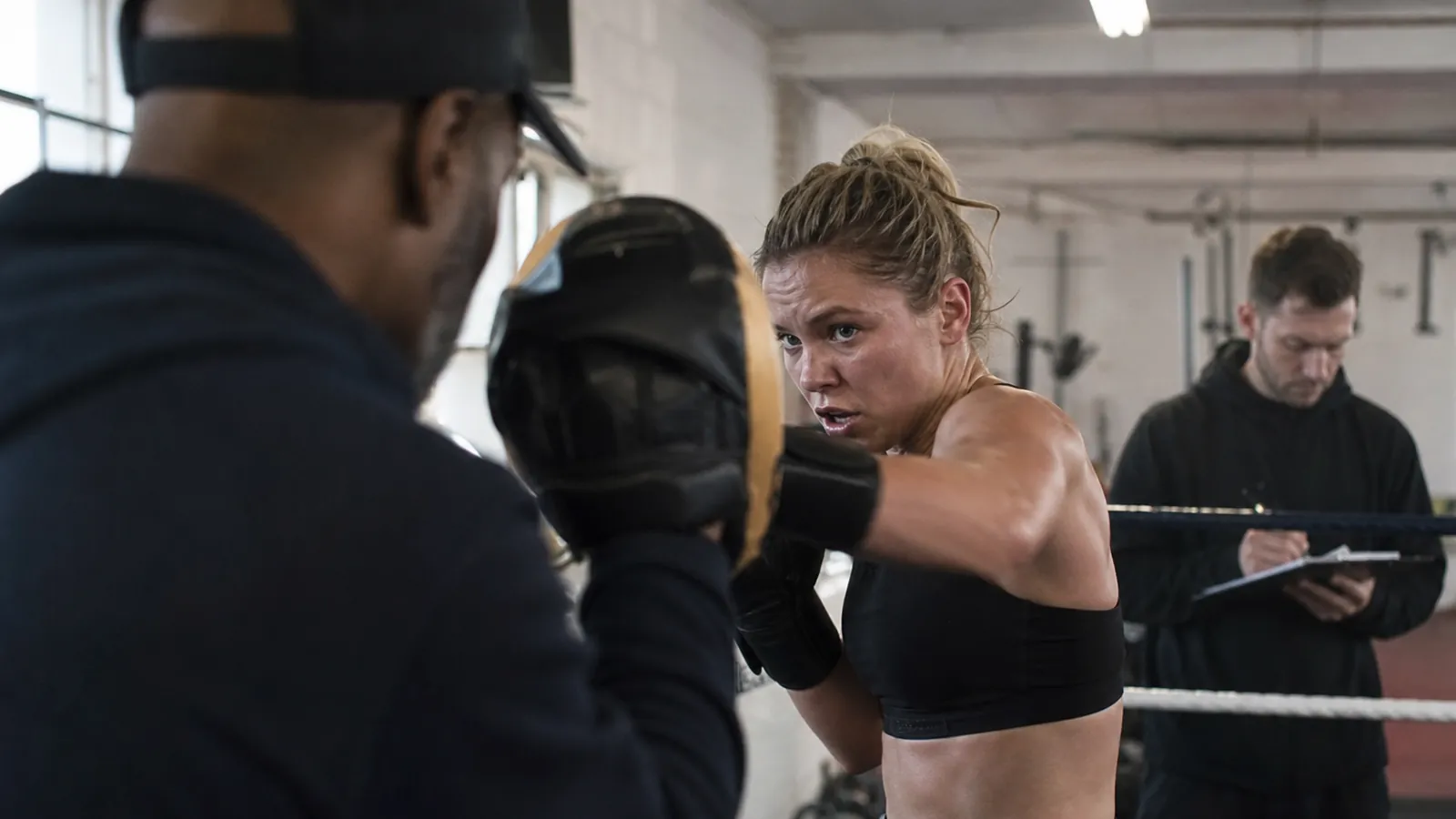
Unified titles change the pressure on both women
One belt can be lost and rebuilt. Two belts concentrate the consequences.
For Scott, the danger is obvious. A defeat would end a remarkable rise from a short professional career to unified champion and hand over two of the four major titles at once. For Shields, the risk is reputational as well as sporting. She is expected to win. If she does, some will say she beat a 42-year-old opponent with five professional wins. If she struggles, the questions about the weight cut and the quality of opposition get louder. If she loses, the route back to middleweight supremacy becomes far more complicated overnight.
That is the cruelty of unified-title fights. The favourite has more to lose than an unbeaten record. She has a legacy argument on the line. The champion has more to lose than one title. She has the division's centre of gravity.
The upside is equally clear. A Shields win would give her the WBC and WBA belts and put the Robinson-held IBF and WBO titles directly in view. It would turn talk of another undisputed run into a practical piece of matchmaking. A Scott upset would do the opposite. She would become the fighter holding the two most marketable belts after beating the sport's biggest name, with every champion and promoter obliged to take her seriously.
Boxing News' schedule report calls this a unified middleweight title fight, which is the correct frame. It is not a routine Shields appearance with straps added to the poster. It is a fight about who controls the next chapter at 160lb.
The verdict
Shields should win. Her ring craft, punch selection, conditioning history and experience of elite nights make her the clear pick. Expect her to take a few rounds to find the right distance, then use feints, quick counters and compact combinations to pull Scott out of position. A clear decision is more likely than a stoppage.
But Scott should not try to prove she belongs by boxing beautifully at Shields' preferred pace. She belongs because she owns the belts. Her responsibility is to defend them with intent: disrupt the jab rhythm, keep the fight physical, score early, make Shields reset and refuse to donate long, clean exchanges.
The best championship fights tell you something before the first bell. Shields versus Scott tells us that the middleweight division has a live route forward. Two major belts are in the ring. The winner will have a real claim on the next unification, and the loser will have to rethink more than a single bad night.
That is pressure worth watching.
For young boxers and adults learning the sport in Kidbrooke, the lesson is not to copy a world champion's style. It is to understand the problem in front of you. Good boxing starts with range, timing and composure. If you want to learn those foundations in a proper club environment, book a free trial at Honour & Glory Boxing Club.
H&G Team
Writer at Honour & Glory Boxing Club, a community boxing gym in Kidbrooke, South East London.
KEEP READING
Claressa Shields’ comments backlash: when champions close the room
A focused look at the pressure on elite fighters to engage publicly, and why switching off comments can intensify rather than settle a boxing debate.
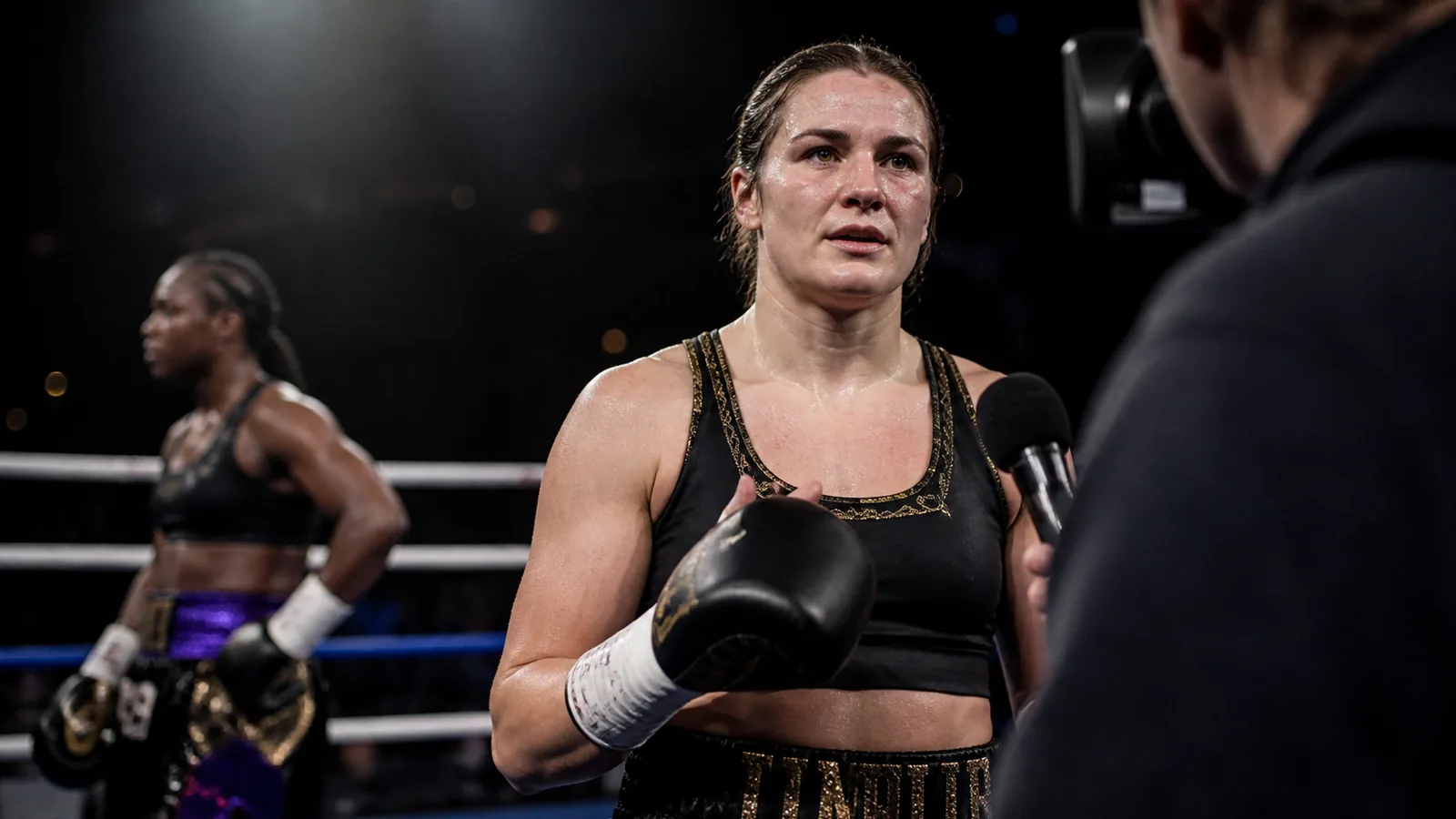
Katie Taylor answers Claressa Shields pound-for-pound debate
Taylor’s response gives the women’s pound-for-pound argument a timely, fighter-led hook rather than another abstract ranking debate.
WBO orders Sheeraz vs Janibek: what a title fight would settle
A mandatory order turns middleweight speculation into a defined route. Explain what a 20-day negotiation window means, why the belt matters and the contrast in their styles without treating a fight as signed until contracts are confirmed.
Was this page helpful?
It takes one tap, and it genuinely helps.
Choose your next step
Turn this article into the right action
Some readers are ready to book. Some need the class route first. Pick the route that matches what you actually want.