Chris Billam-Smith vs Cheavon Clarke: what the face-off reveals
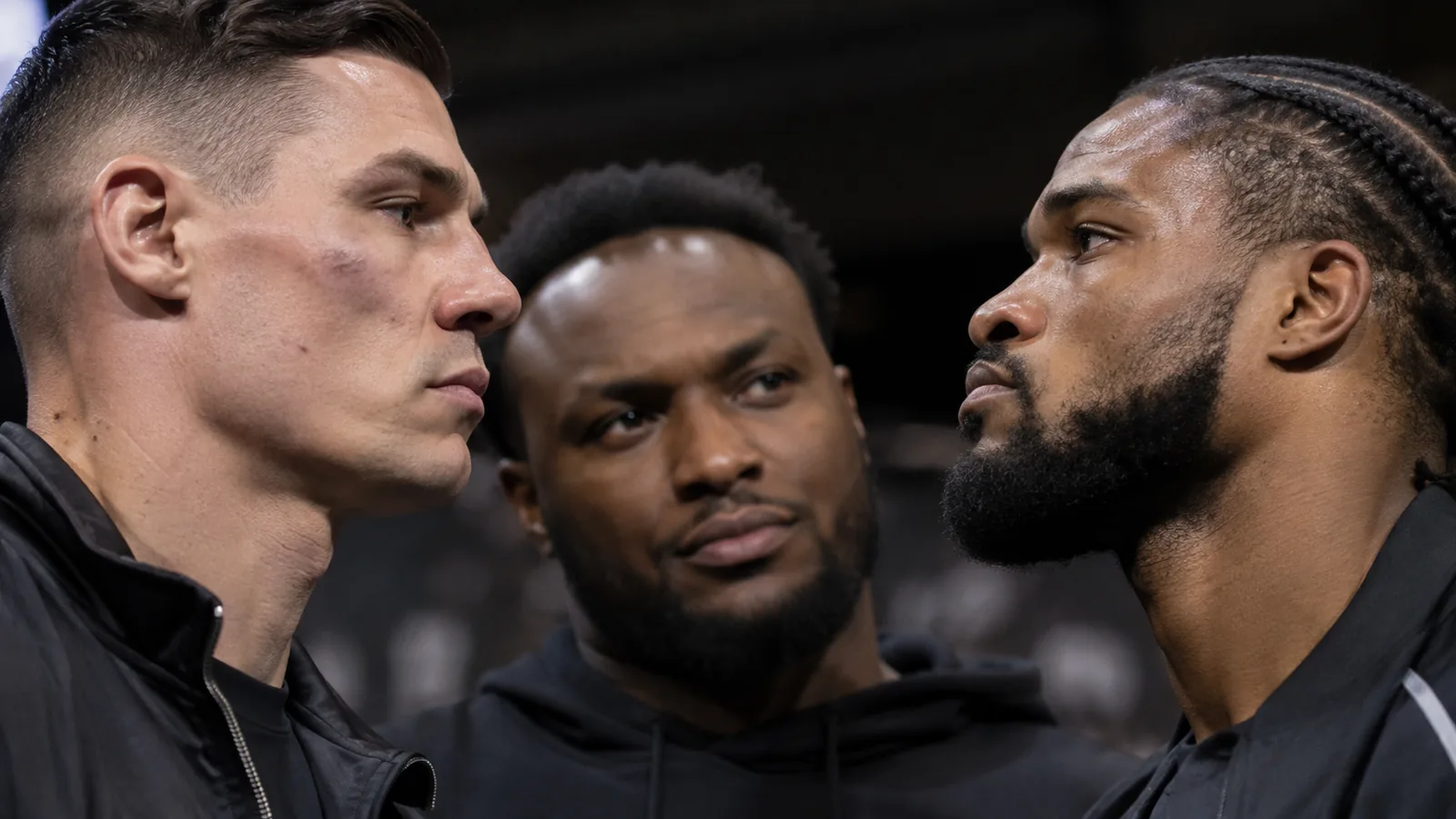
Chris Billam-Smith vs Cheavon Clarke: what the face-off reveals
Chris Billam-Smith and Cheavon Clarke did not need a shouting match at the face-off to sell this fight. The history, the recent form and the contrast in styles have already done that job.
On Saturday 7 November, they meet at London’s Copper Box Arena in the main event of Zuffa Boxing 12, live on Sky Sports. It is an all-British cruiserweight fight with proper consequences. Billam-Smith is a former world champion trying to force his way back to the top table. Clarke is the explosive athlete, British champion by his ninth professional outing, trying to prove that his rise is not merely based on potential.
Their first meeting as amateurs adds another layer. Clarke beat Billam-Smith in the 2016 national elite championship final, ending Billam-Smith’s Team GB hopes. It was a meaningful result, but this is not an amateur rematch. It is a 12-round professional cruiserweight contest between two men who have taken very different routes to this point.
The face-off made that clear. Clarke looked composed and assured, talking as a man who believes he is ready to take the established name. Billam-Smith looked equally settled. There was no need for him to perform aggression. He has been through fights where the pressure is real, the shots are heavy and the rounds are draining. He knows exactly what a difficult night looks like.
That is why this is more than a question of who is stronger, faster or more naturally gifted. The central question is whether Clarke’s athleticism can hold up against Billam-Smith’s championship-level experience and relentless pressure.
Clarke has the physical tools to change the fight quickly
Clarke is not short of confidence, nor should he be. He is powerful, quick for a cruiserweight and capable of producing the sort of sharp, sudden attacks that alter a round in seconds. His win over Jack Massey in June was the clearest reminder of his upside. Clarke was down twice, then recovered to stop a tough and experienced domestic operator.
That is not a minor detail. A fighter who has never been hurt has not been tested. Clarke was hurt, had to make decisions under pressure, and still found a way to turn the fight around. It showed steel as well as athletic ability.
The official fight build-up rightly frames that victory as the moment Clarke pushed himself towards the upper levels of the division. Read the Sky Sports fight guide and the ambition is obvious: Clarke is not treating Billam-Smith as a useful name on the record. He sees him as the route to a career-defining position.
Clarke’s own language has been revealing. He called Billam-Smith “the bull”, then warned that “they get tamed” in his Sky Sports interview. It is a good line, but it also identifies the problem accurately.
Billam-Smith is not difficult because he is prettier than everyone else. He is difficult because he keeps arriving. He accepts exchanges. He is willing to make the ring uncomfortable. He can lose moments and still win the fight because he makes opponents work every second.
For Clarke, the winning plan cannot simply be to wait for a clean counter or hope his speed is enough. He must make Billam-Smith respect him early, control the range with his jab and hold his discipline when Billam-Smith begins to crowd him. His best work will come when he is balanced, punching in short bursts and exiting at an angle rather than trading for the sake of it.
That sounds straightforward. It rarely is when Billam-Smith is walking forwards and forcing a fight.
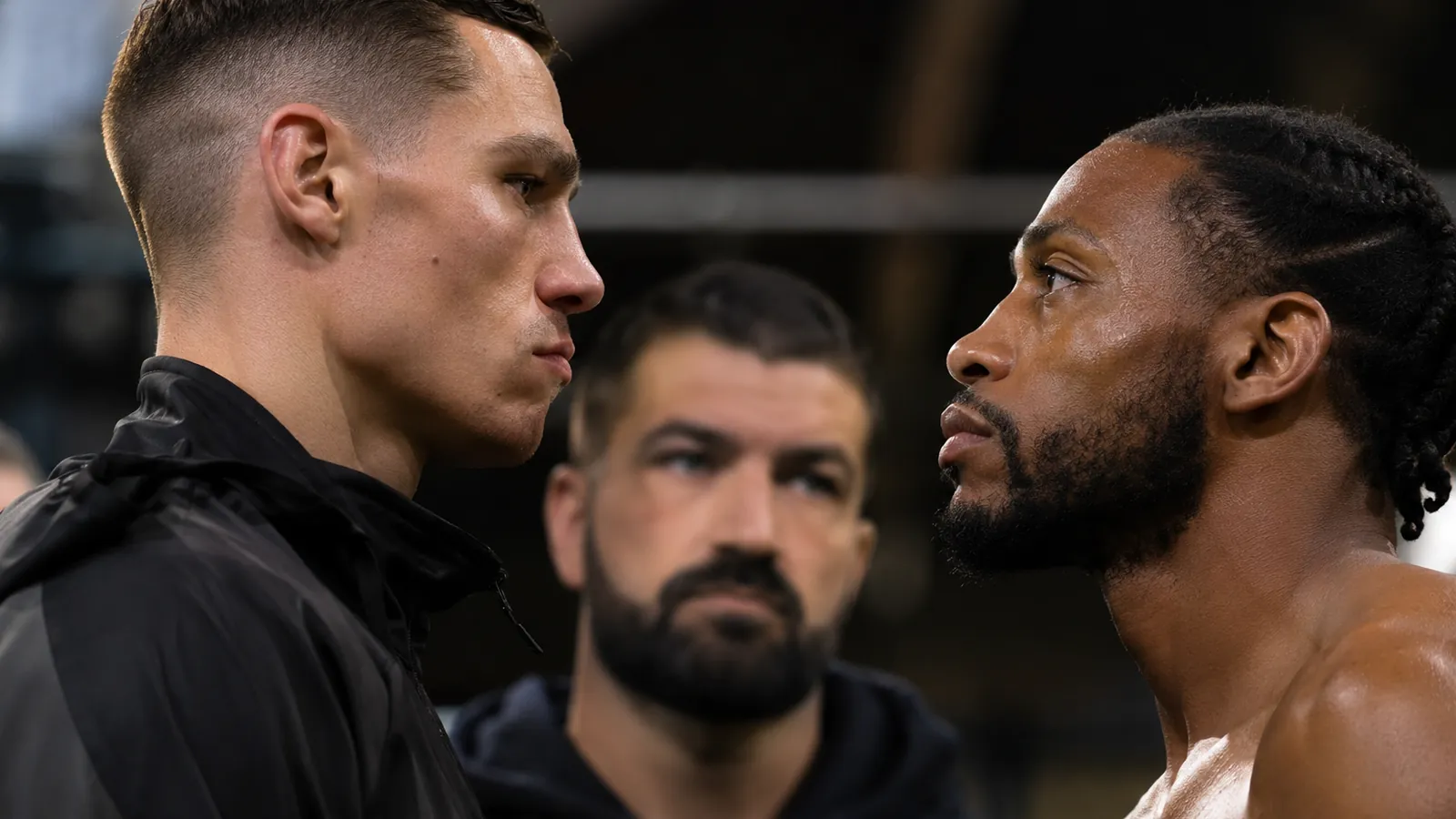
Billam-Smith brings the kind of experience that cannot be faked
Billam-Smith has already occupied the position Clarke wants. He won the WBO cruiserweight title against Lawrence Okolie in Bournemouth, defended it against Mateusz Masternak, and went 12 hard rounds with Richard Riakporhe in an unsuccessful unification fight. That is championship experience, not simply a good domestic record.
His last performance against Ryan Rozicki was another measure of his character. Billam-Smith took punishment, gave punishment and forced Rozicki’s corner to pull their man out after seven exhausting rounds. Sky described it as a fight of the year contender, and it was the sort of brutal contest that teaches a fighter exactly where his limits are.
There is a cost to those fights, of course. Billam-Smith has had hard miles. His defence can be available and he can be caught early as he works his way into range. Clarke has enough speed and force to punish a slow start.
But experience is not just the number of rounds on a record. It is understanding when a fight is slipping, how to buy time, how to use the clinch, how to turn a man, and how to keep making a younger fighter answer questions after the easy confidence has gone.
That is where Billam-Smith is ahead. He has had his game plans tested by world-level opposition. Clarke has overcome adversity, but this is a different kind of examination. A one-punch comeback against Massey is not the same as having to sustain judgement, energy and composure through 36 minutes against a former world champion determined to drag you into a fight.
Viddal Riley sees the gap, and the opportunity
Viddal Riley’s assessment of the match-up has been sensible because it does not reduce the contest to an old hand against a prospect. Clarke is no ordinary prospect. He is a strong, high-level athlete with amateur pedigree, explosive power and the confidence of a man who believes he has already beaten Billam-Smith once.
Yet Riley’s key point is the one that matters most: Billam-Smith has operated at a level Clarke has not reached professionally. That does not mean Clarke cannot win. It means he must prove that his talent remains effective when the fight becomes ugly, tiring and tactical.
The Boxing News preview reflects why the contest is difficult to call. Clarke’s physical advantages are real. Billam-Smith’s résumé is superior. The odds have moved around the possibility of a changing of the guard, as outlined by Sports Bet Listings, but betting markets do not throw punches in the ninth round.
Riley knows the cruiserweight division well enough to recognise the distinction between looking dangerous and being able to impose danger when an opponent has taken your best spell. Clarke may win the early rounds with speed and cleaner shots. He may even hurt Billam-Smith. The fight will then be decided by what happens next.
Can he stay patient? Can he resist standing still on the ropes? Can he keep his output high without becoming square? Can he cope with Billam-Smith’s physicality in the clinch and his willingness to throw when most fighters would reset?
Those are the questions a face-off cannot answer. The body language can only hint at them.
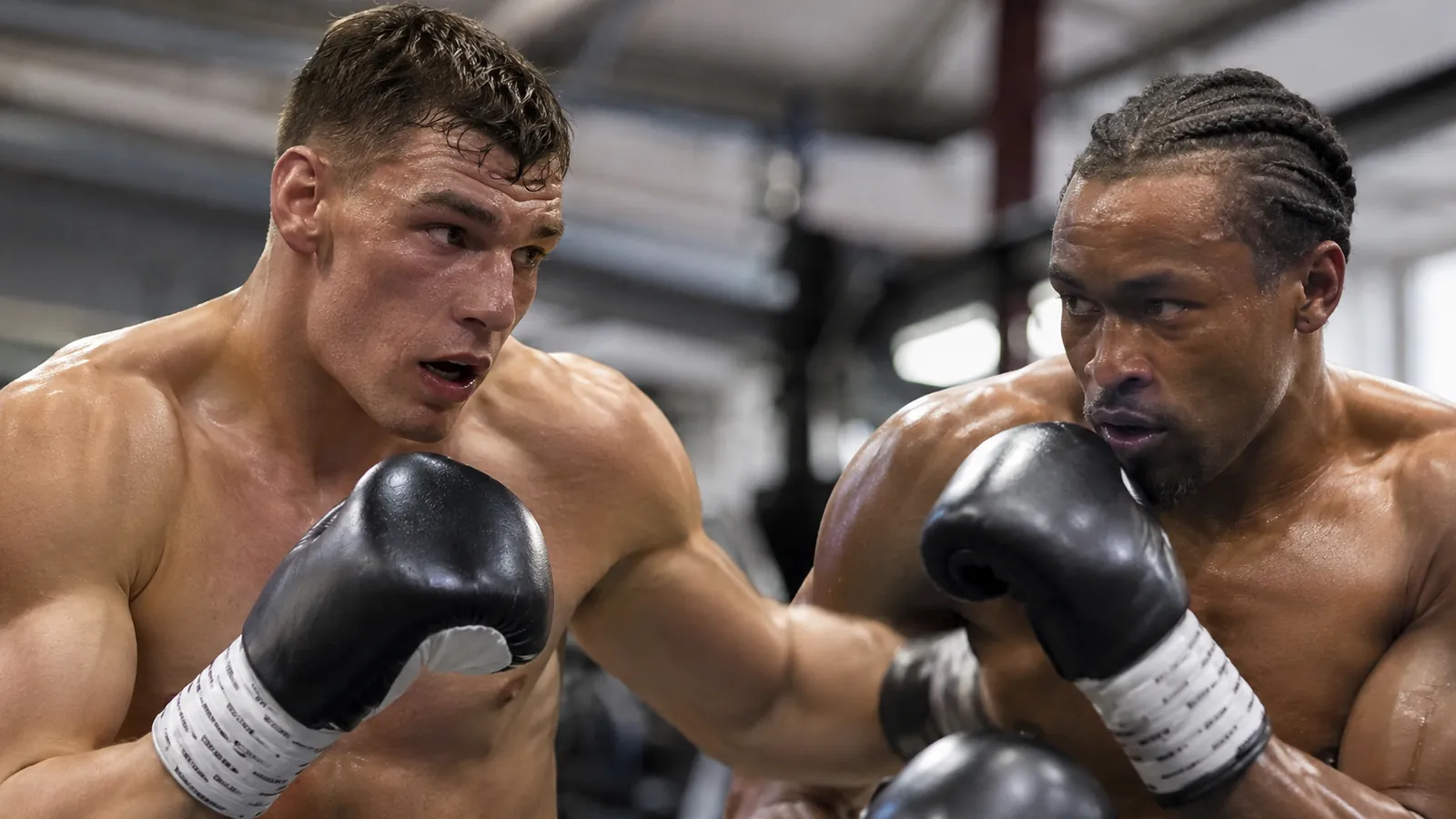
The amateur result matters, but not in the way people think
Clarke’s amateur win over Billam-Smith will be mentioned all week, and it should be. It is part of the story. It also gives Clarke proof that he has been in the ring with this opponent and succeeded.
But relying too heavily on it would be a mistake.
Amateur boxing rewards speed, clean scoring shots and short-burst decision-making. Professional boxing, particularly at cruiserweight, rewards the ability to impose a rhythm over long rounds. Billam-Smith’s career has been built in that harsher environment. He has learned to use the body, lean on opponents, make them carry weight and keep coming after absorbing shots.
Clarke is now a different fighter too. He is physically mature, more settled and more capable of sitting down on his punches. His victory over Massey showed that he can dig deep. The Ring Magazine report is telling in its wording: Clarke hopes to grind out the win. That is the right mindset. He cannot expect an easy night against Billam-Smith.
The verdict: Clarke can win, but Billam-Smith remains the safer pick
Clarke has the athletic edge. He is quicker, fresher and capable of landing the sort of right hand or left hook that makes a veteran suddenly look old. If he starts sharply, attacks Billam-Smith’s body and does not allow the favourite to establish his pressure, he can win a decision or force a late stoppage.
But Billam-Smith is the more proven fighter in hard, meaningful contests. He knows how to win when everything is not going his way. That matters enormously.
My view is that Clarke will have real success in the opening half of the fight. He will land the cleaner punches and give Billam-Smith problems with his movement and speed. But Billam-Smith’s pressure should gradually reduce the space available. From the middle rounds onwards, his volume, body work and willingness to trade could begin to turn the fight.
Billam-Smith by late stoppage or close decision is the pick. Clarke is dangerous enough to make that prediction look foolish, which is precisely why this is one of the best British fights of the autumn.
For young boxers watching in Kidbrooke, there is a useful lesson in it. Athleticism opens doors, but conditioning, composure and the ability to keep thinking under pressure decide big fights. Those are skills built session by session, not found during a face-off. Honour & Glory’s boxing classes for ages 7+ are built around that same principle: learn the basics properly, then learn how to apply them when the pace rises.
H&G Team
Writer at Honour & Glory Boxing Club, a community boxing gym in Kidbrooke, South East London.
KEEP READING

Billam-Smith vs Rozicki: UK Cruiserweight Fight Guide
A UK-focused preview of Chris Billam-Smith's Bournemouth return against Ryan Rozicki, framed around what club boxers can learn from pressure fighting, body work, pacing and handling a heavy-handed opponent.

Jack Massey vs Chev Clarke: cruiserweight lessons
Chev Clarke climbed off the canvas twice to stop Jack Massey. The full fight is a useful lesson in pressure, recovery, tempo and why domestic boxing can be brutal education.

Smith vs Puello: fight-week guide
A fight-week guide to Smith vs Puello, covering the styles, title stakes and UK viewing information for the Sheffield contest.
Was this page helpful?
It takes one tap, and it genuinely helps.
Choose your next step
Turn this article into the right action
Some readers are ready to book. Some need the class route first. Pick the route that matches what you actually want.