Jack Massey vs Chev Clarke: cruiserweight lessons
Jack Massey vs Chev Clarke: cruiserweight lessons
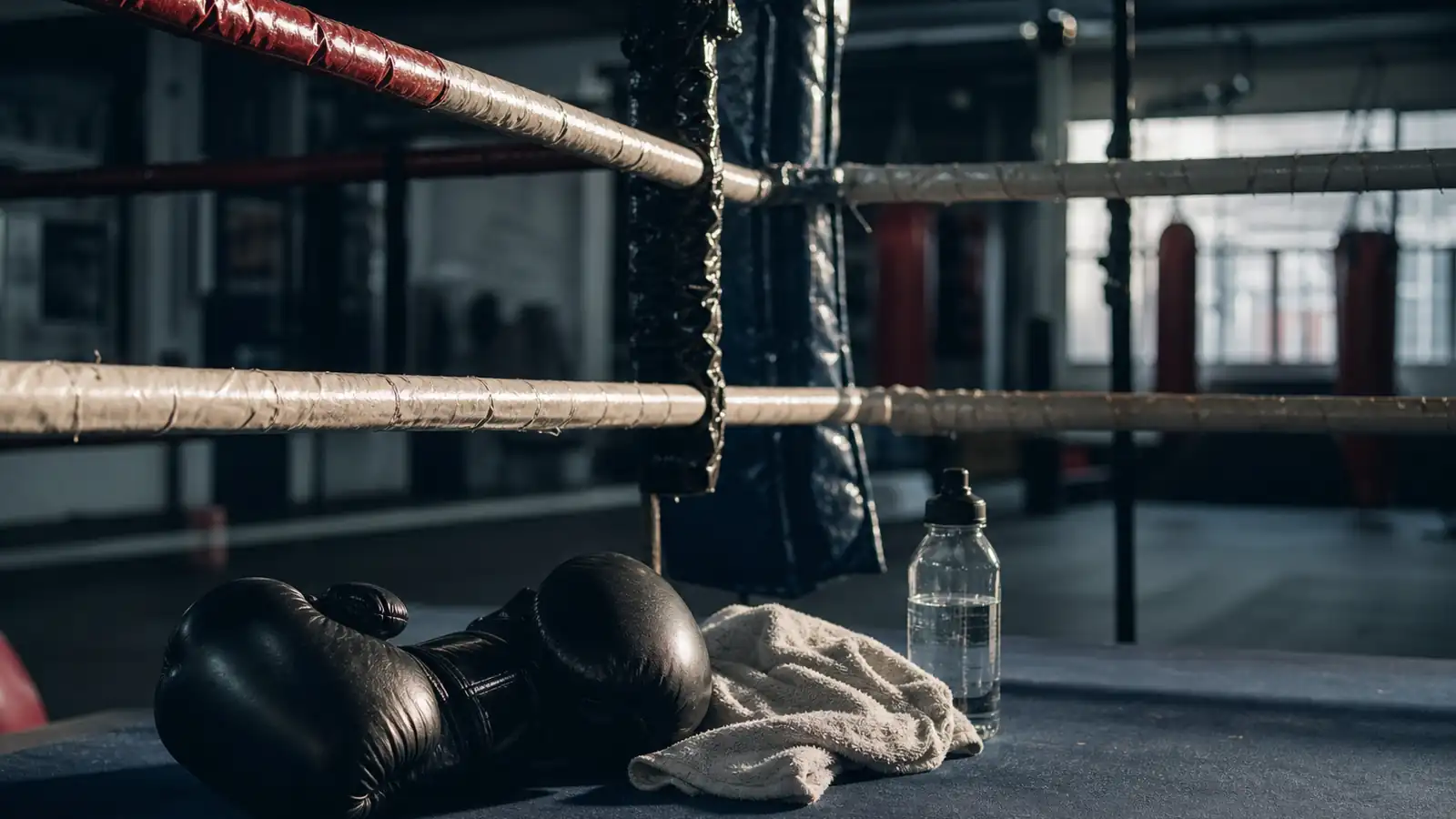
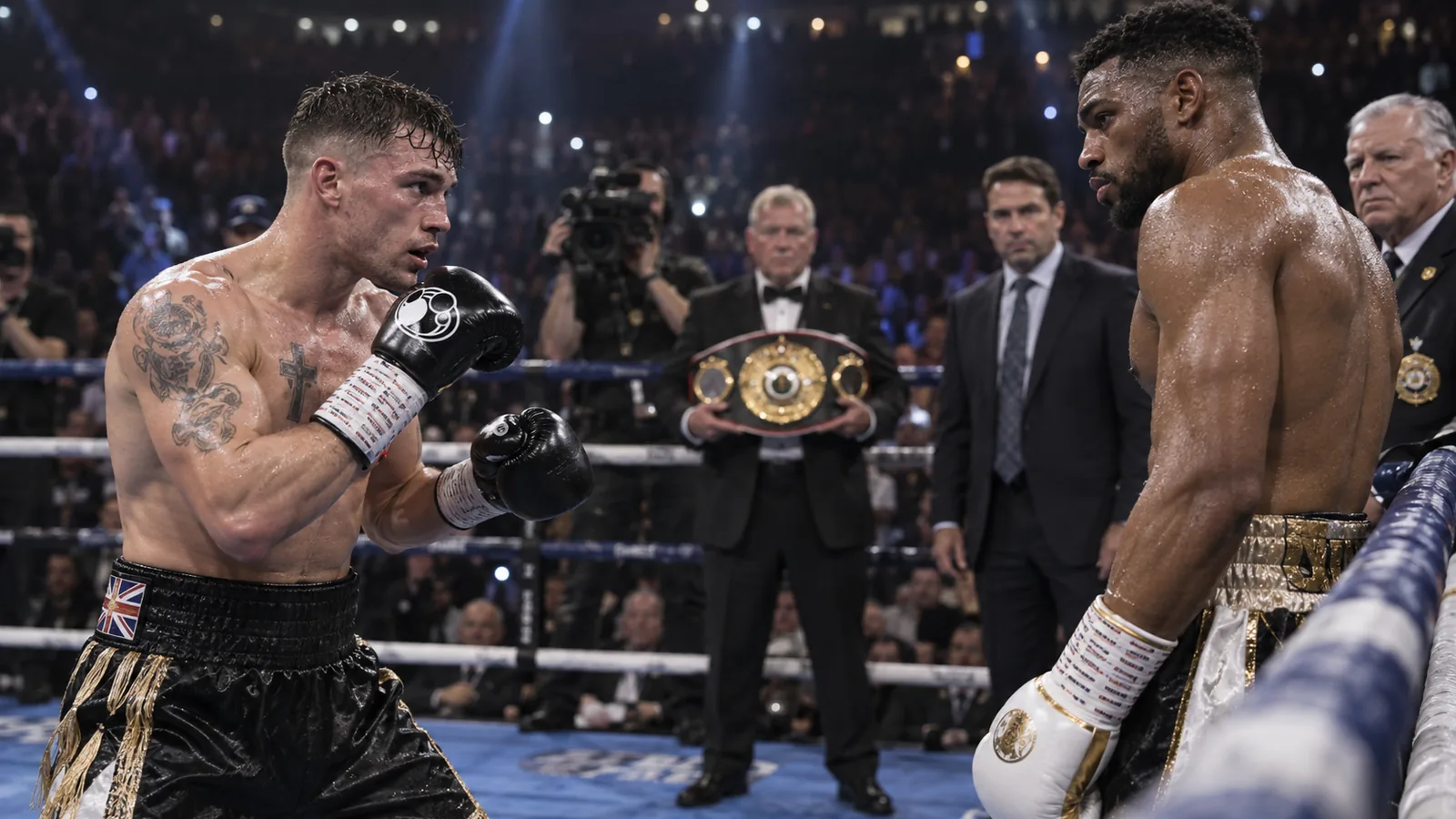
Chev Clarke being dropped twice and still stopping Jack Massey is exactly the sort of fight that deserves more than a results line.
On paper, it reads like a wild domestic cruiserweight finish. In practice, it is a useful piece of boxing education. It shows what pressure does when it is applied by someone who can keep thinking. It shows what knockdowns do and do not mean. It shows why a fighter can look in trouble, survive the worst patch, and then take control because his structure, pace and belief hold up better over time.
Sky Sports called it an extraordinary fight as Clarke recovered from two knockdowns to stop Massey. The full fight upload gives young boxers something better than a highlight clip: enough rounds to see the pattern change.
Knockdowns are information, not the whole story
The obvious headline is that Clarke was down twice. That matters. A knockdown changes the score, changes the mood, and tells both corners something real about timing, balance and danger.
But a knockdown is not always proof that one fighter has solved the other. Sometimes it is a clean shot from good positioning. Sometimes it is a mistake punished at the right second. Sometimes it is a fighter being slightly square, slightly lazy on the exit, or trying to reset with his head still on the centre line.
The important question is what happens next.
A developing boxer should watch Clarke after the knockdowns, not just the punch that put him down. Does he panic? Does he rush to win the moment back? Does he start loading up? The useful part is that he keeps enough order to stay in the fight. That is a hard skill. Fighters are told to be brave, but bravery without shape is just a faster way to get hit again.
At H&G classes, this is why coaches keep coming back to basics after mistakes: stance, guard, eyes, breathing, feet. Not because basics are pretty. Because basics are what you need when the fight gets ugly.
Massey's pressure made Clarke prove himself
Massey's part in the fight should not be reduced to being the man who got stopped. He created the crisis. He forced Clarke into moments where the cleaner boxer had to show whether he could operate under proper domestic pressure.
Good pressure is not just walking forward. It is taking away comfortable decisions. It asks repeated questions:
- Can you punch when I am still there after the first exchange?
- Can you reset without giving ground for free?
- Can you keep your feet under you when I make the fight physical?
- Can you stay calm when a clean shot has already landed?
That is why this fight is more useful than a one-sided display. Fighters learn from dominance, but they learn more from resistance. Massey gave Clarke resistance. He made him work through the sort of stress that does not show up in pad clips.
There is also a lesson for anyone who likes the idea of pressure fighting: pressure has to be managed. If the front-foot fighter spends too much energy forcing moments, he has to make those moments count. If the opponent survives and starts timing the entries, the fight can swing quickly.
Tempo changes win hard fights
One of the biggest lessons from the fight is tempo.
At cruiserweight, one exchange can change everything. That makes fighters want to throw heavy every time they get close. But the better skill is knowing when to press, when to hold shape, and when to make the other man work without giving him a clean target.
Clarke's recovery was not only about toughness. It was about finding a rhythm after bad moments. He had to stop Massey from fighting at the same emotional speed all night. When a fighter has hurt you, he wants the next exchange to feel like a continuation of that success. He wants the same pressure, the same mistake, the same opening.
The recovering fighter has to break that rhythm.
That might mean a harder jab. It might mean stepping off before punching. It might mean clinching once, turning once, or making the opponent reset his feet. None of that looks heroic in a short clip, but it is how fights are rescued.
For amateurs, this is one of the most important lessons. After getting caught, do not immediately try to prove that the punch did not hurt. Prove that your boxing brain still works.
Distance is not just long range
People often talk about distance as if it only means staying outside. This fight is a reminder that distance exists at every range.
There is distance at the end of the jab. There is distance in the pocket. There is distance on the shoulder. There is distance after you punch, when your feet decide whether you are safe or still available.
Massey had success when he could make the fight happen on terms that suited his pressure. Clarke's job was to change the distance without switching off. That is a difficult balance. If you move too much, you give up ground and confidence. If you stand too long, you invite another exchange when the other man is already warm.
The best fighters do not just move away. They make small adjustments that change the next punch by a few inches. A head off line. A half step. A frame. A turn. A jab that interrupts rather than scores clean.
That is why domestic fights like this are useful for club boxers. The lesson is not a flashy combination. It is the boring detail that keeps you in position long enough to win the next minute.
The stoppage came from accumulation and authority
A comeback stoppage is rarely one magic punch. It is usually the result of a fighter getting back to order, forcing the opponent to spend energy, and then landing with more authority as the other man starts to lose shape.
Sky's report says Clarke recovered from two knockdowns to stop Massey after a cruiserweight thriller in Bournemouth. That phrase matters: recovered first, stopped him later. Recovery was not a passive act. It was part of the win.
For young fighters, the lesson is simple but uncomfortable: you cannot build your whole identity around looking comfortable. Good opponents will make you look wrong at some point. They will hit you. They will make you miss. They will put you in rounds where the plan feels thin.
The difference is what you have left after that.
Clarke had enough left to keep working. Massey had done serious damage, but he had not removed Clarke's ability to make decisions. Once Clarke had his decisions back, the fight changed.
What boxers should take from it
Do not watch this fight only for drama. Watch it with a notepad.
Look at what happens after clean shots. Look at who resets first. Look at whether the fighter under pressure exits in a straight line or changes the angle. Look at how often pressure is built from feet rather than emotion. Look at when each man gets greedy.
The practical takeaways are clear:
- A knockdown is serious, but the next thirty seconds show the real level of composure.
- Pressure only works if it keeps structure behind it.
- Recovery is an active skill, not just a chin test.
- Tempo changes can stop a bad round becoming a lost fight.
- Distance matters just as much after you punch as before you punch.
That is why Massey vs Clarke is a better story than a normal undercard note. It had action, but it also had substance. For anyone learning to box properly, that is the valuable bit.
H&G Team
Writer at Honour & Glory Boxing Club, a community boxing gym in Kidbrooke, South East London.
KEEP READING
'FIGHT ME OR VACATE!' Jack Catterall CALLS OUT Teofimo Lopez for WBA
Explain why this title-vacancy story matters beyond belt paperwork: mandatory routes, divisional politics, fighter leverage, and what fans should watch next.
Billam-Smith vs Rozicki: UK Cruiserweight Fight Guide
A UK-focused preview of Chris Billam-Smith's Bournemouth return against Ryan Rozicki, framed around what club boxers can learn from pressure fighting, body work, pacing and handling a heavy-handed opponent.
Benavidez vs Opetaia: Why Weight Class Still Matters
Use the current debate to explain why a compelling name matchup is not automatically a sensible fight when one boxer’s stated weight-class direction points elsewhere.
Was this page helpful?
It takes one tap, and it genuinely helps.
Choose your next step
Turn this article into the right action
Some readers are ready to book. Some need the class route first. Pick the route that matches what you actually want.