Concussion in Boxing: Head Injury Symptoms, Red Flags and Return to Sport
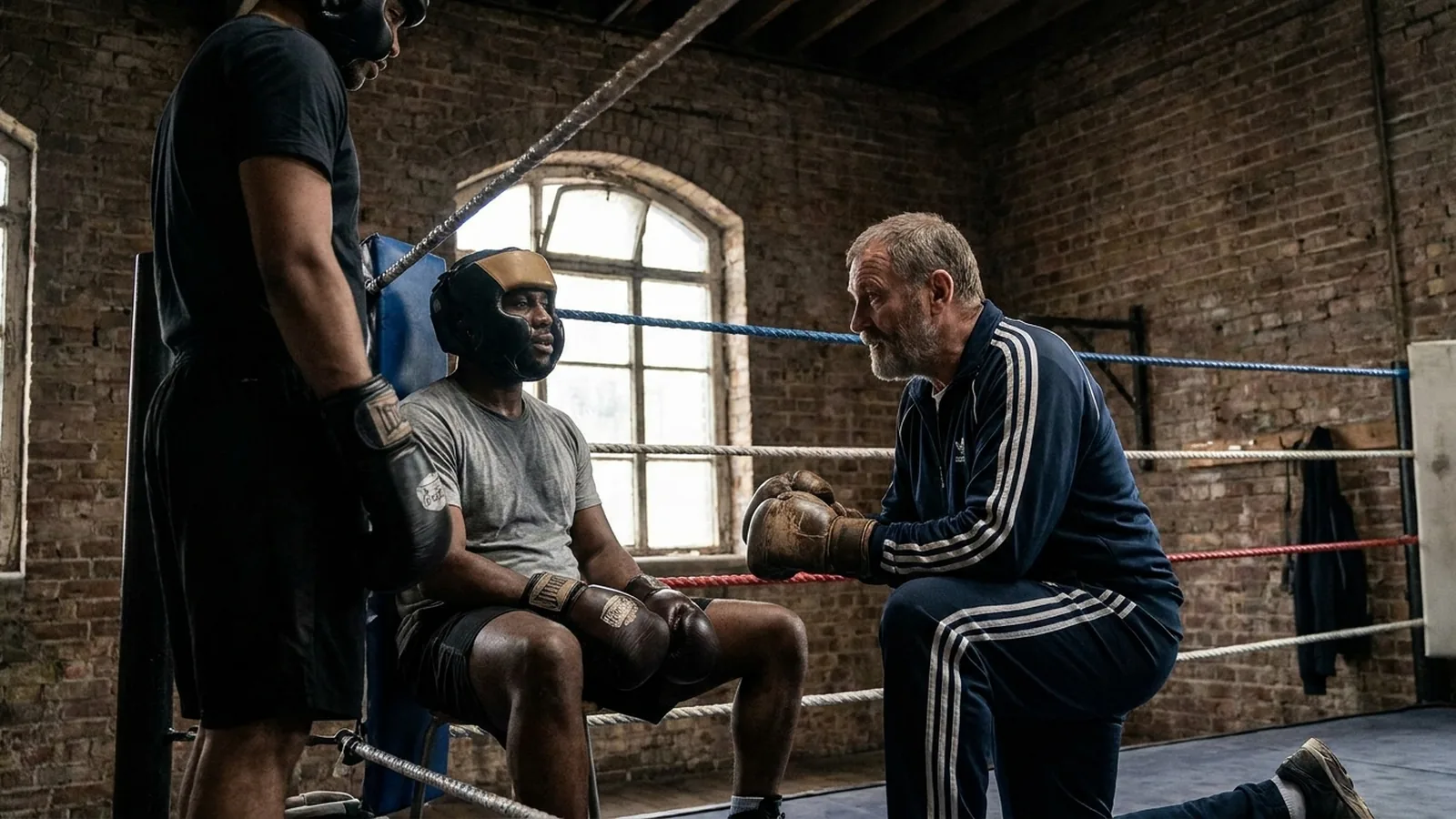
Concussion is the boxing injury where the rule has to be boring and absolute.
If a boxer is dazed, confused, dizzy, sick, unusually emotional, slow to answer, struggling with balance, complaining of headache, or cannot remember what happened, the round is over. Not paused. Over.
This is general information for boxers, not a diagnosis or medical advice. Stop training and speak to a qualified clinician if symptoms are severe, worsening, unusual, or not improving. For urgent symptoms, use NHS 111, A&E or 999 as appropriate.
This guide is part of our common boxing injuries series. It explains what concussion means in boxing, why loss of consciousness is not required, what symptoms and red flags matter, how coaches should respond, and why return to sparring needs a conservative staged process.
The short version: if concussion is suspected, stop all boxing immediately, remove the boxer from sport, make sure they are monitored by a responsible adult, and get NHS or clinician advice. Do not let anyone test a possible concussion on pads, bags or sparring.
What concussion means in boxing
Concussion is a brain injury. It can happen from a direct blow to the head, but it can also happen when force travels to the brain after a hit to the body, neck or jaw.
NHS Inform describes concussion as a type of brain injury that can happen after a head injury or a forceful knock to the body, and says it can happen even if the person stays conscious (source). The 2022 Amsterdam consensus statement on sport-related concussion similarly describes it as a traumatic brain injury caused by a direct blow to the head, neck or body that transmits impulsive force to the brain, with symptoms that may appear immediately or evolve over minutes or hours (source).
That matters in boxing because a clean punch is not the only risk. Concussion can follow:
- a direct punch to the head
- a punch that snaps the head or neck
- a knockdown where the head hits the canvas
- an accidental head clash
- a fall during conditioning or sparring
- a forceful body impact where the head moves sharply
- repeated lighter impacts that leave the boxer dazed or not right
Boxing is not like football, rugby or netball because head contact can be part of the contest. The Association of Ringside Physicians says concussion management in combat sports should be more stringent than in non-combat sports because head contact is an objective of the sport itself (source).
For a club, that means a suspected concussion is not treated as normal fatigue. It is a safety event.
You do not need to be knocked out
The most dangerous myth is that concussion only counts if someone is unconscious.
NHS Inform says only about 10% of concussions involve being knocked out, and that symptoms can take up to 48 hours to appear (source). The NHS also says symptoms after a head injury sometimes do not appear until a few days or weeks later (source).
So a boxer can have concussion symptoms even if they:
- did not lose consciousness
- got up quickly
- says they feel fine because they want to continue
- remembers part of the round but not all of it
- only has a headache or dizziness
- feels worse later that evening or the next day
That is why coaches, parents and training partners matter. The person with concussion may be the worst judge of whether they are safe to continue.
Common concussion signs in boxing
Symptoms overlap, and this section cannot diagnose you. But these are signs that should stop the session.
A boxer may look:
- dazed or stunned
- slow to respond
- blank-faced
- unsteady on their feet
- unusually clumsy
- confused about the round, opponent, drill or score
- unusually emotional, irritable or flat
- unable to follow simple instructions
- unable to remember what happened before or after the impact
They may report:
- headache
- dizziness
- nausea or feeling sick
- blurred vision or seeing stars
- sensitivity to light or noise
- feeling foggy or slowed down
- balance problems
- neck pain
- tiredness that feels unusual
- trouble concentrating
NHS Inform lists confusion, blank expression, slow answers, balance problems, memory difficulty, headache, dizziness, nausea, feeling stunned or dazed, and vision changes as possible concussion signs (source).
In boxing language, watch for the boxer who is suddenly not themselves. Maybe their guard has gone, they ask the same question twice, they cannot follow the coach, they say the lights feel odd, or they keep insisting they are fine while moving like they are not.
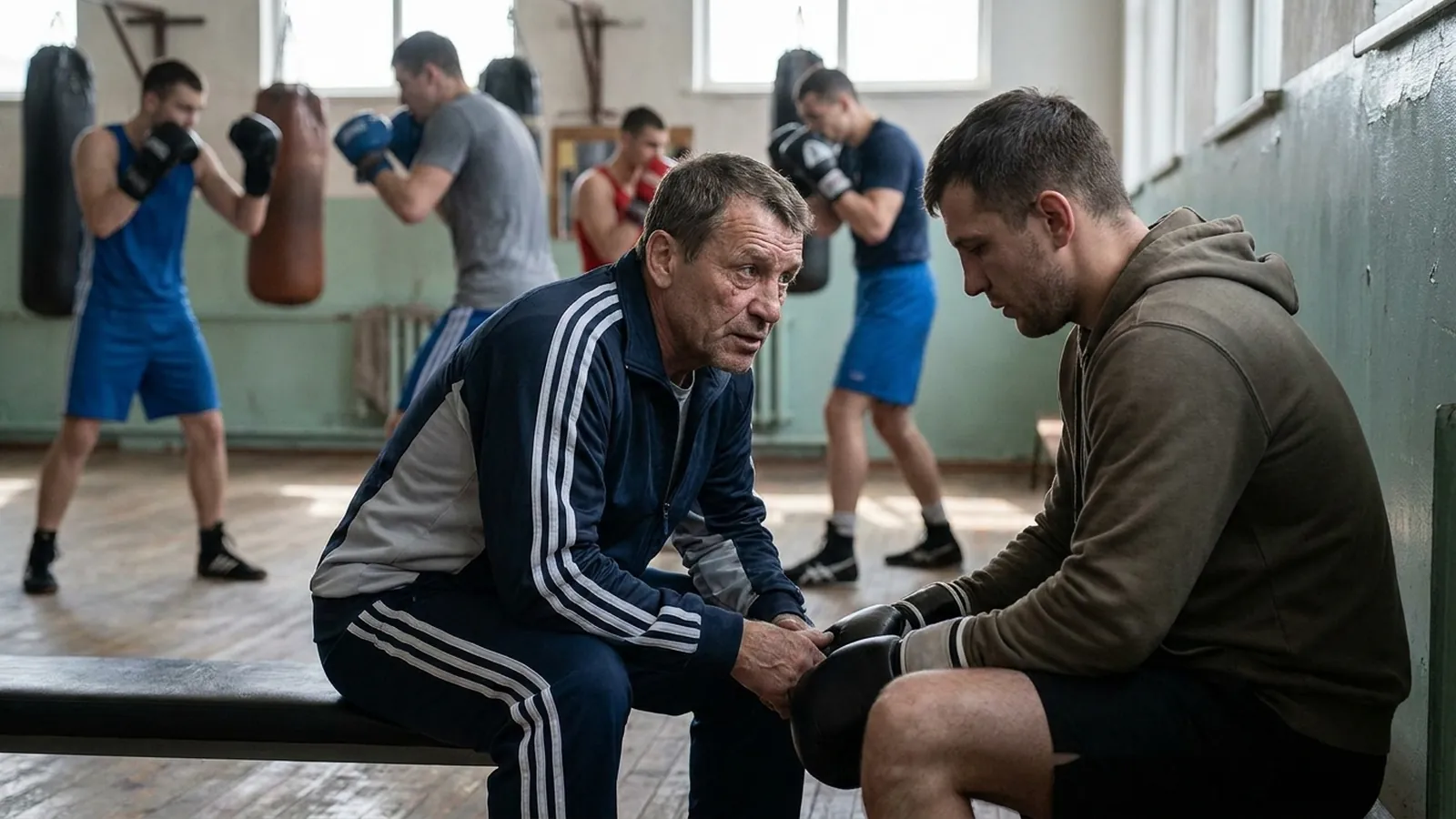
When to stop boxing immediately
Stop all boxing immediately if there is any suspicion of concussion.
That means no:
- one more round
- light sparring to finish
- bag work to see how it feels
- pads without contact
- conditioning finisher
- driving home alone without advice if symptoms are present
- arguing with the coach about whether it was a real concussion
NHS Inform puts the sports rule plainly: "If in doubt, sit them out." It says anyone suspected of concussion should stop all sport immediately (source).
At H&G, that is the standard. If the coach suspects concussion, the boxer is removed from the session. The job then becomes safety, monitoring and medical advice, not salvaging the workout.
When to get emergency help
Use NHS guidance first.
Go to A&E after a head injury if the person has:
- been knocked out but has woken up
- vomited since the injury
- a headache that does not go away
- memory problems
- a behaviour change
- a large bruise, swelling or cut on the head
- an open wound on the head
- been drinking alcohol or taking drugs before the injury
- a blood-clotting disorder or takes blood-thinning medicine
- had brain surgery in the past
The NHS also says to go to A&E if you think someone has been injured intentionally (source).
Call 999 if someone has hit their head and:
- has been knocked out and has not woken up
- has difficulty staying awake or keeping their eyes open
- has a seizure or fit
- has problems with vision or hearing
- has clear fluid coming from the ears or nose
- has bleeding from the ears or bruising behind the ears
- has numbness or weakness in part of the body
- has problems walking, balancing, understanding, speaking or writing
- hit their head at speed
- has a head wound with something inside it or a dent to the head
- cannot be taken to A&E safely
Those are NHS emergency warning signs (source). NHS Inform also advises 999 or A&E for severe or worsening headache, repeated vomiting, severe neck pain, increasing confusion or irritability, seizure, loss of consciousness, or signs such as bruising around the ears or eyes and fluid from the nose (source).
Phone NHS 111 if you suspect concussion but the person does not have emergency symptoms. NHS Inform says you should not diagnose concussion without consulting a healthcare professional, and that even if hospital care is not needed you should call NHS 24 on 111 for advice (source).
What a coach should do in the moment
A coach is not there to diagnose concussion. A coach is there to notice risk and act early.
A sensible boxing-room response looks like this:
- Stop the round or drill.
- Remove the boxer from all sport.
- Keep the tone calm and direct.
- Ask simple orientation questions only as a safety screen, not as a clearance test.
- Check whether emergency NHS signs are present.
- Make sure the boxer is not left alone if concussion is suspected.
- Arrange responsible adult monitoring and NHS 111, A&E or 999 as appropriate.
- Document what happened and tell the boxer not to return to training until medically safe.
England Boxing's post-bout medical guidance says concussion symptoms are often difficult to assess immediately after a bout, highlights head injury advice sheets where concussion is possible, and notes that concussion may present in subsequent days with low-grade headaches, poor concentration and nausea (source).
That matches the coaching reality. The first few minutes may not give you a neat answer. If the answer is uncertain, the boxer sits out.
The first 24 to 72 hours
If emergency care is not needed and NHS advice says the person can be monitored at home, the first day still matters.
The NHS says an adult should stay with the person for at least the first 24 hours after a minor head injury, and advises rest, avoiding stress, using paracetamol for headaches where suitable, and not driving, drinking alcohol, taking drugs or returning to work or school until feeling better (source).
NHS Inform says that if concussion is suspected, a responsible adult should monitor the person for 72 hours, and the person should not drive, operate heavy machinery, drink alcohol or take recreational drugs (source).
For boxers, the practical version is:
- do not train the same day
- do not spar or do contact drills
- do not drive yourself if advised not to or if symptoms affect safety
- do not drink alcohol to "sleep it off"
- tell a responsible adult what happened
- watch for symptoms that appear later
- follow NHS 111, GP, A&E or clinician advice
A head injury is not the time for toughness theatre.
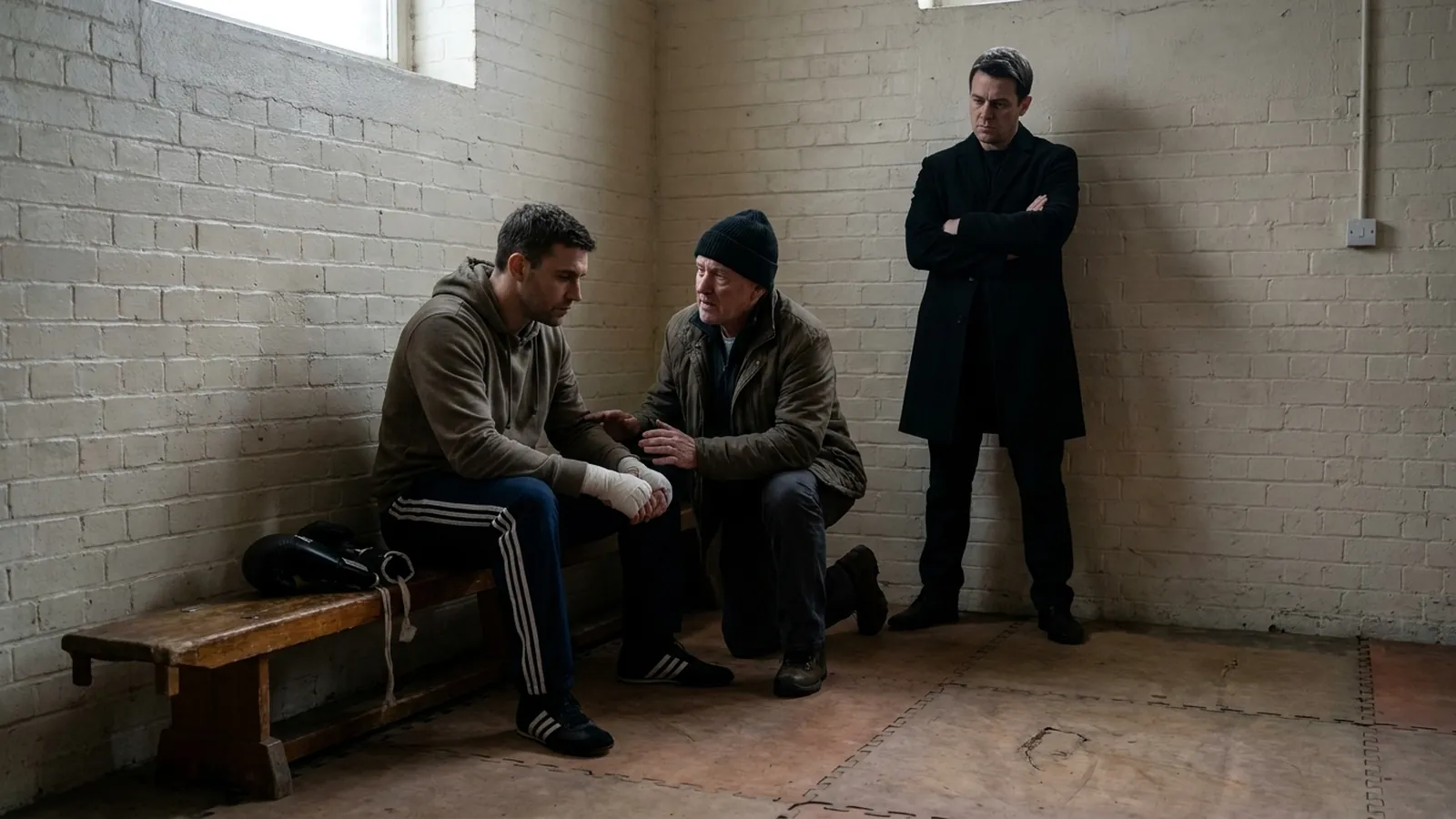
Returning to normal life before returning to boxing
Return to boxing should not jump straight from symptoms to sparring.
NHS Inform's GRAS plan stands for Graduated Return to Activity and Sport. It says the minimum time to return to normal life and sport is 21 days, everyone recovers differently, each stage should last at least 24 hours, and symptoms should not be made significantly worse by the current activity level (source).
The Amsterdam consensus statement also says strict rest until all symptoms resolve is not beneficial after sport-related concussion. It supports relative rest for the first 24 to 48 hours, followed by early return to physical activity as tolerated, while avoiding risk of contact, collision or falls (source).
That does not mean "go back to boxing quickly". It means recovery should be guided and gradual, not a dark-room punishment followed by a sudden return to head contact.
A boxer usually needs to be able to manage normal life first:
- normal sleep and daily routine
- school, work or study as advised
- screens and concentration without significant symptom worsening
- walking or light activity as advised
- no worsening headache, dizziness, nausea or fogginess
- no need to hide symptoms to get back to the gym
If symptoms last more than two weeks, the NHS advises seeing a GP, or seeing a GP if you are not sure it is safe to return to work, school, driving or sport (source). The Amsterdam consensus describes persisting symptoms as symptoms lasting more than four weeks, where a multimodal clinical assessment may be needed (source).
Return to boxing: a conservative staged view
This is not medical clearance. It is a boxing-specific way to understand why the return has to be layered.
Stage 1: relative rest and medical advice
No boxing. No sparring. No bag work. No pads. No skipping. No conditioning.
The priority is symptom monitoring, NHS or clinician advice, and normal daily recovery. If emergency symptoms appear, use A&E or 999 as above.
Stage 2: light daily activity
If advised and symptoms allow, this may include gentle walking or normal daily movement. The Amsterdam statement supports light physical activity after 24 to 48 hours as tolerated, while avoiding contact, collision or fall risk (source).
This is still not boxing training.
Stage 3: non-contact movement only
When normal daily activity is settling, boxing-shaped movement may eventually reappear without impact or risk:
- stance rehearsal
- slow footwork
- relaxed shadowboxing
- breathing work
- technical study
- coach discussion
No partner drills. No impact. No reaction work where the boxer might fall or be hit.
Stage 4: controlled non-contact boxing fitness
Only when medically appropriate, a boxer may rebuild general training without head impact risk:
- light skipping if symptoms and balance allow
- simple conditioning
- shadowboxing with more rhythm
- light bag or pad rhythm only if cleared and symptom-free in the relevant stage
The key word is controlled. Fatigue can make balance, judgement and symptoms worse.
Stage 5: pads and bag work with no head-contact risk
Pads and bag work add speed, noise, impact, reaction and fatigue. They are not the same as walking.
This stage should be short, technical and watched. If headache, dizziness, nausea, fogginess, vision symptoms or unusual fatigue returns, stop and seek advice.
Stage 6: partner drills, sparring and contact last
Contact is last. Head contact is later than last.
The Amsterdam consensus says medical determination of readiness should happen before returning to activities at risk of contact, collision or fall (source). The NHS says not to play contact sports for at least three weeks after a minor head injury (source).
For boxing, that means no sparring until the boxer has followed medical guidance, returned through earlier stages safely, and been cleared where clearance is needed. Wanting to spar is not clearance.
Why headguards and mouthguards do not solve concussion
Good protective kit matters. It can reduce cuts, bruising, dental injuries and facial injury risk. But kit does not make head impact safe.
Mouthguards are essential for contact work, but they are not a licence to absorb punches. Headguards can help with superficial facial injuries, but a headguard does not remove the brain's acceleration inside the skull. It may also change target size, vision, heat and confidence, depending on the boxer and setting.
The practical message is simple: safety is coaching, matching, control, supervision, honesty and medical judgement. Not just equipment.
If you want equipment guidance, start with our boxing mouthguard guide, headguard guide, and boxing glove guide. But do not confuse gear with medical clearance.
Reducing concussion risk in boxing training
You cannot remove every risk from a contact sport, but you can remove a lot of stupid risk.
Good clubs reduce head-injury risk by:
- keeping beginners out of ego sparring
- matching sparring partners by size, experience and control
- making technical sparring really technical
- stopping rounds early when form or control drops
- banning revenge rounds and gym wars
- teaching defence, distance and footwork before heavy contact
- using appropriate gloves and mouthguards for contact work
- making head-injury symptoms normal to report
- recording and respecting previous concussion history
- not letting boxers hide symptoms because they want to compete
- treating knockdowns and head-contact incidents seriously
The 2022 amateur boxing injury review found competition injury rates were much higher than training injury rates, and that head and neck injuries dominated competition injuries (source). That should shape how clubs think: ordinary recreational training, technical drills, controlled pads and supervised classes are not the same risk profile as hard sparring or competition.
The goal is not to frighten beginners. The goal is to make the club culture mature enough that beginners can train safely.
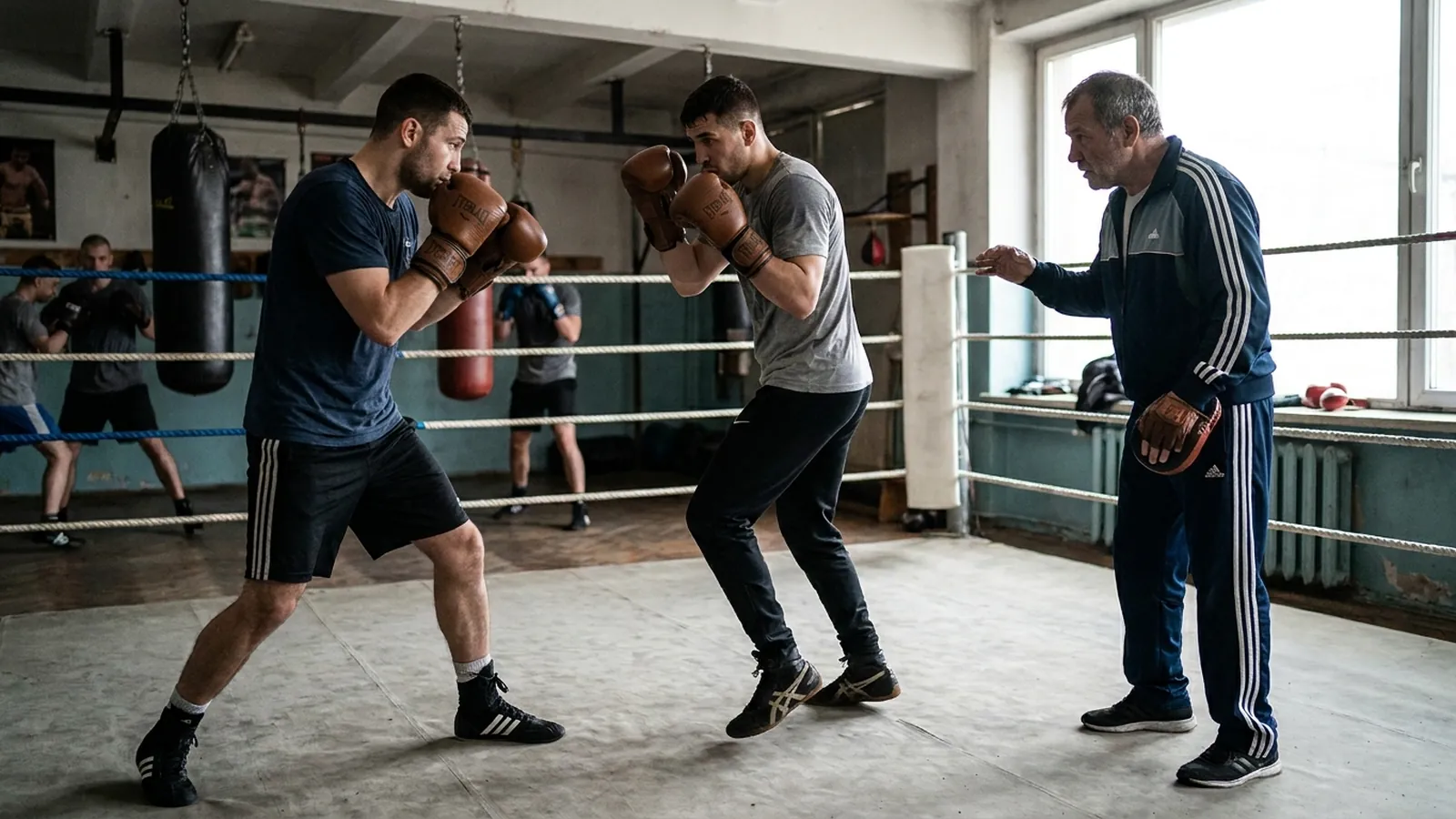
Return-to-boxing checklist after suspected concussion
Do not use this as medical clearance. Use it as a safety conversation with your clinician, coach and, for young boxers, parent or guardian.
Before returning to full boxing, you should usually be able to say:
- I stopped training immediately after symptoms or suspicion.
- I followed NHS 111, GP, A&E or clinician advice.
- I was monitored by a responsible adult after the injury.
- Emergency red flags did not appear, or they were dealt with medically.
- Symptoms are not being hidden to get back into the gym.
- Work, school, screens and normal life are tolerated as advised.
- Light activity has been reintroduced gradually.
- Non-contact movement does not bring symptoms back.
- Pads and bag work have been reintroduced only when appropriate.
- I have not returned to contact sport inside the NHS minimum three-week window.
- Sparring and head-contact drills are last, and only after appropriate clearance.
- I am not relying on alcohol, painkillers or bravado to pretend I am fine.
If any answer is messy, pause. Boxing will still be there next month. The brain you bring to it matters more than the session you miss.
How we handle head injury risk at H&G
H&G is a boxing club, so we are honest about the sport. Boxing can be brilliant for fitness, confidence, discipline and community, but contact has to be controlled properly.
For healthy beginners, most early training should be about stance, footwork, pads, bags, defence, balance and confidence. You do not need hard sparring to start boxing. You do need coaches who can tell the difference between challenge and stupidity.
If a head injury or suspected concussion happens, the training priority changes immediately. The boxer sits out. The coach checks for red flags. NHS advice comes before gym pride. Contact is not reintroduced because someone feels impatient.
If you are currently injured or have concussion symptoms, get medical advice first. If you are healthy enough to train and want a coach-led, beginner-safe route into boxing, our adult boxing classes and free trial are built around progress, control and long-term training, not ego rounds.
Related injury guides
H&G Team
Writer at Honour & Glory Boxing Club, a community boxing gym in Kidbrooke, South East London.
KEEP READING
How to Improve Your Head Movement: Drills That Help
Head movement is the most difficult defensive skill in boxing. Here are the drills that actually develop it, why most people practise it wrong, and what coaches look for.
Ankle Sprains and Achilles Pain in Boxing: Footwork, Warning Signs and Return to Training
A careful boxing guide to ankle sprains and Achilles pain: why footwork, pivots and skipping can overload the lower leg, NHS-backed warning signs, rehab phases and return to boxing.
Lower Back Pain in Boxing: Rotation, Bag Work and Return to Training
A careful boxing guide to lower back pain: why rotation, fatigue, hip stiffness and load spikes can irritate the back, NHS red flags, rehab phases and return to boxing.
Was this page helpful?
It takes one tap, and it genuinely helps.
Choose your next step
Turn this article into the right action
Some readers are ready to book. Some need the class route first. Pick the route that matches what you actually want.