Shoulder Labrum Tears in Boxing: Instability, Clicking and Return to Training
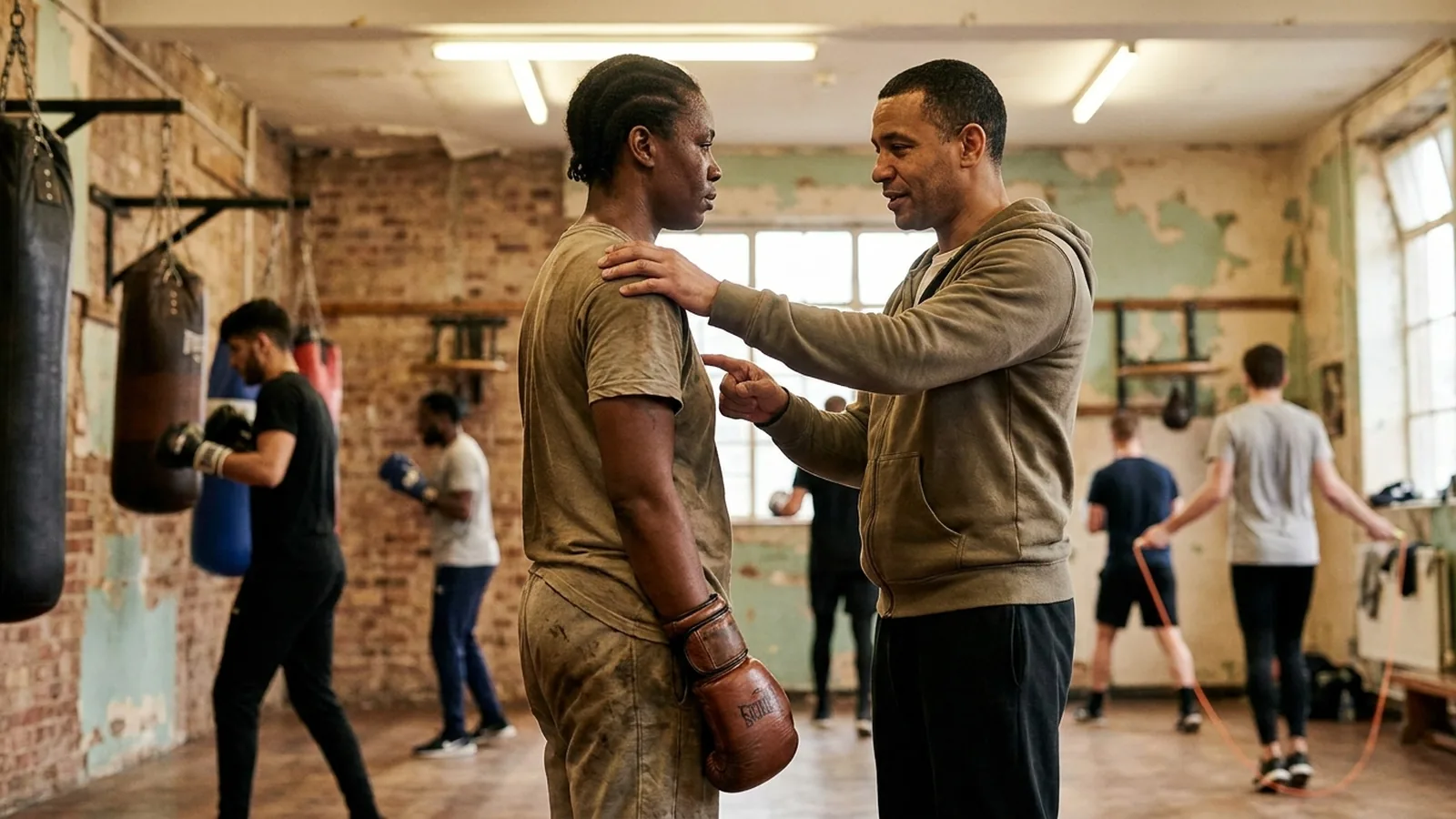
A shoulder labrum tear is not just a sore shoulder.
For a boxer, the worrying clues are usually deeper: catching, clicking, slipping, a dead-arm feeling, pain after the shoulder was pulled or jarred, or the sense that the joint is not sitting properly when you punch. It can overlap with rotator cuff pain, impingement-type pain and biceps tendon pain, which is why guessing from symptoms alone is risky.
This is general information for boxers, not a diagnosis or medical advice. Stop training and speak to a qualified clinician if symptoms are severe, worsening, unusual, or not improving. For urgent symptoms, use NHS 111, A&E or 999 as appropriate.
This guide is part of our common boxing injuries series. It explains what the shoulder labrum does, why boxing can expose labrum-related problems, when clicking matters, when to get medical help, and how return to boxing normally needs to be staged.
The short version: if the shoulder feels unstable, slips, catches painfully, loses power suddenly, changes shape, or will not move normally after an impact, stop boxing and get medical advice. Do not test a possible labrum or instability problem on the heavy bag.
What the shoulder labrum does
The shoulder is built for movement, not just brute stability. The ball at the top of the upper arm sits in a shallow socket on the shoulder blade. That shallow design gives you the range to jab, cross, hook, frame, defend, clinch and move the arm quickly.
The trade-off is that the shoulder needs help staying organised.
Johns Hopkins describes the shoulder labrum as a thick piece of tissue attached to the rim of the shoulder socket that helps keep the ball of the joint in place (source). HSS describes it as a cup-shaped rim of cartilage that deepens and stabilises the socket, supports ligaments and contributes to shoulder stability (source).
In boxing terms, the labrum helps the shoulder tolerate:
- fast straight punches that need clean braking on the way back
- hooks and uppercuts that load the shoulder through rotation
- missed punches where the arm keeps travelling into empty space
- clinch or sparring moments where the arm is pulled unexpectedly
- falls, slips or awkward posts through the arm
- repeated guard position under fatigue
- pad and bag impact when the shoulder is already tired
That does not mean every shoulder click is a tear. It means instability-type symptoms deserve more respect than ordinary post-class soreness.
Labrum tear, SLAP tear and Bankart tear: what the words mean
A labrum tear can happen in different places and for different reasons.
HSS says the two common labral injury patterns are SLAP tears and Bankart tears (source). AAOS explains that a SLAP tear affects the top, or superior, part of the labrum, where the biceps tendon attaches. SLAP stands for superior labrum anterior and posterior, meaning the tear runs from front to back around that upper attachment area (source).
A Bankart-type tear is more associated with shoulder instability and dislocation. Johns Hopkins notes that when the shoulder partly slips out of the socket, called subluxation, or fully dislocates, the labrum may tear off the rim of the socket and may not heal back in the correct position without treatment (source).
For a boxer, the label matters less than the behaviour of the shoulder:
- Does it feel deep rather than superficial?
- Does it catch, lock or clunk?
- Did it follow a pull, fall, missed punch, dislocation or awkward sparring exchange?
- Does the arm feel dead or unstable when punching?
- Does it stop you trusting the shoulder?
Those are the clues that push the problem out of the normal soreness bucket.
Why boxing can expose labrum problems
Most beginner boxing shoulder aches are load, technique and fatigue problems. A labrum tear is more specific, but boxing can still expose it.
Common boxing scenarios include:
- missing a hard hook and letting the arm whip behind the body
- reaching for a straight punch instead of stepping into range
- hitting the heavy bag with the shoulder already shrugged and forward
- throwing tired uppercuts with the elbow drifting behind the body
- being pulled, framed or caught awkwardly during sparring or clinch work
- falling onto an outstretched arm during conditioning or sport outside boxing
- returning to bag work too quickly after a shoulder subluxation or dislocation
- stacking boxing on top of heavy pressing, pull-ups or throwing sports
The 2022 amateur boxing systematic review found training injuries in amateur boxing more often affect the upper limb, and training injuries were often sprains and strains (source).
That evidence does not mean recreational boxing classes are full of labrum tears. It means upper-limb problems are part of boxing injury reality, and shoulder warning signs should not be laughed off as weakness.
What a labrum tear can feel like in a boxer
Symptoms overlap, so this section cannot diagnose you. A rotator cuff problem, biceps tendon irritation, shoulder impingement, neck referral, AC joint irritation or general overload can all produce shoulder pain.
Labrum-related symptoms often feel more mechanical or unstable. HSS lists symptoms such as shoulder pain, instability, loss of motion, grinding, popping, clicking, locking, snapping, catching, or the feeling that the shoulder may give out or dislocate (source). AAOS also lists locking, popping, catching, grinding, shoulder pain with movement, decreased strength, reduced range of motion, and the feeling that the shoulder may pop out of joint (source).
In boxing, that may show up as:
- deep pain at the front, back or inside of the shoulder
- catching when the hand returns to guard
- clicking that is painful or linked with weakness
- the shoulder feeling loose during hooks or uppercuts
- dead-arm feeling after a punch, pad round or sparring exchange
- loss of confidence punching at speed
- pain when the arm is pulled across the body or behind you
- pain after a missed punch, fall, pull or dislocation-type moment
- repeated pain with no clear muscle soreness pattern
A harmless click that has always been there and causes no pain, weakness or instability is different from a new painful clunk after an injury. The change matters.
Labrum pain versus rotator cuff pain
Boxers often put every shoulder problem into one phrase: rotator cuff.
The rotator cuff is a group of muscles and tendons that help stabilise the shoulder while it moves. Our guide to rotator cuff pain in boxing covers that in detail. Rotator cuff related pain often feels like ache, pinching, weakness lifting the arm, pain lying on the side, or pain when the shoulder is loaded repeatedly.
A labrum problem can feel less like a sore muscle or tendon and more like the joint is not behaving normally.
Useful distinction:
- rotator cuff-type pain often complains when you lift, reach, press or repeat volume
- labrum-type pain often complains when the shoulder catches, slips, clunks, feels unstable or follows a traumatic pull or dislocation
But real shoulders are messy. HSS notes that labral tears can involve pain and instability, and Johns Hopkins explains that diagnosis involves clinical examination and often imaging or arthroscopy (source). If your shoulder feels unstable, do not self-sort it into the milder category because you would rather keep training.
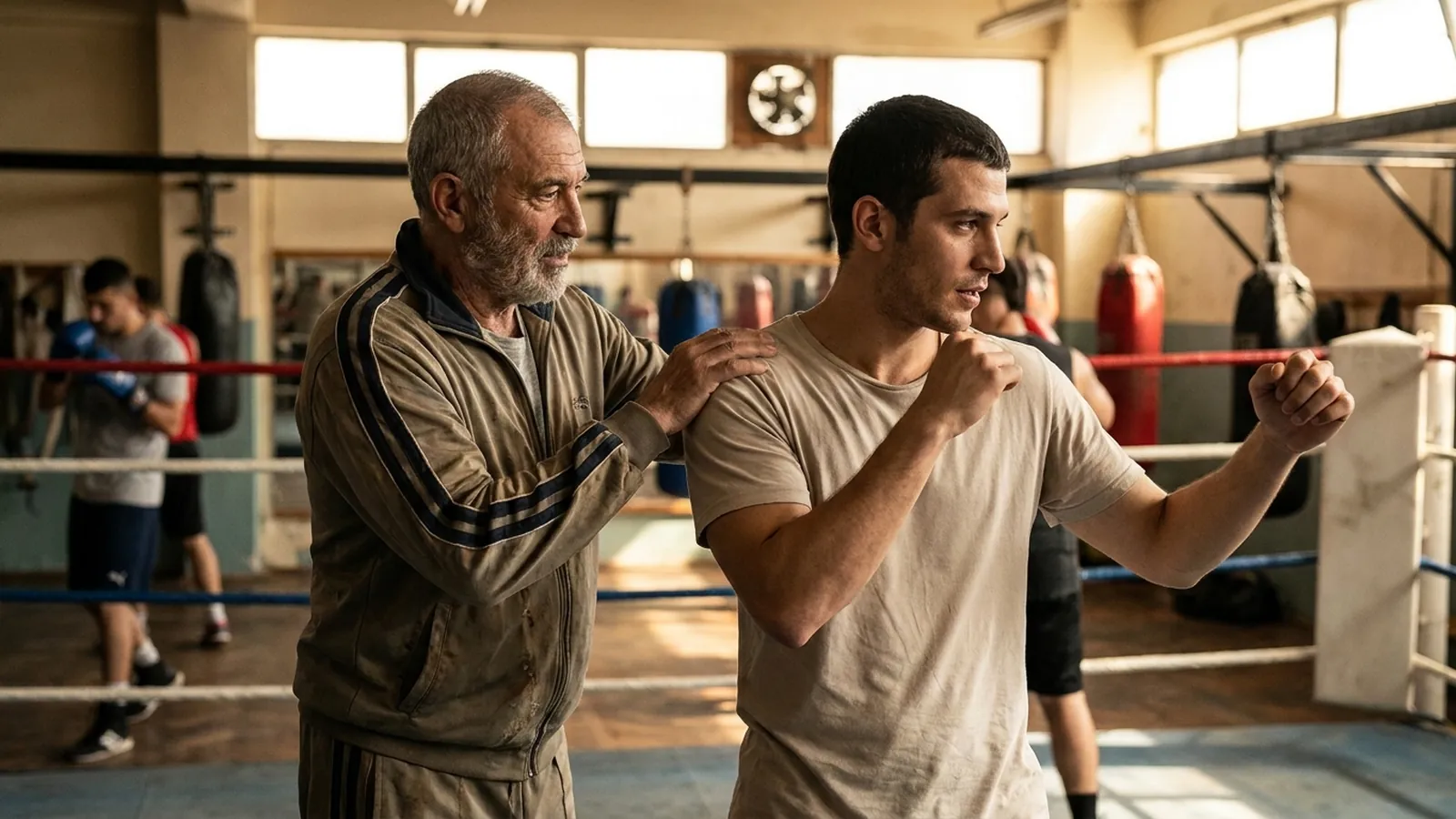
When to stop boxing immediately
Stop the round if shoulder pain:
- feels deep inside the joint
- comes with a slipping, clunking or unstable sensation
- appears suddenly after a missed punch, fall, pull or awkward sparring exchange
- makes the shoulder feel like it may pop out
- causes sudden weakness or dead-arm feeling
- makes you change your punch path, guard or stance
- causes numbness, tingling or pins and needles
- makes it hard to lift or control the arm
- gets worse as you continue
Do not keep throwing light punches to test it. Testing is still loading. If the shoulder is unstable, the safe decision is to stop and get assessed.
A coach can adjust stance, range, tension and workload. A coach cannot diagnose a SLAP tear, Bankart lesion, dislocation, nerve issue or tendon rupture from the side of the ring.
When to get medical help
Use NHS guidance first.
Ask for an urgent GP appointment or get help from NHS 111 if:
- shoulder pain is sudden or very bad
- you cannot move your arm
- the arm or shoulder has changed shape or is badly swollen
- pins and needles do not go away
- there is no feeling in the arm or shoulder
- the arm or shoulder is hot or cold to touch
- the pain started after an injury or accident, such as a fall
- you develop severe pain in both shoulders
- you feel feverish or unwell
Those warning signs come from the NHS shoulder pain page, which says they can be signs of something serious, such as a broken or dislocated bone, or a torn ligament or tendon (source). NHS Inform gives similar shoulder guidance, including phoning 111 after new significant trauma, if the shoulder is misshapen after a new injury, or if you cannot move the shoulder at all (source).
See a GP, NHS MSK service or physiotherapist for shoulder pain that:
- is getting worse
- has not started improving after two weeks
- makes moving the arm or shoulder very difficult
- affects sleep repeatedly
- keeps returning when you box
- comes with repeated catching, clicking, dead-arm feeling or instability
- started after a possible subluxation, dislocation or heavy impact
The NHS says shoulder pain that does not improve after two weeks might be caused by something that needs treatment, and advises people not to self-diagnose (source).
How labrum tears are assessed
A clinician will normally start with the story: how the pain began, whether there was a fall, pull, dislocation or repeated loading, what movements reproduce symptoms, and whether there is instability, weakness, numbness or neck-related pain.
They may then assess range of movement, strength, stability and specific shoulder positions. AAOS notes that physical examination may include checking the neck and head to rule out referred pain from a pinched nerve, and that imaging may be used when needed (source).
X-rays do not show the labrum well because it is soft tissue, but they can help rule out other problems. MRI or an MRI arthrogram may be used. Johns Hopkins says the best way to diagnose labrum tearing is shoulder arthroscopy, though imaging and clinical assessment are commonly part of the process (source).
The practical point for boxers is simple: if the shoulder feels unstable, the answer is not more bag rounds. The answer is assessment.
What treatment often looks like
Treatment depends on the type, severity, location and behaviour of the tear, plus the person, their sport, their job, their age and whether the shoulder is unstable.
HSS says nonsurgical treatment may include rest, physical therapy, anti-inflammatory medication, injections in some cases, and that surgery is considered when symptoms persist despite physical therapy, instability continues, or the person is a young athlete likely to reinjure the shoulder (source). AAOS says initial treatment for SLAP injuries is usually nonsurgical, with surgery considered if pain does not improve with nonsurgical care (source).
That does not mean every labrum tear needs surgery. It also does not mean every labrum tear can be trained through.
Some tears are incidental or age-related. AAOS notes that in patients over 30 to 40, fraying of the superior labrum can be seen as part of the normal ageing process (source). Other tears are linked with instability or dislocation and need more careful management.
The decision belongs with a qualified clinician, not the bag, not a sparring partner, and not a motivational quote.
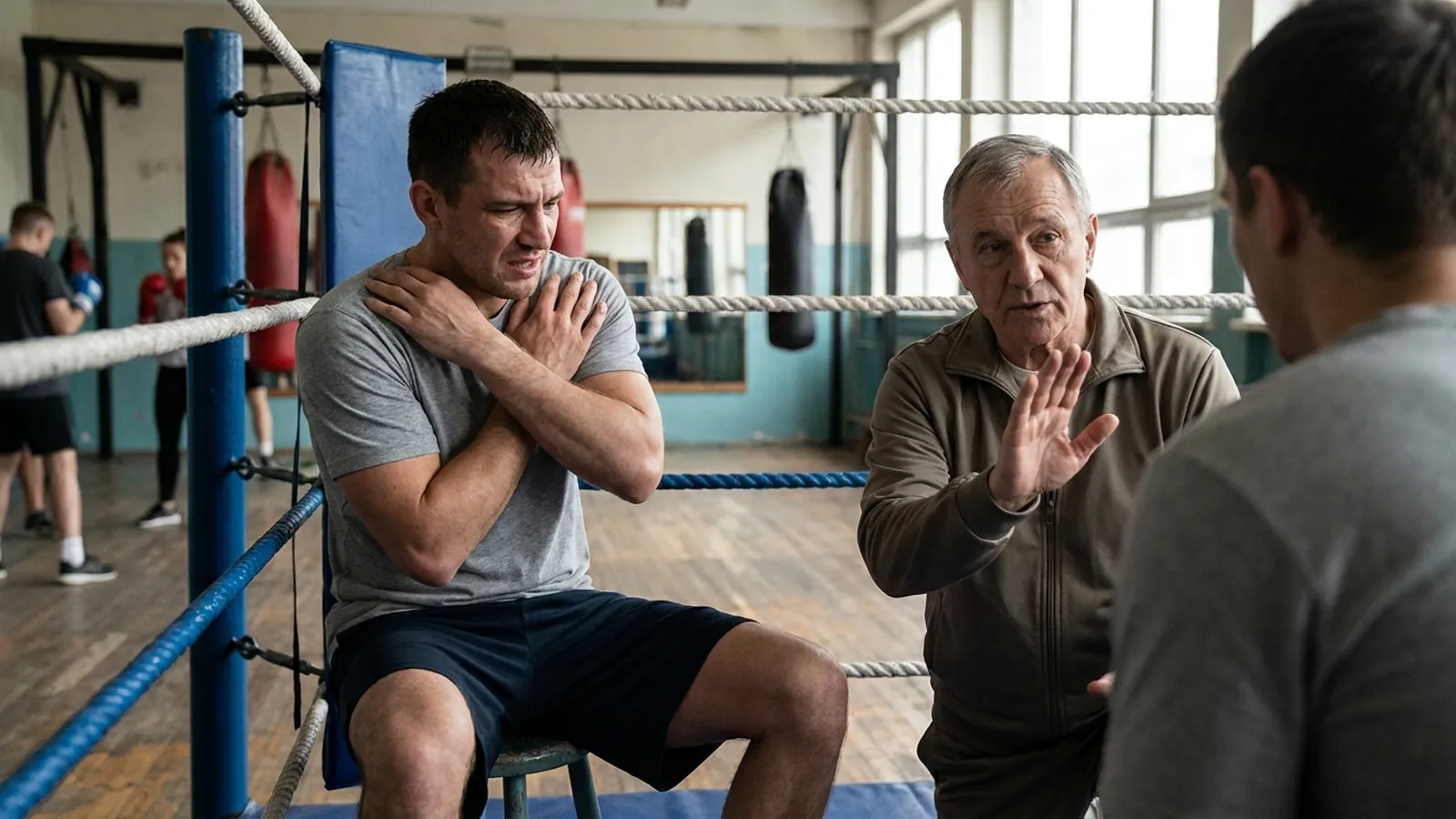
What rehab usually looks like for a boxer
If a clinician has diagnosed or strongly suspected a labrum problem, rehab needs patience. The shoulder has to be comfortable in daily life, strong enough to control movement, and trustworthy under speed before impact returns.
Phase 1: calm the shoulder down
The first job is to stop aggravating the problem. That may mean no sparring, no heavy bag, no hard pads, no press-ups, no heavy pressing, no pull-ups, and no fast hooks or uppercuts for a while.
You may still be able to train footwork, lower-body conditioning, simple movement, breathing, or non-irritating skill work if a clinician and coach agree. But shoulder stability symptoms should not be negotiated with.
NHS shoulder guidance supports staying gently active while avoiding things that make pain worse, and warns against making up strenuous exercises or using heavy gym equipment (source).
Phase 2: restore ordinary movement
Before boxing comes normal life. Can you dress, reach, sleep, carry light things and move the shoulder without guarding? Does the shoulder feel stable during everyday tasks?
NHS Inform says many new shoulder problems should begin to settle within six weeks, but also advises avoiding sports and heavy lifting until there is less discomfort and good movement (source).
Phase 3: rebuild shoulder control
A physio may work on range, shoulder blade control, rotator cuff strength, biceps loading, trunk position, pressing tolerance and gradually exposed ranges. The details depend on the diagnosis.
For a boxer, the key question is not just whether the shoulder is pain-free at rest. It is whether it can stay controlled when the body rotates, the guard is tired, the feet move and the hand comes back to position.
Phase 4: reintroduce boxing without impact
Shadowboxing usually comes before impact. Start relaxed, slow and technical. Keep the range honest. Do not reach. Do not let the hand drift behind the body. Keep the shoulder down and the punch recoverable.
Straight punches are usually easier to control than wide hooks or uppercuts. Short rounds are better than testing the shoulder with long volume.
The checkpoint is: can you move like a boxer without protecting the shoulder or waiting for a clunk?
Phase 5: light pads, then controlled bag work
Pads add timing and force. Bag work adds impact. Both need to come back gradually.
A sensible progression might look like:
- shadowboxing with no symptoms
- light technical pads with straight punches only
- short bag rounds at low power
- gradual volume before power
- controlled hooks and uppercuts only when straight punching is settled
- no sparring until the shoulder is stable under speed, fatigue and contact risk
If pain returns at low intensity, the shoulder has answered. Drop back and reassess.
Phase 6: sparring last
Sparring is not just punching. It includes slips, frames, clinch moments, defensive reactions, missed shots, unexpected pulls and emotional speed. That is exactly why it comes last.
Returning to sparring after a suspected labrum problem should be clinician-guided, coach-controlled and conservative. If the shoulder has ever dislocated, subluxed or felt like it may pop out, do not make sparring the test.
How long recovery can take
There is no honest single recovery time for labrum tears.
The range depends on whether symptoms settle without surgery, whether there is instability, whether the tear is traumatic or degenerative, whether surgery is needed, and what level of boxing the person wants to return to.
HSS says recovery after labrum surgery can take six months to one year, especially for athletes (source). Johns Hopkins says after repair it is believed to take at least four to six weeks for the labrum to reattach to the bone, and probably another four to six weeks to get strong, while wider return depends on the case (source).
For non-surgical cases, the timetable is still individual. The wrong question is "how soon can I hit hard again?" The better question is "what can my shoulder control today without pain, instability or compensation?"
Reducing the chance of shoulder problems returning
You cannot prevent every labrum injury. Falls, pulls, awkward sparring moments and old injuries happen. But you can reduce the load and technique errors that make shoulders vulnerable.
Useful boxing habits include:
- build punching volume gradually after time off
- avoid heavy bag ego rounds when tired
- stay in range with your feet instead of reaching with the arm
- keep hooks compact rather than yanking the arm behind the body
- learn to miss safely and recover the hand
- keep shoulders relaxed instead of shrugged
- do enough upper-back, trunk and shoulder-control work for your level
- separate heavy strength work from hard boxing days where possible
- tell the coach early when a shoulder feels unstable or different
- do not spar with a shoulder you would not trust on pads
A good boxing gym should reward clean movement and honest feedback, not pain hiding.
How Honour & Glory handles shoulder instability in class
At Honour & Glory, we are coaches, not clinicians.
If someone tells us their shoulder feels unstable, catches painfully, feels weak after a punch, or might have slipped, we do not try to diagnose it in the session. We stop the risky work, reduce or remove impact, and point them towards proper medical assessment where needed.
For people healthy enough to train, our job is to coach cleaner movement:
- better range before power
- relaxed guard position
- straighter, recoverable punching
- less reaching
- sensible round volume
- footwork that gets the body into range
- controlled return to bag and pad work
If you are not currently injured and want a coach-led way to learn boxing without being thrown straight into hard contact, start with our adult recreational boxing classes or book a free trial.
If you already have shoulder instability, a suspected labrum tear, a recent dislocation, severe pain, numbness, or worsening symptoms, get assessed first. Boxing will still be there when your shoulder is ready.
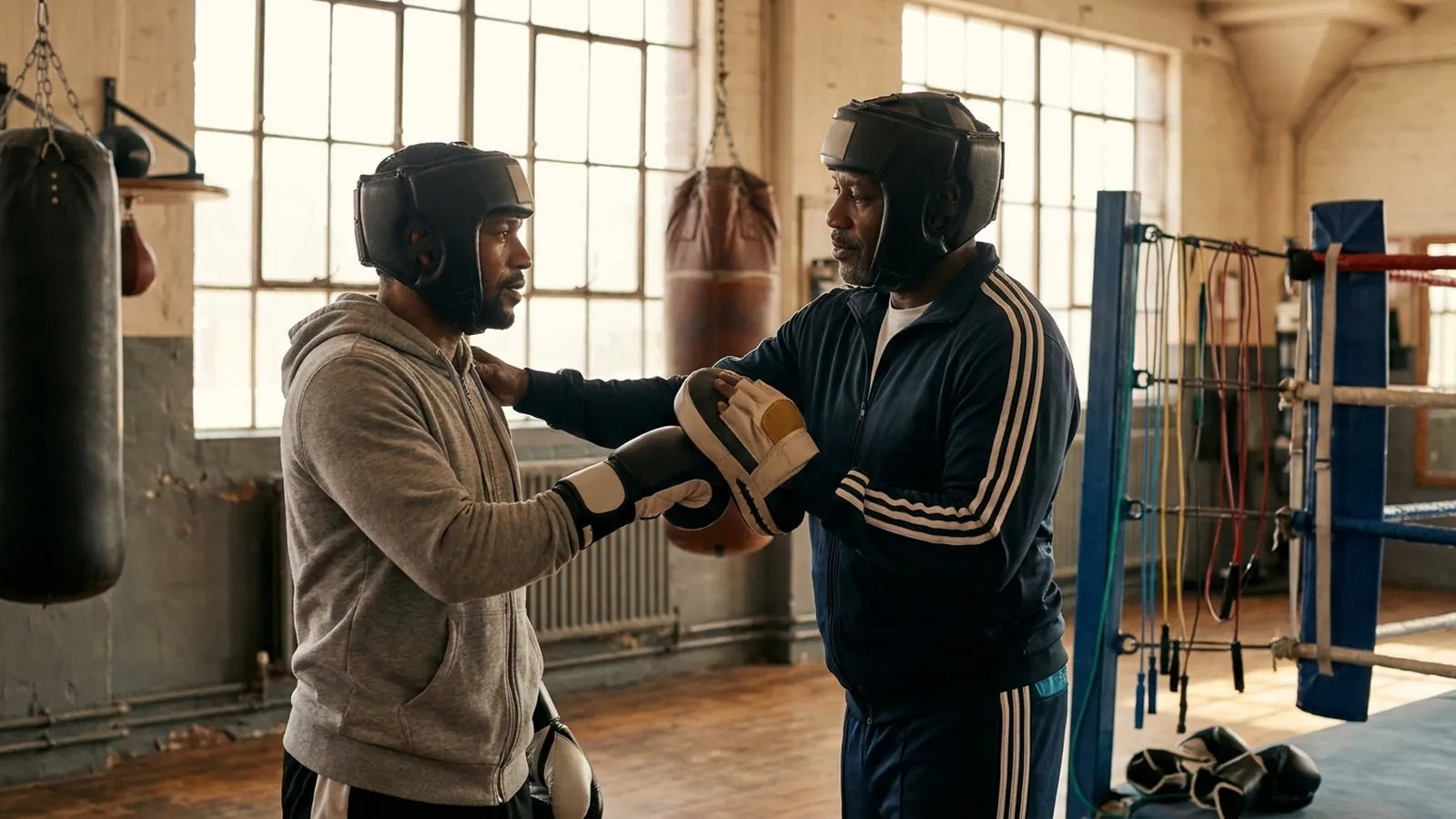
Final rule for boxers
A tired shoulder can often be managed with better load, better technique and better recovery. An unstable shoulder is different.
If it slips, catches painfully, deadens, changes shape, loses strength suddenly, or makes you distrust the punch, stop the round. Get the shoulder checked. Then return in stages: daily movement, control, shadowboxing, light pads, bag work, and sparring last.
For broader prevention principles, read our guides to common boxing injuries, rotator cuff pain in boxing, and how to prevent boxing injuries. The strongest boxer in the room is often the one who knows when not to throw the next punch.
H&G Team
Writer at Honour & Glory Boxing Club, a community boxing gym in Kidbrooke, South East London.
KEEP READING
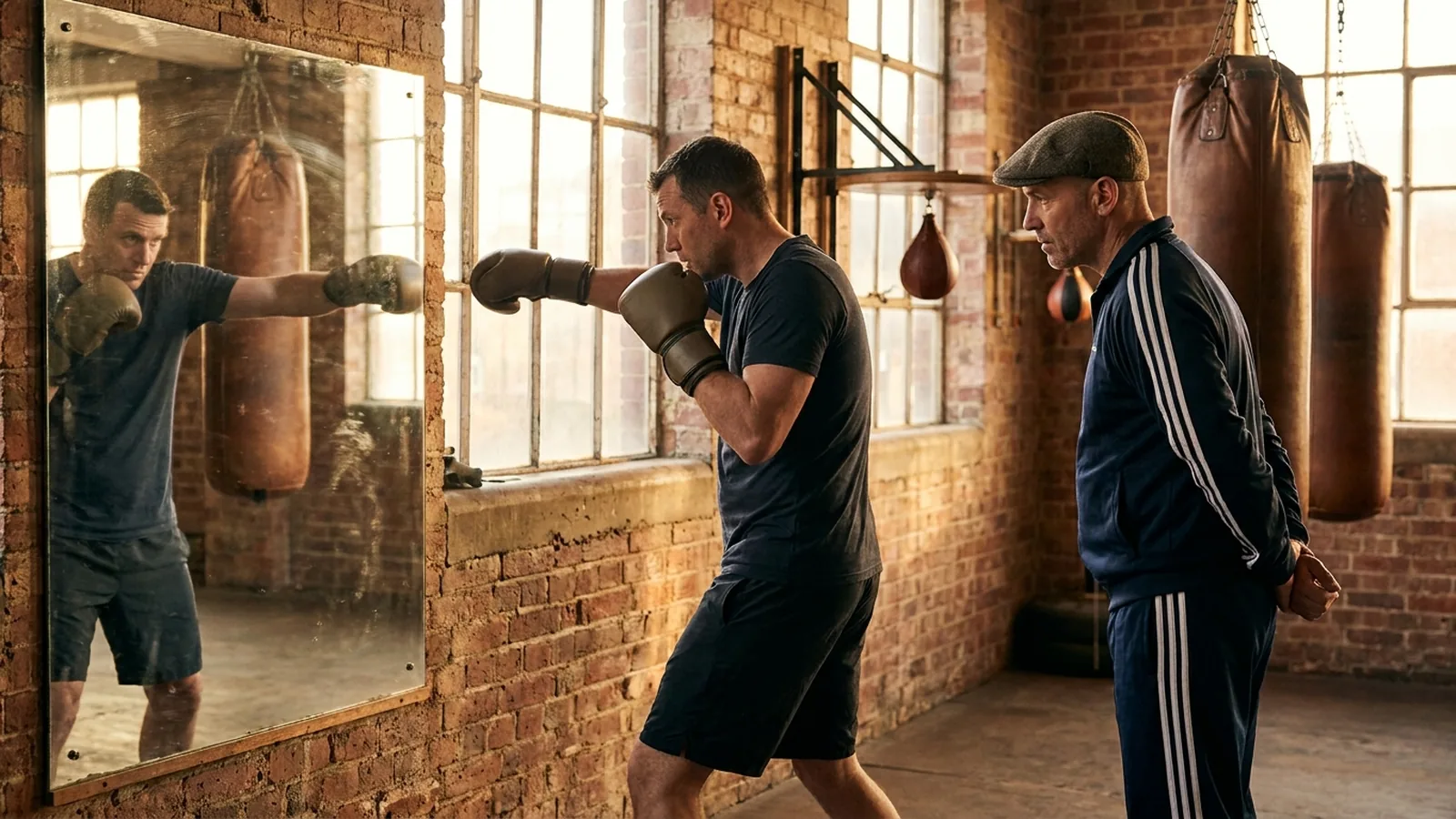
Rotator Cuff Pain in Boxing: Shoulder Warning Signs, Rehab and Return to Training
A careful, coach-led guide to rotator cuff pain in boxing: common causes, warning signs, NHS-backed shoulder guidance, rehab phases and return to punching.
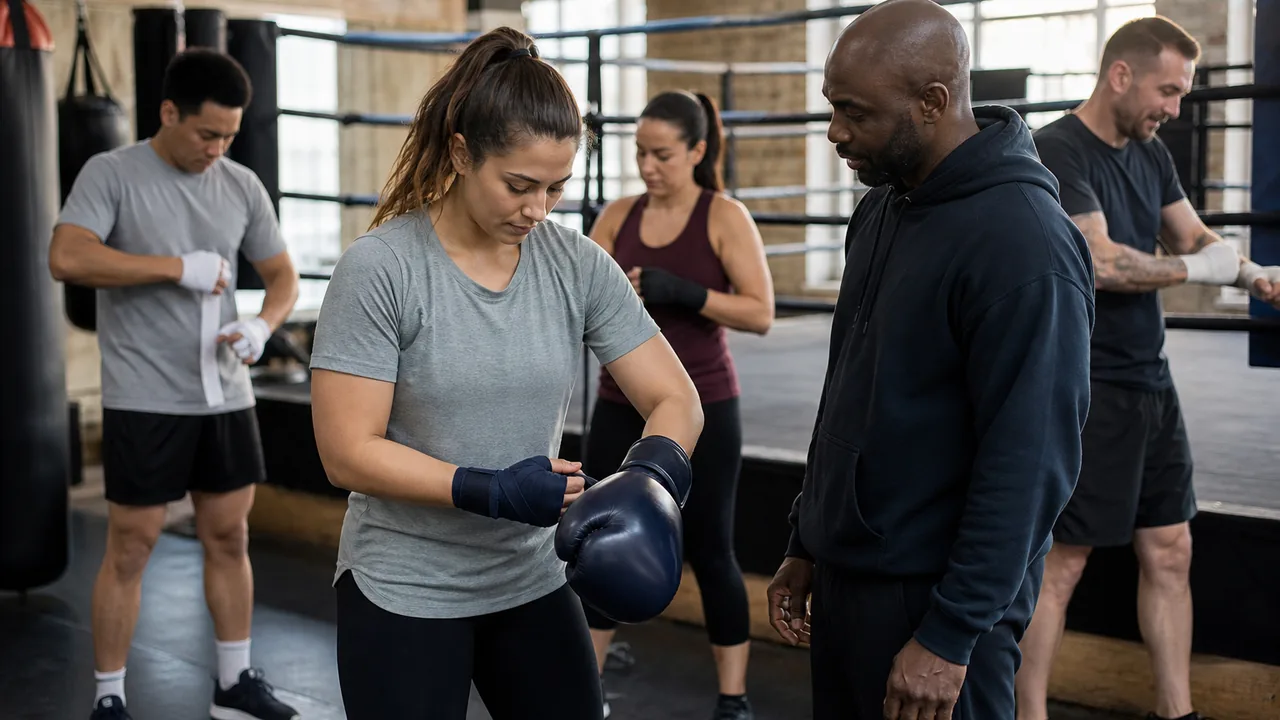
Common Boxing Injuries: What Hurts, Why, and When to Get Help
A medically careful guide to common boxing injuries: hands, wrists, shoulders, elbows, ribs, calf strains, knees, back pain and concussion, with NHS-backed warning signs.
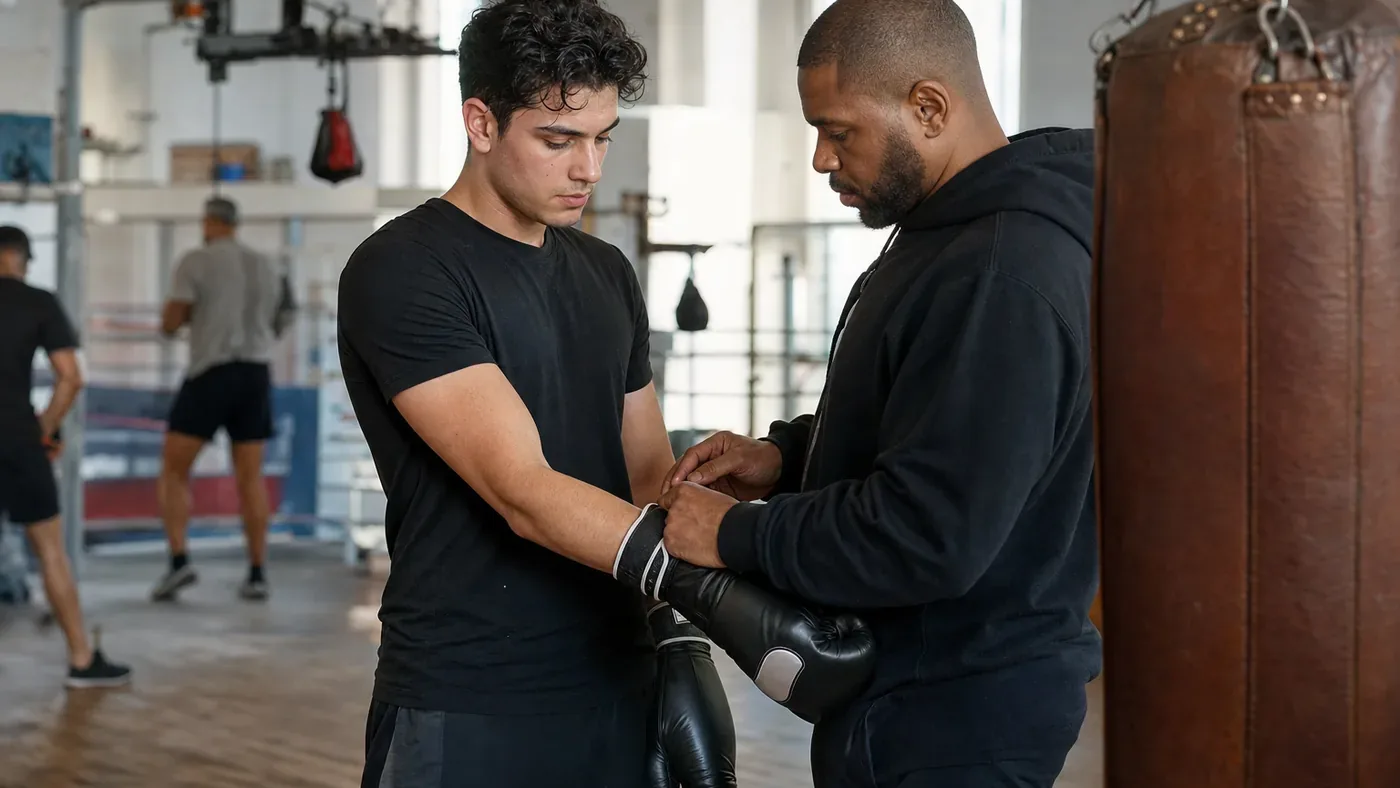
Wrist and Hand Injuries in Boxing: Pain, Knuckles, Fractures and When to Stop
A careful, coach-led guide to wrist and hand pain in boxing: common causes, warning signs, boxer's knuckle, fractures, wrapping, rehab and return to training.
Was this page helpful?
It takes one tap, and it genuinely helps.
Choose your next step
Turn this article into the right action
Some readers are ready to book. Some need the class route first. Pick the route that matches what you actually want.